Dusky Stink Bug Identification Guide
Euschistus tristigmus
The dusky stink bug is a native North American shield bug commonly found in agricultural areas and gardens. Like other stink bugs, it releases a pungent odor when disturbed and may seek shelter indoors during fall.
Taxonomy
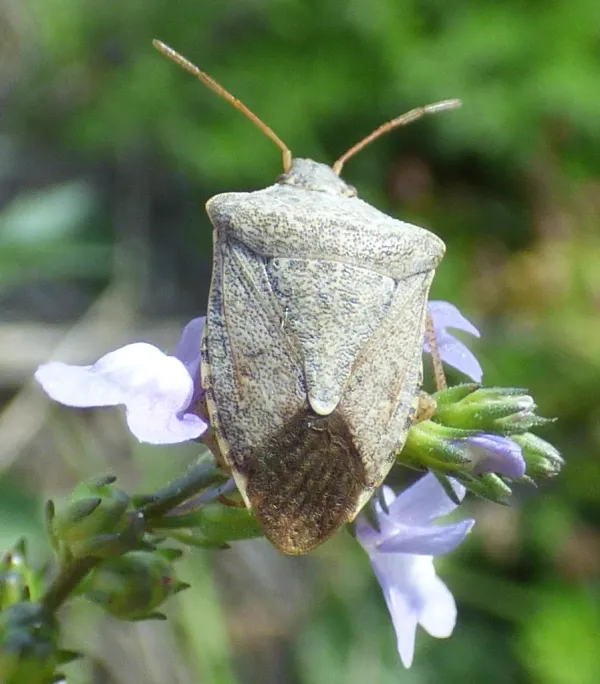
Dusky Stink Bug Coloration
Common color patterns to help identify dusky stink bug
Dusky Stink Bug
Seasonal Activity
When dusky stink bug are most active throughout the year
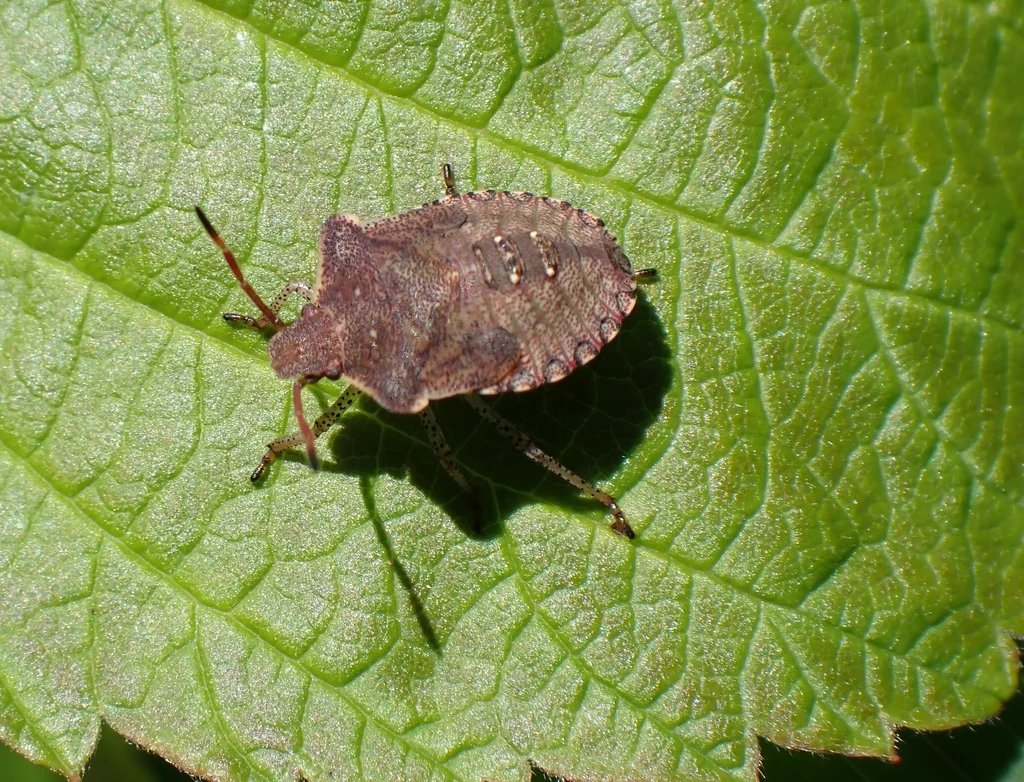
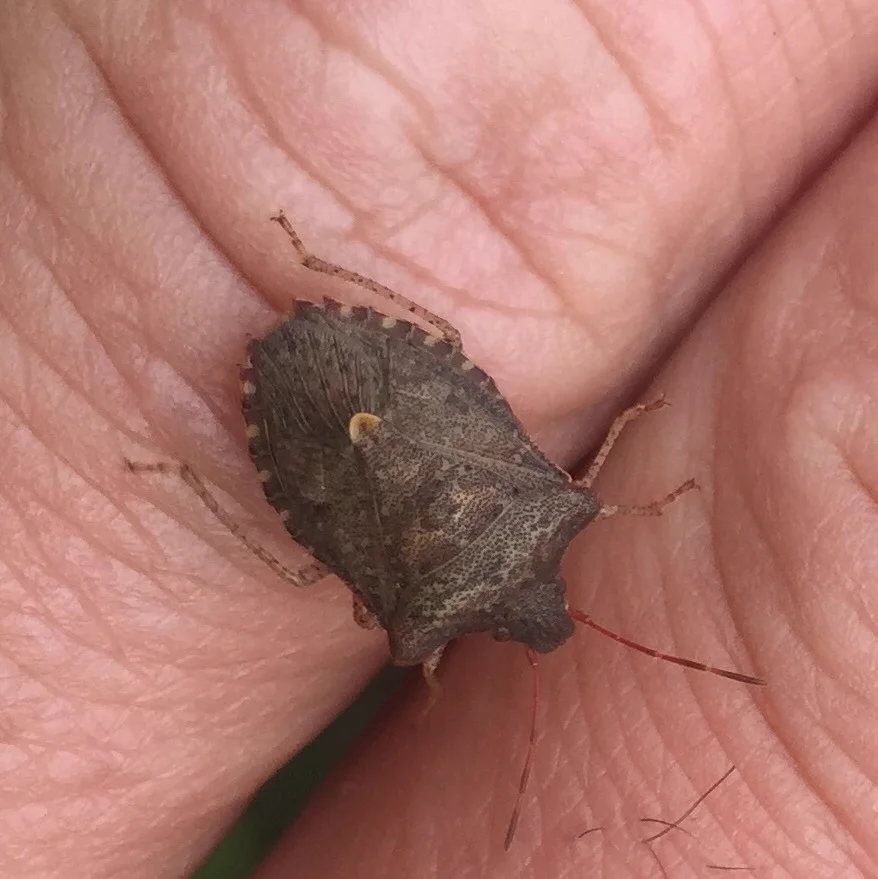
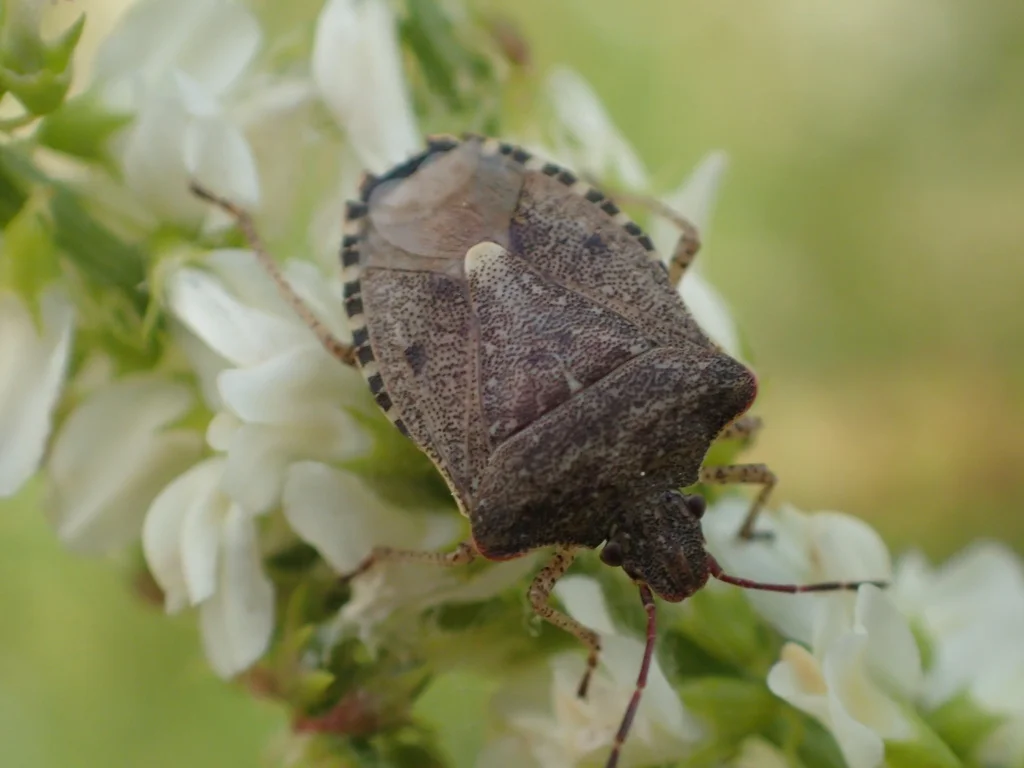

Where Dusky Stink Bug Are Found
Hover over states to see their names. Green regions indicate where dusky stink bug have been reported.
Dusky Stink Bug Identification Guide
Physical Characteristics
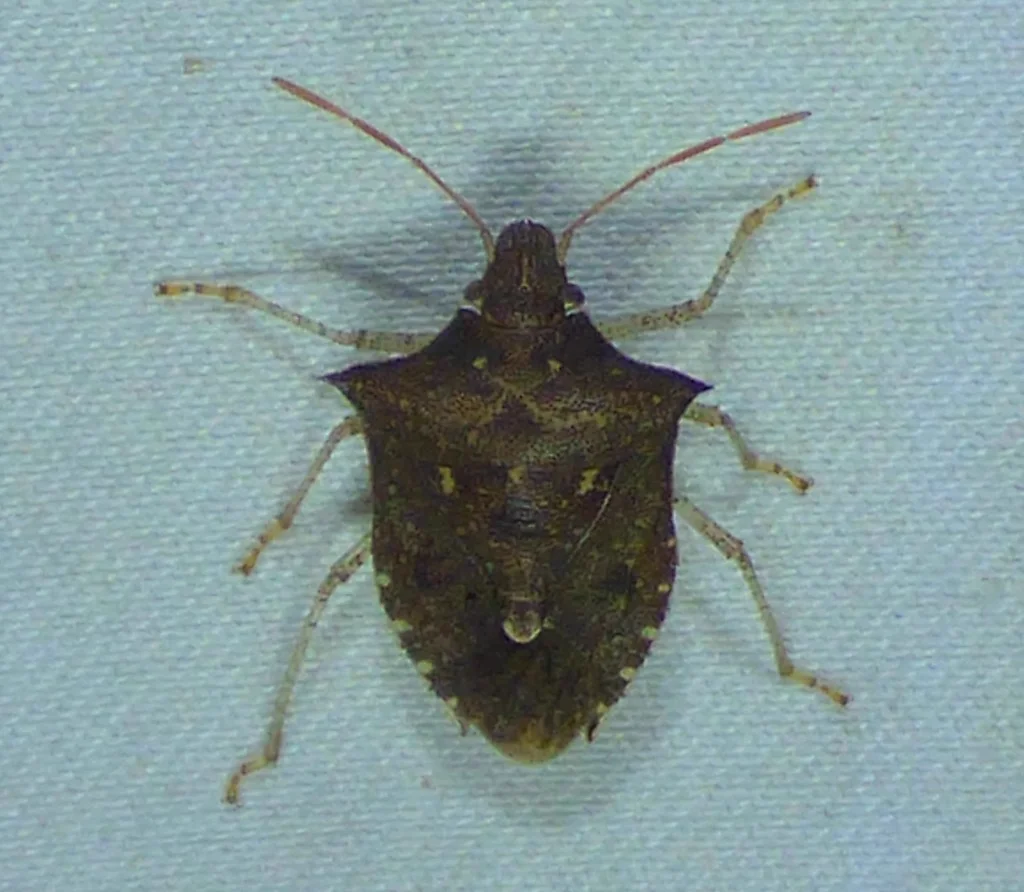
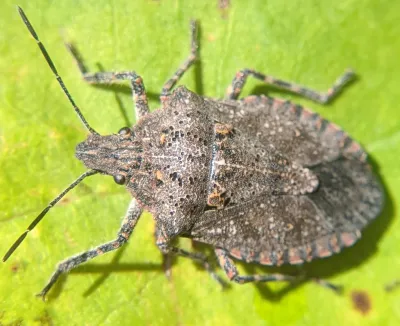
The dusky stink bug (Euschistus tristigmus) is a shield-shaped insect in the stink bug family. Adults are about 9-15 mm long, making them a bit smaller than the brown marmorated stink bug. Their color ranges from dull brown to grayish-brown. This helps them blend in with tree bark, soil, and dead leaves.
You can spot dusky stink bugs by their pointed shoulders. They have small, sharp points on each side of the area behind their head. The back shows dark speckles, while the wings have lighter patches. The belly is light-colored with dark spots near the rear. Their legs and antennae are plain brown without any bands or stripes.
Subspecies
There are two types of dusky stink bug: Euschistus tristigmus tristigmus and Euschistus tristigmus luridus. Both are native to North America and look and act alike. They may differ slightly in color depending on the region.
Eggs and Nymphs
Female dusky stink bugs lay barrel-shaped eggs in clusters on the undersides of leaves. The eggs start out pale green to yellow. They darken as the bugs inside grow. Young stink bugs, called nymphs, go through five growth stages before becoming adults. Young nymphs are smaller and may look different from adults. They slowly develop the brown color and shield shape as they grow. Nymphs cannot fly because their wings are not fully formed. They stay on plants until they become adults.
Dusky Stink Bug Behavior and Biology
Lifecycle and Reproduction
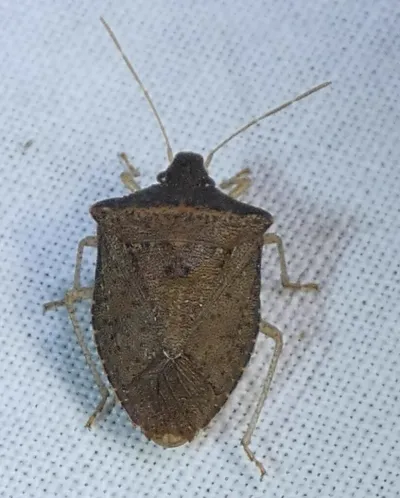
Dusky stink bugs grow from egg to nymph to adult without a cocoon stage. Adults spend winter in sheltered spots like fence rows, under dead weeds, beneath stones, or in tree bark. They wake up on the first warm days of spring. You might see them as early as when fruit trees bloom. A related species, Rough Stink Bug, shares similar characteristics.
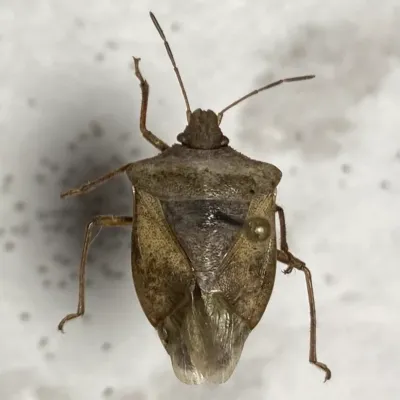
This species has two generations per year in most areas. The first group is most active from May through June. Activity drops in July. A second generation appears in late July through August. These adults look for winter hiding spots as fall arrives. A related species, Shield Bugs, shares similar characteristics.
Feeding Habits A related species, One-Spotted Stink Bug, shares similar characteristics.
Dusky stink bugs have mouth parts that pierce and suck. They push a needle-like tube into plants to drink the fluids inside. Both adults and young bugs eat many types of plants. Common targets include beans, tomatoes, corn, soybeans, cotton, and fruit trees. A related species, Brown Stink Bug, shares similar characteristics.
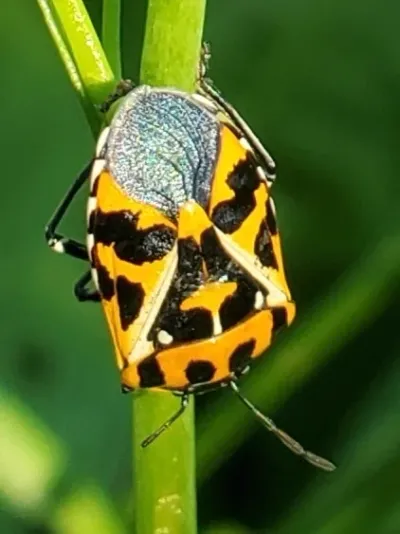
Their feeding causes damage that is easy to spot. You may see discolored seeds, misshapen fruit, and wilting leaves. On fruits like peaches and apples, feeding during bloom can make fruit fall off. Later in the season, feeding leaves dimpled or sunken spots on the fruit skin. A related species, Harlequin Bug, shares similar characteristics.
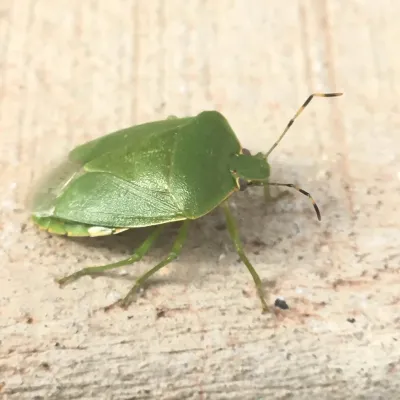
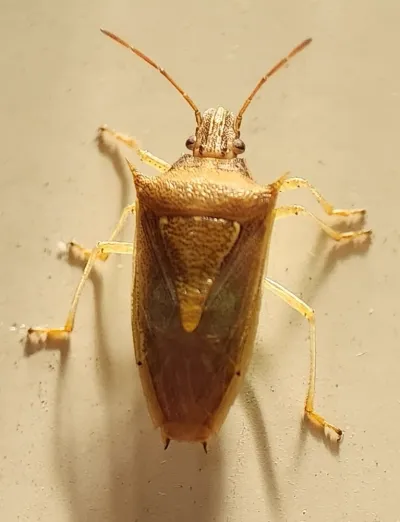
Overwintering Behavior A related species, Green Stink Bug, shares similar characteristics.
When temperatures drop in fall, adult dusky stink bugs look for shelter to survive winter. Unlike the brown marmorated stink bug, which can invade homes by the thousands, native dusky stink bugs usually spend winter outdoors. But they may still get inside through gaps and cracks. This is more likely if your home is near farms or wooded areas.
Adults remain dormant throughout winter and do not feed or reproduce. If temperatures rise during a winter warm spell, these stink bugs may wake up and move around briefly.
How We Treat for Dusky Stink Bugs
Dusky stink bugs are mainly a nuisance pest. The best approach is to focus on prevention rather than waiting until they are inside. Sealing entry points and applying treatments at the right time gives the best results.
Preventative Exterior Treatments
Before the weather turns cold in fall, usually around October, our technicians apply dust treatments to exterior voids. These are spots where stink bugs often enter and hide. We target weep holes in brick, gaps behind siding, and spaces around windows and doors. This creates a barrier that keeps insects out. We also treat the outside perimeter with a repellent to stop stink bugs from gathering on walls and foundations.
Exclusion and Sealing
Sealing entry points is the best long-term way to keep stink bugs out. Here are key steps:
- Seal cracks with silicone caulk
- Replace worn weatherstripping around doors and windows
- Install door sweeps
- Cover attic vents, exhaust fans, and chimney openings with fine-mesh screens
Fixing these entry points keeps out stink bugs and other pests that try to get inside for winter.
Interior Treatments
If stink bugs have already gotten inside, we apply repellent treatments around window seals, door frames, and baseboards. In bad cases, we may need to dust inside wall voids. Once large numbers settle inside, getting rid of them all can be hard. That is why fall prevention matters so much.
What Homeowners Can Do
For stink bugs already inside, vacuuming is the easiest way to remove them. Use a shop vac or set aside a vacuum bag just for this task to help contain the smell. Do not crush stink bugs. Crushing them releases a bad odor and may stain surfaces. Put the bugs you collect in soapy water outside.
Removing plants that attract stink bugs from near your home can also help. Focus on broadleaf weeds and legumes. Fewer host plants nearby means fewer stink bugs trying to get inside.
References
Other Stink Bugs
Explore other species in the stink bugs family
Commonly Confused With
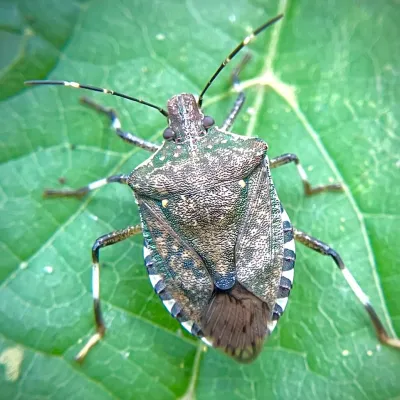
Dusky Stink Bug are often mistaken for these similar pests
Where Dusky Stink Bug Are Found
Hover over states to see their names. Green regions indicate where dusky stink bug have been reported.
Common Questions about Dusky Stink Bug
How do I identify a dusky stink bug?
+
Dusky stink bugs are shield-shaped insects measuring 9-15 mm long with a dull brown to grayish-brown coloration. They have small, sharp projections on either side of the shoulder area and dark speckles on the pronotum. Their underside is light-colored with dark spots toward the rear.
Are dusky stink bugs harmful to humans?
+
No, dusky stink bugs do not bite, sting, or transmit diseases to humans. However, they release a foul-smelling defensive chemical when disturbed or crushed that can be unpleasant and may stain surfaces.
What do dusky stink bugs eat?
+
Dusky stink bugs feed on a wide variety of plants by piercing plant tissue and sucking sap. They commonly target fruits, vegetables, and crops including beans, tomatoes, corn, peaches, and apples. Their feeding can cause dimpling, scarring, and discoloration on produce.
Why are dusky stink bugs in my house?
+
Dusky stink bugs seek warm shelter as temperatures drop in fall. They enter homes through gaps around windows, doors, and siding to overwinter in protected spaces. Unlike the invasive brown marmorated stink bug, native dusky stink bugs typically enter homes in smaller numbers.
How long do dusky stink bugs live?
+
Adult dusky stink bugs can live for several months. They produce two generations per year, with adults from the second generation overwintering and emerging in spring to mate and lay eggs.
What is the difference between dusky stink bugs and brown marmorated stink bugs?
+
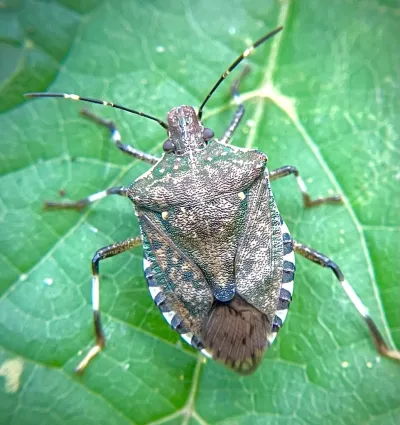
Dusky stink bugs are native to North America and have pointed shoulders, a uniformly dull brown color, and a light-colored underside. Brown marmorated stink bugs are invasive, slightly larger, have banded antennae, and display a marbled pattern. BMSBs typically invade homes in much larger numbers.
Do dusky stink bugs damage homes?
+
No, dusky stink bugs do not cause structural damage or reproduce indoors. They are strictly a nuisance pest that may stain surfaces and release unpleasant odors if disturbed or crushed.

With five years of hands-on experience in the pest control industry, George Schulz is a registered technician with the Virginia Pest Management Association and a proud third-generation professional in a family business that's been protecting homes for over 57 years. He manages and trains a team of service pros while also leading internal research efforts—recently spearheading a deep-dive review of thousands of documents on pest control materials to hand-pick the most kid and pet friendly, most effective solutions tailored specifically for homes in the DC metro area.