Yellow Sac Spiders Identification Guide
Cheiracanthium spp.
Yellow sac spiders are pale, night-active hunting spiders found in homes across North America. These small spiders build silk sacs in upper corners of rooms. They cause more indoor spider bites than most other species, but their venom rarely causes serious harm.
Taxonomy
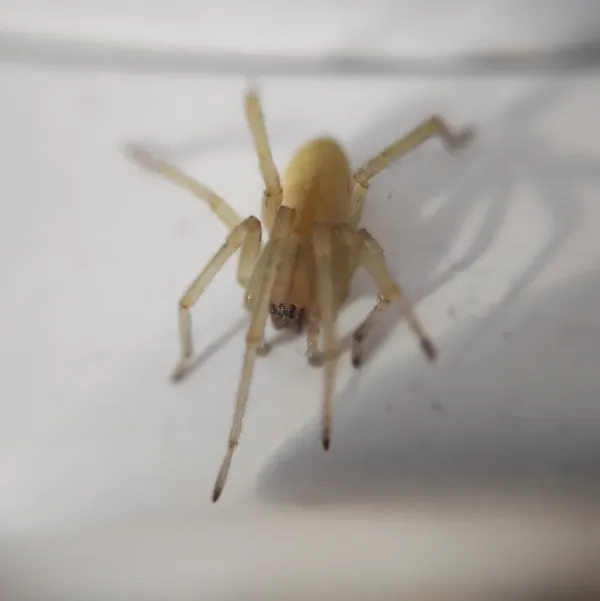
Yellow Sac Spiders Coloration
Common color patterns to help identify yellow sac spiders
Yellow Sac Spiders
Seasonal Activity
When yellow sac spiders are most active throughout the year
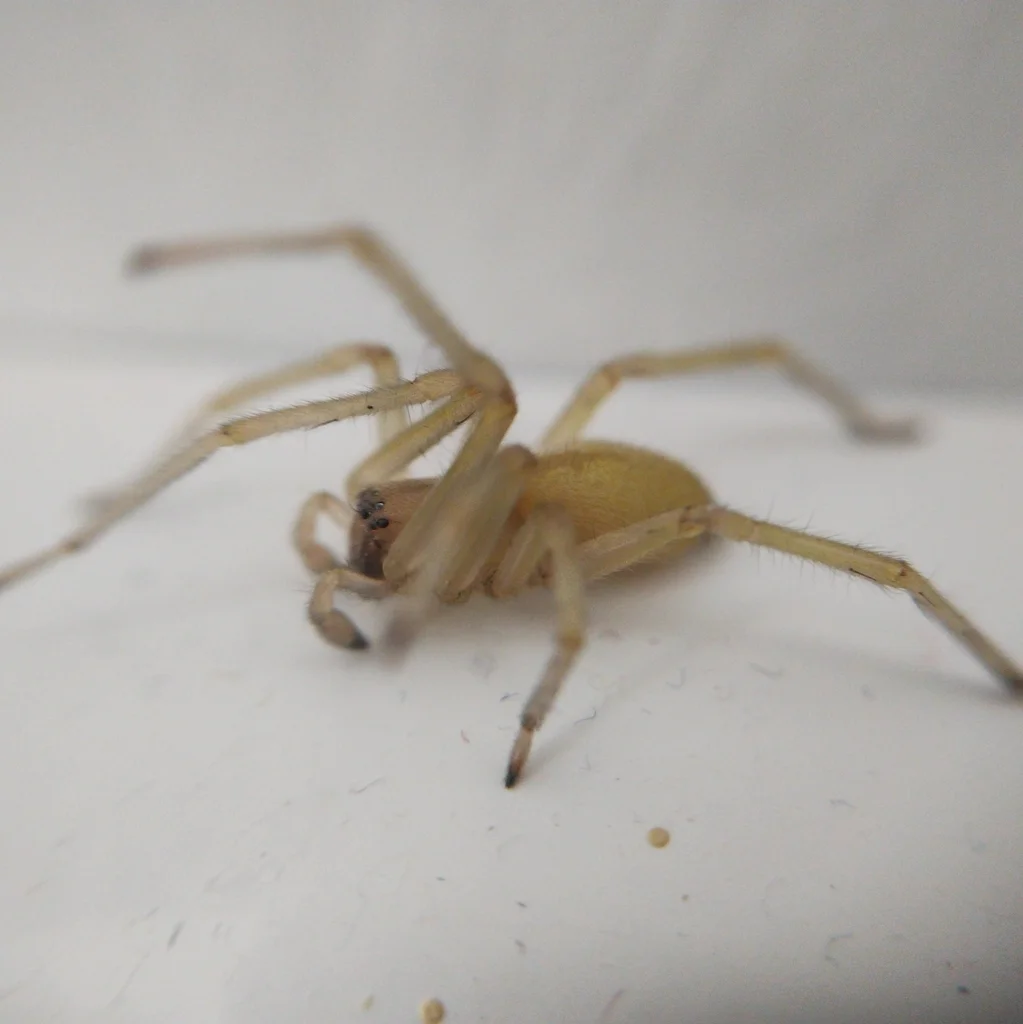

Where Yellow Sac Spiders Are Found
Hover over states to see their names. Green regions indicate where yellow sac spiders have been reported.
Yellow Sac Spider Identification Guide
Physical Characteristics
Yellow sac spiders (Cheiracanthium) are small, pale spiders. They hunt for prey. They are found across North America. Adults are 5 to 10 mm long. Females are a bit bigger than males. Their legs can span one inch. The front legs are much longer.
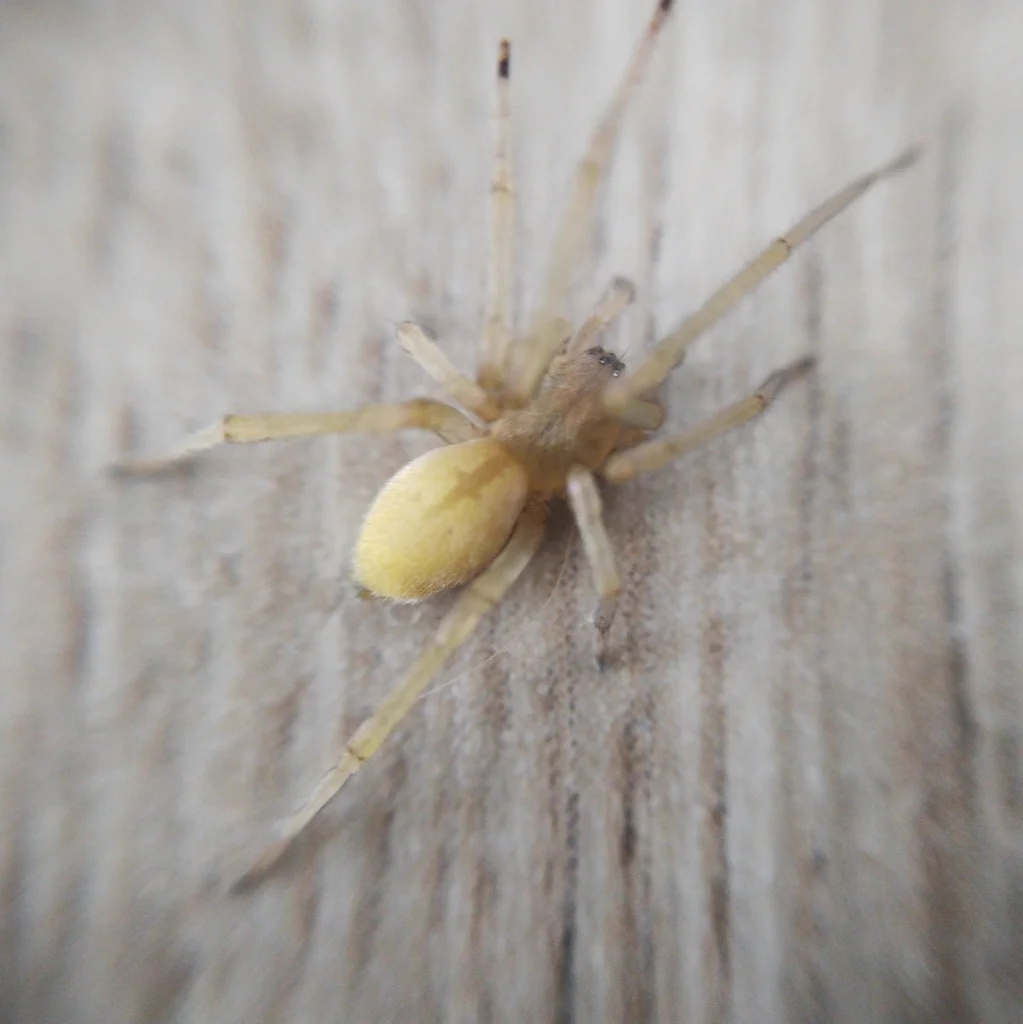
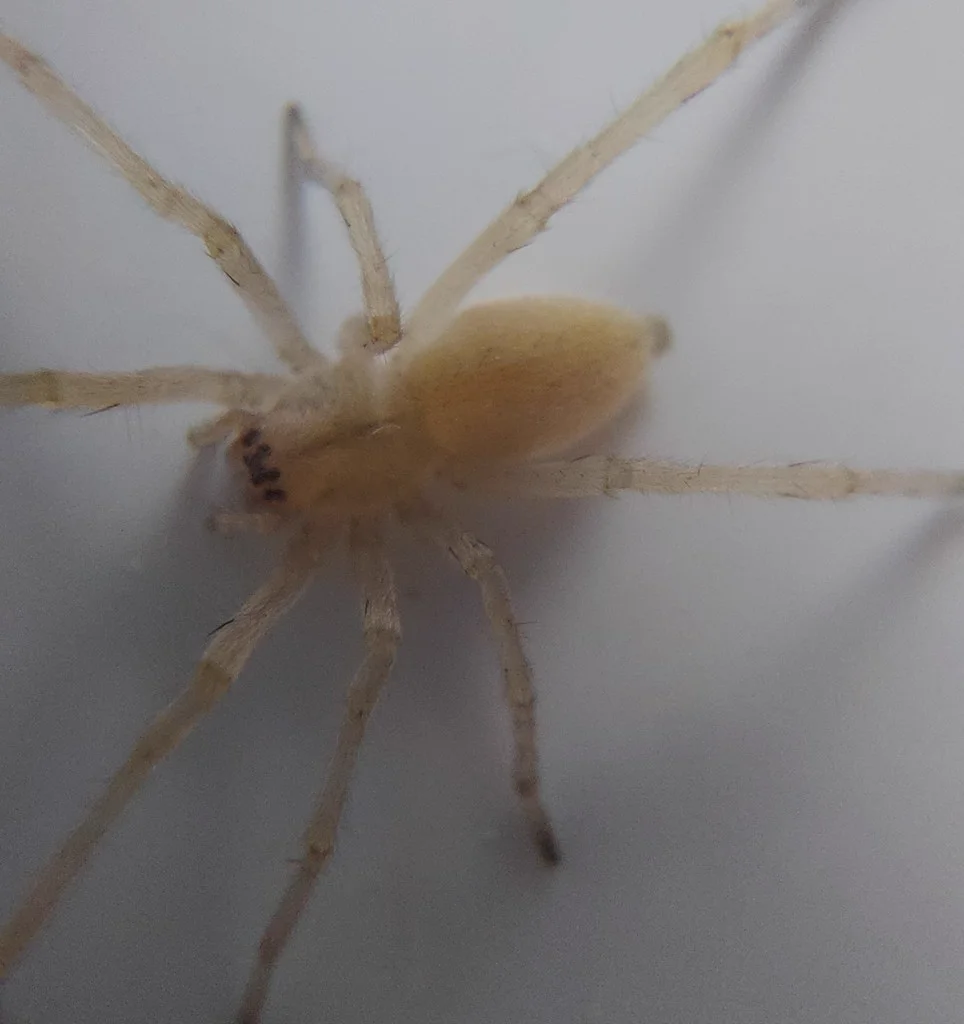
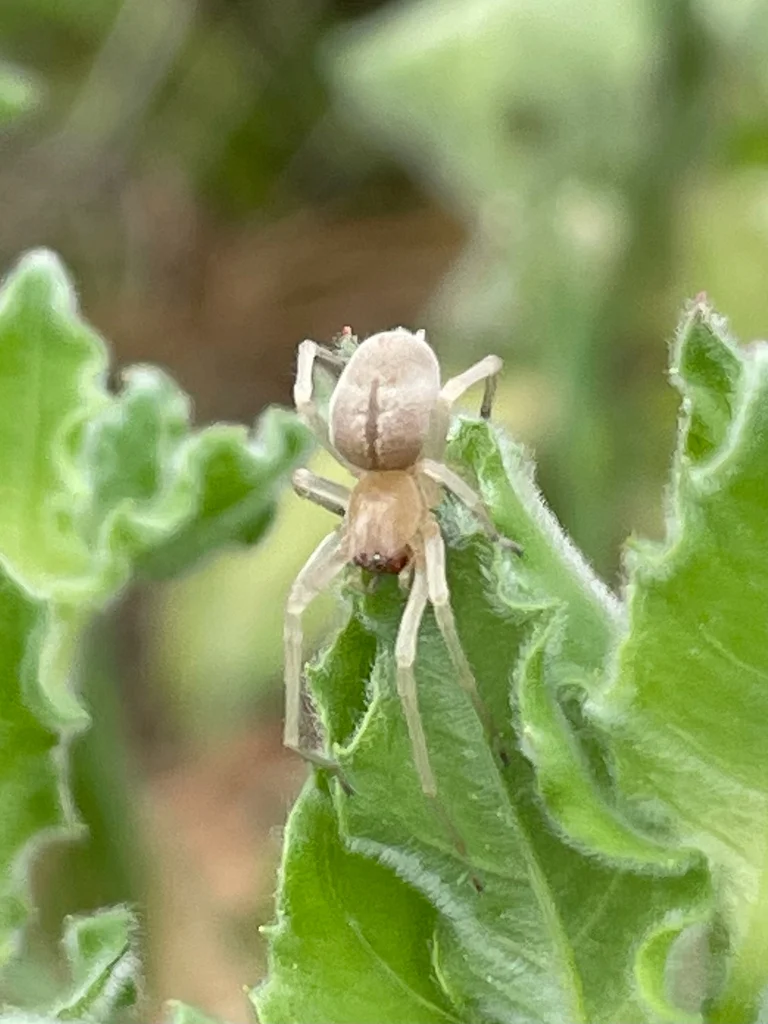
Their pale color is the best way to spot them. Most are light yellow, cream, or beige. The Northern Yellow Sac Spider (C. mildei) has a green tint on its belly. It has a yellow-brown head. The Agrarian Sac Spider (C. inclusum) is light yellow or cream. Both have dark brown marks on their jaws and feet.
Yellow sac spiders have eight eyes of the same size in two rows. Wolf spiders have large eyes, but yellow sac spider eyes are small. Their bodies are longer and thinner than most house spiders. They do not have the round belly that orb weavers have.
Common Species in North America
Two species of yellow sac spiders are common in North America:
-
Northern Yellow Sac Spider (C. mildei): This type came from Europe. It is now common across the US. It is often found in homes. It has a green belly and yellow-brown head.
-
Agrarian Sac Spider (C. inclusum): This type is from North America. It is found in most of the US. It is more common outside in plants but will go inside. It is cream or pale yellow.
Both types have the same habits. They look and act alike.
Yellow Sac Spider Behavior and Biology
Habitat Preferences
Yellow sac spiders live in many places across North America. You can find them both inside and outside your home.
Outside:
- Rolled up leaves
- Under tree bark
- In thick plants and gardens
- Under stones
- Near outdoor lights where bugs gather
Inside:
- High corners where walls meet ceilings
- Behind picture frames
- In curtain folds
- Inside clothes left alone
- In storage boxes and messy areas
- Behind furniture
Yellow sac spiders can travel far on silk threads blown by wind. This is called ballooning. It helps them reach new spots.
Diet and Feeding Habits
Yellow sac spiders hunt at night. They chase and catch prey. They do not use webs to trap bugs. They hunt along walls, ceilings, and flat spots. They eat:
- Small flying insects attracted to lights
- Moths and other soft-bodied insects
- Flies and gnats
- Other spiders
- Bugs that crawl on the ground
Yellow sac spiders hunt by walking around and jumping on prey. They do not use webs to catch food. Their long front legs help them sense and grab prey. This means they often run into people when walking across beds or clothes.
Reproduction and Lifecycle
Female yellow sac spiders make silk egg sacs with 30 to 50 eggs. They put these sacs in hidden spots. Females may guard their eggs until they hatch.
They go through these life stages: A related species, Crab Spiders, shares similar characteristics.
- Egg stage: Eggs grow inside the silk sac for a few weeks.
- Hatching: Young spiders hatch and spread out.
- Growth: Baby spiders shed their skin many times over several months.
- Adult: They reach full size within one year in good conditions.
Yellow sac spiders live one to two years. Indoor spiders can stay active all year because of steady heat. Outdoor spiders slow down in cold weather.
Seasonal Activity Patterns
Yellow sac spiders follow set patterns based on heat and food:
- Spring: Activity goes up as it gets warmer and more bugs appear.
- Summer: Peak activity outdoors. They hunt all night.
- Fall: Spiders move indoors to escape the cold. You see more spiders inside at this time.
- Winter: Less activity outdoors. Indoor spiders stay active in heated homes.
The most common time to see yellow sac spiders inside is during fall when they move in. Homes have steady heat, so these spiders can stay active all year once inside.
Understanding Yellow Sac Spider Bites
Yellow sac spiders cause many indoor bites. They wander at night and hide in clothes and bedding. Bites happen when they get pressed on skin by accident.
Bite Characteristics
Bites occur when a spider is trapped or pressed on skin. Research shows these signs:
- Right away: Sharp pain like a bee sting
- At the bite: Redness, mild swelling, and itching
- Look: Two small marks about 1/3 inch apart
- How long: Symptoms go away within 7 to 10 days
Some people may feel tired or have low fever or cramps. These are rare. They are far less bad than black widow bites.
Medical Significance
Old claims said yellow sac spider bites cause skin tissue death. Research proved this is not true. A study of real bites in the US and Australia found no tissue death. Their venom can harm cells in lab tests. But in real life, bites rarely cause more than local symptoms.
No deaths have been linked to yellow sac spider bites. Bites are not a major health concern for healthy adults.
How We Treat for Yellow Sac Spiders
Yellow sac spiders are hard to control. They wander around instead of staying in webs where we can apply products. Our treatment focuses on cutting down their numbers, fixing what attracts them, and setting up barriers to keep them out.
Our Treatment Process
Step 1: Comprehensive Inspection
We start by finding areas with lots of spiders and what draws them in. Key spots include:
- Upper corners of rooms where silk sacs are built
- Behind pictures, mirrors, and wall hangings
- Window and door frames, especially near outdoor lights
- Cluttered storage areas and quiet spaces
- Gaps in the building where spiders may enter
Step 2: Exterior Barrier Treatment
We apply a product that spiders cannot sense to areas outside where they may enter. We focus on:
- Window frames and door surrounds
- Foundation at ground level
- Eaves, soffits, and outside corners
- Areas around exterior light fixtures
- Openings for pipes and cables
Spiders walk through treated areas and do not notice them. This makes sure they touch the product.
Step 3: Interior Spot Treatment
We treat certain spots inside the home instead of spraying everywhere. We focus on:
- Corners where walls meet ceilings
- Around window frames and entry points
- Behind furniture where spiders may hide
- Baseboards and where floors meet walls
For homes with many spiders, we may use dust inside walls and other hard to reach spots.
Step 4: Web and Sac Removal
We remove silk sacs and webs from areas we can reach. This gets rid of spider hiding spots and any egg sacs. Removing these by hand is key to cutting spider numbers.
Step 5: Ongoing Monitoring and Maintenance
Our plan includes three visits per year to:
- Reapply outdoor treatments
- Remove new silk sacs and webs
- Check for spider activity
- Fix new entry points
- Control bugs that draw spiders
Customer Guidance
For best results between service visits, we recommend:
- Use less outdoor lighting or use yellow “bug lights” that draw fewer insects
- Close blinds at night to stop indoor lights from drawing insects to windows
- Shake out clothing and shoes before putting them on, especially items from closets or floors
- Move beds away from walls to reduce run-ins with spiders at night
- Reduce clutter in closets, garages, and storage areas where spiders may hide
- Seal gaps around windows, doors, and pipes
- Vacuum often to remove spiders, webs, and silk sacs
Why Regular Service Matters
Yellow sac spider control needs ongoing care because:
- They wander, so they touch treated surfaces less.
- New spiders keep coming from outside.
- We must control bugs that spiders eat.
- Spiders move inside each fall when it gets cold.
Our triannual service keeps the barrier strong. It also controls the bugs that attract yellow sac spiders to your home. Learn more about common species on our spiders page.
References
- Cheiracanthium Genus Overview (ScienceDirect)
- Yellow Sac Spiders: What to Know (WebMD)
- Verified Bites by Yellow Sac Spiders in the United States and Australia (PubMed)
Medical Note: This page about spider bites is for learning only. It is not medical advice. If you are bitten, see a doctor.
Other Spiders
Explore other species in the spiders family
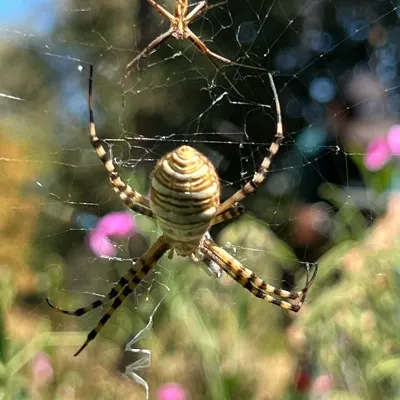
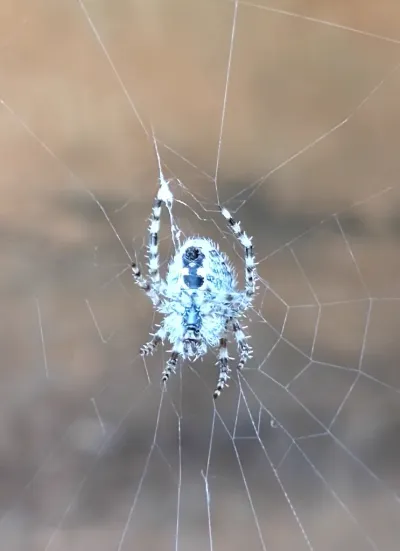
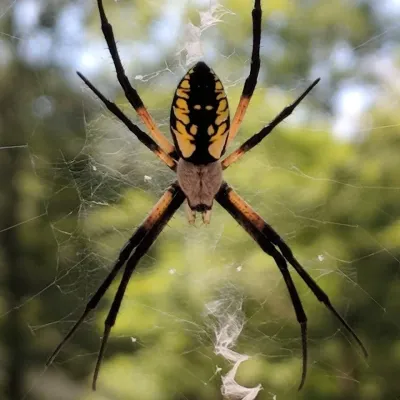
Commonly Confused With
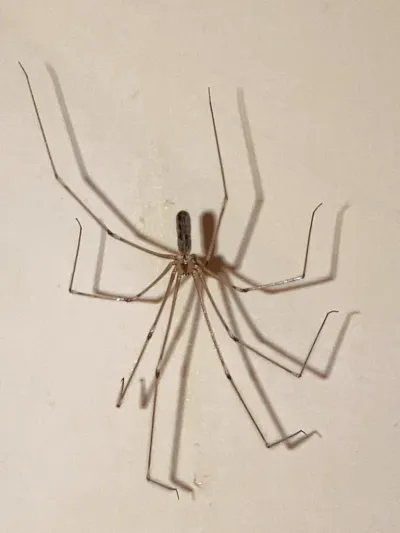
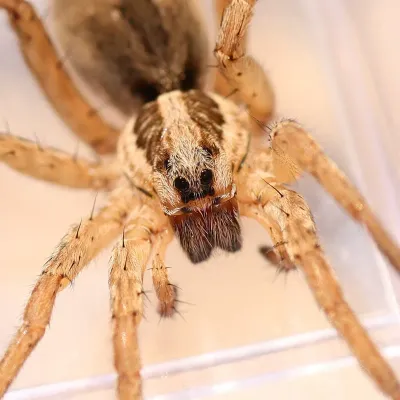
Yellow Sac Spiders are often mistaken for these similar pests
Where Yellow Sac Spiders Are Found
Hover over states to see their names. Green regions indicate where yellow sac spiders have been reported.
Common Questions about Yellow Sac Spiders
Are yellow sac spider bites dangerous?
+
Yellow sac spider bites are not medically dangerous. Bites can be painful and cause redness, swelling, and itching, but symptoms usually go away within 7 to 10 days without treatment. Studies have found no proof that these bites cause skin tissue death. No deaths have been linked to this species.
Why do I keep finding yellow sac spiders in my house?
+
Yellow sac spiders enter homes to escape cooler temperatures in fall and winter. They are also drawn to places with lots of insects to eat. These night hunters build silk sacs in upper corners and often go unnoticed until there are many of them. Lights visible from outside can draw the insects they feed on.
What do yellow sac spider bites look like?
+
A yellow sac spider bite shows up as two small, raised red bumps about one-third inch apart. The bite area often swells and becomes painful and itchy within a few hours. Some people get a small blister at the site within 24 hours. Symptoms usually go away on their own within one to two weeks.
How can I tell if a spider is a yellow sac spider?
+
Yellow sac spiders are small (5 to 10 mm long) with a pale yellow, cream, or greenish color. They have long front legs and dark brown marks on their jaws and feet. Unlike spiders that build webs, they make small silk sacs or tubes. They are most active at night when they hunt along walls and ceilings.
Do yellow sac spiders make webs?
+
Yellow sac spiders do not build webs like orb weavers. Instead, they make small silk tubes or sacs where they rest during the day. This is how they got their name. These silk sacs are often found in upper corners, behind picture frames, in curtain folds, and in other quiet spots.
When are yellow sac spiders most active?
+
Yellow sac spiders are night hunters. They hide in their silk sacs during the day and come out at night to hunt. Indoor sightings go up in fall when spiders move inside to escape the cold. They stay active year-round indoors because of steady temperatures, though they may slow down a bit in winter.
What should I do if bitten by a yellow sac spider?
+
If bitten, wash the area with soap and water and put a cold cloth on it to reduce swelling. Take an over-the-counter pain reliever if needed. Most bites heal without problems. See a doctor only if symptoms get much worse, you see signs of infection, or you have a fever or severe swelling.
How do yellow sac spiders get inside my home?
+
Yellow sac spiders enter homes through small gaps around windows, doors, pipes, and cracks in the foundation. They can also come in on firewood, plants, boxes, and other items stored outside. They use silk threads carried by wind to travel between buildings and plants.

With five years of hands-on experience in the pest control industry, George Schulz is a registered technician with the Virginia Pest Management Association and a proud third-generation professional in a family business that's been protecting homes for over 57 years. He manages and trains a team of service pros while also leading internal research efforts—recently spearheading a deep-dive review of thousands of documents on pest control materials to hand-pick the most kid and pet friendly, most effective solutions tailored specifically for homes in the DC metro area.