Woodlouse Spiders Identification Guide
Dysdera crocata
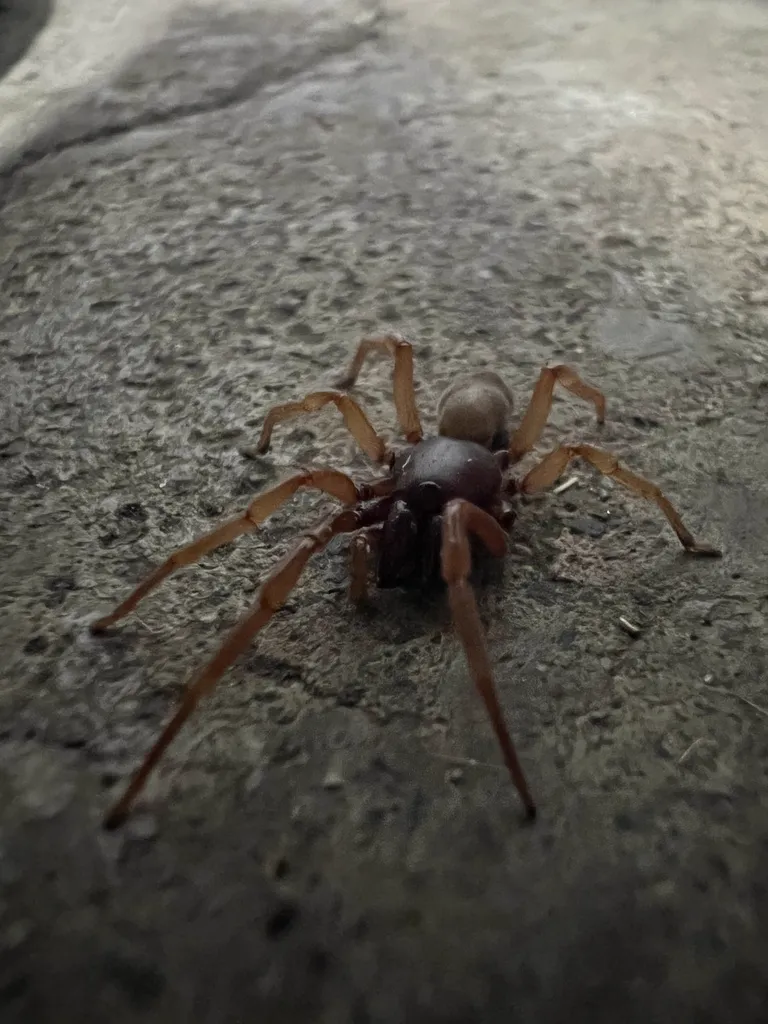
Woodlouse spiders are distinctive hunting spiders with large fangs specifically adapted for preying on woodlice (pill bugs and sow bugs). These reddish-brown spiders with cream-colored abdomens are commonly found in damp areas around homes throughout North America.
Taxonomy
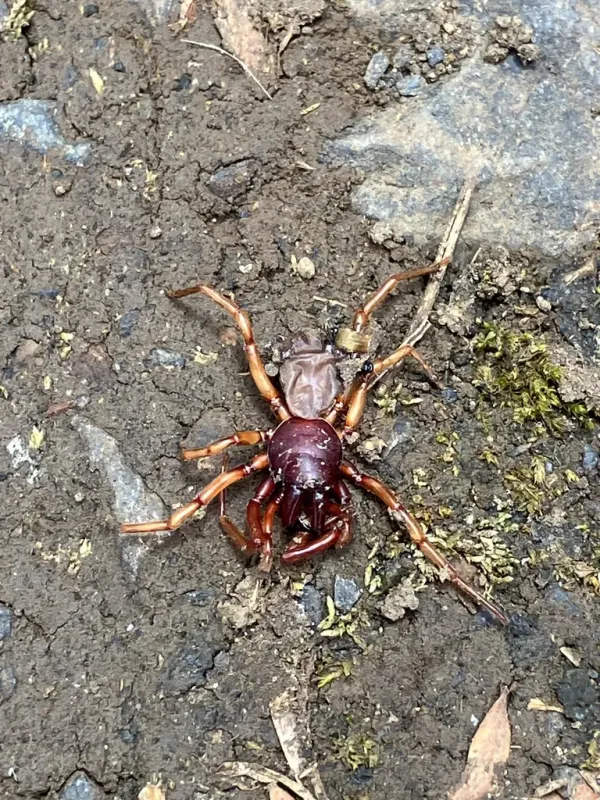
Woodlouse Spiders Coloration
Common color patterns to help identify woodlouse spiders
Woodlouse Spiders
Seasonal Activity
When woodlouse spiders are most active throughout the year
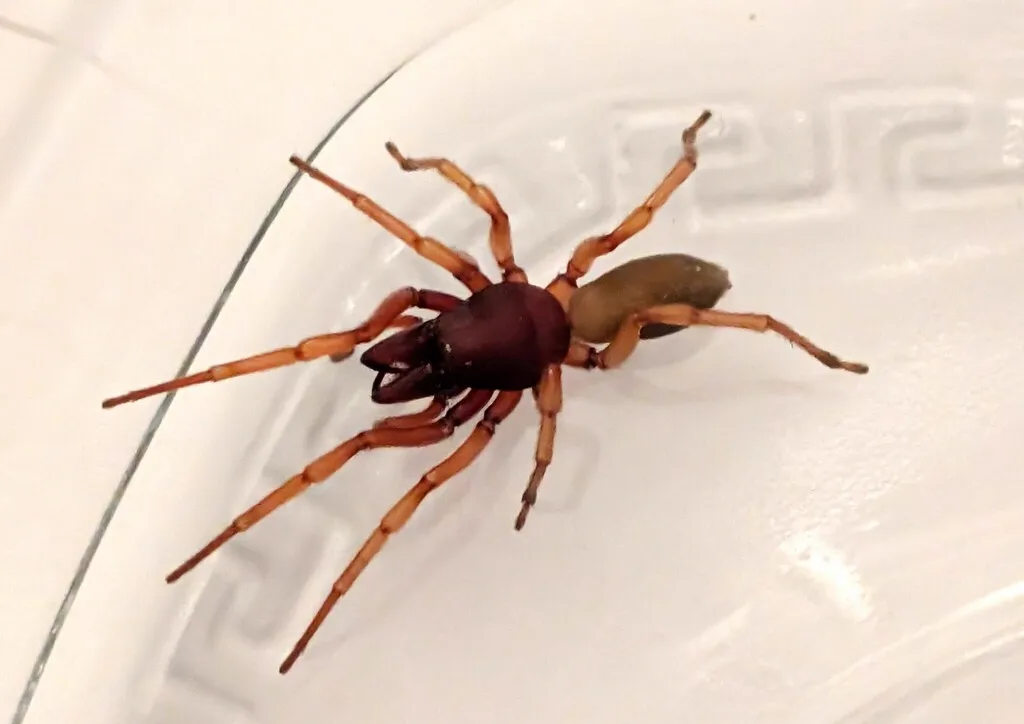
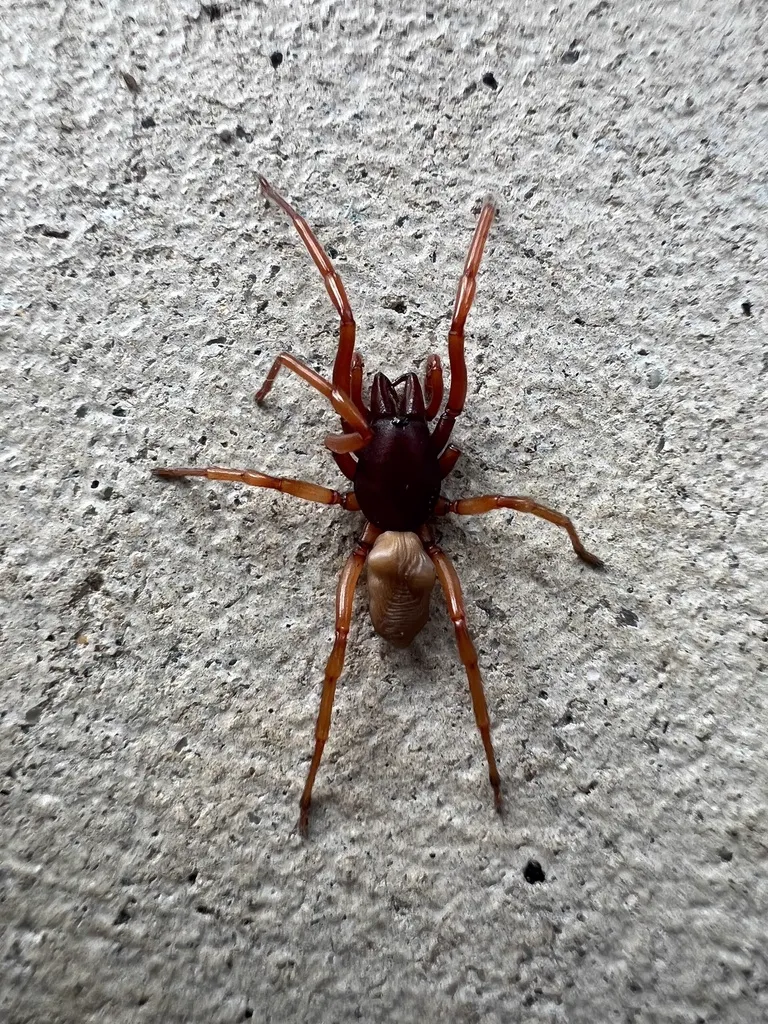
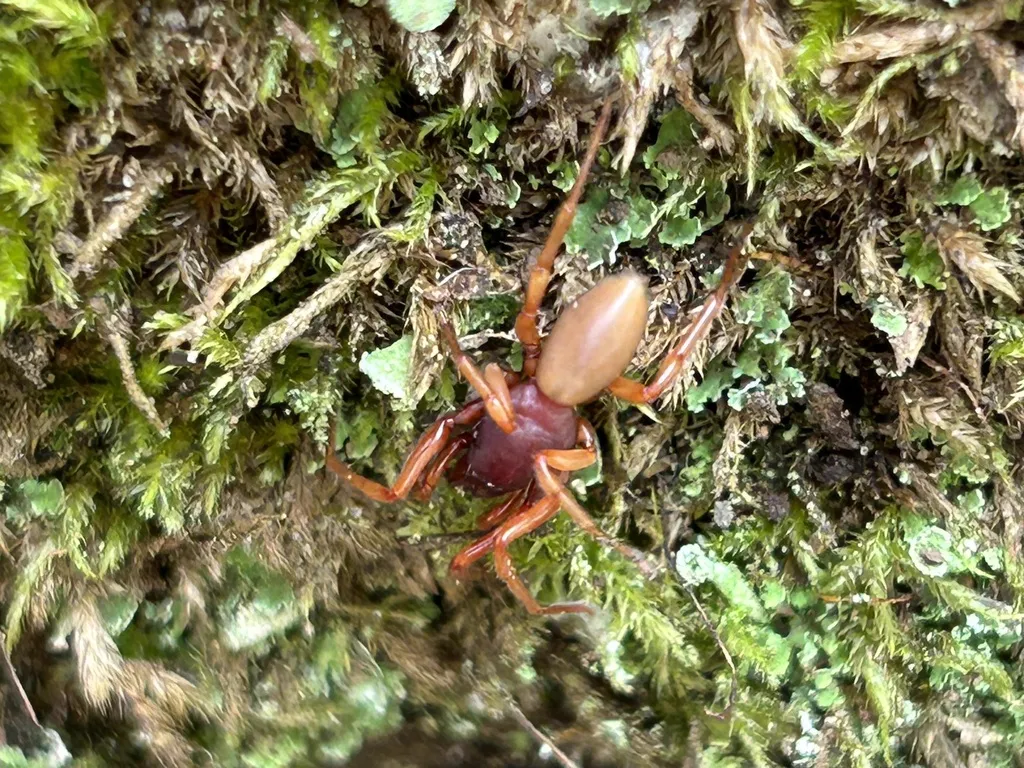

Where Woodlouse Spiders Are Found
Hover over states to see their names. Green regions indicate where woodlouse spiders have been reported.
Woodlouse Spider Identification Guide
Physical Characteristics
The woodlouse spider (Dysdera crocata) is one of the easiest spiders to spot in and around North American homes. Adults are 9 to 15 millimeters long, with females being larger than males. Their most striking feature is their two-tone color. The front body section (called the cephalothorax) is deep reddish-brown to orange-red. The abdomen is pale cream, grayish, or yellowish-tan.
The most notable feature of woodlouse spiders is their very large chelicerae (fang-bearing mouthparts) that stick out from the front of the head. These powerful fangs evolved to pierce the hard shells of woodlice, their main prey. The fangs look oversized for the spider’s body and are easy to see without magnification.
Most spiders have eight eyes, but woodlouse spiders have only six eyes set in an oval or U-shaped pattern. This eye pattern, along with their color and large fangs, makes them easy to identify. Their legs are fairly long, smooth, and the same reddish-orange color as the front body section.
Behavioral Identification
Woodlouse spiders are nocturnal hunters that do not construct capture webs. Key behavioral characteristics include:
- Active hunting: They stalk and ambush prey rather than trapping it in webs
- Nocturnal activity: Hunting occurs almost exclusively at night
- Ground dwelling: Found at ground level under objects or in soil debris
- Silk retreats: They spin small tubular silk cells for daytime hiding
- Slow, careful movement: They move slowly and carefully, unlike fast-running wolf spiders
When scared, woodlouse spiders may rear up and show their fangs. But they usually prefer to run and hide. Since they only eat woodlice, you will almost always find them near pillbugs and sowbugs.
Similar Species
While the woodlouse spider’s appearance is distinctive, some confusion may occur with:
- Broad-faced sac spiders (Trachelas spp.) look similar in color but do not have the huge fangs
- Lesser woodlouse spider (Dysdera erythrina) is a smaller relative with similar habits
- Ground spiders may share the reddish color but have different body shapes
Woodlouse Spider Behavior and Biology
Habitat Preferences
Woodlouse spiders live wherever they can find woodlice. They came from the Mediterranean region originally and have adapted well to living near people. Around homes, you can find them in:
Outdoor habitats:
- Under rocks, landscaping stones, and pavers
- Beneath logs, boards, and garden debris
- In leaf litter and mulch beds
- Under flower pots and planters
- Within rock walls and retaining walls
- In compost piles and yard waste
Indoor habitats:
- Damp basements and cellars
- Crawl spaces with moisture issues
- Utility areas and mechanical rooms
- Ground-level storage areas
- Garages, especially near exterior walls
- Near floor drains and plumbing penetrations
The key habitat need is steady moisture. Both woodlouse spiders and their prey need damp conditions to survive. Areas with ongoing dampness, poor drainage, or high humidity will have larger spider populations.
Diet and Feeding Habits
The woodlouse spider has special body features for catching one type of prey. Woodlice (also called pill bugs, sow bugs, or roly-polies) are land-dwelling crustaceans with hard, calcium-rich shells. Most spider fangs cannot break through these shells. A related species, Crab Spiders, shares similar characteristics.
The woodlouse spider’s oversized chelicerae and powerful jaw muscles allow it to:
- Pierce through woodlice exoskeletons from above
- Grip and manipulate armored prey items
- Inject venom directly into vital areas
While woodlice are their main food, these spiders may also eat:
Hunting happens mainly at night when woodlice are most active. The spider leaves its silk hideout, searches for prey, and quickly grabs woodlice with its powerful bite. Since they only eat woodlice, spider numbers depend directly on how many woodlice live nearby.
Reproduction and Lifecycle
Woodlouse spiders have a simple breeding cycle. Mating usually happens in spring or early summer when males seek out females. Unlike some spider species, females do not usually eat the males after mating.
Female woodlouse spiders take care of their young:
- Females create a silk chamber in their hiding spot and lay 40-70 eggs
- The female stays with the eggs and does not hunt during this time
- Young spiders hatch after several weeks and stay near the mother briefly
- The baby spiders then leave to find their own territory and food
Woodlouse spiders shed their skin many times before becoming adults. This process takes one to two years, depending on food and living conditions. Adults can live for several years, which is long for a spider.
Seasonal Activity Patterns
Woodlouse spider activity changes with temperature and moisture:
- December-February (Low): Activity drops in cold weather. Spiders stay in protected hiding spots, often deeper in soil or sheltered areas inside buildings.
- March-April (Moderate): Activity picks up as temperatures warm. Spiders come out of their winter hiding spots and start hunting again.
- May-September (High): This is when woodlouse spiders are most active. Warm, humid weather supports large woodlice populations, bringing more spiders out to hunt.
- October-November (Moderate to Low): Activity slows as temperatures drop. Spiders start looking for winter shelter.
You may see them indoors year-round in heated buildings, especially in basements and crawl spaces that stay humid.
How We Treat for Woodlouse Spiders
Good woodlouse spider control targets the spiders and their food source. Since these spiders follow woodlice populations, getting rid of woodlice is key to lasting control.
Our Treatment Process
Step 1: Comprehensive Inspection
We begin by identifying woodlouse spider activity and the conditions supporting them:
- Location and severity of woodlice populations
- Moisture sources and drainage issues
- Harborage areas around the foundation
- Entry points allowing access indoors
- Conducive conditions in basements and crawl spaces
Step 2: Moisture and Habitat Modification
Reducing moisture is the most important step for lasting control:
- Identifying and recommending repairs for drainage problems
- Advising on improving ventilation in damp areas
- Recommending removal of debris and organic matter near foundations
- Suggesting landscape modifications to reduce ground-level moisture
Step 3: Exterior Barrier Treatment
We apply targeted treatments to areas where spiders and woodlice are active:
- Foundation perimeter applications
- Treatment of harborage areas under stones and debris
- Application around basement windows and ground-level entry points
- Focus on areas with documented activity
Step 4: Interior Treatment
When woodlouse spiders have established indoors, we address interior populations with:
- Spot treatments in active areas
- Application around floor-wall junctions in basements
- Treatment of crawl space entry points
- Targeted application in utility areas
Step 5: Exclusion Recommendations
Preventing ongoing entry requires sealing potential access points:
- Gaps around foundation penetrations
- Cracks in basement walls and floors
- Space under exterior doors
- Utility line entry points
Customer Guidance
For best results, we recommend:
- Fix leaking pipes, improve drainage, and use dehumidifiers in damp basements
- Clear leaf litter, boards, stones, and debris from foundation areas
- Keep a gravel or bare soil strip around the foundation
- Make sure crawl spaces and basements have good airflow
- Remove rotting organic matter and wood debris
- Caulk cracks and install door sweeps
Why Regular Service Matters
Woodlouse spider control needs ongoing attention for several reasons:
- Moisture levels change with the seasons, which affects spider and woodlice numbers
- New woodlice keep moving in from nearby areas
- Woodlouse spiders live a long time and stay put once they settle in
- Treatment works best when we keep conditions unfriendly to woodlice
Our seasonal protection plan includes three visits per year to maintain exterior barriers and check for conditions that support these pests. Visit our spiders page for more information about species in the area.
References and Further Reading
- Woodlouse Hunter Spider - Penn State Extension - Overview of woodlouse spider biology and identification
- Woodlouse Spider - iNaturalist - Species page with distribution data and photographs
- Woodlouse Hunter - University of Florida - Detailed species account including North American distribution
Other Spiders
Explore other species in the spiders family
Commonly Confused With
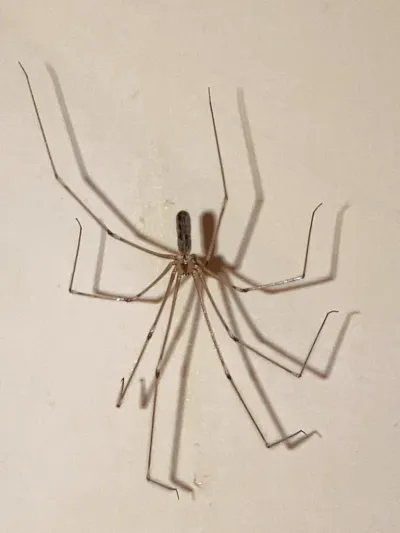
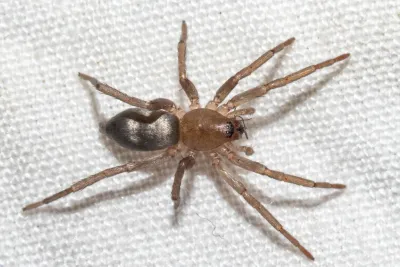
Woodlouse Spiders are often mistaken for these similar pests
Where Woodlouse Spiders Are Found
Hover over states to see their names. Green regions indicate where woodlouse spiders have been reported.
Common Questions about Woodlouse Spiders
Are woodlouse spiders dangerous to humans?
+
Woodlouse spiders are not dangerous to humans, though they can bite if handled roughly or trapped against skin. Their large fangs are designed to pierce the hard shells of woodlice, not human flesh. A bite may cause localized pain and mild swelling similar to a bee sting, but their venom is not medically significant. These spiders are not aggressive and will retreat rather than attack.
Why do I have woodlouse spiders in my house?
+
Woodlouse spiders enter homes following their primary food source: woodlice (pill bugs and sow bugs). If you have woodlice in your basement, crawl space, or other damp areas, woodlouse spiders will likely follow. They are also attracted to dark, moist environments with plenty of hiding spots under debris, stones, or boards.
How can I tell if a spider is a woodlouse spider?
+
Woodlouse spiders have a distinctive appearance that makes them easy to identify. Look for a deep reddish-brown to orange cephalothorax (head and thorax section), a pale cream or grayish-tan abdomen, and unusually large forward-pointing fangs. They have only six eyes arranged in an oval pattern, unlike most spiders which have eight. Their legs are reddish-orange and relatively long.
What do woodlouse spiders eat?
+
Woodlouse spiders specialize in hunting woodlice (also called pill bugs, sow bugs, or roly-polies). Their large, powerful fangs are specifically adapted to pierce the hard exoskeletons of these crustaceans. While woodlice make up the majority of their diet, they may also eat other soft-bodied invertebrates when woodlice are scarce.
Where do woodlouse spiders live during the day?
+
Woodlouse spiders are nocturnal hunters that spend daylight hours hiding in dark, humid retreats. They construct small silk cells under rocks, logs, loose bark, leaf litter, or debris. Around homes, they commonly shelter under flower pots, landscaping stones, boards, and in damp basements or crawl spaces.
Do woodlouse spiders make webs?
+
Woodlouse spiders do not build capture webs to catch prey. They are active hunters that track down and ambush woodlice at night. However, they do spin silk to create small tubular retreats where they hide during the day and where females deposit their eggs.
How do I get rid of woodlouse spiders?
+
The most effective approach to controlling woodlouse spiders is eliminating their food source and habitat. Remove woodlice by reducing moisture around foundations, clearing leaf litter and debris, and sealing entry points. Fix drainage issues and improve ventilation in basements and crawl spaces. Without woodlice to eat, woodlouse spiders will move elsewhere.
Are woodlouse spiders native to North America?
+
No, woodlouse spiders originated in the Mediterranean region of Europe and were introduced to North America, likely through shipping and commerce. They have since become well-established across much of the continent, thriving in human-modified habitats where woodlice are abundant.

With five years of hands-on experience in the pest control industry, George Schulz is a registered technician with the Virginia Pest Management Association and a proud third-generation professional in a family business that's been protecting homes for over 57 years. He manages and trains a team of service pros while also leading internal research efforts—recently spearheading a deep-dive review of thousands of documents on pest control materials to hand-pick the most kid and pet friendly, most effective solutions tailored specifically for homes in the DC metro area.