Southern House Spiders Identification Guide
Kukulcania hibernalis
The southern house spider is a common spider found in and around homes throughout the southern United States. Often mistaken for the brown recluse due to its similar coloration, this harmless spider builds distinctive tubular webs in cracks and crevices.
Taxonomy
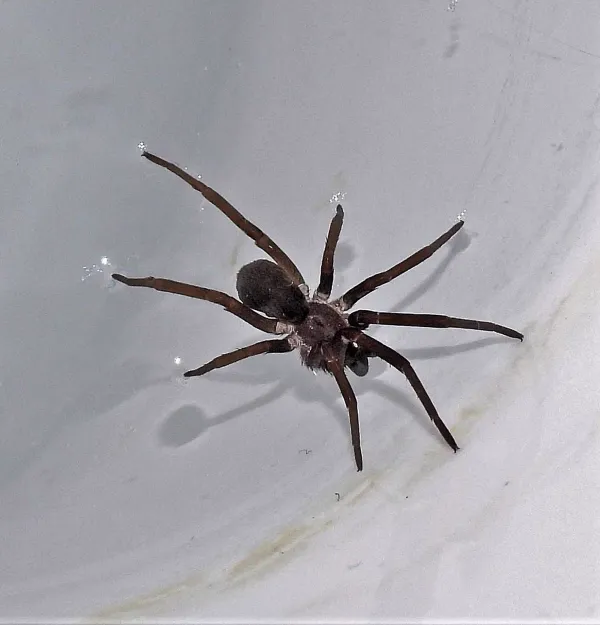
Southern House Spiders Coloration
Common color patterns to help identify southern house spiders
Southern House Spiders
Seasonal Activity
When southern house spiders are most active throughout the year
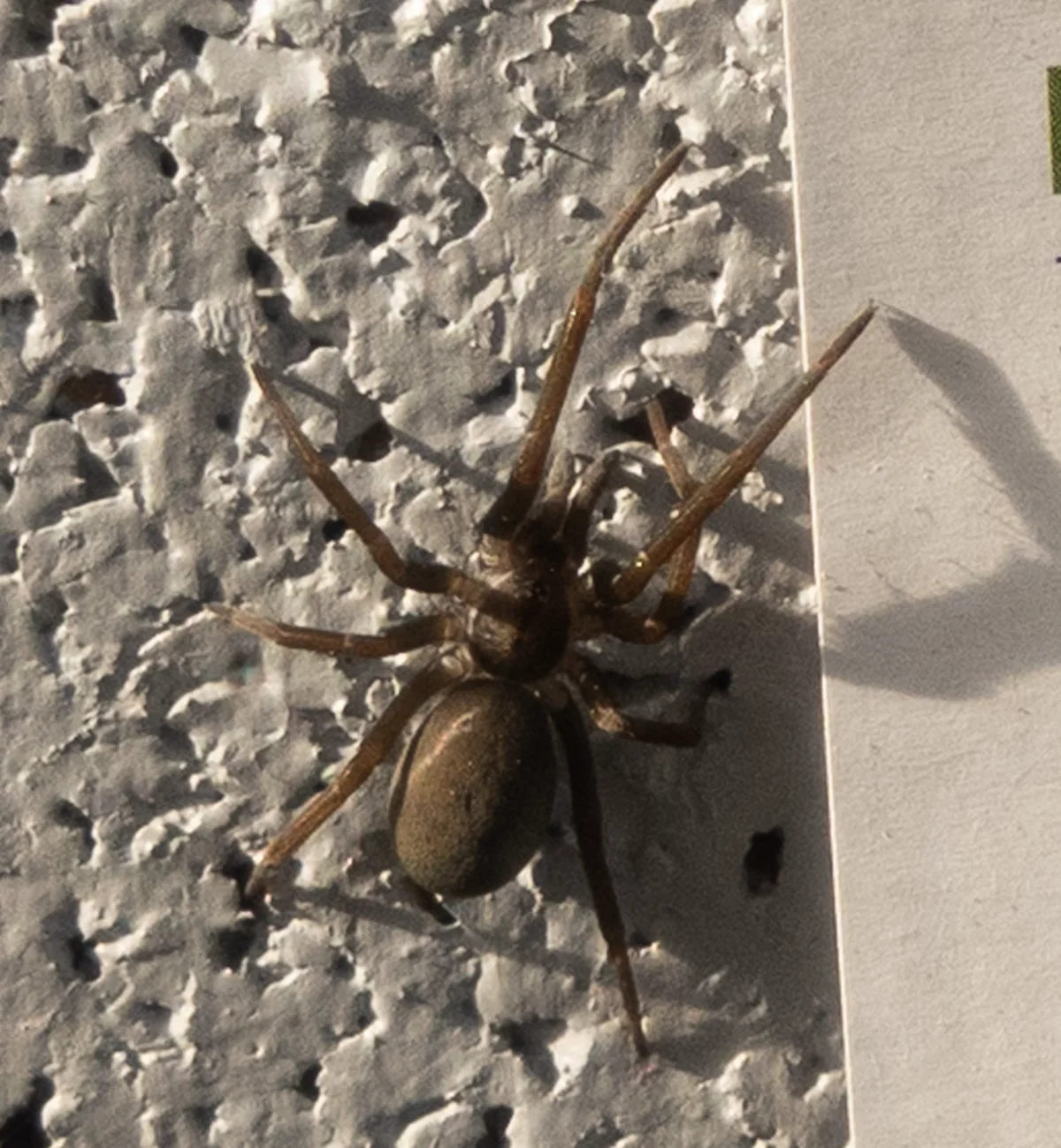
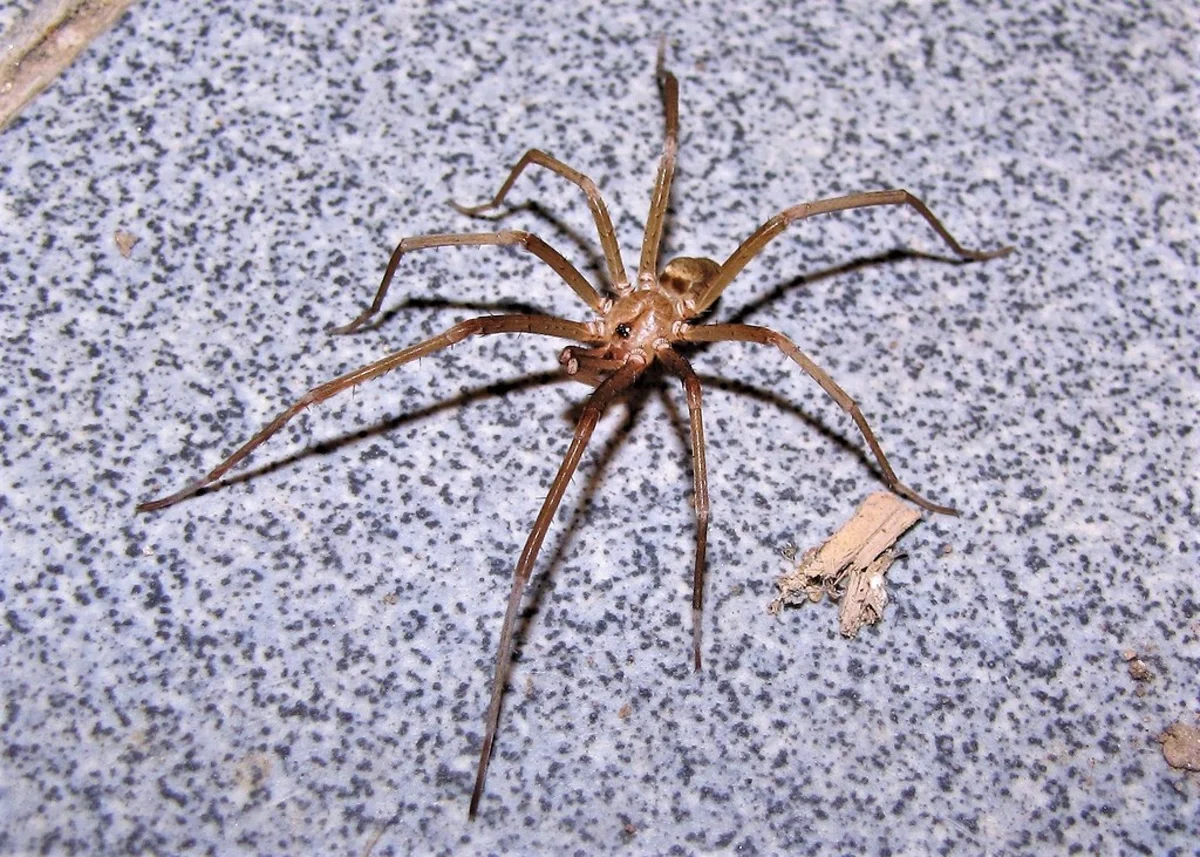
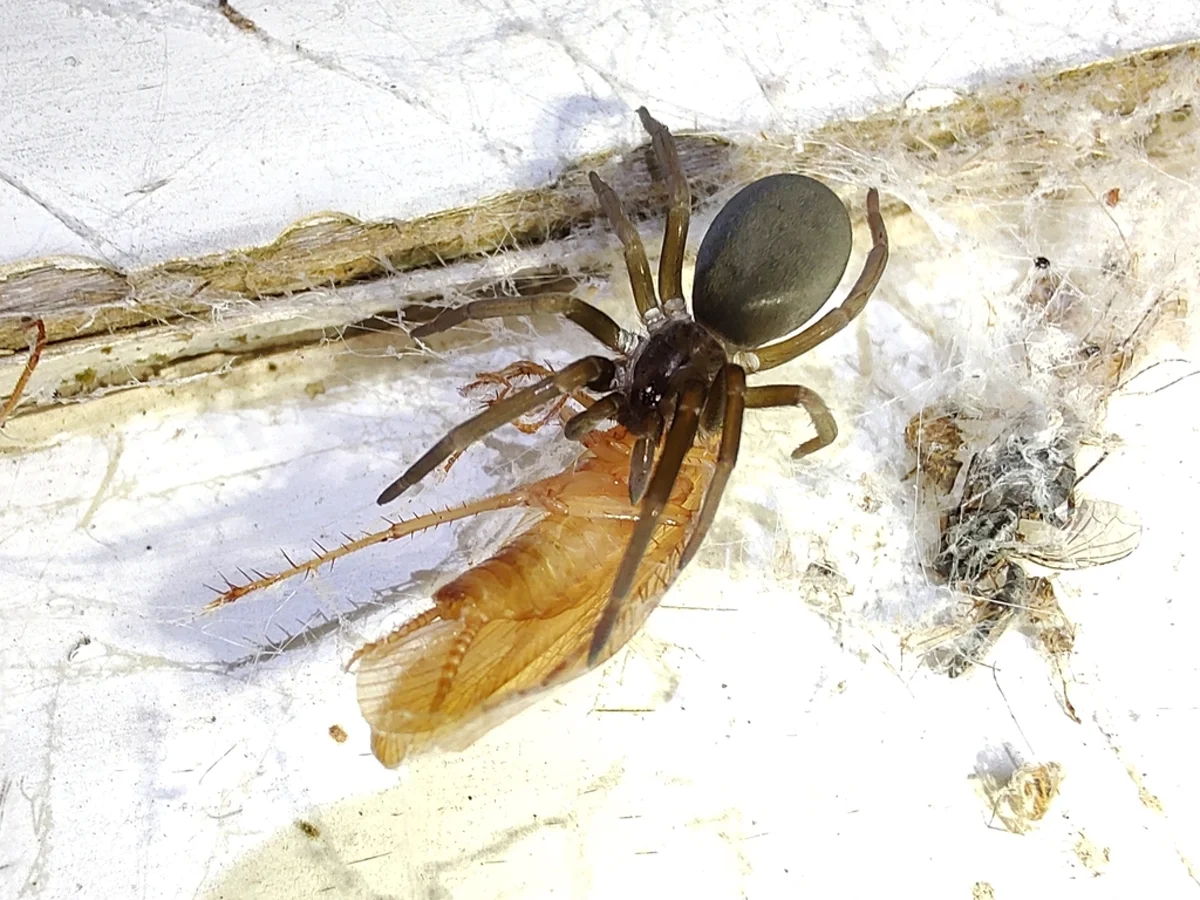

Where Southern House Spiders Are Found
Hover over states to see their names. Green regions indicate where southern house spiders have been reported.
Southern House Spider Identification Guide
Physical Characteristics
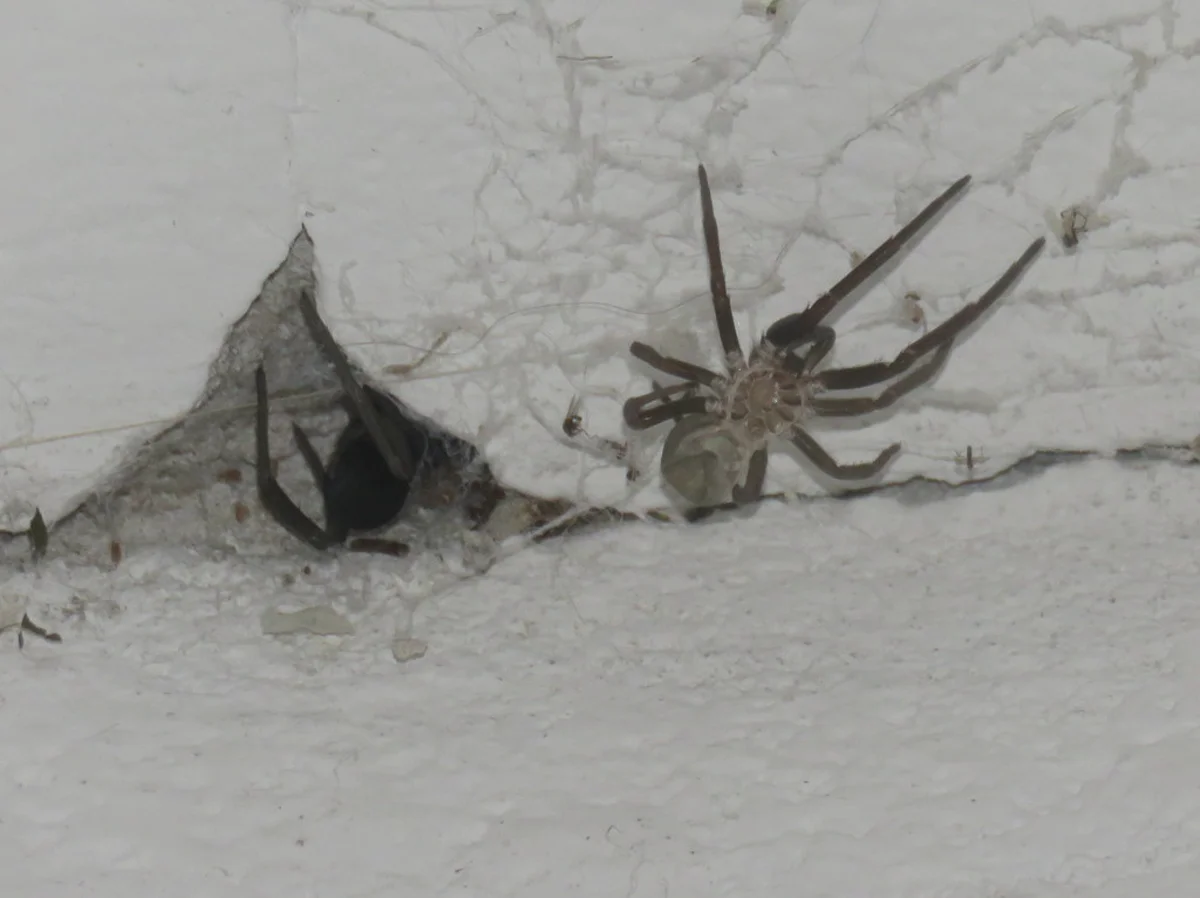
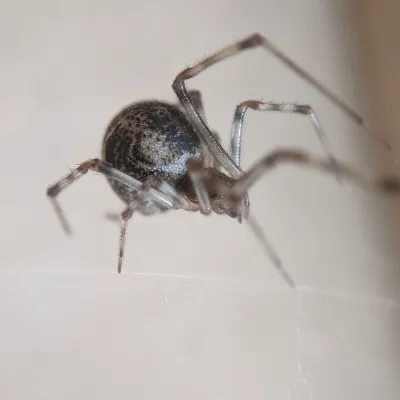
The southern house spider (Kukulcania hibernalis) is a medium to large spider. Males and females look quite different from each other. Females are larger with body lengths of 13 to 19mm (about half to three-quarters of an inch). Males are smaller at 9 to 10mm but have longer legs compared to their body size.
Female southern house spiders are thick-bodied with velvety dark brown to charcoal gray color. Their bodies have no special markings. Fine hairs cover their body and give them a soft, fuzzy look. The head area is usually darker than the abdomen.
Male southern house spiders look very different from females. They are lighter brown or amber colored with much longer, thinner legs. Males have enlarged pedipalps, which are small leg-like parts near the mouth used during mating. Males appear more delicate compared to the stocky females.
Both males and females have eight eyes grouped close together on a raised bump called the eye tubercle. This eye pattern helps tell them apart from brown recluse spiders.
Distinguishing from Brown Recluse Spiders
People often mistake southern house spiders for brown recluse spiders (Loxosceles reclusa). Both have similar size and brown color. However, several features tell them apart:
| Feature | Southern House Spider | Brown Recluse |
|---|---|---|
| Eyes | 8 eyes clustered together | 6 eyes in 3 pairs |
| Body texture | Hairy/velvety | Smooth |
| Violin marking | Absent | Present on cephalothorax |
| Leg hair | Conspicuously hairy | Relatively hairless |
| Web type | Tubular retreat with radiating lines | Irregular, minimal webbing |
Counting the eyes is the best way to tell these spiders apart. For more identification tips, see our guide to house spiders. It does require a close look. If you can see the spider’s face, count the eyes. Eight eyes means it is not a brown recluse.
Web Characteristics
Southern house spiders produce a special type of silk that looks woolly or fuzzy rather than sticky. This is different from most spider webs. Their webs are easy to spot and help with identification.
These spiders build tube-shaped webs in cracks and holes. The spider sits inside the tube with its legs touching silk trip lines that spread outward. When an insect walks across these lines, the spider feels the vibrations and rushes out to catch its prey.
Common web locations include:
- Cracks in brick, stucco, and concrete
- Window shutters and their mounting holes
- Around door frames and window casings
- Under eaves and roof overhangs
- In wall voids accessed through weep holes
- Inside sheds, garages, and storage buildings
The webs often last for years. They get covered in dust and debris, making them easy to see.
Southern House Spider Behavior and Biology
Habitat Preferences
Southern house spiders thrive near human structures. They are native to the southeastern United States but have spread with human development. These spiders prefer warm, sheltered spots with cracks and crevices for web building.
Outdoors, they are commonly found on:
- Building exteriors (especially stucco and brick)
- Underneath decks and porches
- In woodpiles and lumber stacks
- Around outdoor lighting (which attracts prey insects)
- On fences, posts, and retaining walls
These are mostly outdoor spiders. However, they often live in garages, sheds, barns, and crawl spaces. Females rarely enter living spaces. Wandering males may come inside, especially during mating season. A related species, Crab Spiders, shares similar characteristics.
Diet and Feeding Habits A related species, Black Widow Spiders, shares similar characteristics.
Southern house spiders are ambush hunters. They wait in their tube webs for prey to walk across their trip lines. Their diet includes: A related species, Woodlouse Spiders, shares similar characteristics.
- Cockroaches and other crawling insects
- Beetles and their larvae
- Moths and other flying insects attracted to lights
- Ants and other small arthropods
- Occasionally other spiders
These spiders hunt at night. They hide in their tubes during the day and come out at night to catch prey. Their long lifespan helps them survive periods without food.
Reproduction and Lifecycle
Southern house spiders live longer than most spider species. Females may live 8 years or more. Males typically live 1 to 2 years. This long life allows females to produce many egg sacs.
Males leave their webs to search for females when it is time to mate. You can spot males by their wandering behavior and long, thin shape. After finding a female’s web, the male courts her with vibrations. He may stay with her briefly before mating.
Females produce lens-shaped egg sacs attached to their tubes. Each sac holds about 50 to 200 eggs. Baby spiders emerge after several weeks and may stay near the mother’s web before moving away. Young spiders molt several times over 1 to 2 years before becoming adults.
Defensive Behavior
Despite their size, southern house spiders are very calm. Their main defense is to retreat into their web tube when disturbed. They are not aggressive and rarely bite, even when handled.
When threatened, southern house spiders may:
- Move deeper into their web tube
- Play dead
- Run quickly across surfaces
- Bite only if trapped against skin
Bites are rare. They usually only happen if the spider gets trapped against skin by accident. The bite is not a medical concern. It causes only mild pain and possibly some minor swelling.
How We Treat for Southern House Spiders
Southern house spiders can become common around homes. They create unsightly webs and cause worry when people mistake them for brown recluses. Our approach addresses both the spiders and the conditions that attract them to your property.
Our Treatment Process
Step 1: Comprehensive Inspection
We start by checking your property for spider activity. We focus on these key areas:
- Exterior walls, especially stucco, brick, and wood surfaces
- Window and door frames
- Eaves, soffits, and roof overhangs
- Garage and shed interiors
- Foundation perimeter and weep holes
We also look for factors that attract spiders. This includes outdoor lights that draw insects and moisture problems that help insects thrive.
Step 2: Exterior Perimeter Treatment
We apply a non-repellent product to exterior surfaces where spiders are active. Non-repellent products work well because spiders walk through treated areas without sensing them. This ensures the product makes contact with the spider. Treatment focuses on:
- Around windows, doors, and other entry points
- Eaves, soffits, and overhangs where webs accumulate
- Foundation perimeter
- Garage door frames and thresholds
Step 3: Web Removal (De-Webbing)
We remove spider webs we can reach around your home’s exterior, up to about 6 to 8 feet high. Regular web removal is important because:
- It gets rid of egg sacs before they hatch
- It breaks up spider territories
- It removes the ugly buildup of webs
- It pushes spiders to move away from your home
Step 4: Targeted Interior Treatment
If spiders have moved into garages, sheds, or crawl spaces, we treat those areas. This may include:
- Dust applications in wall voids and weep holes
- Spot treatments in corners and crevice areas
- Treatment around entry points and utility penetrations
Step 5: Ongoing Maintenance
Spider populations keep rebuilding, so ongoing care is key for lasting control. Our seasonal service plan includes:
- Regular treatment of exterior barriers
- Extra web removal as needed
- Checking spider activity levels
- Adjusting treatments based on the season
Customer Guidance
For the best results, we suggest these steps:
- Change exterior lighting: Use yellow “bug lights” or sodium vapor lights that attract fewer insects. This reduces food sources for spiders.
- Seal entry points: Caulk cracks and gaps around windows, doors, and utility penetrations
- Remove harborage: Clear woodpiles, debris, and clutter from foundation areas
- Fix moisture problems: Repair leaky faucets, improve drainage, and lower humidity in crawl spaces
- Regular maintenance: Vacuum visible webs inside the home as they appear
What to Expect
Spider control takes time. It is not an instant fix. You may still see some spiders for a few weeks after treatment as populations decline. Regular service keeps the protective barrier in place and stops spiders from coming back.
Our tri-annual service plan covers southern house spiders and other common pests that spiders feed on. By controlling these insects, we make your home less attractive to spiders.
References and Further Reading
Other Spiders
Explore other species in the spiders family
Commonly Confused With
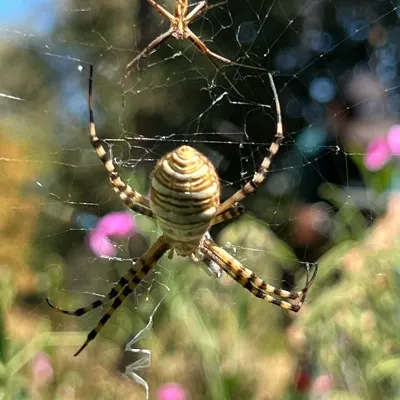
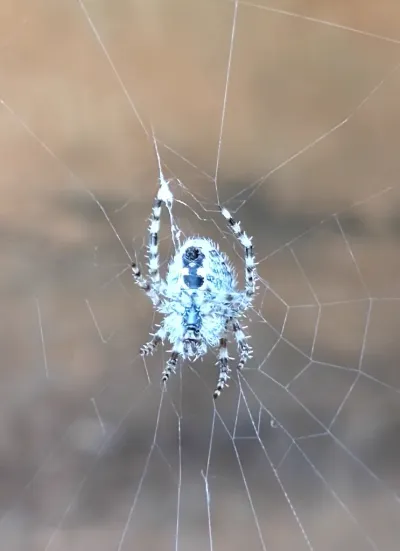
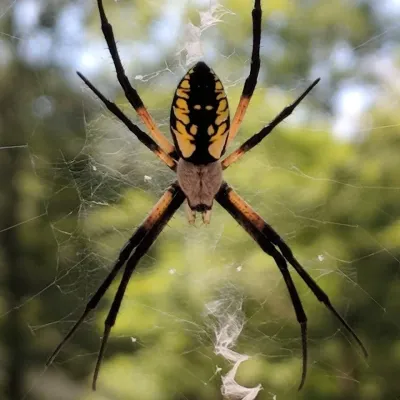
Southern House Spiders are often mistaken for these similar pests
Where Southern House Spiders Are Found
Hover over states to see their names. Green regions indicate where southern house spiders have been reported.
Common Questions about Southern House Spiders
Are southern house spiders dangerous?
+
No, southern house spiders are not dangerous to humans. Despite their intimidating size, they are docile and rarely bite. When bites do occur, they cause only minor, localized reactions similar to a bee sting. They are often mistaken for the venomous brown recluse, but southern house spiders pose no significant medical threat.
How can I tell the difference between a southern house spider and a brown recluse?
+
The most reliable way to distinguish these spiders is by looking at their eyes. Southern house spiders have eight eyes clustered closely together, while brown recluses have only six eyes arranged in three pairs. Southern house spiders also have hairy bodies and legs, whereas brown recluses appear smooth and have a distinctive violin-shaped marking on their cephalothorax.
Why do I see southern house spiders around my home?
+
Southern house spiders are attracted to structures because they provide ideal habitat for web-building. These spiders prefer cracks, crevices, and holes in walls, shutters, overhangs, and foundations where they can construct their characteristic tubular retreat webs. Buildings also attract the insects they prey upon.
Do southern house spiders come inside the house?
+
While southern house spiders prefer to live outdoors or in sheltered exterior locations like garages and sheds, males may wander indoors when searching for mates. Females typically stay near their webs and are less commonly found inside living spaces.
What do southern house spider webs look like?
+
Southern house spiders build distinctive cribellate webs that look fuzzy or woolly rather than sticky. They create tubular retreats in cracks and holes, with radiating silk lines extending outward to detect prey vibrations. The webs often have a disheveled, cotton-like appearance.
How long do southern house spiders live?
+
Southern house spiders are long-lived for spiders. Females can live for 8 years or more, which is unusually long for a spider species. Males have shorter lifespans of 1-2 years, and their adult phase is spent largely searching for females to mate with.
What time of year are southern house spiders most active?
+
Southern house spider activity peaks during warm months from late spring through early fall. Males are most commonly seen in late summer and fall when they actively wander in search of mates. In warmer climates, activity may continue year-round.
Should I remove southern house spider webs?
+
Regular web removal can help reduce spider populations around your home. Removing webs from high-traffic areas and entry points is recommended. You may choose to leave webs in out-of-the-way areas where they do not cause concern.

With five years of hands-on experience in the pest control industry, George Schulz is a registered technician with the Virginia Pest Management Association and a proud third-generation professional in a family business that's been protecting homes for over 57 years. He manages and trains a team of service pros while also leading internal research efforts—recently spearheading a deep-dive review of thousands of documents on pest control materials to hand-pick the most kid and pet friendly, most effective solutions tailored specifically for homes in the DC metro area.