Parson Spiders Identification Guide
Herpyllus ecclesiasticus
Parson spiders are fast-moving, nocturnal ground spiders commonly found in homes across eastern North America. Named for the distinctive white marking on their abdomen that resembles a clerical collar, these active hunters chase down prey rather than building webs.
Taxonomy
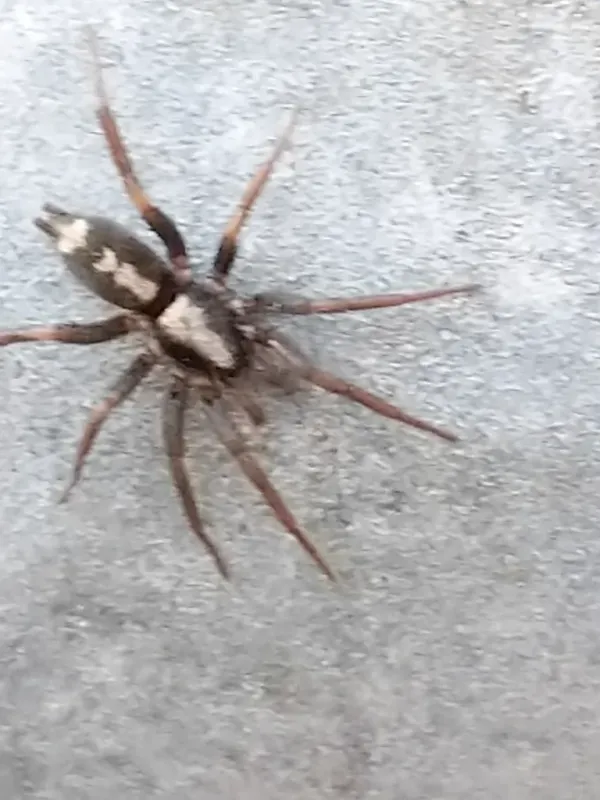
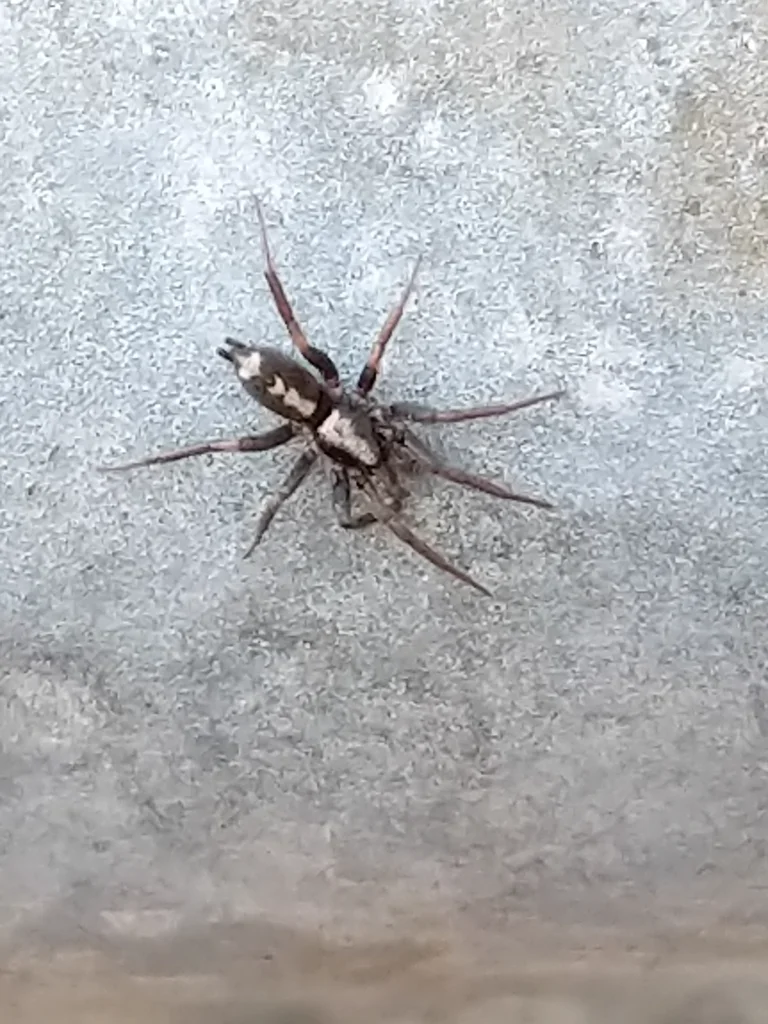
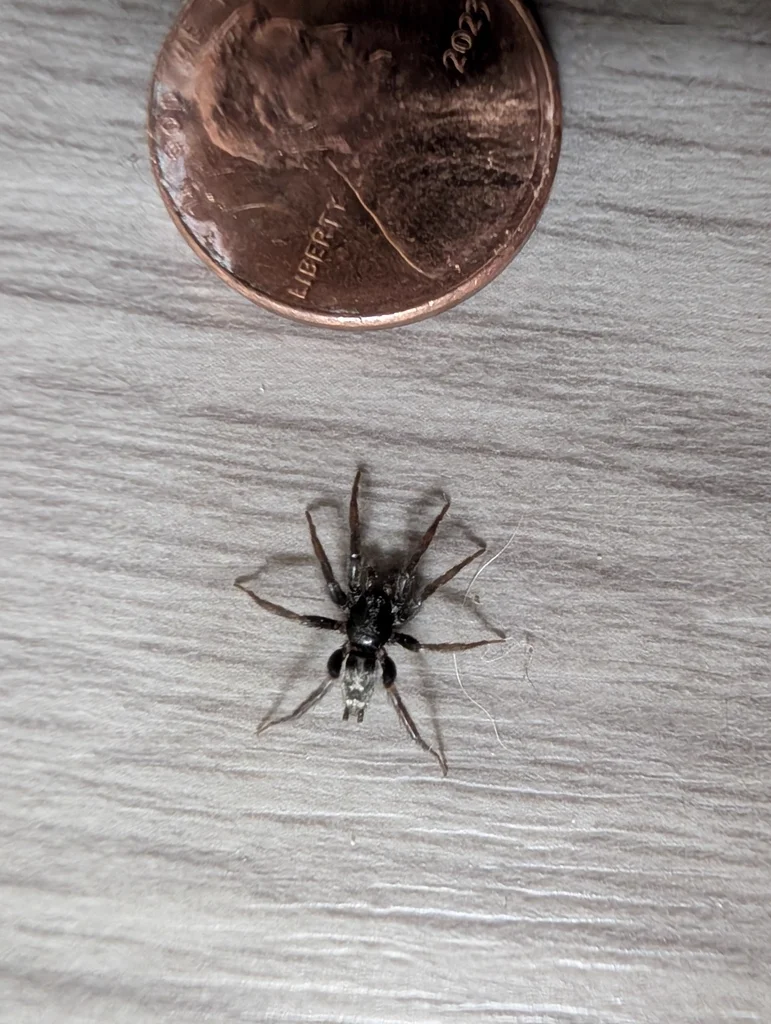
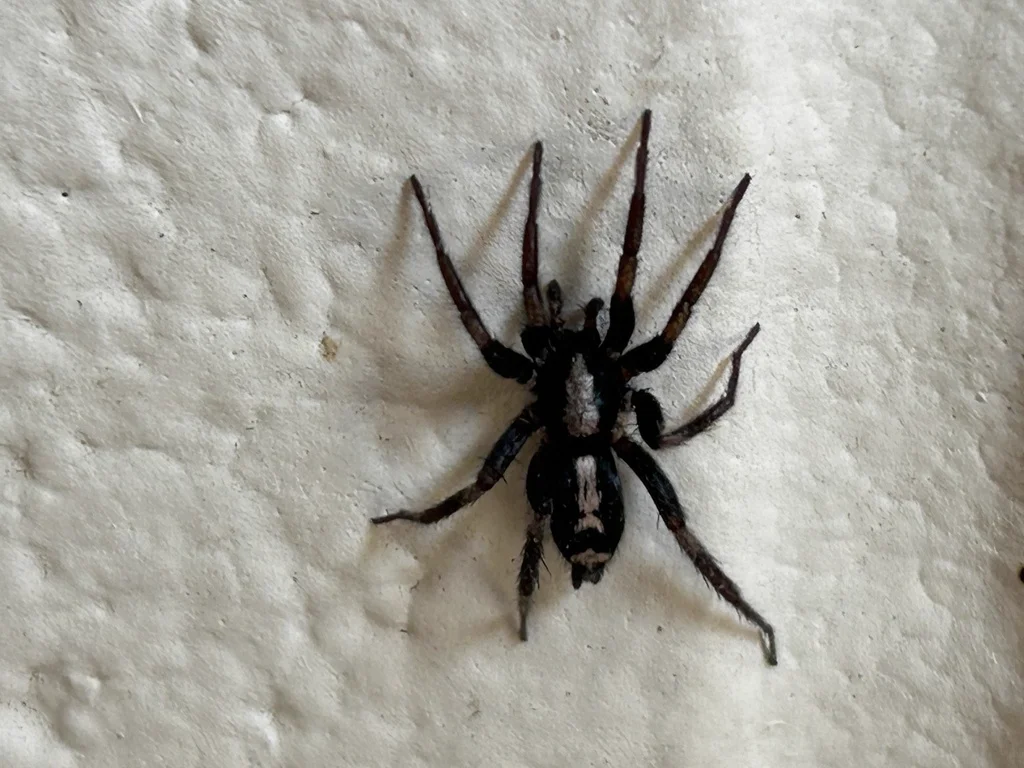
Parson Spiders Coloration
Common color patterns to help identify parson spiders
Parson Spiders
Seasonal Activity
When parson spiders are most active throughout the year

Where Parson Spiders Are Found
Hover over states to see their names. Green regions indicate where parson spiders have been reported.
Parson Spider Identification Guide
Physical Characteristics
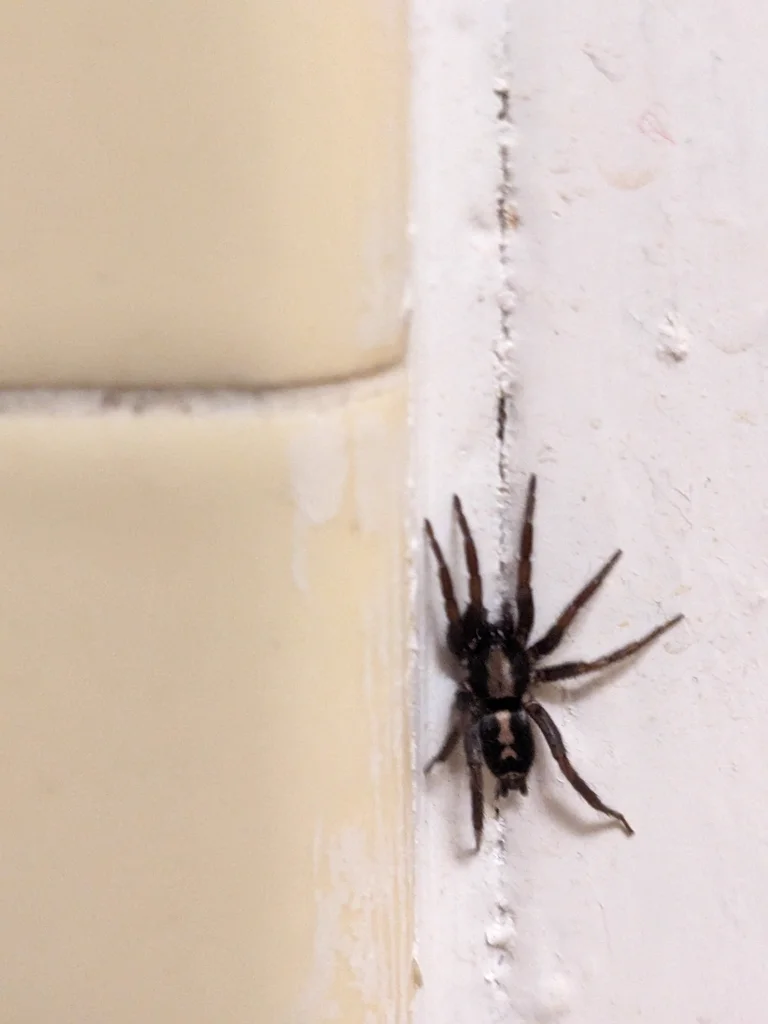
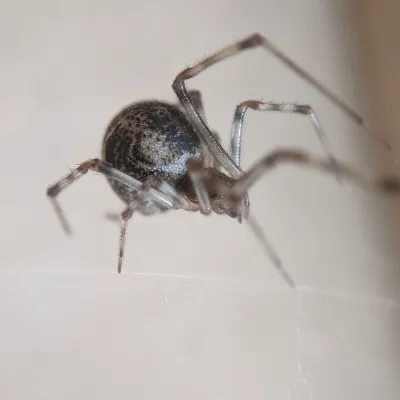
Parson spiders (Herpyllus ecclesiasticus) are medium-sized ground spiders in the family Gnaphosidae. Adults measure about 1/5 to 1/2 inch long (5-13mm). Females are slightly larger than males.
The most notable feature is the white or pinkish marking on top of the abdomen. This marking looks like the clerical collar worn by parsons in the 1800s, which is how the spider got its name. A small white spot also appears above the spinnerets at the rear.
The body is covered with flat hairs. Black hairs cover the front body segment, while gray hairs surround the white marking on the abdomen. The legs have a chestnut-brown color. Overall, these spiders look dark and hairy with a flat body shape.
Behavioral Identification
Parson spiders are active hunters that do not build webs to catch prey. Their hunting style helps set them apart from other household spiders:
- Fast, zigzag movements: When scared, parson spiders run quickly in erratic patterns
- Active at night: They hunt after dark and are rarely seen during the day
- Ground dwelling: Usually found at floor level or on walls near the ground
- Silk shelters: They make silk hiding spots but not webs for catching prey
- Solitary: They live and hunt alone
Common Species in North America
Two species of parson spiders live in North America:
- Eastern Parson Spider (Herpyllus ecclesiasticus): Lives east of the Rocky Mountains. This is the one we see most in homes.
- Western Parson Spider (Herpyllus propinquus): Lives west of the Rockies. It looks the same as the eastern species.
Parson Spider Behavior and Biology
Habitat Preferences
Parson spiders usually live in wooded areas but often enter homes. According to Penn State Extension, they are among the most common ground spiders found indoors.
Outdoor habitats:
- Under loose tree bark
- Beneath rocks and stones
- In leaf litter and debris piles
- Under fallen logs
- In woodpiles
Indoor habitats:
- Closets and storage areas
- Behind furniture
- In basements and crawl spaces
- Under appliances
- In bedding and clothing left on floors
- Garages and sheds
Parson spiders build flat, disc-shaped silk shelters where they hide during the day. These shelters are usually in protected spots and may contain shed skins and egg sacs.
Diet and Feeding Habits
As ground spiders, parson spiders are active hunters that chase prey instead of trapping it in webs. They run toward insects and bite quickly to catch them. Their diet includes:
- Flies and other small flying insects
- Ants and beetles
- Cockroaches
- Other spiders
- Other crawling bugs
Their speed and good night vision make them effective hunters after dark. Unlike web spiders that wait for prey, parson spiders actively search for food. Their hunting style is similar to wolf spiders, though parson spiders are smaller and faster.
Reproduction and Lifecycle
Females make flat, disc-shaped egg sacs that they guard in their silk shelters. One egg sac can hold around 130 eggs or more. The female usually puts her egg sac under tree bark or in another protected spot and stays with it until the babies hatch. A related species, Crab Spiders, shares similar characteristics.
Key lifecycle details:
- Egg protection: Females guard their egg sacs
- Young spiders: Babies spread out after hatching to hunt on their own
- Growth: It takes several months to grow from egg to adult
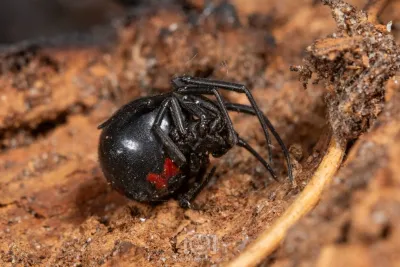
- Lifespan: Adults usually live one to two years A related species, Black Widow Spiders, shares similar characteristics.
Seasonal Activity Patterns A related species, Woodlouse Spiders, shares similar characteristics.
Parson spider activity changes with the seasons:
- December to February (Low): Spiders spend winter in protected spots indoors and outdoors. You might see them if you disturb their hiding place.
- March to April (Moderate): Activity picks up as weather warms. Spiders come out and start hunting again.
- May (Peak indoors): The most common month for indoor sightings based on reports.
- June to September (Moderate): Steady outdoor activity with some indoor encounters.
- October to November (High): Spiders move into homes to escape cold weather. Indoor sightings rise.
The fall move into homes is the main reason parson spiders become a problem. They look for warm places to spend winter as temps drop outside.
Parson Spider Bites
Bite Occurrence and Symptoms
Parson spiders are not aggressive. Bites happen when a spider gets trapped against skin by accident. Most bites occur at night when someone rolls onto a spider in bed. Bites also happen when putting on clothes where a spider is hiding.
Common bite symptoms:
- Pain: Bites hurt but are usually not severe
- Swelling: The area around the bite gets puffy
- Redness: The wound looks irritated
- Healing: Bites heal quickly if they do not get infected
Some people have stronger reactions including:
- More swelling around the bite
- Ongoing itching
- Feeling nervous
- Upset stomach
- Low fever or sweating
Medical Significance
Parson spiders are generally not a medical concern. Their bites can be uncomfortable but serious problems are rare. Basic first aid usually works:
- Clean the bite with soap and water
- Put on antibiotic ointment
- Use ice packs to reduce swelling
- Take pain relievers if needed
- Watch for signs of infection or allergic reaction
See a doctor if you have trouble breathing, a spreading rash, severe swelling, or signs of infection.
Note: This is not medical advice. Always consult a doctor for medical concerns.
How We Treat for Parson Spiders
Parson spiders can be tricky to control because of how they hunt. They do not stay in one spot like web spiders do. Our approach uses exclusion, habitat changes, and targeted product applications.
Our Treatment Process
Step 1: Comprehensive Inspection
We look for spider activity and things that attract them:
- Ground-level entry points around foundations
- Gaps under doors and around windows
- Outdoor lights that draw bugs
- Debris near the home where spiders hide
- Moisture problems that attract bugs
- Indoor hiding spots in basements, closets, and storage areas
Step 2: Exterior Barrier Treatment
We apply a non-repellent product to exterior areas where parson spiders travel. Non-repellent products are key because spiders walk through treated areas without knowing it. Focus areas include:
- Foundation perimeter
- Window and door frames
- Garage and shed entries
- Areas where spiders have been observed
Step 3: Interior Spot Treatment
Interior treatment focuses on specific hiding spots and travel paths:
- Basement corners and floor-wall junctions
- Around entry points
- Behind appliances
- Crawl space access points
- Storage areas where spiders may hide
For recurring problems, we may recommend preventative dusting in wall voids and other areas where spiders retreat.
Step 4: Web and Retreat Removal
We physically remove visible silk retreats and knock down cobwebs from eaves, porches, and entry areas within reach.
Step 5: Exclusion Recommendations
Keeping spiders out is key for long-term control. We suggest sealing:
- Gaps under exterior doors
- Foundation cracks
- Window and door frame gaps
- Holes where pipes and wires enter
- Damaged screens and vent covers
What You Can Do
To help with spider control, we suggest:
- Use less outdoor lighting or switch to yellow bug lights that attract fewer insects
- Close blinds at night so indoor lights do not draw bugs to windows
- Clear debris near your home like leaf piles, wood stacks, and clutter
- Shake out clothes and shoes that sit on floors or in closets
- Move beds away from walls and keep bedding off the floor
- Vacuum often in corners, behind furniture, and storage areas
- Cut down on clutter in basements, closets, and garages
- Fix moisture problems that attract insects
Why Regular Service Matters
Parson spider control needs ongoing work because:
- New spiders move in each fall looking for winter shelter
- Hunting spiders have less contact with treated areas than web spiders
- Bug populations must stay low to keep spiders away
- New spiders keep moving into good habitats
Our tri-annual service (three visits per year) keeps the barrier in place and handles the seasonal wave of spiders and bugs. Visit our spiders page to learn about other common species in the area.
Products We Trust
We have dropped 9 of the harshest chemicals used in our industry. Instead, we use reduced-risk products like Essentria, Alpine, and Borate-based solutions. These products control spiders well while being mindful of the environment. They are EPA-approved and products we feel good using in our own homes.
References and Further Reading
- Parson Spider - Penn State Extension - Detailed identification and biology information
- Herpyllus ecclesiasticus - Wikipedia - General overview of eastern parson spider
- Ground Spider - Wikipedia - Information about the Gnaphosidae family
- Eastern Parson Spider - Maryland Biodiversity Project - Regional distribution and observation data
- Spider Bites - Mayo Clinic - Medical guidance for spider bite treatment
Other Spiders
Explore other species in the spiders family
Commonly Confused With
Parson Spiders are often mistaken for these similar pests
Where Parson Spiders Are Found
Hover over states to see their names. Green regions indicate where parson spiders have been reported.
Common Questions about Parson Spiders
Are parson spider bites dangerous?
+
Parson spider bites are not usually dangerous but can be painful. Most people get pain, swelling, and redness like a bee sting. Some people have allergic reactions with more swelling, itching, or nausea. Serious problems are rare.
Why do parson spiders come inside houses?
+
Parson spiders come inside in fall looking for a warm place to spend winter. They also follow bugs indoors when there is food to hunt. These spiders hunt at night, which is when most people see them.
How did the parson spider get its name?
+
The spider has a white marking on its back that looks like a clerical collar. Parsons and ministers wore this type of collar in the 1800s. The marking is the easiest way to identify this spider.
Do parson spiders build webs?
+
No, parson spiders do not build webs to catch food. They hunt by running down their prey. They do make silk shelters to hide in during the day under bark, stones, or in dark indoor spots.
When are parson spiders most active?
+
Parson spiders hunt at night. You see them inside most often in fall when they move indoors for winter. May is the peak month for indoor sightings.
How can I tell a parson spider from a wolf spider?
+
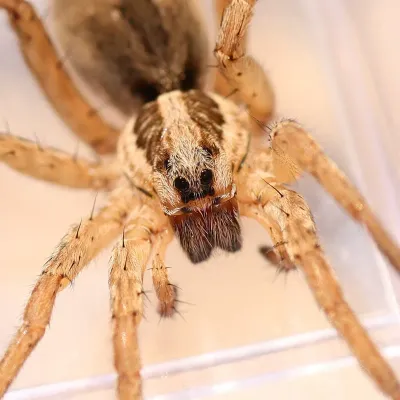
Parson spiders are smaller (about half an inch) with a white stripe on their back. Wolf spiders are bigger with large eyes you can see from the front. Parson spiders are flat and dark. Wolf spiders are bulkier with brown patterns.
Where do parson spiders hide during the day?
+
Parson spiders hide in dark, quiet spots during the day. Outside, they hide under bark, rocks, and leaves. Inside, they hide in closets, behind furniture, under appliances, and in basements.
Are parson spiders aggressive?
+
No, parson spiders are not aggressive. They run away when scared. Most bites happen by accident when a spider gets trapped against skin in bed or in clothing.

With five years of hands-on experience in the pest control industry, George Schulz is a registered technician with the Virginia Pest Management Association and a proud third-generation professional in a family business that's been protecting homes for over 57 years. He manages and trains a team of service pros while also leading internal research efforts—recently spearheading a deep-dive review of thousands of documents on pest control materials to hand-pick the most kid and pet friendly, most effective solutions tailored specifically for homes in the DC metro area.