Orb Weaver Spiders Identification Guide
Araneidae (family)
Orb weaver spiders are master web builders known for their large, circular webs. These spiders are common in gardens and around homes throughout North America.
Taxonomy
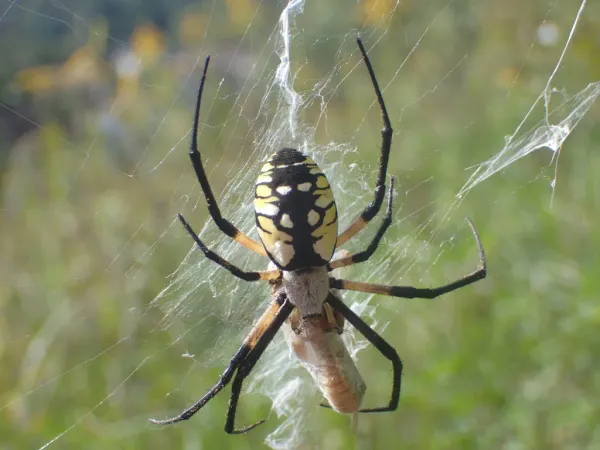
Orb Weaver Spiders Coloration
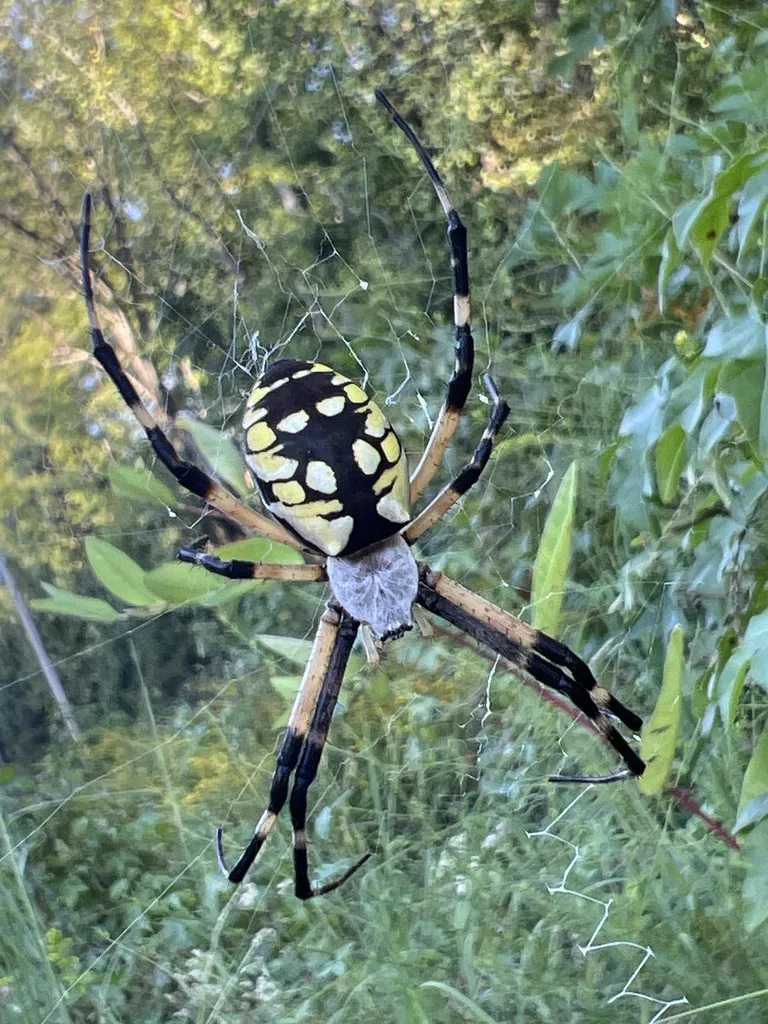
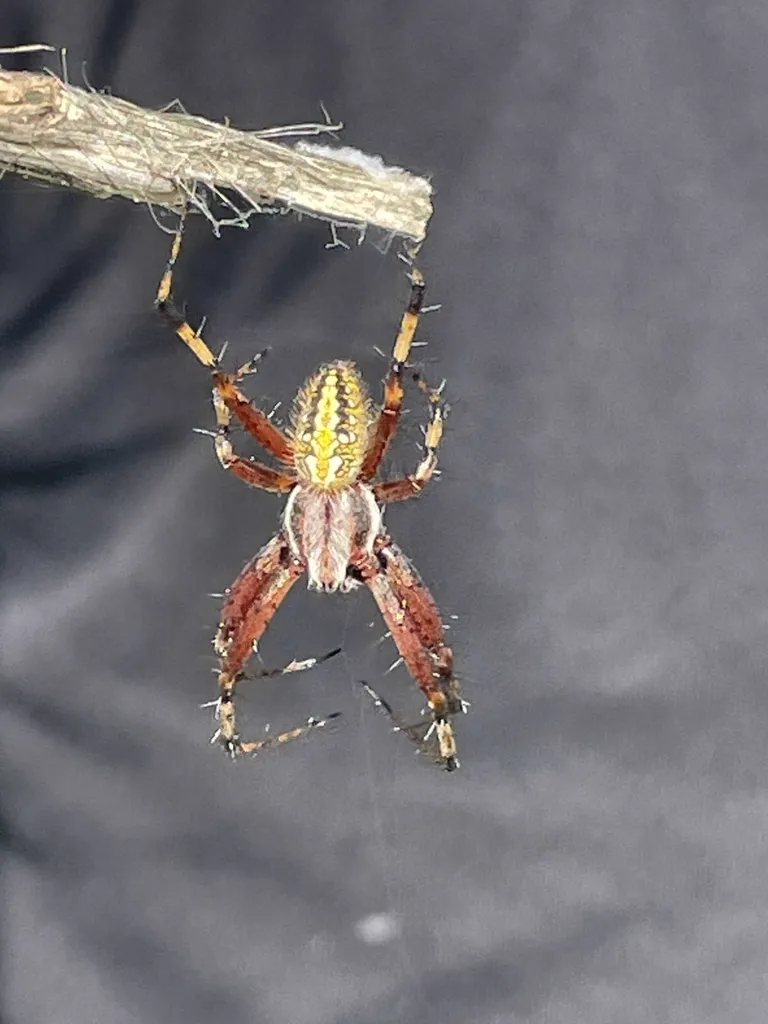
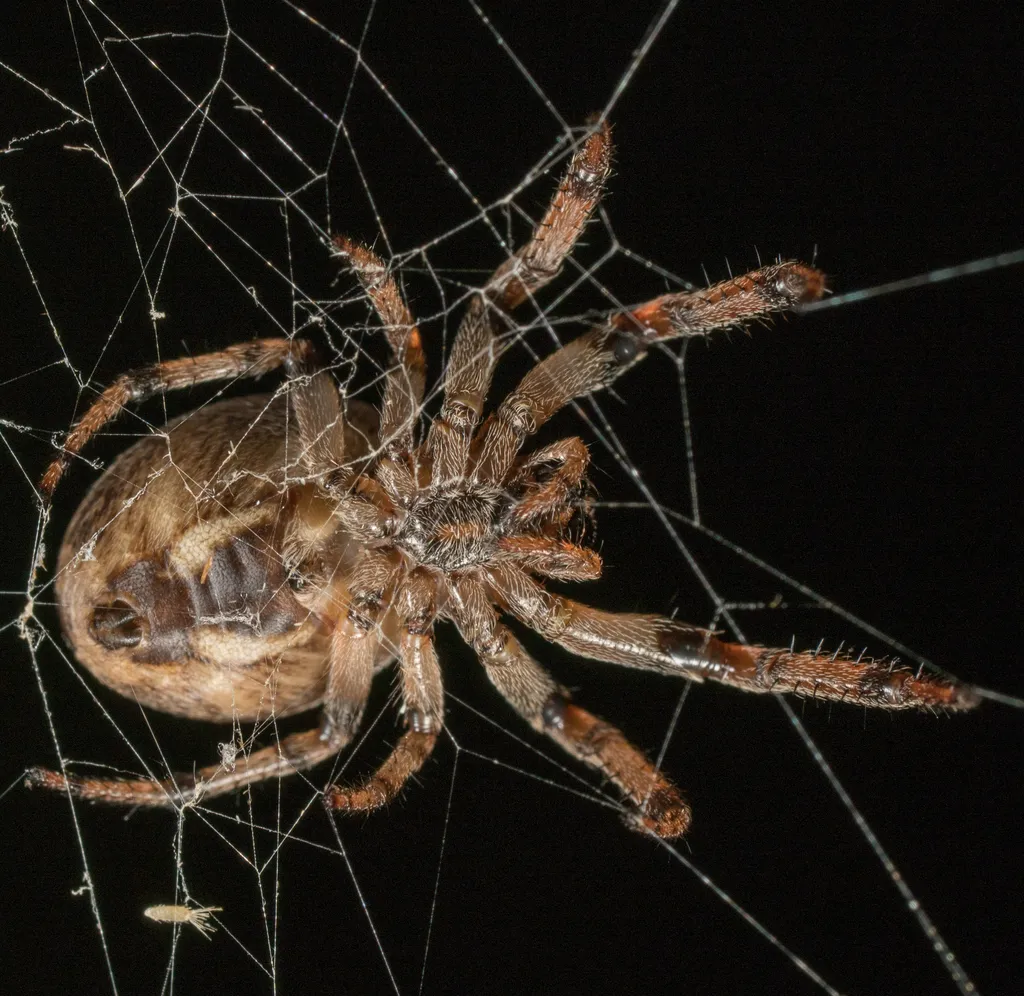
Common color patterns to help identify orb weaver spiders
Orb Weaver Spiders
Seasonal Activity
When orb weaver spiders are most active throughout the year

Where Orb Weaver Spiders Are Found
Hover over states to see their names. Green regions indicate where orb weaver spiders have been reported.
Orb Weaver Spider Identification Guide
Physical Characteristics
Orb weaver spiders are easy to spot because of their large, round webs. Adult females are 0.2 to 1.25 inches long. Males are smaller at 0.2 to 0.5 inches. With legs spread out, big females can span 2-3 inches or more.
These spiders have eight legs and eight eyes in two rows. Their most notable feature is a round belly that often has spots, bands, or patterns. Many have striped legs with light and dark bands.
Colors vary by species:
- Yellow garden spider: Bold black and yellow pattern
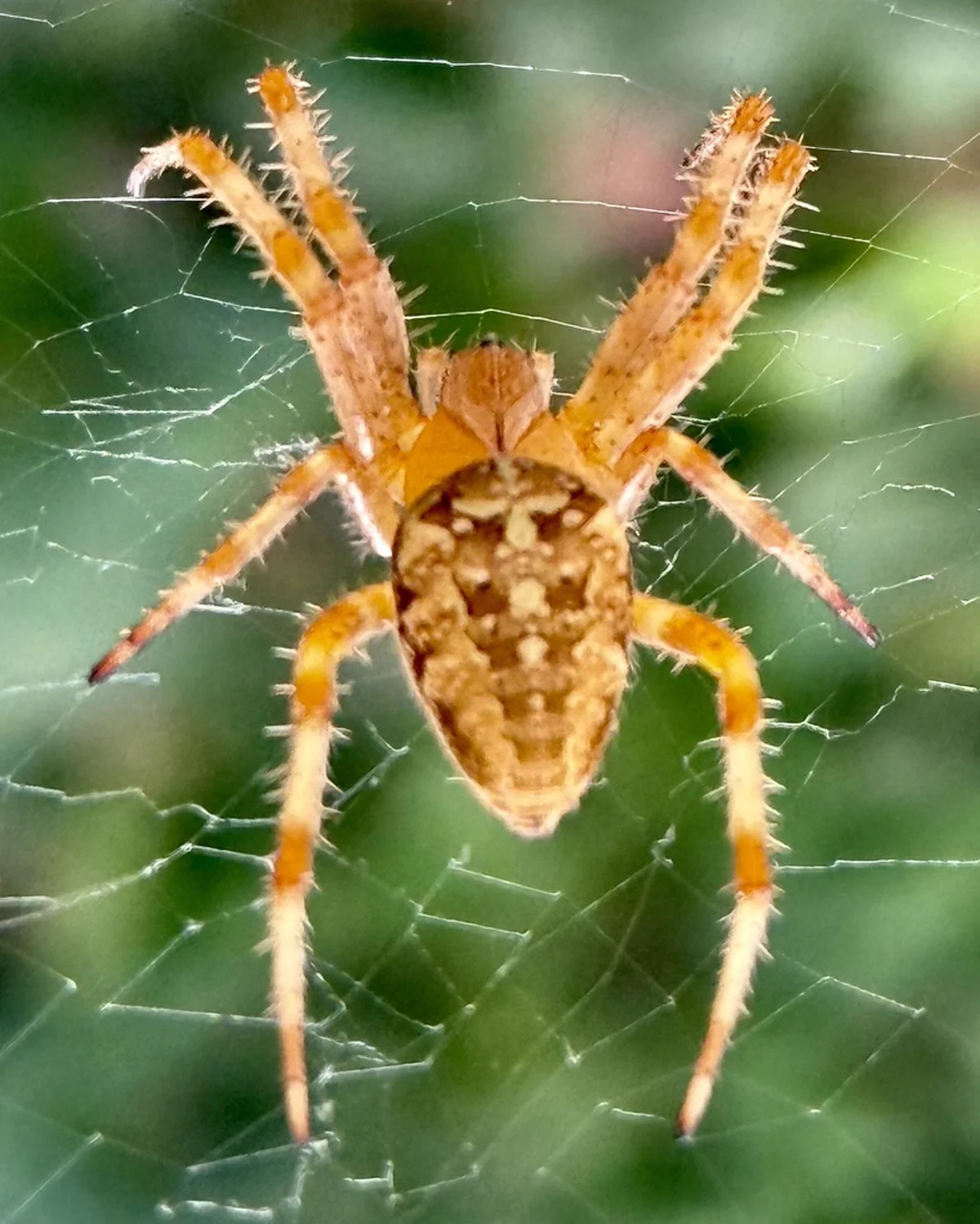
- Spotted orbweaver: Brown and orange with markings
- Spinybacked orbweaver: Small and crab-like with spines
Web Characteristics
Orb weavers build wheel-shaped webs. These webs have:
- Frame threads: Strong silk forming the outer edge
- Spokes: Threads going from the center to the frame
- Sticky spiral: Sticky silk wound in circles to catch bugs
- Hub: The center where the spider often sits
Webs can be a few inches to over 3 feet wide. Many orb weavers rebuild their webs each day. They often eat the old web at dawn and make a new one at dusk. Some add a zigzag pattern to the center of the web.
Common Species in North America
You might see these orb weavers around your home:
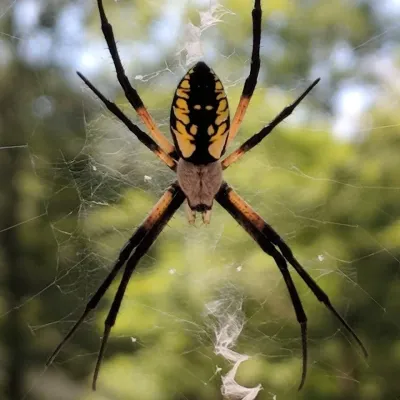
- Yellow Garden Spider: Large with black and yellow coloring. Makes webs with a zigzag pattern.
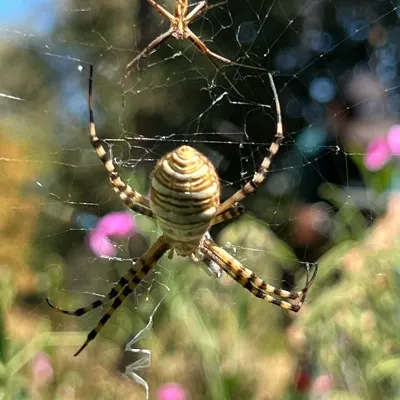
- Banded Garden Spider: Looks like the yellow garden spider but has silver and yellow bands.
- Spotted Orbweaver: Brown to orange with spots. Often found on buildings.
- Cross Orbweaver: Has a white cross shape on its back.
- Marbled Orbweaver: Orange or yellow belly with purple or brown marbling.
- Spinybacked Orbweaver: Small and crab-shaped with spines. Common in southern states.
Orb Weaver Behavior and Biology
Where They Live
Orb weavers build webs where they can catch flying bugs. Common spots include:
- Between plants in gardens
- Corners of porches, decks, and eaves
- Between fences and sheds
- Near outdoor lights (lights attract bugs)
- In tall grass
- Near woods and water
They like spots with good anchor points for their webs and not too much wind.
What They Eat
Orb weavers wait in their webs to catch flying bugs. They eat:
When a bug gets stuck, the spider feels the web shake. It rushes over, bites the bug, wraps it in silk, and eats it later.
Life Cycle
Females make egg sacs in late summer or fall. Each sac holds 100 to several hundred eggs. The sacs are tough and papery. Spiders attach them to plants, under eaves, or near their web.
Eggs stay in the sac through winter and hatch in spring. Baby spiders spread out by “ballooning.” They climb up high, release silk threads, and float on the wind to new spots.
Young spiders grow over several months. They shed their skin many times. By late summer, females are full grown. Adults usually die after the first hard frost.
Seasonal Activity
In Virginia, Maryland, and DC:
- Winter (December to February): No activity. Eggs stay in silk sacs.
- Spring (March to May): Baby spiders hatch and spread out. They start building small webs.
- Early Summer (June to July): Young spiders grow. Webs get bigger.
- Late Summer and Fall (August to October): Busiest time. Adult females are at full size. Mating happens. Females make egg sacs.
- Late Fall (November): Activity slows. Adults die after frost.
In warmer southern states, some may stay active all year.
How We Treat for Orb Weaver Spiders
Orb weaver spiders build their webs around homes, porches, decks, and gardens. Their large webs can be a nuisance in doorways and walkways. Here’s how we handle them.
Our Treatment Approach
Web Removal
We remove webs from problem areas like doorways, walkways, and outdoor living spaces. This discourages spiders from rebuilding in the same spot. We can reach webs up to 6-8 feet high.
Reducing What Attracts Spiders
Spiders go where the bugs are. Reducing flying insects around your home means fewer spiders. We recommend:
- Change your exterior lights. Bright lights attract bugs, which attract spiders. Try motion-activated lights or yellow “bug lights.”
- Close blinds at night. This stops interior lights from drawing insects to windows.
- Trim plants near doors. Cutting back bushes and shrubs removes places for spiders to anchor webs.
Perimeter Treatment
For heavy spider activity, we apply exterior treatments where spiders are most active. Spiders pick up the product when they walk across treated surfaces. We treat:
- Window and door frames
- Eaves, soffits, and overhangs
- Corners where walls meet
- Foundation perimeter
Ongoing Protection
Most spider treatments remain effective for about four months. We return three times per year to re-treat and remove new webs. Between visits, you can knock down webs with a broom. Regular removal discourages spiders from rebuilding in the same spot.
Why Treatment Works
Our approach combines several methods:
- Web removal takes away existing webs.
- Perimeter spray kills spiders that cross treated areas.
- Light changes reduce the bugs that attract spiders.
- Plant trimming removes anchor points for webs.
This keeps spider numbers down and prevents new webs in problem areas. Barn spiders are another common orb weaver found around homes. Visit our spiders page for more species.
References
- Orb Weaver Spider Identification (Penn State Extension)
- Garden Spiders (Argiope) (Maryland Biodiversity Project)
- Spiders of Virginia (Virginia Cooperative Extension)
- Araneidae Family Overview (BugGuide.net)
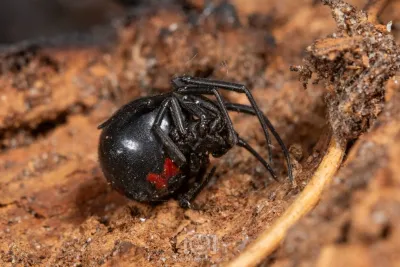
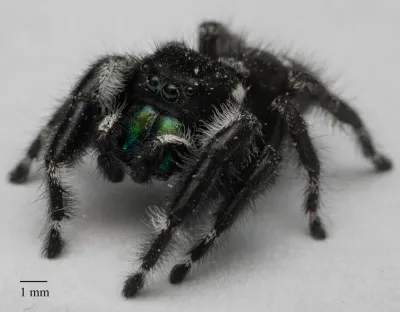
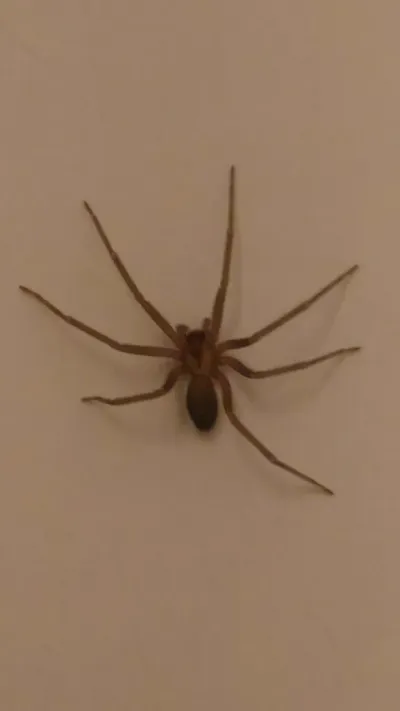
Other Spiders
Explore other species in the spiders family
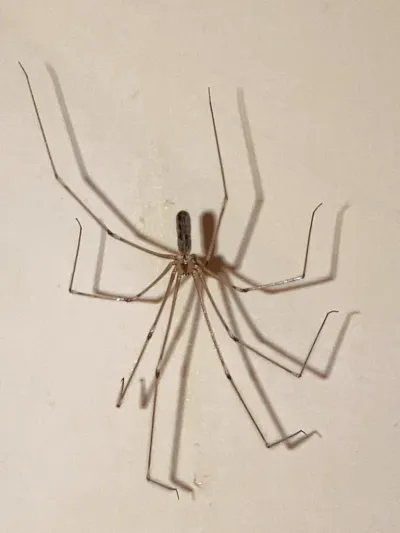
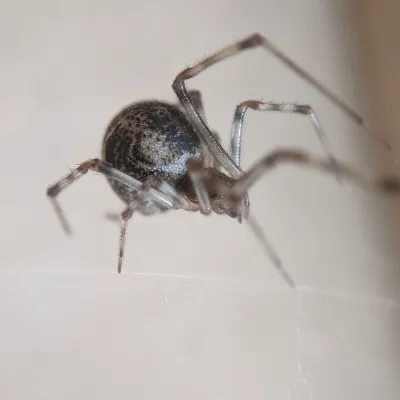
Commonly Confused With
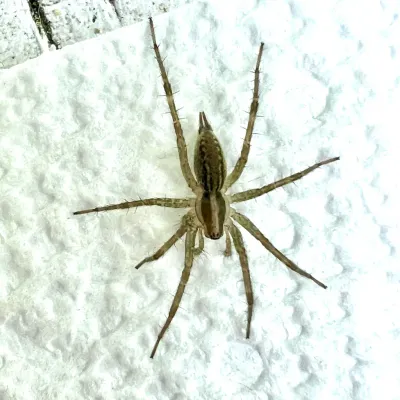
Orb Weaver Spiders are often mistaken for these similar pests
Where Orb Weaver Spiders Are Found
Hover over states to see their names. Green regions indicate where orb weaver spiders have been reported.
Common Questions about Orb Weaver Spiders
Are orb weaver spiders dangerous?
+
No, orb weavers are not dangerous. They can bite if you grab them, but the bite is not harmful. They are not aggressive. If you bother them, they usually run away or drop from their web.
Why do orb weavers build such large webs?
+
Large webs catch more bugs. The round shape with sticky threads traps moths, flies, and beetles. Many orb weavers rebuild their web each day. They often eat the old web and make a new one at dusk.
What is the zigzag pattern in some webs?
+
Some orb weavers, like the yellow garden spider, add a zigzag to their web. Scientists aren't sure why. It might help birds see the web and avoid flying into it. Or it might attract bugs.
When are orb weavers most active?
+
You'll see the most orb weavers from August to October. That's when adult females are biggest. Many build their webs at dusk and hunt at night. Adults die after the first hard frost.
How do I identify an orb weaver?
+
Look for a round, wheel-shaped web with spokes and sticky spiral threads. The spider has a round body, often with spots or patterns. It usually sits in the center of the web. Many have striped legs.
Will orb weavers come inside my house?
+
Orb weavers rarely come indoors. They need open space for their big webs and they eat flying bugs. They prefer porches, eaves, gardens, and deck rails. If you see a large round web, it's almost always outside.
Should I remove orb weaver webs?
+
If webs block doorways or walkways, you can remove them. The spider will rebuild somewhere else. For webs in out-of-the-way spots, removal is up to you. A pest control treatment can reduce spider activity if you want fewer webs.
How long do orb weavers live?
+
Most orb weavers live about one year. Females die after the first hard frost. Before they die, they make egg sacs with hundreds of eggs. The eggs hatch in spring and the babies float away on silk threads.

With five years of hands-on experience in the pest control industry, George Schulz is a registered technician with the Virginia Pest Management Association and a proud third-generation professional in a family business that's been protecting homes for over 57 years. He manages and trains a team of service pros while also leading internal research efforts—recently spearheading a deep-dive review of thousands of documents on pest control materials to hand-pick the most kid and pet friendly, most effective solutions tailored specifically for homes in the DC metro area.