House Spiders Identification Guide
Parasteatoda tepidariorum
The common house spider is one of the most frequently encountered spiders in North American homes. These cobweb-building arachnids are harmless to humans and actually help control household insects, though their webs can become a nuisance.
Taxonomy
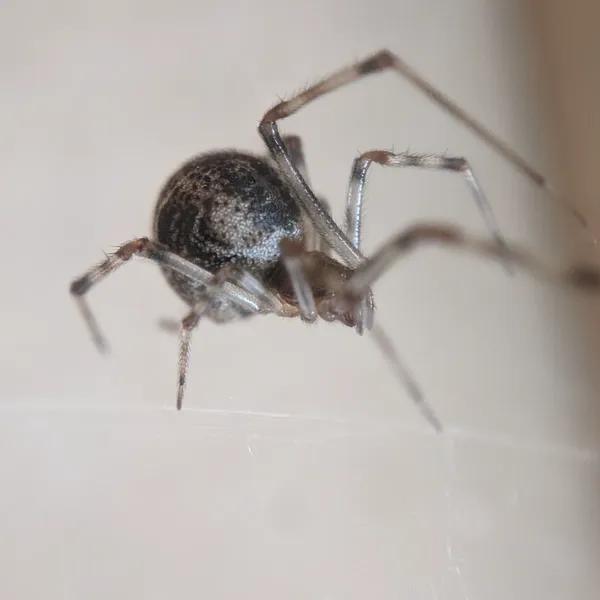
House Spiders Coloration
Common color patterns to help identify house spiders
House Spiders
Seasonal Activity
When house spiders are most active throughout the year
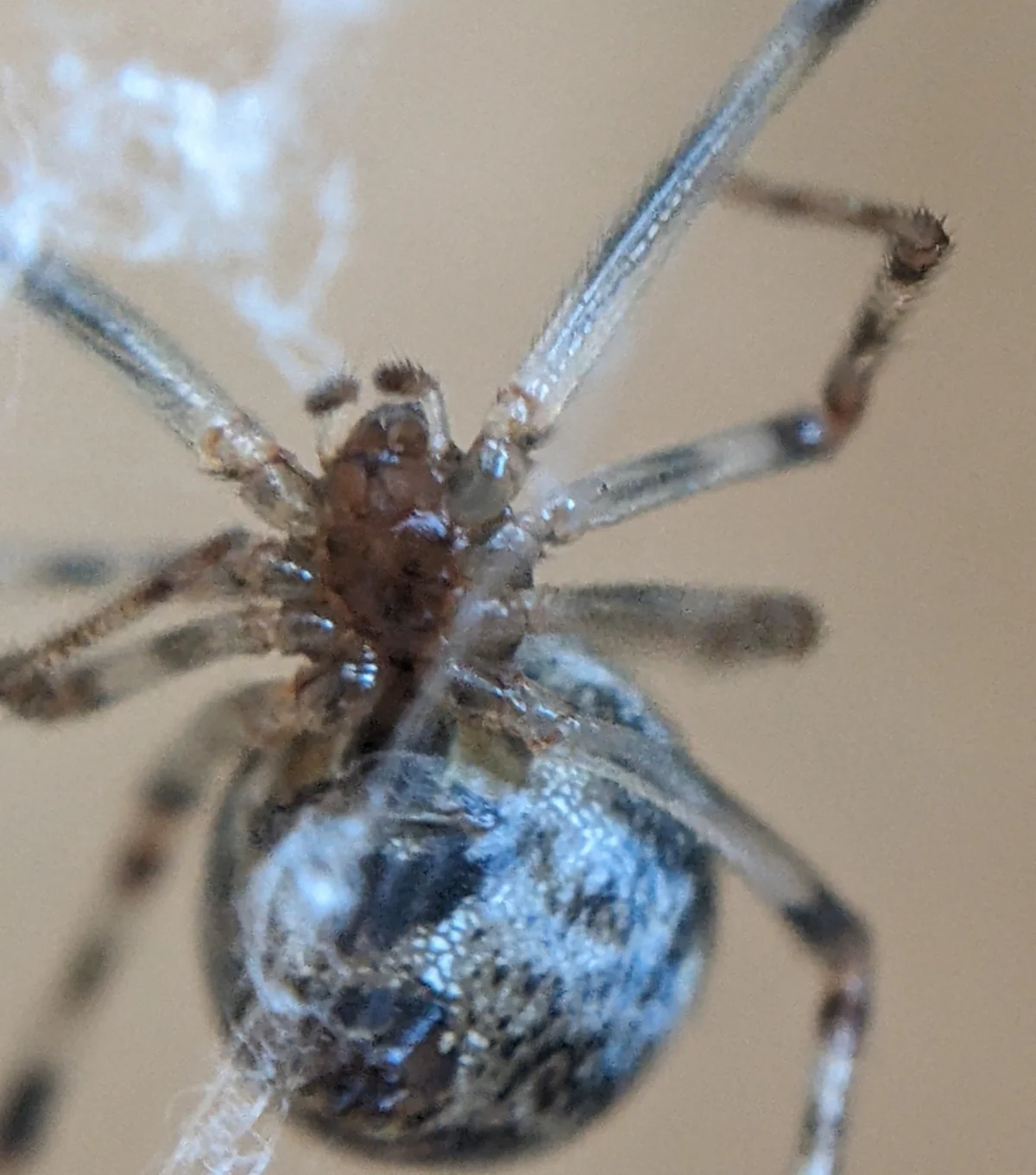
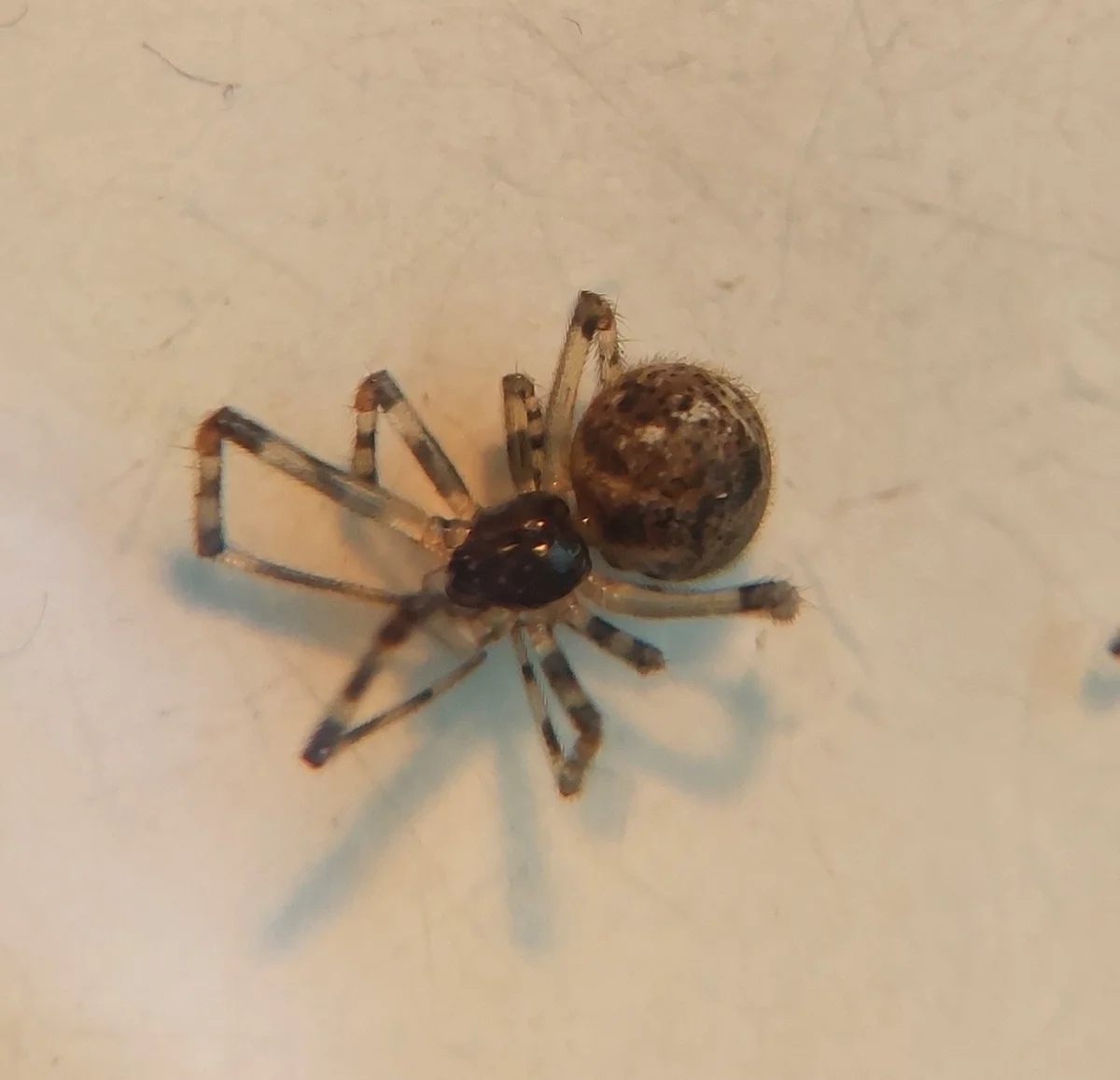
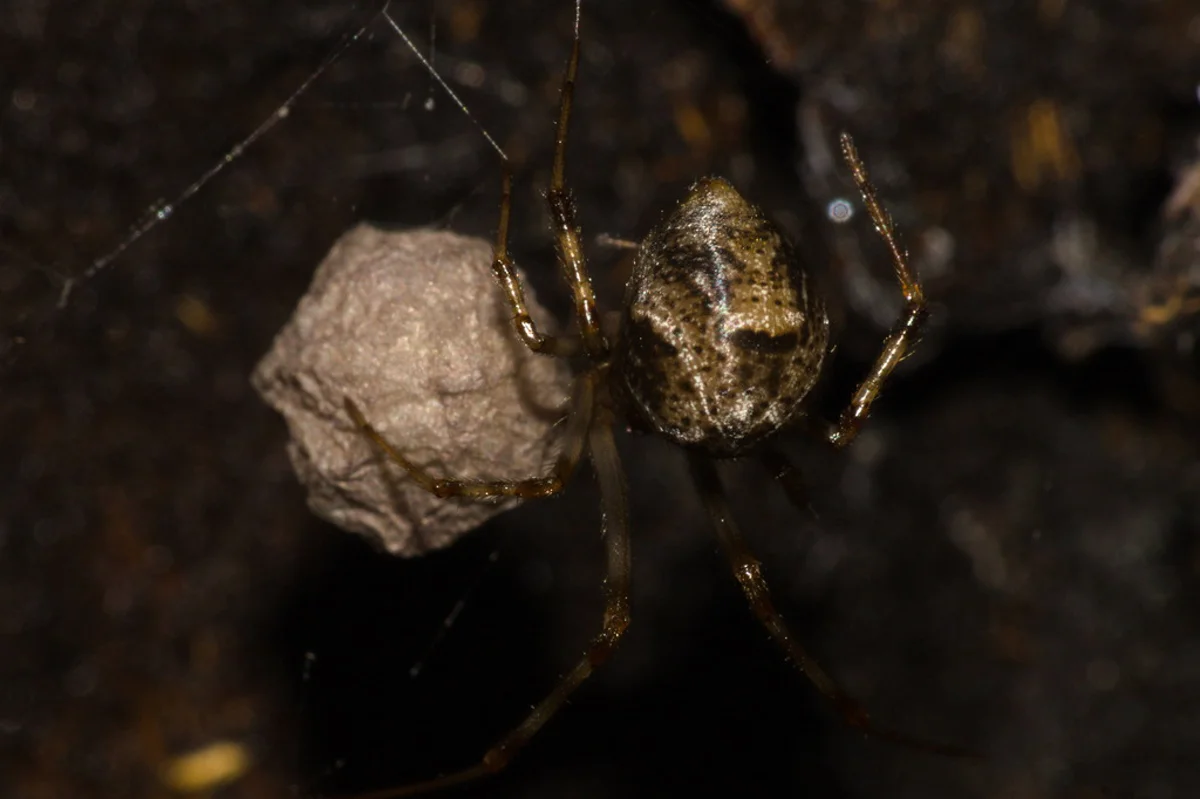

Where House Spiders Are Found
Hover over states to see their names. Green regions indicate where house spiders have been reported.
House Spider Identification Guide
Physical Characteristics
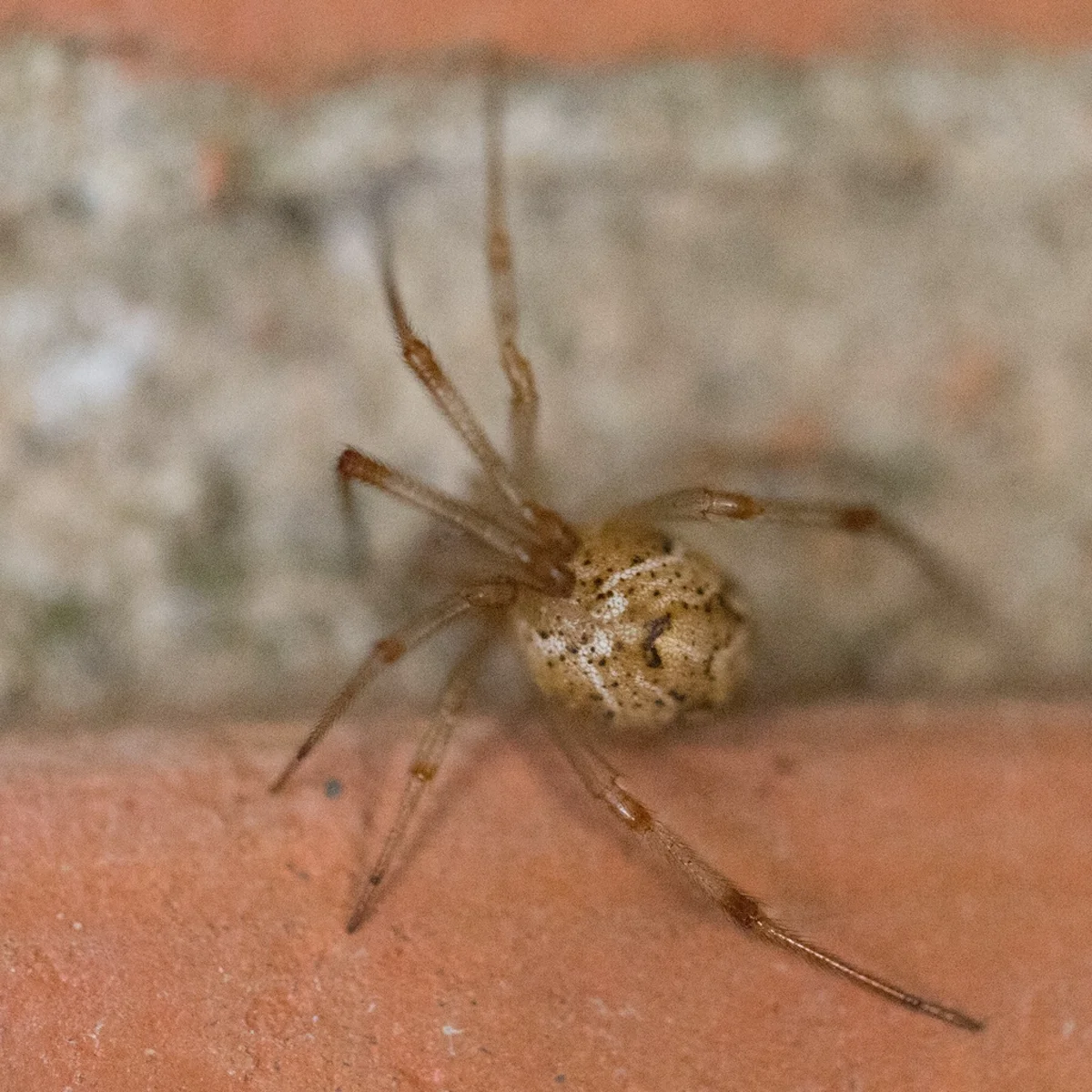
The common house spider (Parasteatoda tepidariorum) is a small to medium-sized spider with a distinctive rounded, bulbous abdomen. Females are larger than males, measuring 5-8mm in body length, while males are typically 3.8-4mm. Including legs, house spiders can appear 0.5 to 1 inch across.
Their coloration is highly variable, ranging from yellowish-brown to dark brown with mottled or spotted patterns on the abdomen. Many specimens display chevron-like markings or a whitish patch behind the highest point of the abdomen. The legs are typically banded with darker rings at the joints, a helpful identification feature.
House spiders have eight legs and eight eyes arranged in two rows. Their legs are relatively short compared to cellar spiders, and their overall appearance is more compact and rounded.
Web Characteristics
One of the easiest ways to identify house spider activity is by their distinctive webs. Unlike the symmetrical orb webs created by garden spiders, house spiders build irregular, three-dimensional cobwebs (also called tangle webs). These messy-looking structures are typically found in:
- Upper corners of rooms and windows
- Basement ceilings and floor joists
- Garage rafters and eaves
- Behind furniture and appliances
- Around light fixtures
The webs often contain small, papery, teardrop-shaped egg sacs and the dried remains of captured prey. House spiders may build multiple webs if the first location proves unsuccessful for capturing food.
Common Species in Homes
While Parasteatoda tepidariorum is the species most commonly called the “common house spider,” several other species frequently enter homes:
- American House Spider (Parasteatoda tepidariorum) - The most common indoor cobweb spider
- Domestic House Spider (Tegenaria domestica) - A funnel-web builder, often in basements
- Giant House Spider (Eratigena atrica) - Larger, found primarily in the Pacific Northwest
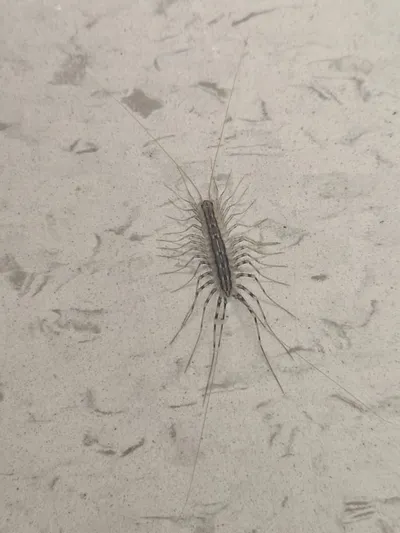
- Cellar Spider (Pholcus phalangioides) - Long-legged, often confused with daddy longlegs
House Spider Behavior and Biology
Habitat Preferences
House spiders are synanthropic, meaning they have adapted to live alongside humans in structures. They prefer sheltered, relatively undisturbed locations with adequate humidity. Common indoor habitats include:
- Basements and crawl spaces
- Attics and storage areas
- Closets and rarely used rooms
- Behind and under furniture
- Window frames and door corners
Outdoors, they may be found under eaves, in woodpiles, under rocks, and in sheds or outbuildings. However, many house spider populations live their entire lives indoors.
Diet and Feeding Habits
House spiders are opportunistic predators that feed on whatever insects become ensnared in their webs. Their typical diet includes:
- House flies and other flying insects
- Mosquitoes and gnats
- Ants and other crawling insects
- Moths and small beetles
- Other small arthropods
When prey becomes trapped in the web’s sticky threads, the spider rushes to subdue it with venom and wrap it in silk. House spiders are beneficial because they help control populations of pest insects.
Reproduction and Lifecycle
Female house spiders can produce multiple egg sacs during their lifetime, with each sac containing 100-400 eggs. The papery, spherical or teardrop-shaped egg sacs are typically attached to the web near the spider’s retreat. Females often remain near their egg sacs, providing a degree of maternal protection.
Spiderlings emerge from the eggs and may remain near the maternal web briefly before dispersing. Young spiders may use “ballooning” - releasing silk threads to be carried by wind currents - to travel to new locations. House spiders undergo several molts before reaching maturity, and the entire development process can take several months.
Seasonal Activity
House spider activity follows predictable seasonal patterns:
- Winter (December-February): Low activity; indoor populations remain but are less visible
- Spring (March-May): Increasing activity as temperatures rise and prey insects become more active
- Late Summer-Fall (July-October): Peak activity; males actively wander searching for mates, web production is highest
- Fall (October-November): Continued high activity, then gradual decline as temperatures drop
Indoor populations in heated structures may remain active year-round, though activity peaks remain in late summer and fall.
How We Treat for House Spiders
House spiders require a specialized approach because they don’t always enter homes through typical pest entry points and their behavior differs from crawling insects. Our comprehensive treatment strategy addresses both the spiders and the conditions that attract them.
Our Treatment Process
Step 1: Thorough Inspection
We begin by identifying areas of high spider activity both inside and outside your home. This includes examining corners, eaves, window frames, and other typical web locations. We also assess factors that may be attracting spiders, such as:
- Exterior lighting that draws prey insects
- Moisture problems that attract other pests
- Wood rot or structural issues providing harborage
- Entry points like gaps around windows and doors
Step 2: Targeted Exterior Treatment
We apply a non-repellent spray to exterior areas where spiders are active. Non-repellent products are essential for spider control because spiders will walk through treated areas without detecting them. Treatment focuses on:
- Window frames and doorways
- Eaves, soffits, and roof overhangs
- Foundation perimeter
- Areas where webs are commonly found
Step 3: Interior Spot Treatment
Interior treatment is limited to targeted applications in high-activity areas. Unlike broad surface sprays, which are ineffective for spiders, we focus on:
- Corners where webs accumulate
- Around entry points and utility penetrations
- Basements and crawl spaces (including preventative dusting in void areas)
Step 4: Web Removal (De-Webbing)
We remove accessible spider webs around the eaves and front porch (up to approximately 6-8 feet high). Regular web removal discourages spiders from rebuilding in the same locations.
Step 5: Ongoing Maintenance
Our seasonal protection plan includes tri-annual follow-up visits to:
- Reapply exterior barrier treatments
- Perform additional de-webbing as needed
- Monitor spider activity levels
- Address any new concerns
Customer Guidance
For best results, we recommend these complementary measures:
- Reduce exterior lighting or use yellow “bug lights” that attract fewer insects
- Close blinds at night to prevent interior lights from attracting insects to windows
- Address moisture issues in basements, bathrooms, and crawl spaces
- Repair wood rot and seal entry points
- Vacuum visible webs and spiders inside the home as they appear
- Reduce clutter to eliminate hiding spots
Why Regular Service Matters
Spider control is not a one-time solution. Regular treatments are crucial because:
- Spider populations continually rebuild as new individuals mature and migrate
- Egg sacs may hatch weeks after initial treatment
- Prey insect populations must be controlled to reduce spider attraction
- Weather and seasonal changes affect spider pressure
Our tri-annual service plan maintains the protective barrier around your home and addresses other common household pests that serve as spider food sources. This comprehensive approach provides lasting control rather than temporary reduction. For more on common species, visit our spiders page or read about house spider vs. wolf spider differences.
EPA-Approved Products We Trust
We have removed 9 of the harshest chemicals commonly used in the industry. Instead, we use reduced-risk products like Essentria, Alpine, and Borate-based solutions that effectively control spiders. These are the same products we feel comfortable using in our own homes.
References and Further Reading
Other Spiders
Explore other species in the spiders family
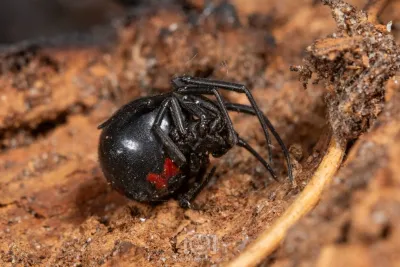
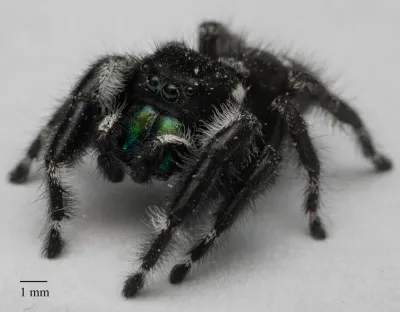
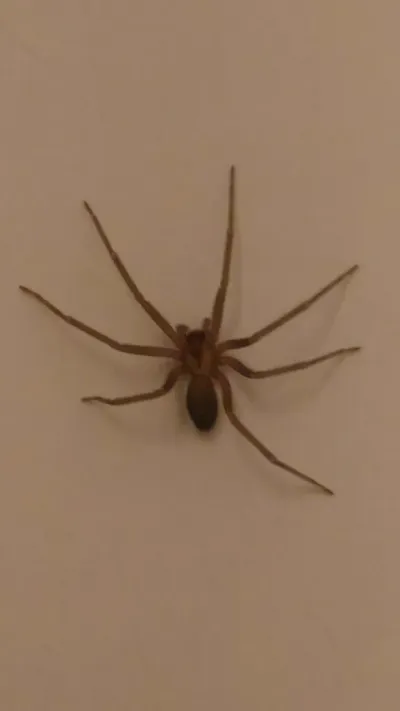
Commonly Confused With
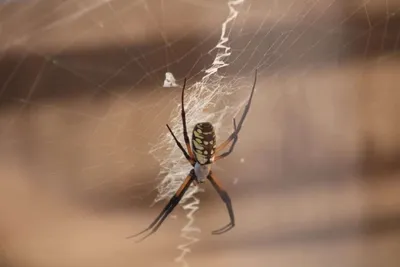
House Spiders are often mistaken for these similar pests
Where House Spiders Are Found
Hover over states to see their names. Green regions indicate where house spiders have been reported.
Common Questions about House Spiders
Are house spiders dangerous?
+
No, common house spiders are not dangerous to humans. While they can bite if threatened, their venom is not medically significant and bites are extremely rare. They are actually beneficial because they prey on flies, mosquitoes, ants, and other household pests.
Why do I have so many spiders in my house?
+
House spiders are attracted to environments with abundant prey (insects), moisture, and undisturbed areas for web-building. Bright exterior lights that attract insects, moisture problems, wood rot, and cluttered spaces all contribute to spider activity. Reducing these attractants can help minimize spider populations.
How do house spiders get inside?
+
House spiders enter through cracks around windows and doors, gaps in siding, utility penetrations, and vents. Some are carried in on firewood, boxes, or plants. Many house spiders actually live their entire lives indoors and rarely come from outside.
Do house spiders bite?
+
House spiders rarely bite humans. They are not aggressive and will typically flee when disturbed. Bites usually only occur if a spider is accidentally trapped against skin. If a bite does occur, it typically causes only minor, localized symptoms similar to a bee sting.
How long do house spiders live?
+
Female house spiders can live for over a year after reaching maturity, while males typically live a few months. Females can produce multiple egg sacs during their lifetime, each containing hundreds of eggs.
Will spraying eliminate house spiders?
+
Spider treatments reduce their presence but do not create instant eradication. Unlike insects, spiders do not groom themselves, so they must walk directly through treated areas for contact to occur. Regular treatments combined with web removal and habitat modification provide the best long-term control.
Should I kill house spiders?
+
House spiders are actually beneficial predators that help control pest insect populations. If their webs are not bothersome, consider leaving them alone. If control is desired, regular web removal and reducing attractants is often more effective than killing individual spiders.
What time of year are house spiders most active?
+
House spider activity peaks from late summer through early fall (August through October), when males are actively searching for mates and populations reach their highest levels. Indoor populations may remain active year-round in heated structures.

With five years of hands-on experience in the pest control industry, George Schulz is a registered technician with the Virginia Pest Management Association and a proud third-generation professional in a family business that's been protecting homes for over 57 years. He manages and trains a team of service pros while also leading internal research efforts—recently spearheading a deep-dive review of thousands of documents on pest control materials to hand-pick the most kid and pet friendly, most effective solutions tailored specifically for homes in the DC metro area.