Ghost Spiders Identification Guide
Anyphaenidae
Ghost spiders are pale, fast-moving hunting spiders found throughout North America. Named for their translucent appearance and nocturnal habits, these agile predators do not build webs to catch prey. Instead, they actively stalk insects on plants and inside homes.
Taxonomy
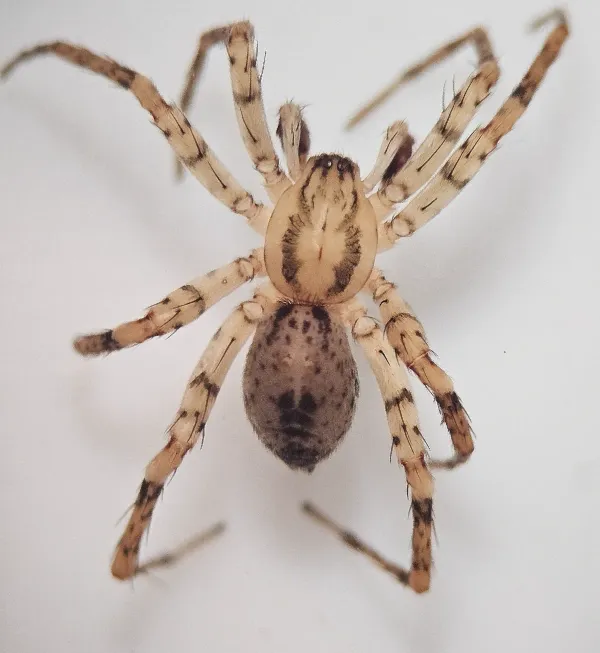
Ghost Spiders Coloration
Common color patterns to help identify ghost spiders
Ghost Spiders
Seasonal Activity
When ghost spiders are most active throughout the year
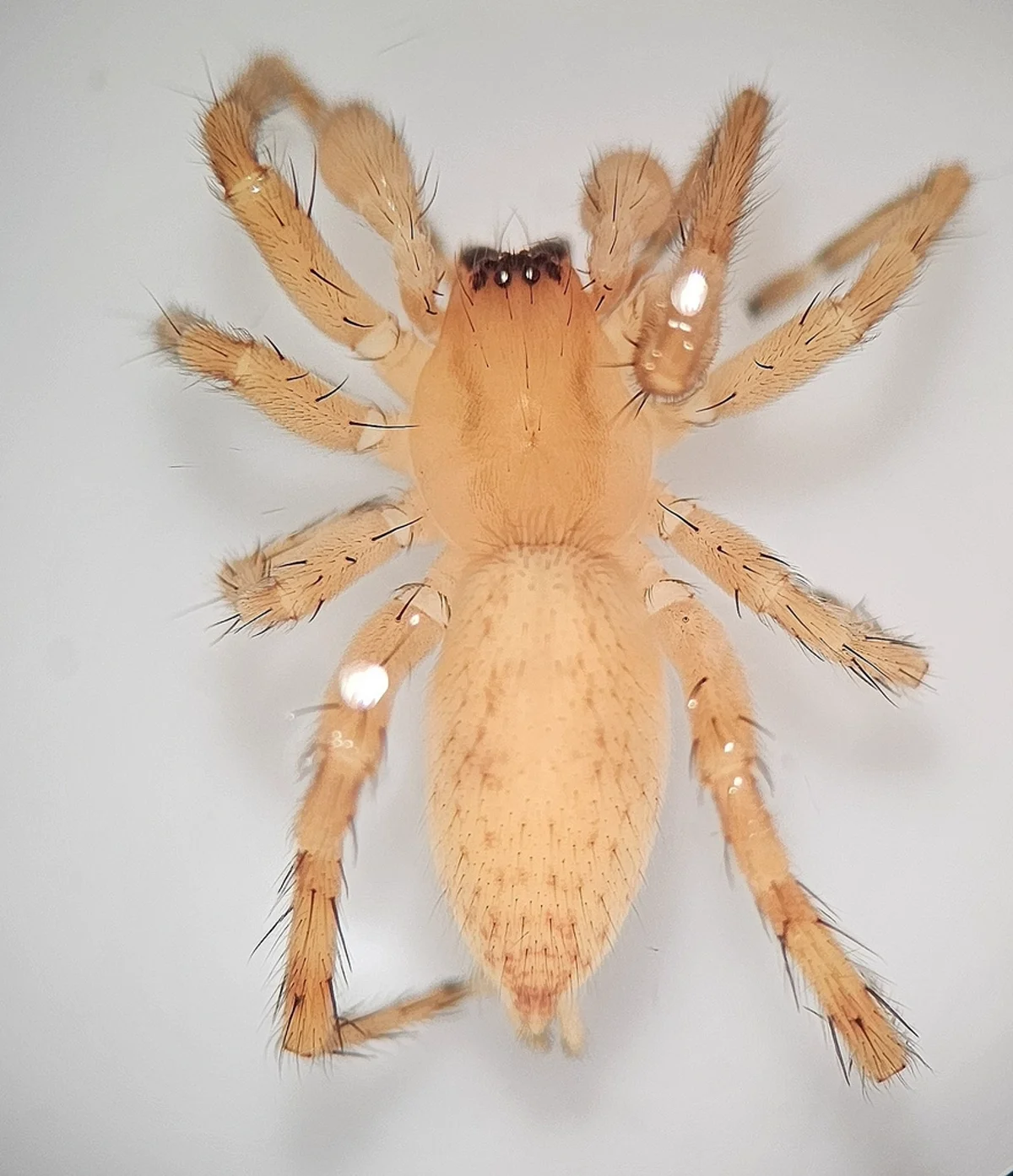
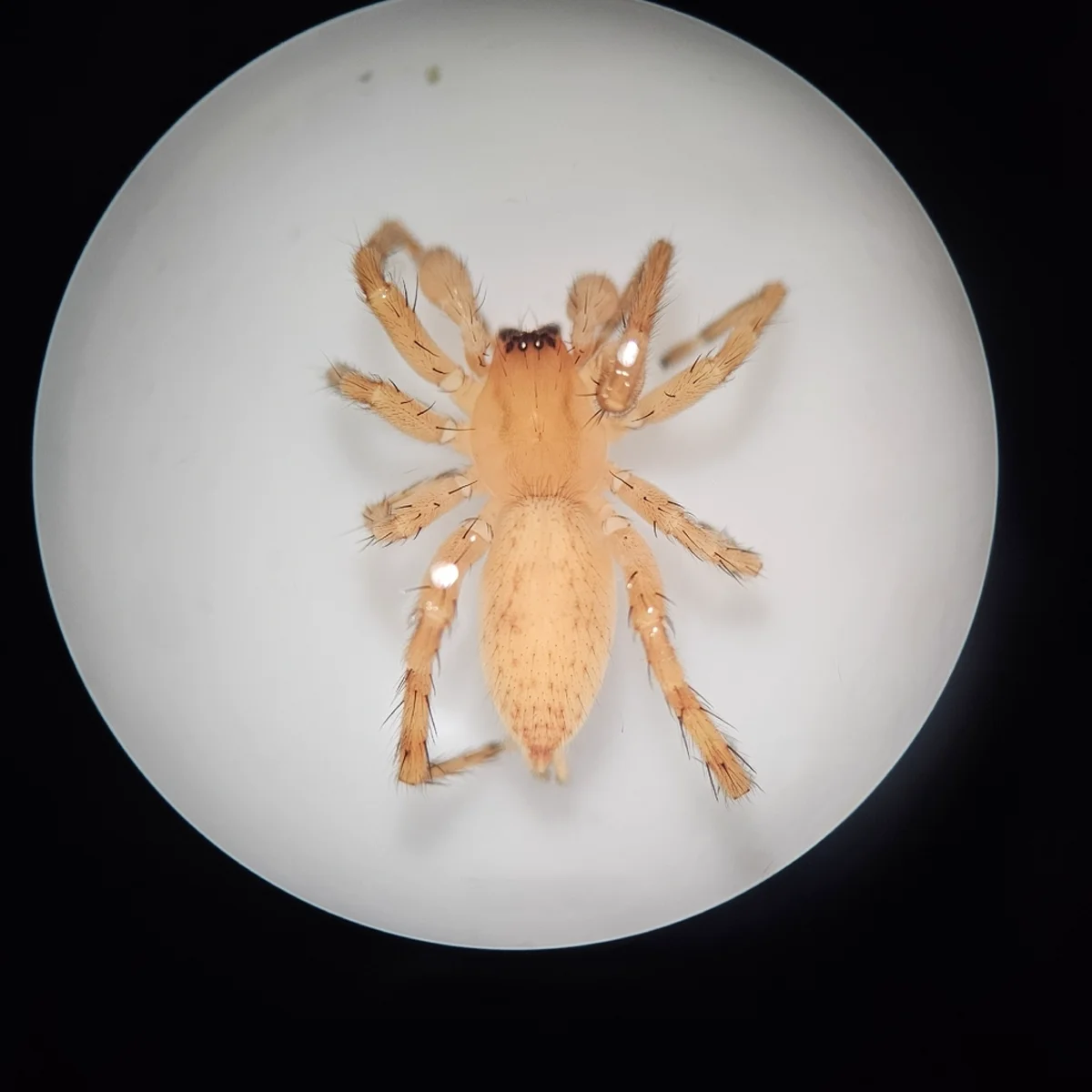
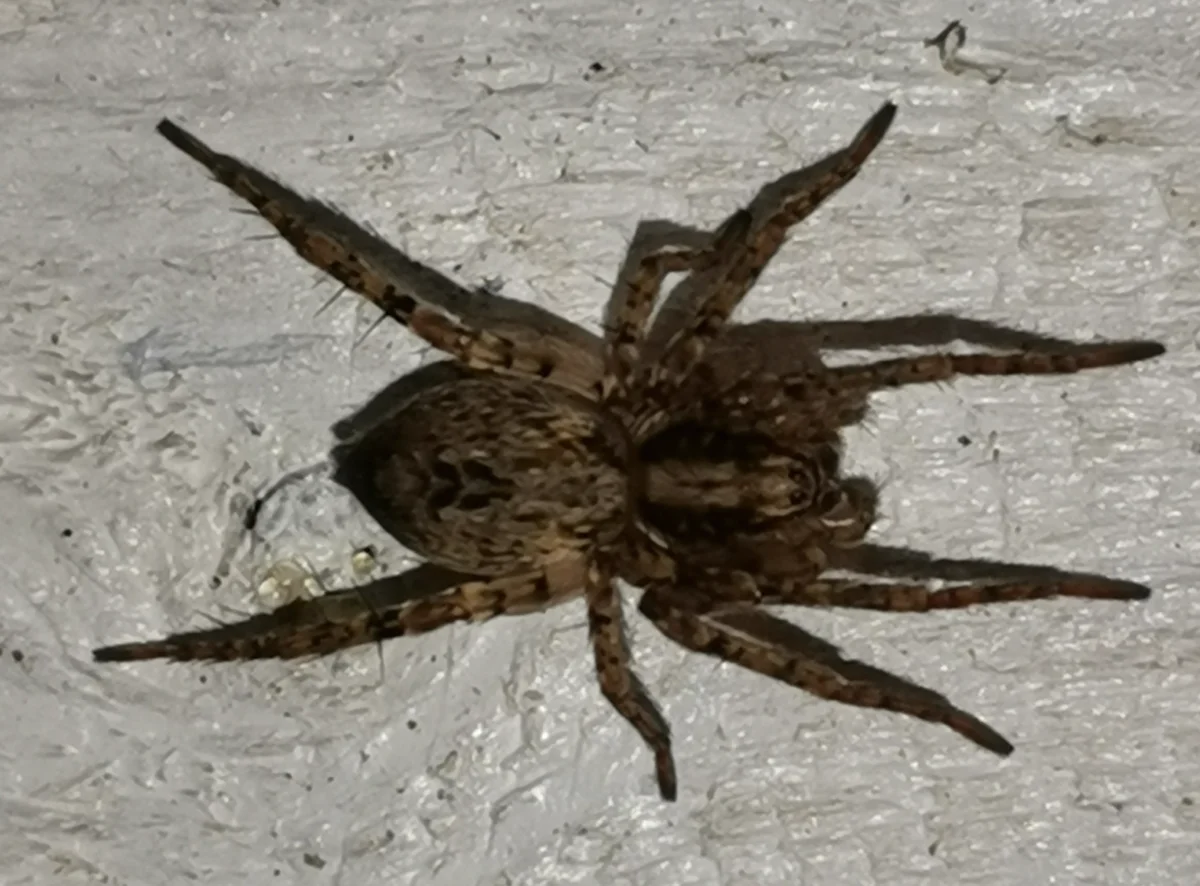

Where Ghost Spiders Are Found
Hover over states to see their names. Green regions indicate where ghost spiders have been reported.
Ghost Spider Identification Guide
Physical Characteristics
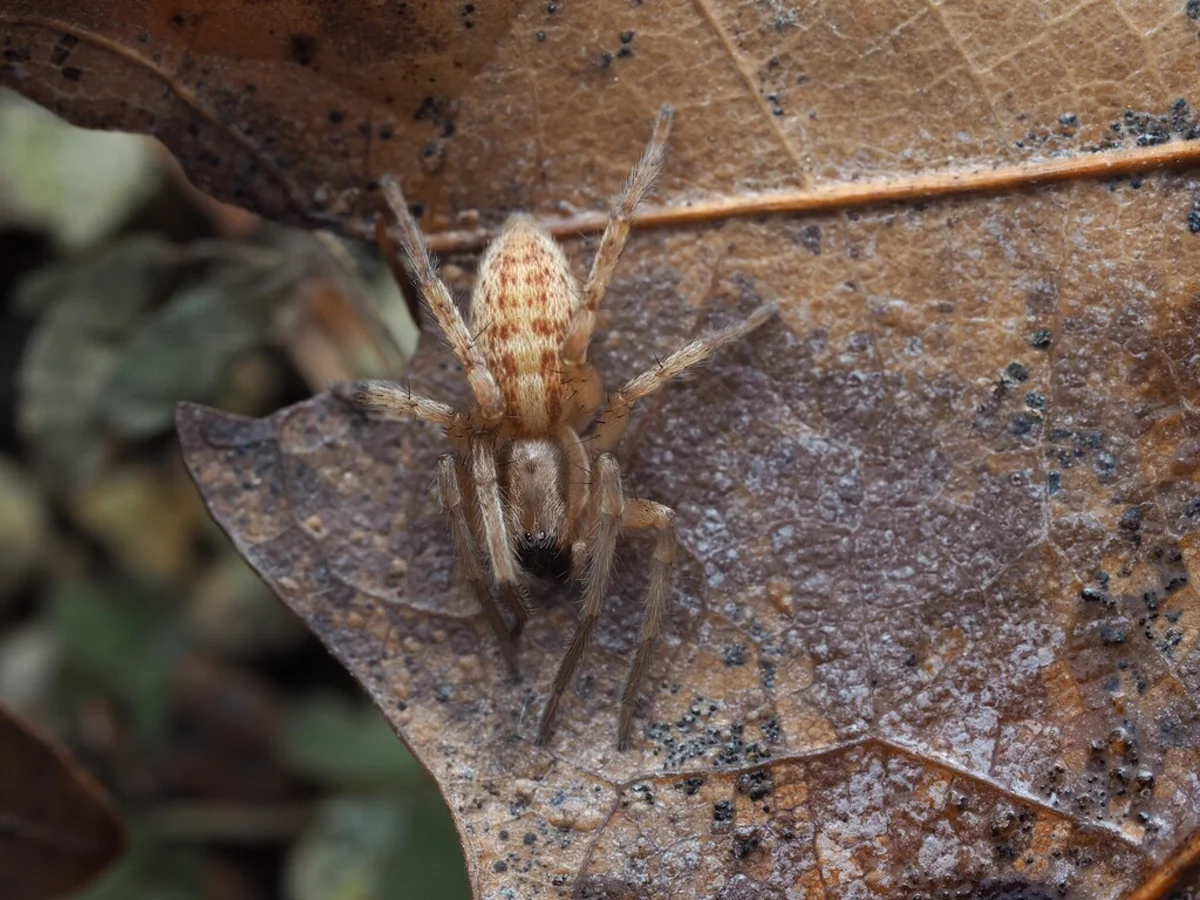
Ghost spiders belong to the family Anyphaenidae, a group of hunting spiders found throughout North America. Adults range from 4 to 13 mm in body length, with females typically larger than males. Their leg span can reach up to 25 mm in larger species.
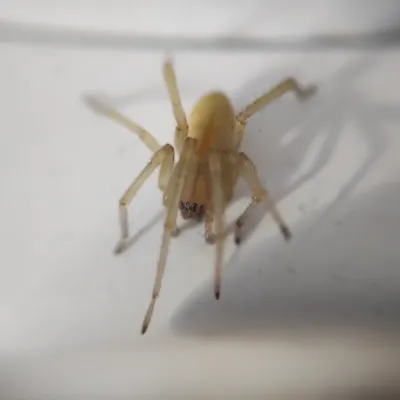
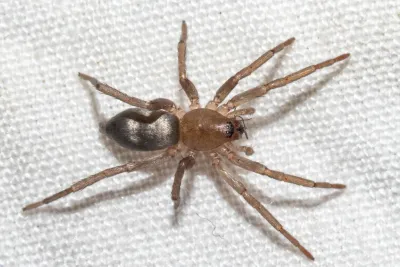
The most reliable way to identify ghost spiders is by the position of their tracheal spiracle, the breathing opening on the underside of the abdomen. In ghost spiders, this opening sits one-third to one-half of the way forward from the spinnerets toward the front of the abdomen. This placement sets them apart from similar-looking yellow sac spiders, where the spiracle is located near the spinnerets.
Ghost spiders have pale coloring that ranges from cream and tan to light yellow or grayish-brown. Some species appear almost translucent, which contributes to their common name. Their bodies are elongated with a somewhat flattened shape. The abdomen often shows faint markings or darker patches, though patterns vary by species.
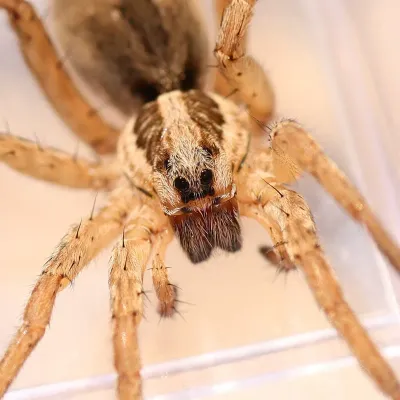
Their eight eyes are arranged in two rows and are all roughly the same small size. Unlike wolf spiders with their large forward-facing eyes, ghost spider eyes are not prominent. The legs are long and slender with distinctive tufts of hair called claw tufts on the feet. These hair pads help ghost spiders climb smooth vertical surfaces with ease.
Common Species in North America
Several ghost spider species are commonly encountered across North America:
-
Garden Ghost Spider (Hibana gracilis): One of the most common species, found throughout the eastern United States. It has a tan to yellowish body with a darker stripe on the cephalothorax.
-
Yellow Ghost Spider (Hibana velox): A pale yellow species found across much of North America. It is often seen on plants and occasionally indoors.
-
Long-legged Ghost Spider (Wulfila saltabundus): Found in grasslands and meadows, this species has notably long legs adapted for moving through tall vegetation.
-
Anyphaena species: Several species in this genus are found across North America, ranging from forests to residential areas. They vary in coloring from pale cream to brown.
Ghost Spider Behavior and Biology
Habitat Preferences
Ghost spiders occupy diverse habitats across North America. They are commonly found in both natural environments and human structures.
Outdoors:
- On plant foliage, especially shrubs and trees
- Under loose bark on trees
- In leaf litter and ground debris
- Among tall grasses and meadow vegetation
- Under rocks and logs
Indoors:
- Behind picture frames and wall hangings
- In window frames and door corners
- Along ceiling-wall junctions
- Inside folded curtains and drapes
- In closets and storage areas
- Among houseplants
Ghost spiders are agile climbers. The hair tufts on their feet allow them to scale smooth surfaces including glass and painted walls. This climbing ability helps them reach insects attracted to windows and lights.
Diet and Feeding Habits
Ghost spiders are active predators that hunt rather than trap prey. They do not spin capture webs. Instead, they stalk and chase down their prey, relying on speed and agility. A related species, Crab Spiders, shares similar characteristics.
Their diet includes:
- Small flies and gnats
- Moths and other flying insects
- Aphids and soft-bodied plant pests
- Other small spiders
- Insect eggs and larvae A related species, Black Widow Spiders, shares similar characteristics.
Research shows that ghost spiders in the genus Hibana can detect and feed on insect eggs despite having relatively poor eyesight. This makes them valuable predators in agricultural settings, where they help control pest populations in orchards and crop fields.
Ghost spiders hunt primarily at night. During the day, they remain hidden in silk retreats. When darkness falls, they emerge to patrol vegetation and surfaces in search of prey.
Reproduction and Lifecycle
Female ghost spiders produce silk egg sacs containing 30 to 50 eggs. They attach these sacs to leaves, bark, or sheltered surfaces. Some species guard their egg sacs until the young emerge.
The lifecycle includes these stages:
- Egg stage: Eggs develop inside the protective silk sac for several weeks.
- Spiderling emergence: Young spiders hatch and remain near the egg sac briefly before dispersing.
- Juvenile development: Spiderlings molt several times over months, growing larger with each molt.
- Adult stage: Sexual maturity is reached within one year under favorable conditions.
Ghost spiders can disperse through a process called ballooning. Young spiders release silk threads that catch the wind, carrying them to new locations. This behavior helps the species colonize new areas, including upper floors of buildings.
Seasonal Activity Patterns
Ghost spider activity follows seasonal patterns based on temperature and prey availability:
- Spring: Activity increases as temperatures warm and insects become abundant. Spiders emerge from overwintering sites.
- Summer: Peak activity period. Ghost spiders are highly active at night, hunting on vegetation and building surfaces.
- Fall: Activity remains high through early fall. Spiders may move indoors seeking shelter as temperatures drop.
- Winter: Outdoor activity decreases significantly. Indoor populations may remain active in heated spaces.
Indoor sightings tend to increase in autumn when ghost spiders seek warmer environments. Homes with exterior lighting that attracts insects may see more ghost spider activity around windows and doors.
How We Treat for Ghost Spiders
Ghost spiders are not web-building spiders, so they require a different control approach than species that stay in webs. Our treatment focuses on reducing their prey base, eliminating harborage, and creating barriers that intercept wandering spiders.
Our Treatment Process
Step 1: Thorough Inspection
We begin by identifying areas with spider activity and the conditions that attract them. Key inspection points include:
- Exterior walls and window frames where spiders hunt at night
- Areas around outdoor lighting fixtures that draw insects
- Vegetation close to the home that harbors spiders
- Entry points including gaps around windows, doors, and utilities
- Interior areas where silk retreats may be present
Step 2: Exterior Barrier Treatment
We apply a non-repellent product to exterior surfaces where spiders travel. This includes:
- Window and door frames
- Foundation perimeter
- Eaves, soffits, and outside corners
- Areas around light fixtures
- Gaps where utilities enter the structure
Non-repellent treatments are important for ghost spiders because these wandering hunters will walk across treated surfaces without detecting the product.
Step 3: Interior Spot Treatment
Interior treatment targets specific areas rather than broad spraying:
- Wall-ceiling junctions in rooms with spider activity
- Window frames and corners
- Behind furniture in quiet areas
- Baseboards near entry points
For persistent problems, we may apply dust formulations to wall voids and other enclosed spaces where spiders may hide.
Step 4: Web and Retreat Removal
We remove silk retreats, egg sacs, and any webbing from accessible areas. This physical removal eliminates hiding spots and destroys developing eggs. Regular removal is an important part of ongoing control.
Step 5: Ongoing Maintenance
Our tri-annual service plan maintains control through:
- Reapplication of exterior barrier treatments
- Inspection for new spider activity
- Removal of silk structures from reachable areas
- Monitoring and addressing new entry points
- Controlling insects that attract spiders to the home
Customer Guidance
Between service visits, these steps help reduce ghost spider activity:
- Reduce exterior lighting or switch to yellow bulbs that attract fewer insects
- Close blinds at night to prevent indoor lights from drawing insects to windows
- Trim vegetation away from the home to reduce spider harborage near entry points
- Seal gaps around windows, doors, pipes, and utility lines
- Remove debris such as leaf piles, woodpiles, and clutter near the foundation
- Vacuum regularly to remove spiders, silk retreats, and egg sacs
- Shake out items stored in quiet areas before use
Why Regular Service Matters
Ghost spider control requires ongoing attention because:
- They wander actively, so they contact treated surfaces less predictably than web-building spiders.
- New spiders continuously move in from outdoor populations.
- Reducing their insect prey requires regular perimeter treatment.
- Seasonal movements bring fresh populations indoors each fall.
Our tri-annual service maintains the protective barrier around your home while addressing the insect populations that attract ghost spiders in the first place. Visit our spiders page for more on common household species.
References
- Ghost Spiders (Family Anyphaenidae) - iNaturalist
- Family Anyphaenidae - Ghost Spiders - BugGuide
- A Ghost Spider (Anyphaenidae) - Spider Bytes
- Ghost Spiders - Spiders in Ohio
Other Spiders
Explore other species in the spiders family
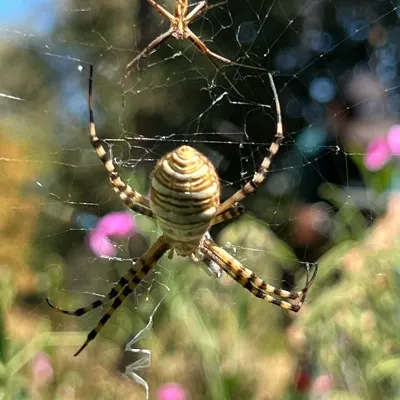
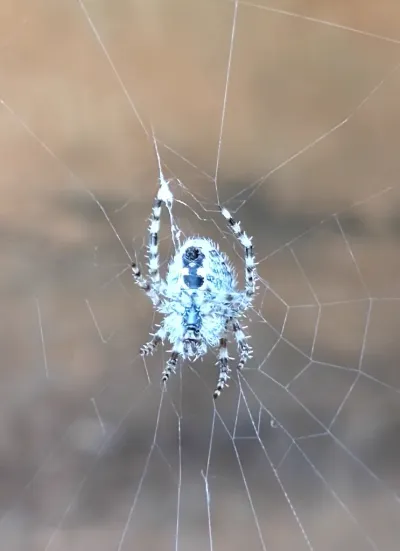
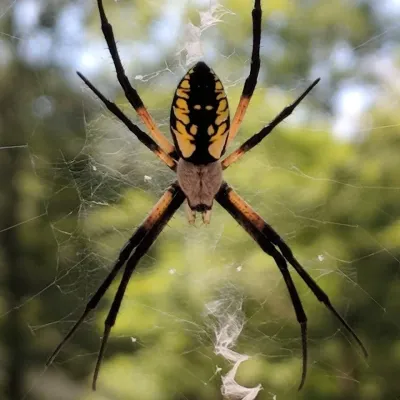
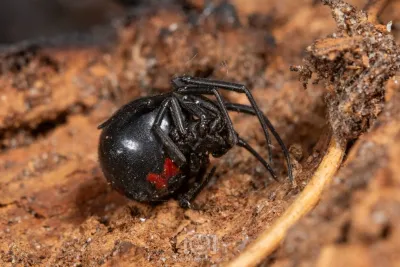
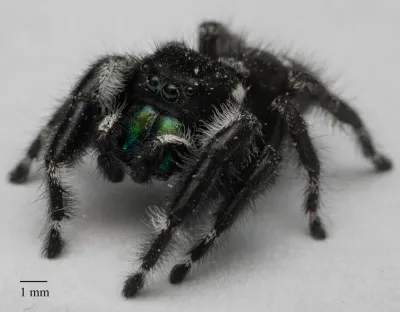
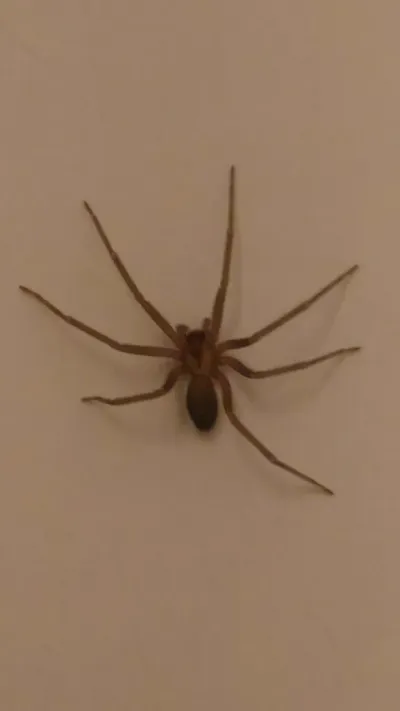
Commonly Confused With
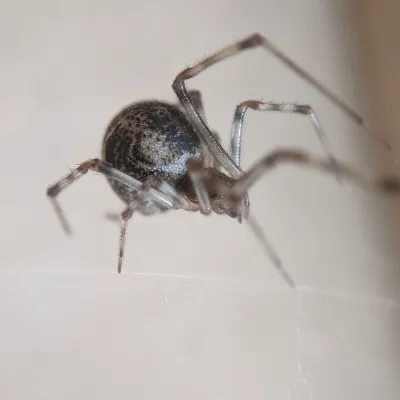
Ghost Spiders are often mistaken for these similar pests
Where Ghost Spiders Are Found
Hover over states to see their names. Green regions indicate where ghost spiders have been reported.
Common Questions about Ghost Spiders
Are ghost spiders dangerous to humans?
+
Ghost spiders are not dangerous to humans. They may bite if trapped against skin, but their venom is not medically significant. Bites are rare and typically cause only minor, temporary discomfort similar to a bee sting. These spiders are shy and prefer to flee rather than bite.
Why are they called ghost spiders?
+
Ghost spiders get their name from their pale, often translucent appearance and their nocturnal hunting habits. Many species have light-colored bodies that can appear almost see-through. They are most active at night when they emerge from hiding to hunt, adding to their ghostly reputation.
How can I tell if a spider is a ghost spider?
+
Ghost spiders are small to medium-sized spiders (4 to 13 mm) with pale tan, cream, or yellowish coloring. They have elongated bodies with a distinctive feature: their breathing opening (spiracle) is located far forward on the underside of the abdomen. They also have tufts of hair on their feet that help them climb smooth surfaces.
Do ghost spiders build webs?
+
Ghost spiders do not build webs to catch prey. They are active hunters that stalk and chase down insects. However, they do spin small silk retreats or sacs where they rest during the day. These silk shelters are often found under leaves, bark, or in quiet corners of homes.
Where do ghost spiders live in homes?
+
Ghost spiders enter homes seeking prey and shelter. Inside, they hide in quiet areas during the day, including behind pictures, in curtain folds, along window frames, and in corners of rooms. At night, they emerge to hunt along walls, ceilings, and around windows where insects gather near lights.
What do ghost spiders eat?
+
Ghost spiders are predators that feed on small insects and other arthropods. They hunt at night, actively pursuing prey rather than trapping it in webs. Their diet includes flies, moths, gnats, aphids, and other soft-bodied insects. They are considered beneficial because they help control pest insect populations.
How do ghost spiders get inside my house?
+
Ghost spiders enter homes through small gaps around windows, doors, utility lines, and foundation cracks. They may also come in on plants, firewood, or boxes stored outside. Outdoor lights that attract insects can draw ghost spiders closer to entry points as they follow their prey.
When are ghost spiders most active?
+
Ghost spiders are primarily nocturnal, meaning they are most active at night. During the day, they hide in silk retreats under leaves, bark, or in sheltered spots inside homes. Activity increases in late spring through early fall when insect prey is most abundant. Indoor sightings often increase in fall as spiders seek shelter from cooling temperatures.

With five years of hands-on experience in the pest control industry, George Schulz is a registered technician with the Virginia Pest Management Association and a proud third-generation professional in a family business that's been protecting homes for over 57 years. He manages and trains a team of service pros while also leading internal research efforts—recently spearheading a deep-dive review of thousands of documents on pest control materials to hand-pick the most kid and pet friendly, most effective solutions tailored specifically for homes in the DC metro area.