Black Widow Spiders Identification Guide
Latrodectus spp.
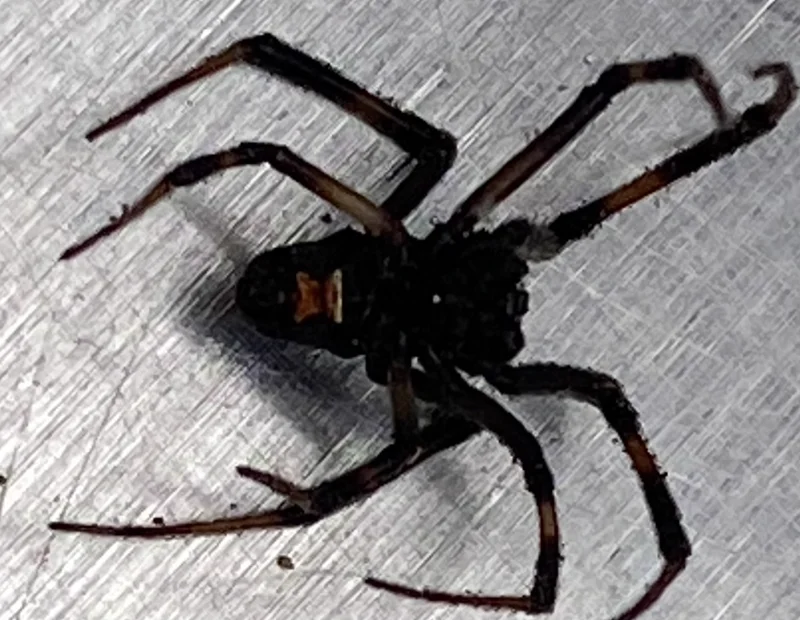
Venomous spiders recognized by their glossy black bodies and distinctive red hourglass marking. Black widows are reclusive but can deliver medically significant bites when disturbed, making professional identification and control important.
Taxonomy
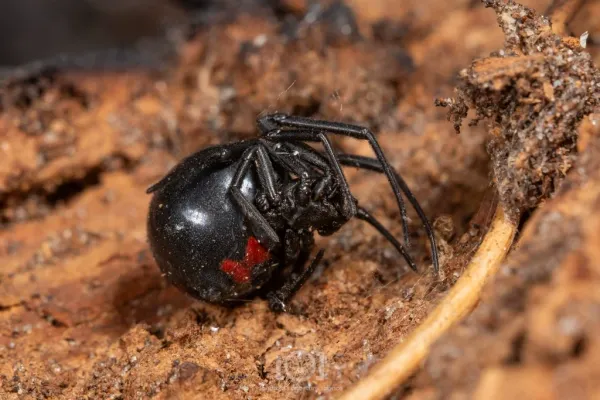
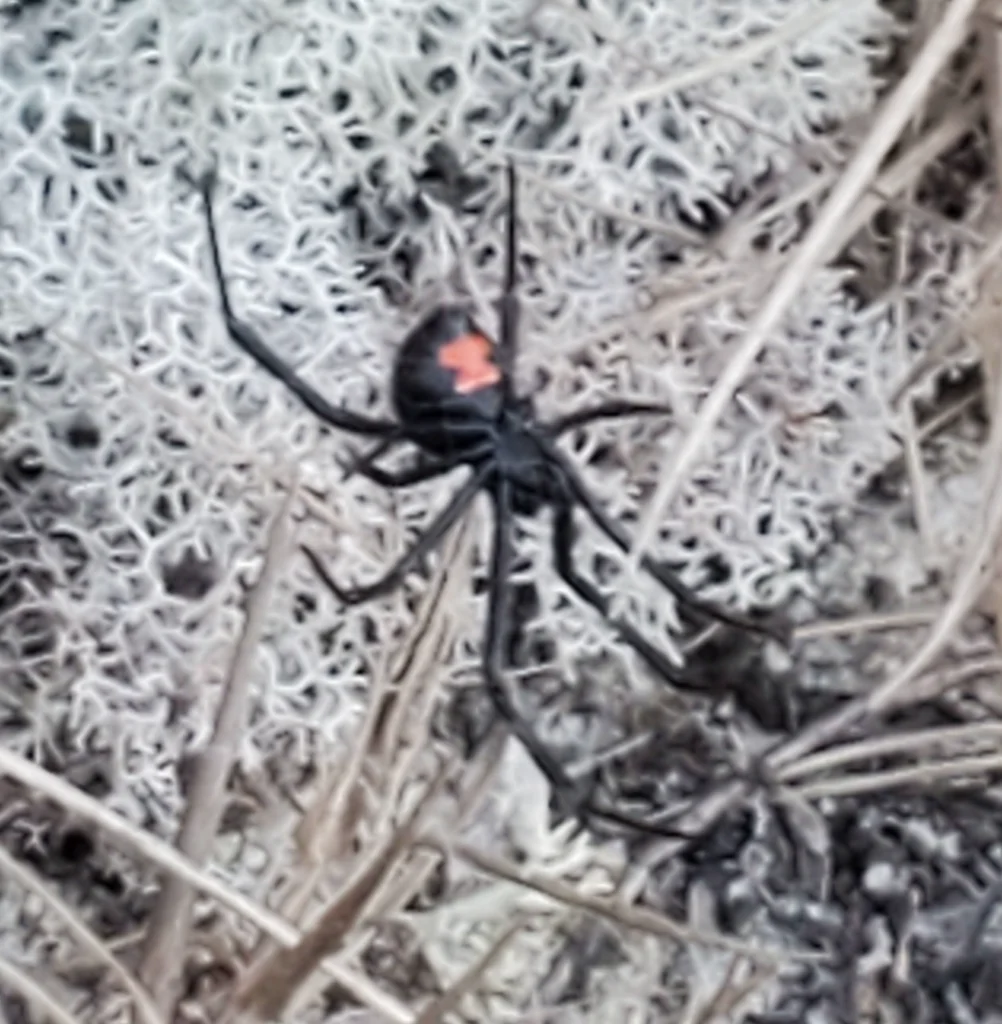
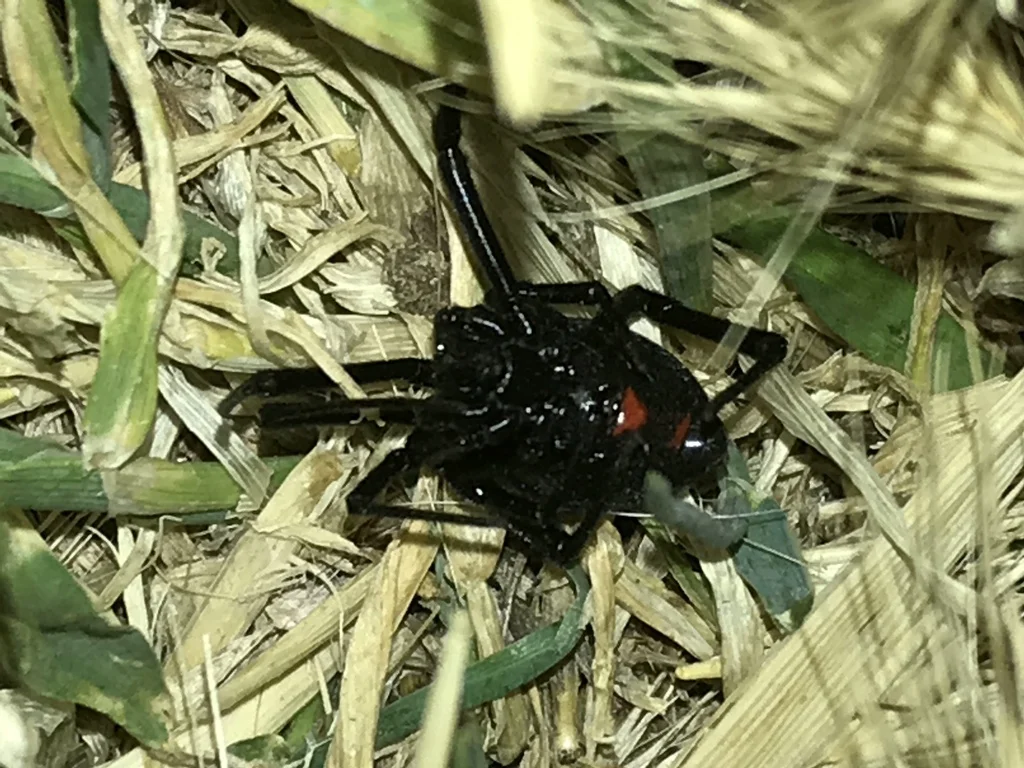
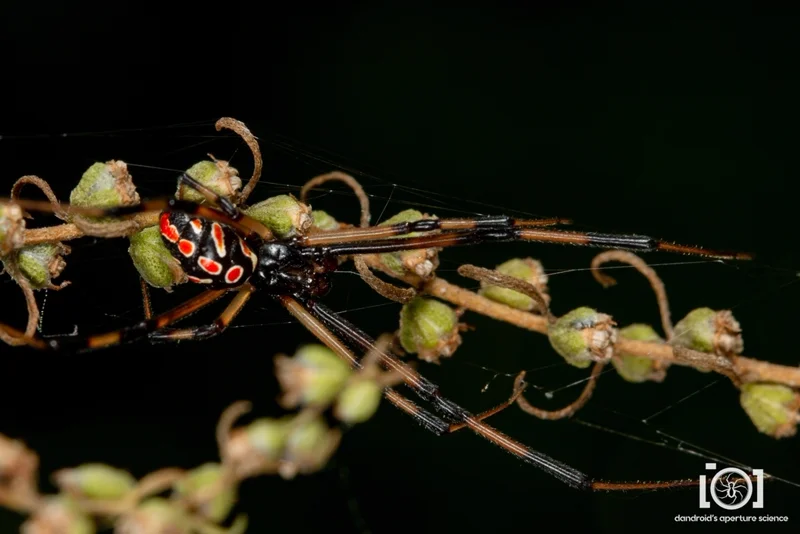
Black Widow Spiders Coloration
Common color patterns to help identify black widow spiders
Black Widow Spiders
Seasonal Activity
When black widow spiders are most active throughout the year

Where Black Widow Spiders Are Found
Hover over states to see their names. Green regions indicate where black widow spiders have been reported.
Learn how black widows compare to other venomous spiders in our guide on black widow vs. brown recluse or find out should I kill a black widow spider?
Black Widow Spider Identification Guide
Physical Characteristics
Black widow spiders are among the most recognizable spiders in North America due to their distinctive appearance. Adult females have a shiny, jet-black body with a round, globular abdomen. The most identifying feature is the bright red hourglass-shaped marking on the underside (ventral side) of the abdomen, though this marking can sometimes appear as two separate triangles or may be incomplete in some individuals. Some females also display a red spot near the spinnerets on the back of the abdomen.
Female black widows measure approximately 8-14 mm (about 0.3-0.55 inches) in body length, with a legspan that can reach up to 1.5 inches. Males are significantly smaller, measuring only 3-6 mm, and have a different appearance with lighter brown coloring and white or red markings along the sides of the abdomen. Juvenile black widows look quite different from adults, displaying banded patterns with white, cream, and orange spots that gradually darken as they mature.
Black widows have eight legs like all spiders, with the front legs being longer than the others. Their legs are smooth and appear fragile but are strong enough to navigate their tangled web structures. The overall appearance is unmistakable once you know what to look for: a glossy black spider with a bulbous abdomen hanging upside down in a messy, three-dimensional web.
Common Species
Southern Black Widow (Latrodectus mactans) - The most common species in the eastern United States, including Virginia, Maryland, and the DC metro area. Females display the classic red hourglass marking, typically complete and clearly defined. Found throughout the southeastern states and extending northward along the Atlantic coast.
Western Black Widow (Latrodectus hesperus) - Predominant in western North America, from British Columbia south through Mexico. Very similar in appearance to the southern black widow, with the hourglass marking sometimes appearing more orange than red.
Northern Black Widow (Latrodectus variolus) - Found in the northeastern and midwestern United States and parts of southern Canada. Often has a broken or incomplete hourglass marking, appearing as two separate red spots. Generally considered slightly less aggressive than southern species.
Black Widow Spider Behavior and Biology A related species, Crab Spiders, shares similar characteristics.
Black widows are solitary, nocturnal hunters that build irregular, tangled webs (often called cobwebs) in dark, undisturbed locations. Unlike orb-weaving spiders that create organized circular webs, black widow webs appear messy and three-dimensional, with strong, sticky silk strands extending in multiple directions. The spider typically hangs upside down in the center of the web, with the red hourglass marking visible to potential predators as a warning signal. A related species, Woodlouse Spiders, shares similar characteristics.
These spiders are sit-and-wait predators that feed primarily on insects and other small arthropods that become trapped in their webs. When prey is captured, the black widow rushes out, wraps it in silk, and injects venom that liquefies the prey’s internal tissues for consumption. Common prey includes flies, mosquitoes, beetles, grasshoppers, and other spiders. Black widows inject powerful neurotoxic venom through their small fangs, which is highly effective against insects but also potent enough to cause significant symptoms in humans.
Female black widows produce multiple egg sacs throughout their reproductive life, with each sac containing 100-400 eggs depending on species and conditions. Eggs hatch within two to four weeks, and spiderlings may disperse by “ballooning,” where they release silk threads that catch the wind and carry them to new locations. Females can live for one to three years under favorable conditions, while males typically live only a few months. The infamous “sexual cannibalism,” where females eat males after mating, occurs but is not inevitable.
Black widows prefer sheltered habitats near ground level, including:
- Woodpiles and stacked firewood
- Garage corners, boxes, and stored items
- Electrical meter boxes and utility equipment
- Under outdoor furniture and decks
- Rock walls and stone landscaping
- Foundation edges and crawl spaces
- Outdoor toilets and outbuildings
How We Treat for Black Widow Spiders
Black widow control requires a careful, targeted approach due to their reclusive habits and the potential health risks they pose. Our treatment protocol focuses on identification, targeted treatment, habitat modification, and ongoing prevention.
Thorough Inspection - We begin by conducting a comprehensive inspection of your property, focusing on areas where black widows commonly nest: garages, sheds, woodpiles, foundation edges, and outdoor structures. We identify active webs, egg sacs, and conditions that attract these spiders. Understanding where and why black widows are present helps us develop an effective control strategy.
Targeted Treatment Application - We apply a non-repellent insecticide to areas of known activity and likely harborage sites. Non-repellent products are important because spiders do not groom themselves like insects, so they must come into direct contact with treated surfaces. We focus on exterior perimeters, foundation cracks, window wells, doorways, and other entry points. For interior infestations, we apply spot treatments to corners, closets, and storage areas where spiders may hide.
Web and Egg Sac Removal - We physically remove accessible webs and egg sacs during service visits. This immediate reduction in population also eliminates future generations that would have hatched from existing egg sacs. Mechanical removal is an important component of spider control that complements chemical treatments.
Habitat Modification Guidance - We provide recommendations for reducing conditions that attract black widows: minimizing clutter in garages and storage areas, moving woodpiles away from structures, reducing exterior lighting that attracts prey insects, and sealing entry points into living spaces. These long-term solutions help prevent future infestations.
Ongoing Protection - Our seasonal pest control plans include regular inspections and treatments that maintain protection against black widows and other spiders. If you spot black widow activity between scheduled visits, we provide free callbacks to address the issue promptly. Because spiders can enter from surrounding areas, ongoing treatment is the best way to maintain a spider-free environment.
If you encounter a black widow or suspect you have an infestation, contact us for a professional inspection. We follow strict protocols to protect both our customers and technicians when dealing with venomous spiders.
Medical Considerations
Disclaimer: The information below is provided for educational purposes only and is not intended as medical advice. If you are bitten by a black widow spider or experience any concerning symptoms, seek professional medical attention immediately and consult with a qualified healthcare provider.
Black widow venom contains latrotoxin, a neurotoxin that can cause a condition called latrodectism. Symptoms typically begin within 20-60 minutes of a bite and may include:
- Immediate sharp pain at the bite site
- Muscle pain and cramping, often in the abdomen, back, or chest
- Nausea, vomiting, and sweating
- Elevated blood pressure and heart rate
- Restlessness and anxiety
Most black widow bites occur when the spider is accidentally pressed against skin while reaching into stored items, putting on shoes or gloves that have been left undisturbed, or handling firewood. The spiders are not aggressive and typically only bite in self-defense.
If you are bitten by a black widow spider, seek medical attention promptly. While fatalities are rare in healthy adults, the symptoms can be severe and benefit from medical management. Call Poison Control (1-800-222-1222) for guidance. Treatment typically involves pain management and muscle relaxants; antivenom is available for severe cases but is used selectively due to potential side effects.
For more information on spider bites and treatment, consult the National Poison Control Center or call 1-800-222-1222 for immediate guidance.
References and Further Reading
- Black Widow Spiders - Penn State Extension - Comprehensive guide on identification, biology, and control of black widow spiders.
- Venomous Spiders - CDC/NIOSH - Occupational health information on venomous spiders including black widows.
- Black Widow Spider Bites - MedlinePlus - Medical information on black widow spider bite symptoms and treatment.
- National Poison Control Center - Call 1-800-222-1222 for poison emergency guidance.
- Latrodectus mactans - University of Florida Entomology - Detailed scientific information on the southern black widow spider.
Other Spiders
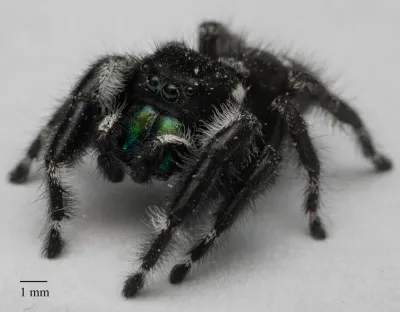
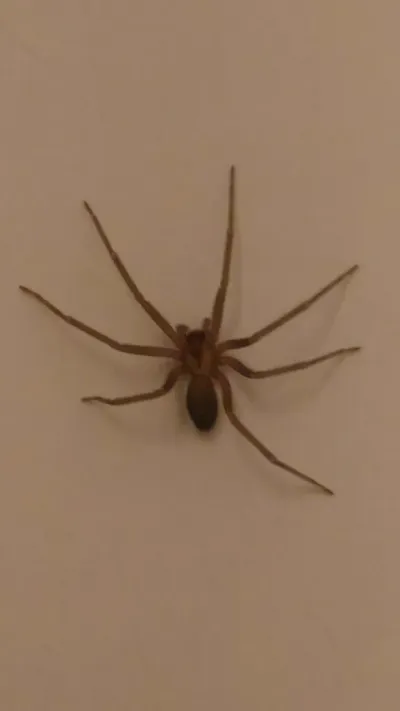
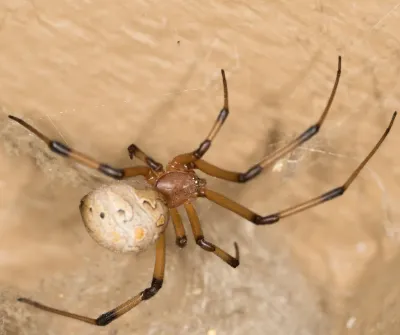
Explore other species in the spiders family
Commonly Confused With
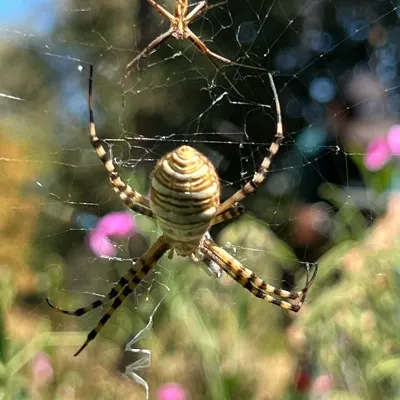
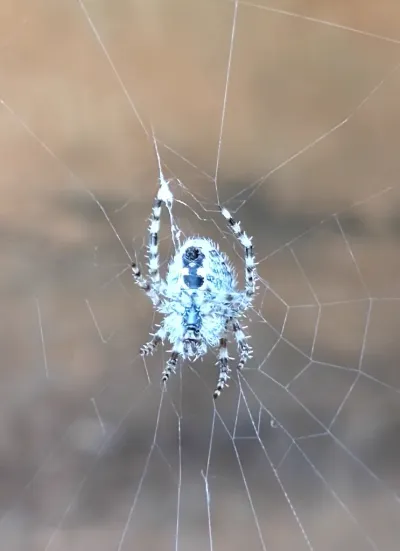
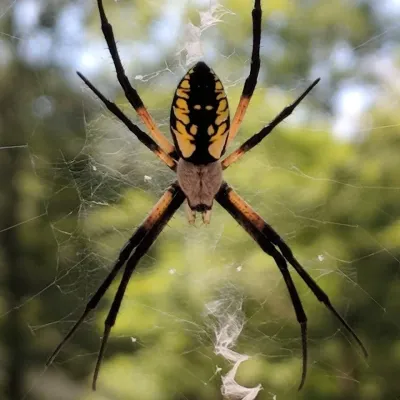
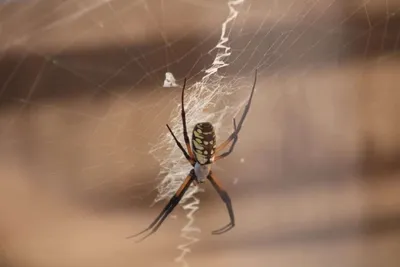
Black Widow Spiders are often mistaken for these similar pests
Where Black Widow Spiders Are Found
Hover over states to see their names. Green regions indicate where black widow spiders have been reported.
Common Questions about Black Widow Spiders
How do I identify a black widow spider?
+
Female black widows are glossy black with a distinctive red hourglass-shaped marking on the underside of their round abdomen. They have long, slender legs and build irregular, messy webs in dark, sheltered areas. Males are much smaller and lighter colored with red or white markings.
Are black widow spiders dangerous?
+
Black widows are venomous and their bites can cause significant symptoms including pain, muscle cramps, and nausea. However, bites are rarely fatal for healthy adults. Most bites occur when the spider is accidentally pressed against skin while reaching into cluttered areas. Seek medical attention if bitten.
Where do black widows build their webs?
+
Black widows prefer dark, undisturbed areas close to the ground. Common locations include garages, sheds, woodpiles, meter boxes, under outdoor furniture, in boxes, and around foundation edges. They build irregular, tangled cobwebs rather than the organized orb webs of garden spiders.
What should I do if I find a black widow in my home?
+
Do not attempt to handle or kill the spider yourself, as this increases bite risk. Keep children and pets away from the area. Contact a pest control professional for removal and inspection, as where there is one black widow, there may be others in nearby hiding spots.
How can I prevent black widow spiders?
+
Reduce clutter in garages, sheds, and basements. Store firewood away from your home and elevated off the ground. Seal cracks and gaps in foundations and around doors. Wear gloves when moving boxes, firewood, or items stored in dark areas. Reduce outdoor lighting that attracts insects (their prey).
When are black widows most active?
+
Black widows are most active during warm months, typically May through September in the Mid-Atlantic region. They are nocturnal, hiding during the day and hunting at night. Activity decreases significantly in winter, though they may remain in protected indoor spaces.
What is the difference between black widows and false black widows?
+
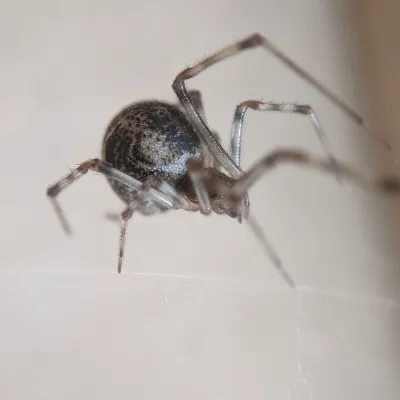
False black widows (Steatoda species) are often mistaken for true black widows but lack the distinctive red hourglass marking. They are typically brown rather than glossy black, and their bites, while uncomfortable, are not medically significant like true black widow bites. See our [spiders](/pests/spiders/) pillar page for more species.
Do black widows live in colonies?
+
No, black widows are solitary spiders. However, multiple individuals may inhabit the same general area if conditions are favorable, such as a cluttered garage or woodpile with abundant insect prey. Each spider maintains its own web.

With five years of hands-on experience in the pest control industry, George Schulz is a registered technician with the Virginia Pest Management Association and a proud third-generation professional in a family business that's been protecting homes for over 57 years. He manages and trains a team of service pros while also leading internal research efforts—recently spearheading a deep-dive review of thousands of documents on pest control materials to hand-pick the most kid and pet friendly, most effective solutions tailored specifically for homes in the DC metro area.