White-Footed Mouse Identification Guide
Peromyscus leucopus
White-footed mice are small, native North American rodents closely related to deer mice. Common in wooded areas and suburban landscapes, they frequently invade homes during fall and winter and are significant carriers of Lyme disease bacteria.
Taxonomy
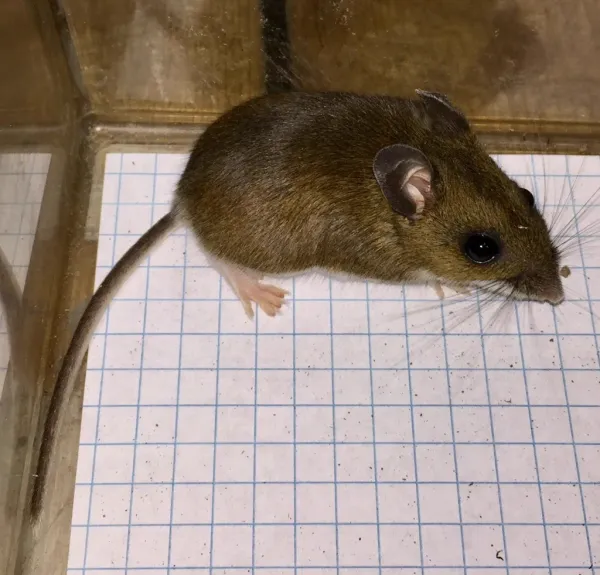
White-Footed Mouse Coloration
Common color patterns to help identify white-footed mouse
White-Footed Mouse
Seasonal Activity
When white-footed mouse are most active throughout the year


Where White-Footed Mouse Are Found
Hover over states to see their names. Green regions indicate where white-footed mouse have been reported.
White-Footed Mouse Identification Guide
Physical Characteristics
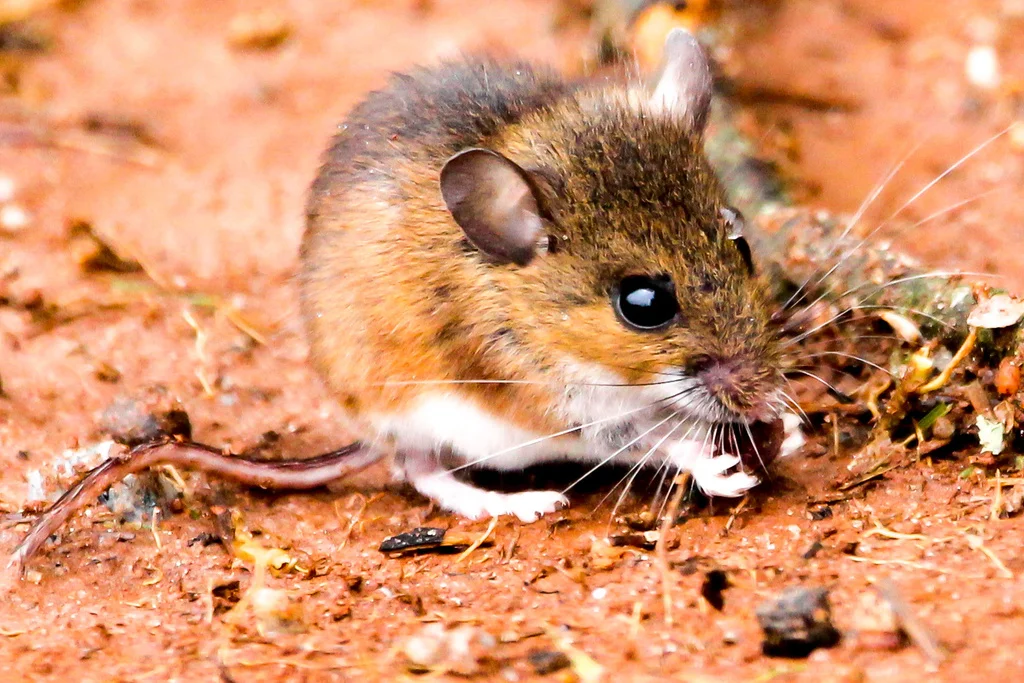
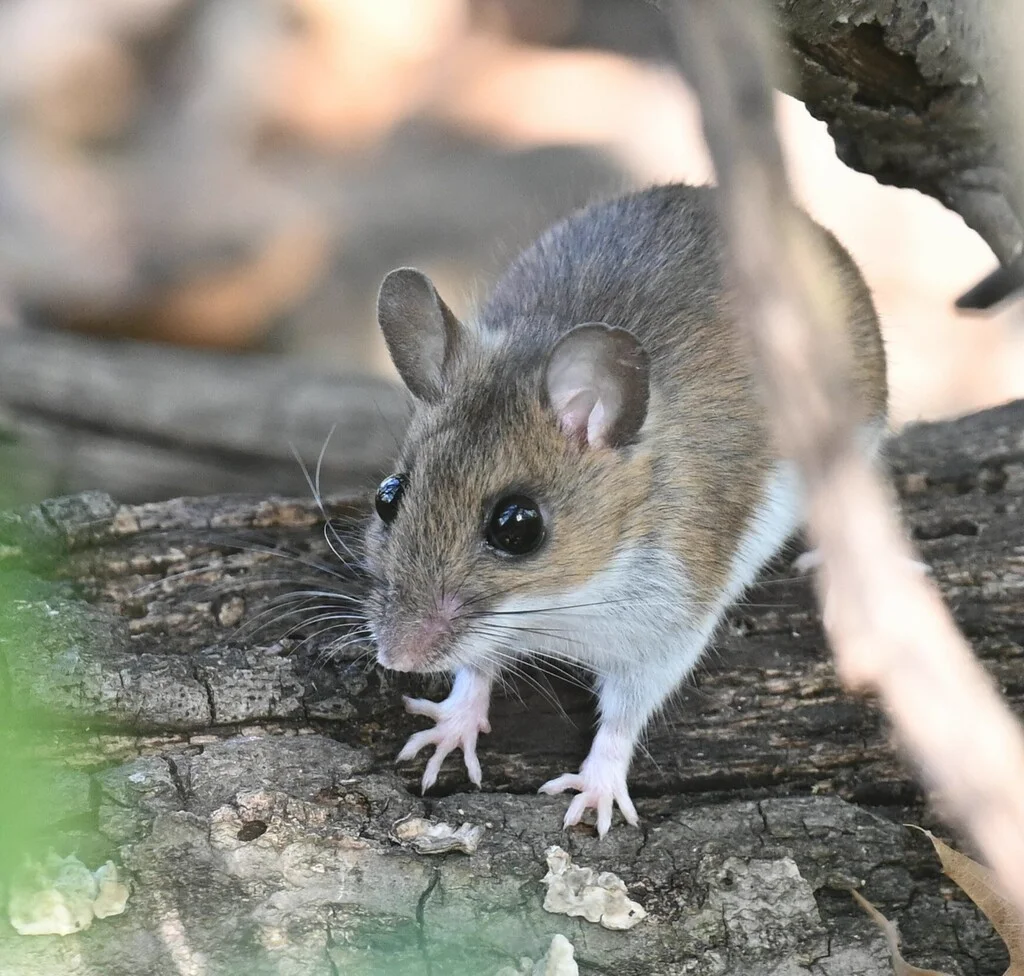
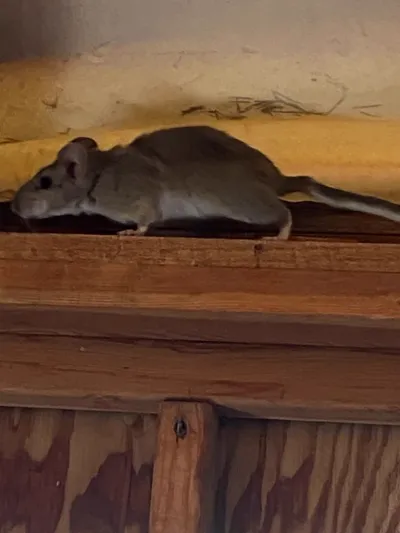
White-footed mice are small rodents. They measure 3.5 to 4 inches in body length. Their tails add another 2.5 to 4 inches. The fur on their back and sides ranges from grayish-brown to reddish-brown. Their underside, feet, and lower legs are bright white. This color pattern gives them their common name.
Their tails are covered with fine hairs. Unlike deer mice, white-footed mouse tails show a gradual color change between the darker top and lighter bottom. Deer mice have a sharper color split on their tails. White-footed mice have large ears, big dark eyes, and pointed snouts.
Adults weigh between 20 and 30 grams, which is roughly 0.7 to 1 ounce. Their hind feet measure less than 22 mm long. This helps tell them apart from the cotton mouse, which has longer hind feet.
Common Species and Similar Mice
The white-footed mouse belongs to the genus Peromyscus, which contains over 50 species. People often confuse them with these related mice:
-
Deer mouse: This is the species most often mixed up with white-footed mice. Deer mice have longer tails with sharper color contrast. They also live in more habitats, including grasslands.
-
Cotton mouse: Found in the Southeast, this mouse has longer hind feet (over 22 mm).
-
House mouse: House mice are more evenly colored without the sharp white belly. They have smaller eyes and ears for their body size.
For pest control, white-footed mice and deer mice are treated the same way. Both pose similar health risks and need the same control methods. Learn more about all rodent species we treat across the Virginia, Maryland, and DC area.
White-Footed Mouse Behavior and Biology
Habitat and Distribution
White-footed mice are the most common small rodent in mixed forests across the eastern United States. They do best in warm, dry forests and brushy areas. However, they adapt well to many settings. This means they also thrive in suburbs and farmland. Their success in these areas matters because they spread disease.
These mice spend a lot of time in trees and shrubs. They use old bird nests or squirrel nests for shelter. They often add a “roof” of twigs to close off an open bird’s nest. They also nest in hollow trees, rock gaps, under logs, and in stumps.
Diet and Food Storage
White-footed mice eat many types of food. Their diet changes with the seasons. Common foods include:
- Seeds from plants and grasses
- Nuts like acorns and hickory nuts
- Berries and fruits
- Insects and bugs
- Fungi A related species, Pack Rats, shares similar characteristics.
These mice do not hibernate. Instead, they store food in fall to get through winter. They hide seeds and nuts in their nests and other spots in their home range. One mouse may have many food stores and several nest sites.
Activity Patterns and Behaviors
White-footed mice are most active at night but may come out during the day in winter. They stay alert to avoid predators like owls, snakes, foxes, and cats.
One unique behavior is drumming. These mice drum on hollow reeds or dry leaves with their front paws. This makes a long, buzzing sound. Scientists are not sure why they do this. It may help them communicate or mark territory.
Reproduction and Lifespan
White-footed mice breed from March through October in most areas. In the South, they may breed all year. Key facts about their reproduction:
- Pregnancy length: 22 to 28 days
- Litter size: 2 to 9 babies
- Litters per year: 2 to 4 in good conditions
- Age at maturity: 38 to 44 days
- Both males and females mate with multiple partners
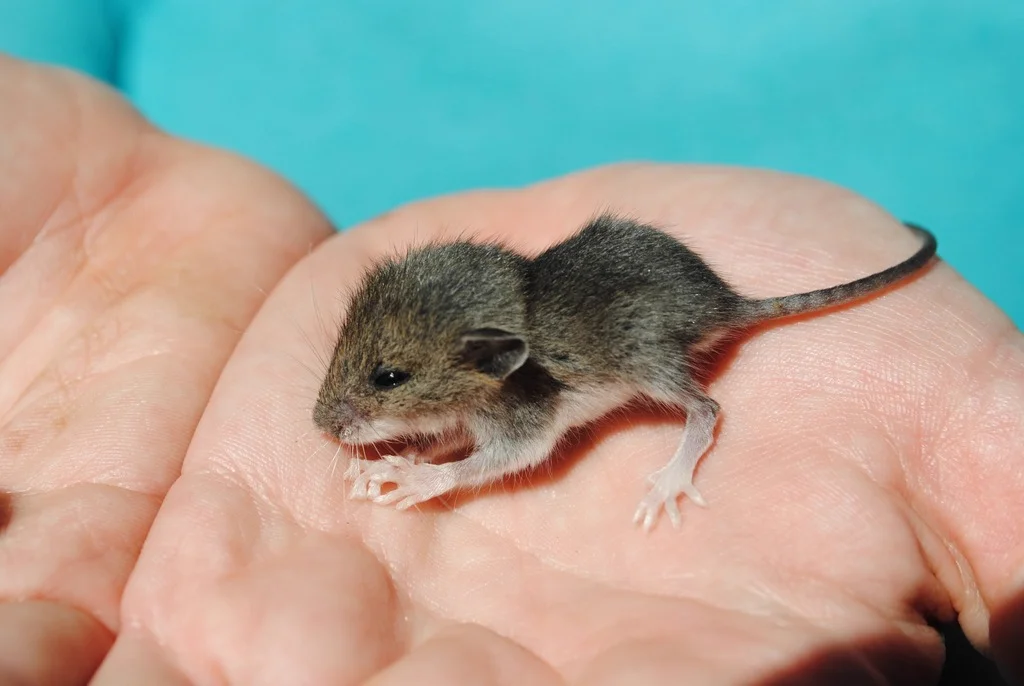
Baby mice are born blind and hairless. Their ears open around day 10 and eyes around day 12. Mothers nurse their young until weaning. Then the young mice leave to find their own territory.
Most white-footed mice live only about one year in the wild. This means the population almost completely turns over each year. In captivity, they can live several years.
Health Concerns: Lyme Disease and Tick-Borne Illness
White-footed mice play a key role in spreading Lyme disease in the eastern United States. They carry the bacteria Borrelia burgdorferi that causes Lyme disease.
Note: This information is for educational purposes only. If you have health concerns related to Lyme disease or other illnesses, please consult a doctor.
How Lyme Disease Spreads
White-footed mice, ticks, and humans are connected in the Lyme disease cycle:
- Infected adult ticks feed on deer and lay eggs
- Baby ticks (larvae) hatch without the bacteria
- Larvae often feed on white-footed mice
- If the mouse carries the bacteria, the larvae become infected
- These infected ticks can later bite and infect humans
White-footed mice are very good at spreading this bacteria. Studies show that 75% to 95% of baby ticks that feed on infected mice become infected too.
Why Suburbs Have Higher Risk
Suburban areas often create perfect conditions for white-footed mice. When forests get broken into small patches by buildings and roads, mouse numbers can grow very high. This happens because:
- Fewer predators live in these areas
- Other small animals that compete with mice become less common
- The edges between woods and yards favor white-footed mice
More mice in parks and yards means more chances for people to get Lyme disease from tick bites.
Hantavirus Risk
White-footed mice also carry hantaviruses. Deer mice are the main carriers in western states. White-footed mice carry related viruses in the eastern United States. Always follow proper cleanup steps when dealing with mouse problems to lower your risk.
How We Treat for White-Footed Mice
Our approach to white-footed mouse control follows our proven 4-step rodent protocol:
-
Full Inspection: Every treatment starts with a careful inspection. We look for droppings (small, dark, and pointed at both ends), gnaw marks, nesting materials, and mouse sightings. We also find food sources and entry points.
-
Baiting: We place tamper-proof rodent stations with bait near active areas around your home’s exterior. Inside, we mainly use snap traps. This is because mice that eat bait indoors may die in walls, which can cause odor problems.
-
Follow-Up Visits: We come back at about 1 and 3 weeks to check how well the treatment is working. We look at bait use, trap catches, and signs of mice.
-
Long-Term Care: We suggest tri-annual service (three times per year) to keep mice away. Some areas with more activity may need more visits at first.
Sealing Entry Points and Prevention
Sealing entry points matters for long-term control. However, we do not seal openings right away during an active problem. Trapping mice inside walls can cause odor issues. We seal entry points after we get the mouse numbers under control.
Prevention tips for homeowners:
- Stack firewood at least 20 feet from your home
- Trim plants and remove brush piles near the foundation
- Seal gaps around utility lines, pipes, and vents
- Add door sweeps and fix damaged weather stripping
- Store food in sealed containers
- Keep attics, basements, and storage areas clean
- Fix moisture problems that might draw mice looking for water
For more prevention strategies, read our guide on tips to keep mice out. You can also compare white-footed mice to common indoor pests in our deer mice vs house mice comparison. For the best attractants to use in snap traps, see our best mouse bait guide.
References
Other Rodents
Explore other species in the rodents family





Commonly Confused With
White-Footed Mouse are often mistaken for these similar pests


Where White-Footed Mouse Are Found
Hover over states to see their names. Green regions indicate where white-footed mouse have been reported.
Common Questions about White-Footed Mouse
How can I tell the difference between a white-footed mouse and a deer mouse?
+
White-footed mice have tails with less sharply defined color separation between the dark upper and white lower surfaces, while deer mouse tails show a crisp bicolored division. Deer mice also tend to have proportionally longer tails. In practice, these species are very difficult to distinguish without expert examination, but they pose similar health risks and require the same control methods.
Are white-footed mice dangerous?
+
Yes, white-footed mice are significant carriers of the bacteria that cause Lyme disease. They serve as reservoir hosts for Borrelia burgdorferi, which they transmit to black-legged ticks. They also carry hantaviruses. Avoid direct contact with these mice or their droppings.
Why are white-footed mice associated with Lyme disease?
+
White-footed mice are highly efficient hosts for Borrelia burgdorferi, the bacterium causing Lyme disease. When immature ticks feed on infected mice, they acquire the bacteria and can transmit it to humans during subsequent feedings. In fragmented suburban landscapes, white-footed mouse populations often increase, which correlates with higher Lyme disease rates.
Where do white-footed mice nest?
+
In the wild, white-footed mice build nests in hollow trees, abandoned bird nests, rock crevices, and beneath logs. They often add a protective roof of twigs to completely enclose open bird nests. When they enter homes, they nest in attics, wall voids, basements, and undisturbed storage areas.
Do white-footed mice hibernate?
+
No, white-footed mice remain active throughout the year. However, they may become temporarily torpid during severe winter weather. They often huddle together in groups of two to six during cold periods to conserve heat and cache seeds and nuts in fall to sustain them through winter.
What should I do if I find white-footed mouse droppings?
+
Never sweep or vacuum mouse droppings as this can release disease-causing particles into the air. Ventilate the area, wear gloves, and spray droppings with a bleach solution (1 part bleach to 10 parts water) before carefully wiping them up with paper towels and disposing of them in sealed bags.

With five years of hands-on experience in the pest control industry, George Schulz is a registered technician with the Virginia Pest Management Association and a proud third-generation professional in a family business that's been protecting homes for over 57 years. He manages and trains a team of service pros while also leading internal research efforts—recently spearheading a deep-dive review of thousands of documents on pest control materials to hand-pick the most kid and pet friendly, most effective solutions tailored specifically for homes in the DC metro area.