Cotton Rat Identification Guide
Sigmodon hispidus
Cotton rats are medium-sized rodents with coarse, grizzled fur found throughout the southern United States and into Central America. They are known for damaging crops and can carry diseases including hantavirus.
Taxonomy
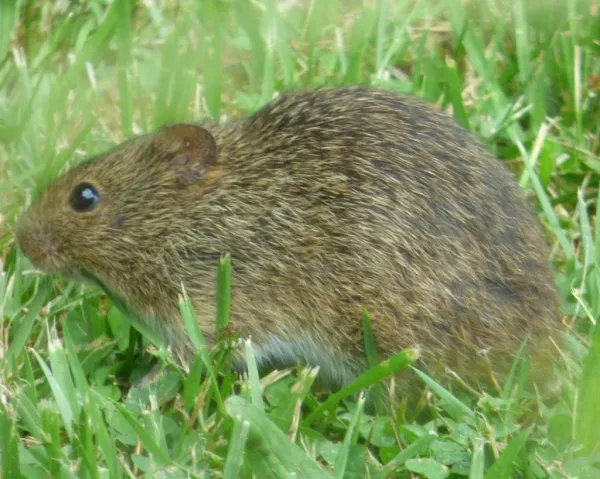
Cotton Rat Coloration
Common color patterns to help identify cotton rat
Cotton Rat
Seasonal Activity
When cotton rat are most active throughout the year

Where Cotton Rat Are Found
Hover over states to see their names. Green regions indicate where cotton rat have been reported.
Cotton Rat Identification Guide
Physical Characteristics
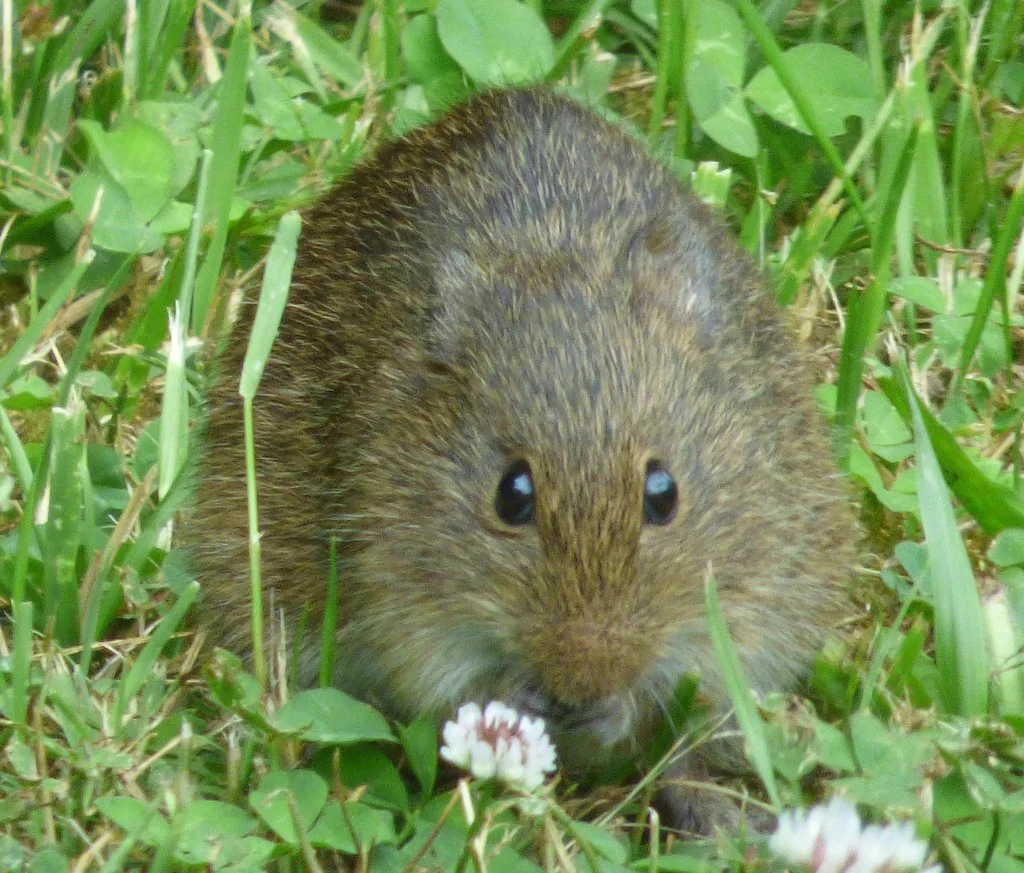
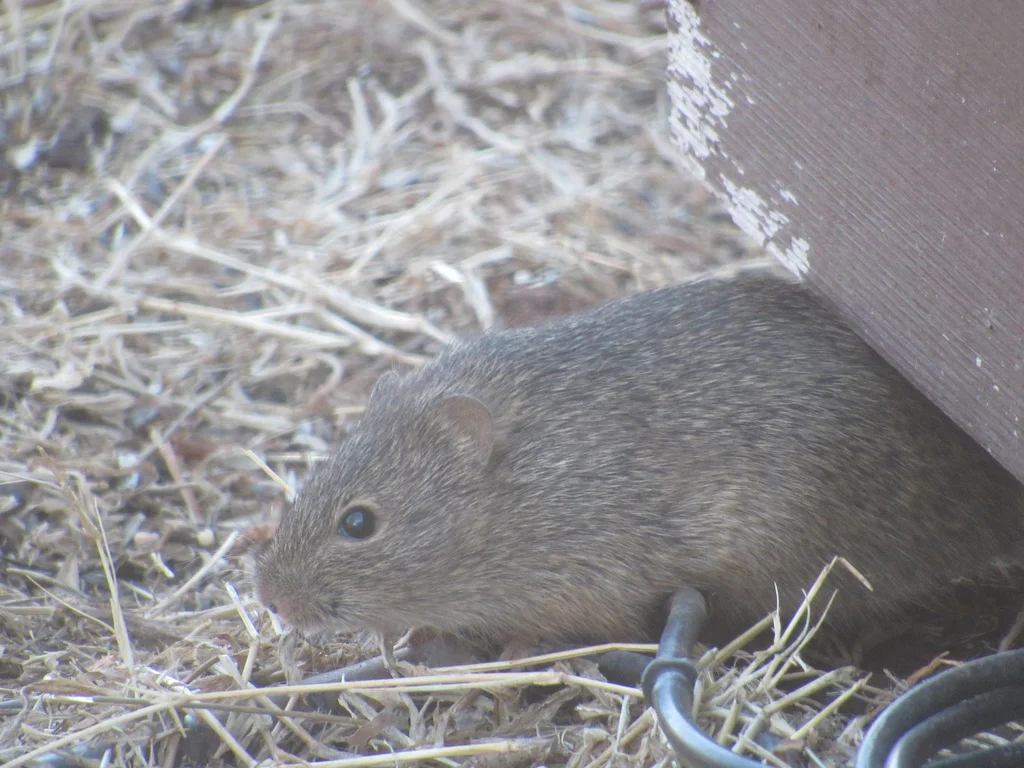
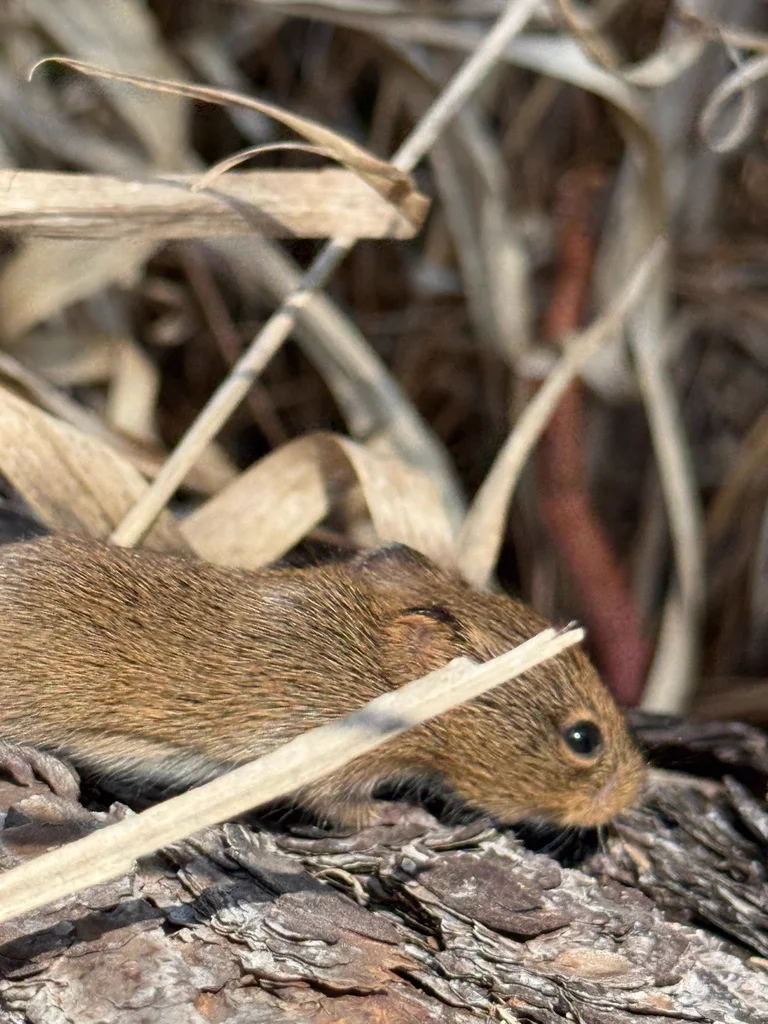
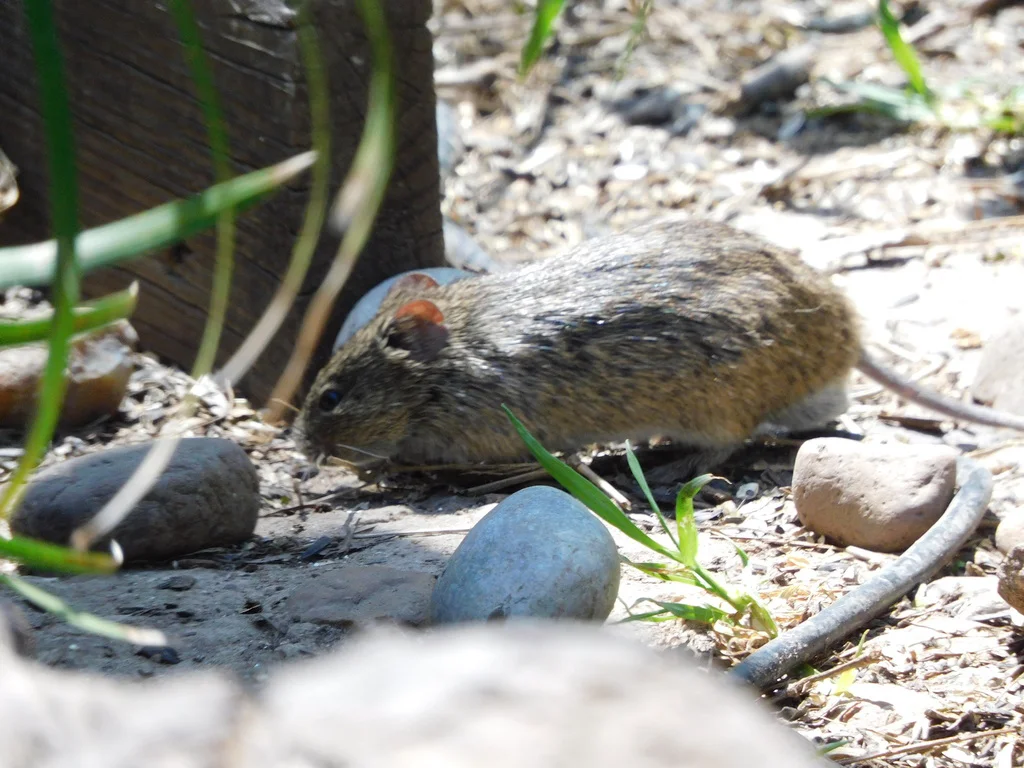
Cotton rats are medium-sized rodents. Their bodies measure 5 to 8 inches long, and their tails are shorter than their bodies. They have coarse, stiff fur that looks grizzled or rough. The fur is brownish-gray on top with lighter undersides.
These rodents have a high, arched nose that some people call a “Roman” nose. This sets them apart from other rats. Their eyes are fairly large, while their ears are small and often hidden by fur. The tail is scaly with little hair. Adults weigh between 100 and 225 grams (about 3.5 to 8 ounces).
Common Species
-
Hispid Cotton Rat (Sigmodon hispidus): The most common species. Found from Arizona to Virginia and across the Southeast. “Hispid” means stiff or bristly fur.
-
Arizona Cotton Rat (Sigmodon arizonae): Lives in the Southwest and northern Mexico. Prefers dry grasslands and desert scrub.
-
Yellow-nosed Cotton Rat (Sigmodon ochrognathus): A smaller species found in mountain areas of Arizona, New Mexico, and Mexico.
Cotton Rat Behavior and Biology A related species, Pack Rats, shares similar characteristics.
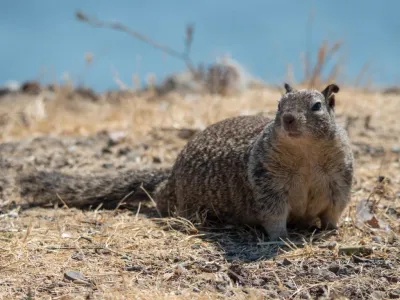
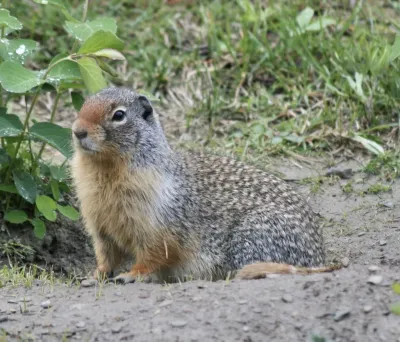
Cotton rats stay active all year, though they slow down in harsh weather. They mostly come out at night but will search for food during the day if needed. Each adult defends its own territory from other cotton rats. A related species, Thirteen-Lined Ground Squirrel, shares similar characteristics.
These rodents make clear paths through grass and plants leading to their nests. Their nests are round, about 5 inches wide, and made from shredded grass. They build nests in underground tunnels or hide them above ground in thick brush.
Cotton rats breed very quickly. They can have babies year-round in warm areas. Each litter has 2 to 15 young, with 5 to 7 being most common. The babies grow fast. Females can breed at just 30 days old, and males at about 60 days.
Cotton rats eat mostly plants like grasses, seeds, roots, and stems. They also eat fruits, berries, and farm crops. Sometimes they eat insects, bird eggs, and dead animals. Unlike Norway rats and roof rats that commonly invade buildings, cotton rats stay mostly outdoors in dense vegetation. Other rodents that share similar grassy habitats include meadow voles and rice rats.
Treatment Methods for Cotton Rats
Good cotton rat control uses two main approaches: changing the habitat and reducing the population.
Habitat Changes
Cutting back dense plants near buildings works well for long-term control. Cotton rats need thick ground cover to hide from predators. Mowing tall grass, clearing brush piles, and keeping yards tidy makes areas less welcoming to these rodents.
Population Control Methods
-
Rodent Bait Stations: Locked bait stations placed where cotton rats travel can lower their numbers. These stations keep bait dry and away from pets and wildlife.
-
Snap Traps: Standard rat traps work well when placed along runways or near burrow openings. Peanut butter, oatmeal, or seeds make good bait. See our guide on choosing the best mouse bait for trapping tips.
-
Exclusion: Seal gaps around sheds, barns, and other buildings to keep cotton rats from nesting inside. Block any opening larger than 1/2 inch.
Cleaning Precautions
Cotton rats can carry hantavirus and other germs. Take care when cleaning areas with droppings or urine. The CDC suggests wearing gloves and a mask. Wet dirty areas with diluted bleach before cleaning. Do not sweep or vacuum, as this can spread virus particles into the air. If you have health concerns related to rodent exposure, consult a medical professional.
References
- USDA Forest Service - Sigmodon hispidus - Comprehensive species account including habitat, diet, and life history.
- Animal Diversity Web - Hispid Cotton Rat - Detailed information on biology, behavior, and ecology.
- U.S. Fish & Wildlife Service - Hispid Cotton Rat - Species overview and conservation status.
- CDC - Hantavirus - Information on hantavirus transmission and prevention.
- Texas Tech University - Mammals of Texas - Species account with range information.
Other Rodents
Explore other species in the rodents family
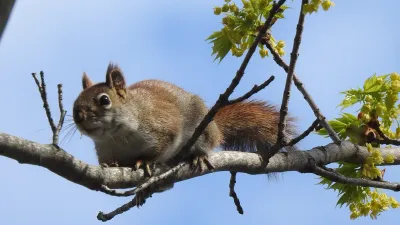

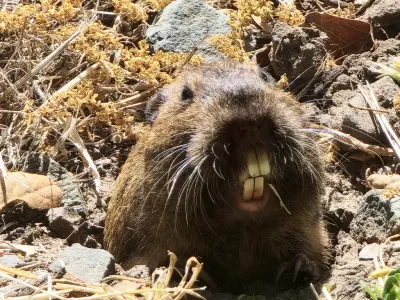
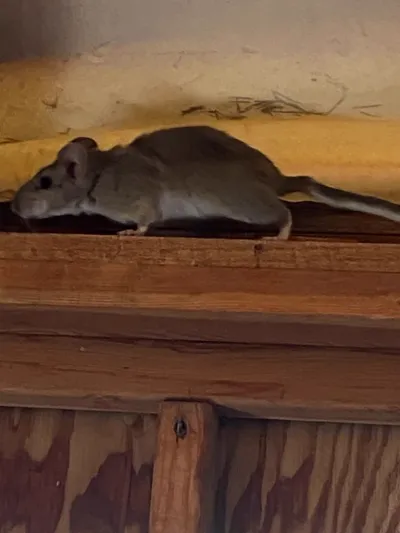
Commonly Confused With
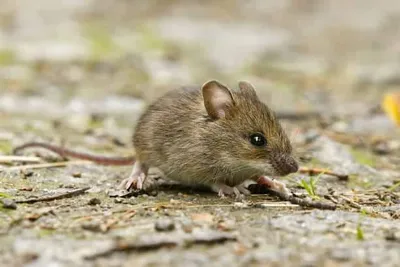
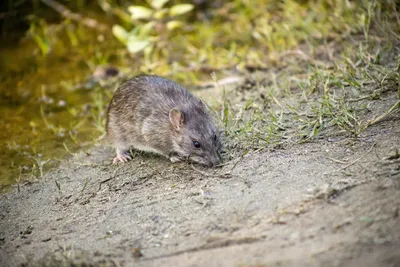
Cotton Rat are often mistaken for these similar pests
Where Cotton Rat Are Found
Hover over states to see their names. Green regions indicate where cotton rat have been reported.
Common Questions about Cotton Rat
What do cotton rats look like?
+
Cotton rats are medium-sized rodents with rough, grizzled brown or gray fur. They have small ears, large eyes, and a high arched nose. Their tails are shorter than their bodies and have little hair.
Where do cotton rats live?
+
Cotton rats like thick plants such as grassy fields, overgrown roadsides, meadows, and marshes. They nest in underground tunnels or in thick grass above ground.
Are cotton rats dangerous?
+
Yes, cotton rats can carry diseases like hantavirus, leptospirosis, and salmonella. Their droppings and urine can spread germs in areas where they live.
What do cotton rats eat?
+
Cotton rats mostly eat plants like roots, stems, leaves, seeds, fruits, and berries. They also eat insects and bird eggs when they find them.
How fast do cotton rats reproduce?
+
Cotton rats breed year-round in warm areas. Females have 2 to 15 babies per litter. Pregnancy lasts about 27 days, and babies are weaned in 10 to 15 days.
Do cotton rats cause property damage?
+
Cotton rats can harm crops like sugarcane and melons. They may also move into gardens, lawns, and buildings like barns and sheds.
How can I tell the difference between cotton rats and regular rats?
+
Cotton rats have rougher fur and a higher arched nose than Norway rats. Their tails are shorter for their body size. They also prefer outdoor grassy areas instead of buildings.

With five years of hands-on experience in the pest control industry, George Schulz is a registered technician with the Virginia Pest Management Association and a proud third-generation professional in a family business that's been protecting homes for over 57 years. He manages and trains a team of service pros while also leading internal research efforts—recently spearheading a deep-dive review of thousands of documents on pest control materials to hand-pick the most kid and pet friendly, most effective solutions tailored specifically for homes in the DC metro area.