Southern Chinch Bug Identification Guide
Blissus insularis
Southern chinch bugs are tiny lawn pests that cause significant damage to St. Augustinegrass by piercing grass blades and draining plant fluids. These insects are most problematic in warm, humid climates and can destroy entire lawns if left untreated.
Taxonomy
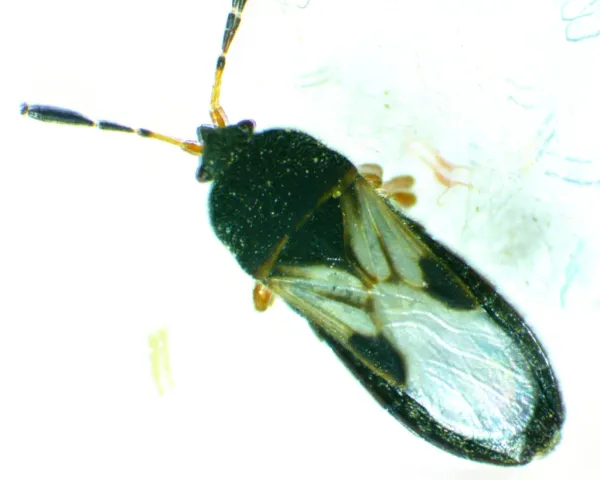
Southern Chinch Bug Coloration
Common color patterns to help identify southern chinch bug
Southern Chinch Bug
Seasonal Activity
When southern chinch bug are most active throughout the year

Where Southern Chinch Bug Are Found
Hover over states to see their names. Green regions indicate where southern chinch bug have been reported.
Southern Chinch Bug Identification Guide
Physical Characteristics
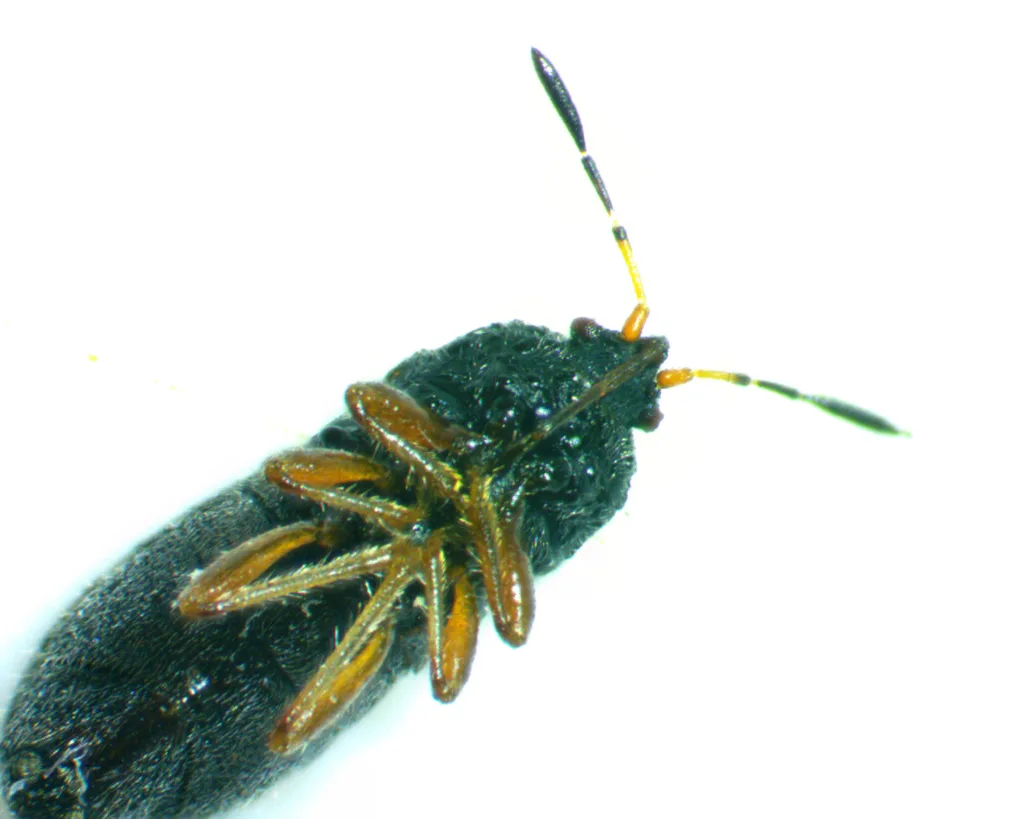
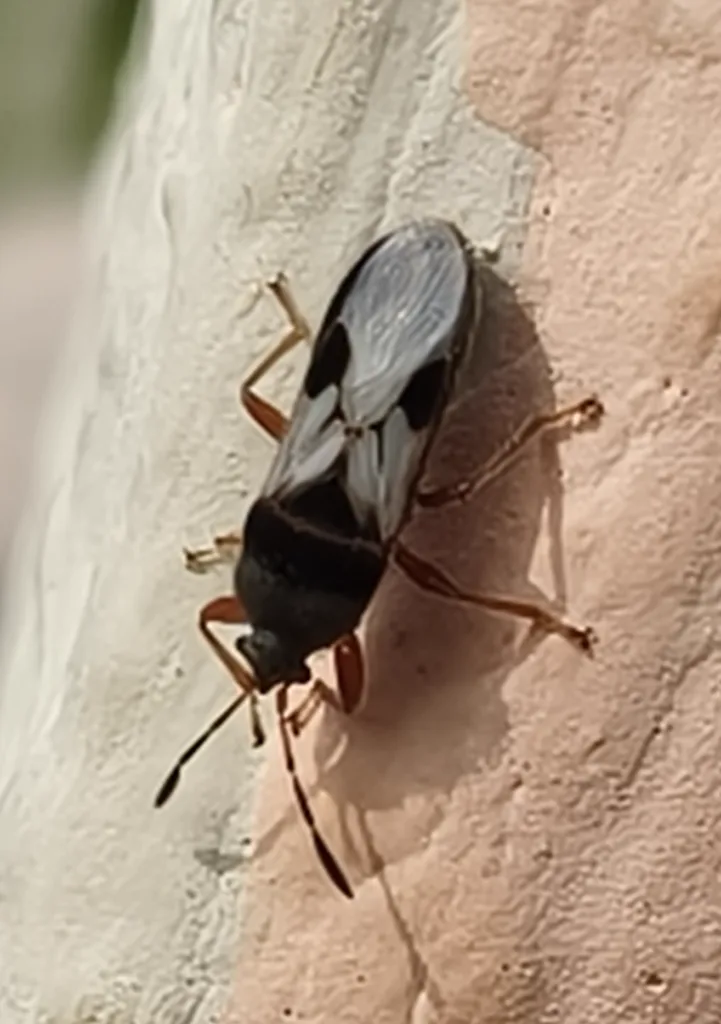
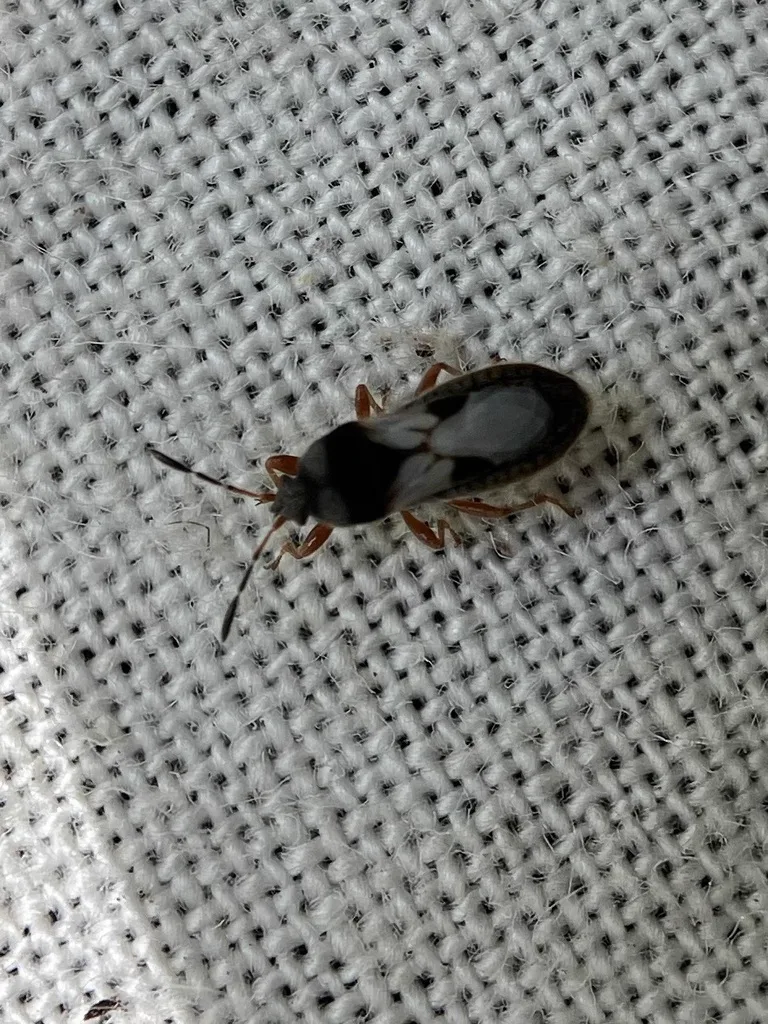
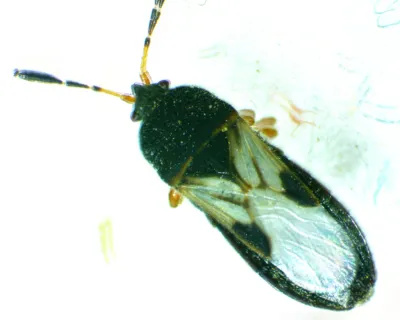
Southern chinch bugs (Blissus insularis) are small insects about 3 to 6 millimeters long, roughly 1/4 inch. Adults have black bodies with white wings that lie flat on their backs. Each wing has a triangle-shaped black mark near the edge. Some adults have long wings that reach the tip of their body. Others have short wings that cover only half their body.
Young chinch bugs, called nymphs, change color as they grow. They go through five growth stages. Early nymphs are bright orange or red with a white band across their belly. As they get older, they turn grayish-black but keep the white band. Older nymphs look like adults but do not have full wings yet.
These bugs have needle-like mouthparts that pierce grass and suck out plant juices. Their long legs help them move fast through lawns.
Related Species
Several chinch bug species live across North America:
- Common chinch bug (Blissus leucopterus leucopterus): Found throughout the U.S. It attacks grains, corn, and lawn grasses.
- Hairy chinch bug (Blissus leucopterus hirtus): Common in northeastern states. It damages cool-season grasses like Kentucky bluegrass.
- Western chinch bug (Blissus occiduus): Found in western states. It feeds on buffalograss and native grasses.
The southern chinch bug causes the most lawn damage in the Southeast because it loves St. Augustinegrass. All chinch bug species belong to the broader plant bug group.
Southern Chinch Bug Behavior and Biology
Habitat and Host Preference
Southern chinch bugs strongly prefer St. Augustinegrass (Stenotaphrum secundatum). This makes them the most harmful pest of this popular warm-season lawn grass. They do best in lawns on dry, sandy, or shell-based soils that get full sun. Grass that is stressed from drought or growing in packed soil is more likely to be attacked.
These insects usually stay in the same area all year. Spring problems often start right where the damage stopped the year before. They gather in the warmest, driest parts of lawns. Look for them near driveways, sidewalks, or building walls.
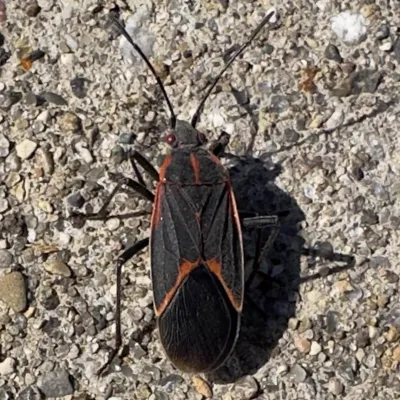
Feeding Damage A related species, Boxelder Bug Nymphs, shares similar characteristics.
Southern chinch bugs damage grass by poking their needle-like mouthparts into blades and stems. They suck out plant fluids. They also inject spit that blocks the plant’s water flow. This causes grass to wilt, turn yellow, then brown, and finally die.
Damage shows up as yellow or brown patches with uneven edges. These spots grow larger as the bug population spreads. The damage looks a lot like drought stress, which makes it hard to tell what is wrong. But unlike drought damage, chinch bug damage does not get better after watering.
Reproduction and Lifecycle
Female chinch bugs lay many eggs. One female can lay over 250 eggs in her lifetime, about four eggs per day over several weeks. She places eggs near the soil surface at the base of grass plants. The small, oval eggs change color as they grow. They start pale white, turn amber, then reddish before hatching.
In summer, eggs hatch in 6 to 13 days, with 11 days being average. In winter in Florida, hatching can take up to a month. Nymphs finish growing in 4 to 6 weeks if conditions are good. Adults live about 49 days in lab tests, though this varies in the wild.
In warm places like Florida, chinch bugs can have 7 to 10 generations each year. This fast breeding lets small problems turn into lawn-killing outbreaks in just weeks.
Movement and Dispersal
Even though chinch bugs have wings, they rarely fly. Instead, they walk to new areas. Groups can travel over 400 feet in less than an hour when looking for fresh grass to eat. This is why problems often spread from one lawn to the next in a neighborhood.
Treatment Methods for Southern Chinch Bugs
Managing southern chinch bugs takes a mix of good lawn care and targeted treatments when needed.
Cultural Management Practices
Good lawn care helps prevent chinch bug problems:
- Mowing height: Keep St. Augustinegrass 3 to 4 inches tall. Never cut more than one-third of the blade at once. Use sharp mower blades to avoid tearing grass.
- Watering: Water deeply but not too often. Apply about one inch of water only when grass starts to wilt. Too much water builds up thatch, which chinch bugs love.
- Fertilizing: Use slow-release fertilizer in small amounts spread over the season. Too much nitrogen makes grass grow fast and lush, which draws chinch bugs.
- Thatch control: Keep thatch under half an inch thick. Proper watering and mowing help with this. Thick thatch gives chinch bugs shelter and makes treatments less effective.
Resistant Grass Varieties
Some St. Augustinegrass types resist chinch bugs better than others. These include Floratam (released in 1973), FX-10, and newer types. But chinch bugs can adapt over time. For example, they overcame Floratam’s resistance within about 12 years of its release.
Natural Predators
Several insects prey on chinch bugs and can help reduce populations:
- Big-eyed bugs (Geocoris species): These look similar to chinch bugs but have large, bulging eyes
- Minute pirate bugs: Small insects that eat chinch bug eggs and young nymphs
- Earwigs: The striped earwig feeds on chinch bugs at different life stages
- Ground beetles: Active hunters that patrol turf areas
- Fire ants: Where present, they prey on chinch bugs
Chemical Treatment Approaches
When chinch bug numbers get too high (usually 20 to 25 per square foot), chemical treatments may be needed. Common products include pyrethroids, neonicotinoids, and other lawn insecticides. Multiple treatments are often needed because sprays do not kill eggs well.
Timing matters a lot. Treatments work best on young nymphs before they grow up and cause major damage. In warm areas with many generations per year, check your lawn throughout the season to know when to treat.
Monitoring and Early Detection
Checking your lawn often helps catch problems early:
- Look at your lawn weekly during warm months, especially in spots that had damage before
- Use the flotation test in areas that look off and at the edges of damaged spots
- Check several places, since chinch bugs tend to be grouped in patches
- Write down where damage happens and when you treat
References
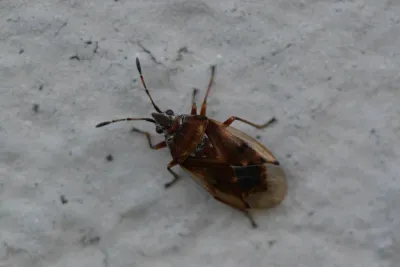
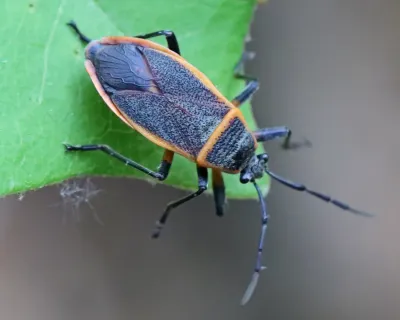
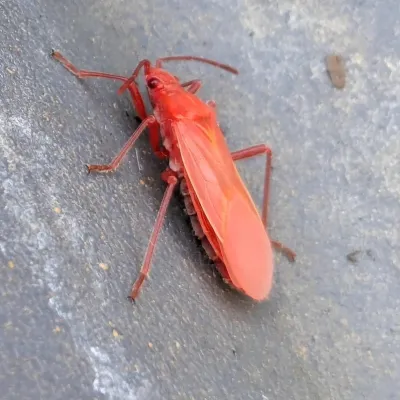
Other Plant Bugs
Explore other species in the plant bugs family
Commonly Confused With
Southern Chinch Bug are often mistaken for these similar pests
Where Southern Chinch Bug Are Found
Hover over states to see their names. Green regions indicate where southern chinch bug have been reported.
Common Questions about Southern Chinch Bug
What does southern chinch bug damage look like?
+
Southern chinch bug damage appears as irregular yellow or brown patches in lawns, often starting in sunny, dry areas near driveways or sidewalks. The patches gradually expand as the insects spread outward. Affected grass wilts, turns yellow, then brown, and eventually dies.
How do I check my lawn for southern chinch bugs?
+
Use the flotation method: remove both ends of a coffee can, press it two inches into the soil in a damaged area, and fill it with water. Wait five minutes and watch for chinch bugs to float to the surface. Check several spots, including the border between healthy and damaged grass.
When are southern chinch bugs most active?
+
Southern chinch bugs are most active from late spring through early fall, with peak activity in June through August when temperatures are highest. In Florida and other warm climates, they may remain active year-round, though populations decline in cooler months.
What grass types do southern chinch bugs attack?
+
Southern chinch bugs primarily feed on St. Augustinegrass, which is their preferred host. They may also attack centipedegrass, zoysiagrass, bahiagrass, and bermudagrass, though damage to these grasses is typically less severe.
Are southern chinch bugs harmful to humans or pets?
+
No, southern chinch bugs do not bite humans or pets and pose no direct health risks. However, their damage to lawns can be extensive and expensive to repair, often requiring reseeding or resodding of affected areas.
Can southern chinch bugs fly?
+
Yes, adult southern chinch bugs can fly, though they rarely do. Most population movement occurs through walking, with chinch bugs capable of traveling over 400 feet in less than an hour when searching for fresh feeding areas.
What is the lifecycle of a southern chinch bug?
+
Female chinch bugs lay 250 or more eggs near the soil surface at the base of grass plants. Eggs hatch in 6-13 days during summer. Nymphs pass through five stages over 4-6 weeks before becoming adults. Adults live approximately 7-8 weeks. Multiple generations occur each year in warm climates.

With five years of hands-on experience in the pest control industry, George Schulz is a registered technician with the Virginia Pest Management Association and a proud third-generation professional in a family business that's been protecting homes for over 57 years. He manages and trains a team of service pros while also leading internal research efforts—recently spearheading a deep-dive review of thousands of documents on pest control materials to hand-pick the most kid and pet friendly, most effective solutions tailored specifically for homes in the DC metro area.