Weevils Identification Guide
Sitophilus spp.
Weevils are small beetles with distinctive elongated snouts that infest stored grains, cereals, and pantry products. Rice weevils and granary weevils are the most common species found in homes, developing entirely inside grain kernels.
Taxonomy
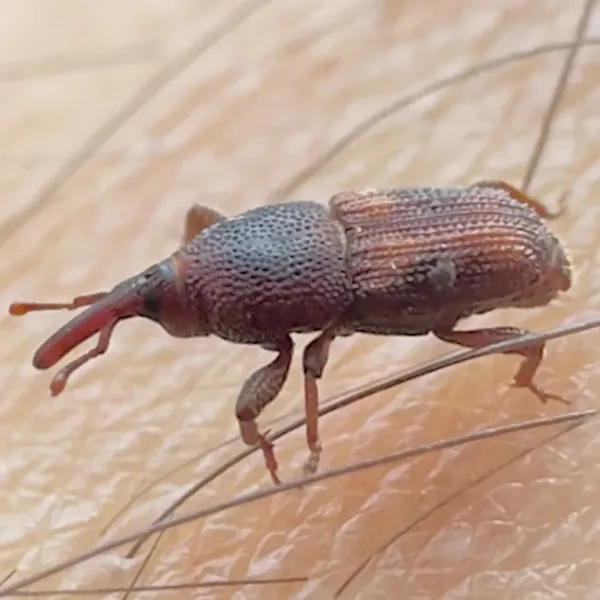
Weevils Coloration
Common color patterns to help identify weevils
Weevils
Seasonal Activity
When weevils are most active throughout the year
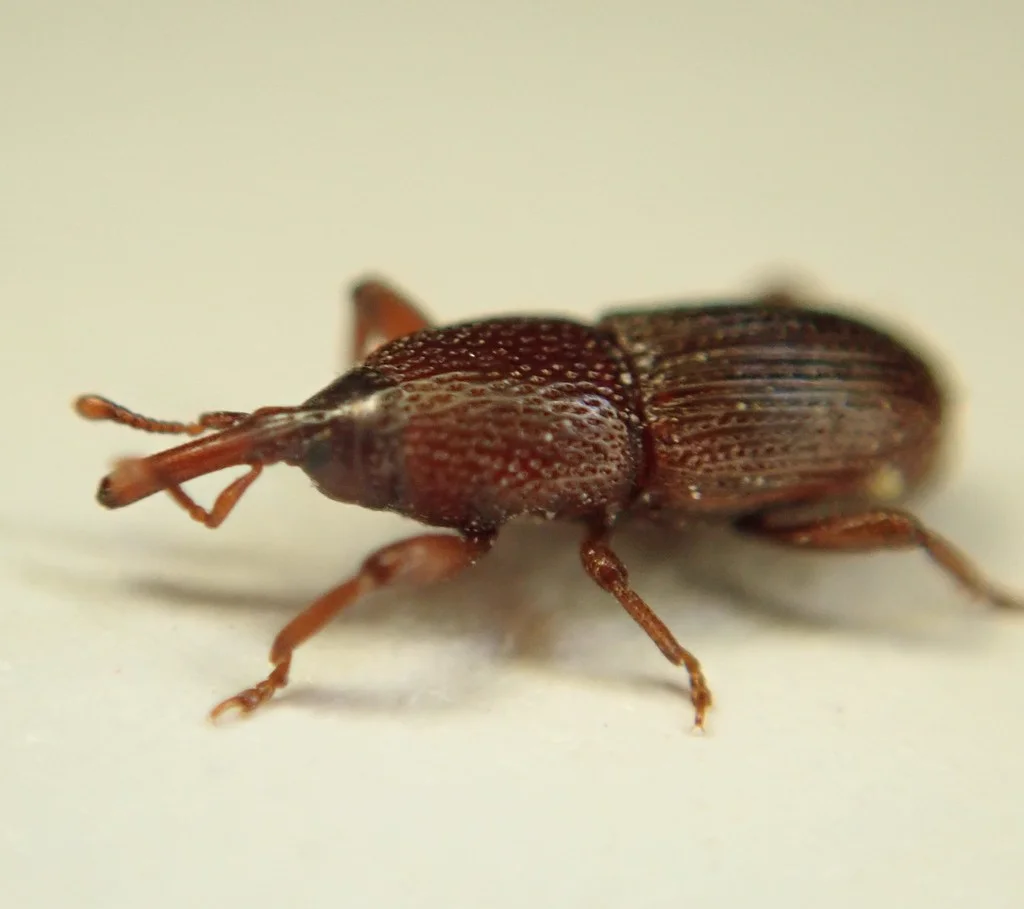
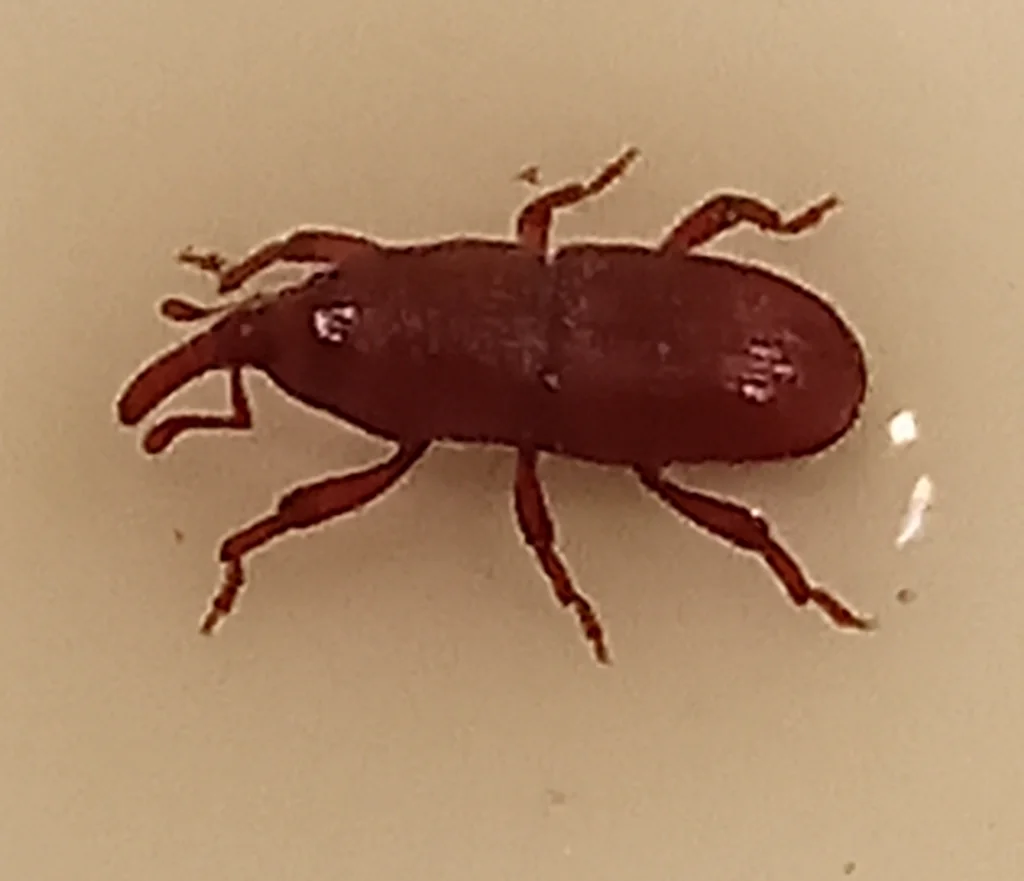
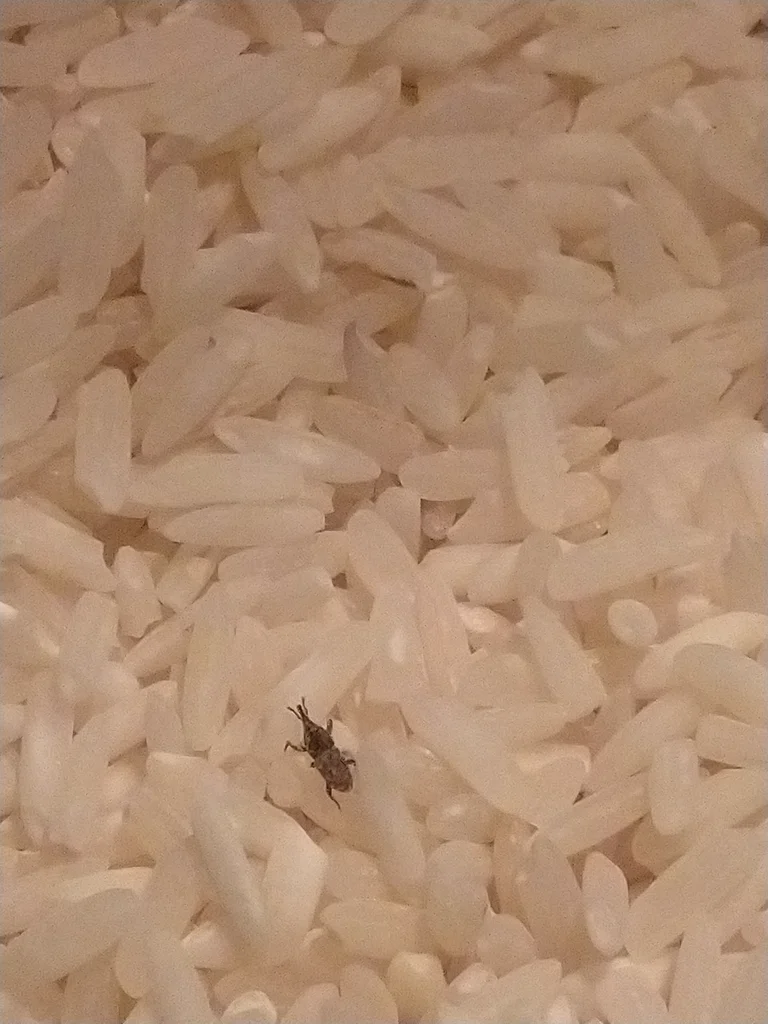

Where Weevils Are Found
Hover over states to see their names. Green regions indicate where weevils have been reported.
Weevil Identification Guide
Physical Characteristics
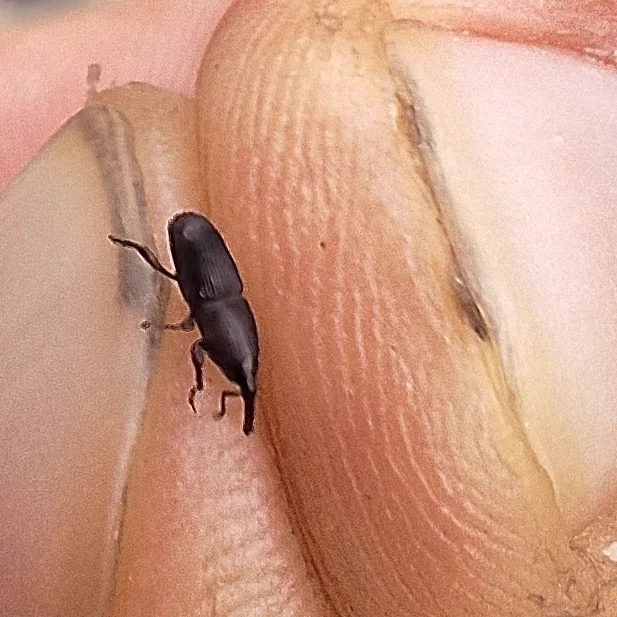
Weevils are small beetles about 2 to 5 millimeters long. Their most notable feature is a long snout that sticks out from their head. They use this snout to bore into grain kernels. Weevils have a tube-shaped body with hard wing covers. Their antennae are bent and club-shaped.
Rice weevils (Sitophilus oryzae) are reddish-brown to black. They have four pale spots on their wing covers. Rice weevils can fly to find new food sources. Granary weevils (Sitophilus granarius) are shiny dark brown to black with no spots. They cannot fly because their wing covers are fused together. Both types have ridged patterns on their bodies.
Common Species
Rice Weevil (Sitophilus oryzae) is the most common stored grain pest in North America. It came from India and has spread worldwide through trade. Rice weevils can fly and are drawn to light.
Granary Weevil (Sitophilus granarius) is also called the wheat weevil. It cannot fly but handles cold weather better than the rice weevil. You will find granary weevils most often in grain storage areas.
Maize Weevil (Sitophilus zeamais) looks almost the same as the rice weevil but is a bit larger. It mainly attacks corn but will infest other whole grains too.
Weevil Behavior and Biology
Weevils attack whole, undamaged grains. This makes them different from other pantry pests like flour beetles that only eat broken grains or flour. Learn more about this pest family in our Weevil guide. Homeowners dealing with Weevils may also encounter Dermestid Beetles, which can appear in similar environments.
Female weevils bore small holes into grain kernels and lay one egg inside each hole. Then they seal the hole with a waxy plug. One female can lay 200 to 400 eggs in her 4 to 5 month life. The eggs hatch in 4 to 14 days based on how warm it is.
The larvae are small white grubs with no legs. They have brown heads. They live inside the grain kernel and eat the inside until only the shell is left. This stage lasts up to two months. The larvae also turn into pupae inside the kernel.
When adult weevils are ready, they chew out of the grain. They leave round holes with rough edges. These “shot holes” are often the first sign of a problem. In warm weather around 80 degrees, the full life cycle takes about one month.
Weevils like temperatures between 70 and 90 degrees with humidity above 40 percent. They stop moving when it gets below 55 degrees. This is why cool, dry storage helps keep them away.
Treatment Methods for Weevils
Getting rid of weevils takes cleaning, removing the source, and preventing new problems. Since weevils grow inside grain kernels, sprays alone will not reach the hidden larvae. Like other pests in this group, June Bugs are sometimes found in the same habitats.
Find and Remove the Source
The first step is to find and throw away all infested food. Check all stored grains, cereals, pasta, flour, rice, bird seed, and pet food. Throw away anything with live or dead weevils, webbing, or holes in the grains. Put it in sealed bags and take it to outdoor trash cans.
Deep Clean Your Pantry
Empty all shelves and vacuum every crack, corner, and shelf bracket. Spilled grain and eggs can hide in small spaces. Wipe down all surfaces with soap and water. Check drawer slides and any gaps where food bits can collect.
Store Food the Right Way
Put grains and cereals in airtight glass, metal, or thick plastic containers. Use lids that seal tight. This stops weevils from getting out of infested products. It also keeps clean food protected.
Use Heat or Cold
Freeze items at 0 degrees for 3 to 7 days to kill all life stages. You can also heat grains to 140 degrees for 15 minutes. Bay leaves in storage containers may help keep weevils away, but this is not a full fix. If you are seeing Weevils, you may want to learn about False Powderpost Beetles as well.
Keep Watching
After cleaning, check stored foods every week for a few months. Sticky traps for pantry pests can help you spot any remaining activity.
For bad or repeat problems, professional pest control can find hidden sources. They can also treat cracks and gaps where weevils may be hiding. For comparison, Old House Borers share some behavioral traits with this species.
References
- Rice and Granary Weevils - University of Maryland Extension
- Cereal and Pantry Pests - Penn State Extension
- Rice Weevil and Granary Weevil - Iowa State University Extension
- Grain Weevils - Michigan State University Plant & Pest Diagnostics
- Stored-Grain Insect Reference - USDA Agricultural Marketing Service
Other Other Pests
Explore other species in the other pests family
Where Weevils Are Found
Hover over states to see their names. Green regions indicate where weevils have been reported.
Common Questions about Weevils
How do weevils get into sealed food packages?
+
Weevils often enter homes already inside grains you buy from the store. Female weevils lay eggs inside grain kernels. The larvae grow hidden inside. By the time you see adult weevils, the problem may have been there for weeks.
Are weevils harmful to humans?
+
Weevils are not dangerous to people or pets. They do not bite, sting, or spread diseases. Eating food with weevils in it will not hurt you. But most people throw away infested products because of how it looks and feels.
What is the difference between rice weevils and granary weevils?
+
Rice weevils have four light spots on their wing covers and can fly. This means they spread more easily in your home. Granary weevils are dark brown to black with no spots. They cannot fly, so they stay close to their food source.
How long do weevils live?
+
Adult weevils live 4 to 5 months on average. Some can survive up to a year in good conditions. One female can lay 200 to 400 eggs in her lifetime. The full life cycle from egg to adult takes about one month in warm weather.
Can I get rid of weevils by freezing my food?
+
Yes, freezing works well against weevils. Put infested grains in your freezer at 0 degrees for at least 3 days. This kills weevils at all life stages. You can also heat grains to 140 degrees for 15 minutes.
Why do weevils keep coming back?
+
Weevils come back when eggs or larvae hide in food, shelf cracks, or spilled grains. You must clean out all stored food and deep clean storage areas to stop the cycle.
What foods do weevils infest?
+
Weevils mainly attack whole grains like rice, wheat, corn, oats, barley, and rye. They also get into pasta, cereals, bird seed, dried beans, nuts, and whole grain flour. Rice weevils can even attack some dried fruits.

With five years of hands-on experience in the pest control industry, George Schulz is a registered technician with the Virginia Pest Management Association and a proud third-generation professional in a family business that's been protecting homes for over 57 years. He manages and trains a team of service pros while also leading internal research efforts—recently spearheading a deep-dive review of thousands of documents on pest control materials to hand-pick the most kid and pet friendly, most effective solutions tailored specifically for homes in the DC metro area.