Spider Beetles Identification Guide
Ptininae
Spider beetles are small, round stored product pests that resemble tiny spiders due to their long legs and globe-shaped bodies. They infest pantries, warehouses, and homes where they feed on a wide variety of dried goods and organic debris.
Taxonomy
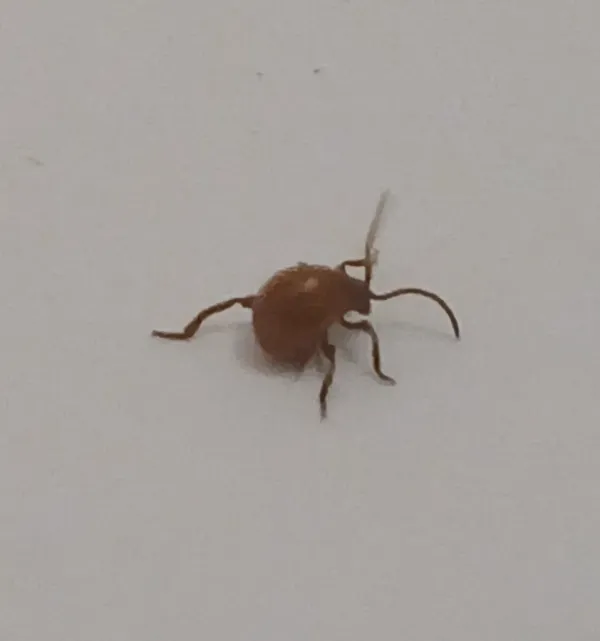
Spider Beetles Coloration
Common color patterns to help identify spider beetles
Spider Beetles
Seasonal Activity
When spider beetles are most active throughout the year
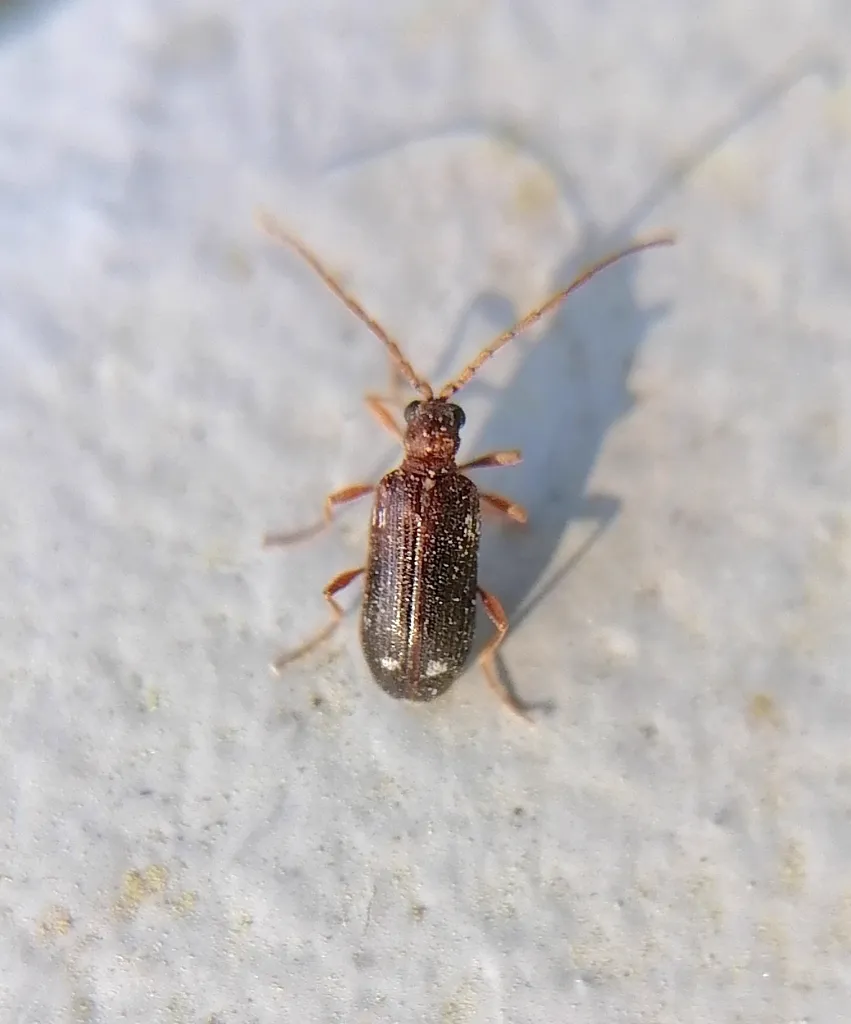

Where Spider Beetles Are Found
Hover over states to see their names. Green regions indicate where spider beetles have been reported.
Spider Beetle Identification Guide
Physical Characteristics
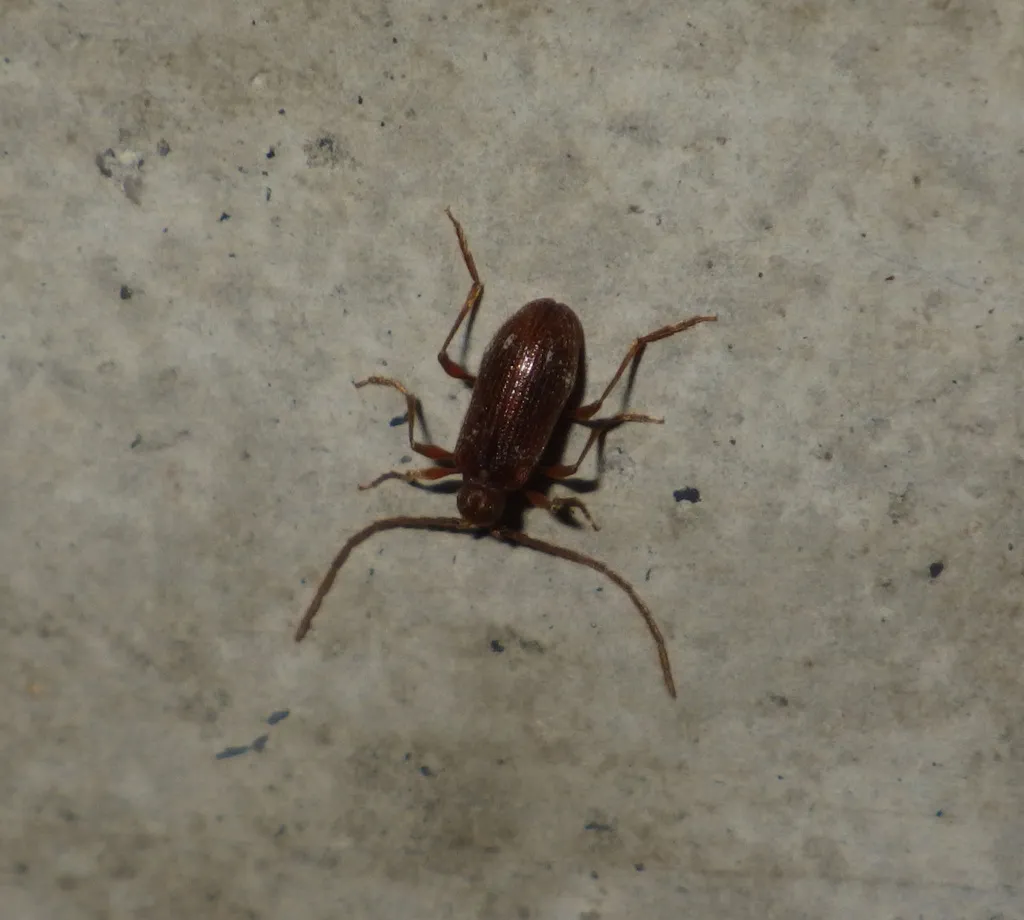
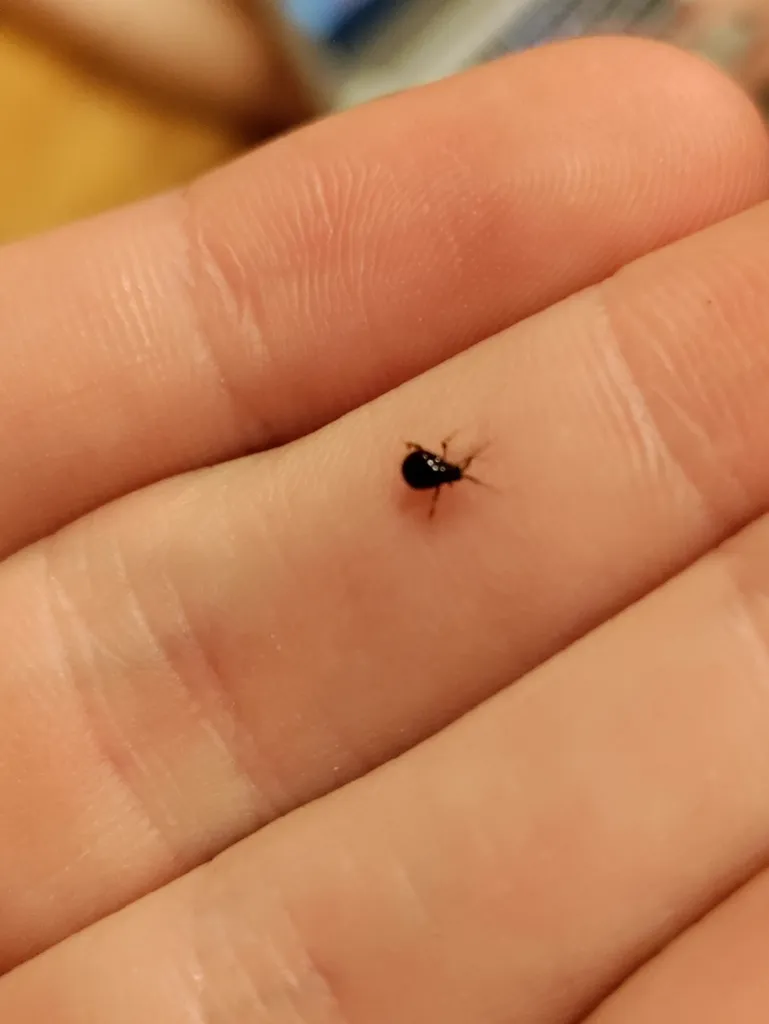
Spider beetles get their name from their spider-like look. They have round bodies and long, thin legs. This makes them look more like tiny spiders or large mites than typical beetles. Adults are 1.5 to 5mm long, about the size of a sesame seed.
Adult beetles have a hard, shiny body with a very round abdomen. Most beetles have visible wing covers, but spider beetles do not. Their heads tuck under the body, giving them a hunched look. They have long antennae with 11 segments. Most species cannot fly even though they have wings. Their long legs help them move quickly across surfaces.
Spider beetle larvae are C-shaped grubs with cream bodies and light brown heads. They look like other beetle larvae but are smaller. They reach about 3.5 to 4mm when fully grown. You rarely see larvae because they stay hidden inside food and debris.
Common Species in North America
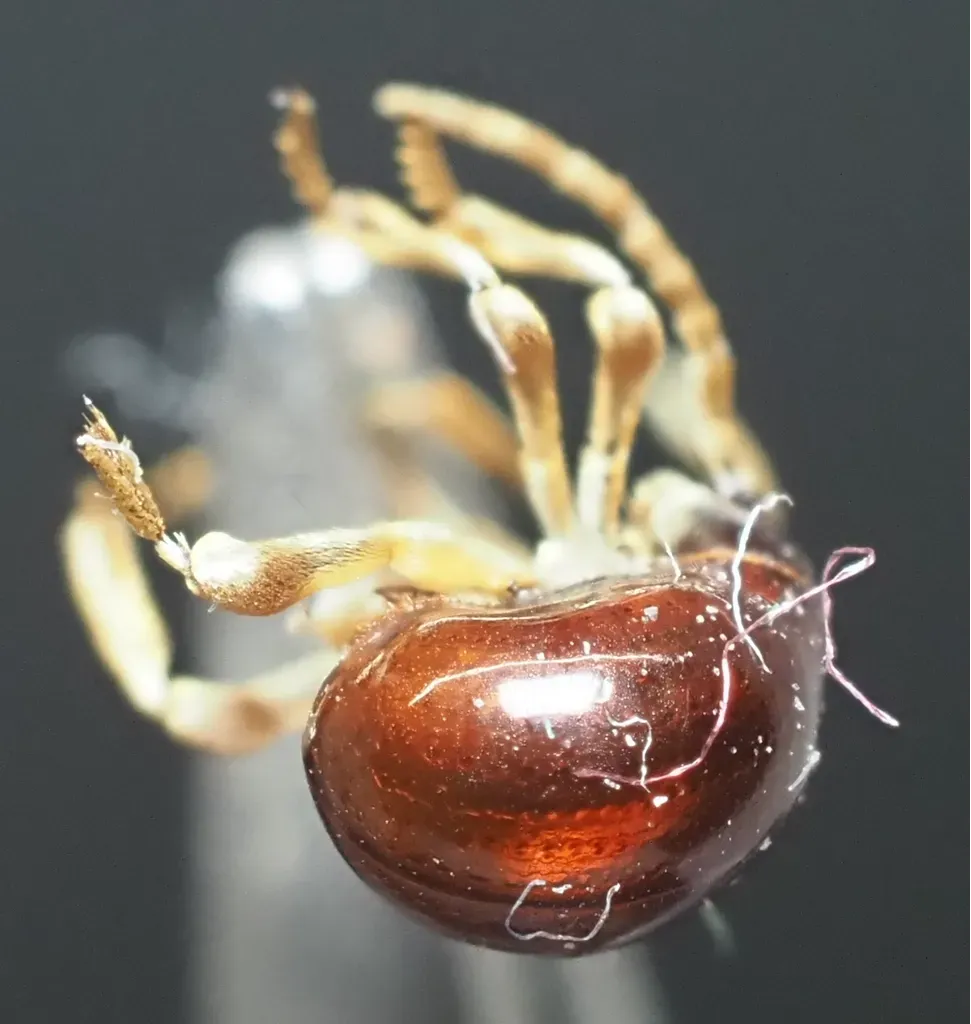
American Spider Beetle (Mezium americanum) has a dark reddish-brown to black, shiny, round abdomen. The head, legs, and antennae have pale yellow to cream hairs. Adults are 1.5 to 3.5mm long. This is one of the most common species in homes and warehouses.
White-Marked Spider Beetle (Ptinus fur) is light brown with patches of white hairs on the wing covers. These white marks often wear away on older beetles. Adults are 2 to 4.3mm long. Males have an oval body while females are more round. This species is very common in North America.
Smooth Spider Beetle (Gibbium aequinoctiale) looks more like a large reddish mite than a beetle. It has a uniform reddish-brown color and a very shiny, hairless body. The abdomen is almost perfectly round. Adults are 2 to 3mm long. This species prefers warm, damp spots.
Golden Spider Beetle (Niptus hololeucus) is covered in dense, golden-yellow silky hairs. It has the typical spider beetle shape with a round abdomen and long legs. Adults are 3 to 4.5mm long. This species is often found in older buildings.
Spider Beetle Behavior and Biology
Lifecycle and Development
Spider beetles go through four life stages: egg, larva, pupa, and adult. They produce one to two generations per year. This can vary with temperature and food supply.
Eggs are tiny and white. Females lay them in or near food sources in dark spots. A single female may lay dozens of eggs. Eggs hatch in one to three weeks.
Larvae do most of the feeding and damage. They burrow into food products and organic debris. This stage lasts 2 to 3 months under good conditions. It can take much longer if food is scarce or temps are low. Larvae molt several times before pupating.
Pupae form inside a silken cocoon mixed with debris. This stage lasts 2 to 3 weeks. Pupae resist many control methods. This is why timing treatments matters.
Adults emerge and begin searching for mates and food. They live for several weeks to a few months. Adults are active at night and stay hidden during the day.
Habitat Preferences
Spider beetles prefer dark, damp spots with plenty of organic matter. Unlike many pests, they can stay active in cold temps below freezing. This makes them year-round pests in many buildings. Common places they live include:
- Pantries and food storage areas
- Grain mills and warehouses
- Attics with bird or wasp nests
- Wall voids with dead insects or rodent nests
- Museums and collections with natural materials
- Basements with moisture problems
- Areas with accumulated dust and debris
What Spider Beetles Eat
Spider beetles are general scavengers with a very broad diet. They can feed on more than 40 different items, including:
- Grains, cereals, and flour
- Dried fruits and vegetables
- Seeds and spices
- Wool, silk, and other natural fibers
- Leather and bookbindings
- Feathers and fur
- Dead insects and insect collections
- Rodent and bird droppings
- Pet food and birdseed
- Old wood and paper
This varied diet makes spider beetles hard to control. The food source may be something you would not expect. Examples include an old rodent nest in a wall or dead insects in a light fixture.
Signs of a Spider Beetle Infestation
Visual Clues
Spider beetles hide during the day and come out at night. Direct sightings are rare until the problem grows large. Look for these signs:
- Small, round beetles near food storage areas, especially at night
- Shed larval skins near infested products
- Webbed, granular material mixed with food debris
- Small holes chewed in packaging
- Powdery residue near stored products
Where to Look
Check these common problem areas when searching for spider beetles:
- Pantry shelves with old or rarely used items
- Behind appliances where food debris collects
- Pet food storage areas including bags and bins
- Closets with wool clothing or natural fiber items
- Attics and crawl spaces near old nests
- Basements especially damp corners with stored items
Treatment Methods for Spider Beetles
Good spider beetle control requires finding and removing the source of the problem. These beetles can eat so many things that the source is not always clear.
Inspection and Source Removal
The first step is a thorough search to find infested items. Check all stored food products, even those in sealed packages. Look for less obvious sources like old rodent nests, dead insects, or forgotten items in storage. Remove and throw away any infested materials.
Sanitation Measures
Clean storage areas thoroughly after removing infested items:
- Vacuum shelves, cracks, and corners to remove eggs and larvae
- Wipe down surfaces with soap and water
- Dispose of vacuum contents in sealed bags outside
- Clean behind and under appliances
- Address moisture problems that attract these pests
Prevention Strategies
Store food in airtight containers made of glass, metal, or heavy plastic. Spider beetles can chew through cardboard and thin plastic. Use older items first and rotate stored foods often. Check groceries before you store them.
Keep storage areas clean and dry. Fix any moisture issues in basements or crawl spaces. Remove old bird or rodent nests from wall voids. Seal cracks and gaps around foundations and pipes.
When to Call a Professional
For large or ongoing problems, you may need professional pest control. Technicians can apply treatments to cracks and other hiding spots. They can also help find food sources that are hard to locate, like nests in walls.
Spider Beetles vs. Similar Pests
Spider beetles are often confused with other small pantry pests:
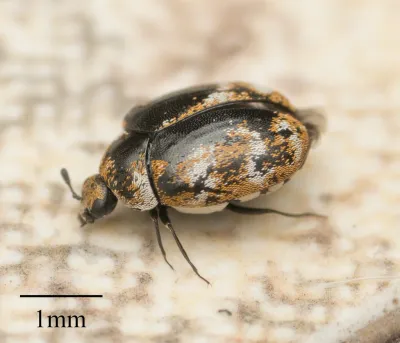
Carpet beetles are also small oval beetles. They have a flat body shape instead of the round shape of spider beetles. Carpet beetle adults have visible wing covers with scale patterns.
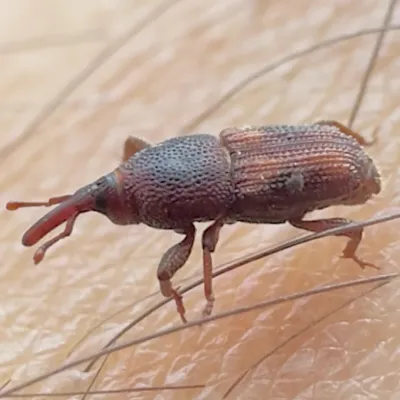
Weevils have a snout or long head that spider beetles do not have. Weevils also have a more stretched out body shape.
Drugstore beetles and cigarette beetles are similar in size. They have a more typical beetle shape without the long, spider-like legs.
References and Further Reading
Other Other Pests
Explore other species in the other pests family
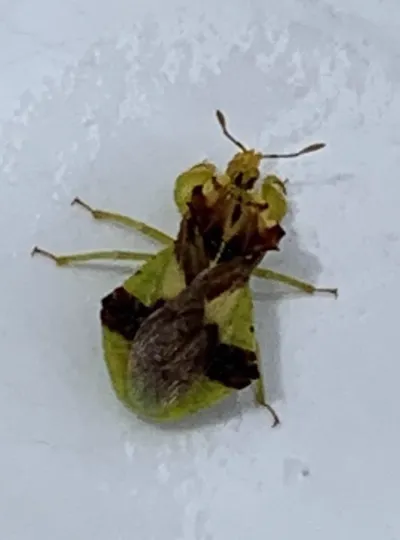
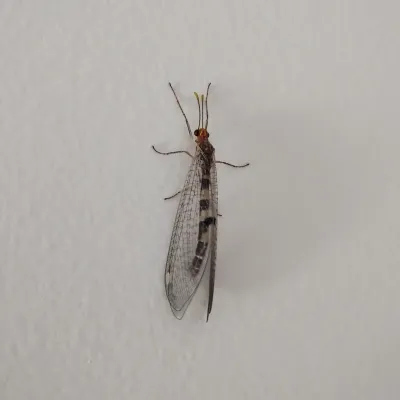
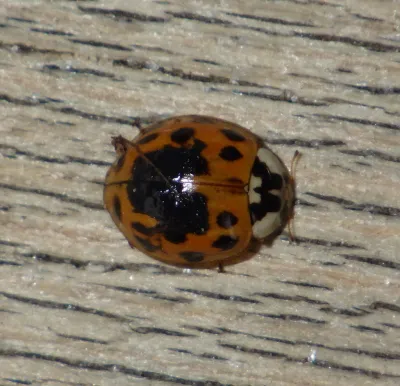
Commonly Confused With
Spider Beetles are often mistaken for these similar pests
Where Spider Beetles Are Found
Hover over states to see their names. Green regions indicate where spider beetles have been reported.
Common Questions about Spider Beetles
What do spider beetles look like?
+
Spider beetles are small insects, about 1.5 to 5mm long. They have round, globe-shaped bodies and long, thin legs that make them look like small spiders or large mites. Most species are reddish-brown to black. Some have pale hairs on their head and thorax. Their antennae are long with 11 segments.
Are spider beetles harmful?
+
Spider beetles do not bite, sting, or spread disease to humans. They are mainly a nuisance pest. The main concern is that they contaminate stored food products. They can also damage fabrics, wool, leather, and museum collections by feeding on them.
How do spider beetles get into my house?
+
Spider beetles often enter homes through infested food products from the grocery store. They can also come in through cracks and gaps in foundations. Old rodent nests, bird nests in attics, and dead insects in wall voids can also support spider beetle populations.
What do spider beetles eat?
+
Spider beetles are general scavengers that eat a wide range of items. They feed on grains, cereals, dried fruits, spices, seeds, and flour. They also eat wool, feathers, leather, dead insects, rodent droppings, and old wood. This broad diet makes finding the source of an infestation difficult.
Why do I see spider beetles at night?
+
Spider beetles are nocturnal insects. They stay hidden in dark, damp areas during the day and come out to forage at night. They can remain active even in cold temperatures below freezing, which is unusual for most indoor pests.
How do I get rid of spider beetles?
+
Getting rid of spider beetles requires finding and removing the infested food source. Inspect your pantry and throw away any contaminated items. Vacuum storage areas well. Store food in airtight containers. For large infestations, professional pest control can apply targeted treatments to affected areas.
How long do spider beetles live?
+
Spider beetles typically produce one to two generations per year. The complete lifecycle from egg to adult takes several months depending on temperature and humidity. Adults can live for several weeks. Larvae may take 2 to 3 months to develop, sometimes longer in poor conditions.

With five years of hands-on experience in the pest control industry, George Schulz is a registered technician with the Virginia Pest Management Association and a proud third-generation professional in a family business that's been protecting homes for over 57 years. He manages and trains a team of service pros while also leading internal research efforts—recently spearheading a deep-dive review of thousands of documents on pest control materials to hand-pick the most kid and pet friendly, most effective solutions tailored specifically for homes in the DC metro area.