Pseudoscorpions Identification Guide
Pseudoscorpiones
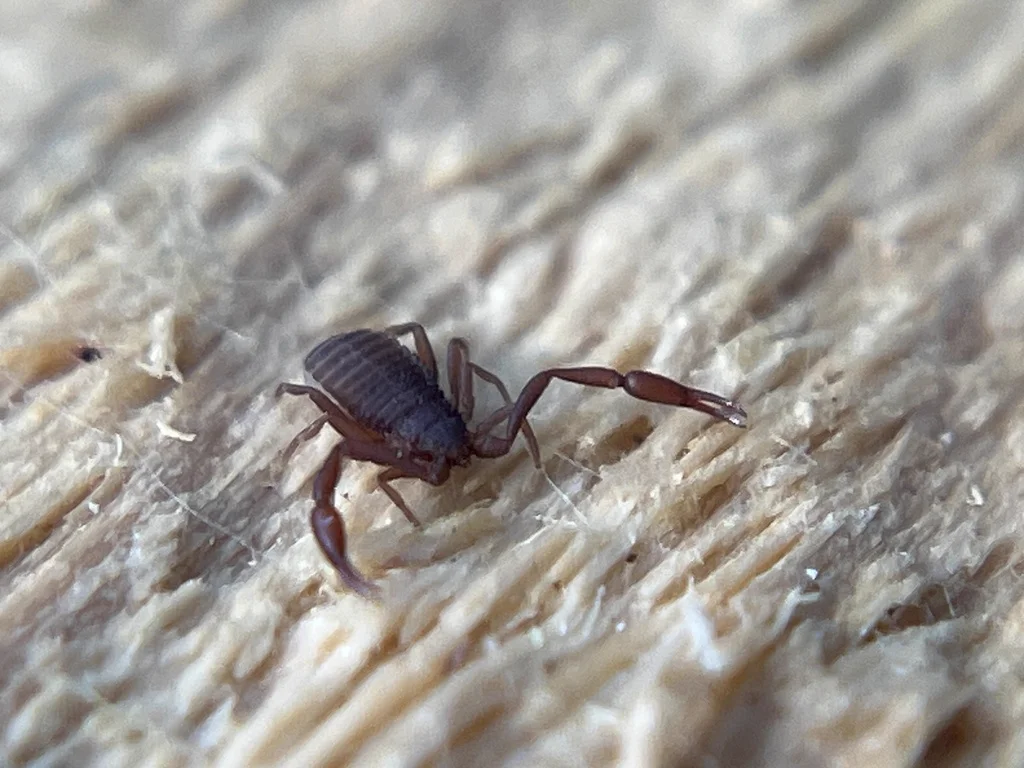
Pseudoscorpions are tiny arachnids that look like scorpions but have no tail or stinger. They feed on booklice, mites, and carpet beetle larvae found in homes.
Taxonomy
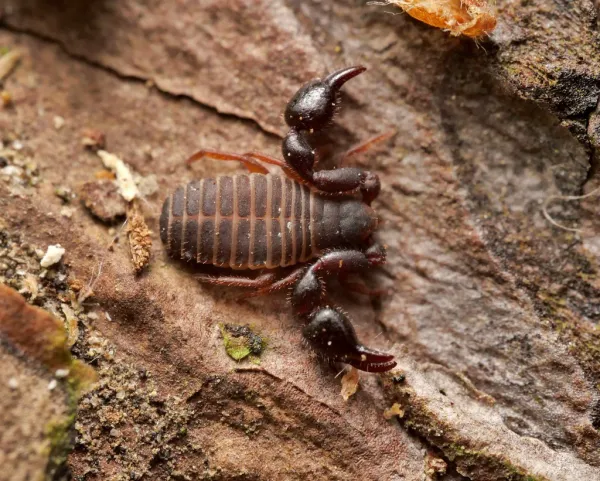
Pseudoscorpions Coloration
Common color patterns to help identify pseudoscorpions
Pseudoscorpions
Seasonal Activity
When pseudoscorpions are most active throughout the year
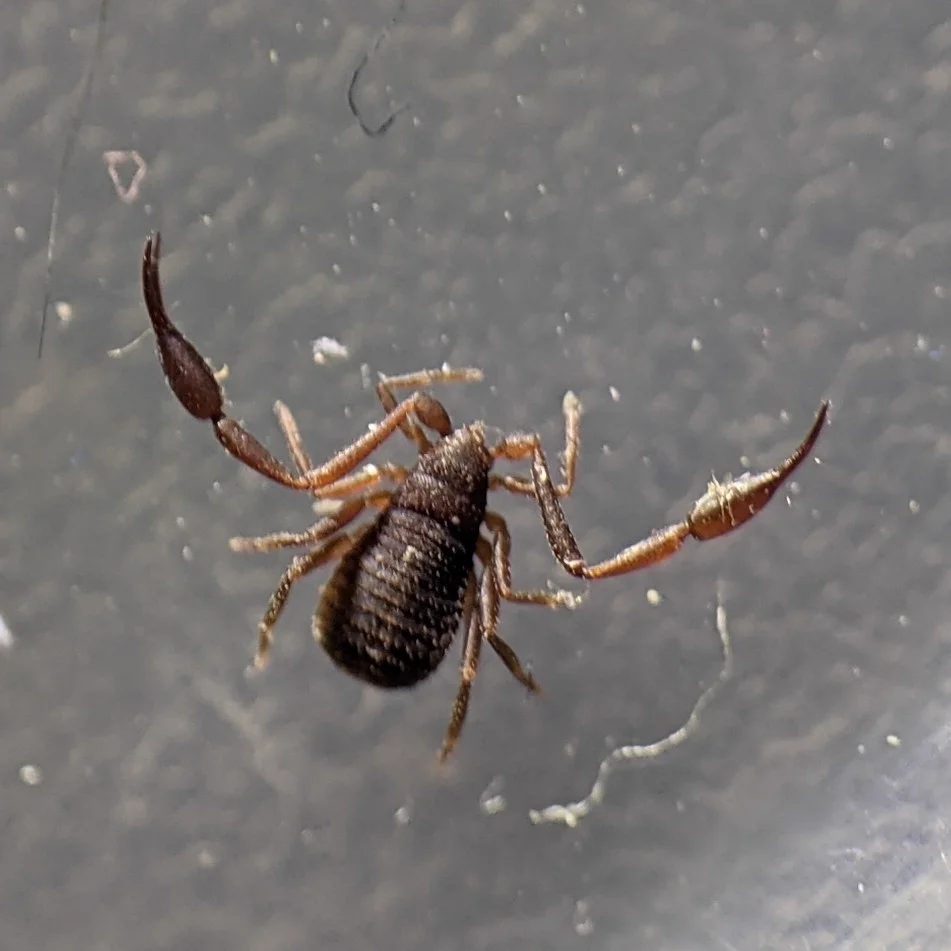
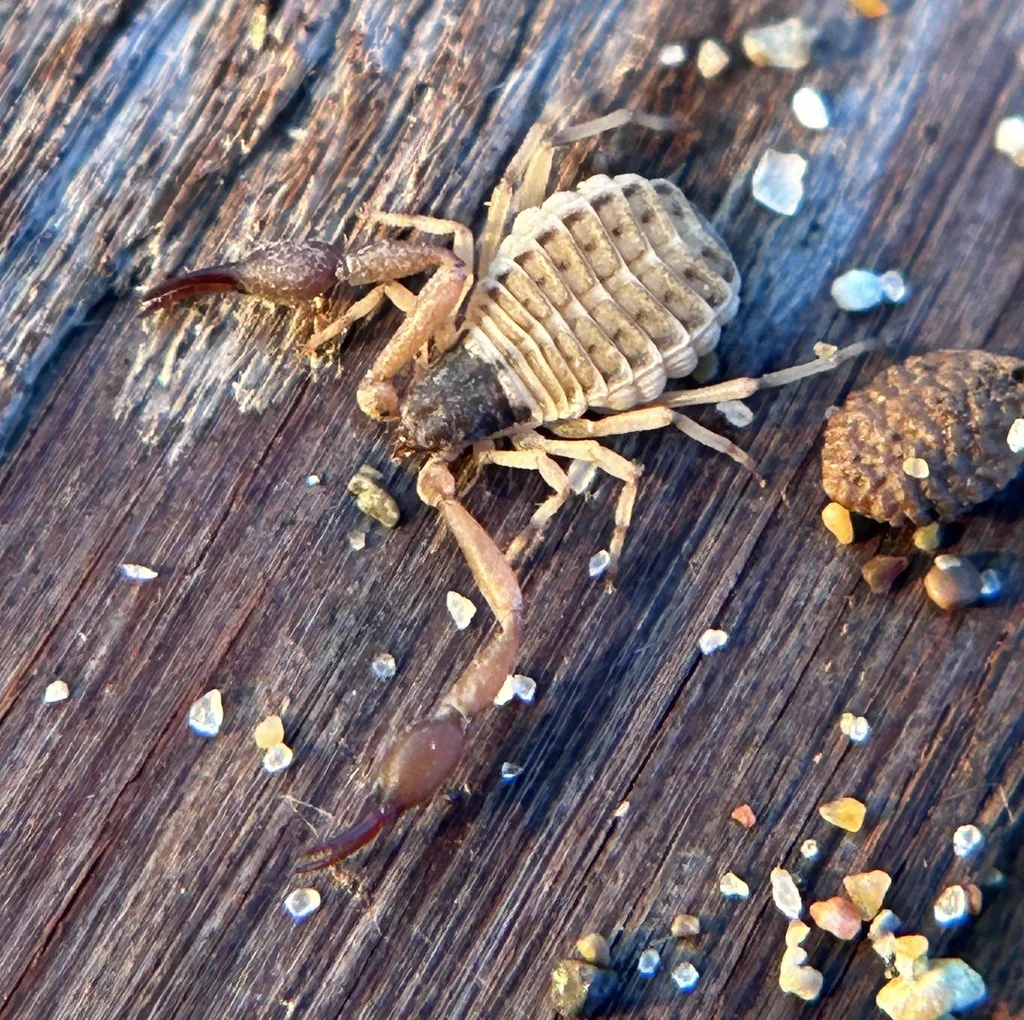
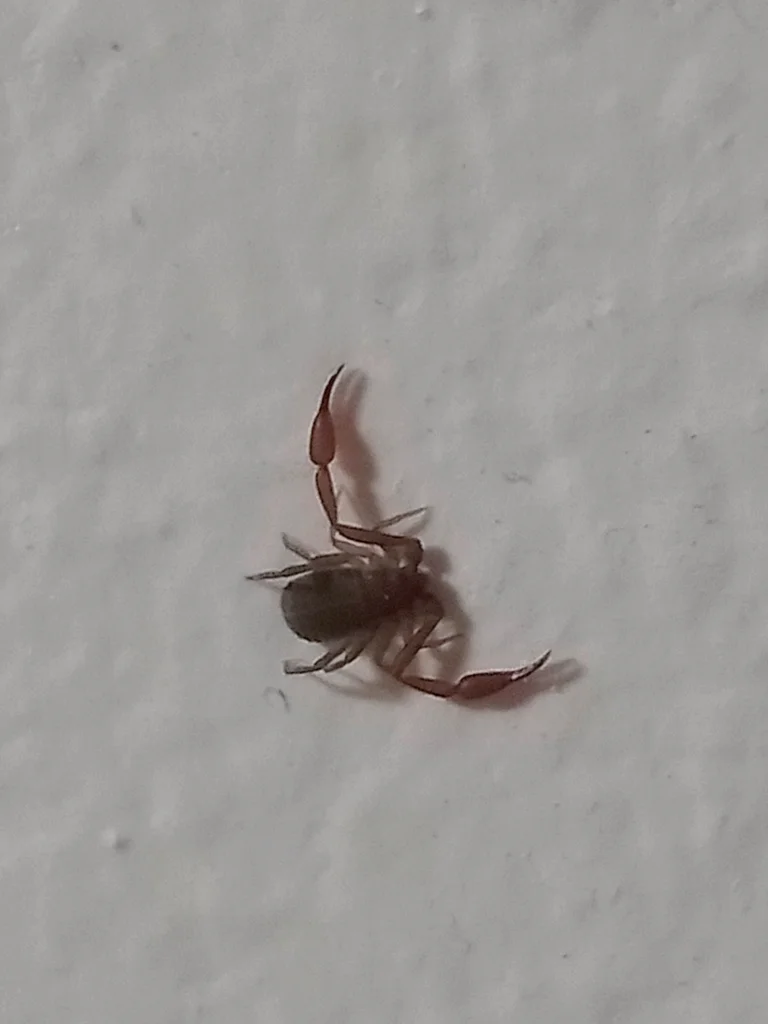

Where Pseudoscorpions Are Found
Hover over states to see their names. Green regions indicate where pseudoscorpions have been reported.
Pseudoscorpion Identification Guide
Physical Characteristics
Pseudoscorpions are tiny arachnids that measure 2 to 8 millimeters long. At first glance, they look like tiny scorpions because of their large pincers. But they have no tail and no stinger. Their body is flat and shaped like a teardrop. The abdomen has 12 segments. Most are brown or reddish-brown. The house pseudoscorpion has a deep mahogany color.
Like all arachnids, pseudoscorpions have eight legs. Their front legs look longer and can be mistaken for antennae. Most species have one or two pairs of simple eyes. Some cave-dwelling species are blind. The pincers contain venom glands that help them catch prey.
Common Species in North America
The house pseudoscorpion (Chelifer cancroides) is the species you are most likely to find indoors. It is common in homes across North America and Europe. This species has lived near humans for centuries. It is often found in rooms with old books, which is why some call it the “book scorpion.” Other species belong to the Chernetidae and Neobisiidae families. Most homeowners will only see the house pseudoscorpion inside their homes.
Pseudoscorpion Behavior and Biology
Habitat and Distribution
Pseudoscorpions live in many places around the world. You can find them in leaf litter, soil, under tree bark, in bird nests, and inside beehives. The house pseudoscorpion does well in human homes. It likes areas with some moisture and plenty of small prey. Indoors, look for them in bathrooms, basements, laundry rooms, and storage areas with books or papers.
Diet and Feeding Habits
These tiny predators feed on many small pests found in homes. Their diet includes booklice, clothes moth larvae, carpet beetle larvae, mites, small flies, and ant larvae. They hunt by waiting in small cracks and grabbing prey with their pincers. They use venom to stop their catch from moving. Then they release digestive fluids to break down the prey before eating it. A related species, Wood Wasps, shares similar characteristics.
Reproduction and Lifecycle A related species, Daddy Long Legs, shares similar characteristics.
Pseudoscorpions have an interesting mating process. Males set up small territories about 1-2 centimeters in size. They perform a courtship dance to attract females. The male places a packet of sperm on the ground and guides the female over it. Females carry eggs in a brood sac on their abdomen and feed the growing young. A related species, Harvestmen, shares similar characteristics.
Young pseudoscorpions molt three times before becoming adults. They go through three nymph stages called protonymph, deutonymph, and tritonymph. Growth depends on temperature and takes 10 to 24 months. Adults do not molt. They can live for 3 to 4 years, which is a long time for such small creatures.
Unique Behaviors
Pseudoscorpions show some interesting habits. They make silk from glands in their jaws. They use this silk to create small cocoons for molting, getting through cold weather, or mating. Many species also hitchhike on larger insects or other animals to travel. They have been seen riding on flies, beetles, and even bats to reach new areas.
Treatment Methods for Pseudoscorpions
Pseudoscorpions pose no threat to humans, pets, or property. They do not bite, sting, or cause damage. Most homeowners who see one or two do not need to take action. However, finding many pseudoscorpions may point to other issues that need attention.
When Pseudoscorpions May Signal Other Issues
-
High humidity levels: Pseudoscorpions like damp places. Seeing many of them may mean you have moisture problems in your basement, crawl space, or bathroom. This moisture could lead to mold or bring in other pests.
-
Prey populations: Many pseudoscorpions suggest you have large numbers of their prey. This includes booklice in stored papers or carpet beetle larvae in wool and other natural fibers.
-
Entry points: If pseudoscorpions are coming in from outside, the same gaps may let other pests into your home.
How to Reduce Pseudoscorpion Numbers
If you want fewer pseudoscorpions in your home, these steps can help:
-
Fix moisture problems: Use dehumidifiers in damp areas. Fix leaky pipes. Add better ventilation to bathrooms and basements.
-
Control their food sources: Store books and papers in dry places. Clean areas where booklice gather. Check wool items and natural fiber rugs for carpet beetles.
-
Seal entry points: Fill cracks around windows, doors, and foundations. This keeps pseudoscorpions and their prey from getting inside.
-
Check items before bringing them in: Pseudoscorpions often ride into homes on firewood, old books, or stored boxes. Look over these items before you bring them inside.
Professional Treatment Options
General pest control treatments that target the underlying prey populations can reduce pseudoscorpion numbers over time. Treating for booklice, carpet beetles, and other small pests removes the food source that draws pseudoscorpions into your home. A pest control company can also help identify and seal entry points and address moisture issues that attract these creatures.
References
Other Other Pests
Explore other species in the other pests family
Commonly Confused With
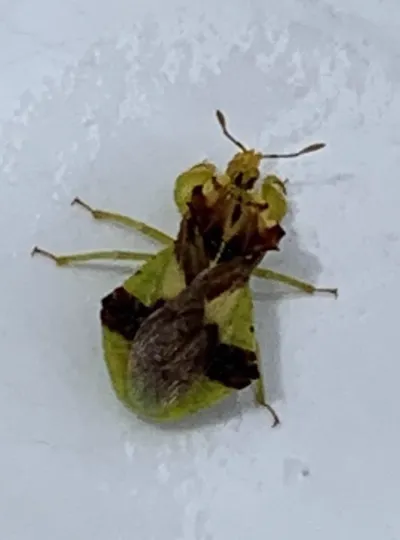
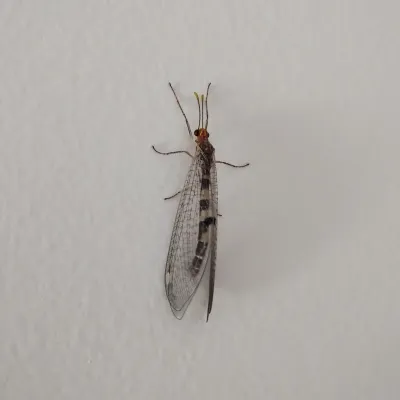
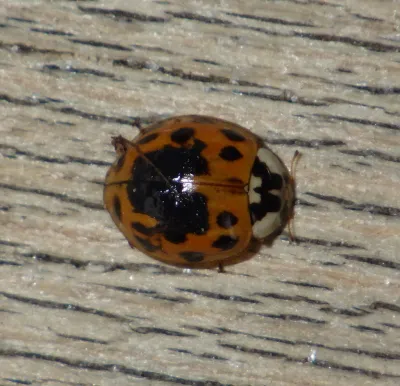
Pseudoscorpions are often mistaken for these similar pests
Where Pseudoscorpions Are Found
Hover over states to see their names. Green regions indicate where pseudoscorpions have been reported.
Common Questions about Pseudoscorpions
Are pseudoscorpions dangerous to humans?
+
No, pseudoscorpions are completely harmless to humans and pets. Despite their scorpion-like appearance, they lack a stinger and their tiny pincers cannot break human skin. They do not bite, sting, or transmit diseases.
Why do I have pseudoscorpions in my house?
+
Pseudoscorpions are attracted to areas with high humidity and abundant prey. Their presence often indicates populations of booklice, mites, carpet beetle larvae, or other small arthropods in your home. They commonly appear in bathrooms, basements, laundry rooms, and areas with old books.
Should I be concerned about pseudoscorpions?
+
Pseudoscorpions pose no threat to people, pets, or property. Finding one or two is common in many homes. However, seeing many pseudoscorpions may point to a moisture problem or other pest populations that should be addressed.
How did pseudoscorpions get into my home?
+
Pseudoscorpions often enter homes by hitchhiking on firewood, old books, or other materials brought inside. They can also crawl through tiny cracks in foundations and around windows. Some species have lived in human dwellings for centuries.
What is the difference between a pseudoscorpion and a real scorpion?
+
Pseudoscorpions are much smaller (2-8mm versus 2-8 inches), lack the elongated tail and venomous stinger of true scorpions, and have a flattened, teardrop-shaped body. They share the distinctive pincers but are otherwise very different creatures.
How long do pseudoscorpions live?
+
Pseudoscorpions have surprisingly long lifespans for their size. Adults can live 3-4 years and do not molt after reaching maturity. They develop slowly, taking 10-24 months to mature through three nymph stages.
Do pseudoscorpions spin webs?
+
Yes, pseudoscorpions produce silk from glands in their jaws, but not for catching prey. They spin small, disk-shaped cocoons for protection during molting, cold weather, or the mating process. You are unlikely to notice these tiny silk structures.

With five years of hands-on experience in the pest control industry, George Schulz is a registered technician with the Virginia Pest Management Association and a proud third-generation professional in a family business that's been protecting homes for over 57 years. He manages and trains a team of service pros while also leading internal research efforts—recently spearheading a deep-dive review of thousands of documents on pest control materials to hand-pick the most kid and pet friendly, most effective solutions tailored specifically for homes in the DC metro area.