Minute Pirate Bugs Identification Guide
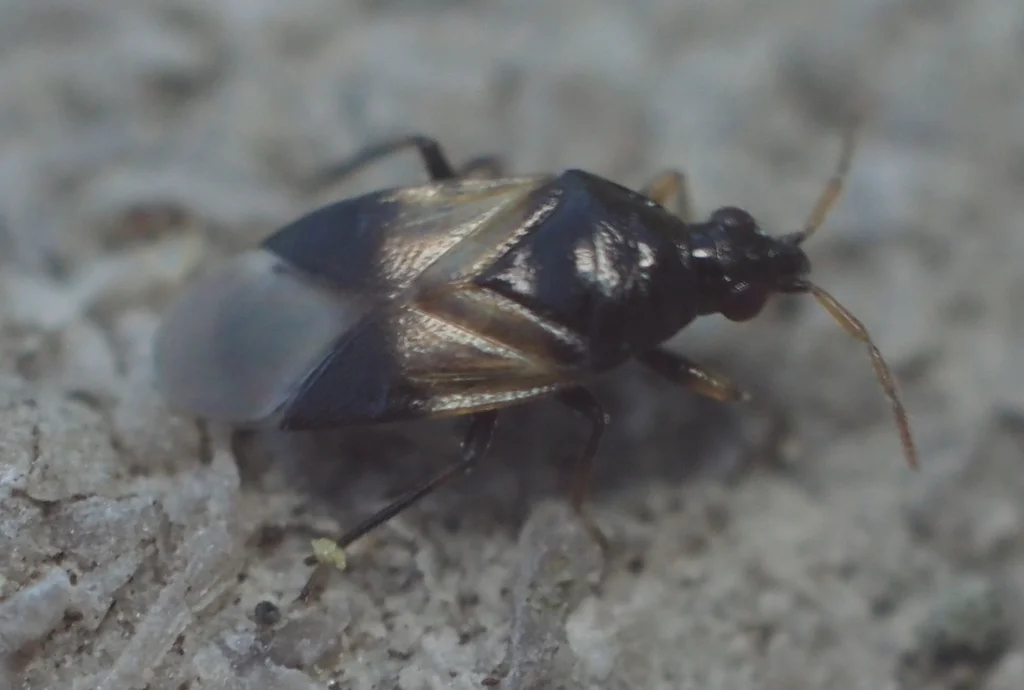
Orius insidiosus
Minute pirate bugs are tiny beneficial predators that can deliver surprisingly painful bites to humans, especially during late summer and fall when their prey becomes scarce.
Taxonomy
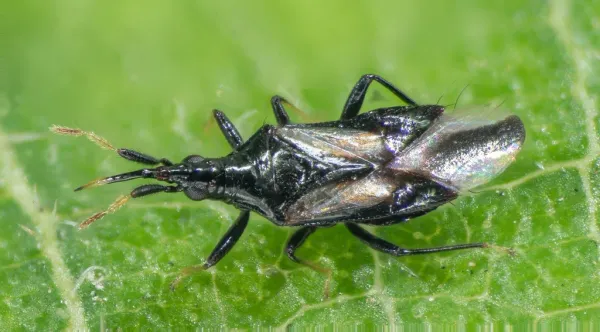
Minute Pirate Bugs Coloration
Common color patterns to help identify minute pirate bugs
Minute Pirate Bugs
Seasonal Activity
When minute pirate bugs are most active throughout the year
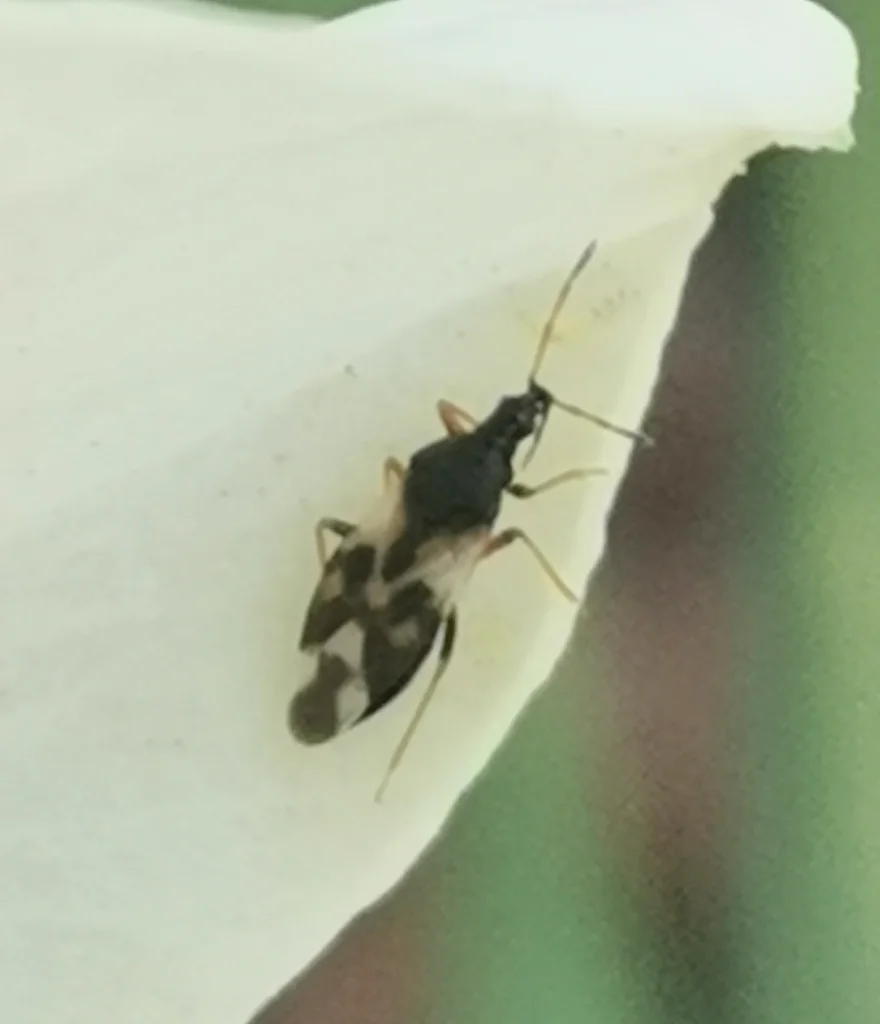
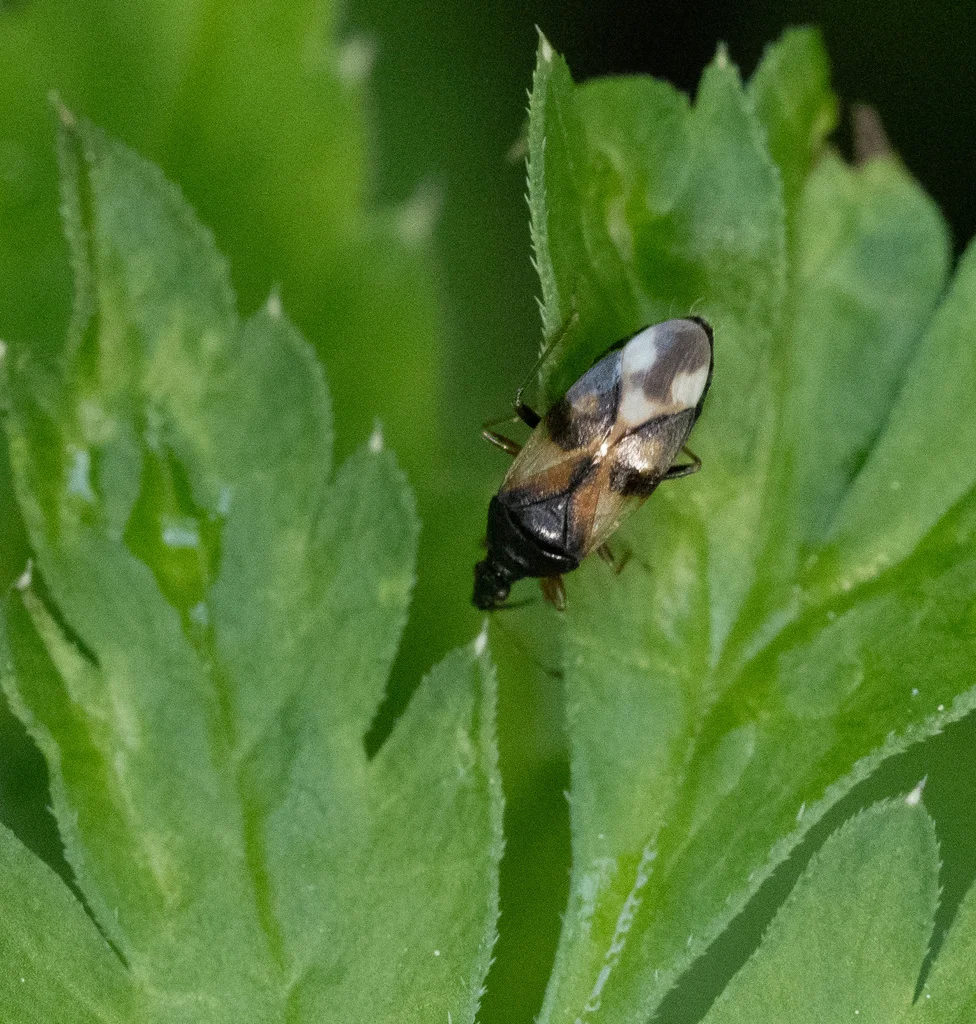
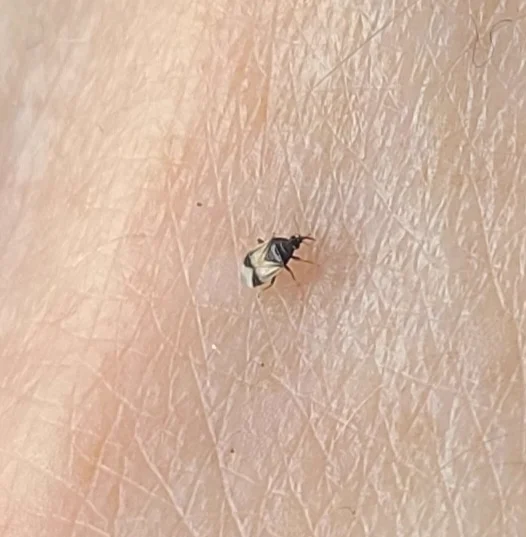

Where Minute Pirate Bugs Are Found
Hover over states to see their names. Green regions indicate where minute pirate bugs have been reported.
Minute Pirate Bug Identification Guide
Physical Characteristics
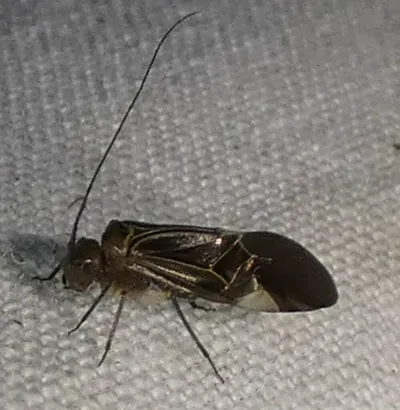
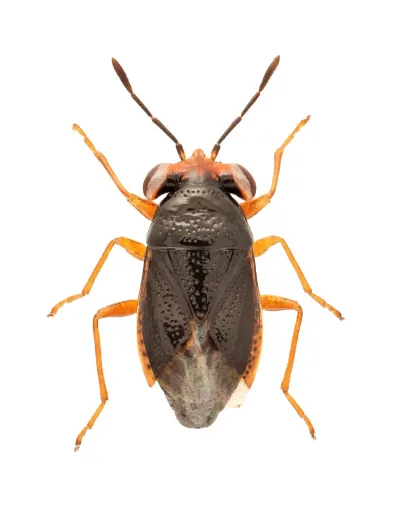
Minute pirate bugs are tiny insects measuring just 2 to 5 millimeters in length, roughly the size of a pinhead. Adults have an oval-shaped body that is mostly black with distinctive white or pale markings on their wings. Their wings form an X-pattern when folded over the back. These insects have a short, blunt beak used for piercing prey and, occasionally, human skin. Nymphs are smaller, teardrop-shaped, and range from colorless when newly hatched to yellowish-brown as they mature.
Despite their small size, minute pirate bugs are fast-moving and agile hunters. They have large compound eyes that give them excellent vision for tracking prey. Their antennae are relatively long compared to their body size and help them detect chemical signals from potential food sources.
Common Species
Several species of minute pirate bugs occur throughout North America:
-
Insidious Flower Bug (Orius insidiosus) - The most common species in the eastern and central United States, often found in agricultural fields and gardens.
-
Western Flower Bug (Orius tristicolor) - Dominant in western North America, frequently used in commercial biological control programs.
-
Minute Pirate Bug (Orius majusculus) - Found across temperate regions, particularly common in orchards and vegetable crops. A related species, Wood Wasps, shares similar characteristics.
Minute Pirate Bug Behavior and Biology A related species, Daddy Long Legs, shares similar characteristics.
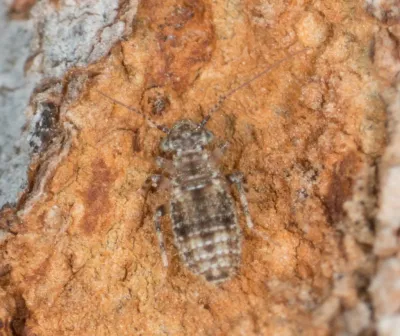
Minute pirate bugs are generalist predators that feed on a wide variety of soft-bodied insects and mites. They are particularly fond of thrips, aphids, spider mites, whiteflies, and the eggs of various pest insects. A single adult can consume dozens of prey items per day, making them valuable allies in pest management. A related species, Harvestmen, shares similar characteristics.
These insects live primarily outdoors in agricultural fields, gardens, and natural vegetation. They are commonly found on flowering plants, where they hunt for prey among the blooms. Minute pirate bugs can also feed on plant pollen when prey is scarce, which helps them survive periods of low insect activity.
Their life cycle progresses through egg, nymph, and adult stages. Females insert eggs into plant tissue, and nymphs emerge after about a week. Nymphs go through five growth stages before becoming adults, with the entire development taking approximately three weeks under favorable conditions. Multiple generations occur each year, with populations building throughout the growing season.
Why They Bite Humans
The painful bites that give minute pirate bugs their notorious reputation typically occur in late summer and fall. As temperatures drop and their insect prey becomes scarce, these bugs actively search for new food sources. When they land on human skin, they probe with their piercing beak to determine if you might be edible. This test bite is purely exploratory. Once they confirm you are not food, they move on without feeding.
The pain from a minute pirate bug bite is disproportionate to the insect’s tiny size. Unlike mosquitoes or other biting insects, they do not inject saliva, venom, or any substance into the skin. The pain comes entirely from the mechanical action of their blunt, needle-like beak piercing the skin. Some people experience only a brief pinprick sensation, while others develop minor swelling or a small red welt that resembles a mosquito bite.
Minute pirate bugs are most likely to bite on warm, sunny fall days when they are actively searching for food. They seem attracted to light-colored clothing, and people working outdoors in gardens, fields, or near vegetation are most commonly affected. The bites are more of a nuisance than a health concern, and there is no risk of disease transmission.
Treatment and Management Strategies
Because minute pirate bugs are beneficial insects that do not infest homes or cause property damage, pest control treatments are generally not recommended. Their presence in gardens and landscapes actually provides natural pest suppression that reduces the need for insecticide applications.
For homeowners dealing with nuisance bites during fall, the most effective approach is personal protection. Wearing long-sleeved shirts, long pants, and closed-toe shoes when working outdoors reduces exposed skin. Avoiding outdoor activities during peak activity times, typically warm afternoons in September and October, can also help minimize encounters.
Insect repellents containing DEET may provide some protection, though results vary. Some people find that the bugs are still attracted to them despite repellent use. Moving to a different area or going indoors when bites become frequent is often the most practical solution.
If bitten, washing the area with soap and water and applying an ice pack can provide relief. Over-the-counter hydrocortisone cream or antihistamine products help reduce itching and swelling. The discomfort from bites typically resolves within a few hours, though some people may experience symptoms for a day or two.
Encouraging Beneficial Populations
Gardeners and farmers who want to maintain healthy minute pirate bug populations should minimize broad-spectrum insecticide use. These insects are susceptible to many common pesticides, including organophosphates, carbamates, and pyrethroids. Targeted pest control approaches that spare beneficial insects help preserve natural predator populations.
Providing diverse flowering plants in the landscape gives minute pirate bugs alternative food sources when insect prey is limited. Plants in the daisy family, herbs, and native wildflowers can support populations throughout the growing season.
References
- Minute Pirate Bug: A Beneficial Generalist Insect Predator - University of Maryland Extension
- Minute Pirate Bug - University of Minnesota Extension
- The Minute Pirate Bug (Orius) - Virginia Tech
- Minute Pirate Bug, Orius insidiosus - Virginia Fruit
- Insidious Flower Bug, Minute Pirate Bug - University of Florida IFAS
Other Other Pests
Explore other species in the other pests family
Commonly Confused With
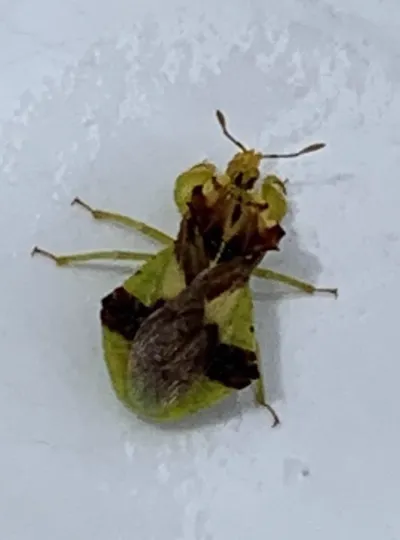
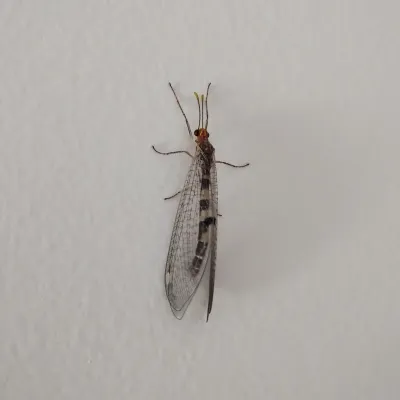
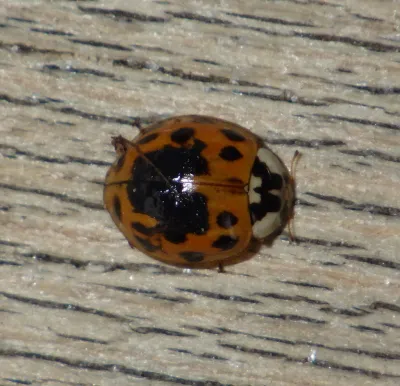
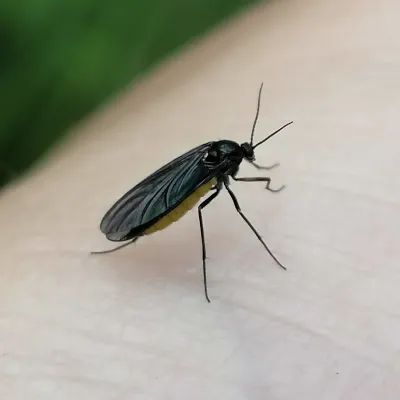
Minute Pirate Bugs are often mistaken for these similar pests
Where Minute Pirate Bugs Are Found
Hover over states to see their names. Green regions indicate where minute pirate bugs have been reported.
Common Questions about Minute Pirate Bugs
Why do minute pirate bugs bite humans?
+
Minute pirate bugs bite humans to test whether you are a food source. They use their piercing mouthparts to probe skin, quickly determining you are not prey and moving on. They do not feed on blood or inject venom.
Are minute pirate bug bites dangerous?
+
No, minute pirate bug bites are not dangerous. They do not transmit diseases or inject venom. While the bite can be surprisingly painful for such a small insect, it causes only temporary discomfort and occasionally minor swelling or redness.
When are minute pirate bugs most active?
+
Minute pirate bugs are most active from late summer through fall, particularly August through October. They become more likely to bite humans during this time as their insect prey populations decline.
How can I avoid minute pirate bug bites?
+
Wear long sleeves and pants when outdoors during late summer and fall. Light-colored clothing may attract them, so darker colors can help. Avoid working outdoors on warm, sunny fall afternoons when they are most active.
Are minute pirate bugs beneficial?
+
Yes, minute pirate bugs are highly beneficial insects. They are voracious predators of aphids, thrips, spider mites, and other soft-bodied pests that damage crops and gardens. They are even commercially raised for biological pest control.
How do I treat a minute pirate bug bite?
+
Wash the bite area with soap and water. Apply an ice pack to reduce swelling and use over-the-counter cortisone cream or antihistamine cream to relieve itching. The discomfort typically resolves within a few hours to a day.

With five years of hands-on experience in the pest control industry, George Schulz is a registered technician with the Virginia Pest Management Association and a proud third-generation professional in a family business that's been protecting homes for over 57 years. He manages and trains a team of service pros while also leading internal research efforts—recently spearheading a deep-dive review of thousands of documents on pest control materials to hand-pick the most kid and pet friendly, most effective solutions tailored specifically for homes in the DC metro area.