Grubs Identification Guide
Scarabaeidae larvae
White grubs are the larval stage of scarab beetles, including June bugs and Japanese beetles. These C-shaped larvae live in soil and feed on grass roots, often causing significant damage to lawns and turf.
Taxonomy
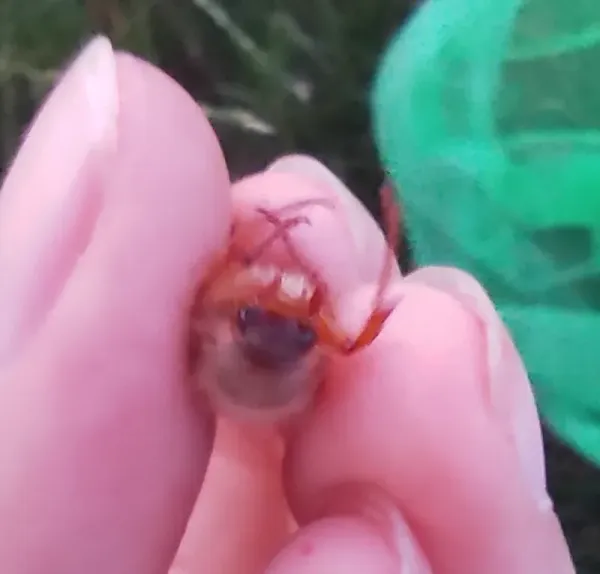
Grubs Coloration
Common color patterns to help identify grubs
Grubs
Seasonal Activity
When grubs are most active throughout the year

Where Grubs Are Found
Hover over states to see their names. Green regions indicate where grubs have been reported.
Grub Identification Guide
Physical Characteristics
White grubs are the immature larval stage of scarab beetles. They have soft, plump bodies that curl into a distinctive C-shape when at rest or disturbed. The body is creamy white to grayish in color, with a darker area visible through the skin near the rear end. This dark patch is waste material in the digestive system.
The head of a grub is hard and ranges from tan to reddish-brown depending on the species. Behind the head are three pairs of jointed legs. These legs are small relative to body size but help the grub move through soil. The rear end of the grub has no legs and is often swollen in appearance.
Grub size varies by species and growth stage. Newly hatched grubs may be only a quarter inch long. Fully grown larvae of larger species like June bugs can exceed two inches. Most lawn-damaging grubs are between half an inch and one inch when they cause the most feeding damage.
Common Species
Several beetle species produce grubs that damage North American lawns:
-
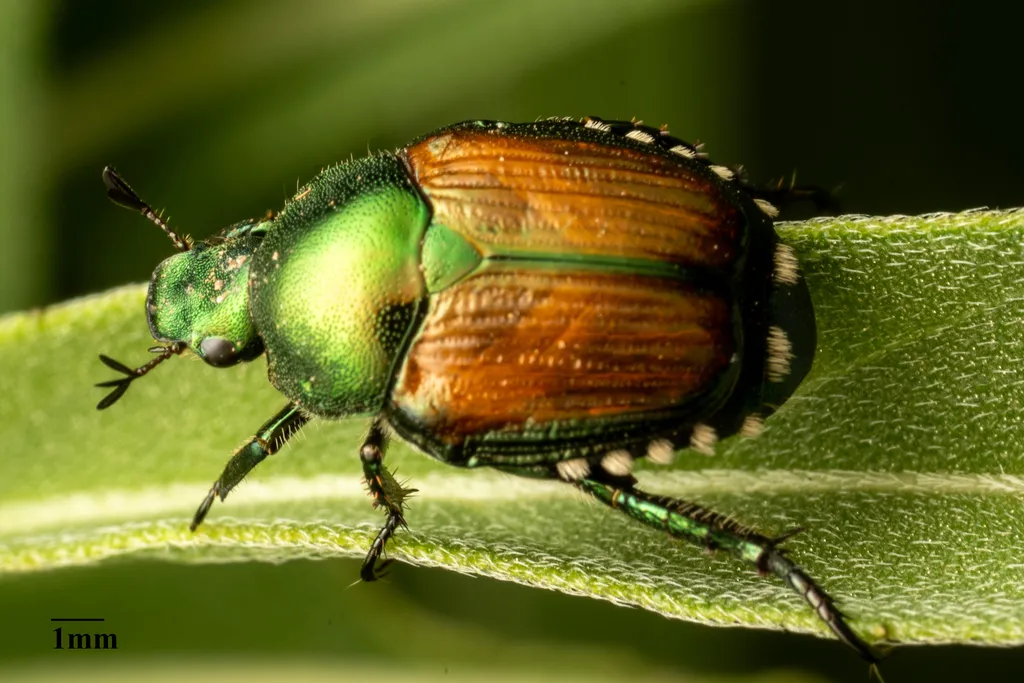
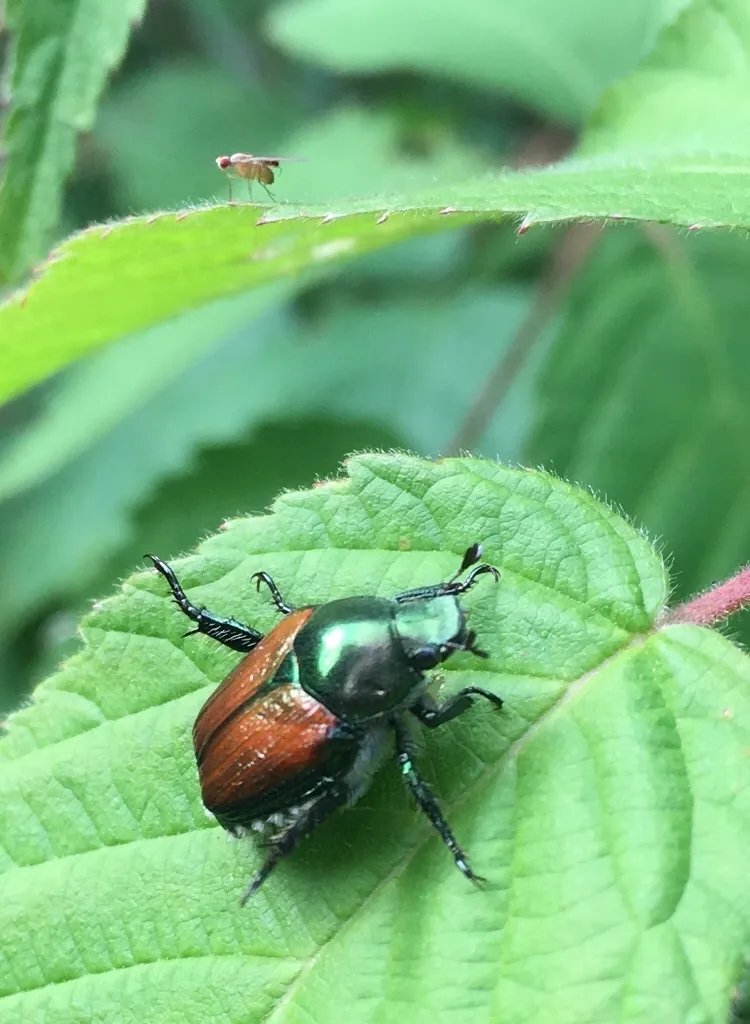
Japanese Beetle Grubs (Popillia japonica): One of the most destructive species in the eastern United States. Adults are metallic green and copper colored. The larvae have a V-shaped pattern of hairs on the underside of the last body segment.
-
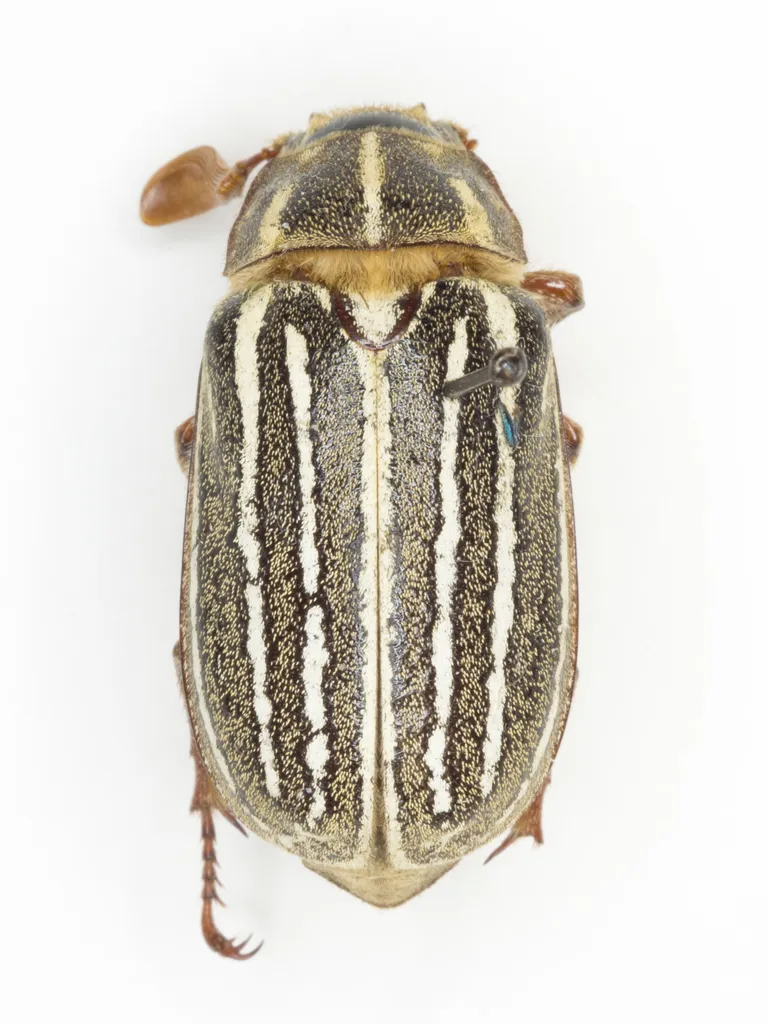
June Bug Grubs (Phyllophaga spp.): Also called May beetles, over 200 species exist in North America. These grubs take two to three years to mature, making them larger than most other species.
-
European Chafer Grubs (Amphimallon majale): Common in the northeastern United States and southeastern Canada. Adults are tan and about half an inch long. This species has a one-year life cycle.
-
Masked Chafer Grubs (Cyclocephala spp.): Found throughout the United States. Adults are brown beetles that fly at night. Northern and southern species are the most common.
-
Green June Beetle Grubs (Cotinis nitida): Common in the southeastern states. These grubs are unusual because they crawl on their backs and sometimes emerge from soil at night.
Grub Behavior and Biology A related species, Dermestid Beetles, shares similar characteristics.
White grubs spend most of their lives underground. Female beetles lay eggs in soil during summer, often in lawns with healthy grass. The eggs are small, white, and oval shaped. They hatch within one to three weeks depending on temperature and moisture. A related species, False Powderpost Beetles, shares similar characteristics.
Newly hatched grubs immediately begin feeding on roots and organic matter. They go through three growth stages called instars. First instar grubs are tiny and cause little damage. Second and third instar grubs have larger appetites and do most of the root feeding that kills grass.
As fall temperatures drop, grubs burrow deeper into soil to avoid freezing. They may move down eight to twelve inches or more. When spring arrives and soil warms, grubs return to the root zone for more feeding before pupating. The pupal stage lasts two to three weeks, after which the adult beetle emerges.
Life cycle length varies by species. Japanese beetles and European chafers complete their cycle in one year. June bugs may take two to three years to mature. This means multiple grub generations can be present in soil at the same time.
Signs of Grub Damage
Grub feeding severs grass roots from the plant above. Early damage appears as wilting or drought stress even when moisture is adequate. As feeding continues, patches of lawn turn brown and die.
A key sign of grub damage is that affected turf peels back like carpet. Without roots to anchor it, the grass lifts easily from the soil surface. Rolling back damaged turf often reveals the white grubs beneath.
Animal digging is another common indicator. Skunks, raccoons, armadillos, moles, and birds all feed on grubs. These animals can sense grubs below the surface and will tear up lawns to reach them. The animal damage is often worse than the grub feeding itself.
Treatment Methods for Grubs
Controlling grubs requires understanding their life cycle and timing treatments appropriately. Different approaches work at different times of year.
Preventive Treatments
Preventive products work by stopping grub development before damage occurs. These treatments are applied in late spring to early summer, before beetles lay eggs or just as eggs hatch. The active ingredients persist in soil and kill young grubs as they begin feeding.
Timing is important for preventive treatments. Applying too early means the product may break down before grubs hatch. Applying too late misses the window when small grubs are most vulnerable.
Curative Treatments
Curative products kill existing grubs and work best when larvae are actively feeding near the surface. Late summer through early fall is typically the best treatment window. Spring applications can also work, but grubs are larger and harder to kill at this time.
Watering after application helps move the product into the soil where grubs feed. Most products require at least half an inch of water within 24 hours of application.
Biological Controls
Several biological options can reduce grub populations over time:
-
Milky Spore Disease (Paenibacillus popilliae): A bacterium that specifically targets Japanese beetle grubs. Once established in soil, it can provide control for ten years or more. It takes one to three years to build up effective populations.
-
Nematodes: These are microscopic worms that hunt and kill grubs in soil. Species like Heterorhabditis bacteriophora are most effective against white grubs. They work best in moist soil and moderate temperatures.
Cultural Practices
Healthy lawns tolerate more grub feeding than stressed turf. Proper mowing height, appropriate fertilization, and adequate watering help grass recover from minor grub damage. Avoiding heavy irrigation in June and July can make lawns less attractive to egg-laying beetles. While grubs attack roots below ground, many garden pests like aphids and spotted lanternflies damage plants above ground by feeding on sap. For help identifying grubs and other beetle larvae you find in your yard, see our guide on understanding beetle larva.
References
Other Other Pests
Explore other species in the other pests family
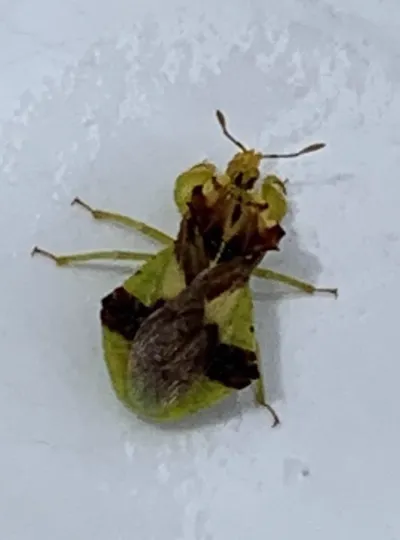
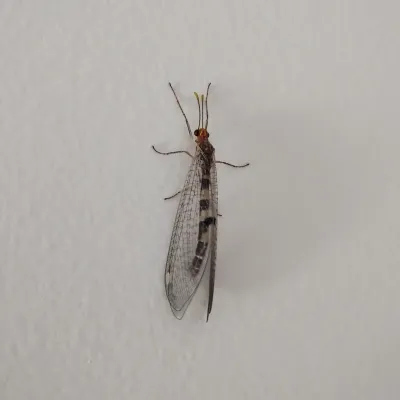
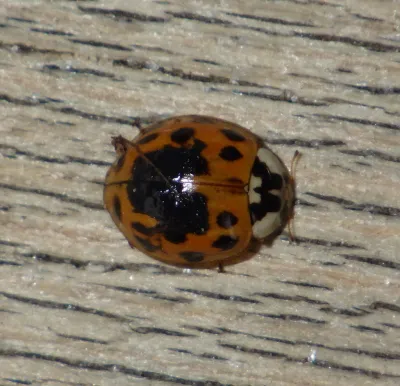
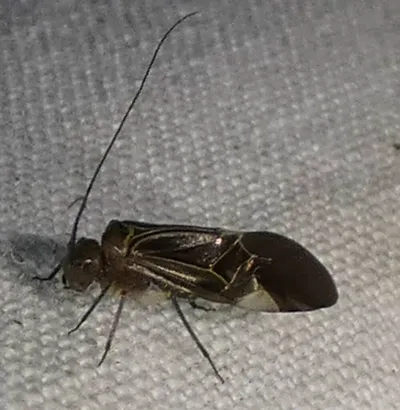
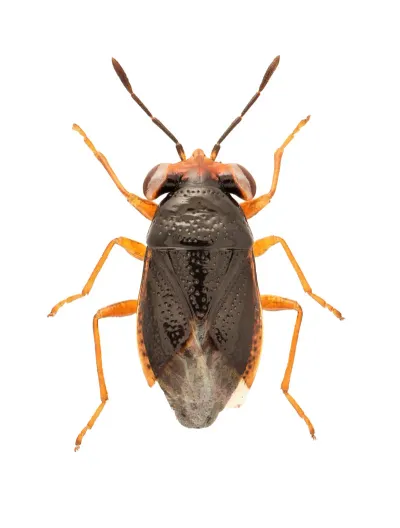
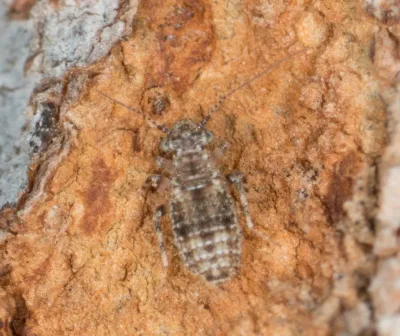
Commonly Confused With
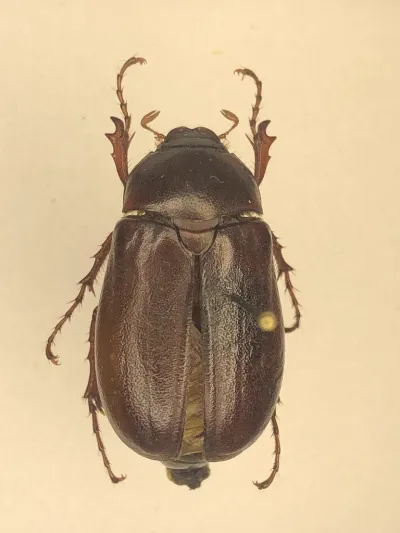
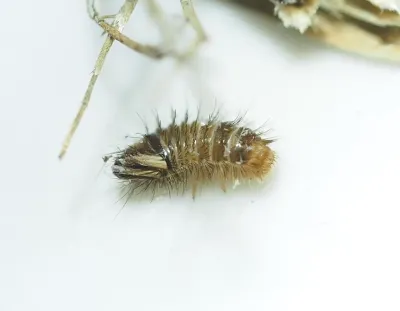
Grubs are often mistaken for these similar pests
Where Grubs Are Found
Hover over states to see their names. Green regions indicate where grubs have been reported.
Common Questions about Grubs
What do grubs look like?
+
White grubs are soft-bodied larvae with a distinctive C-shaped curl. They have cream or grayish-white bodies with a brown or orange head and six small legs near their head. Mature grubs can reach one to two inches in length depending on the species.
How do I know if I have grubs in my lawn?
+
Signs of grub damage include irregular brown patches in your lawn that feel spongy underfoot. Affected grass pulls up easily because the roots have been eaten. You may also notice increased activity from animals like skunks, raccoons, and birds digging in your lawn to feed on grubs.
When are grubs most active?
+
Grubs feed most actively from late summer through fall and again in spring. They hatch from eggs in mid to late summer and immediately begin feeding on grass roots. In fall, they burrow deeper to avoid frost, then return to the root zone in spring before pupating into adult beetles.
How many grubs are too many?
+
A healthy lawn can tolerate a small grub population. Most turf experts suggest treatment when counts exceed five to ten grubs per square foot. To check, cut a one-foot square section of turf about three inches deep and count the grubs you find.
What beetles do grubs turn into?
+
White grubs develop into various scarab beetles depending on the species. The most common include Japanese beetles, June bugs (May beetles), European chafers, and masked chafers. Each species has a different life cycle length, ranging from one to three years.
Do grubs bite or sting?
+
No, grubs do not bite or sting. They have chewing mouthparts designed for feeding on plant roots and organic matter in soil. Grubs are harmless to handle, though they may release a small amount of waste if disturbed.
Can grubs damage more than lawns?
+
Yes, grubs can damage garden plants, ornamental plantings, and vegetable gardens by feeding on roots. Heavy infestations can kill young trees and shrubs. Some grub species also feed on the roots of corn, strawberries, potatoes, and other crops.
Why do grubs curl into a C-shape?
+
The C-shaped posture is a natural resting position for white grubs and helps distinguish them from other soil-dwelling larvae. This body shape results from their anatomy and how they move through soil. When disturbed, grubs typically curl tighter into this characteristic position.

With five years of hands-on experience in the pest control industry, George Schulz is a registered technician with the Virginia Pest Management Association and a proud third-generation professional in a family business that's been protecting homes for over 57 years. He manages and trains a team of service pros while also leading internal research efforts—recently spearheading a deep-dive review of thousands of documents on pest control materials to hand-pick the most kid and pet friendly, most effective solutions tailored specifically for homes in the DC metro area.