Varroa Mites Identification Guide
Varroa destructor
Varroa mites are parasitic arachnids that attack honeybees, feeding on their fat bodies and transmitting deadly viruses. They are considered the most damaging pest affecting managed honeybee colonies worldwide.
Taxonomy
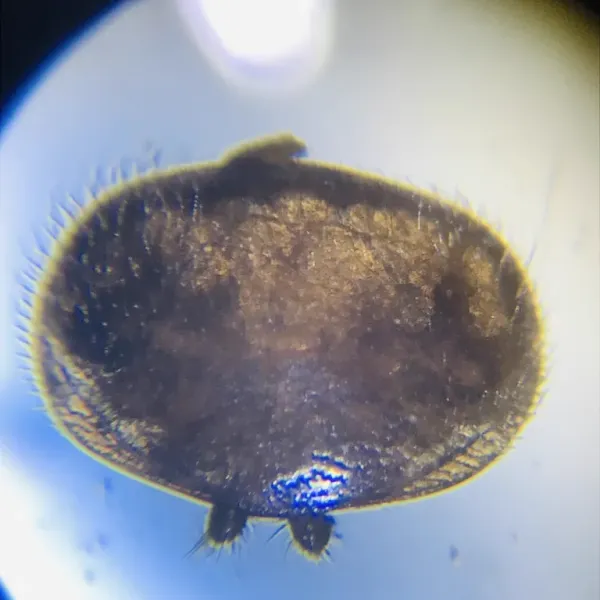
Varroa Mites Coloration
Common color patterns to help identify varroa mites
Varroa Mites
Seasonal Activity
When varroa mites are most active throughout the year

Where Varroa Mites Are Found
Hover over states to see their names. Green regions indicate where varroa mites have been reported.
Varroa Mites Identification Guide
Physical Characteristics
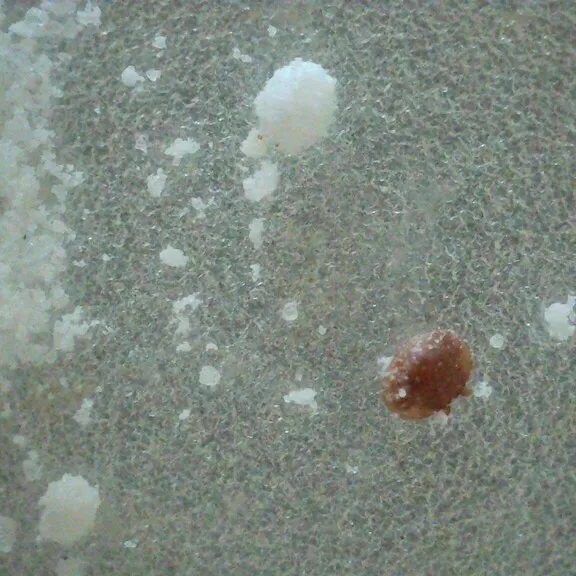
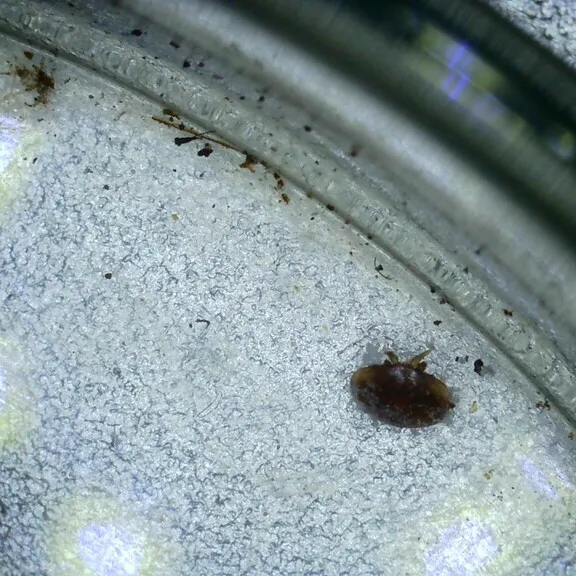
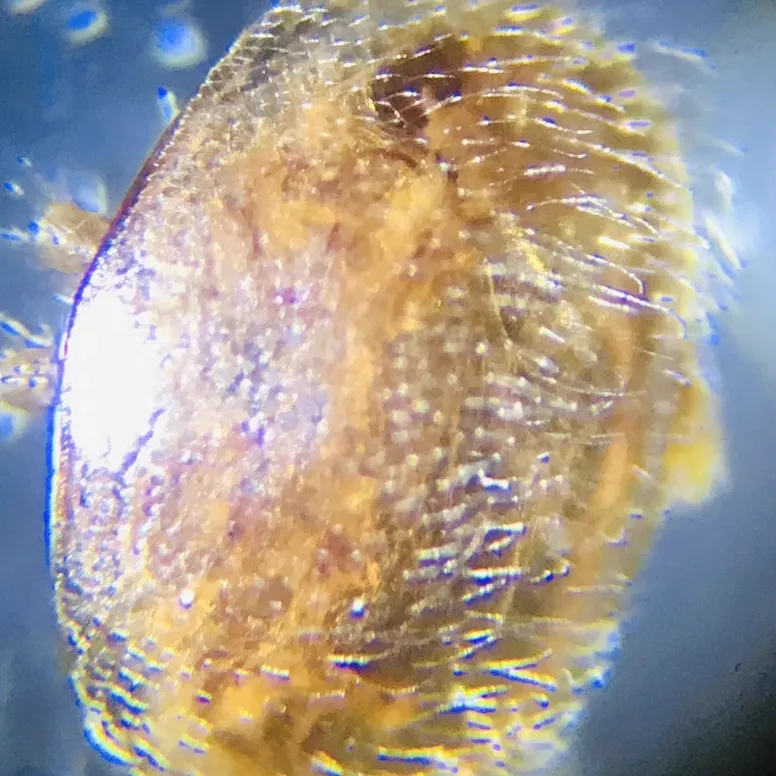
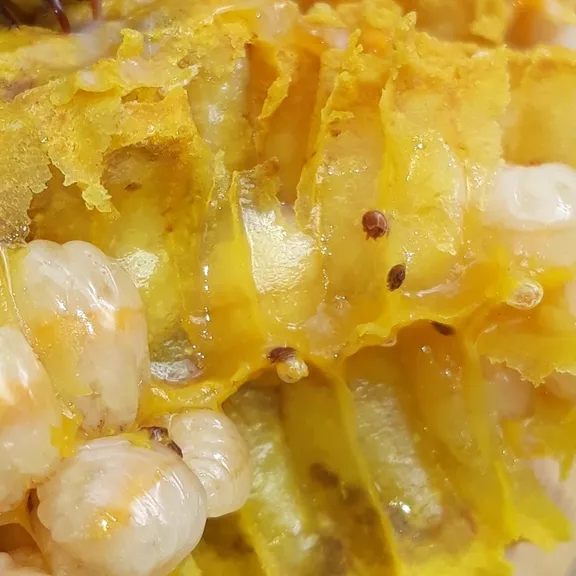
Varroa mites are large enough to see without a microscope. Adult females are about 1.1mm wide and 1.6mm long. They have flat, oval bodies that look reddish-brown in color. This makes them easy to spot against the lighter bodies of honeybees. Fine hairs cover their bodies and help them hold onto bees. Male mites are smaller and rounder with a lighter color. They stay inside brood cells and are rarely seen.
These mites have eight legs. The front pair helps them grab onto bees. From above, their bodies look like tiny crabs or buttons. Their flat shape lets them squeeze between the segments of a bee’s body. This makes them hard for bees to remove by grooming.
Common Species
Varroa destructor (Common Varroa Mite): This is the main species that attacks European honeybees in North America.
Varroa jacobsoni: A related species that mostly attacks Asian honeybees. Scientists thought these were the same species until DNA testing in 2000 showed they were different.
Varroa Mites Behavior and Biology
Varroa mites have two main life stages: a traveling phase and a breeding phase. During the traveling phase, adult female mites ride on adult bees. They prefer nurse bees because these bees spend lots of time near developing larvae. This phase can last several months.
The breeding phase starts when a female mite enters an open brood cell with a bee larva inside. She does this about one day before workers seal the cell. The mite hides in the food at the bottom of the cell. About 60 to 70 hours after the cell is sealed, she lays her first egg. This egg becomes a male. She then lays female eggs every 26 to 32 hours. A related species, Velvet Mites, shares similar characteristics.
The mother mite and her young feed on the developing bee pupa. They pierce its skin and eat its fat body tissue. Scientists used to think mites drank bee blood. New research shows they actually eat the fat body instead. This organ works like a liver and helps bees fight disease and survive winter. A related species, Notoedric Mange Mites, shares similar characteristics.
When the adult bee leaves its cell, mature female mites leave with it. They start the traveling phase again. Males and young females that did not finish growing die in the empty cell. One female mite can breed up to seven times in her life. She may produce 30 offspring total. A related species, Chiggers, shares similar characteristics.
Impact on Honeybee Health A related species, Scabies Mites, shares similar characteristics.
Varroa mites hurt bees in two main ways. First, feeding on the fat body makes bees weaker. Infested bees weigh less, learn slower, live shorter lives, and cannot fly as well. A related species, Spider Mites, shares similar characteristics.
Second, varroa mites spread deadly viruses. Deformed Wing Virus is the most common. Bees with this virus have crumpled wings and cannot fly or gather food. The mites also spread Acute Bee Paralysis Virus, Israeli Acute Paralysis Virus, and other diseases. A related species, Bulb Mites, shares similar characteristics.
When mite numbers get too high, the whole colony gets sick. Beekeepers call this condition varroosis. Signs include spotty brood patterns, crawling adult bees, and shrinking populations. Colonies without treatment usually die within 2 to 3 years. Most deaths happen in winter when bees are stressed and cannot bounce back.
Treatment Methods for Varroa Mites
Varroa mites only attack honeybees. They do not infest homes or bother people. This means pest control companies do not treat for them. Beekeepers handle varroa mite control themselves. Another bee parasite, the tracheal mite, also affects honeybee health but lives inside the bee’s breathing tubes rather than on the outside.
Combined Treatment Methods
Good varroa control uses several methods together. Beekeepers should try physical and hive management methods first. Chemical treatments work best as a backup option.
Checking Mite Levels
Beekeepers need to check mite levels often. The alcohol wash is one common method. About 300 bees go into a jar of rubbing alcohol. Shaking the jar knocks mites off the bees so they can be counted. The sugar roll method works the same way but uses powdered sugar instead. This does not kill the sample bees.
Physical and Hive Management Methods
- Screened bottom boards let fallen mites drop out of the hive
- Removing drone brood traps breeding mites in cells that get thrown away
- Stopping the queen from laying eggs for a while breaks the mite breeding cycle
- Breeding programs create bees that clean out mite-infested cells on their own
Chemical Treatments
When needed, beekeepers can use several chemical options. These include organic acids like oxalic acid and formic acid. Thymol, made from thyme oil, is another choice. Stronger synthetic chemicals called miticides are also available. Beekeepers must time treatments correctly and switch between products. This helps prevent mites from becoming resistant.
References
Other Mites
Explore other species in the mites family
Commonly Confused With
Varroa Mites are often mistaken for these similar pests
Where Varroa Mites Are Found
Hover over states to see their names. Green regions indicate where varroa mites have been reported.
Common Questions about Varroa Mites
What are varroa mites?
+
Varroa mites (Varroa destructor) are external parasites that feed exclusively on honeybees. They are reddish-brown, oval-shaped arachnids about 1-1.8mm wide that attach to adult bees and developing larvae, weakening colonies by feeding on their fat bodies and transmitting viruses.
Are varroa mites harmful to humans?
+
No, varroa mites do not bite or affect humans in any way. They are obligate parasites of honeybees and cannot survive without their bee hosts. They pose no direct threat to people or other animals.
How do varroa mites spread between bee colonies?
+
Varroa mites spread through drifting bees that move between colonies, robbing behavior when bees from one hive enter another, and the purchase or movement of infested bee packages and equipment. They can also spread when wild swarms carry mites to new locations.
What are the signs of varroa mite infestation in bees?
+
Signs include deformed wings on adult bees (caused by Deformed Wing Virus transmitted by mites), scattered brood patterns, crawling bees unable to fly, reduced colony population, and visible mites on adult bees or in brood cells.
Can varroa mites be seen with the naked eye?
+
Yes, adult female varroa mites are large enough to see without magnification. They appear as small reddish-brown dots about the size of a pinhead attached to adult bees or visible in opened brood cells.
Where did varroa mites come from?
+
Varroa mites originated in Asia where they parasitized the Asian honeybee (Apis cerana). In the 1950s, they shifted hosts to the European honeybee (Apis mellifera) and have since spread to every continent except Australia, which detected its first infestation in 2022.
How long can a bee colony survive with varroa mites?
+
Without management, honeybee colonies typically collapse within 2-3 years of varroa infestation in temperate climates. The mites weaken individual bees and transmit viruses that ultimately cause colony death, especially during winter months.

With five years of hands-on experience in the pest control industry, George Schulz is a registered technician with the Virginia Pest Management Association and a proud third-generation professional in a family business that's been protecting homes for over 57 years. He manages and trains a team of service pros while also leading internal research efforts—recently spearheading a deep-dive review of thousands of documents on pest control materials to hand-pick the most kid and pet friendly, most effective solutions tailored specifically for homes in the DC metro area.