Two-Spotted Spider Mites Identification Guide
Tetranychus urticae
Two-spotted spider mites are tiny plant-feeding arachnids known for the distinctive dark spots on their backs. These microscopic pests attack over 200 plant species and can rapidly devastate gardens and ornamental plants in hot, dry conditions.
Taxonomy
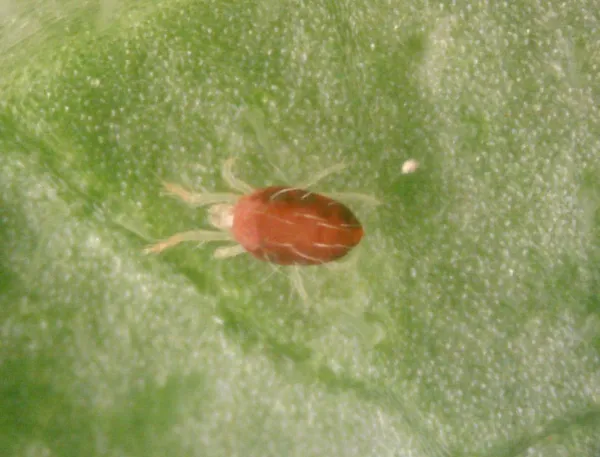
Two-Spotted Spider Mites Coloration
Common color patterns to help identify two-spotted spider mites
Two-Spotted Spider Mites
Seasonal Activity
When two-spotted spider mites are most active throughout the year

Where Two-Spotted Spider Mites Are Found
Hover over states to see their names. Green regions indicate where two-spotted spider mites have been reported.
Two-Spotted Spider Mites Identification Guide
Physical Characteristics
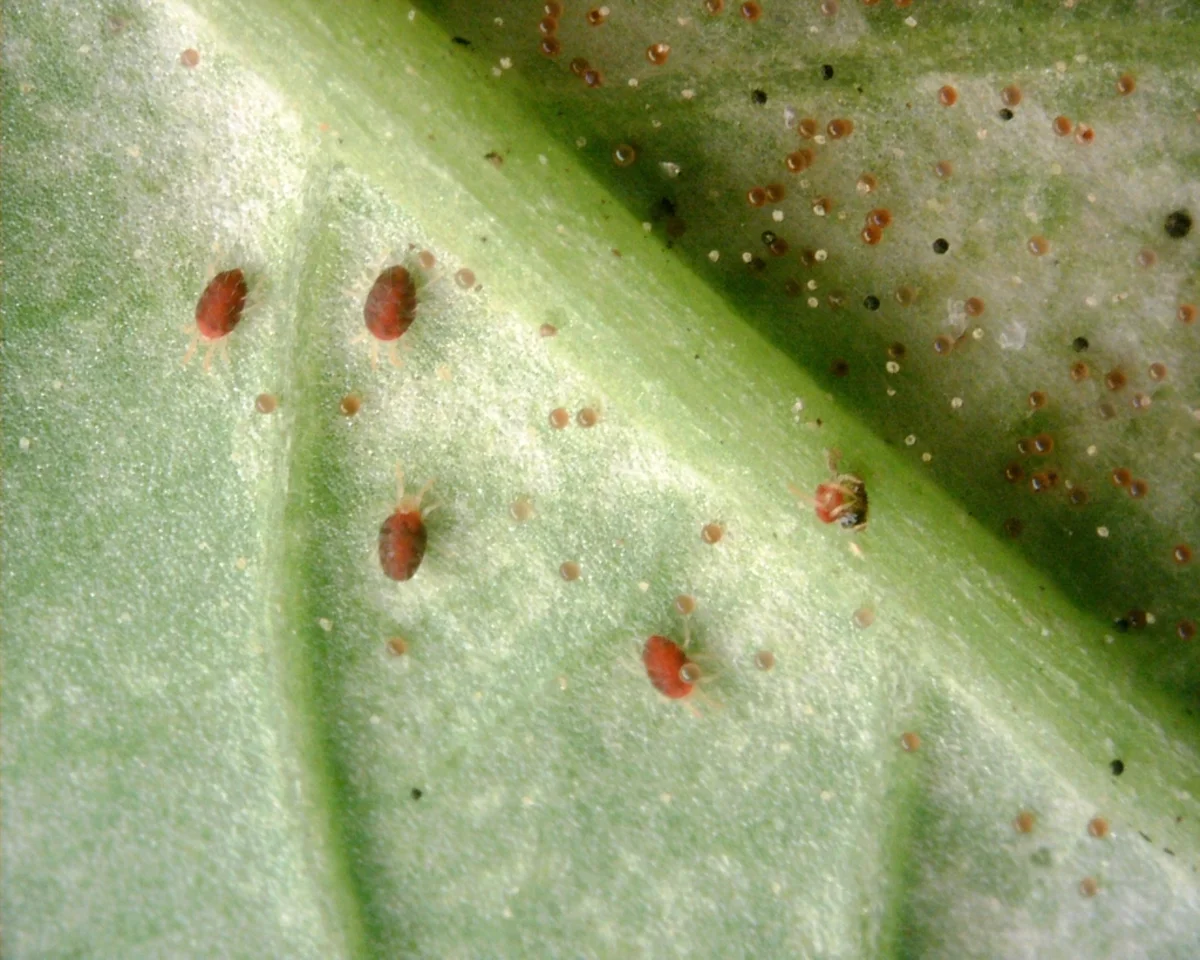
Two-spotted spider mites (Tetranychus urticae) are one of the most common spider mites and plant pests in North America. These tiny pests measure only about 0.4 to 0.5 millimeters long. They are barely visible without a magnifying glass. You can often spot them by the damage they cause and the fine webbing they leave behind.
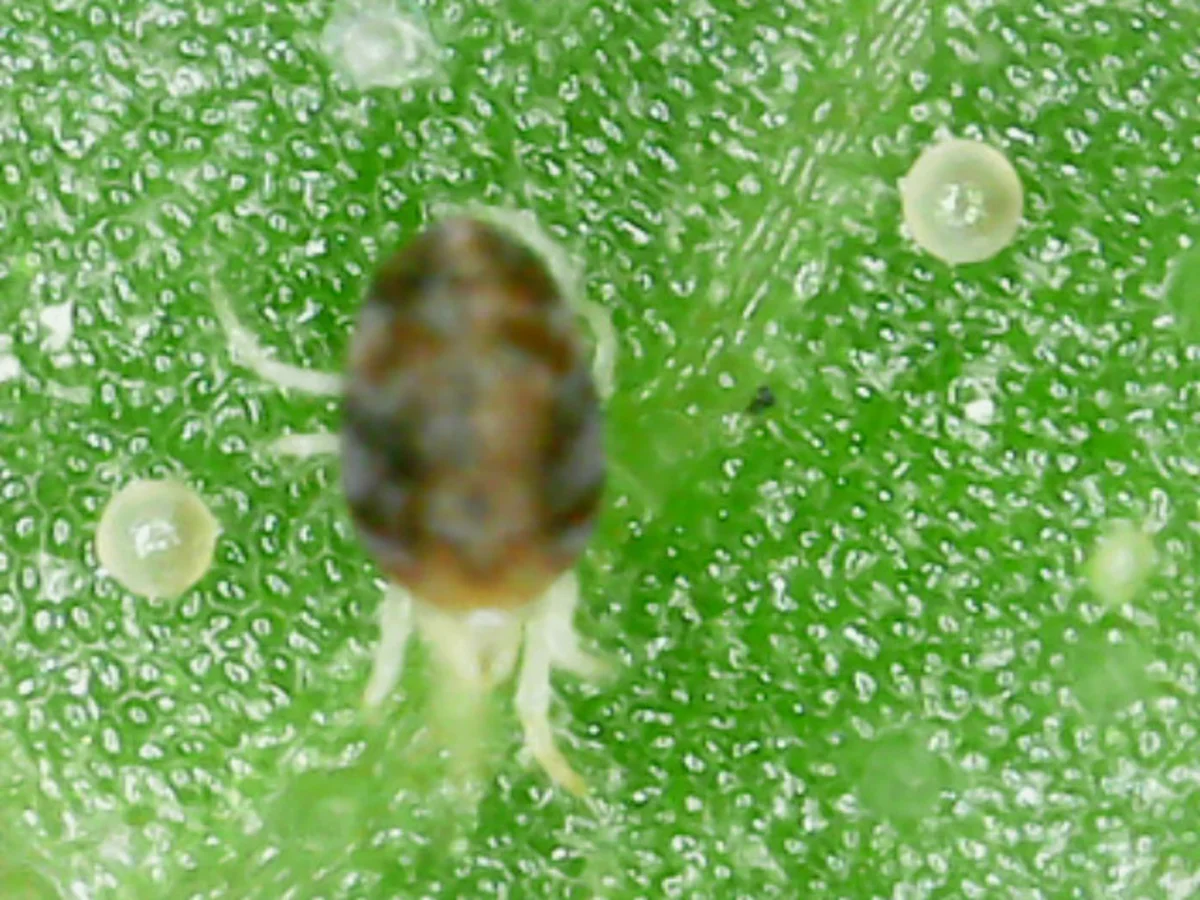
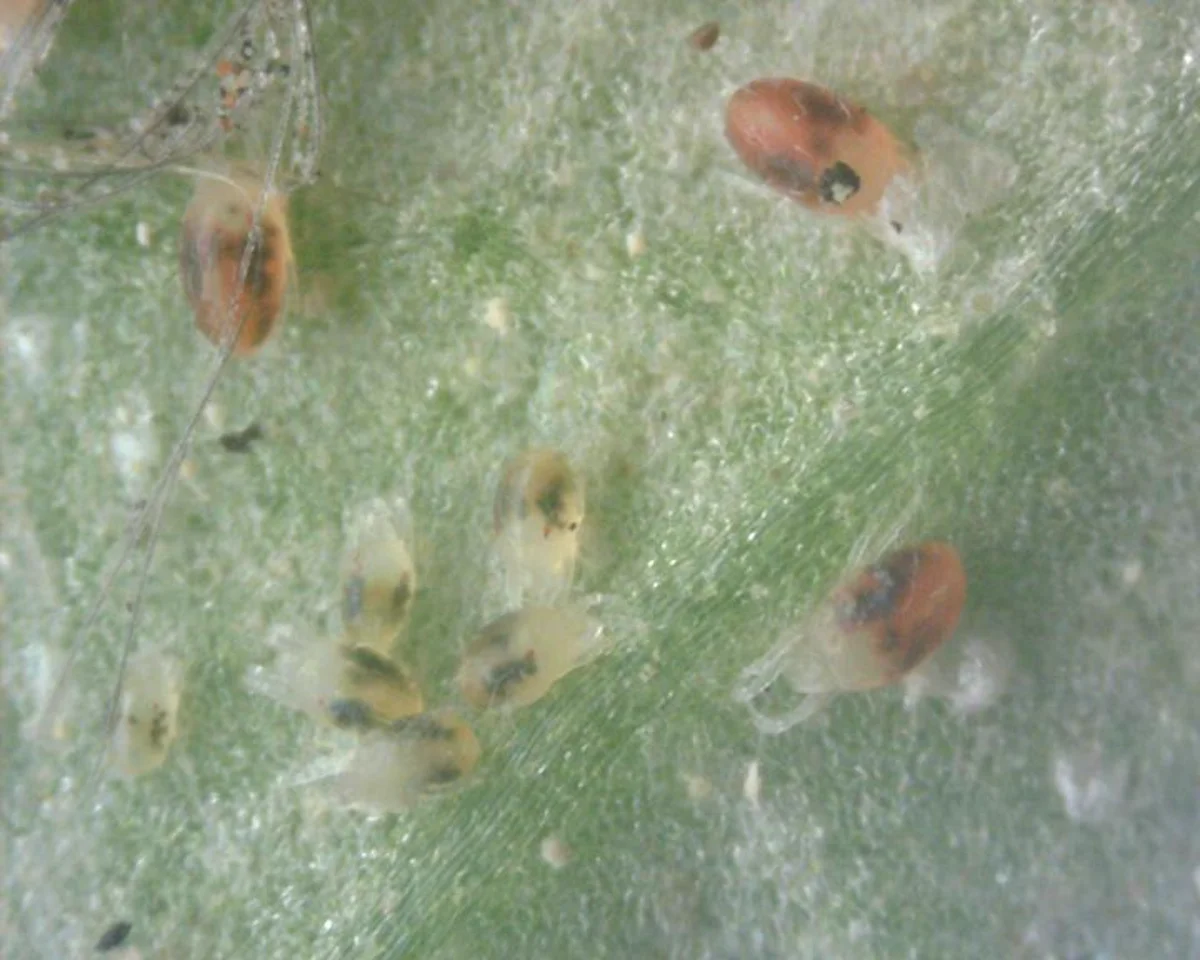
These mites have oval bodies with eight legs. Their color changes based on what they eat, the season, and their age. In summer, they are usually yellow-green to amber. They have two dark spots on either side of their body. These spots are waste products visible through their clear skin. In winter, females turn bright orange-red.
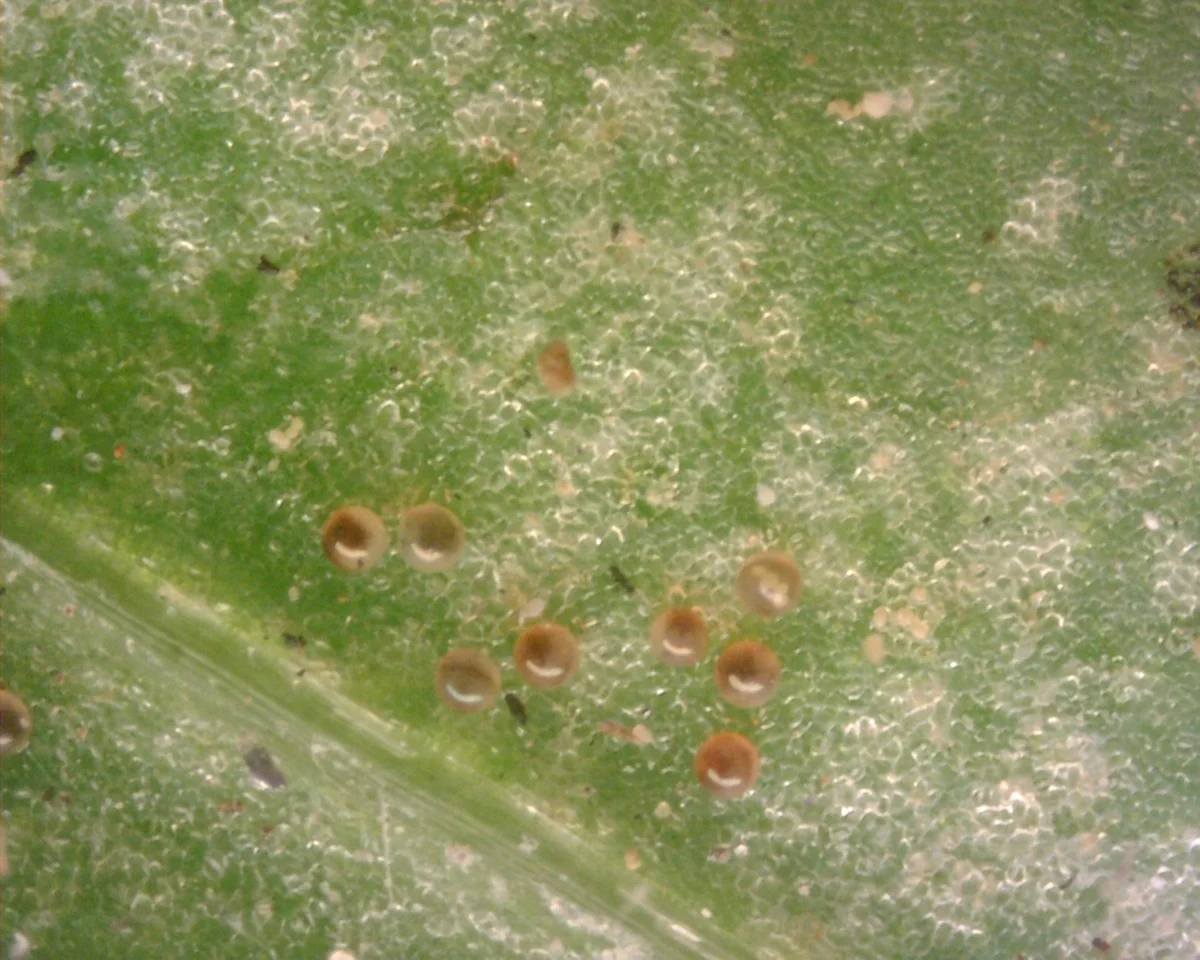
Males are smaller than females with narrower bodies. They move around more as they search for mates. Females are rounder and lay small, pearl-like eggs in webbing on the bottom of leaves.
Life Cycle and Development
Two-spotted spider mites go through five life stages: egg, larva, protonymph, deutonymph, and adult. The round eggs are clear when first laid. They turn yellowish over time. After 3 to 15 days, six-legged larvae hatch and start feeding right away.
The nymph stages have eight legs and show the two dark spots. In warm, dry weather, mites can grow from egg to adult in just five days. Each female can lay up to 20 eggs per day. She may produce 120 eggs in her lifetime. This fast breeding explains why their numbers can explode overnight in summer.
Two-Spotted Spider Mites Behavior and Biology
Feeding Habits and Plant Damage
Two-spotted spider mites feed by poking into plant cells and sucking out the contents. This kills the green cells in leaves. The damage shows up as tiny yellow or white spots called stippling. Over time, entire leaves turn bronze, silver, or bleached looking. A related species, Velvet Mites, shares similar characteristics.
These mites like the undersides of leaves. The bottom of leaves has more moisture and shade. They usually start at the bottom of plants and move up. Plants with heavy infestations get covered in fine webbing. A related species, Notoedric Mange Mites, shares similar characteristics.
Host Range and Preferred Plants A related species, Chiggers, shares similar characteristics.
Two-spotted spider mites attack more than 1,100 plant types worldwide. In home gardens, they often target tomatoes, peppers, cucumbers, beans, strawberries, and melons. They also attack flowers like roses, marigolds, dahlias, and chrysanthemums. Fruit trees like apples, peaches, and citrus can suffer major damage during outbreaks. On apple and pear trees, european red mites often cause similar damage.
Plants stressed by drought, heat, or poor nutrition are most at risk. These stressed plants have weaker defenses against mite feeding.
Seasonal Activity
Spider mite activity follows temperature patterns. They become active when temperatures stay above 55 degrees Fahrenheit in spring. Numbers grow through late spring and early summer. Populations explode during the hottest, driest parts of July and August. One female can produce thousands of offspring within a month in these conditions.
As temperatures drop in fall, females find shelter in bark cracks, leaf litter, and ground cover. They stay dormant until warm spring weather returns.
Treatment Methods for Two-Spotted Spider Mites
Managing two-spotted spider mites works best with a mix of prevention, monitoring, and treatment when needed.
Cultural and Preventive Strategies
-
Proper watering: Spider mites love drought-stressed plants. Water your plants about one inch per week. This helps plants stay healthy and resist attack.
-
Regular monitoring: Check plants every three to five days in warm weather. Tap leaves over white paper to spot mites. They look like tiny moving specks. Finding them early stops big problems later.
-
Plant hygiene: Remove and throw away badly infested plant parts. Do not put sick plants near healthy ones.
-
Water spray: A strong spray of water can knock mites off plants. Aim at the bottoms of leaves where mites gather. This works best for light infestations.
Biological Control Options
Predatory mites like Phytoseiulus persimilis eat spider mites. Lady beetles, lacewing larvae, and big-eyed bugs also feed on them. These natural enemies can help keep spider mite numbers down.
Chemical Treatment Options
For bad infestations, targeted miticides or acaricides may be needed. Insecticidal soaps and horticultural oils work well against spider mites. These products kill mites on contact. You must spray the bottoms of leaves thoroughly for them to work. Plan to spray again in five to seven days to kill newly hatched mites.
For ongoing problems, specialized miticides may help. Your local extension service can suggest the right products. Switching between different product types helps prevent mites from becoming resistant to treatment.
References
Other Mites
Explore other species in the mites family
Commonly Confused With
Two-Spotted Spider Mites are often mistaken for these similar pests
Where Two-Spotted Spider Mites Are Found
Hover over states to see their names. Green regions indicate where two-spotted spider mites have been reported.
Common Questions about Two-Spotted Spider Mites
How can I tell if I have two-spotted spider mites on my plants?
+
Look for tiny yellow or white speckles on leaves, which indicate feeding damage. As infestations progress, leaves may appear bronzed or bleached. Check the undersides of leaves for tiny moving specks and fine webbing, which are telltale signs of spider mites.
Are two-spotted spider mites harmful to humans or pets?
+
No, two-spotted spider mites do not bite humans or pets and pose no direct health risk. They are exclusively plant feeders and are only a concern for gardens, houseplants, and agricultural crops.
What plants do two-spotted spider mites attack?
+
Two-spotted spider mites are extremely polyphagous, feeding on over 200 plant species. Common targets include tomatoes, peppers, beans, strawberries, roses, marigolds, and many houseplants. They particularly thrive on plants under drought stress.
Why do spider mite populations explode in summer?
+
Hot, dry conditions accelerate spider mite reproduction dramatically. Under high temperatures above 90 degrees Fahrenheit, a single mite can produce hundreds of offspring within two weeks. Populations can increase 70 times in as few as six days during ideal conditions.
What is the fine webbing I see on my plants?
+
The silken webbing is produced by spider mites as they colonize plants. This webbing protects them from predators and helps maintain humidity around their colonies. Heavy webbing indicates a severe infestation that requires immediate attention.
Will two-spotted spider mites spread to my indoor plants?
+
Yes, spider mites can easily spread between plants, including indoor houseplants. They can hitchhike on clothing, pets, or new plants brought into your home. Inspect new plants carefully before adding them to your collection.
How long does it take for spider mites to damage a plant?
+
Damage can occur rapidly, especially in hot weather. A plant can show visible stippling within days of initial infestation, and severe damage including leaf drop can occur within one to two weeks if left untreated.

With five years of hands-on experience in the pest control industry, George Schulz is a registered technician with the Virginia Pest Management Association and a proud third-generation professional in a family business that's been protecting homes for over 57 years. He manages and trains a team of service pros while also leading internal research efforts—recently spearheading a deep-dive review of thousands of documents on pest control materials to hand-pick the most kid and pet friendly, most effective solutions tailored specifically for homes in the DC metro area.