Straw Itch Mites Identification Guide
Pyemotes tritici
Straw itch mites are microscopic parasites that feed on insect larvae in stored grain, hay, and straw. They bite humans who handle infested materials, causing intensely itchy skin lesions.
Taxonomy
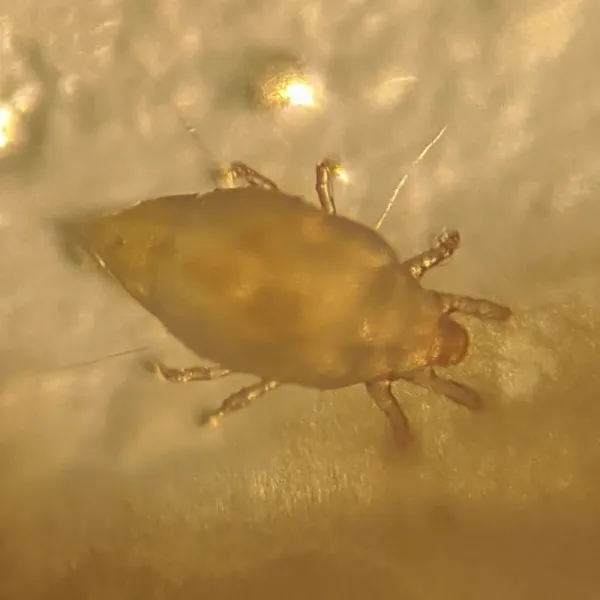
Straw Itch Mites Coloration
Common color patterns to help identify straw itch mites
Straw Itch Mites
Seasonal Activity
When straw itch mites are most active throughout the year

Where Straw Itch Mites Are Found
Hover over states to see their names. Green regions indicate where straw itch mites have been reported.
Straw Itch Mites Identification Guide
Physical Characteristics
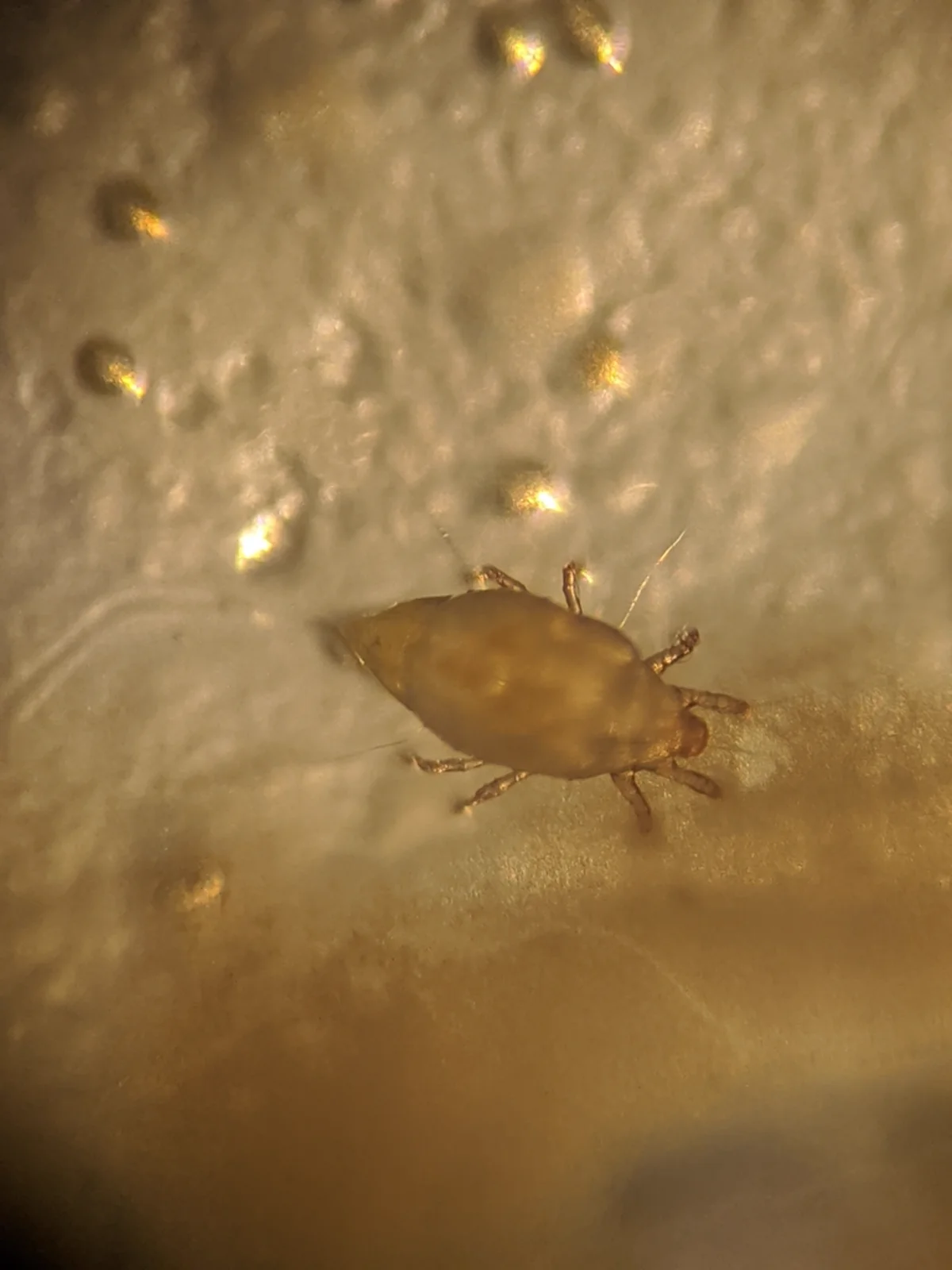
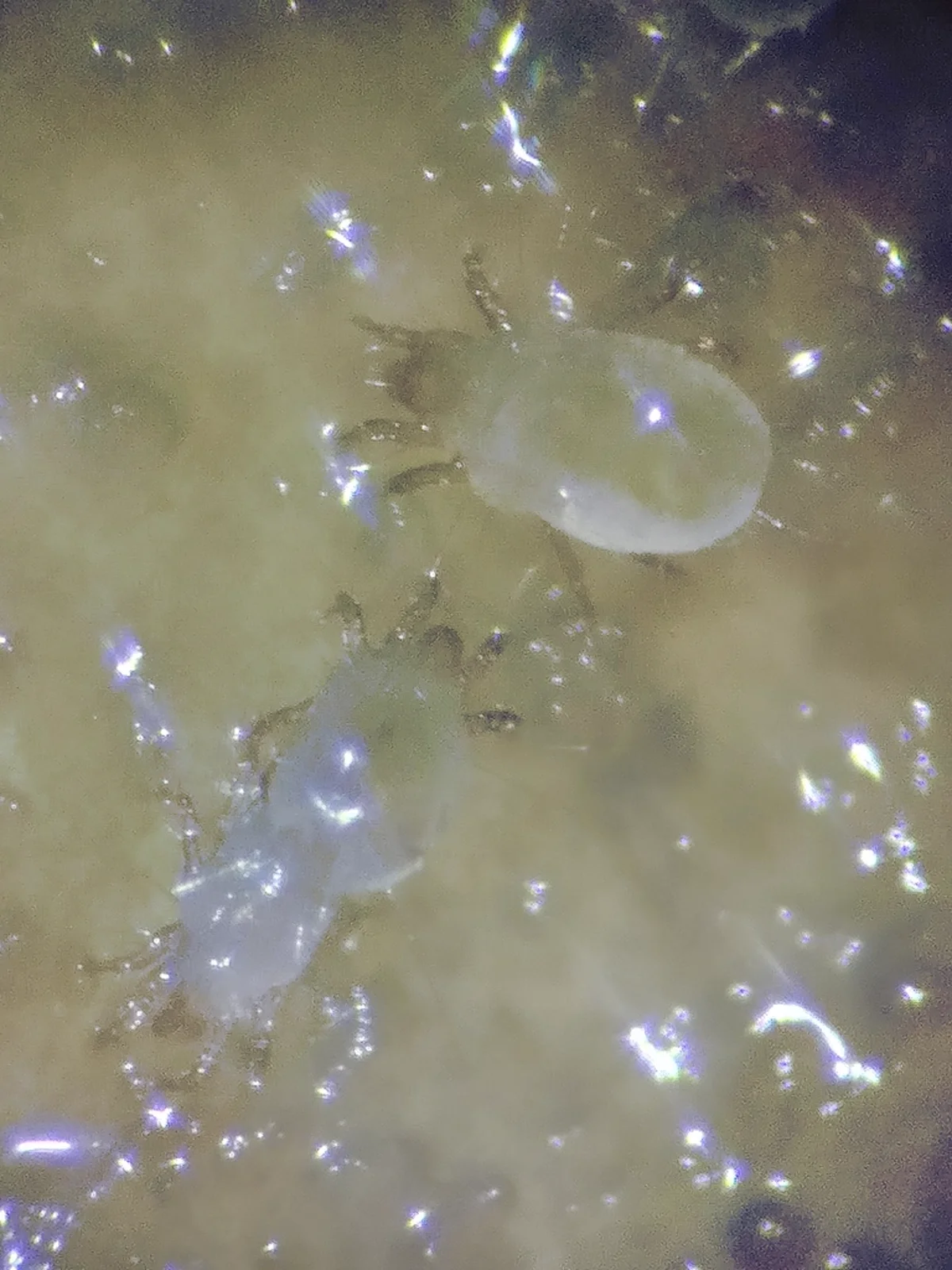
Straw itch mites are among the smallest creatures that can bite humans. They measure just 0.2 millimeters long, about the size of a period at the end of a sentence. This makes them nearly invisible to the naked eye. You would need a microscope to see their details clearly.
These mites have a distinct cigar-shaped body with needle-like mouthparts called chelicerae. Their first two pairs of legs sit well apart from the back two pairs, creating an unusual body shape. Adult straw itch mites are white to cream colored. When crushed, they may appear as tiny white specks.
Female straw itch mites look dramatically different when pregnant. Their rear body section swells enormously as eggs and developing young grow inside. A gravid female can expand to nearly 2 millimeters, making her about ten times her normal size and slightly visible to the eye.
Related Species
The straw itch mite (Pyemotes tritici) belongs to the Pyemotidae family, which contains several species that bite humans.
The Oak Leaf Itch Mite (Pyemotes herfsi) is a closely related species that lives in galls on oak tree leaves. Both species are types of itch mites. It has caused major outbreaks in the midwestern and eastern United States.
Both species share similar biology and cause nearly identical bite symptoms. The main difference is their habitat. Straw itch mites live in stored grain and plant materials, while oak leaf itch mites inhabit trees.
Straw Itch Mites Behavior and Biology
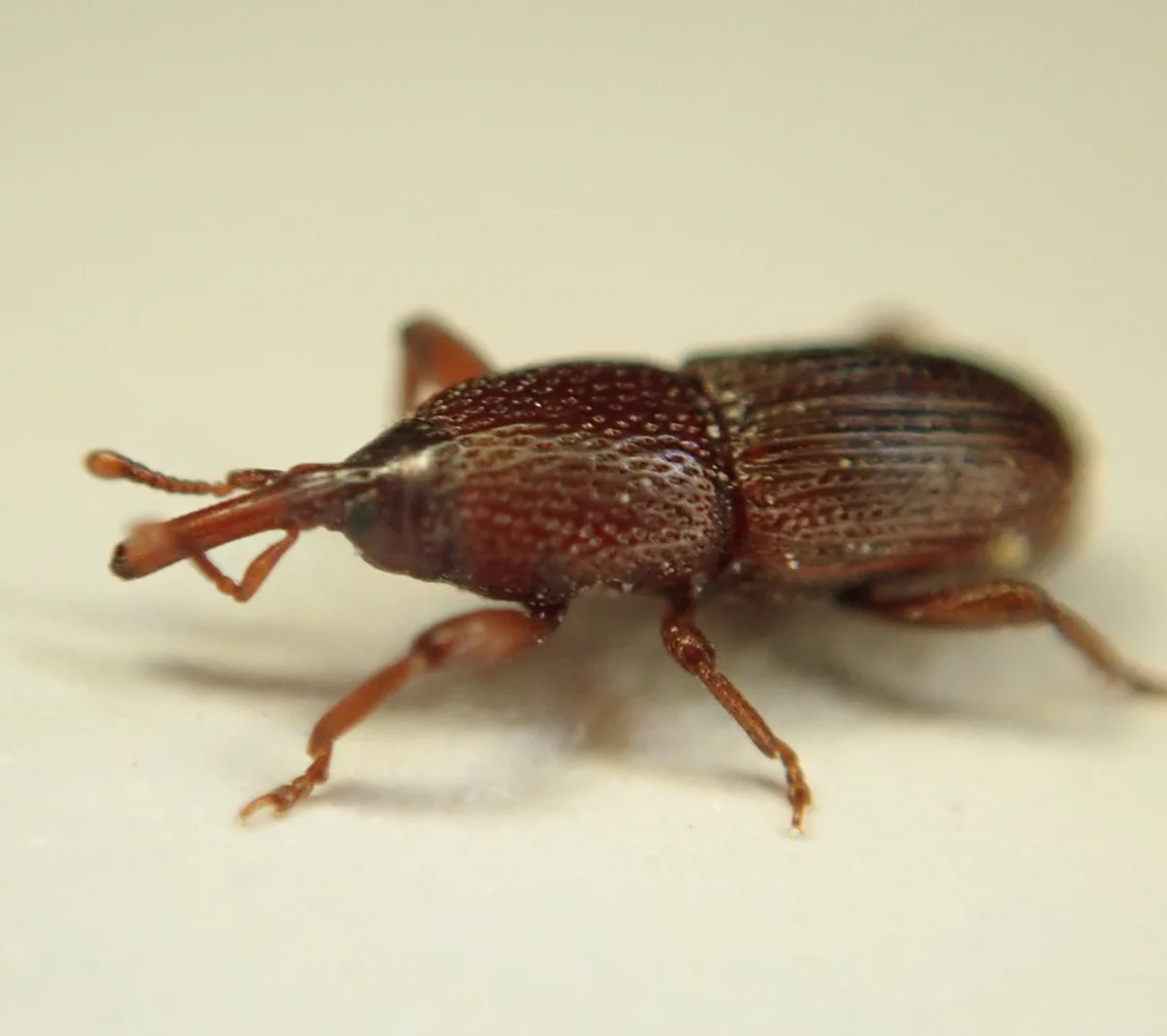
Straw itch mites are obligate parasites of insect larvae. They cannot survive by feeding on plants, animals, or humans. Their natural prey includes the larvae of grain moths, beetles, weevils, and other insects that infest stored products.
Feeding Behavior
When a female straw itch mite finds a suitable host larva, she pierces it with her needle-like mouthparts. She then injects a potent venom that paralyzes the host within seconds. The paralyzed larva becomes a living food source. The mite feeds on the host’s body fluids while her offspring develop inside her.
This venom is what causes the painful reaction when mites bite humans. The mite attempts to feed but cannot complete its life cycle on human skin.
Reproduction
Straw itch mites have one of the most unusual reproductive strategies in the animal kingdom. Unlike most mites that lay eggs, female straw itch mites are ovoviviparous. The eggs hatch inside the mother, and the young complete all their developmental stages before birth.
When ready to give birth, the female’s body can contain up to 300 fully developed adult mites. Males emerge first and wait to mate with females as they are born. A female that does not mate immediately after birth cannot reproduce later.
This reproductive method allows populations to explode rapidly. A single female can produce hundreds of offspring, and those offspring can produce their own young within a week.
Signs of Straw Itch Mite Presence
Since the mites themselves are too small to see, you must look for other signs.
In stored materials:
- Decreased populations of grain beetles or moth larvae
- Presence of stored product pest infestations (the mites follow their prey)
- Materials from farms, feed stores, or craft suppliers A related species, Velvet Mites, shares similar characteristics.
On people:
- Intensely itchy red welts appearing 10 to 16 hours after exposure
- Bites with small central blisters
- Bites concentrated on the upper body, particularly the back, abdomen, and arms
- Multiple bite sites occurring after handling hay, straw, or grain A related species, Notoedric Mange Mites, shares similar characteristics.
Straw Itch Mite Bites and Symptoms
When straw itch mites contact human skin, they attempt to feed. They inject the same venom they use on insect larvae. This causes a characteristic reaction that differs from mosquito or flea bites.
Bite Appearance
Each bite site typically shows a small white welt surrounded by red, inflamed skin. A tiny vesicle or blister often forms in the center. During the early stages, the mite may still be attached and visible as a minute white speck where the blister is forming.
Symptom Timeline
Symptoms usually begin 10 to 16 hours after contact. Most people do not feel the actual bite when it happens. The delay between exposure and symptoms makes it difficult to identify the source.
Initial symptoms include intense itching that can affect the whole body. The skin lesions typically appear as papules or papulovesicles. In severe cases, additional symptoms may develop:
- Fever
- Headache
- Joint pain
- Nausea
- General malaise
These systemic symptoms are more common in people who receive many bites or who have been bitten before.
Duration
Straw itch mite dermatitis is self-limiting. Symptoms typically resolve within one to three weeks without specific treatment. However, the intense itching can be difficult to endure without supportive care.
Treatment Methods for Straw Itch Mite Bites
Managing straw itch mite bites focuses on symptom relief while the reaction runs its course. Since the mites cannot survive on humans, the primary concern is comfort and preventing secondary infection.
Symptom Management
Over-the-counter antihistamines such as diphenhydramine, loratadine, or cetirizine can reduce itching and inflammation. Topical corticosteroid creams applied to bite sites help decrease swelling and discomfort.
Cool compresses may provide temporary relief from itching. Calamine lotion can also soothe irritated skin.
Preventing Secondary Infection
Avoid scratching bite sites, as this can break the skin and introduce bacteria. Keep affected areas clean and dry. If signs of infection develop such as increased redness, warmth, or pus, seek medical attention.
This information is for educational purposes only. For severe reactions or persistent symptoms, consult a healthcare provider. This page does not constitute medical advice.
Prevention Strategies
The most effective way to prevent straw itch mite bites is to avoid contact with infested materials. Understanding where these mites live helps you take appropriate precautions.
For Agricultural and Industrial Workers
- Wear long sleeves, long pants, and gloves when handling hay, straw, or grain
- Shower immediately after work shifts involving stored plant materials
- Change into clean clothes after potential exposure
- Be aware that infestations increase during warm, humid weather
For Homeowners and Hobbyists
- Inspect straw decorations, hay bales, and craft materials before use
- Store hay and straw away from living areas
- Dispose of old, insect-infested plant materials
- Be cautious with straw used for mulching or pet bedding
Environmental Control
Straw itch mites follow their insect prey. Controlling stored product pests like grain beetles and moths reduces mite populations. Keep storage areas dry and clean. Inspect stored grains and plant materials regularly for signs of insect infestation.
Controlling Straw Itch Mites
Straw itch mite control focuses on eliminating their food source rather than the mites themselves. Since these mites parasitize stored product pests, managing those insects is the key strategy.
Source Elimination
Identify and remove infested materials. Old grain, hay, or straw that harbors beetle or moth larvae will also harbor itch mites. Dispose of infested items in sealed bags.
Storage Management
- Keep storage areas clean and dry
- Use airtight containers for grain and seed
- Rotate stock so older materials are used first
- Inspect incoming materials before storage
When to Seek Professional Help
If you have ongoing problems with stored product pests and associated mite infestations, a pest control professional can assess your situation. They can identify the primary pest species and recommend appropriate control measures.
Health Considerations
Straw itch mites do not transmit diseases to humans. The primary health concern is the discomfort from their bites and the potential for secondary bacterial infection from scratching.
People with compromised immune systems or allergies may experience more severe reactions. If you develop signs of a severe allergic reaction or infection, seek medical attention promptly.
The mites cannot establish themselves on humans or in homes. Without their insect hosts, they die quickly. This means infestations in living spaces are temporary and resolve once the source material is removed.
References
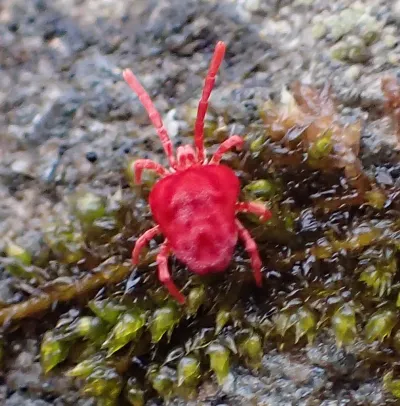
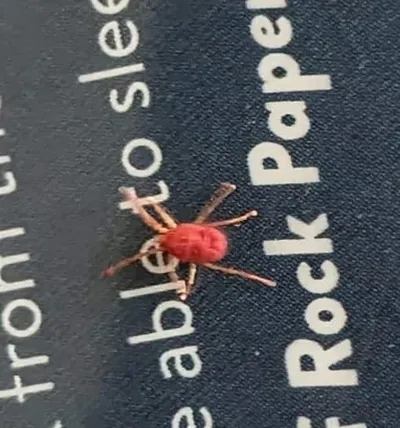
Other Mites
Explore other species in the mites family
Commonly Confused With
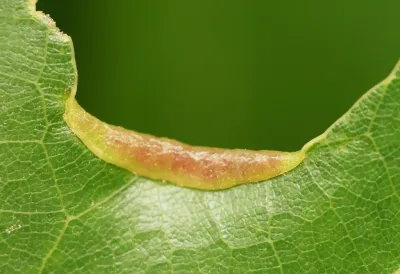
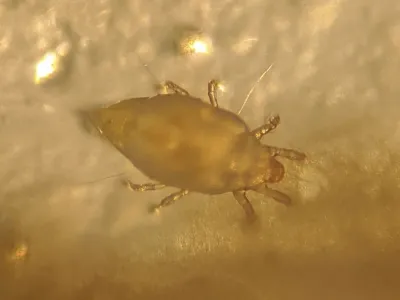
Straw Itch Mites are often mistaken for these similar pests
Where Straw Itch Mites Are Found
Hover over states to see their names. Green regions indicate where straw itch mites have been reported.
Common Questions about Straw Itch Mites
What do straw itch mite bites look like?
+
Straw itch mite bites appear as small red welts with a tiny white or clear blister in the center. Bites often occur in groups on the back, abdomen, and forearms. The mite may be visible as a tiny white speck at the bite site during the early stages.
How long do straw itch mite bites last?
+
Straw itch mite dermatitis typically resolves on its own within one to three weeks without treatment. The itching is most intense during the first several days. Topical steroids and antihistamines can help manage symptoms.
Can straw itch mites live on humans?
+
No, straw itch mites cannot live or breed on humans. They are parasites of insect larvae and only bite humans accidentally when they come into contact with skin. The mites will die within 24 hours without their proper insect hosts.
Where do straw itch mites come from?
+
Straw itch mites live in straw, hay, stored grain, and dried plant materials. They parasitize the larvae of grain moths, beetles, and other stored product pests. People typically encounter them when handling infested materials.
Are straw itch mites dangerous?
+
Straw itch mites are not dangerous and do not transmit diseases. However, their bites cause significant discomfort. Severe reactions can include fever, headache, joint pain, and nausea in addition to the intense itching.
How do I get rid of straw itch mites?
+
Remove or dispose of infested materials like old straw, hay, or grain. Thoroughly vacuum and clean storage areas. Shower and change clothes after handling potentially infested materials. The mites cannot survive indoors without their insect hosts.
Who is most at risk for straw itch mite bites?
+
Agricultural workers, warehouse staff, farm supply store employees, and people who work with crafts involving wheat, hay, or straw face the highest risk. Anyone who handles stored grain, hay bales, or straw-stuffed items may be exposed.

With five years of hands-on experience in the pest control industry, George Schulz is a registered technician with the Virginia Pest Management Association and a proud third-generation professional in a family business that's been protecting homes for over 57 years. He manages and trains a team of service pros while also leading internal research efforts—recently spearheading a deep-dive review of thousands of documents on pest control materials to hand-pick the most kid and pet friendly, most effective solutions tailored specifically for homes in the DC metro area.