Spruce Spider Mites Identification Guide
Oligonychus ununguis
Spruce spider mites are cool-season arachnid pests that attack conifers including spruce, juniper, arborvitae, and hemlock. Considered one of the most destructive spider mites in North America, they cause needles to turn yellow, bronze, and eventually brown.
Taxonomy
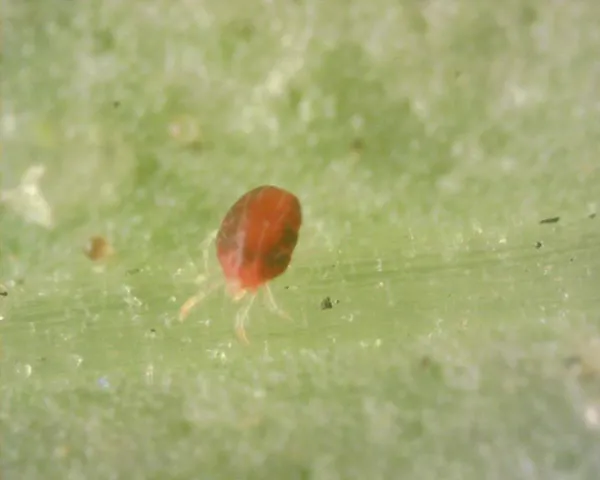
Spruce Spider Mites Coloration
Common color patterns to help identify spruce spider mites
Spruce Spider Mites
Seasonal Activity
When spruce spider mites are most active throughout the year

Where Spruce Spider Mites Are Found
Hover over states to see their names. Green regions indicate where spruce spider mites have been reported.
Spruce Spider Mite Identification Guide
Physical Characteristics
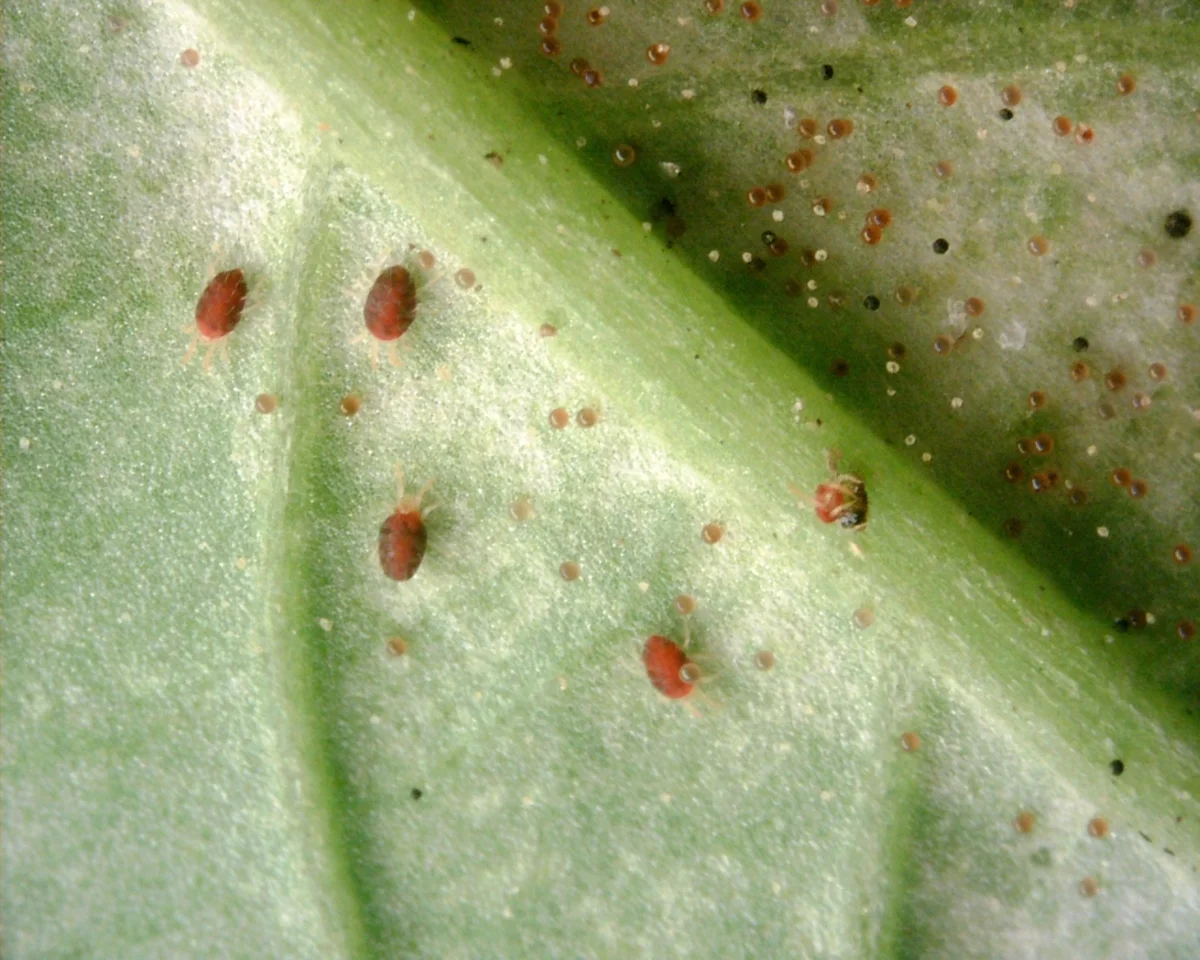
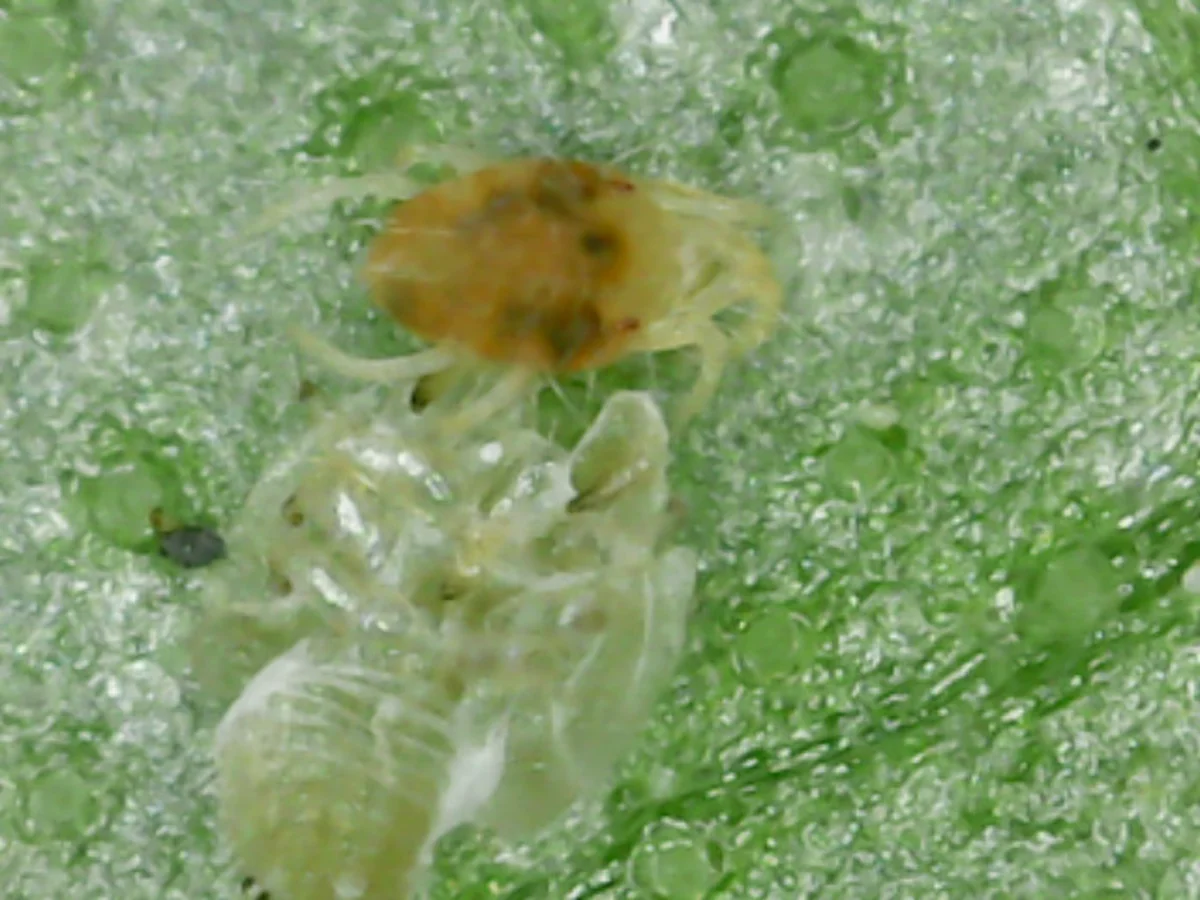
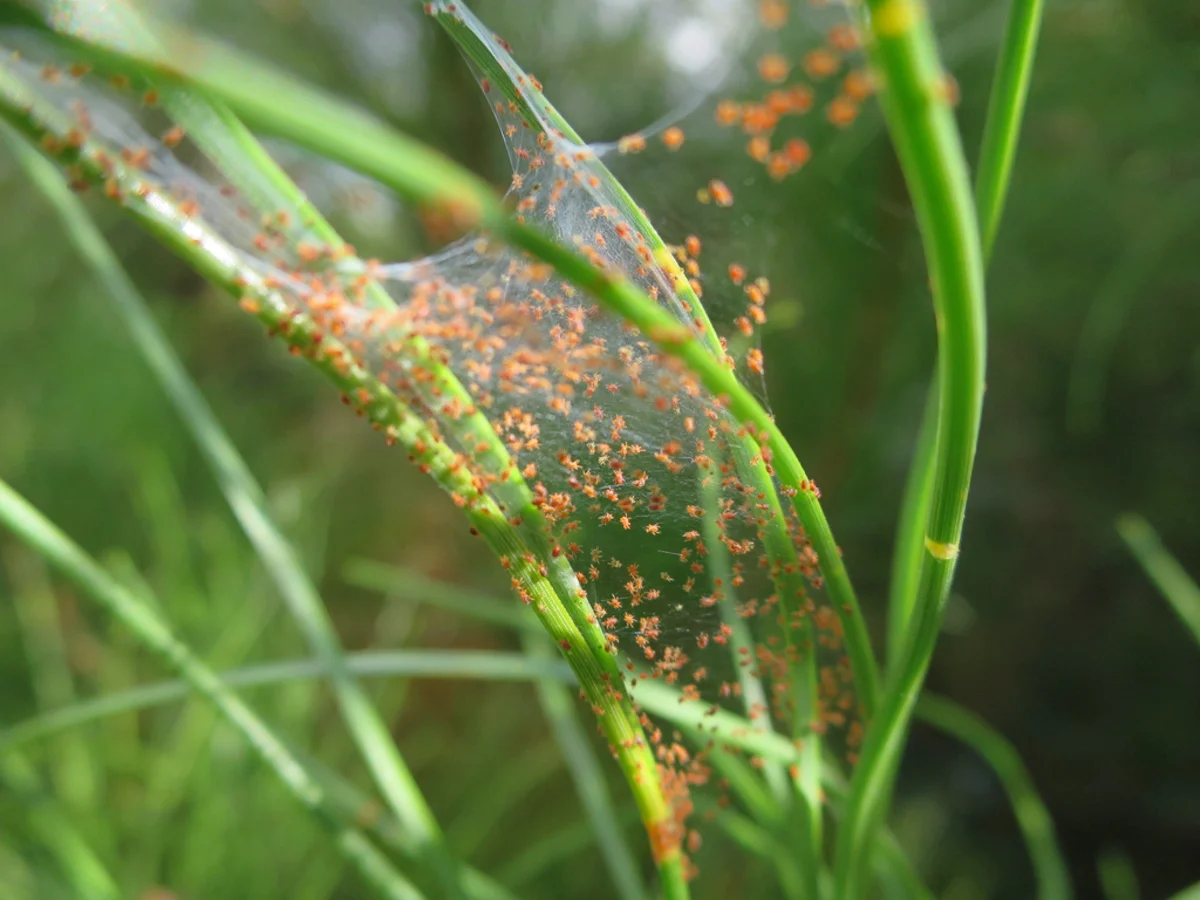
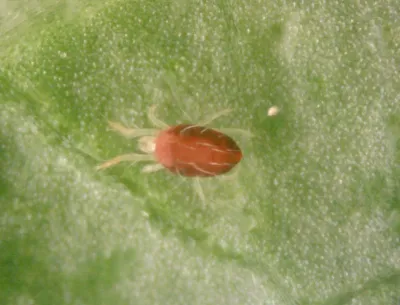
Spruce spider mites (Oligonychus ununguis) are tiny pests that rank among the most harmful spider mites in North America. Adults are only 0.3 to 0.5 millimeters long. This makes them hard to see without a magnifying glass.
Adult mites have oval bodies with eight legs. Their color ranges from dark green to nearly black. They have salmon pink spines on their bodies and legs. Young mites (larvae) are pale green and have only six legs. As they grow, they darken and develop eight legs like adults.
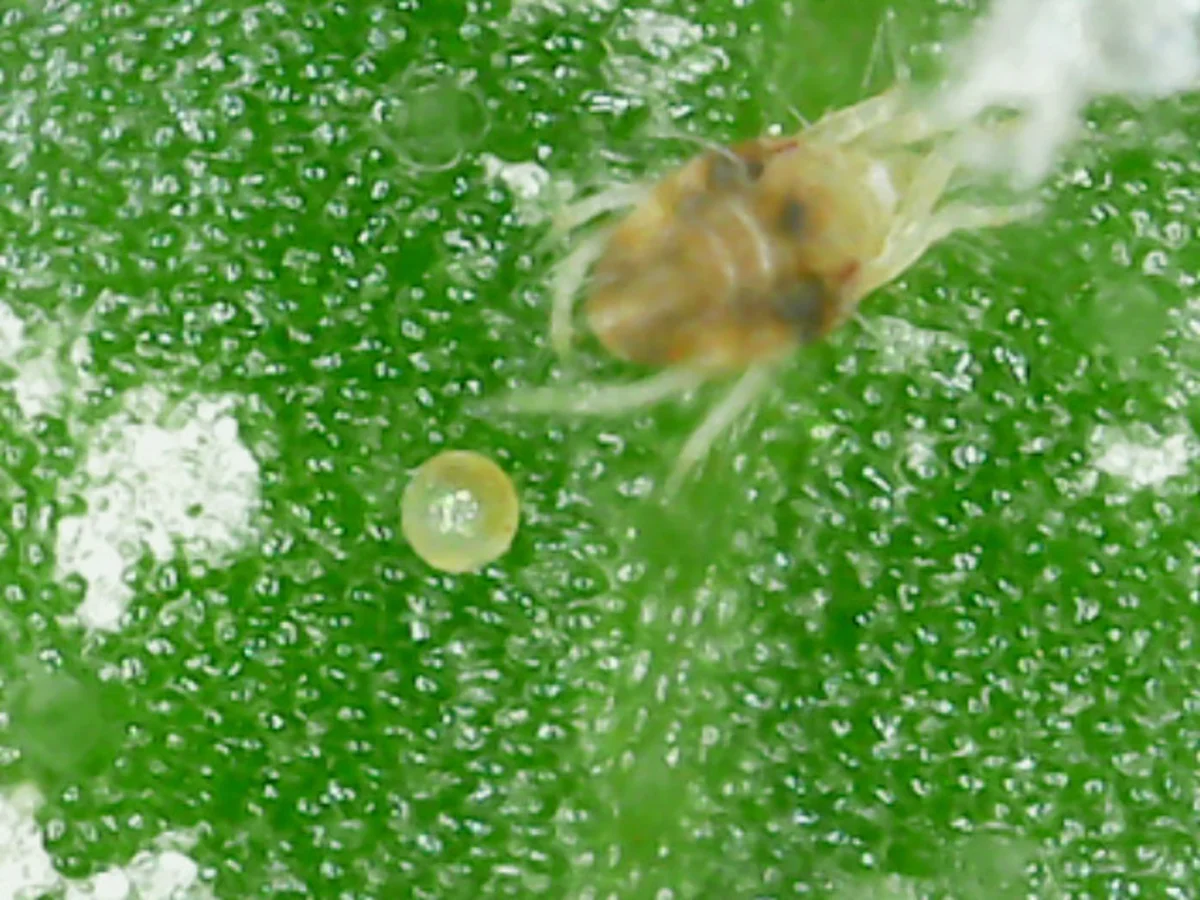
The eggs are round but slightly flat. They have a small thread-like projection rising from the center. This feature helps tell spruce spider mite eggs apart from other mite eggs. Winter eggs are reddish-brown and hide in bud scales or at the base of needles.
Common Host Plants
Despite their name, spruce spider mites attack more than 40 types of conifers across North America. Common host trees include:
- Spruce: All types, especially Dwarf Alberta spruce
- Juniper: Many landscape varieties
- Arborvitae: Also called white cedar
- Hemlock: Eastern and western types
- Pine: Many species
- Fir: Including Douglas-fir
- False cypress: Many varieties
Colorado blue spruce and Alberta spruce often suffer heavy damage. Their dense growth creates ideal hiding spots for mites to multiply without being noticed.
Spruce Spider Mite Behavior and Biology
Life Cycle and Reproduction
Spruce spider mites spend winter as eggs, not as adults like some other mite species. These reddish-brown eggs hide in bark cracks, bud scales, and at the base of needles. They hatch in early spring when the weather warms, often around the time Bradford pear trees bloom.
After hatching, larvae start feeding right away. They molt three times before becoming adults. Under good conditions (around 79 degrees Fahrenheit and moderate humidity), they grow from egg to adult in three to four weeks.
Females can produce several generations per year. Populations grow fast in spring and again in fall. A single generation may finish in just two to three weeks when conditions are ideal. During summer heat, populations drop sharply.
Seasonal Activity Patterns A related species, Velvet Mites, shares similar characteristics.
Spruce spider mites are cool-season pests, much like southern red mites that attack broadleaf evergreens. Unlike warm-season mites, they are most active when temperatures stay between 60 and 70 degrees Fahrenheit. A related species, Notoedric Mange Mites, shares similar characteristics.
Peak activity happens twice per year: A related species, Chiggers, shares similar characteristics.
- Spring (April to May): Winter eggs hatch and populations grow fast
- Fall (September to October): A second surge happens as temperatures cool A related species, Scabies Mites, shares similar characteristics.
During the hot months of June, July, and August, spruce spider mites go dormant. They survive summer as resting eggs and become active again when cool weather returns. This pattern means damage from spring feeding may not show up until mid-summer. By then, the mites are dormant, making the connection easy to miss. A related species, Bulb Mites, shares similar characteristics.
Feeding Behavior and Damage Symptoms
Spruce spider mites feed by piercing needle cells and sucking out the contents. This kills the cells that give needles their green color. Damage gets worse over time:
- Early damage: Tiny yellow or white spots appear on needles (called stippling)
- Moderate damage: Spots merge into general yellowing or bronze color
- Severe damage: Needles turn rusty-brown, dry out, and fall off early
- Heavy infestation: Fine webbing appears on needles and branches
Mites prefer older needles over new growth. They usually stay in the lower, inner parts of the tree where it is shadier. By the time damage shows on outer branches, populations may be very high.
Once needles are damaged, they will not recover. Even after mites are controlled, stippled needles will die. Damage often shows up weeks or months after the mites fed. Sometimes it appears in summer when the mites are dormant, making it hard to connect the cause.
Treatment Methods for Spruce Spider Mites
Good spider mite control uses regular monitoring, tree care practices, and targeted treatments when needed.
Monitoring and Detection
Regular checks are key to finding mites early. The white paper test is a simple way to detect them:
- Hold a sheet of white paper under a branch you want to test
- Hit the branch sharply several times to knock mites loose
- Look for tiny moving specks on the paper
- Use a magnifying glass to confirm they are mites
When you find 10 or more mites per branch, treatment may be needed. Check your trees every two weeks during spring and fall when mites are most active.
Cultural and Preventive Measures
Healthy trees handle mite damage better than stressed trees. Good tree care helps reduce mite problems:
- Proper watering: Deep watering every few weeks keeps trees healthy during dry spells. Apply one to two inches of water.
- Mulching: A three-inch layer of wood chips or bark under the tree holds moisture and keeps soil cooler.
- Avoiding drought stress: Stressed trees are more likely to suffer mite damage and recover more slowly.
- Water sprays: A strong spray of water can wash mites off branches. Do this every few days for light infestations.
Targeted Miticide Treatments
Standard insecticides often do not work well against spider mites. In fact, some insecticides can make mite problems worse by killing the predators that feed on them. For this reason, targeted miticides (also called acaricides) work best for spider mite control.
Treatment timing matters more than product choice. The best results come from treating during peak activity periods when mites are feeding and exposed.
Chemical Control Options
When mite numbers get too high, miticide treatments can provide control. Good timing is the key to success:
- Spring treatments: Apply in April to May after eggs hatch and mites are feeding
- Fall treatments: A second treatment in September targets the fall population
Horticultural oils and insecticidal soaps work through contact action. They must cover all needle surfaces to be effective. For severe infestations, specialized miticides may be needed. Local extension services can recommend the right products for your area.
Mites can develop resistance to chemicals over time. Rotating between products with different active ingredients improves long-term control. Always follow label directions and make sure to cover the inner canopy where mite populations are highest.
References
Other Mites
Explore other species in the mites family
Commonly Confused With
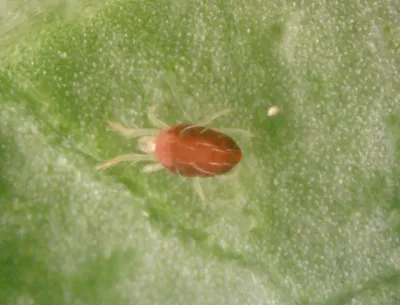
Spruce Spider Mites are often mistaken for these similar pests
Where Spruce Spider Mites Are Found
Hover over states to see their names. Green regions indicate where spruce spider mites have been reported.
Common Questions about Spruce Spider Mites
What is the best time of year to check for spruce spider mites?
+
Spring and fall are the best times to check for spruce spider mites. These cool-season pests are most active when temperatures range from 60 to 70 degrees Fahrenheit. They become dormant during the heat of summer, so spring and fall inspections are critical for early detection.
How can I tell if my spruce tree has spider mites?
+
Hold a piece of white paper under a branch and tap it sharply. If mites are present, you will see tiny dark specks moving on the paper. Also look for stippled or yellowing needles, fine webbing on branches, and a bronze or rust-colored appearance to the foliage.
Why are my spruce tree needles turning brown?
+
Brown needles on spruce trees often result from spruce spider mite feeding. These mites pierce needle cells and suck out fluids, causing stippling that progresses to bronzing and browning. The damage may not appear until weeks or months after the mites have fed.
Do spruce spider mites attack trees other than spruce?
+
Yes, despite their name, spruce spider mites feed on over 40 species of conifers. Common hosts include juniper, arborvitae, hemlock, fir, pine, Douglas-fir, and false cypress. Dwarf Alberta spruce is particularly susceptible to infestations.
Will my tree recover from spruce spider mite damage?
+
Needles damaged by spider mite feeding will not recover. However, healthy trees can produce new growth to replace damaged foliage over time. Early detection and treatment help minimize permanent damage and allow trees to recover more fully.
Are spruce spider mites active in summer?
+
No, spruce spider mites enter a dormant period called aestivation during hot summer months. They survive as resting eggs during this time. Activity resumes in early fall when cooler temperatures return, making September another critical time for monitoring.
What is the best treatment for spruce spider mites?
+
Targeted miticides work best for spruce spider mite control. Horticultural oils and insecticidal soaps are effective contact treatments. For best results, treat in spring when eggs have hatched or in early fall during the second population surge. Thorough coverage of all needle surfaces is essential.

With five years of hands-on experience in the pest control industry, George Schulz is a registered technician with the Virginia Pest Management Association and a proud third-generation professional in a family business that's been protecting homes for over 57 years. He manages and trains a team of service pros while also leading internal research efforts—recently spearheading a deep-dive review of thousands of documents on pest control materials to hand-pick the most kid and pet friendly, most effective solutions tailored specifically for homes in the DC metro area.