Spider Mites Identification Guide
Tetranychidae
Spider mites are tiny plant-feeding arachnids that damage gardens and houseplants by sucking cell contents from leaves. They produce characteristic silk webbing and can rapidly multiply in hot, dry conditions.
Taxonomy
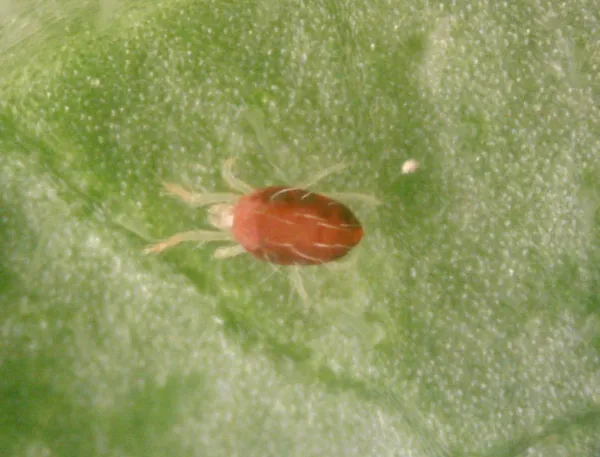
Spider Mites Coloration
Common color patterns to help identify spider mites
Spider Mites
Seasonal Activity
When spider mites are most active throughout the year

Where Spider Mites Are Found
Hover over states to see their names. Green regions indicate where spider mites have been reported.
Spider Mites Identification Guide
Physical Characteristics
Spider mites are very small arachnids. They measure between 0.2 and 0.5 millimeters long. You can barely see them without a magnifying glass. They often look like tiny moving specks on plant leaves. Adult spider mites have eight legs, which sets them apart from insects that have six.
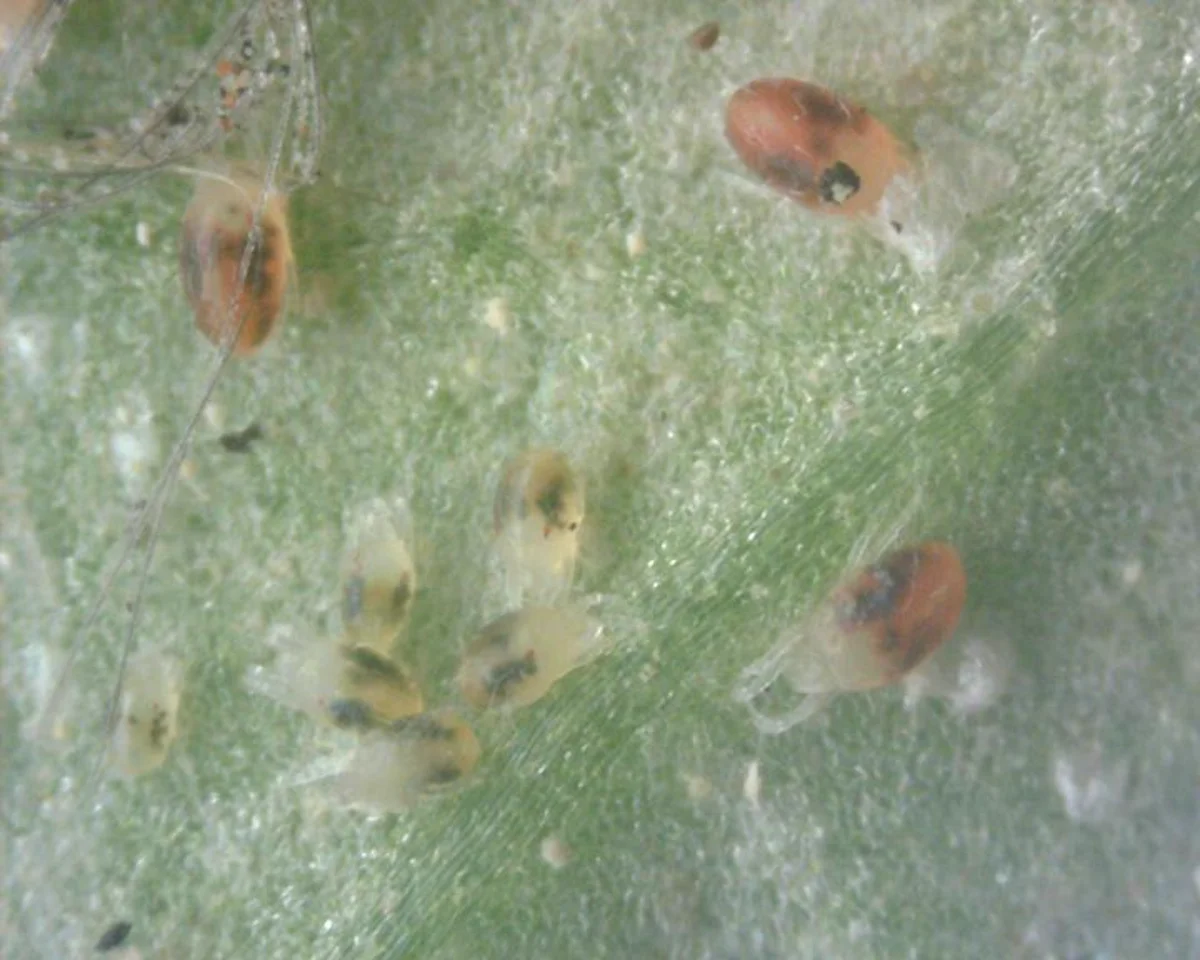
Their color varies by species. They can be red, reddish-brown, yellow, green, or orange. The twospotted spider mite is the most common type. It has a yellowish or greenish body with two dark spots on its back. Color can change based on diet and time of year. Some species turn reddish-orange before winter.
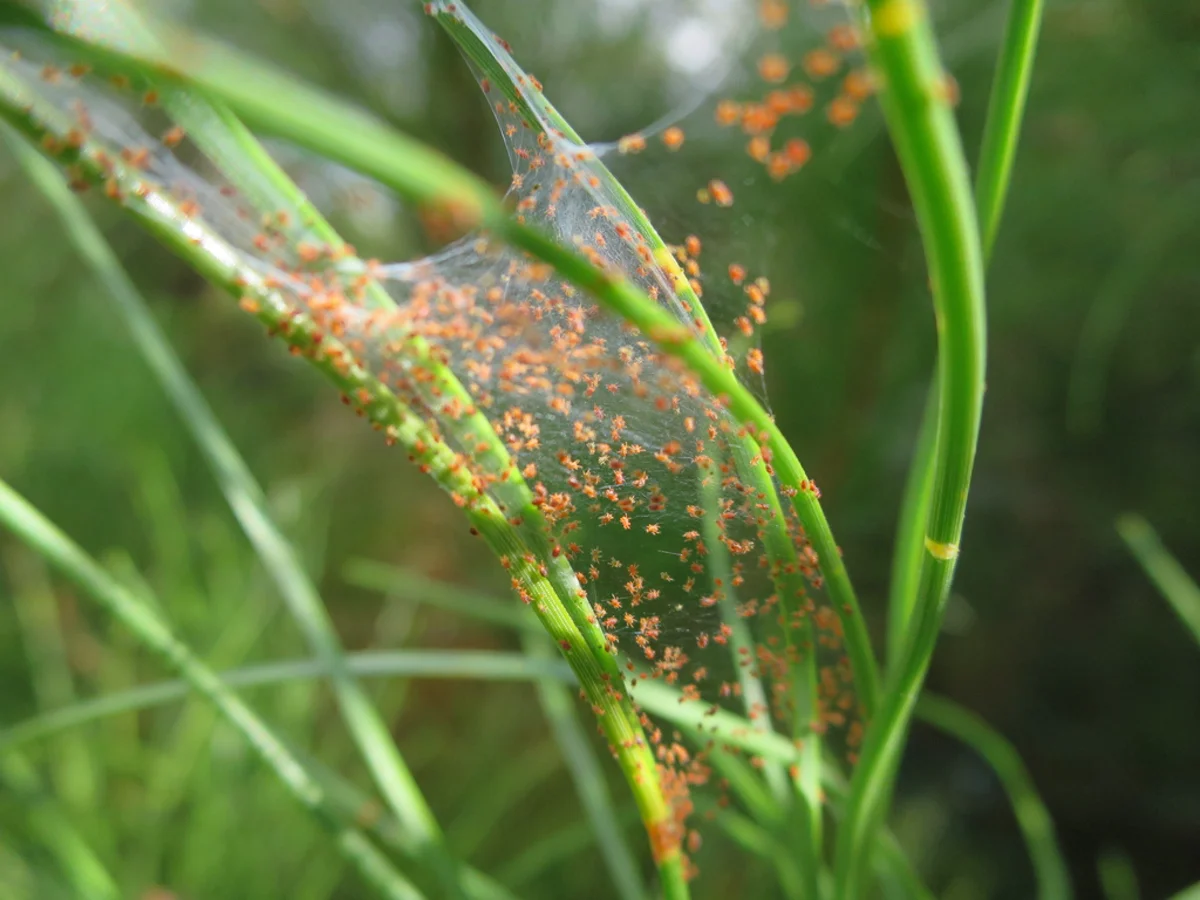
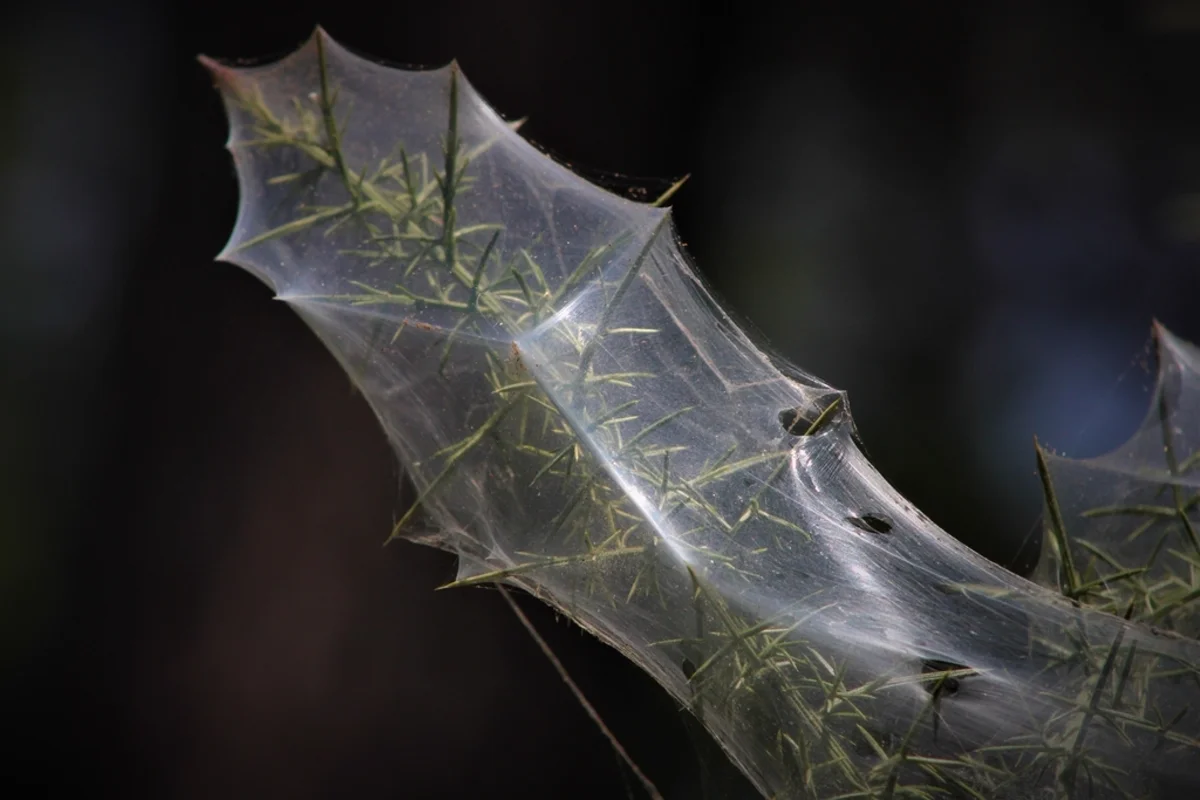
Spider mites have oval bodies and spin fine silk webbing. This webbing is often the first sign of an infestation. It helps protect the mites from threats and harsh weather.
Common Species in North America
Twospotted Spider Mite (Tetranychus urticae): This is the most common species. It feeds on over 180 plant types including vegetables, fruits, and flowers. Adults are pale yellow to greenish with two dark spots on their backs.
Spruce Spider Mite (Oligonychus ununguis): This mite attacks evergreens like spruce, juniper, and arborvitae. It is most active in spring and fall, not summer.
European Red Mite (Panonychus ulmi): This mite mainly attacks fruit trees like apples and pears. Adult females are dark red with white spots.
Pacific Spider Mite (Tetranychus pacificus): Found in western North America. It affects grapes, almonds, and many ornamental plants.
Spider Mites Behavior and Biology
Habitat and Host Plants
Spider mites live mostly on the undersides of plant leaves. They feed by piercing plant cells and sucking out the contents. They attack many plants including vegetables like beans, tomatoes, and peppers. They also feed on fruits like strawberries and melons, plus houseplants and trees.
These mites prefer hot, dry conditions. They cause the most problems during summer droughts. Plants that lack water are more likely to suffer damage. Stressed plants cannot replace lost fluids fast enough. Homeowners dealing with Spider Mites may also encounter Mite, which can appear in similar environments.
Feeding and Damage
Spider mites use tiny mouthparts to puncture plant cells and suck out the contents. This includes chlorophyll, which gives leaves their green color. Feeding creates tiny white or yellow dots on the upper leaf surface. This damage pattern is called stippling. As damage adds up, leaves may turn bronze, yellow, or brown. They may drop from the plant.
Bad infestations can strip leaves from entire plants. This reduces crop yields and can kill ornamental plants. The silk webbing they make can cover leaves and stems. This gives plants a dusty or dirty look.
Reproduction and Life Cycle
Spider mites multiply fast in good conditions. A female can lay 100 to 200 eggs in her 2-4 week life. She deposits up to 20 eggs per day on the undersides of leaves. Eggs are round and start out clear. They turn whitish as they get ready to hatch.
The life cycle has four stages: egg, larva (with six legs), nymph (with eight legs), and adult. In warm weather around 80-90 degrees, the cycle can finish in just 5-7 days. This fast breeding means populations can grow quickly. Multiple generations overlap during the growing season.
Spider mites have a unique breeding system. Unfertilized eggs produce males. Fertilized eggs produce females. This means even one female can start a new colony.
Treatment Methods for Spider Mites
Spider mites mainly affect gardens, landscapes, and crops rather than structures. Control efforts focus on protecting plants through several methods.
Cultural Controls
-
Keeping Plants Healthy: Water plants well and avoid drought stress. This makes plants stronger against spider mite damage. Healthy plants recover faster from feeding.
-
Humidity Control: Spider mites love dry conditions. Misting houseplants or using drip irrigation can slow mite growth.
-
Removing Infested Material: Take off heavily infested leaves or plants. Throw them away from other plants to stop the spread.
-
Balanced Fertilizing: Too much nitrogen creates soft growth that spider mites prefer. Use balanced fertilizer to reduce risk.
Physical Controls
-
Water Sprays: Strong water sprays aimed at the undersides of leaves knock mites off and break up their webbing. This works best for light infestations. You need to repeat it often.
-
Pruning: Cut off heavily infested plant parts. This reduces mite numbers before they spread to the rest of the plant.
Biological Controls
-
Predatory Mites: Some mites eat spider mites. Species like Phytoseiulus persimilis can be bought and released onto infested plants.
-
Other Predators: Lady beetles, lacewing larvae, and minute pirate bugs feed on spider mites and can help reduce populations.
Chemical Controls
-
Insecticidal Soaps: These products break down mite cell walls. They work when applied directly to mites.
-
Horticultural Oils: Petroleum or plant-based oils coat and suffocate mites and eggs. Apply them well to leaf undersides where mites live.
-
Miticides: These are pesticides made for mite control. They work for severe infestations. Spider mites can develop resistance quickly, so rotate between different products.
Preventing Spider Mite Infestations
- Inspect new plants before bringing them home or into the garden
- Quarantine new houseplants for 2-3 weeks before placing them near other plants
- Maintain adequate soil moisture and avoid drought-stressing plants
- Avoid placing plants near heat sources or in hot, dry locations
- Remove weeds around gardens, as they can harbor mite populations
- Space plants properly to improve air circulation
Related Reading
- Are Tiny Red Spiders Dangerous? spiders - Learn whether the small red arachnids around your home are a threat.
- Small Red Spiders: What They Are - Identify the tiny red spider-like creatures you spot outdoors.
References
Other Mites
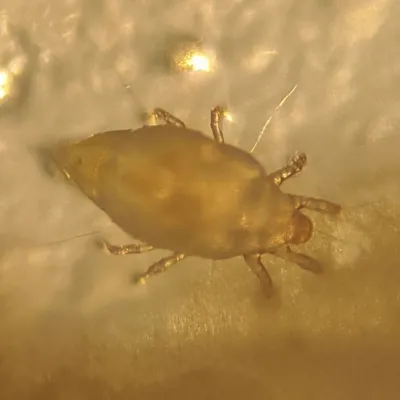
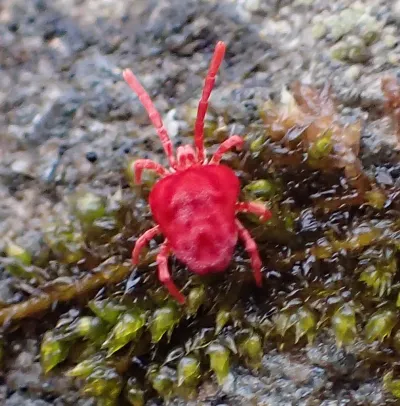
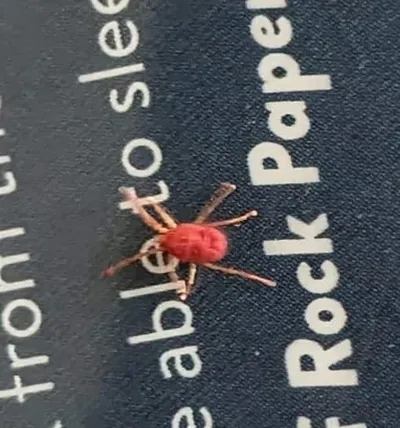
Explore other species in the mites family
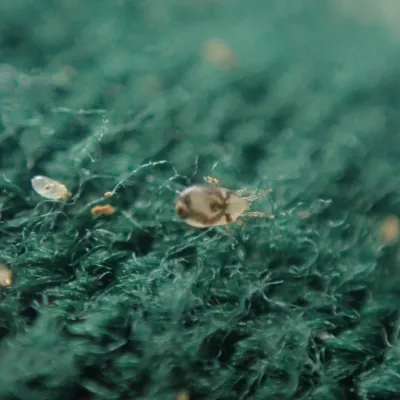
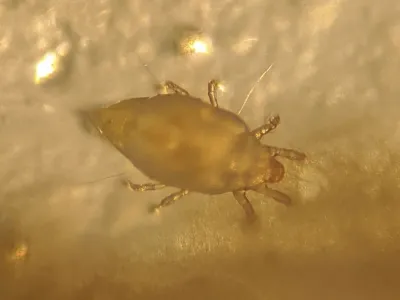
Commonly Confused With
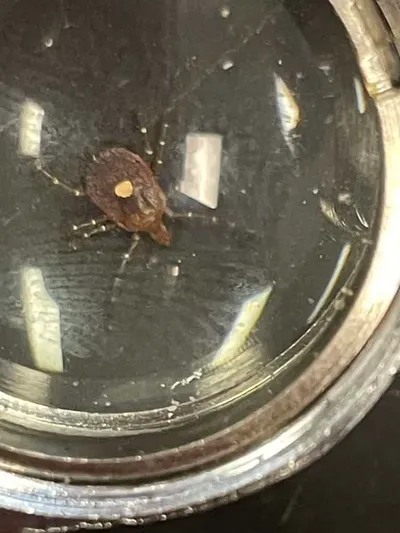
Spider Mites are often mistaken for these similar pests
Where Spider Mites Are Found
Hover over states to see their names. Green regions indicate where spider mites have been reported.
Common Questions about Spider Mites
What are spider mites?
+
Spider mites are tiny arachnids related to spiders and ticks. Despite their name, they are not true spiders. They feed on plant cells by piercing leaves and sucking out the contents, causing damage to gardens, houseplants, and agricultural crops.
How do I know if I have spider mites?
+
Look for tiny yellow or white dots on leaf surfaces (called stippling), bronze or yellow discoloration on leaves, fine silk webbing on plants, and tiny moving specks on the undersides of leaves. A hand lens or magnifying glass helps identify them.
Do spider mites bite humans?
+
No, spider mites do not bite humans. They feed exclusively on plant material and pose no direct health risk to people or pets. Their damage is limited to plants.
Why do spider mites appear in hot weather?
+
Spider mites thrive in hot, dry conditions because these conditions speed up their reproduction cycle and stress plants, making them more susceptible. Their populations can double in less than a week when temperatures exceed 80 degrees Fahrenheit.
Can spider mites come inside my house?
+
Spider mites can infest indoor houseplants but rarely survive long indoors without plants to feed on. They typically arrive on new plants or cut flowers brought into the home. Unlike clover mites, they do not enter homes in large numbers.
How do I get rid of spider mites on my plants?
+
Regular water sprays to the undersides of leaves, maintaining proper humidity, using insecticidal soaps or horticultural oils, and introducing predatory mites can help control spider mites. Heavily infested plants may need to be removed to protect others.
Are spider mites the same as clover mites?
+
No, they are different species in the same family (Tetranychidae). Spider mites primarily damage plants outdoors and on houseplants, while clover mites are lawn pests that can invade homes in large numbers during spring and fall.

With five years of hands-on experience in the pest control industry, George Schulz is a registered technician with the Virginia Pest Management Association and a proud third-generation professional in a family business that's been protecting homes for over 57 years. He manages and trains a team of service pros while also leading internal research efforts—recently spearheading a deep-dive review of thousands of documents on pest control materials to hand-pick the most kid and pet friendly, most effective solutions tailored specifically for homes in the DC metro area.