Southern Red Mites Identification Guide
Oligonychus ilicis
Southern red mites are tiny dark red arachnids that damage broadleaf evergreens like azaleas, camellias, and hollies. Unlike most spider mites, they are most active in cool weather during spring and fall.
Taxonomy
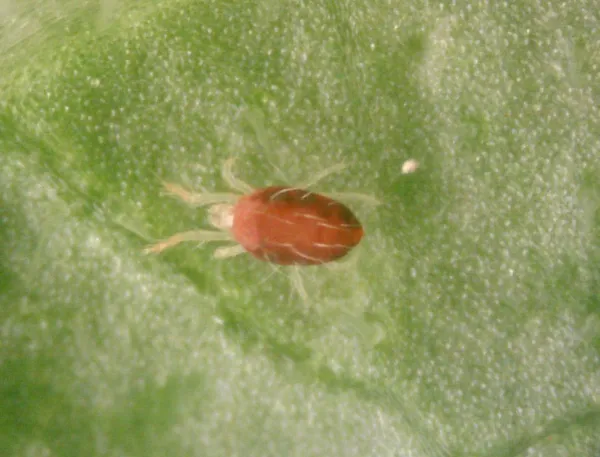
Southern Red Mites Coloration
Common color patterns to help identify southern red mites
Southern Red Mites
Seasonal Activity
When southern red mites are most active throughout the year
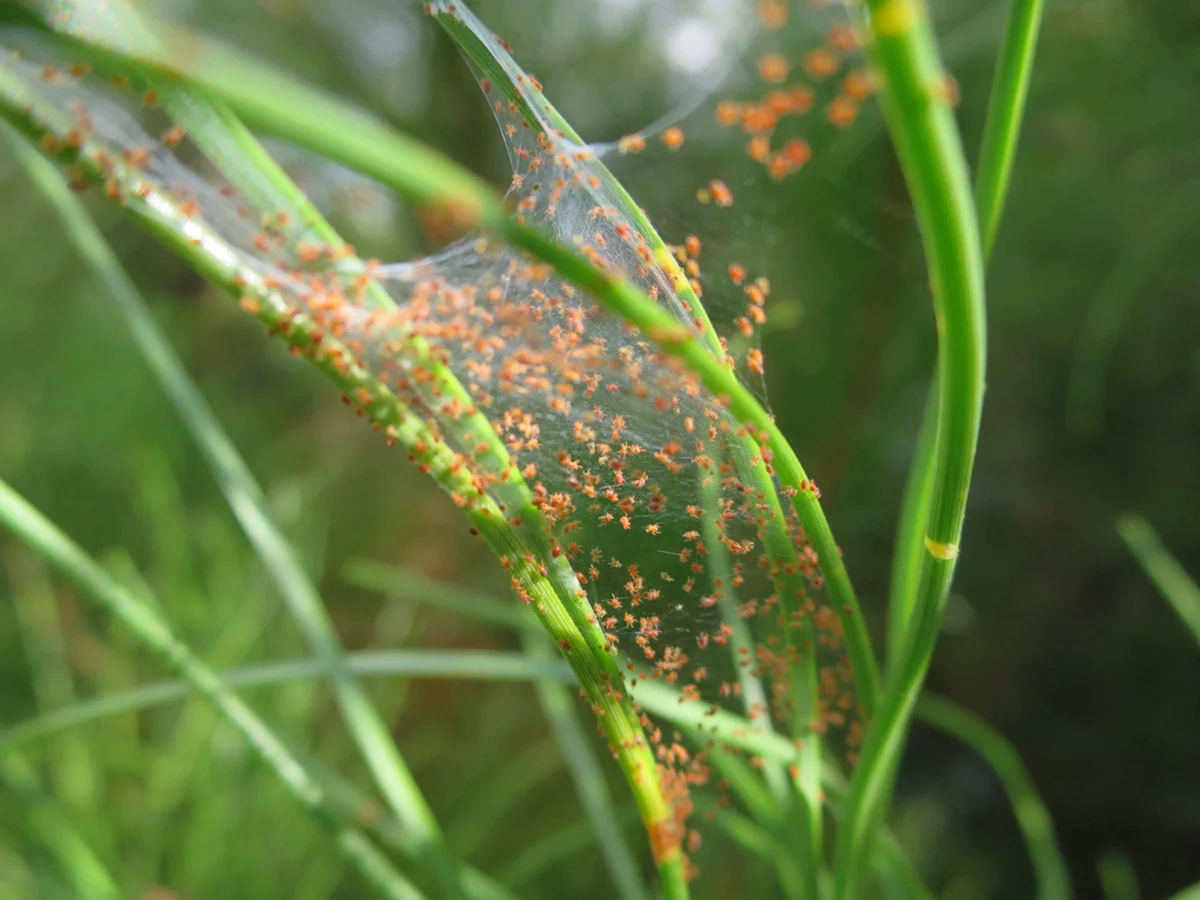

Where Southern Red Mites Are Found
Hover over states to see their names. Green regions indicate where southern red mites have been reported.
Southern Red Mites Identification Guide
Physical Characteristics
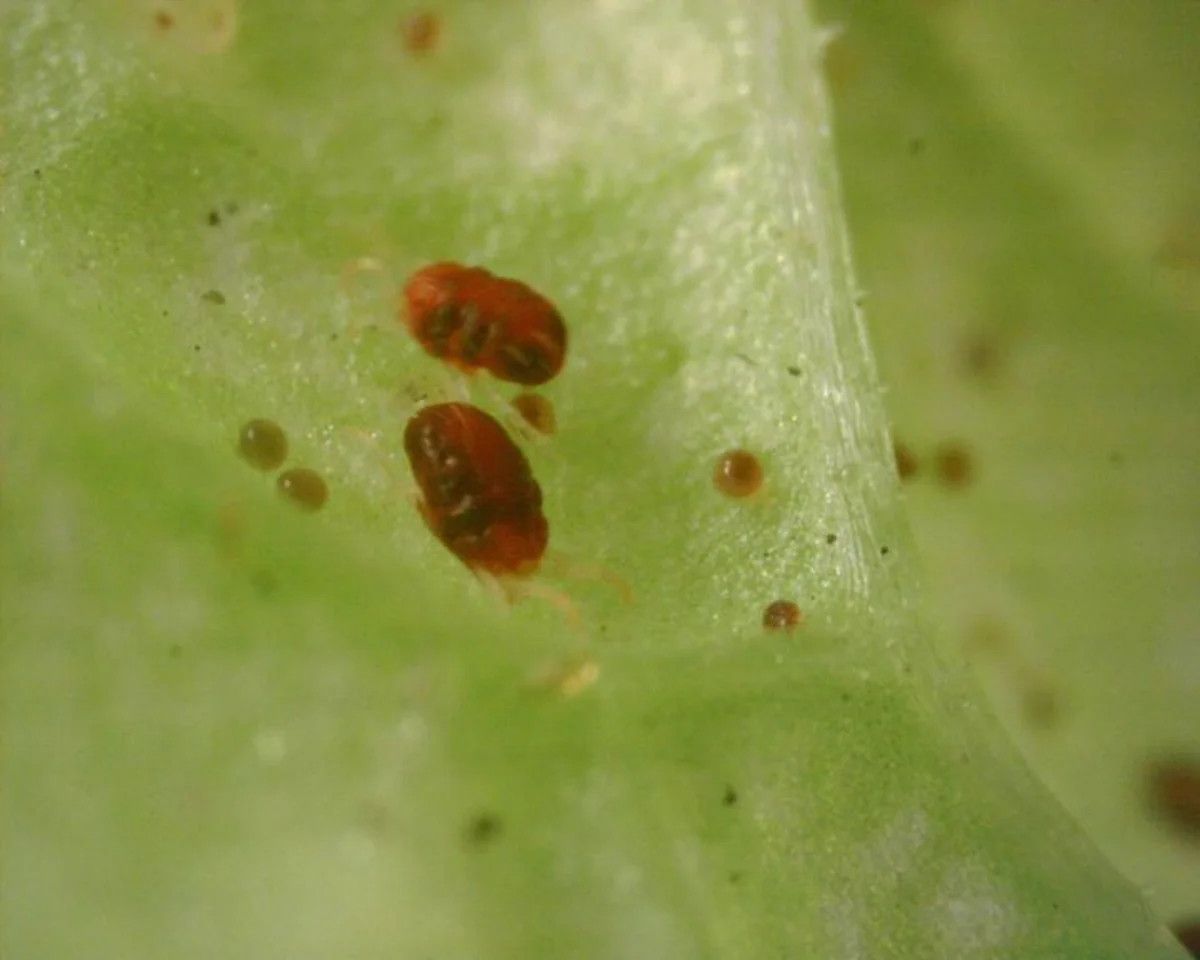
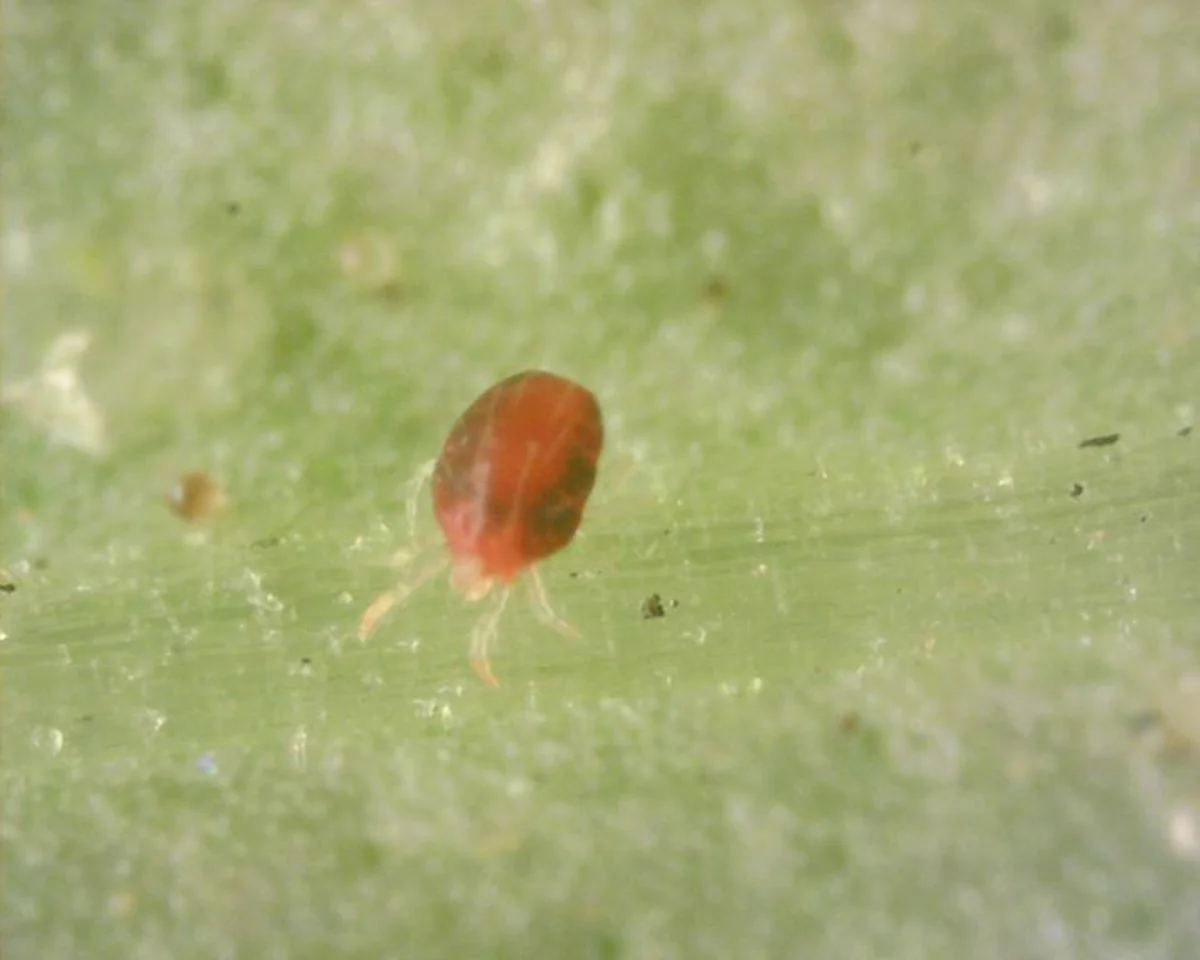
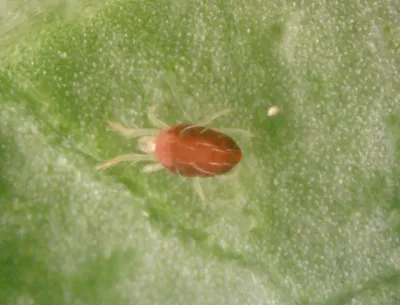
Southern red mites are very small arachnids that measure between 0.3 and 0.4 millimeters in length. This makes them about the size of a period at the end of a sentence. Adult females are oval-shaped with dark reddish-brown to purplish bodies. Males are slightly smaller and more slender than females. Both have eight legs, which distinguishes them from insects.
These mites are darker than most other spider mites on garden plants. The adult body is dark red-brown or red-purple. The front part is often pinkish or red with a pale stripe down the middle. Their dark color makes them easier to see against green leaves when using a magnifier.
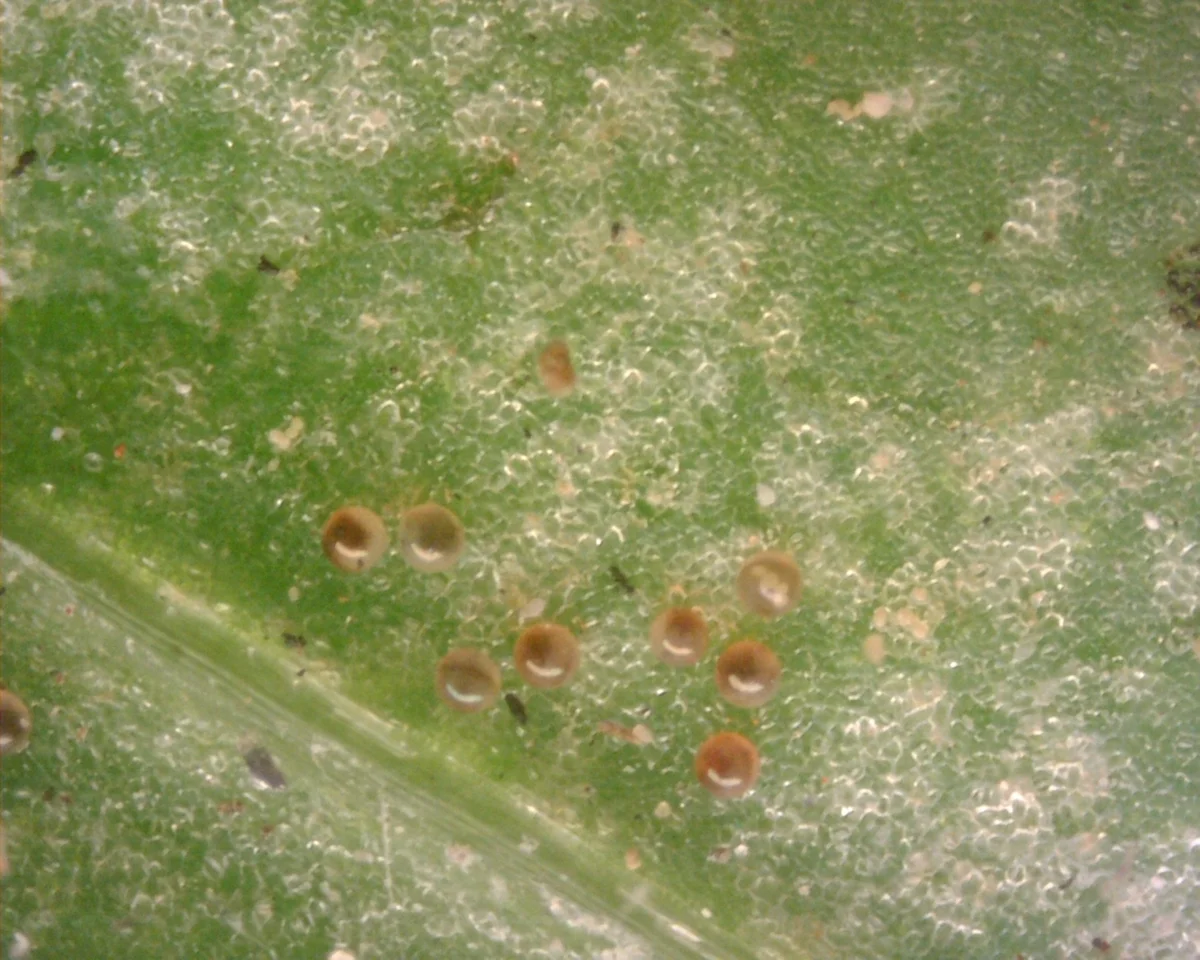
Southern red mite eggs are round, slightly flat, and reddish-brown. Each egg has a tiny hair-like strand sticking up from the center. Newly hatched larvae are a bit larger than the eggs and have only six legs. They grow their fourth pair of legs after molting into the nymph stage.
Common Species
Southern Red Mite (Oligonychus ilicis): This is the primary species discussed here. It was originally described in 1917 as Tetranychus ilicis before being moved to the genus Oligonychus in 1955. It attacks broadleaf evergreens throughout the eastern United States and California.
Spruce Spider Mite (Oligonychus ununguis): A close relative that attacks conifers instead of broadleaf evergreens. Like the southern red mite, it is most active in cool weather.
Southern Red Mites Behavior and Biology
Habitat and Host Plants
Southern red mites feed on the undersides of leaves on broadleaf evergreen shrubs. Their primary hosts include azaleas, camellias, hollies, and rhododendrons. They also attack mountain laurels, roses, viburnums, boxwood, pyracantha, and yews. Researchers have documented over 30 different host plant species.
Unlike many spider mites that prefer stressed plants, southern red mites can attack healthy shrubs. They usually start on the lower, older leaves first before moving up the plant. The mites live and feed on the underside of leaves, making them hard to spot without close checking.
Life Cycle and Reproduction
Southern red mites have many generations each year. Their life cycle has four stages: egg, larva, nymph, and adult. When temperatures stay between 60 and 80 degrees Fahrenheit, they can finish one generation in about two weeks. Males mate with females right after the females reach adulthood. A related species, Velvet Mites, shares similar characteristics.
Females lay eggs on the undersides of leaves, often along the center vein. The reddish eggs survive winter on leaf surfaces and hatch in early spring when it gets warmer. Numbers keep growing through spring until summer heat sends them into a dormant state. A related species, Notoedric Mange Mites, shares similar characteristics.
Seasonal Activity A related species, Chiggers, shares similar characteristics.
Southern red mites are called cool-weather mites because their numbers peak in spring and fall. They are most active when temperatures stay between 50 and 75 degrees Fahrenheit with some humidity. In hot summer months, most of the population goes dormant in the egg stage. A related species, Scabies Mites, shares similar characteristics.
In northern regions, the mites have two main active periods: spring and fall. In milder climates like parts of California and the Deep South, they may remain active longer. In Florida, populations can breed throughout the year.
Feeding and Damage
Southern red mites pierce plant cells with their mouthparts and suck out the contents. This feeding destroys the green pigment in leaves. The damage shows up as tiny pale spots on the upper leaf surface. As feeding continues, leaves turn gray, bronze, or speckled.
Heavy infestations cause major leaf discoloration. Studies show that photosynthesis can drop by 37 to 50 percent depending on mite numbers. Young leaves may become warped if mites feed on them while growing. Heavy feeding can cause early leaf drop and overall plant decline.
Treatment Methods for Southern Red Mites
Southern red mites are plant pests that need specific treatment approaches. Control methods focus on protecting landscape plants through good care habits, regular checks, and targeted treatments.
Monitoring and Detection
-
Visual Inspection: Use a 10X to 15X magnifying glass to examine the undersides of leaves for mites, cast skins, and webbing. Focus on the lower, older leaves where infestations typically begin.
-
Paper Shake Test: Hold a piece of white paper beneath a branch and strike the foliage. If southern red mites are present, they will fall onto the paper where their movement makes them visible.
-
Egg Checks: Look for red overwintering eggs on the lower leaf surfaces from November through early spring. Finding eggs indicates the need for early season monitoring.
Cultural Controls
-
Water Sprays: Regular spraying of infested foliage with a strong stream of water can knock mites off plants. This works best on specimen plants that are easy to reach. The physical removal reduces populations without chemicals.
-
Plant Health: Maintain proper watering and avoid over-fertilizing plants. Excess nitrogen makes foliage more nutritious for mites and increases their reproduction. Stressed plants recover more slowly from mite damage.
-
Pruning: Remove heavily infested branches to reduce mite numbers. Dispose of pruned material away from susceptible plants.
Chemical Controls
-
Dormant Oils: Applying horticultural oil to leaf undersurfaces when overwintering eggs are present helps reduce spring populations. This approach targets eggs before they hatch.
-
Horticultural Oils and Soaps: For light to moderate infestations, insecticidal soaps and horticultural oils provide good control. These products must contact the mites directly to work.
-
Miticides: When heavy infestations develop, stronger miticide products may be needed. Products with active ingredients like fenpyroximate or fenazaquin work well against southern red mites. Switch between products to prevent the mites from building resistance.
Biological Controls
Predatory mites can help reduce southern red mite numbers. Species such as Amblyseius herbicolus and Euseius alatus feed on southern red mites at all life stages. Lady beetles and minute pirate bugs also eat these mites.
When predator numbers are low, releasing purchased predatory mites can boost control results.
Preventing Southern Red Mite Problems
- Inspect new plants before adding them to your landscape
- Choose planting sites with good air circulation
- Avoid placing susceptible plants in hot, dry microclimates
- Monitor azaleas, camellias, and hollies regularly during spring and fall
- Keep plants properly watered and avoid drought stress
- Maintain balanced fertilization to avoid soft, succulent growth
References
Other Mites
Explore other species in the mites family
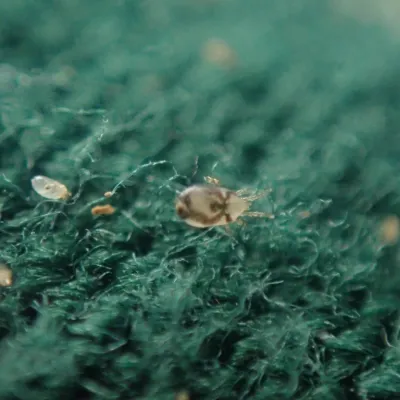
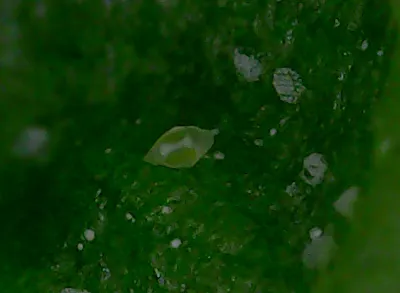
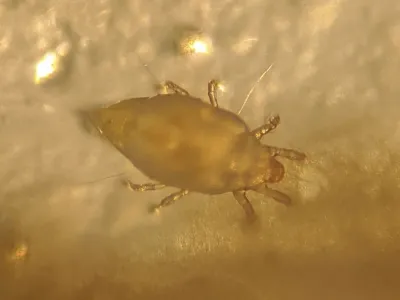
Commonly Confused With
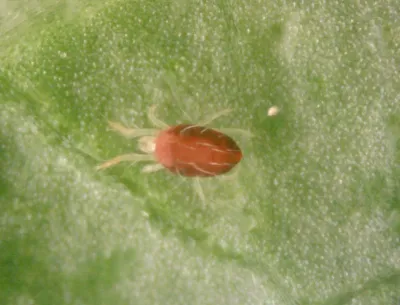
Southern Red Mites are often mistaken for these similar pests
Where Southern Red Mites Are Found
Hover over states to see their names. Green regions indicate where southern red mites have been reported.
Common Questions about Southern Red Mites
What plants do southern red mites attack?
+
Southern red mites primarily target broadleaf evergreens. Their favorite hosts include azaleas, camellias, hollies, rhododendrons, and mountain laurels. They can also infest roses, viburnums, boxwood, and pyracantha.
When are southern red mites most active?
+
Unlike most spider mites that thrive in hot weather, southern red mites are cool-weather pests. They are most active during spring and fall when temperatures range from 50 to 75 degrees Fahrenheit. They go dormant during hot summer months.
How do I know if my plants have southern red mites?
+
Look for bronzing, graying, or stippling on leaves, especially on the undersides. Use a magnifying glass to spot the tiny dark red mites. You can also shake infested leaves over white paper to see the mites fall and move around.
Do southern red mites bite humans?
+
No, southern red mites do not bite humans or pets. They feed exclusively on plant material and pose no direct health risk to people. Their damage is limited to ornamental plants and shrubs.
Why do my azaleas look bronze or gray?
+
Bronze or gray discoloration on azaleas and similar evergreens is often caused by southern red mite feeding. The mites puncture plant cells and suck out the contents, destroying chlorophyll and causing the characteristic color change.
Can southern red mites kill my plants?
+
Severe, untreated infestations can cause significant damage and even kill shrubs over time. The mites reduce the plant's ability to photosynthesize, which weakens it and makes it more susceptible to other stresses and diseases.
How are southern red mites different from other spider mites?
+
Southern red mites are darker in color than most spider mites and are active during cooler weather rather than hot, dry conditions. While other spider mites thrive in summer heat, southern red mites go dormant during the hottest months.

With five years of hands-on experience in the pest control industry, George Schulz is a registered technician with the Virginia Pest Management Association and a proud third-generation professional in a family business that's been protecting homes for over 57 years. He manages and trains a team of service pros while also leading internal research efforts—recently spearheading a deep-dive review of thousands of documents on pest control materials to hand-pick the most kid and pet friendly, most effective solutions tailored specifically for homes in the DC metro area.