Predatory Mites Identification Guide
Phytoseiidae
Predatory mites are tiny arachnids that feed on pest mites, thrips, and other small arthropods. They help control spider mite problems in gardens and greenhouses without the need for pesticides.
Taxonomy
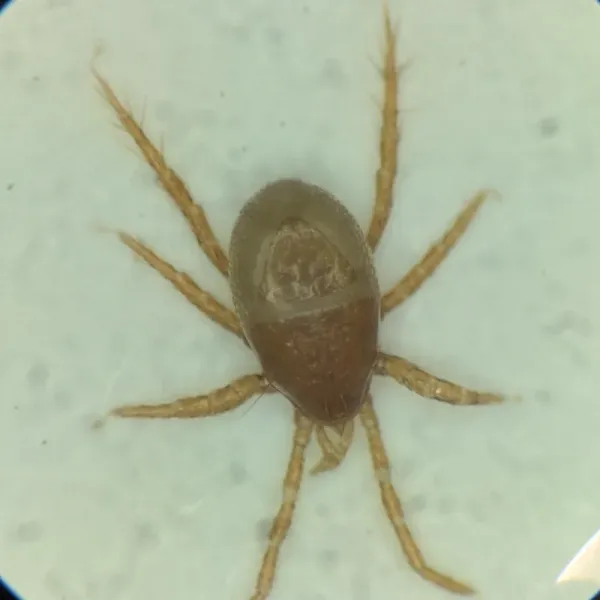
Predatory Mites Coloration
Common color patterns to help identify predatory mites
Predatory Mites
Seasonal Activity
When predatory mites are most active throughout the year
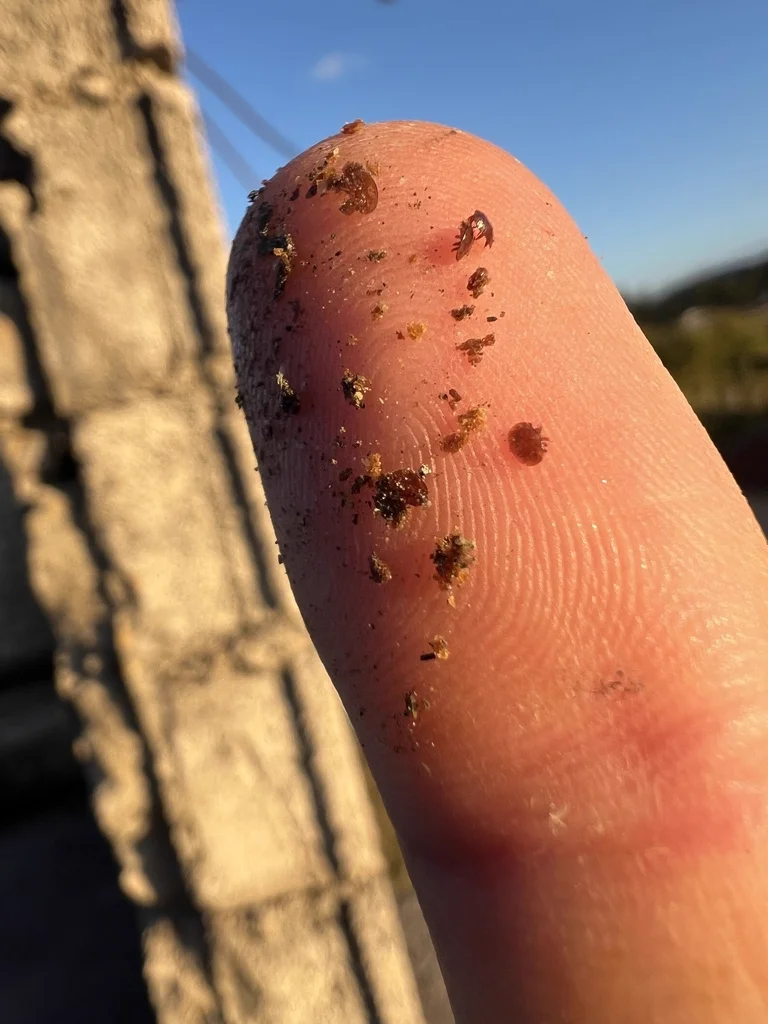
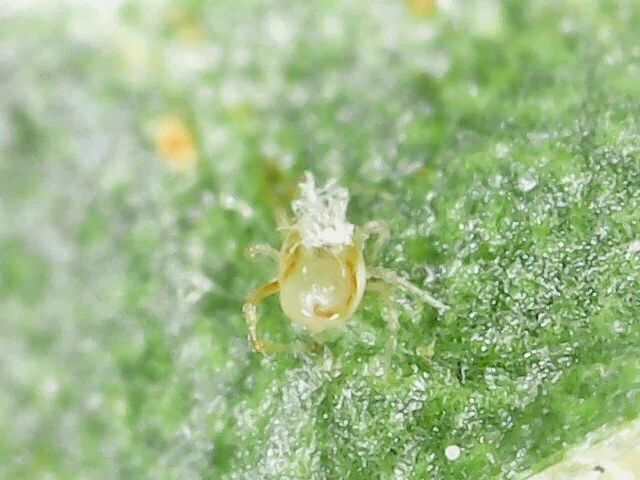
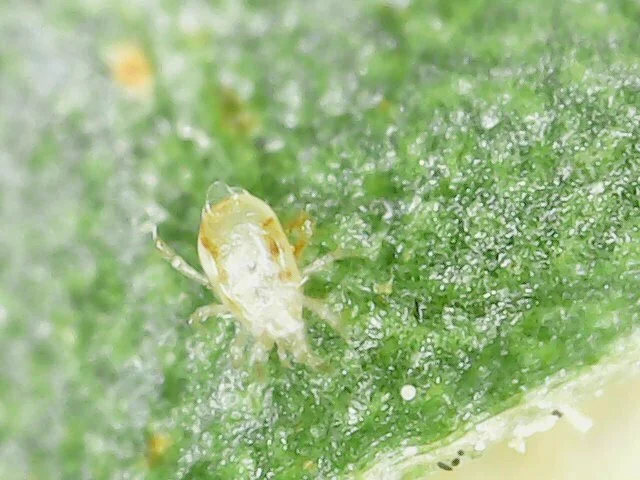

Where Predatory Mites Are Found
Hover over states to see their names. Green regions indicate where predatory mites have been reported.
Predatory Mites Identification Guide
Physical Characteristics
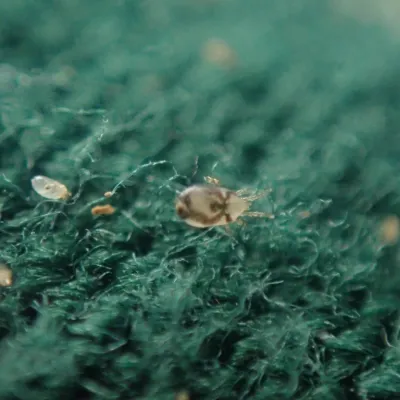
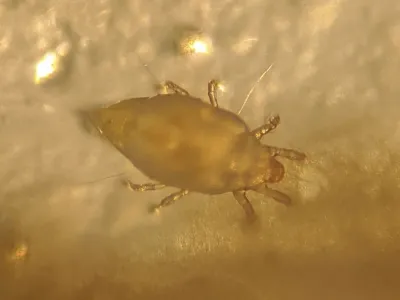
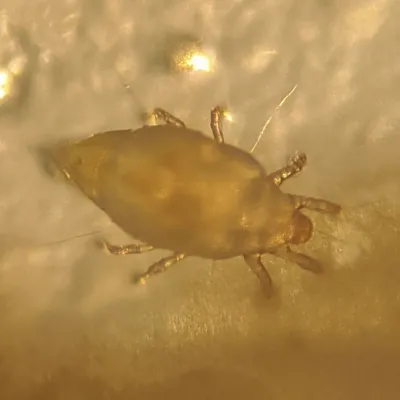
Predatory mites are tiny. They measure between 0.3 and 0.5 millimeters long. Most people need a magnifying glass to see them. They have pear-shaped bodies that look shiny and slightly flat. Their eight legs are long for their body size. This helps them move fast across leaves.
Their color changes based on what they eat. Hungry predatory mites are often clear white or pale tan. After eating, they may turn pale orange, reddish, or green. Some species like Phytoseiulus persimilis stay bright red-orange all the time.
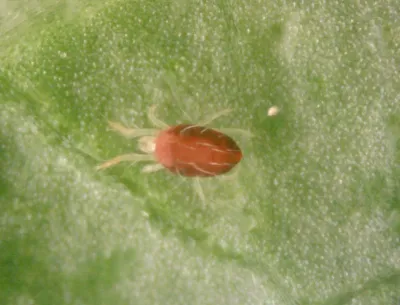
Predatory mites do not make silk webbing like pest mites do. They move much faster than spider mites. When you touch them, they run away quickly instead of staying still or falling off the leaf.
Common Species in North America
Phytoseiulus persimilis (Mediterranean Mite Predator): This is the most common predatory mite sold for pest control. Adults are bright reddish-orange. They hunt twospotted spider mites and can eat up to 20 per day.
Neoseiulus californicus (Californian Mite Predator): This species eats spider mites and can live on pollen when prey is hard to find. It handles a wider range of temperatures and humidity than P. persimilis.
Amblyseius swirskii: This predator eats thrips, whitefly eggs, and spider mites. It is pale tan to light yellow. It works well in greenhouses.
Galendromus occidentalis (Western Predatory Mite): This species lives in North America. It works well against spider mites on fruit trees and grapevines. It handles hot, dry weather better than most other predatory mites.
Neoseiulus cucumeris: People use this species mainly for thrips control. It also eats spider mites and other small pests. It is often released in greenhouse crops.
Predatory Mites Behavior and Biology
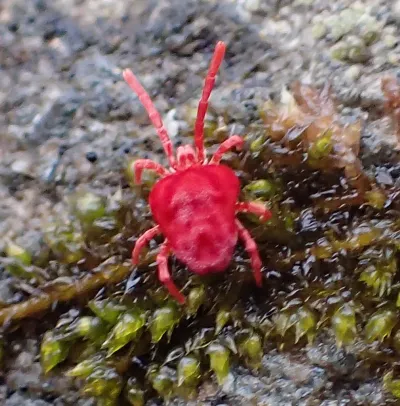
Where They Live A related species, Velvet Mites, shares similar characteristics.
Predatory mites live wherever they can find prey. You can find them in gardens, orchards, vineyards, forests, and greenhouses. Most types live on the undersides of leaves where spider mites gather. Some types also live in soil and leaf litter. They hunt pests that live in the ground. A related species, Notoedric Mange Mites, shares similar characteristics.
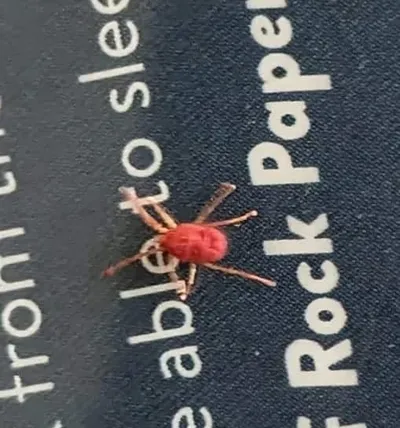
These mites do best when humidity is between 60 and 80 percent. Some species like Phytoseiulus persimilis need higher humidity to breed well. Others like Galendromus occidentalis can handle drier air. Most are active when temps are between 60 and 90 degrees Fahrenheit. A related species, Chiggers, shares similar characteristics.
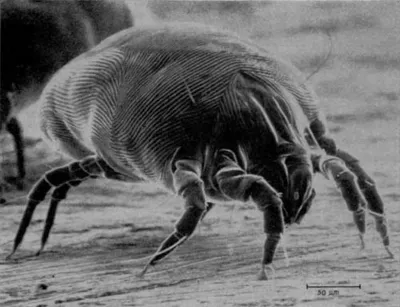
How They Hunt A related species, Scabies Mites, shares similar characteristics.
Predatory mites are active hunters. They search for prey instead of waiting for it to come to them. One adult can eat 5 to 20 spider mites per day. This includes eggs, young mites, and adults. Some species poke holes in their prey and drink the fluids. Others eat the whole prey.
Scientists group predatory mites by what they eat. Type I mites only eat certain prey. Type II mites like spider mites that spin webs. Type III mites eat many prey types. Type IV mites can live on pollen when there is no prey around.
Life Cycle
Female predatory mites lay tiny oval eggs on leaves. The eggs are clear white and smaller than spider mite eggs. Spider mite eggs are round and often have color. Eggs hatch in 2 to 5 days based on species and temperature.
The life cycle has four stages: egg, larva, nymph, and adult. Larvae have six legs. Nymphs and adults have eight legs. The larval stage does not eat. Nymphs and adults are active hunters. The full cycle takes 7 to 14 days in good conditions.
Most predatory mites need to mate to have young. Some can lay eggs without mating. Females lay 2 to 4 eggs per day. Over their 30-day life, they may lay 30 to 60 eggs total. When there is lots of prey, their numbers grow fast.
Predatory Mites in Pest Management
Predatory mites are not pests. They hunt and eat pest mites like spider mites. Knowing what they do helps homeowners make smart choices about pest control.
What Predatory Mites Do
-
Control Spider Mites: Predatory mites eat spider mites. They can reduce spider mite numbers without pesticides.
-
Keep Working Over Time: These mites keep hunting as long as prey is around. They breed and grow their numbers on their own.
-
Pests Cannot Resist Them: Spider mites cannot become resistant to predators. This makes predatory mites useful for long-term control.
-
Do Not Harm Plants: Predatory mites only eat other small creatures and pollen. They do not feed on plants.
Keeping Predatory Mites in Your Garden
Many pesticides kill predatory mites along with pests. This can make pest problems worse over time. To keep predatory mites in your garden:
- Use pesticides only when needed
- Pick products that target specific pests
- Wait between pesticide use and releasing predatory mites
- Grow different types of plants to support predator numbers
- Keep dust off plants since dust can harm these mites
Buying Predatory Mites
You can buy predatory mites and release them in your garden. This works best for:
- Greenhouses and indoor plants
- Gardens with ongoing spider mite issues
- Areas where pesticides have killed off natural predators
- Organic gardens that cannot use chemical treatments
Release predatory mites early when pest numbers are still low. They work better as prevention than as a fix for large infestations.
References
Other Mites
Explore other species in the mites family
Commonly Confused With
Predatory Mites are often mistaken for these similar pests
Where Predatory Mites Are Found
Hover over states to see their names. Green regions indicate where predatory mites have been reported.
Common Questions about Predatory Mites
Are predatory mites harmful to humans or pets?
+
No, predatory mites do not hurt humans or pets. They do not bite people or spread diseases. They only eat other tiny creatures like spider mites, thrips, and insect eggs.
How do I tell predatory mites apart from spider mites?
+
Predatory mites move faster than spider mites. If you blow on them or touch them and they run away fast, they are likely predatory mites. Spider mites move slowly. Predatory mites are also a bit larger with longer legs.
Should I kill predatory mites in my garden?
+
No, you should not kill predatory mites. They eat pest mites and help keep your plants healthy. If you kill them, spider mite problems may get worse.
Where do predatory mites come from?
+
Predatory mites live in many places like gardens, orchards, and forests. You can also buy them and release them in your garden. There are over 230 species around the world.
Can predatory mites live inside my house?
+
Predatory mites sometimes come inside on plants. They cannot live indoors without prey to eat. If you see them on houseplants, they likely came in with spider mites.
Do predatory mites work better than pesticides for spider mite control?
+
Predatory mites work well for spider mite control, especially in greenhouses and on houseplants. They keep hunting as long as there is prey. Spider mites cannot become resistant to being eaten.
How fast do predatory mites control spider mite infestations?
+
Predatory mites can cut spider mite numbers in 2-4 weeks. One adult can eat 5-20 spider mites per day. Results depend on temperature, humidity, and how many pests you start with.

With five years of hands-on experience in the pest control industry, George Schulz is a registered technician with the Virginia Pest Management Association and a proud third-generation professional in a family business that's been protecting homes for over 57 years. He manages and trains a team of service pros while also leading internal research efforts—recently spearheading a deep-dive review of thousands of documents on pest control materials to hand-pick the most kid and pet friendly, most effective solutions tailored specifically for homes in the DC metro area.