Poultry Red Mites Identification Guide
Dermanyssus gallinae
Poultry red mites are blood-feeding parasites that primarily affect chickens and other poultry. These nocturnal pests hide during the day and emerge at night to feed, causing stress, reduced egg production, and potential health issues in birds.
Taxonomy
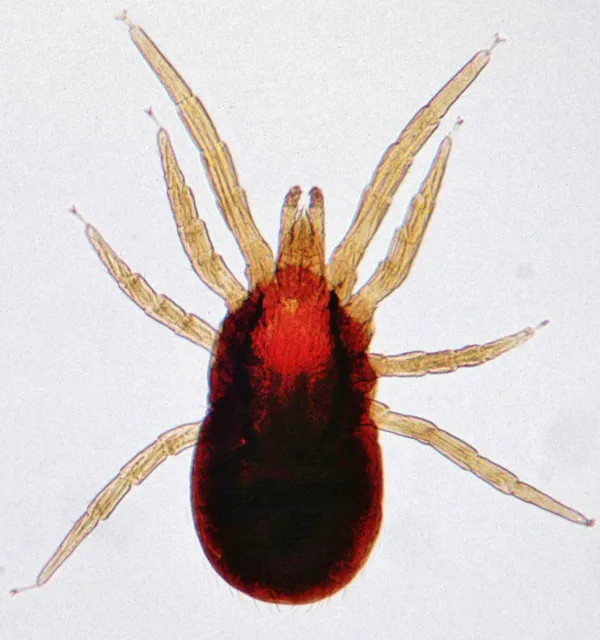
Poultry Red Mites Coloration
Common color patterns to help identify poultry red mites
Poultry Red Mites
Seasonal Activity
When poultry red mites are most active throughout the year
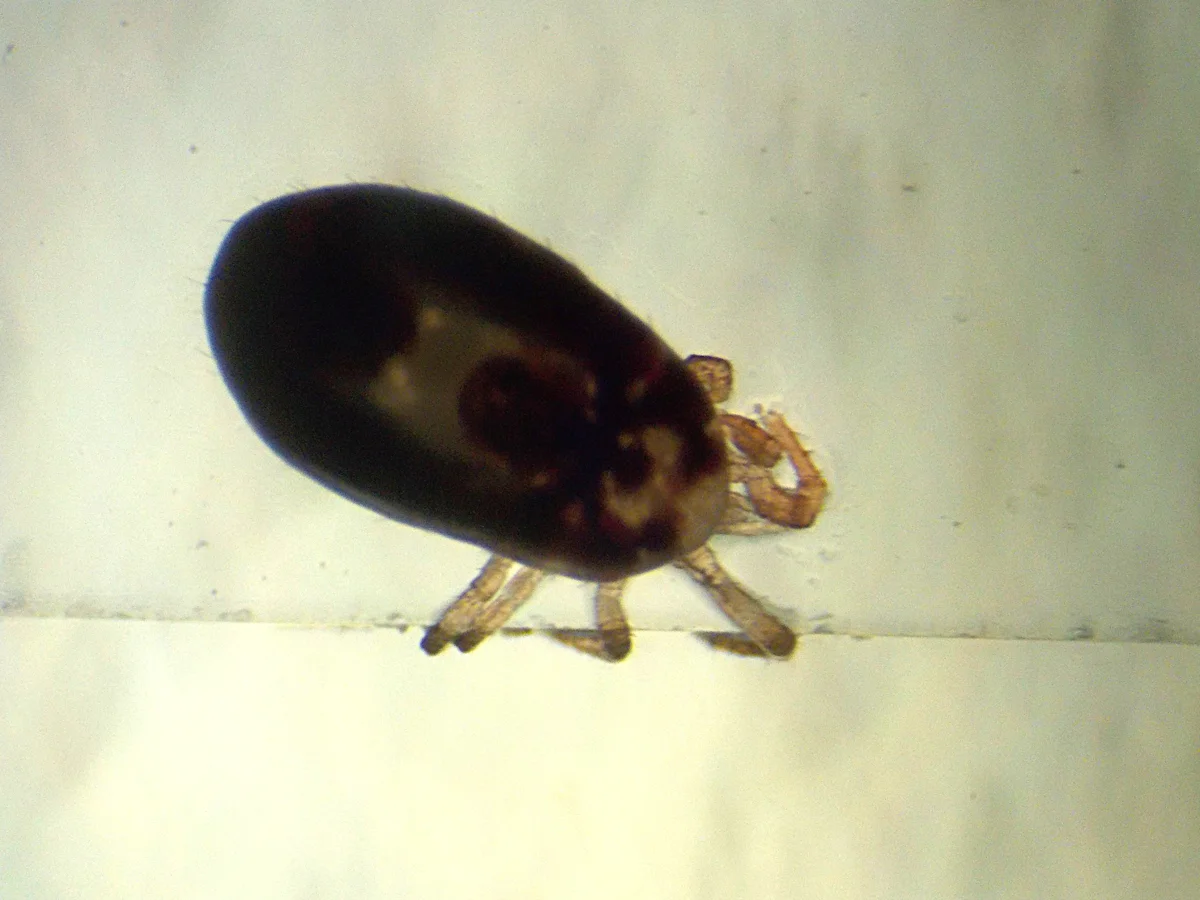
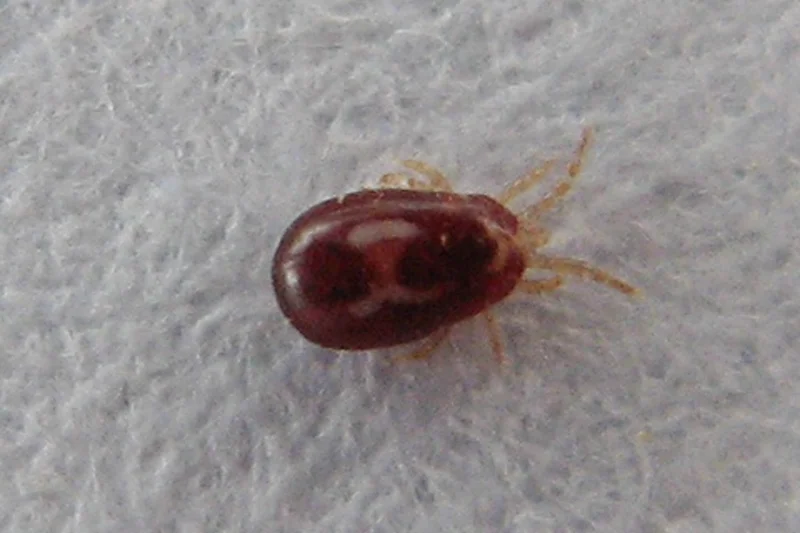
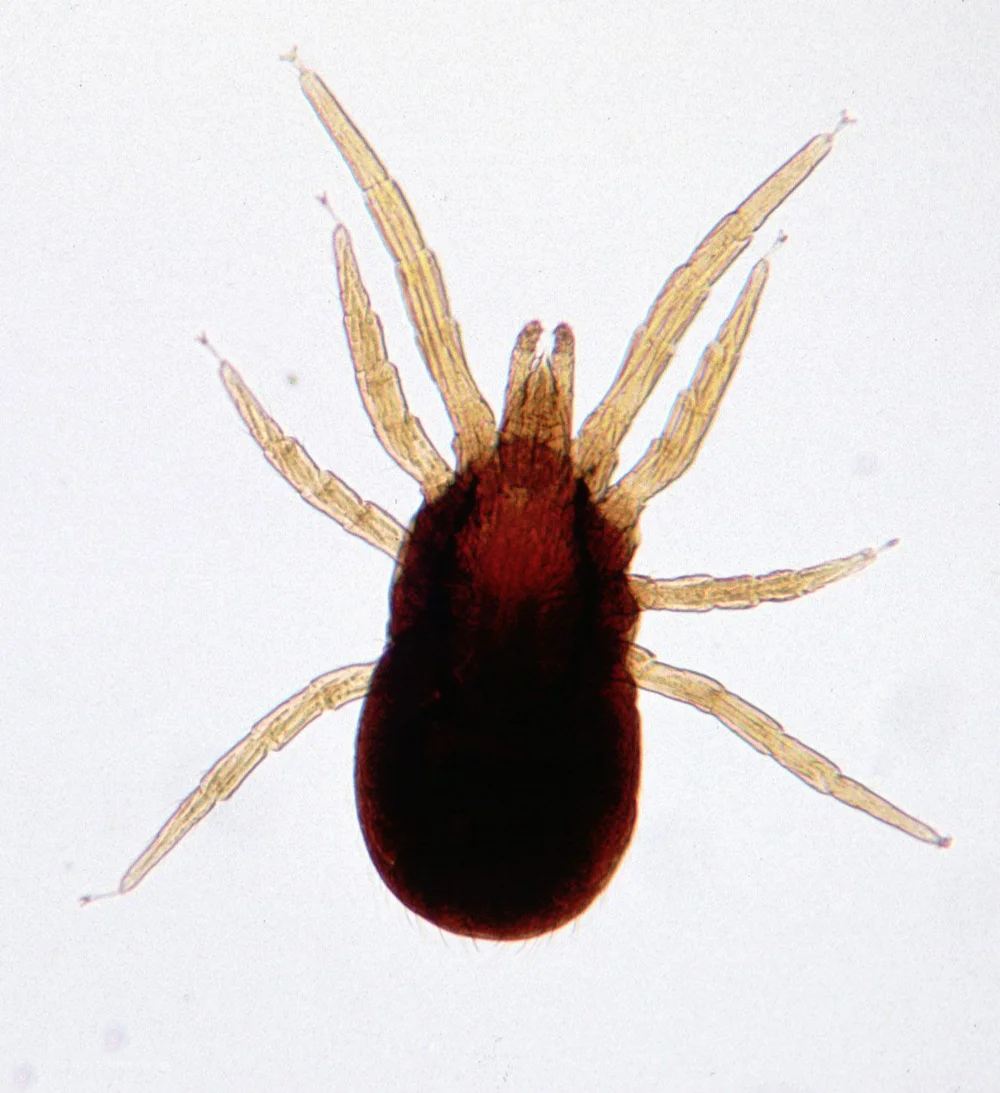

Where Poultry Red Mites Are Found
Hover over states to see their names. Green regions indicate where poultry red mites have been reported.
Poultry Red Mite Identification Guide
Physical Characteristics
Poultry red mites are tiny pests that feed on blood. They measure between 0.75 and 1.0 millimeters long. You can barely see them without a magnifying glass. They often look like small moving specks.
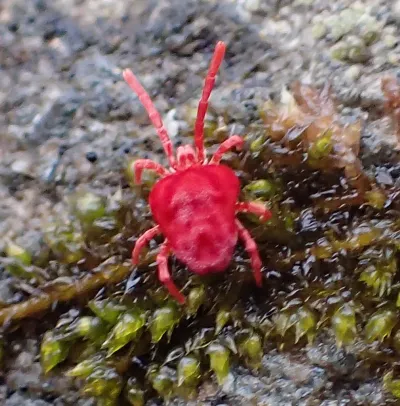
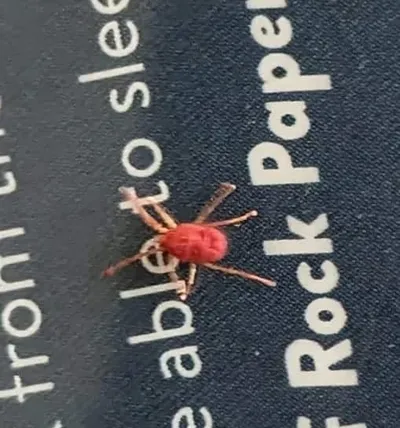
Their color changes based on when they last ate. Mites that have not fed look gray or white. After feeding on blood, they turn bright red. As they digest, they darken to reddish-brown or almost black.
Adult mites have eight legs and oval bodies. Under a microscope, you can see they have a shield on their back that tapers toward the rear. They also have long, thin legs. Their mouthparts are made for piercing skin and drinking blood. Females are a bit larger than males.
One way to tell them apart from the northern fowl mite is their behavior. Poultry red mites hide in cracks during the day. Northern fowl mites stay on the bird all the time.
Common Names
The poultry red mite (Dermanyssus gallinae) has several common names:
- Chicken Mite: The most common name in North America
- Red Mite: Used often in Europe and the United Kingdom
- Roost Mite: Named for hiding near roosting areas
- Bird Mite: A general term for this and related species
Dermanyssus gallinae is the main species that affects poultry in North America. A related species called Dermanyssus hirundinis mostly affects swallows. It can sometimes bite humans too.
Poultry Red Mite Behavior and Biology
Life Cycle
Poultry red mites go through five life stages: egg, larva, protonymph, deutonymph, and adult. In warm, humid weather, they can finish this cycle in just 7 days. This fast growth lets their numbers grow quickly in summer.
Females lay small white eggs in cracks near roosts. Each female can lay up to 30 eggs after feeding. The eggs hatch into larvae with six legs. Larvae do not feed. They molt into protonymphs with eight legs. Protonymphs need blood to grow. After feeding and molting again, they become deutonymphs. One more blood meal and molt turns them into adults.
Both young stages and adults need blood meals to survive and grow. Adult females must feed before they can lay eggs. Males feed less often than females.
Feeding Habits
Poultry red mites feed at night. They hide in dark cracks during the day. At night, they come out to feed on sleeping birds. Feeding takes about 30 to 60 minutes. After eating, they go back to their hiding spots. Females lay eggs there.
These mites feed every 2 to 4 days when hosts are nearby. They find birds by sensing warmth and carbon dioxide. Chickens are their top choice for food. But they will also feed on turkeys, pigeons, sparrows, and other birds. When no birds are around, they may bite horses, rodents, or people. This host-seeking behavior is similar to rodent mites that also bite humans after losing their preferred hosts. A related species, Velvet Mites, shares similar characteristics.
Habitat and Hiding Spots A related species, Notoedric Mange Mites, shares similar characteristics.
During the day, poultry red mites gather in dark spots near where birds sleep. Common hiding spots include: A related species, Chiggers, shares similar characteristics.
- Cracks in wooden roosts and nest boxes
- Gaps between boards in coop walls
- Under loose bark or paint
- In the ends of metal perches
- Under roofing materials
- In nesting material and bedding
- Around hinges and latches A related species, Scabies Mites, shares similar characteristics.
The mites can travel several meters to reach birds at night. They often form clusters in their hiding spots. These clusters look like gray or red masses when you look closely.
Signs of Poultry Red Mite Infestation
Finding a mite problem early helps stop it from getting worse. Watch for these warning signs:
- Pale combs and wattles: Blood loss makes them pale pink instead of bright red
- Fewer eggs: Stressed hens lay less or stop laying
- Birds avoid the coop: They may not want to roost at night or seem restless
- Blood spots on eggs: Small red or brown smears on egg shells
- Visible mites: Check roosts and cracks at night with a flashlight
- Gray or red specks: Clusters of mites or their droppings in crevices
- Weak birds: In bad cases, birds may be weak, tired, or even die
A simple test is to put a white cloth under the roosts at night. In the morning, look for tiny red or black specks. If they leave a red smear when crushed, you have mites.
Treatment Methods for Poultry Red Mites
Getting rid of poultry red mites takes a complete approach. You need to treat both the mites and their hiding spots. Several methods can work well.
Cleaning and Sanitation
Deep cleaning is the first step in mite control:
- Remove all bedding: Scrub surfaces and clean all cracks
- Use heat: Temperatures above 113 degrees Fahrenheit kill mites at all life stages
- Seal gaps: Fill cracks where mites hide with caulk or wood filler
- Replace bedding: Use fresh, clean nesting materials often
Chemical Treatments
Several products can help reduce mite numbers when used as directed:
- Permethrin sprays: Apply to coop surfaces, not on the birds
- Carbaryl dust: Can be put in coop crevices
- Dust products: Some products damage mite outer shells
Always follow product labels carefully. Watch withdrawal periods for eggs and meat when using chemical treatments.
Other Approaches
Some non-chemical methods may help control mites:
- Food-grade dusts: Applied to dust bathing areas and coop crevices
- Predatory mites: Some mite species eat red mites
- Wood ash: Birds can use this for dust bathing
Prevention Tips
Stopping mites before they start is easier than getting rid of them:
- Keep new birds separate before adding them to your flock
- Check birds and gear from other places carefully
- Keep the coop clean with regular cleaning
- Make sure the coop has good airflow to reduce moisture
- Do not bring in wild bird nesting materials
- Check for mites often, especially in warm weather
Health Concerns
Effects on Poultry
Bad mite problems cause real harm to chickens:
- Blood loss: Makes birds weak and pale
- Fewer eggs: Stressed hens lay less and eggs may be smaller
- Weight loss: Birds use energy fighting the mites
- Behavior changes: Birds may peck feathers, act restless, or fight
- Disease spread: Mites can spread fowl pox, Newcastle disease, and bacterial infections
- Death: Bad cases can kill young birds or weak adults
Effects on Humans
Poultry red mites will bite people when they cannot find birds to feed on. Bites on humans usually cause:
- Itchy red bumps
- Mild swelling
- Irritation for several days
Bites happen most often on bare skin. People who work with infested birds are at higher risk. The mites cannot live on humans or have babies using human blood. Symptoms go away once you control the mites in the coop.
Note: If you have bad reactions or signs of infection from mite bites, see a doctor. This page is for general information only and is not medical advice.
References
- Chicken Mite - University of Florida IFAS Extension
- Dermanyssus gallinae - Wikipedia
- Understanding the biology and control of the poultry red mite - Avian Pathology
- A gallery of the key characters to ease identification of Dermanyssus gallinae - Parasites & Vectors
- Poultry Red Mites - Alabama Cooperative Extension System
- Red Mite: An Underestimated Problem in Poultry Production - The Poultry Site
Other Mites
Explore other species in the mites family
Commonly Confused With
Poultry Red Mites are often mistaken for these similar pests
Where Poultry Red Mites Are Found
Hover over states to see their names. Green regions indicate where poultry red mites have been reported.
Common Questions about Poultry Red Mites
What are poultry red mites?
+
Poultry red mites (Dermanyssus gallinae) are blood-feeding parasites that primarily infest chickens, turkeys, and other poultry. They are also known as chicken mites or roost mites. These tiny arachnids hide in cracks during the day and come out at night to feed on sleeping birds.
Do poultry red mites bite humans?
+
Yes, poultry red mites can bite humans when their bird hosts are unavailable. The bites cause itchy red welts similar to other insect bites. However, humans are not suitable long-term hosts, and mites cannot reproduce using human blood alone.
How do I know if my chickens have red mites?
+
Signs include pale combs and wattles from blood loss, decreased egg production, restlessness at night, birds reluctant to enter the coop, and visible mites in cracks or on roosts when inspected at night with a flashlight. You may also see gray or red specks on eggs or nesting materials.
How long can poultry red mites survive without a host?
+
Poultry red mites can survive for up to 8 to 9 months without a blood meal in cool conditions. This remarkable survival ability makes them difficult to eliminate and allows them to persist in empty coops between flocks.
Are poultry red mites dangerous to chickens?
+
Yes, heavy infestations can cause anemia, weight loss, reduced egg production, stress, and even death in severe cases. Red mites may also act as vectors for diseases including fowl pox virus and various bacterial infections.
When are poultry red mites most active?
+
Poultry red mites are most active during warm months from late spring through early fall. They thrive in temperatures above 68 degrees Fahrenheit and high humidity. Their populations can explode during summer, with the entire life cycle completing in just 7 days under optimal conditions.
Can poultry red mites infest my home?
+
If you keep backyard chickens near your home, red mites can migrate indoors searching for hosts. They may enter through cracks and crevices, particularly in rooms near the chicken coop. Removing the source infestation in the coop is essential for control.

With five years of hands-on experience in the pest control industry, George Schulz is a registered technician with the Virginia Pest Management Association and a proud third-generation professional in a family business that's been protecting homes for over 57 years. He manages and trains a team of service pros while also leading internal research efforts—recently spearheading a deep-dive review of thousands of documents on pest control materials to hand-pick the most kid and pet friendly, most effective solutions tailored specifically for homes in the DC metro area.