Oak Mites Identification Guide
Pyemotes herfsi
Oak mites are microscopic parasitic mites that live in oak tree galls and can bite humans, causing intensely itchy red welts. They are nearly invisible to the naked eye and fall from trees in large numbers during late summer and fall.
Taxonomy
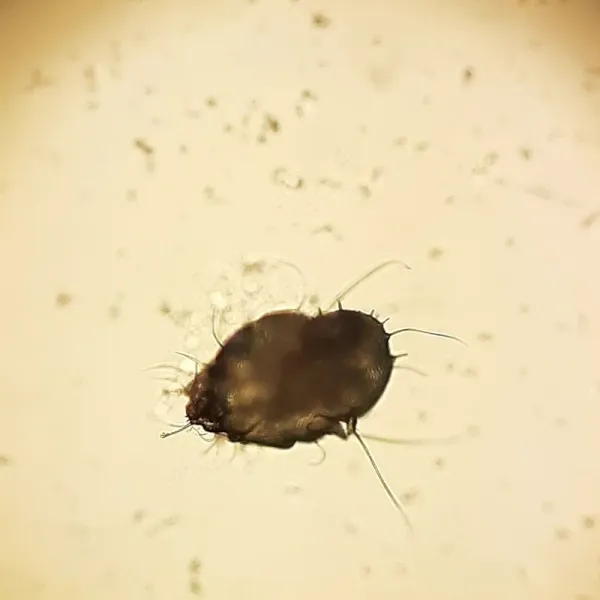
Oak Mites Coloration
Common color patterns to help identify oak mites
Oak Mites
Seasonal Activity
When oak mites are most active throughout the year
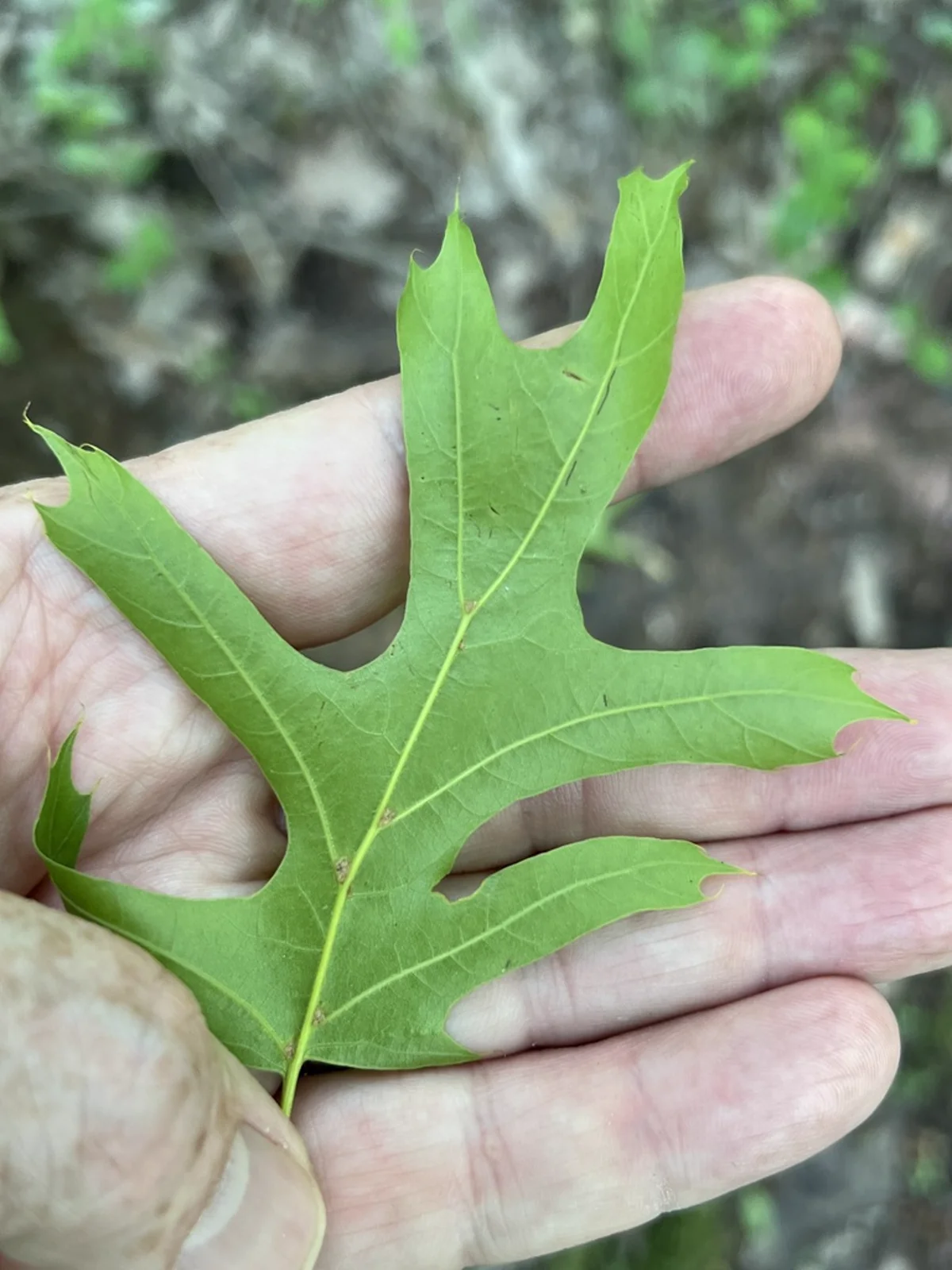

Where Oak Mites Are Found
Hover over states to see their names. Green regions indicate where oak mites have been reported.
Oak Mites Identification Guide
Physical Characteristics
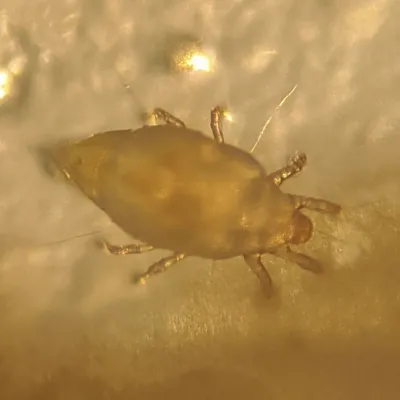
Oak mites are tiny pests that you cannot see without a microscope. They measure just 0.2 millimeters long and belong to the itch mite family Pyemotidae. Their bodies are oval-shaped with a reddish-tan color and a shiny surface. Like all mites, they have eight legs. Two pairs sit at the front and two pairs at the rear.
When female oak mites become pregnant, their bodies change shape. The back part swells into a ball as up to 250 young develop inside. The young grow to adults inside the mother before coming out.
How to Identify Oak Mites
You cannot spot oak mites by looking at them. They are too small. Most people learn they have oak mites when they get bites. Key features of oak mites include:
- Very small size (0.1-0.2 mm)
- Oval body shape
- Reddish-tan color
- Eight legs
- Shiny outer shell
Oak Mites Behavior and Biology
Lifecycle and Reproduction
Oak mites reproduce in an unusual way. Males come out of their mother first. They wait for the females to emerge, then mate with them. There are far more females than males, about 10 to 20 females for every male. After mating, males die without ever eating. Females then find oak galls and attack the midge larvae living inside.
Females live about 17 to 27 days on average. They reproduce best at warm temperatures between 77 and 86 degrees Fahrenheit. When it gets too hot, they have fewer young.
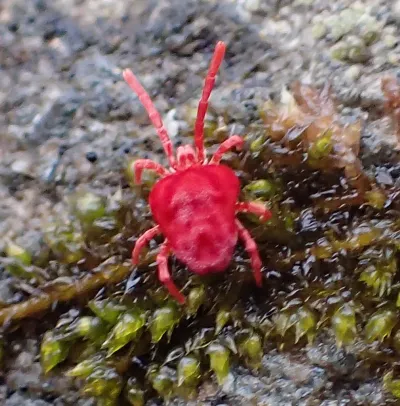
Feeding Habits A related species, Velvet Mites, shares similar characteristics.
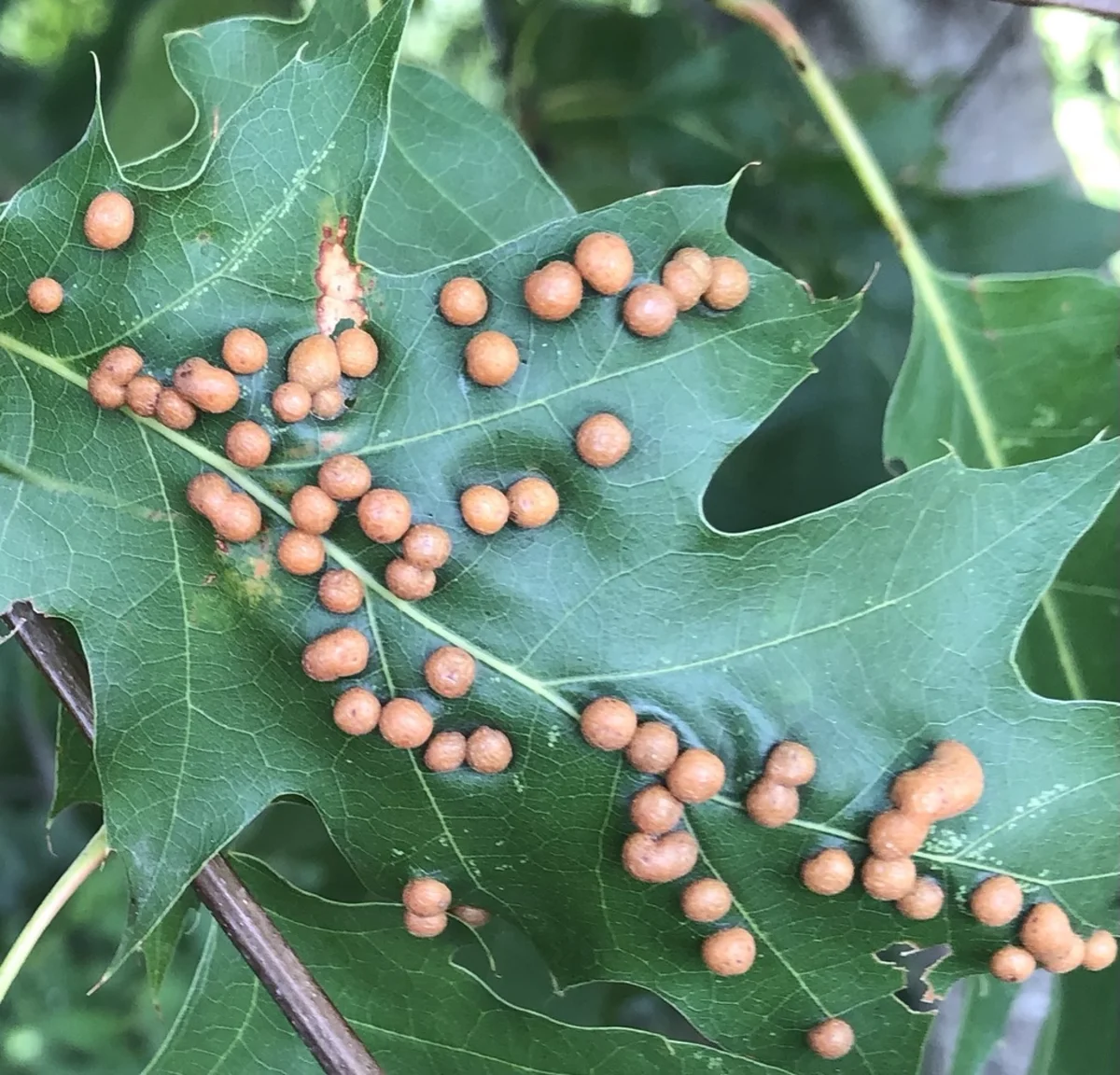
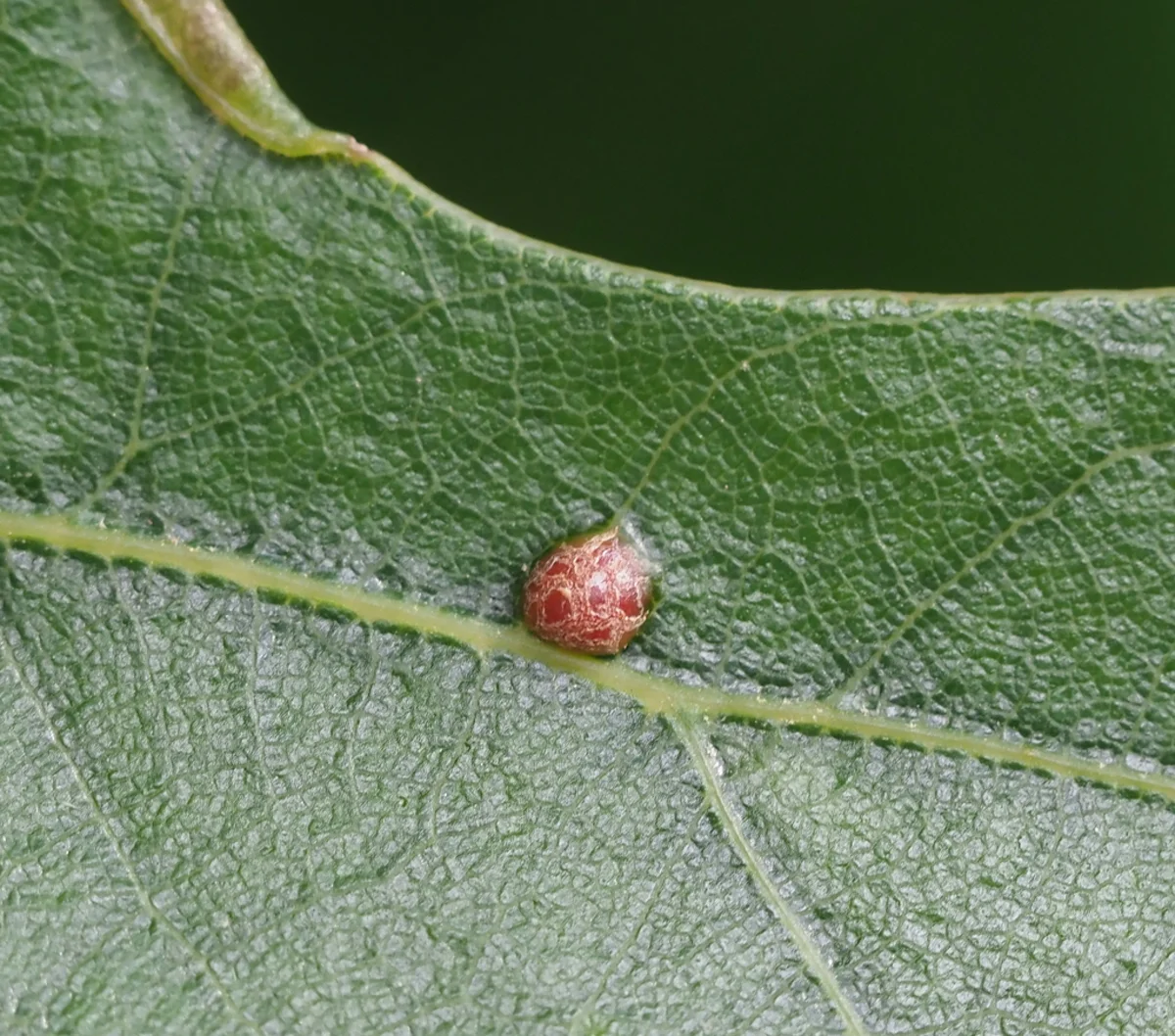
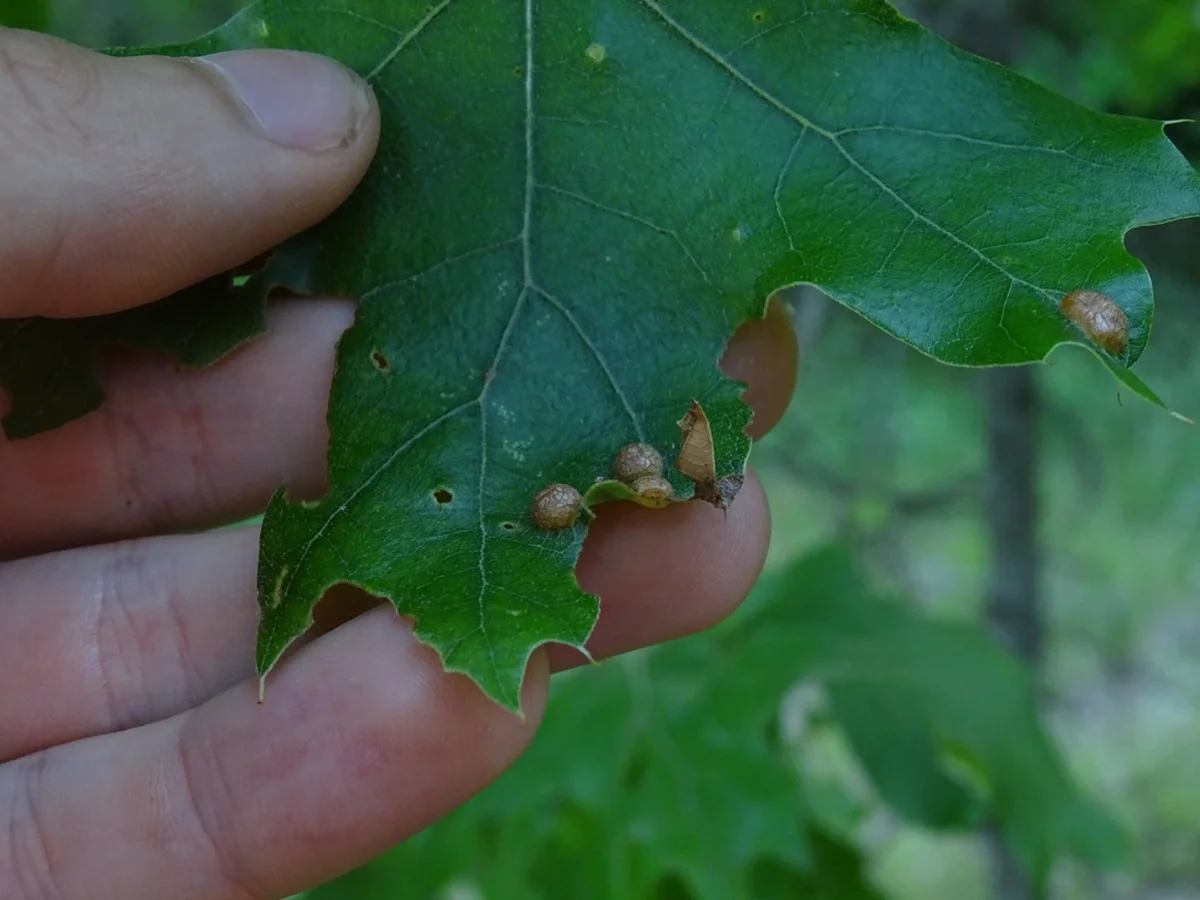
Oak mites feed on midge larvae that live inside galls on oak leaves. They bite their prey and inject a toxin that causes the larvae to stop moving. The mite then drinks the body fluids of its prey. A related species, Notoedric Mange Mites, shares similar characteristics.
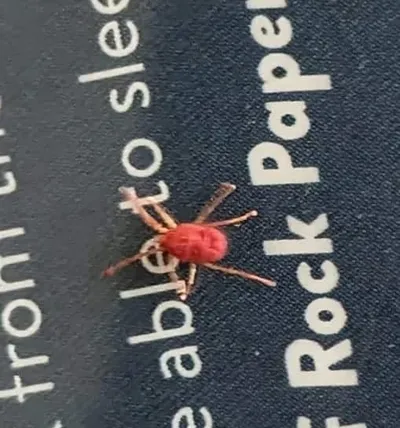
In North America, oak mites target the larvae that make galls along leaf edges. These galls are most common on pin oaks but also appear on red oaks and black oaks. A related species, Chiggers, shares similar characteristics.
How Humans Get Bitten A related species, Scabies Mites, shares similar characteristics.
Oak mites do not target humans as food, unlike bird mites or rodent mites that actively seek warm-blooded hosts. People get bitten when mites fall from trees and land on them. Studies show that up to 370,000 mites can fall from one tree in a single day. Wind can carry the mites far from the tree. They can even blow through window screens into homes. A related species, Spider Mites, shares similar characteristics.
Most bites happen to people who spend time under oak trees. Raking leaves and gardening are common ways to get exposed. You usually do not feel the bite when it happens. The itch starts 10 to 16 hours later.
Oak Mite Distribution and Outbreaks
Oak mites first caused rashes in Europe in 1936. The first major outbreak in the United States happened in 2004 in Kansas. The CDC reported that about 54% of the people in Crawford County got bitten. That was roughly 19,000 people.
Since then, outbreaks have spread across the Midwest and Eastern states. Nebraska, Oklahoma, Missouri, Tennessee, Texas, and Illinois have all reported problems. The mites now live throughout much of the eastern and central United States where oak trees grow.
Treatment Methods for Oak Mites
Oak mites are hard to control. They live inside leaf galls where sprays cannot reach them. Spraying trees does not work well to reduce mite numbers.
Prevention Strategies
The best way to avoid bites is to limit your exposure:
- Stay away from oak trees when possible during late summer and fall
- Wear long sleeves and pants when working near oak trees
- Shower right away after being outdoors near oaks
- Wash your clothes in hot water after outdoor work
- Close your windows during peak mite season to keep wind-blown mites out
Yard Care Tips
You cannot get rid of oak mites from trees. But you can take steps to reduce contact:
- Plant other tree types instead of pin oaks near patios and walkways
- Trim branches that hang over areas where people gather
- Rake up leaves and remove them from your yard in the fall
How to Treat Bites
If you get bitten, these steps can help:
- Put calamine lotion or hydrocortisone cream on the bites
- Take oral antihistamines if you have many bites
- Apply cold packs to reduce swelling
- Keep your nails short to avoid scratching damage
- See a doctor if bites get worse or show signs of infection
Health Information
Oak mite bites are itchy and annoying but rarely dangerous. Scratching too much can lead to skin infections. See a doctor if you have a severe reaction. Warning signs include fever, spreading redness, or pus at the bite site.
This page is for general information only. It is not medical advice. Talk to your doctor if you have health concerns about mite bites.
References
Other Mites
Explore other species in the mites family
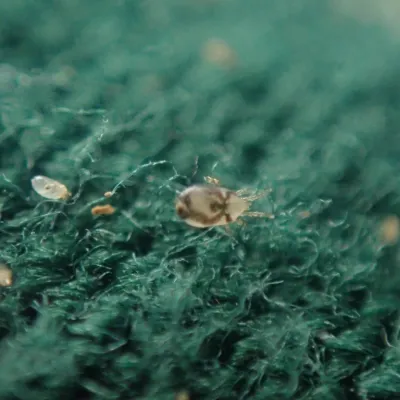
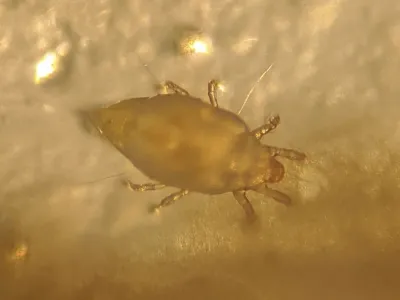
Commonly Confused With
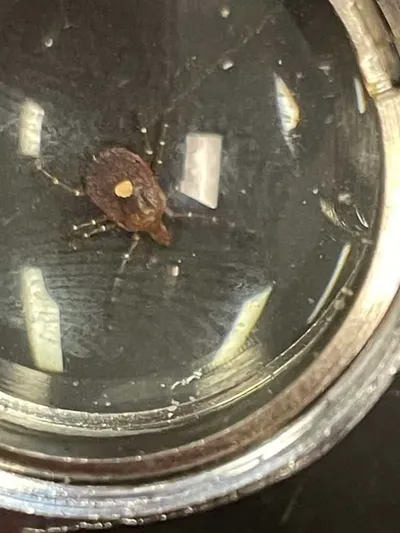
Oak Mites are often mistaken for these similar pests
Where Oak Mites Are Found
Hover over states to see their names. Green regions indicate where oak mites have been reported.
Common Questions about Oak Mites
What do oak mite bites look like?
+
Oak mite bites appear as red, raised welts with a small blister or pustule in the center. They are most common on the neck, face, arms, and upper torso where skin was exposed while under oak trees.
How long do oak mite bites last?
+
Oak mite bites typically last one to two weeks. The itching is often intense for the first few days but gradually subsides. Avoid scratching to prevent secondary infections.
When are oak mites most active?
+
Oak mites are most active from late July through October, with peak activity in August and September. Populations decline after the first hard freeze of the year.
Can oak mites live in my house?
+
Oak mites cannot survive or reproduce indoors. They may enter through open windows or on clothing, but they will die within a day or two without their natural food source of midge larvae in oak galls.
Does DEET protect against oak mites?
+
DEET-based repellents provide limited protection against oak mites. Results are mixed, and repellents work best when combined with other preventive measures like wearing long sleeves and showering after outdoor activities.
How do I treat oak mite bites?
+
Apply calamine lotion, hydrocortisone cream, or antihistamine cream to reduce itching. Cold compresses can help with swelling. For severe reactions, consult a dermatologist for prescription-strength treatments.
Can I spray my oak trees to kill oak mites?
+
Tree sprays are generally ineffective because the mites live inside protective galls on the leaves. The galls shield them from pesticide contact. There is no practical way to eliminate oak mites from trees.
Why are oak mites worse some years than others?
+
Oak mite populations fluctuate based on the availability of their prey, primarily oak midge larvae. Years with abundant midge populations lead to larger mite populations. Periodical cicada emergences can also trigger outbreaks.

With five years of hands-on experience in the pest control industry, George Schulz is a registered technician with the Virginia Pest Management Association and a proud third-generation professional in a family business that's been protecting homes for over 57 years. He manages and trains a team of service pros while also leading internal research efforts—recently spearheading a deep-dive review of thousands of documents on pest control materials to hand-pick the most kid and pet friendly, most effective solutions tailored specifically for homes in the DC metro area.