Notoedric Mange Mites Identification Guide
Notoedres cati
Notoedric mange mites are microscopic parasites that primarily affect cats, causing a highly contagious skin condition known as feline scabies or notoedric mange. These mites can occasionally transfer to humans and other animals.
Taxonomy
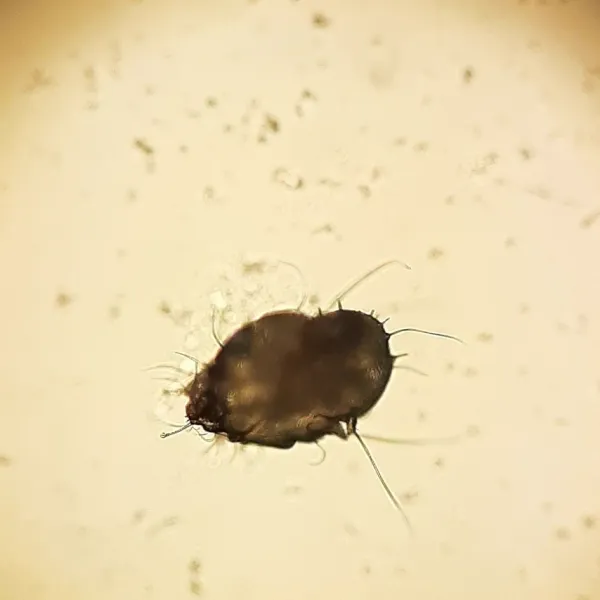
Notoedric Mange Mites Coloration
Common color patterns to help identify notoedric mange mites
Notoedric Mange Mites
Seasonal Activity
When notoedric mange mites are most active throughout the year

Where Notoedric Mange Mites Are Found
Hover over states to see their names. Green regions indicate where notoedric mange mites have been reported.
Notoedric Mange Mites Identification Guide
Physical Characteristics
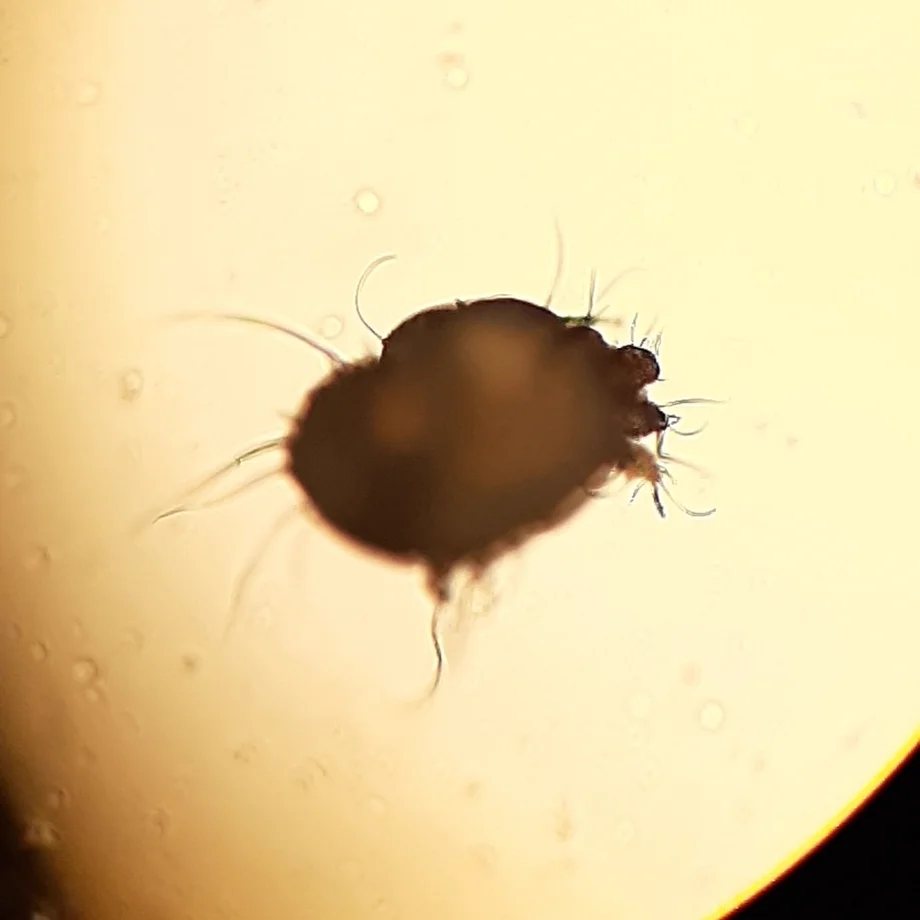
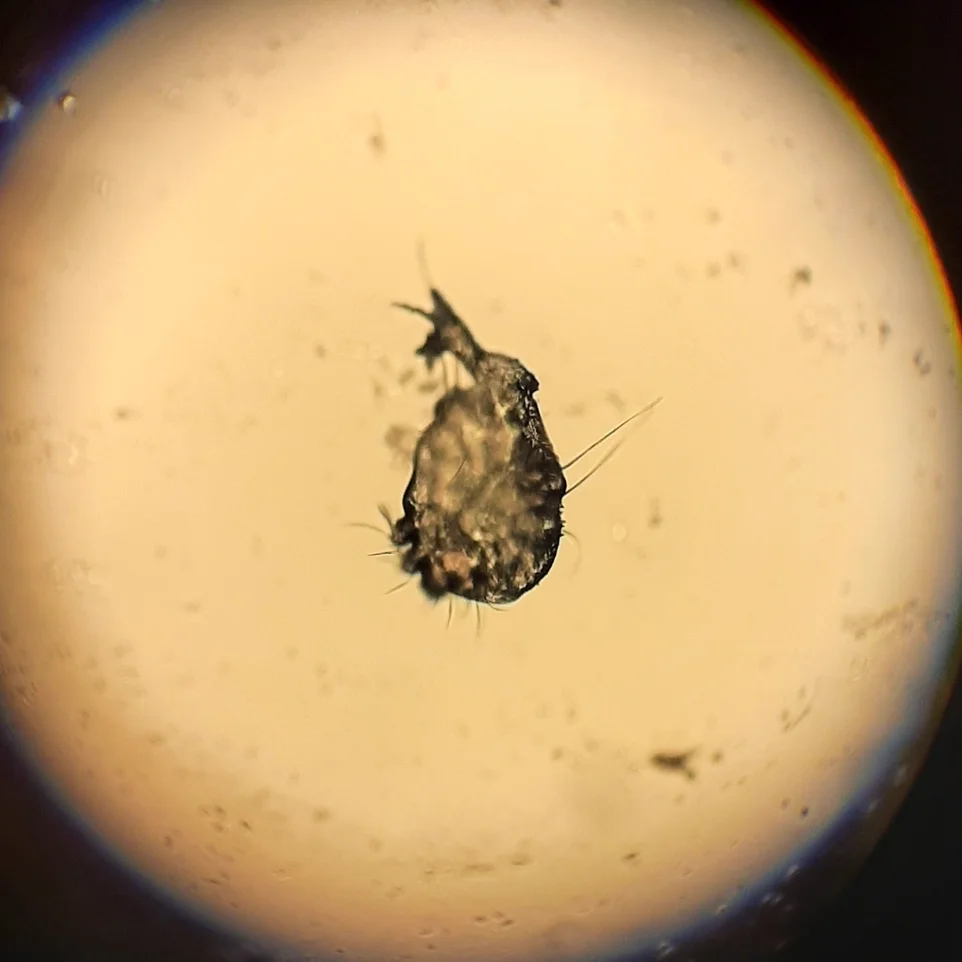
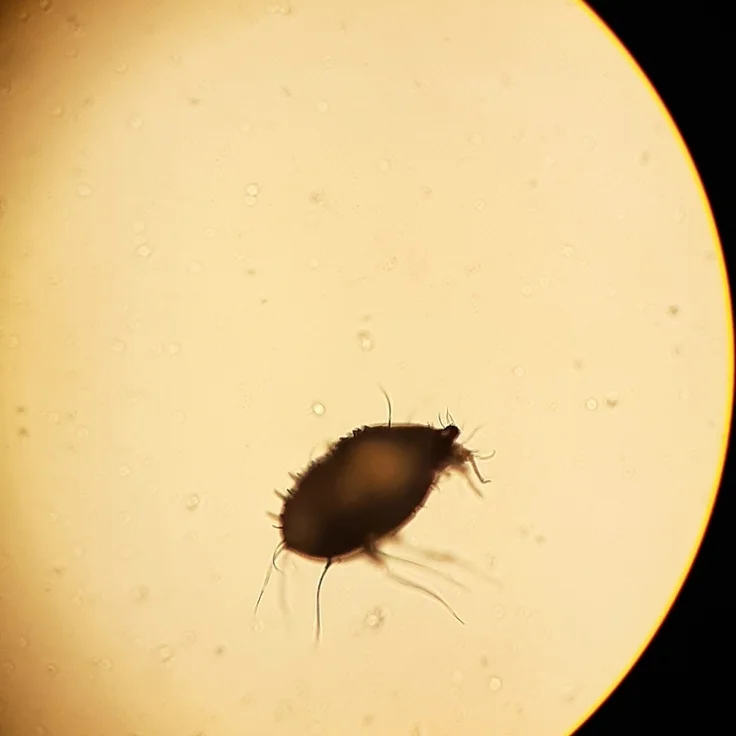
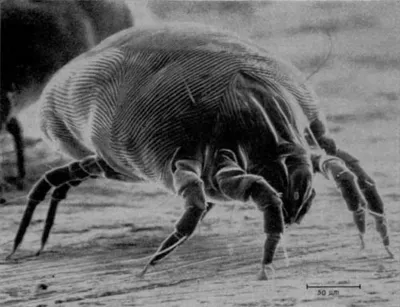
Notoedric mange mites are tiny parasites that require a microscope to see clearly. Adult females measure about 0.2 to 0.4 mm in length, while males are slightly smaller at around 0.15 to 0.25 mm. These mites have a round to oval body shape that is somewhat flattened. The upper surface of their body is covered with small scales and spines that help them grip inside skin tunnels.
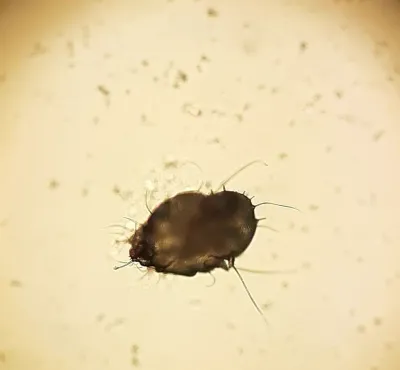
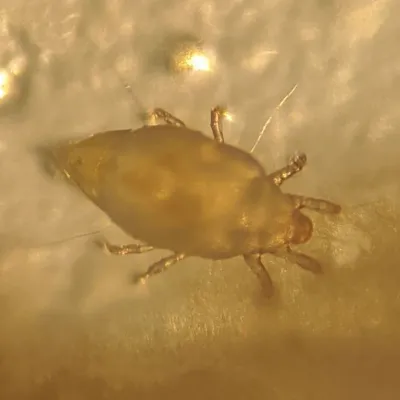
Like all mites, adults have eight legs arranged in two groups of four. The front two pairs of legs are more developed and extend forward from the body. The back two pairs are shorter and positioned closer together. These mites have short, stubby legs compared to some other mite species. Notoedric mites closely resemble sarcoptic mange mites, but can be distinguished by the position of the anus on the dorsal (back) surface rather than the rear end.
Distinguishing Features
The main way experts tell notoedric mites apart from the closely related sarcoptic mites is the location of the anal opening. In Notoedres cati, the anus sits on the upper back surface of the mite. In Sarcoptes scabiei, it is at the rear end. This difference is only visible under high magnification. Both mite types cause similar symptoms and behave in similar ways.
Notoedric Mange Mites Behavior and Biology
Lifecycle
Notoedric mange mites complete their entire life cycle on their host animal. The cycle includes four stages: egg, larva, nymph, and adult. After mating on the skin surface, the fertilized female burrows into the outer layer of skin called the epidermis. She creates tunnels using her mouthparts and specialized structures on her front legs.
Inside these burrows, the female lays 2 to 3 eggs per day for her lifespan of about 3 to 4 weeks. The tiny eggs hatch in 3 to 5 days, releasing six-legged larvae. These larvae leave the burrows and move to the skin surface. They molt into eight-legged nymphs in small pockets called molting pouches. After one or two more molts, they become adults. The complete cycle from egg to adult takes about 2 to 3 weeks under ideal conditions.
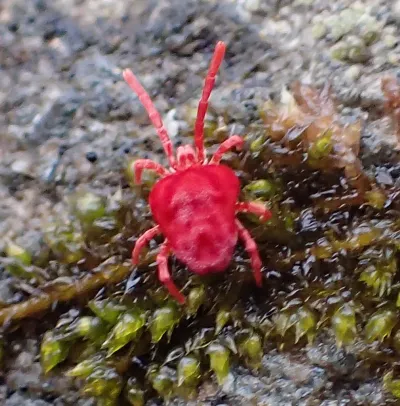
Host Preferences A related species, Velvet Mites, shares similar characteristics.
The primary host for Notoedres cati is the domestic cat. However, these mites can also infest wild cats, foxes, rabbits, and occasionally dogs. When they transfer to non-preferred hosts like humans or dogs, they cause temporary irritation but cannot establish a permanent infestation. The mites may bite and burrow briefly, but they fail to reproduce and die within a few weeks. A related species, Chiggers, shares similar characteristics.
Transmission A related species, Scabies Mites, shares similar characteristics.
Notoedric mange spreads mainly through direct contact between animals. When an infested cat touches or grooms another cat, mites can transfer to the new host. Mites can also spread through shared bedding, carriers, or grooming equipment, though this is less common. The mites cannot jump or fly. Crowded conditions in shelters, catteries, or multi-cat homes increase the risk of outbreaks. A related species, Spider Mites, shares similar characteristics.
Clinical Signs in Cats A related species, Bulb Mites, shares similar characteristics.
Notoedric mange typically begins around the ears and face. Early signs include intense scratching and small raised bumps on the skin. As the infestation progresses, the skin becomes thick, wrinkled, and covered with yellowish-gray crusts. Hair loss spreads from the ears across the face, down the neck, and eventually over the entire body in severe cases. The ears may appear thickened and folded. A related species, Storage Mites, shares similar characteristics.
Affected cats scratch constantly, often causing self-injury and secondary bacterial infections. The skin may crack and bleed. Without treatment, cats can become weak and debilitated. In extreme cases, untreated notoedric mange can be fatal, particularly in young or immunocompromised cats. A related species, Spruce Spider Mites, shares similar characteristics.
Symptoms in Humans
When notoedric mites contact human skin, they may cause temporary itching and small red bumps. These symptoms usually appear on areas that touched the infested cat, such as the hands and arms. Since the mites cannot complete their lifecycle on humans, symptoms typically resolve on their own within 2 to 4 weeks after contact with the infested animal stops. Persistent or severe symptoms warrant a visit to a doctor.
Note: This information is for educational purposes only and is not medical or veterinary advice. Always consult a veterinarian for pet health concerns or a physician for human health issues.
Treatment Methods for Notoedric Mange Mites
Notoedric mange requires treatment from a licensed veterinarian. Several approaches can effectively eliminate these mites:
-
Medicated dips and baths: Lime sulfur dips are a traditional and effective treatment. The solution kills mites on contact and helps heal damaged skin. Multiple treatments over several weeks are typically needed.
-
Topical medications: Modern spot-on treatments containing selamectin, fipronil, or similar compounds can kill mites. These products are applied to the skin, usually between the shoulder blades.
-
Injectable or oral medications: Ivermectin and related drugs given by injection or by mouth effectively eliminate notoedric mites. Veterinarians determine the proper dosage based on the cat’s weight and condition.
-
Treating secondary infections: Cats with severe mange often develop bacterial skin infections from scratching. Antibiotics may be prescribed alongside mite treatment.
-
Environmental cleaning: While mites survive only briefly off hosts, washing bedding in hot water and cleaning areas where the cat sleeps can help prevent reinfestation. Replace or thoroughly clean grooming tools.
-
Treating all cats in the household: Because notoedric mange is highly contagious, all cats in contact with an infested animal should be examined and treated, even if they show no symptoms yet.
Prevention involves keeping cats away from potentially infested animals. Regular veterinary checkups help catch problems early. There is no vaccine against notoedric mange, so avoiding exposure remains the best prevention strategy.
References
Other Mites
Explore other species in the mites family
Commonly Confused With
Notoedric Mange Mites are often mistaken for these similar pests
Where Notoedric Mange Mites Are Found
Hover over states to see their names. Green regions indicate where notoedric mange mites have been reported.
Common Questions about Notoedric Mange Mites
What is notoedric mange?
+
Notoedric mange, also called feline scabies, is a skin condition caused by the Notoedres cati mite. It primarily affects cats but can spread to other animals and occasionally to humans. The mites burrow into the skin, causing intense itching, hair loss, and crusty skin lesions.
Can notoedric mange mites spread from cats to humans?
+
Yes, notoedric mange mites can temporarily transfer from infested cats to humans. However, these mites cannot complete their life cycle on human skin. Any symptoms in humans usually clear up on their own within a few weeks once contact with the infested cat stops.
How do I know if my cat has notoedric mange?
+
Common signs include intense scratching, hair loss starting around the ears and face, thickened and crusty skin, and skin that looks gray or yellowish. The condition often starts at the ear tips and spreads across the face, neck, and eventually the entire body if left untreated.
How is notoedric mange different from sarcoptic mange?
+
While both are caused by closely related burrowing mites, notoedric mange specifically affects cats and is caused by Notoedres cati. Sarcoptic mange is caused by Sarcoptes scabiei and primarily affects dogs and other mammals. The symptoms and treatments are similar, but the host preferences differ.
How long can notoedric mange mites survive off a host?
+
Notoedric mange mites have limited survival off their host, typically only 2 to 5 days in most household conditions. They survive longer in cool, humid environments. This makes direct contact with an infested animal the primary way the mites spread.
Is notoedric mange contagious between cats?
+
Yes, notoedric mange is highly contagious between cats. Direct contact is the main way it spreads, but mites can also transfer through shared bedding, grooming tools, or other items. All cats in a household should be examined and treated if one is diagnosed.
Can indoor cats get notoedric mange?
+
While less common, indoor cats can get notoedric mange if they come into contact with an infested cat or contaminated items. New cats brought into a home, visits to grooming facilities, or contact with outdoor cats through windows or screens can all pose risks.

With five years of hands-on experience in the pest control industry, George Schulz is a registered technician with the Virginia Pest Management Association and a proud third-generation professional in a family business that's been protecting homes for over 57 years. He manages and trains a team of service pros while also leading internal research efforts—recently spearheading a deep-dive review of thousands of documents on pest control materials to hand-pick the most kid and pet friendly, most effective solutions tailored specifically for homes in the DC metro area.