Harvest Mites (Chiggers) Identification Guide
Trombiculidae
Harvest mites, commonly known as chiggers, are tiny red mites whose larvae attach to skin and cause intense itching. They are most active in summer and early fall in grassy and wooded areas.
Taxonomy
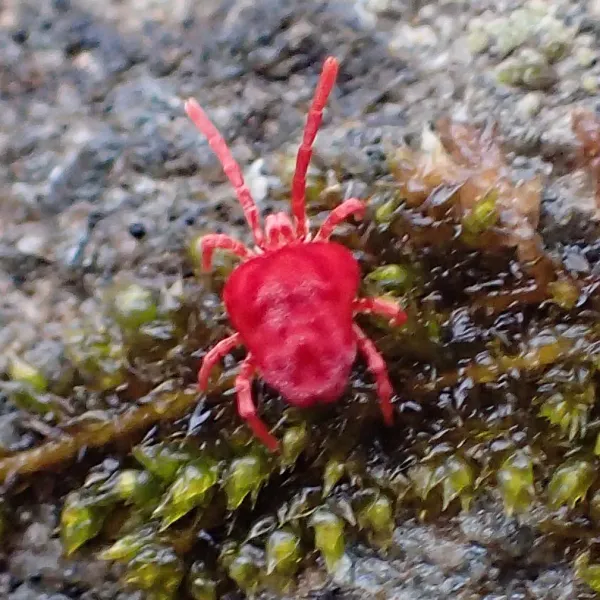
Harvest Mites (Chiggers) Coloration
Common color patterns to help identify harvest mites (chiggers)
Harvest Mites (Chiggers)
Seasonal Activity
When harvest mites (chiggers) are most active throughout the year
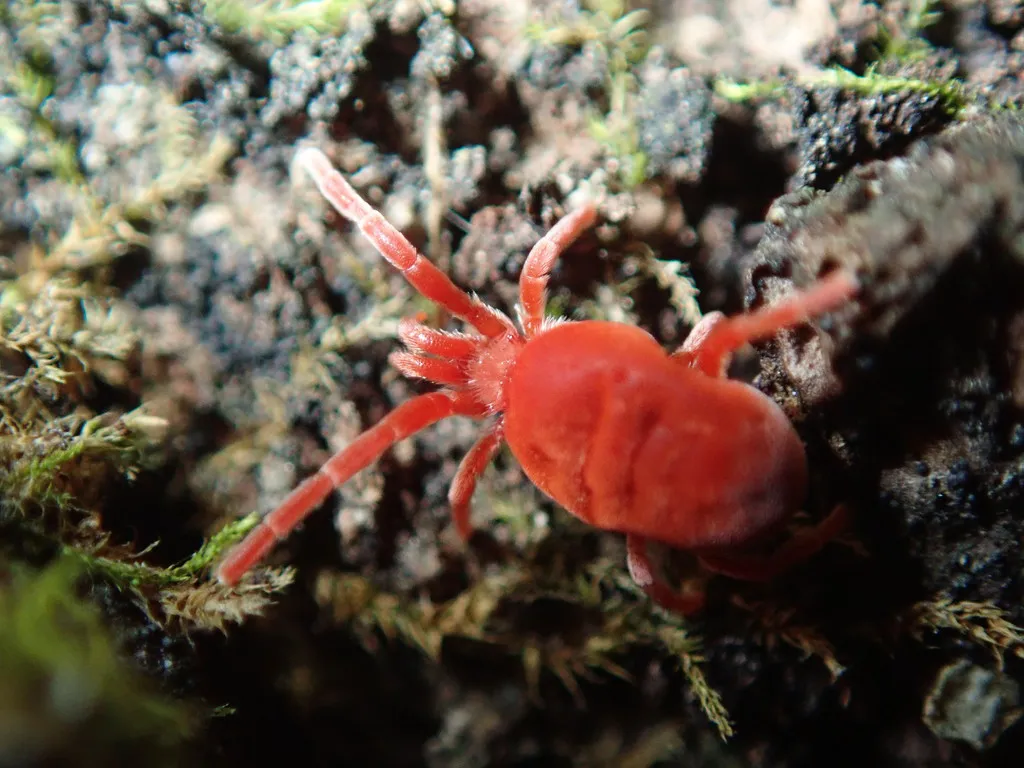
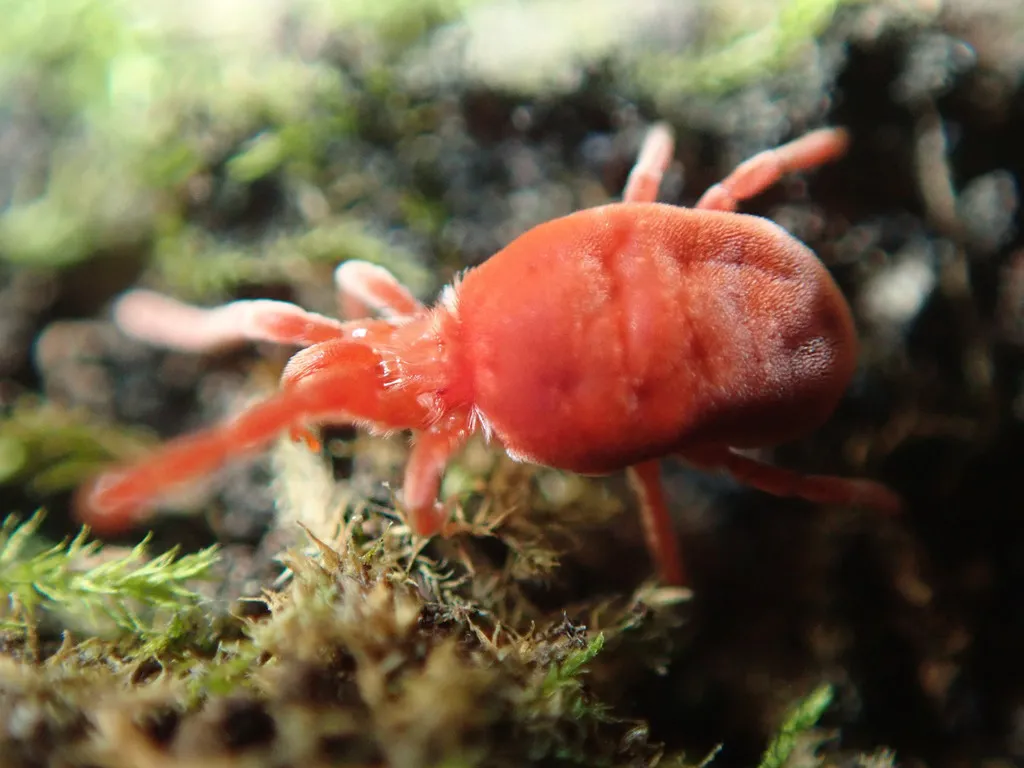
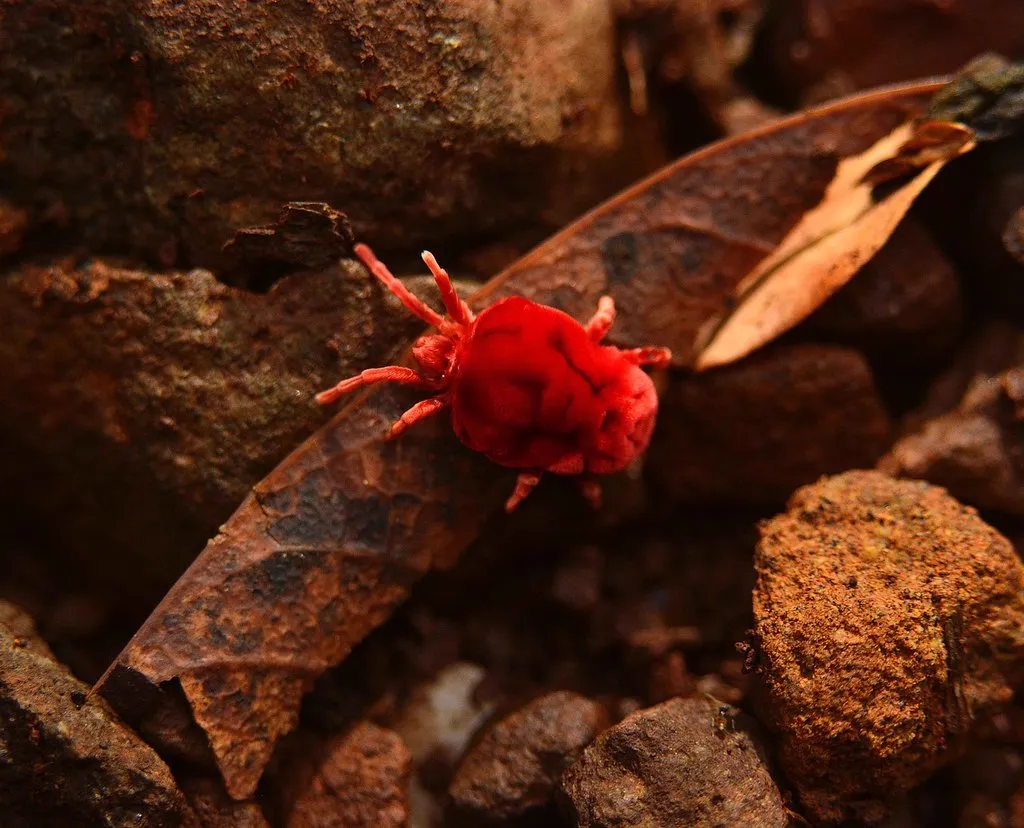

Where Harvest Mites (Chiggers) Are Found
Hover over states to see their names. Green regions indicate where harvest mites (chiggers) have been reported.
Harvest Mite Identification Guide
Physical Characteristics
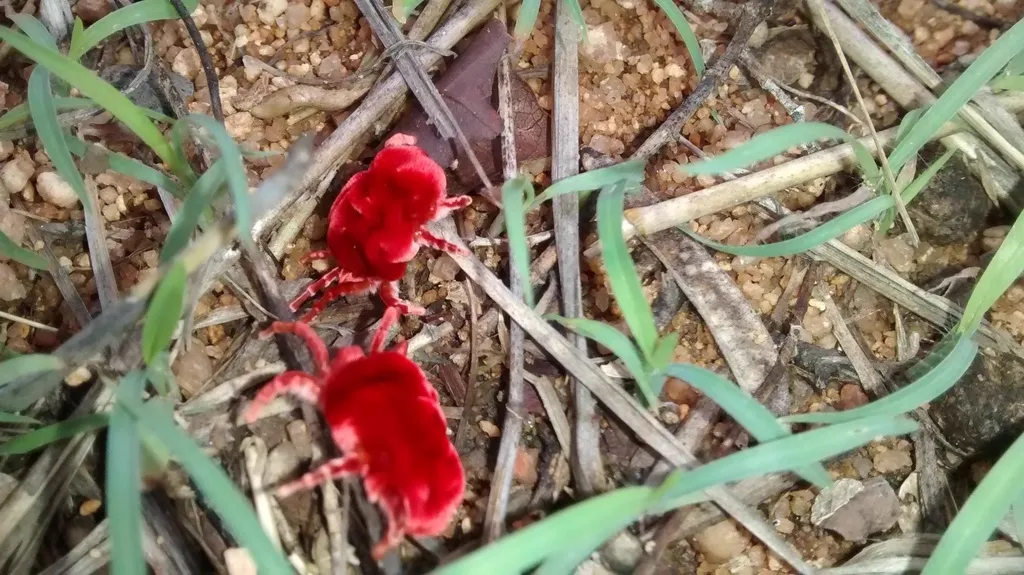
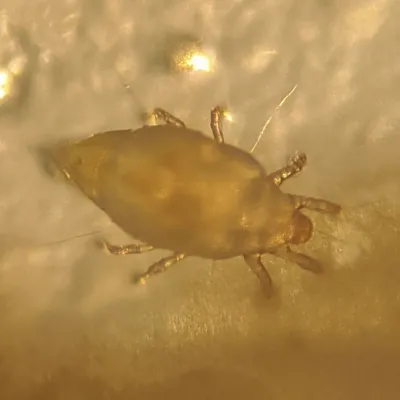
Harvest mites are better known as chiggers. These tiny pests are almost too small to see without help. The larvae measure just 0.15 to 0.3 millimeters long. They are bright red or orange and have six legs.
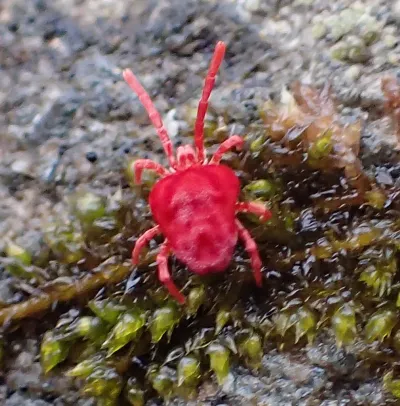
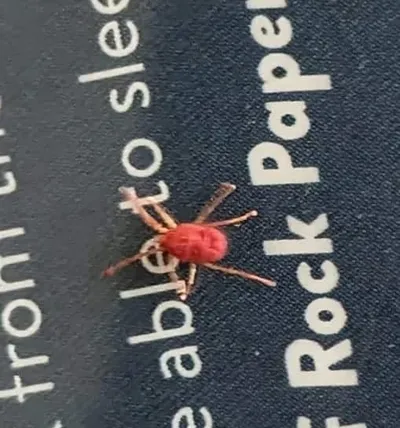
Adult harvest mites are larger, up to 1 millimeter. They are bright red with a fuzzy look. Adults have eight legs like other mites. They do not bite humans. Instead, they live in soil and hunt small insects.
Chigger larvae are easy to spot by their bright red-orange color and round body. They tend to gather in groups on skin. You often find them around ankles, behind knees, and in armpits. They like spots where clothing fits tight against your body.
Common Species
Eutrombicula alfreddugesi is the most common chigger in North America. You can find it across the eastern and central United States. It also lives in Mexico and parts of Canada. This species causes most chigger bites that people report.
Eutrombicula splendens is common in the Southeast. It acts much like the species above and causes similar bites.
Trombicula autumnalis is the European harvest mite. It is rare in North America but shows up in some northern areas. In Europe, it causes most chigger bites.
Harvest Mite Behavior and Biology
Harvest mites go through four life stages: egg, larva, nymph, and adult. Only the larvae feed on hosts like humans, birds, and small animals. This differs from ticks, which feed on blood at several life stages.
Females lay eggs in moist soil during spring. The eggs hatch into six-legged larvae. These larvae climb onto plants and wait for a host to pass by. When something brushes against them, they grab on and start feeding. After a few days, they drop off and become nymphs with eight legs.
Nymphs and adults hunt small insects in the soil. They do not bite humans. Adults can live for several years. They survive cold winters by digging deep into the ground. A related species, Velvet Mites, shares similar characteristics.
Chiggers do not bite like other pests. They attach to skin and inject enzymes that break down skin cells. They make a feeding tube in the skin and feed on the liquid tissue. This causes the intense itching and red welts people get from chigger bites. A related species, Notoedric Mange Mites, shares similar characteristics.
Larvae like to attach where clothing is tight or where skin folds. Common bite spots include ankles, waistlines, armpits, and behind the knees. Bites often show up in clusters or lines. A related species, Scabies Mites, shares similar characteristics.
Signs of Chigger Presence A related species, Spider Mites, shares similar characteristics.
The main sign of chiggers is itchy red bumps that show up a few hours after being outdoors. You may not notice bites right away. The larvae are very small, and the itching builds slowly. A related species, Bulb Mites, shares similar characteristics.
Other signs include: A related species, Storage Mites, shares similar characteristics.
- Clusters of small red welts that appear 1 to 3 hours after contact
- Itching that gets worse 24 to 48 hours after the bite
- Raised red bumps with a small blister or hard center
- Tiny red or orange dots on skin or clothing (these are the larvae)
If you see small red mites on your body after walking through tall grass, brush them off right away. A shower with soap and water after outdoor time can wash off larvae before they start to feed.
Treatment Methods for Harvest Mites
Harvest mites are hard to control outdoors because they are a normal part of nature. Still, you can reduce their numbers and avoid bites with these steps.
Habitat Changes
Keep grass cut short. This removes the tall plants that chiggers wait on for hosts. Clear brush, weeds, and overgrown spots near your home. Remove leaf litter and debris to get rid of hiding spots.
Chemical Control
Spraying lawns and plants with insecticide can lower chigger numbers. Products with bifenthrin, permethrin, or cyfluthrin work well. Apply them in late spring before larvae become active.
You can also treat clothing with permethrin. This chemical sticks to fabric and lasts through several washes. It kills chiggers before they can attach to your skin.
Personal Protection
Bug sprays with DEET, picaridin, or oil of lemon eucalyptus can keep chiggers away. Put repellent on bare skin and around clothing openings like sock tops and waistbands.
Wear long pants tucked into socks and long sleeves. Light colors help you spot chiggers before they reach your skin. Do not sit on the ground in areas known to have chiggers.
Health Considerations
Chigger bites do not spread disease in North America. In parts of Asia, harvest mites can spread scrub typhus, a serious illness. This is not a risk in the United States, Canada, or Mexico.
The main problem from chigger bites is itching that can last days or weeks. Scratching can break the skin and cause infection. Watch for signs like more redness, swelling, warmth, pus, or fever.
For most people, chigger bites are just a short-term bother. They go away on their own. Calamine lotion, hydrocortisone cream, and antihistamines can help with itching. See a doctor if bites get infected or if the itching is severe.
This page is for general information only. It is not medical advice. Talk to a doctor if you have concerns about bites or allergic reactions.
References
Other Mites
Explore other species in the mites family
Commonly Confused With
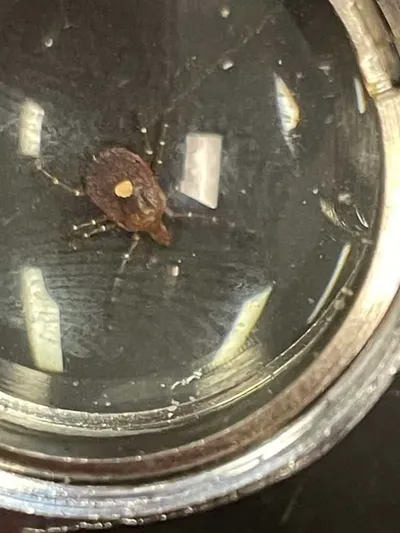
Harvest Mites (Chiggers) are often mistaken for these similar pests
Where Harvest Mites (Chiggers) Are Found
Hover over states to see their names. Green regions indicate where harvest mites (chiggers) have been reported.
Common Questions about Harvest Mites (Chiggers)
What are chiggers and are they the same as harvest mites?
+
Yes, chiggers are the larval stage of harvest mites. The tiny larvae attach to skin and inject digestive enzymes that cause intense itching. Adult harvest mites do not bite humans and live freely in soil.
Do chiggers burrow into skin?
+
No, this is a common myth. Chiggers do not burrow into skin or lay eggs under it. They attach to the skin surface, inject saliva that dissolves skin cells, and feed on the liquefied tissue. They usually fall off within a few hours.
Why do chigger bites itch so much?
+
Chigger larvae inject enzymes into the skin that break down cells for feeding. Your body reacts to these enzymes with an allergic response, causing intense itching that can last for days or even weeks.
Where are chiggers most commonly found?
+
Chiggers prefer tall grass, weeds, berry patches, and wooded areas with heavy vegetation. They are most common in the Southeast and Midwest but can be found throughout North America in suitable habitats.
What time of year are chiggers most active?
+
Chiggers are most active from late spring through early fall, with peak activity during summer months when temperatures are warm and humidity is high. They become inactive when temperatures drop below 60 degrees Fahrenheit.
How can I prevent chigger bites?
+
Wear long pants tucked into socks when walking through tall grass or brush. Apply insect repellent containing DEET or permethrin to clothing. Shower and wash clothes immediately after outdoor activities in chigger-prone areas.
How do I treat chigger bites?
+
Wash the affected area with soap and water to remove any remaining chiggers. Apply calamine lotion or hydrocortisone cream to reduce itching. Avoid scratching, as this can lead to infection. See a doctor if bites become infected.
Can chiggers live in my house?
+
Chiggers do not survive well indoors. They need high humidity and outdoor vegetation to complete their life cycle. Any chiggers brought inside on clothing will die within a day or two without suitable conditions.

With five years of hands-on experience in the pest control industry, George Schulz is a registered technician with the Virginia Pest Management Association and a proud third-generation professional in a family business that's been protecting homes for over 57 years. He manages and trains a team of service pros while also leading internal research efforts—recently spearheading a deep-dive review of thousands of documents on pest control materials to hand-pick the most kid and pet friendly, most effective solutions tailored specifically for homes in the DC metro area.