Grain Mites Identification Guide
Acarus siro
Grain mites are microscopic pests that infest stored food products like flour, cereals, and grains. They thrive in warm, humid conditions and can contaminate food supplies, produce allergenic dust, and cause skin irritation in sensitive individuals.
Taxonomy
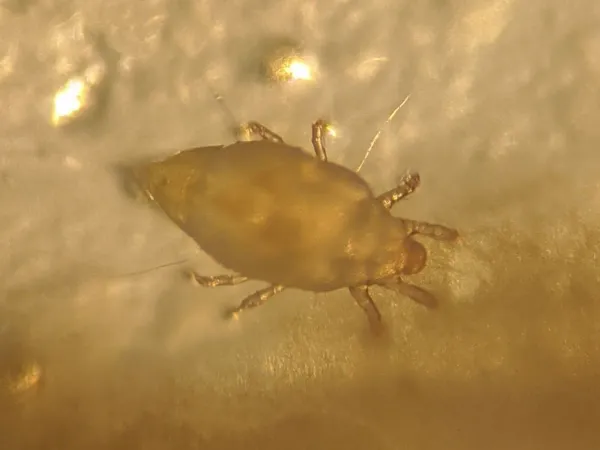
Grain Mites Coloration
Common color patterns to help identify grain mites
Grain Mites
Seasonal Activity
When grain mites are most active throughout the year

Where Grain Mites Are Found
Hover over states to see their names. Green regions indicate where grain mites have been reported.
Grain Mites Identification Guide
Physical Characteristics
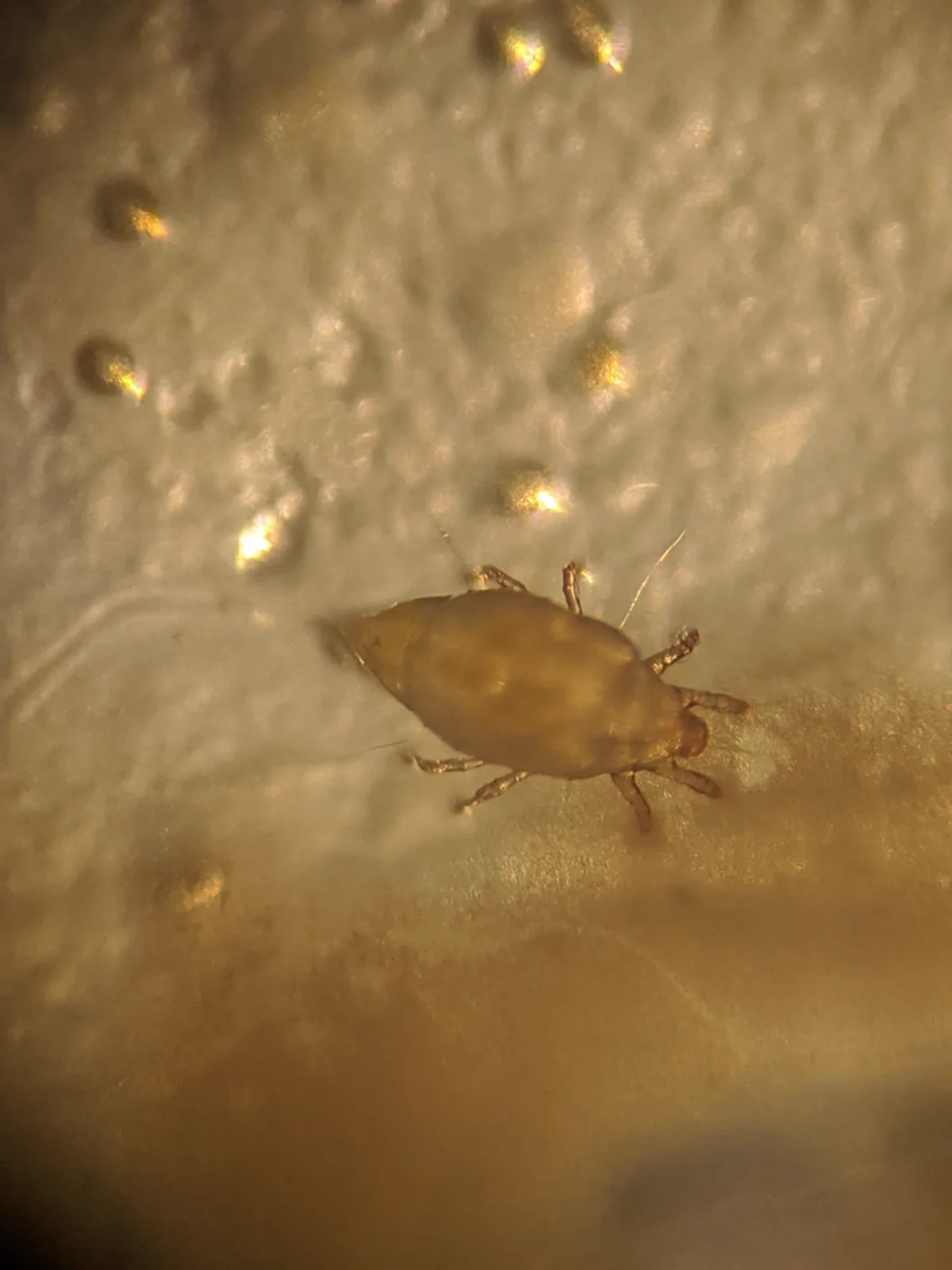
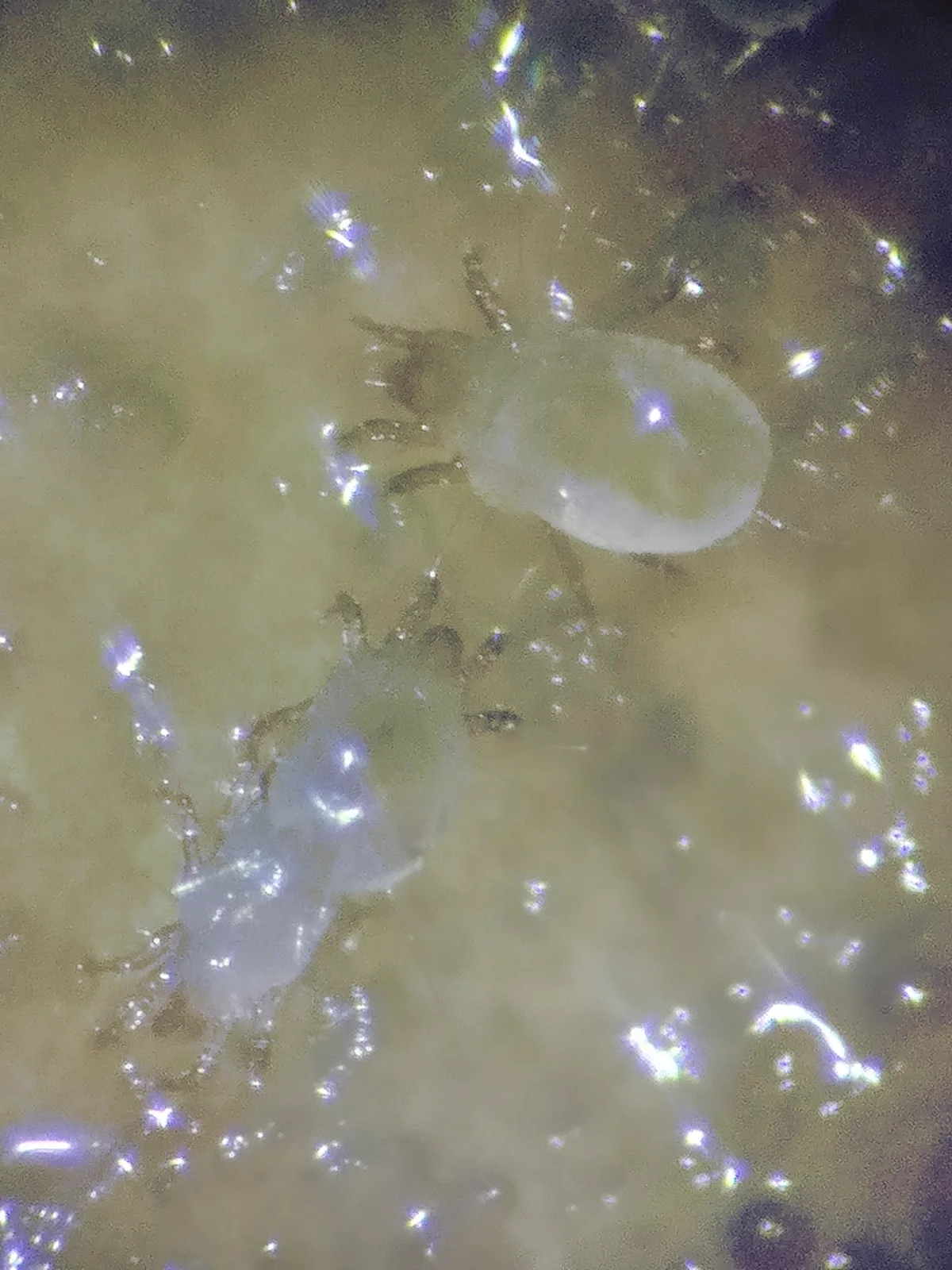
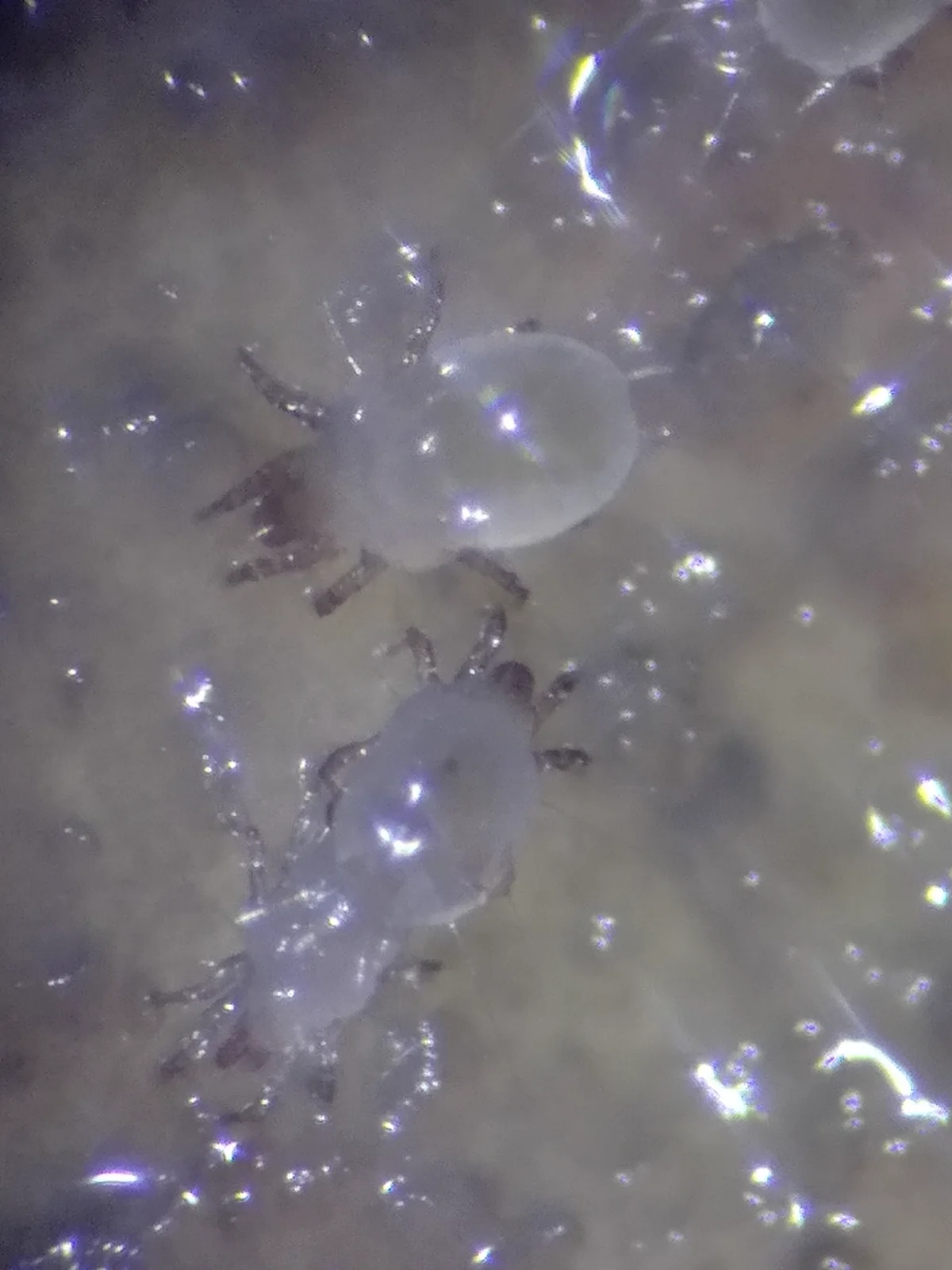
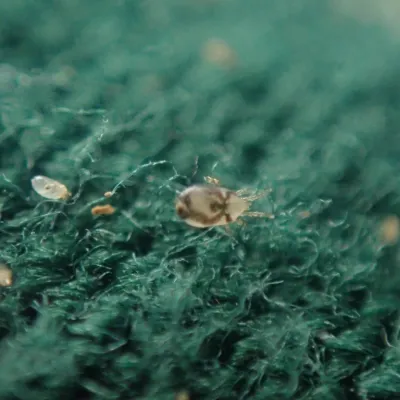
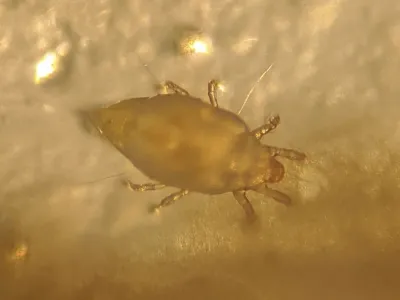
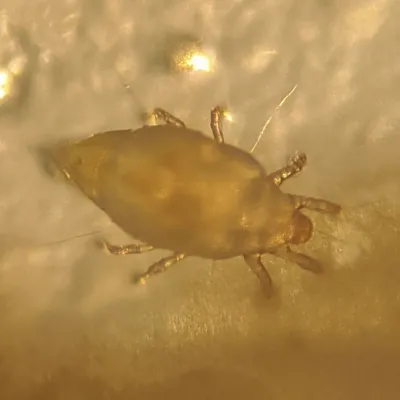
Grain mites are tiny pests that live in stored foods. They measure only 0.3 to 0.5 millimeters long. This makes them almost invisible to the naked eye. Their bodies are oval and white to cream in color. Under a magnifier, they look see-through.
Adult mites have eight legs with small claws for gripping. Young mites (larvae) have only six legs. Grain mites have a unique trait. When crushed or in large numbers, they give off a sweet, minty smell. This odor, along with fine grayish dust on food, is often the first sign of a problem.
Common Species
The main grain mite species is Acarus siro. It is also called the flour mite. This species lives in mild climate zones around the world. It mainly attacks flour and cereal products. It also infests whole grains, cheese, dried fruits, and other stored foods.
Other species that may infest stored products include:
- Brown-legged Grain Mite (Aleuroglyphus ovatus): Looks similar but has darker legs
- Mold Mite (Tyrophagus putrescentiae): Often found with grain mites in damp areas. Also known as a common storage mite
- Cheese Mite (Tyrolichus casei): Feeds mostly on aged cheeses
Grain Mites Behavior and Biology
Grain mites need the right conditions to survive and breed. They do best in temps from 68 to 77 degrees Fahrenheit. They also need humidity above 75 percent. When conditions are right, their numbers can grow fast.
Life Cycle
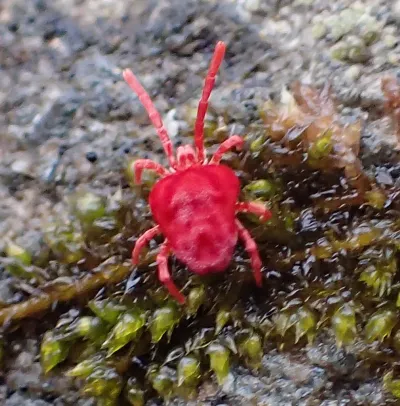
Grain mites go through four life stages: egg, larva, nymph, and adult. In good conditions, this cycle takes only 9 to 10 days. Female mites lay many eggs. They can produce up to 800 eggs in their 42 to 51 day life. Eggs are tiny, white, and oval shaped. Females lay them right on food surfaces. A related species, Velvet Mites, shares similar characteristics.
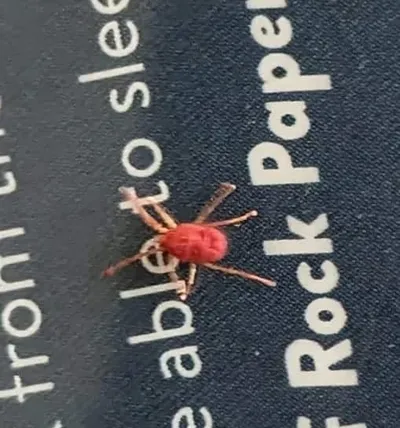
Feeding Habits A related species, Notoedric Mange Mites, shares similar characteristics.
Grain mites eat the germ and moldy parts of grains. They like foods with more moisture. They may even prefer slightly spoiled or moldy products. Their feeding harms food quality. It also adds allergens from shed skins, waste, and dead mites. A related species, Chiggers, shares similar characteristics.
Signs of Infestation
- Fine, grayish or brownish dust on stored products
- Sweet or minty odor near infested foods
- Food that looks clumpy or discolored
- What looks like moving dust on shelves or food surfaces
- Allergic reactions when handling stored products
Treatment Methods for Grain Mites
Grain mite control takes cleaning, moisture control, and good food storage. Like other pantry mites, these pests breed fast in the right conditions. This makes prevention and early detection key.
Sanitation and Removal
The first step is to find and remove all infested food. Seal infested items in plastic bags before throwing them away. This stops mites from spreading. After removing food:
- Vacuum all shelves, corners, cracks, and gaps
- Wipe all surfaces with hot water and let them dry fully
- Focus on shelf joints and spots where food bits collect
- Put vacuum contents in a sealed bag and throw away outside
Environmental Control
Grain mites cannot live in dry conditions. Lowering humidity is one of the best control methods:
- Keep humidity below 60 percent in storage areas
- Use a dehumidifier in damp basements or pantries
- Make sure food storage spaces have good air flow
- Store food away from walls where moisture may form
Proper Food Storage
Stop future problems by storing dry goods the right way:
- Move flour, cereals, and grains to airtight containers with tight lids
- Use older products before opening new ones
- Check packages for damage before buying
- Do not buy items from stores with poor cleanliness
- Try freezing new flour or grain products for several days to kill any mites
When to Call a Professional
Most grain mite problems can be fixed with cleaning and better storage. But if problems keep coming back, there may be a bigger issue. A pest professional can check your home, find factors like hidden moisture, and suggest the right fixes.
Health Considerations
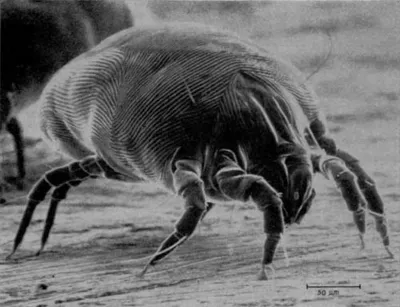
Grain mites do not bite or spread diseases. But they can cause health issues for some people, similar to dust mites and flour mites. Their shed skins, waste, and body parts can become airborne and trigger:
- Allergic reactions like sneezing and runny nose
- Skin rashes called grocer’s itch or baker’s itch
- Asthma symptoms in some people
- Breathing problems from allergen dust
If you have health symptoms that may be linked to grain mites, see a doctor. This page is for general info only and is not medical advice.
References
Other Mites
Explore other species in the mites family
Commonly Confused With
Grain Mites are often mistaken for these similar pests
Where Grain Mites Are Found
Hover over states to see their names. Green regions indicate where grain mites have been reported.
Common Questions about Grain Mites
How do I know if I have grain mites?
+
Grain mites are nearly invisible to the naked eye, but you may notice a fine dust-like residue on food packages, a sweet or minty odor from infested products, or what appears to be moving dust in your pantry. Heavy infestations can cause flour or grain to appear grayish and clumpy.
Are grain mites harmful to humans?
+
Grain mites do not bite, but they can cause allergic reactions in some people. Their shed skins and waste products produce allergenic dust that may trigger asthma, skin irritation, or respiratory issues. In severe cases, handling heavily infested grain can cause a condition called grocer's itch or baker's itch.
Can I still eat food that has grain mites?
+
While grain mites are not directly harmful if consumed, infested food should be discarded. The mites contaminate food with their bodies, waste, and allergens, which can affect taste, quality, and may cause allergic reactions in sensitive individuals.
What causes grain mite infestations?
+
Grain mites thrive in warm, humid environments with temperatures around 68 to 77 degrees Fahrenheit and humidity above 75 percent. Infestations often start from contaminated food brought home from stores or from food stored too long in improper conditions.
How do I get rid of grain mites in my pantry?
+
Start by discarding all infested food products in sealed bags. Vacuum shelves, corners, and cracks thoroughly, then wipe surfaces with hot water. Store remaining dry goods in airtight containers and reduce humidity in your storage area. If problems persist, contact a pest professional.
How can I prevent grain mites?
+
Store dry goods in airtight containers, keep pantry humidity below 60 percent, use older products before opening new ones, inspect food packages before purchasing, and clean pantry shelves regularly. Avoid buying damaged packages or items stored in damp conditions.
How long do grain mites live?
+
Under ideal conditions, grain mites can complete their life cycle in just 9 to 10 days. Female mites can live 42 to 51 days and lay up to 800 eggs during their lifespan, which allows populations to grow rapidly in favorable environments.

With five years of hands-on experience in the pest control industry, George Schulz is a registered technician with the Virginia Pest Management Association and a proud third-generation professional in a family business that's been protecting homes for over 57 years. He manages and trains a team of service pros while also leading internal research efforts—recently spearheading a deep-dive review of thousands of documents on pest control materials to hand-pick the most kid and pet friendly, most effective solutions tailored specifically for homes in the DC metro area.