Fur Mites Identification Guide
Cheyletiella spp.
Fur mites, also known as walking dandruff, are tiny parasitic mites that live on the fur of cats, dogs, and rabbits. They cause scaling, itching, and can temporarily transfer to humans, causing itchy skin irritation.
Taxonomy
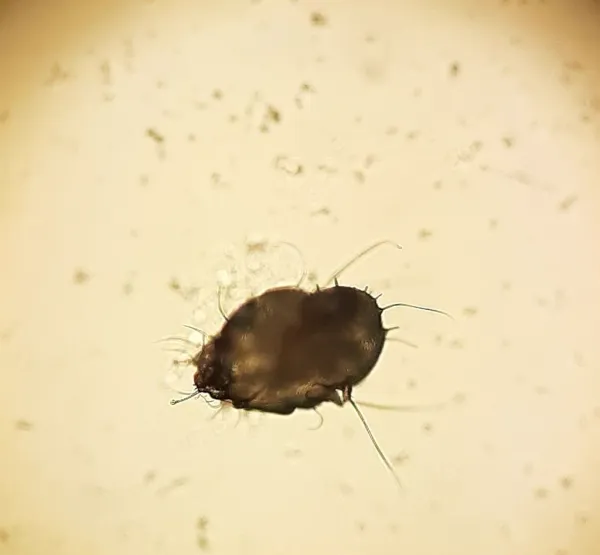
Fur Mites Coloration
Common color patterns to help identify fur mites
Fur Mites
Seasonal Activity
When fur mites are most active throughout the year

Where Fur Mites Are Found
Hover over states to see their names. Green regions indicate where fur mites have been reported.
Fur Mites Identification Guide
Physical Characteristics
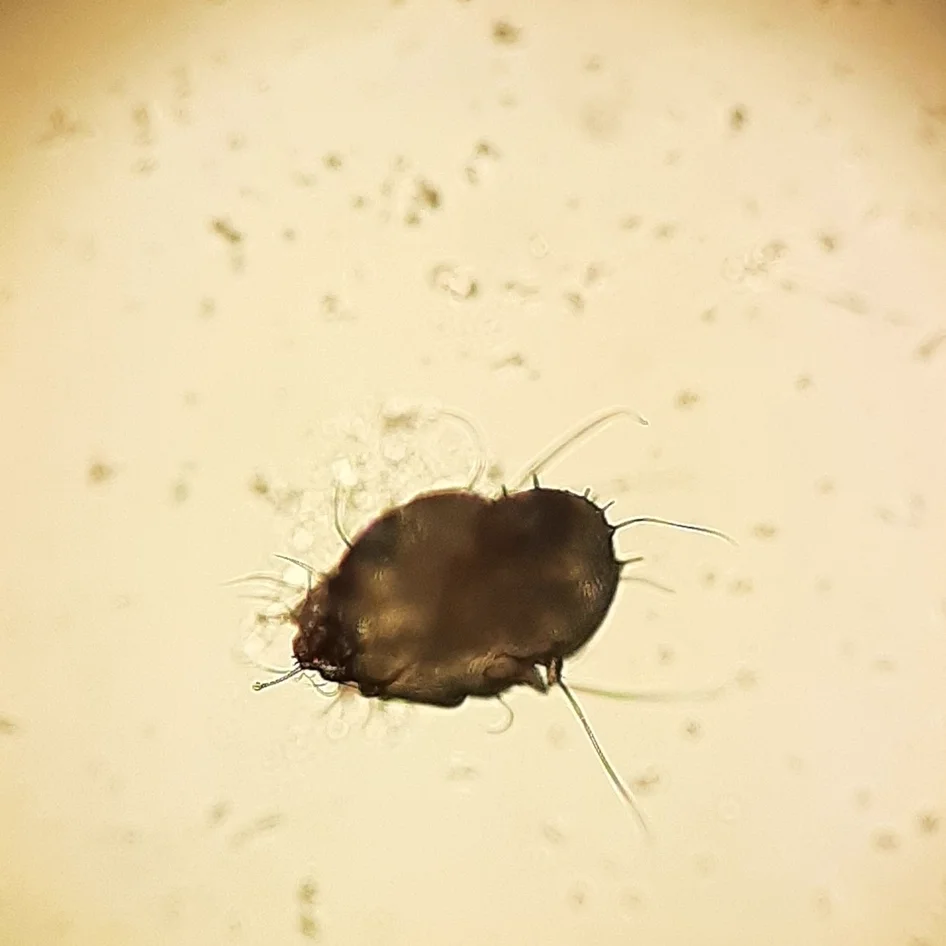
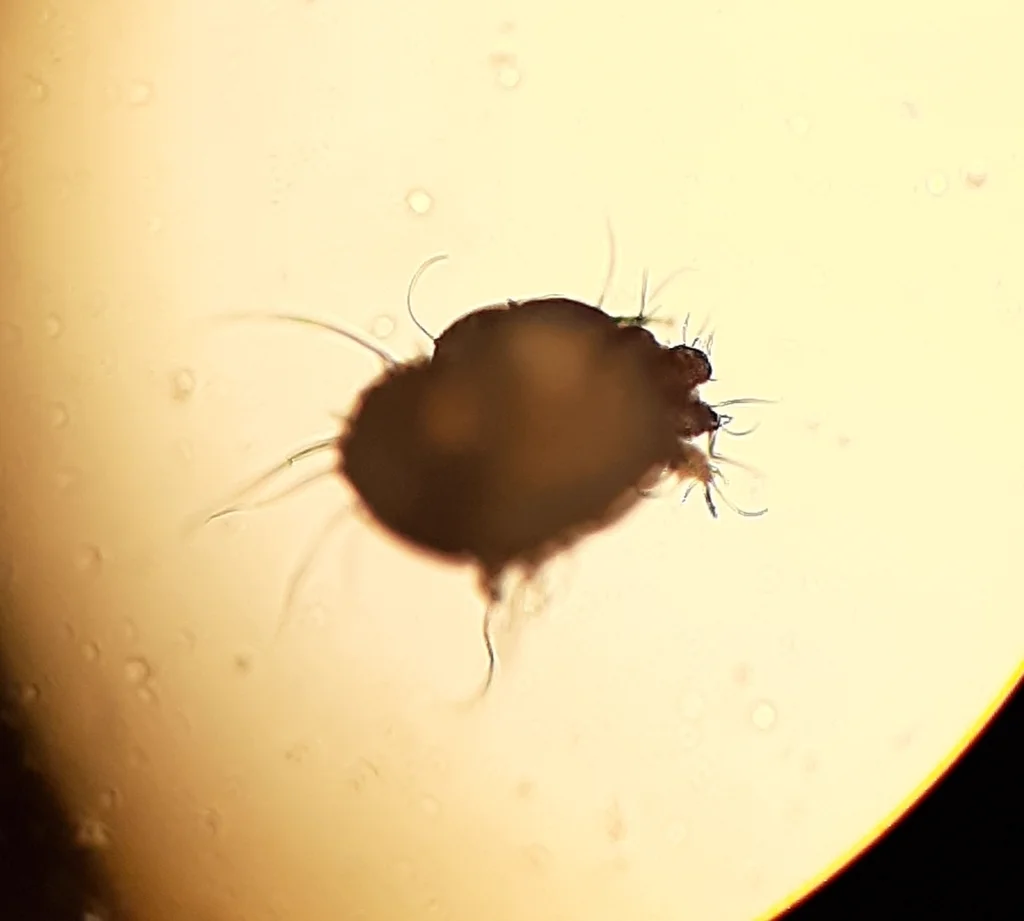
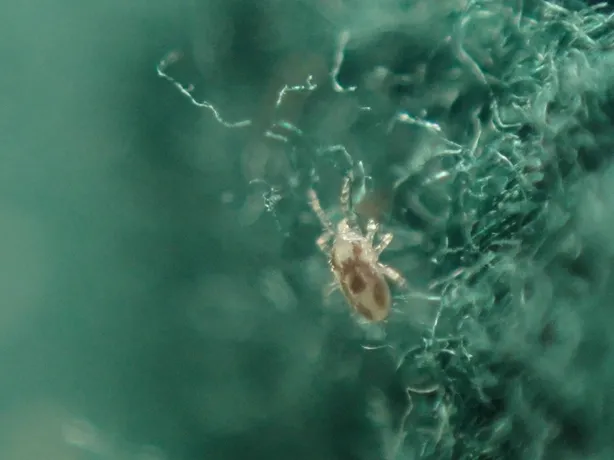
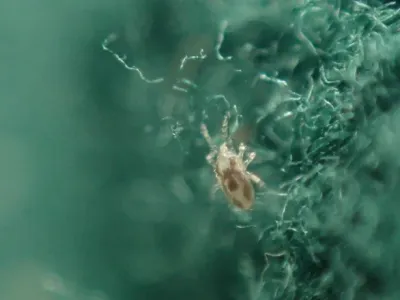
Fur mites are tiny parasites that measure 0.3 to 0.5 millimeters long. You can barely see them without a magnifying glass. They look like small white or cream specks moving through your pet’s fur. These mites do not dig into the skin. They live on the surface and feed on skin flakes and fluids.
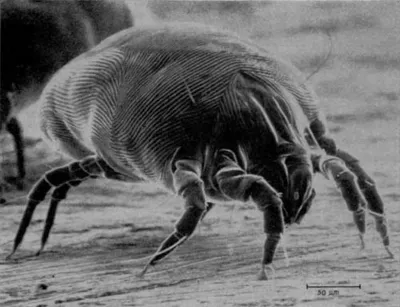
Under a microscope, fur mites have features that set them apart from other mites. They have large curved hooks on their mouthparts. These hooks help them grip hair and skin. All eight legs stick out from the body and end in small combs instead of claws. The body also has a clear waist between the front and back parts.
Common Species
Three species of Cheyletiella commonly infest pets in North America:
Cheyletiella yasguri: This species mostly affects dogs. Vets can identify it by a heart-shaped sensor on the first leg. It prefers dogs but can spread to cats or humans for a short time.
Cheyletiella blakei: This species is most common on cats. It has a cone-shaped sensor on the first leg instead of a heart shape. Cat cases can be harder to spot because cats groom a lot and may remove many mites.
Cheyletiella parasitovorax: This species lives mainly on rabbits. It was first described in 1878. Rabbit cases often cause heavy flaking along the back and neck.
All three species can spread between pets and to humans, though they prefer their main hosts.
Fur Mites Behavior and Biology
Fur mites must live on a host animal to survive. They spend their whole 21-day life cycle on the host, from egg to adult. Unlike scabies mites that burrow, fur mites live on the skin surface in the outer skin layer and fur.
Life Cycle
The fur mite life cycle has several distinct stages:
-
Egg: Females attach eggs to hair using fine threads. The eggs are oval and about 240 micrometers long.
-
Larva: A six-legged larva hatches and starts feeding on skin flakes. This stage is short.
-
Nymph: The larva molts through two stages with eight legs, growing larger each time.
-
Adult: Adults have eight legs and can breed. They live about two to three weeks. A related species, Velvet Mites, shares similar characteristics.
The full cycle from egg to adult takes about 21 days. This short cycle lets populations grow fast on pets that are not treated. A related species, Notoedric Mange Mites, shares similar characteristics.
Feeding and Movement A related species, Chiggers, shares similar characteristics.
Fur mites do not dig into the skin like scabies mites. They live in the outer skin layer and make shallow paths through dead skin cells. This surface-dwelling habit also sets them apart from ear mites, which live inside the ear canal. They sometimes pierce the skin to feed on fluids. A related species, Spider Mites, shares similar characteristics.
Their feeding causes skin irritation. This makes the skin shed more cells, creating heavy flaking or dandruff. The mites move around freely in the fur. This is why people call them walking dandruff when you can see them moving. A related species, Bulb Mites, shares similar characteristics.
Transmission
Fur mites spread mainly through direct contact between animals. Common ways they spread include:
- Mother to baby during nursing
- Pets playing or grooming each other
- Contact at kennels, groomers, or pet stores
- Shared bedding, brushes, or carriers
The mites can live briefly without a host. Females may survive up to 10 days off the animal. Other stages die within 48 hours. This means mites can spread through shared spaces, but direct contact is more common.
Signs of Fur Mite Infestation
Finding a fur mite problem early helps protect pets and stops spread to other animals or people.
Symptoms in Pets
- Heavy flaking or dandruff, mainly along the back
- Mild to moderate itching
- Dull, dry coat
- White specks moving in the fur
- Some hair thinning
- Red skin in bad cases
Cats may show fewer signs because they groom a lot and remove many mites. Dogs and rabbits usually have more visible flaking.
Symptoms in Humans
People in close contact with infested pets may notice:
- Itchy red bumps on arms, chest, or belly
- Bumps grouped where skin touches pets
- Symptoms after cuddling or sleeping near pets
- No visible mites on skin
Human symptoms usually go away on their own within three weeks once the pet gets treatment. Fur mites cannot breed on human hosts.
Treatment Methods for Fur Mites
A vet should manage fur mite treatment. Getting the right diagnosis matters because many skin problems look alike.
Veterinary Treatment Options
Several treatments work well against fur mites:
Topical Treatments: Medicated baths and solutions kill mites on contact. Lime-sulfur dips work well for cats, kittens, puppies, and rabbits. You usually need several treatments to kill all life stages.
Systemic Medications: Products with selamectin, moxidectin, milbemycin oxime, or ivermectin can treat fur mites. These work through the blood and are often easier to use than baths. Note: fipronil is toxic to rabbits. Never use it on them.
Treatment Duration: Eggs may resist some treatments. Repeat applications over three to four weeks are usually needed to fully break the life cycle.
Environmental Management
Female mites can live up to 10 days without a host. Cleaning your home helps stop mites from coming back:
- Wash all pet bedding in hot water weekly during treatment
- Vacuum areas where pets rest frequently
- Clean carriers, crates, and grooming tools
- Consider using a household flea spray on pet resting areas
Treating All Pets
Treat all dogs, cats, and rabbits in the home at the same time, even if they seem fine. This stops mites from jumping between pets and staying in your home.
Important Note About Veterinary Care
Fur mites need a vet to diagnose and treat. The symptoms look like other skin problems such as allergies, fungal infections, and other mite types. Only a vet can confirm fur mites by looking at skin samples under a microscope.
If you think your pet has fur mites, make a vet appointment. Do not try to treat them with home remedies or store products on your own. This page gives general info only. It should not replace advice from your vet about your pet.
References
- Companion Animal Parasite Council - Hairclasping Mite
- VCA Animal Hospitals - Cheyletiellosis in Dogs
- Western College of Veterinary Medicine - Cheyletiella species
- Today’s Veterinary Practice - Cheyletiella blakei Infection in Cats
- dvm360 - Cheyletiella: the under-diagnosed mite
- PubMed - Cheyletiella Mites
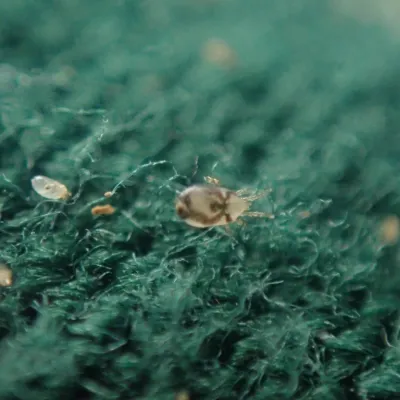
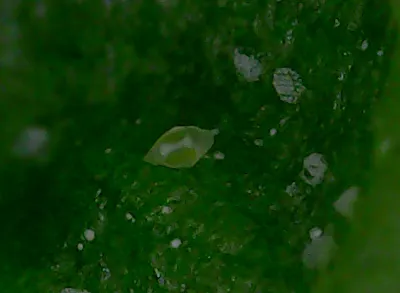
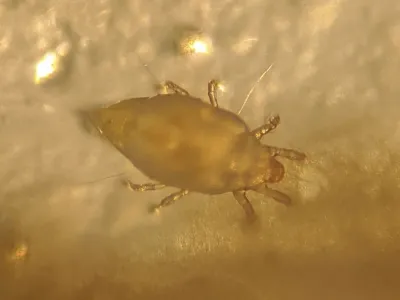
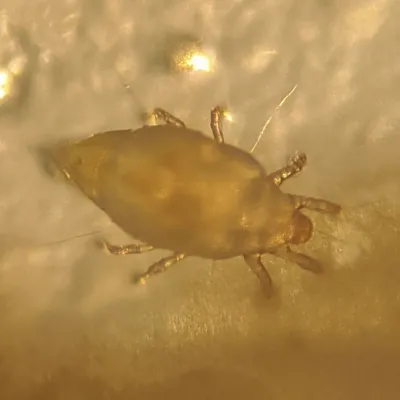
Other Mites
Explore other species in the mites family
Commonly Confused With
Fur Mites are often mistaken for these similar pests
Where Fur Mites Are Found
Hover over states to see their names. Green regions indicate where fur mites have been reported.
Common Questions about Fur Mites
What are fur mites and why are they called walking dandruff?
+
Fur mites are tiny mites that live on the fur of pets. They cause heavy skin flaking. Sometimes you can see the white mites moving through the flakes on your pet's coat. This looks like dandruff that is walking.
Can fur mites spread from pets to humans?
+
Yes, fur mites can spread to humans who touch infested pets. In people, they cause an itchy rash with small red bumps on the arms, chest, and belly. The mites cannot breed on humans, so symptoms clear up in a few weeks once the pet is treated.
How do I know if my pet has fur mites?
+
Look for heavy dandruff or flaky skin along the back. Your pet may itch and scratch. The coat may look dull. You might see white specks moving in the fur. In bad cases, there may be hair loss or red skin. A vet can confirm by checking skin samples under a microscope.
How do pets get fur mites?
+
Fur mites spread when pets touch each other. They pass during grooming, playing, or close contact. Puppies and kittens often get them from their mothers. Mites can also spread through shared bedding or brushes.
How long can fur mites survive without a host?
+
Female mites and eggs can live up to 10 days off an animal. Other stages die within 48 hours without a host. This is why you need to clean the home along with treating your pet.
Do I need to treat all my pets if one has fur mites?
+
Yes. Fur mites spread easily between pets. Treat all cats, dogs, and rabbits at the same time, even if they look fine. This stops mites from jumping between animals.
Are fur mites the same as ear mites?
+
No, they are different. Fur mites live on the skin in the fur. Ear mites live in the ear canal. They need different treatments. A vet can tell them apart.

With five years of hands-on experience in the pest control industry, George Schulz is a registered technician with the Virginia Pest Management Association and a proud third-generation professional in a family business that's been protecting homes for over 57 years. He manages and trains a team of service pros while also leading internal research efforts—recently spearheading a deep-dive review of thousands of documents on pest control materials to hand-pick the most kid and pet friendly, most effective solutions tailored specifically for homes in the DC metro area.