Flour Mites Identification Guide
Acarus siro
Flour mites are microscopic arachnids that infest stored grains, flour, and other dry goods. These tiny pests can contaminate food products and cause allergic reactions in sensitive individuals.
Taxonomy
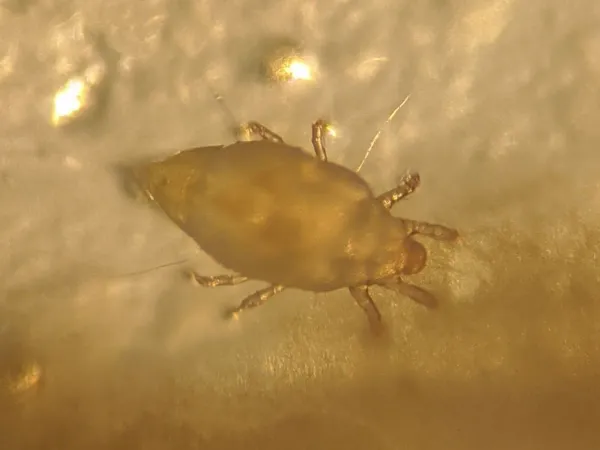
Flour Mites Coloration
Common color patterns to help identify flour mites
Flour Mites
Seasonal Activity
When flour mites are most active throughout the year

Where Flour Mites Are Found
Hover over states to see their names. Green regions indicate where flour mites have been reported.
Flour Mite Identification Guide
Physical Characteristics
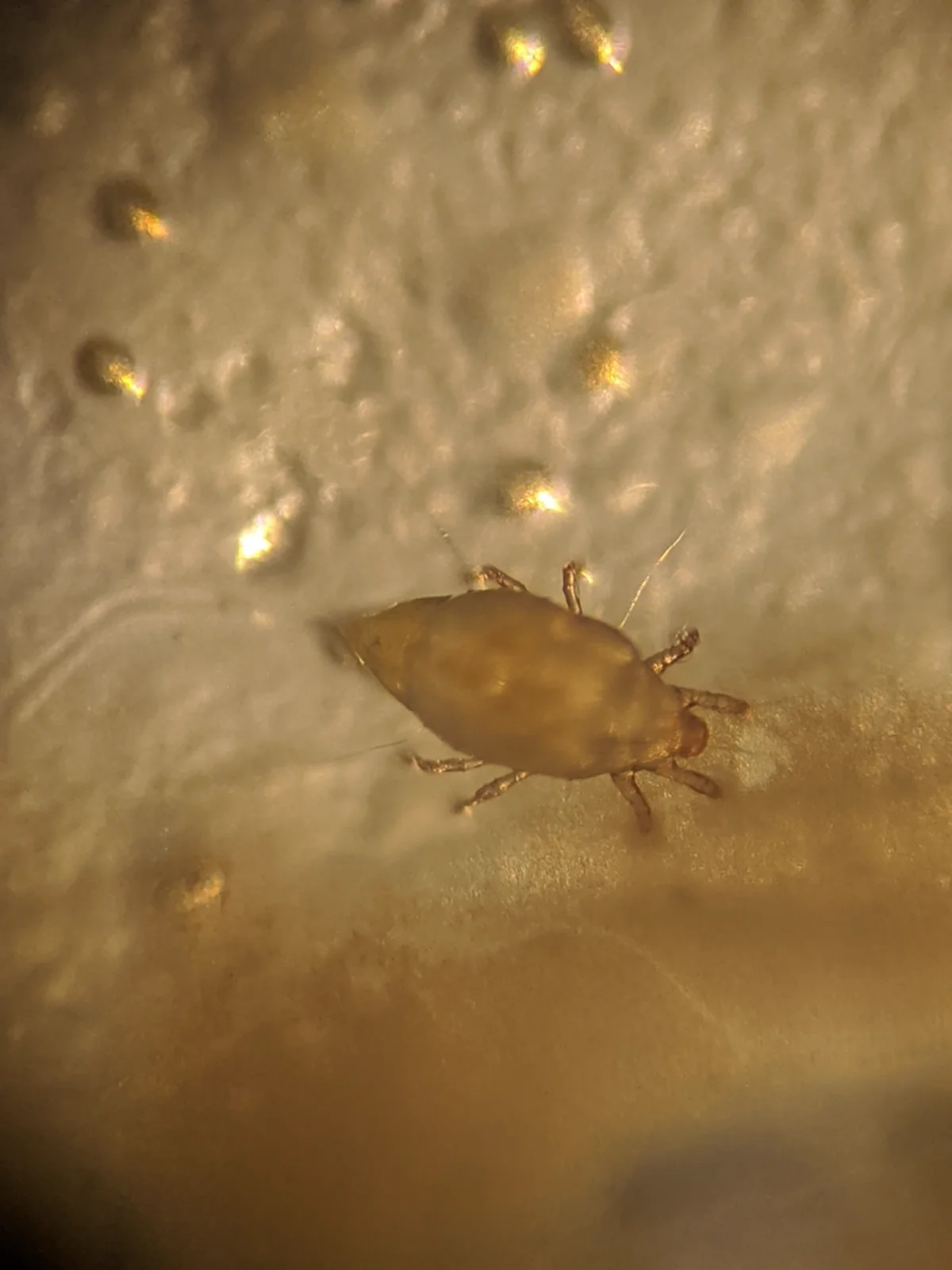
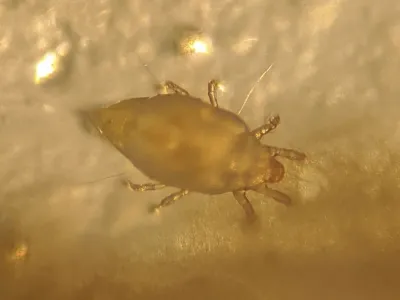
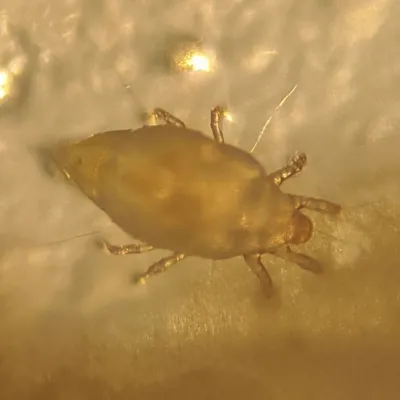
Flour mites are very small. They measure just 0.3 to 0.5 millimeters long. To the naked eye, they look like tiny white or gray specks that seem to move. With a magnifying glass, you can see their oval, see-through bodies. They have eight legs with brownish or yellowish joints. Like all mites, they are related to spiders and ticks, not insects.
Flour mites give off a unique smell. When there are many of them, or when crushed, they release a minty odor. This smell is often the first sign of a problem that homeowners notice.
Common Species
-
Grain Mite (Acarus siro): The most common type. It infests flour, cereal products, and cheese. It has a clear body with yellowish-brown legs.
-
Mold Mite (Tyrophagus putrescentiae): Also called the cheese mite. It feeds on many stored foods and mold. It likes humid areas and can infest pet food, seeds, and dried fruits.
-
Brown Flour Mite (Gohieria fusca): A less common type that attacks similar foods. It has a slightly darker color than the grain mite.
Flour Mite Behavior and Biology
Flour mites feed mainly on the germ of grains. They will also eat moldy parts of grain. They like processed foods like flour more than whole grains. They can also infest cheese, pet food, seeds, dried herbs, and other stored foods.
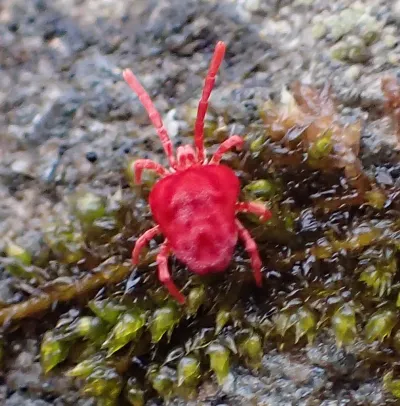
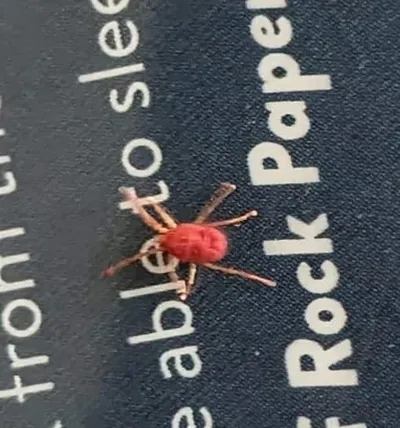
These mites do best in warm, humid places. They breed fastest at 65 to 80 degrees Fahrenheit with humidity above 55 percent. In good conditions, flour mites can go from egg to adult in just 9 to 11 days. This lets them grow in number very fast. A related species, Velvet Mites, shares similar characteristics.
The life cycle has several stages: egg, larva, nymph, and adult. Flour mites can form a tough resting stage that survives bad conditions for a long time. When things get better, these resting forms wake up and the population can bounce back quickly.
Signs of Infestation
A flour mite problem shows several clear signs:
- Fine, grayish or brownish dust on food surfaces and shelves
- A musty or minty smell in the pantry
- Foods that clump together or feel moist and caked
- A bitter or off taste in affected foods
- Tiny specks that seem to move on food surfaces
Dead mites, shed skins, and waste form what is called “mite dust.” This dust can cause allergic reactions even after the live mites are gone.
Treatment Methods for Flour Mites
Flour mite control focuses on cleaning, changing the environment, and protecting stored foods. Pesticides are not a good choice for kitchens and pantries because they can get into food.
-
Find and Remove Infested Foods: Check all stored dry goods. Throw away any items that show signs of mites. Do not try to save infested flour or grains. Eggs and mites are almost impossible to fully remove.
-
Clean Thoroughly: Wipe down all pantry shelves with hot, soapy water. Focus on cracks, corners, and crevices where mites and food bits collect. Vacuum these spots to remove any leftover mites or debris.
-
Lower Humidity: Flour mites need high humidity to live. Improve air flow in your pantry. Use moisture absorbers. Keep storage areas cool and dry. Humidity below 55 percent stops mites from breeding.
-
Store Foods Right: Move dry goods to airtight containers made of glass, metal, or hard plastic. Cardboard boxes and paper bags do not keep these tiny pests out.
-
Freeze New Products: Put newly bought flour, grains, and cereals in the freezer for 48 hours. Then move them to storage containers. This kills any mites or eggs in the packaging.
Prevention Tips
Stopping flour mites before they start is easier than getting rid of them later:
- Buy only what you will use in a few weeks during warm, humid months
- Check packages for damage before buying
- Put products in airtight containers right after opening
- Keep your pantry clean and free of food bits
- Use older products first
- Keep storage areas cool and dry
- Try placing bay leaves in containers. Their smell may help keep mites away.
Health Considerations
Flour mites do not bite people. But they can cause health issues for some. The mites, their shed skins, and waste contain proteins that cause allergic reactions. Symptoms may include skin rashes, itching, stuffy nose, asthma, and eye irritation.
People who are allergic to dust mites are more likely to react to flour mites too. Other storage mites and pantry mites cause similar allergic reactions. In rare cases, eating heavily infested food can upset the stomach or cause more serious allergic reactions.
If you have health symptoms that may be from mite exposure, see a doctor. This page is for general information only and is not medical advice.
References
Other Mites
Explore other species in the mites family
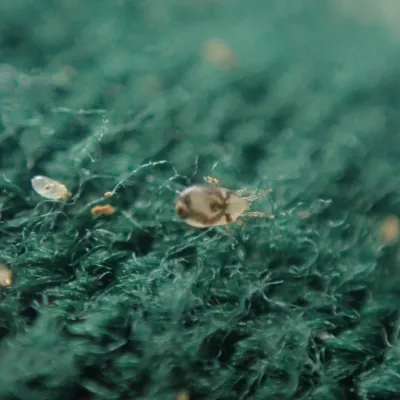
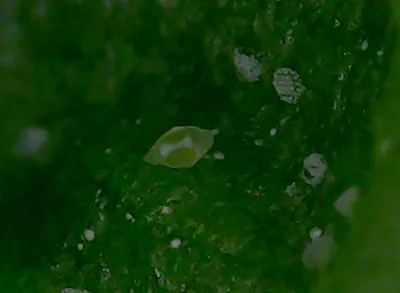
Commonly Confused With
Flour Mites are often mistaken for these similar pests
Where Flour Mites Are Found
Hover over states to see their names. Green regions indicate where flour mites have been reported.
Common Questions about Flour Mites
How do I know if I have flour mites?
+
Look for a fine, grayish-white dust on stored food products like flour, grains, or cereals. Infested items may clump together or develop a moist texture. A distinctive musty or minty odor often indicates a heavy infestation. You may also notice tiny moving specks if you look closely at the surface of affected products.
Are flour mites harmful to humans?
+
Flour mites do not bite, but they can trigger allergic reactions in sensitive individuals. Inhaling or consuming mite-contaminated food may cause skin irritation, respiratory issues, or gastrointestinal discomfort. People with dust mite allergies are more likely to react to flour mites.
Can I still eat food with flour mites?
+
It is best to discard any food products that show signs of mite infestation. While eating small amounts of mites is unlikely to cause serious harm, contaminated food has reduced quality, an unpleasant taste, and may trigger allergic reactions.
How do flour mites get into my pantry?
+
Flour mites are often introduced through already-infested products purchased from stores. They can also spread from one food item to another within your pantry. These tiny pests can squeeze through very small gaps in packaging.
What conditions attract flour mites?
+
Flour mites thrive in warm, humid environments with moisture levels above 55%. They prefer temperatures between 65 and 80 degrees Fahrenheit. Poor ventilation and long-term storage of dry goods create ideal conditions for infestations.
How can I prevent flour mites?
+
Store dry goods in airtight containers made of glass or hard plastic. Keep your pantry cool and dry with good ventilation. Freeze newly purchased flour and grains for 48 hours before storing to kill any eggs or mites. Rotate your stock and use older products first.
How long do flour mites live?
+
Under optimal conditions, flour mites can complete their entire life cycle in as little as 9 to 11 days. A single female can lay hundreds of eggs, allowing populations to explode quickly in favorable environments.

With five years of hands-on experience in the pest control industry, George Schulz is a registered technician with the Virginia Pest Management Association and a proud third-generation professional in a family business that's been protecting homes for over 57 years. He manages and trains a team of service pros while also leading internal research efforts—recently spearheading a deep-dive review of thousands of documents on pest control materials to hand-pick the most kid and pet friendly, most effective solutions tailored specifically for homes in the DC metro area.