European Red Mites Identification Guide
Panonychus ulmi
European red mites are tiny reddish-brown spider mites that feed on the leaves of fruit trees and ornamental plants. These agricultural pests can cause significant damage to apple, pear, and plum trees by reducing photosynthesis and weakening plant health.
Taxonomy
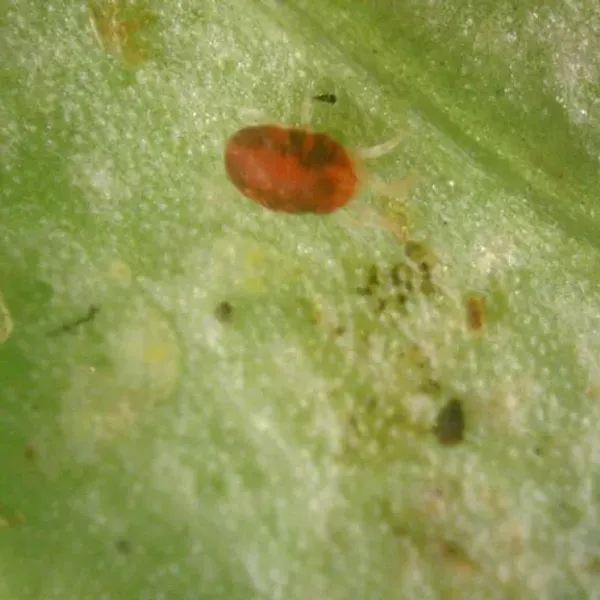
European Red Mites Coloration
Common color patterns to help identify european red mites
European Red Mites
Seasonal Activity
When european red mites are most active throughout the year

Where European Red Mites Are Found
Hover over states to see their names. Green regions indicate where european red mites have been reported.
European Red Mites Identification Guide
Physical Characteristics
European red mites (Panonychus ulmi) are a major pest of fruit trees across North America. They belong to the spider mite family (Tetranychidae) but have distinct characteristics. Despite their name, these mites were first found in Europe. They have since spread around the world and cause serious damage to orchards.
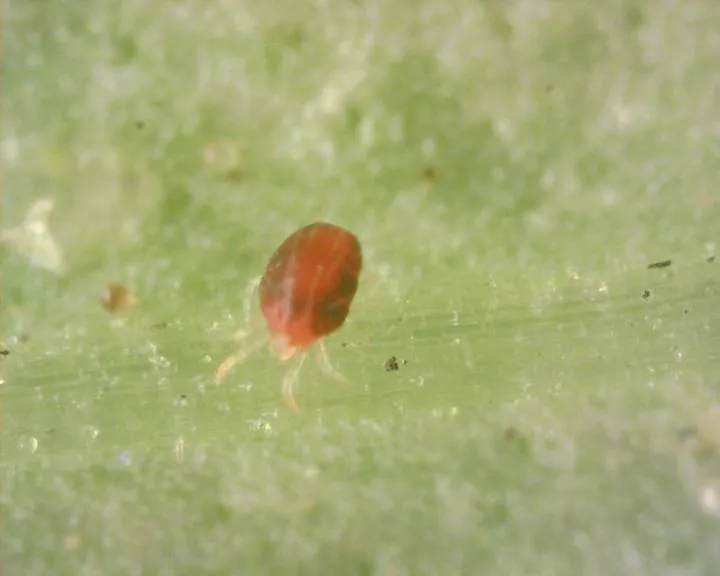
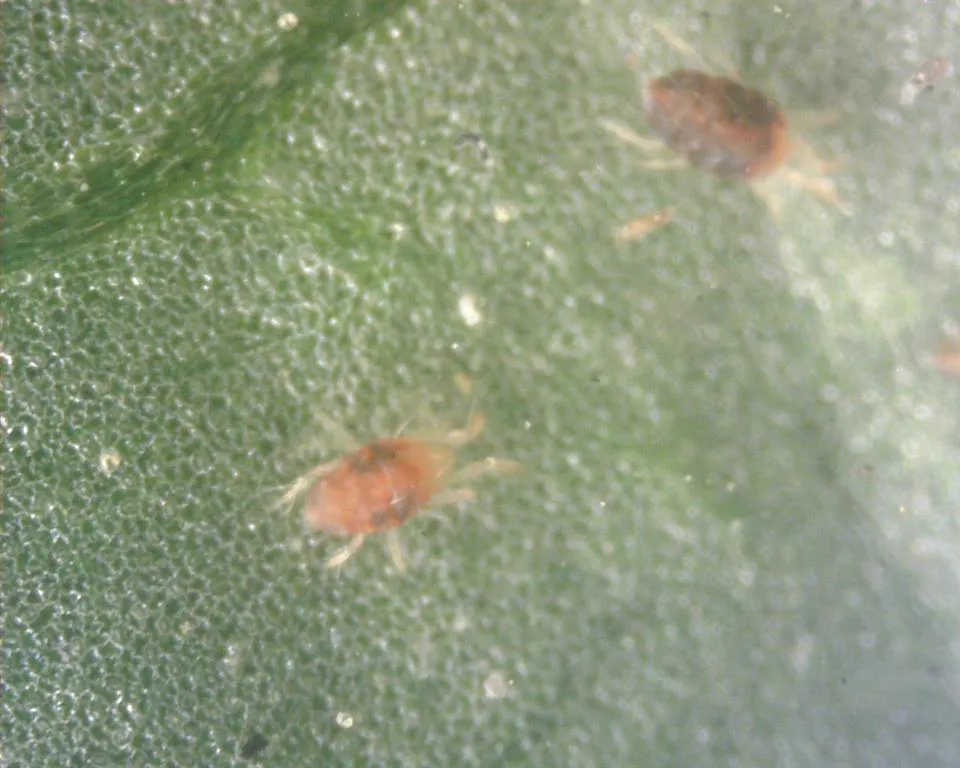
Adult females are tiny, measuring only 0.35 to 0.4 millimeters long. They have round bodies that range from brick red to dark reddish-brown. Look for white spots at the base of curved hairs on their backs. These white spots help tell them apart from other red mites like clover mites and two-spotted spider mites. Their bodies also have small ridges that look rough under a magnifying glass.
Males are smaller than females. They have longer, wedge-shaped bodies and lighter colors, often yellowish-green to orange-red. Males move quickly across leaves looking for mates.
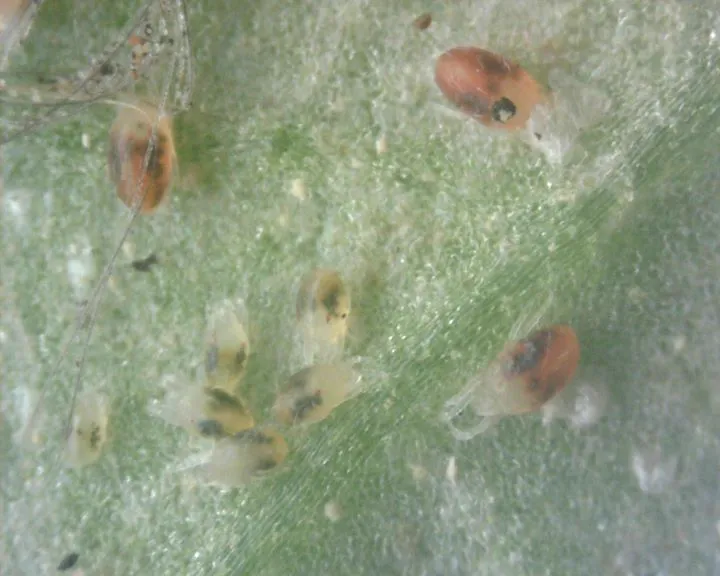
The eggs stand out too. They are bright red and perfectly round with a small stalk on top. This onion shape makes them easy to spot on bark and leaves. In summer, females lay eggs on leaves. In fall, they lay special eggs in bark cracks and around buds that survive the winter.
Life Cycle and Development
European red mites go through five stages: egg, larva, protonymph, deutonymph, and adult. The cycle starts in early spring when eggs hatch as fruit tree buds begin to open. These eggs were laid the fall before and survive cold winter weather.
The first larvae come out and start feeding on new leaves right away. Young mites have six legs. They grow into eight-legged nymphs through two molts. When temperatures stay between 70 and 85 degrees, mites can grow from egg to adult in just two to three weeks.
Females start laying eggs within a day or two of becoming adults. Each female can lay 20 to 35 eggs during summer. Over the growing season, these mites can complete six to eight generations. This fast breeding lets their numbers grow quickly in hot summer months.
When days get shorter in late summer, females lay special winter eggs. They put these eggs in bark cracks, around bud scales, and where branches meet. The eggs stay dormant until spring. Homeowners dealing with European Red Mites may also encounter Mite, which can appear in similar environments.
European Red Mites Behavior and Biology
Feeding Habits and Plant Damage
European red mites feed by poking into plant cells and sucking out the contents. Each bite leaves a tiny empty cell that shows up as a pale dot. When thousands of mites feed on one leaf, the damage adds up fast. A related species, Velvet Mites, shares similar characteristics.
Early damage looks like fine speckles or bronze coloring on the top of leaves. Leaves start to look dusty or dull as the green color fades. Bad infestations make leaves turn brown, curl up, and fall off too early. This leaf loss stresses trees and hurts fruit quality. A related species, Notoedric Mange Mites, shares similar characteristics.
In orchards, the damage can cost growers money. Heavy mite feeding slows down the leaf’s ability to make food for the tree. This leads to smaller fruit with less color and less sugar. Trees that lose leaves year after year become weak. Weak trees are more likely to suffer winter damage and other problems. A related species, Chiggers, shares similar characteristics.
Host Range and Preferred Plants A related species, Scabies Mites, shares similar characteristics.
European red mites can feed on more than 60 plant types. But they mainly attack fruit trees that lose their leaves in winter. Apple trees are hit the hardest. Pears, plums, cherries, and peaches also get infested. Some apple types like Red Delicious and Golden Delicious are more likely to have problems.
These mites also attack yard plants and shrubs. Roses, hawthorns, mountain ash, and some elms and oaks can all be hosts. If you have fruit trees near other plants, mites may spread between them.
Seasonal Activity Patterns
European red mite numbers rise and fall with the seasons. Eggs start hatching in spring as the weather warms and trees wake up from winter. This usually happens in April or early May when apple buds open.
The first mites feed on young leaves and become adults by late May or June. Numbers keep growing through summer as new generations hatch. The most mites appear in July and August when hot, dry weather helps them breed fast. One winter egg can produce millions of mites by late summer.
Mite numbers often crash in late summer. Heavy rain, weather changes, or running out of leaves can cause this drop. As fall comes, shorter days tell females to lay winter eggs. This starts the cycle over again.
Treatment Methods for European Red Mites
Controlling European red mites works best when you combine several methods. These approaches help keep mite numbers low enough to prevent tree damage.
Monitoring and Early Detection
Regular checks help you find mite problems before they get out of hand. Start looking at your fruit trees in late April or early May when leaves first appear. Look at the undersides of leaves on branches throughout the tree.
Use a hand lens to examine leaves closely. Count the mites you see on at least 10 leaves per tree. In orchards, treatment is usually needed when you find more than 2.5 mites per leaf in spring or 5 to 7 mites per leaf in summer. Home gardeners can watch for visible leaf damage as a guide.
Prevention Tips
-
Avoid too much fertilizer. Too much nitrogen makes leaves grow fast and lush. This attracts more mites. Use balanced fertilizer instead.
-
Keep trees healthy. Stressed trees suffer more from mite damage. Water your trees well during dry spells. Healthy trees can handle some mite feeding.
-
Prune for better airflow. Good air movement through branches makes the tree less inviting to mites.
Treatment Options
When mite numbers get too high, several products can help bring them under control.
-
Horticultural oils. Dormant oil sprays in late winter kill overwintering eggs before they hatch. You can also use summer oils at lower rates on leaves.
-
Miticides. These products target mites directly. Switching between different types helps prevent mites from building resistance.
-
Insecticidal soaps. These contact sprays work well against mites when applied correctly.
Good spray coverage is key for any treatment. European red mites often hide on the undersides of leaves and deep in the tree canopy. You may need to spray more than once for heavy infestations.
References
Other Mites
Explore other species in the mites family
Commonly Confused With
European Red Mites are often mistaken for these similar pests
Where European Red Mites Are Found
Hover over states to see their names. Green regions indicate where european red mites have been reported.
Common Questions about European Red Mites
What do European red mites look like?
+
European red mites are tiny, measuring only about 0.35 to 0.4 millimeters long. Adult females are dark reddish-brown with a rounded body and white spots at the base of curved hairs on their back. Males are smaller and lighter in color with a more pointed abdomen.
Are European red mites harmful to humans?
+
No, European red mites do not bite humans or pets. They feed exclusively on plant material and pose no direct health risk to people. Their damage is limited to ornamental and fruit trees.
What plants do European red mites attack?
+
European red mites primarily attack deciduous fruit trees including apples, pears, plums, cherries, and peaches. They also feed on ornamental trees and shrubs such as roses, hawthorns, and mountain ash.
How can I tell if my fruit trees have European red mites?
+
Look for bronze or stippled leaves that appear dusty or pale. Heavy infestations cause leaves to turn brown and drop early. Check the undersides of leaves with a magnifying glass for tiny red mites and round red eggs.
When are European red mites most active?
+
European red mites are most active from late spring through summer. Eggs hatch in April and May, and populations peak during hot, dry weather in July and August. They can produce six to eight generations per year in warm climates.
How do European red mites spread?
+
European red mites spread primarily through wind dispersal and by crawling between touching branches. They can also hitchhike on birds, insects, gardening tools, and nursery stock brought from infested areas.
What is the difference between European red mites and clover mites?
+
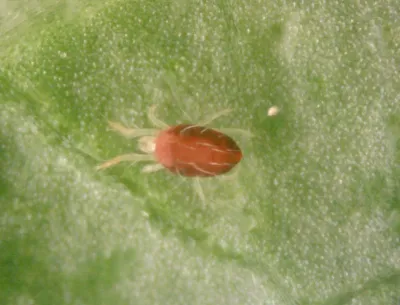
European red mites are darker red with white spots and feed on fruit trees, while clover mites are lighter reddish-brown and invade homes. Clover mites have distinctively long front legs and feed on grass and clover rather than trees.

With five years of hands-on experience in the pest control industry, George Schulz is a registered technician with the Virginia Pest Management Association and a proud third-generation professional in a family business that's been protecting homes for over 57 years. He manages and trains a team of service pros while also leading internal research efforts—recently spearheading a deep-dive review of thousands of documents on pest control materials to hand-pick the most kid and pet friendly, most effective solutions tailored specifically for homes in the DC metro area.