Ear Mites Identification Guide
Otodectes cynotis
Ear mites are tiny parasitic mites that infest the ear canals of cats, dogs, and other pets. They cause intense itching, head shaking, and a characteristic dark, crumbly ear discharge.
Taxonomy
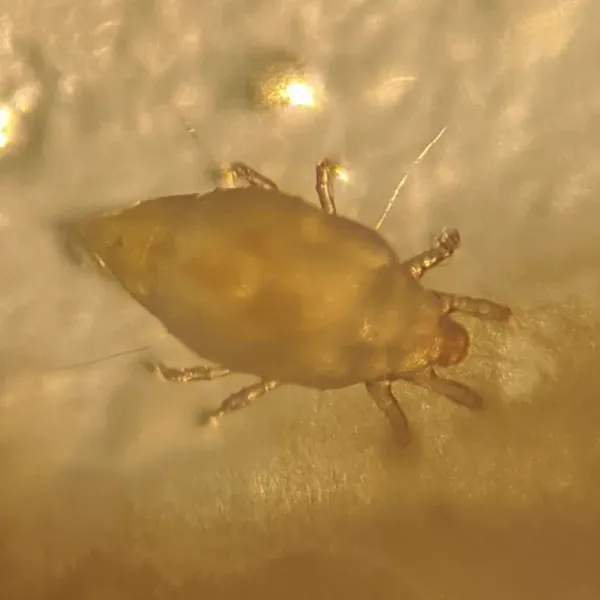
Ear Mites Coloration
Common color patterns to help identify ear mites
Ear Mites
Seasonal Activity
When ear mites are most active throughout the year

Where Ear Mites Are Found
Hover over states to see their names. Green regions indicate where ear mites have been reported.
Ear Mites Identification Guide
Physical Characteristics
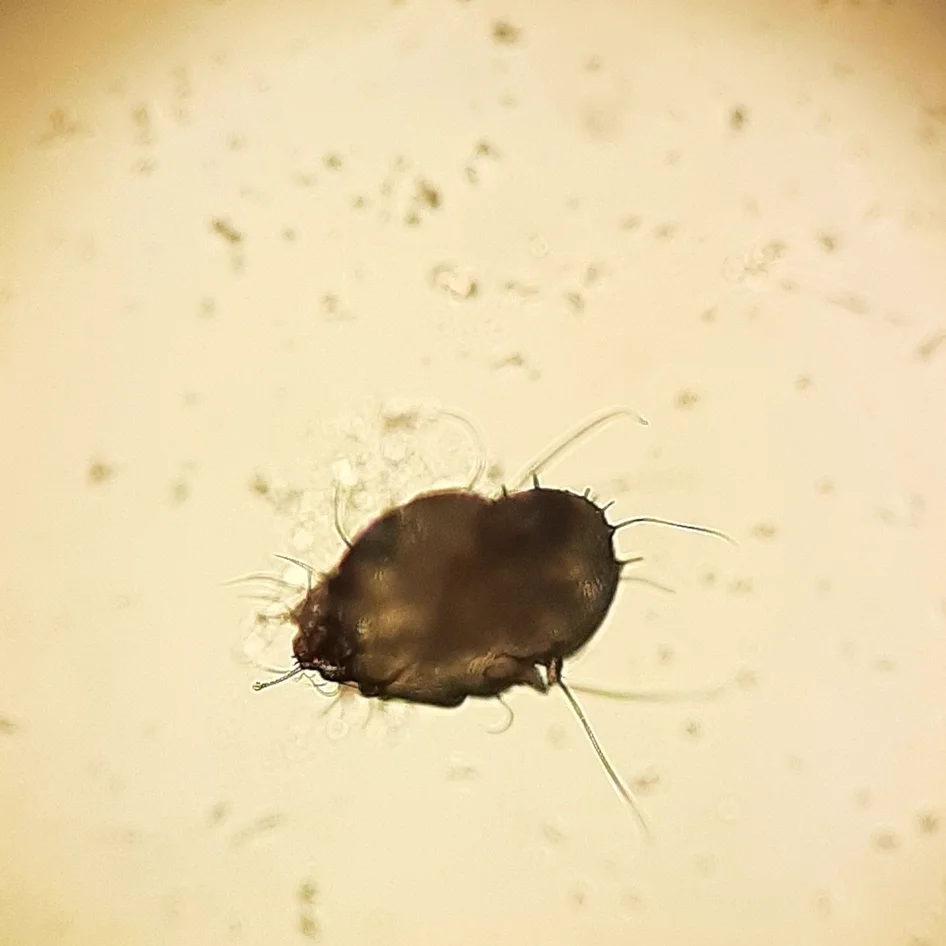
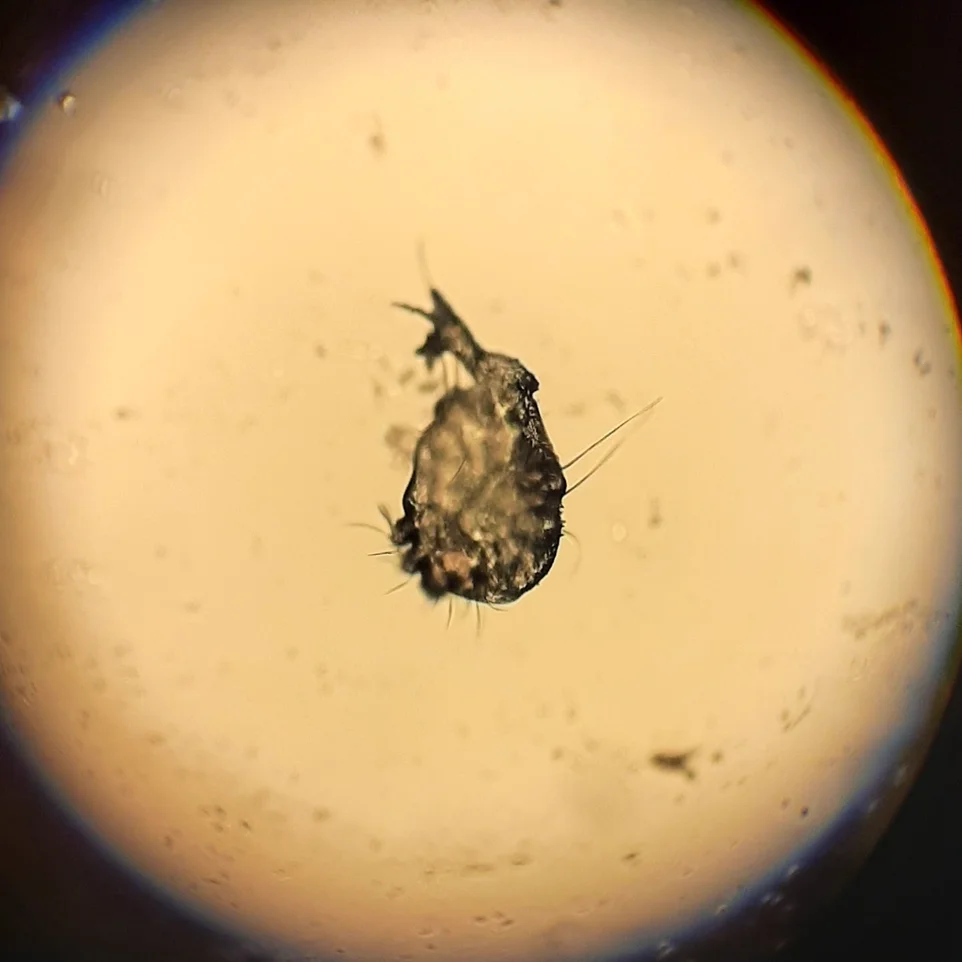
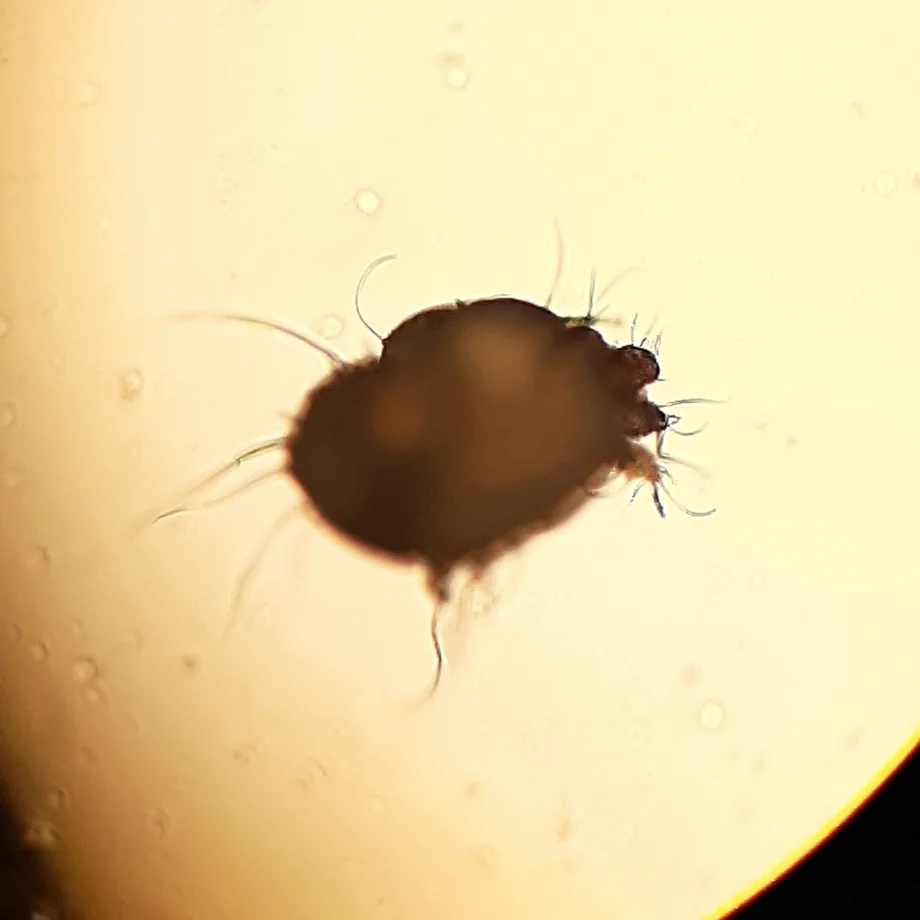
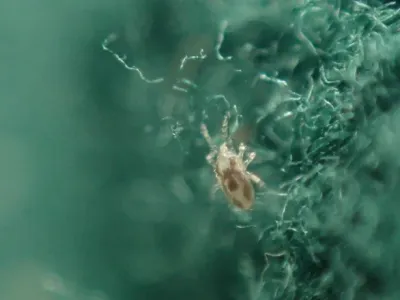
Ear mites (Otodectes cynotis) are tiny parasites that you can barely see without help. Adults are between 0.3 and 0.45 millimeters long. That is about the size of a pinhead. Under a microscope, they look like oval creatures with eight legs and a see-through white body. Females are a bit larger than males. They have small suckers on short stalks on their front legs.
Vets can see ear mites moving in the ear canal using a special tool called an otoscope. This movement helps confirm that mites are present. Without magnification, you might see what looks like tiny white specks moving against dark ear debris.
Distinguishing Features
Ear mites have features that set them apart from other mites:
- Oval body shape with visible leg segments
- Eight legs in adults, but larvae have only six
- Small suckers on short stalks on the front legs of females
- A reduced fourth pair of legs on females that stays close to the body
Common Species
Otodectes cynotis is the main species that causes ear mite problems in pets. This species affects:
- Cats, which are most often affected
- Dogs, the second most common host
- Ferrets
- Rabbits
- Foxes and other wild dog relatives
While other mite types can sometimes be found in animal ears, O. cynotis causes about 90 percent of ear mite cases in cats.
Ear Mites Behavior and Biology
Ear mites need a host animal to survive. They spend their whole life inside the ear canal of their host. They eat skin cells, ear wax, and tissue fluids. Unlike scabies mites and sarcoptic mange mites, ear mites do not dig into the skin.
Life Cycle
The ear mite life cycle has five stages:
- Egg stage where females attach eggs to the ear canal lining. Eggs hatch in about four days.
- Larva stage where six-legged larvae come out and feed for several days before molting.
- Protonymph is the first young stage. It feeds and then molts again.
- Deutonymph is the second young stage. At this point, the mite joins with an adult male for mating.
- Adult stage with fully grown mites that have eight legs. Adults live about two months.
The full cycle from egg to egg takes 18 to 28 days. This fast growth lets numbers rise quickly if not treated. A related species, Velvet Mites, shares similar characteristics.
Feeding Habits A related species, Notoedric Mange Mites, shares similar characteristics.
Ear mites feed on: A related species, Chiggers, shares similar characteristics.
- Skin cells lining the ear canal
- Ear wax
- Tissue fluid
- Lymph fluid A related species, Spider Mites, shares similar characteristics.
Their feeding bothers the ear canal. This causes more wax to build up and leads to swelling. The result is the dark, crumbly discharge that ear mite cases are known for. A related species, Bulb Mites, shares similar characteristics.
Transmission A related species, Storage Mites, shares similar characteristics.
Ear mites spread through direct contact between animals. Common ways they spread include:
- Mother to baby during nursing
- Play between pets
- Shared sleeping spots
- Grooming between animals
The mites can live briefly outside a host. This makes spread through dirty bedding possible, but less common than direct contact.
Signs of Ear Mite Infestation
Finding ear mites early helps prevent problems and keeps your pet more comfortable. Watch for these signs:
Behavioral Signs
- Too much head shaking as pets try to get rid of the itch
- Hard ear scratching, sometimes bad enough to cause wounds
- Head tilting, often toward the ear that hurts more
- Restlessness from the discomfort
- Rubbing ears on furniture or carpet
Physical Signs
- Dark, crumbly discharge that looks like coffee grounds
- Redness and swelling inside the ear
- Bad smell coming from the ears
- Crusty buildup around the ear opening
- Hair loss around the ears from scratching
- Wounds or scabs on the ears and head
Other Problems That Can Happen
If ear mites are not treated, they can lead to:
- Bacterial ear infections
- Yeast overgrowth
- Blood blisters from too much head shaking
- Lasting ear damage in bad cases
Treatment Methods for Ear Mites
Ear mite treatment is a vet issue. A licensed vet should handle it. Many treatment methods work well to get rid of ear mites.
Vet Treatment Options
Treatment usually includes one or more of these methods:
Ear Drops and Topical Medications are put right into the ear canal to kill mites on contact. Treatment often lasts several weeks to kill mites at all life stages.
Pills or Injections are medicines that work through the blood. Products with ivermectin, selamectin, or moxidectin are often used. One-dose treatments like Bravecto, Simparica, and Revolution can also work.
Ear Cleaning means deep cleaning of the ear canal to remove debris and discharge. This helps the medicine work better and eases discomfort. Only clean ears as your vet directs.
How Long Treatment Takes
Ear mite eggs resist many treatments. So treatment often lasts three to four weeks to kill all life stages. Some newer one-dose products give lasting protection that covers the whole life cycle.
Home Care Tips
While ear mites cannot live long without a host, good home care helps treatment work:
- Wash pet bedding in hot water
- Vacuum spots where pets sleep
- Clean carriers and crates
- Treat all pets in the home at the same time
Important Note About Vet Care
Ear mites are a health problem that needs a vet to diagnose and treat. The signs of ear mites can look like other ear issues, such as bacterial infections, yeast infections, and allergies. Only a vet can tell for sure if ear mites are the cause and give the right treatment.
If you think your pet has ear mites, make an appointment with your vet. Do not try to treat ear mites with home remedies or store products on your own. Wrong treatment can make things worse or hide other problems. This page is for general info only and is not medical advice for your pet.
References
- Companion Animal Parasite Council - Otodectic Mite
- VCA Animal Hospitals - Ear Mites in Cats and Dogs
- Western College of Veterinary Medicine - Otodectes cynotis
- Today’s Veterinary Practice - Ear Mites: Uncovering, Treating, and Preventing Infestations
- PubMed - Evidence-based veterinary dermatology: treatments for Otodectes cynotis
Other Mites
Explore other species in the mites family
Commonly Confused With
Ear Mites are often mistaken for these similar pests
Where Ear Mites Are Found
Hover over states to see their names. Green regions indicate where ear mites have been reported.
Common Questions about Ear Mites
How do I know if my pet has ear mites?
+
Common signs include excessive head shaking, scratching at the ears, dark crumbly discharge resembling coffee grounds in the ear canal, redness or inflammation inside the ears, and a strong odor. Pets may also hold their head tilted to one side.
Can ear mites spread to humans?
+
While ear mites rarely infest humans, they can occasionally cause temporary skin irritation or a mild itchy rash in people who have close contact with infested pets. This is uncommon, and the mites cannot complete their life cycle on humans.
How do pets get ear mites?
+
Ear mites spread through direct contact with infested animals. They are highly contagious among pets and can transfer during grooming, playing, or sleeping near each other. Kittens and puppies often get ear mites from their mothers.
How long do ear mites live?
+
Adult ear mites live approximately two months. The complete life cycle from egg to adult takes 18 to 28 days. Mites spend their entire life in the ear canal of the host animal, though they can survive briefly in the environment.
Can ear mites live in my house?
+
Ear mites cannot survive long outside a host animal. They may live in bedding or carpeting for a short period, but they require a host to complete their life cycle and will die within a few days without one.
Are ear mites the same as ear infections?
+
No, but ear mite infestations often lead to secondary ear infections. The mites cause inflammation and excessive wax production, which creates conditions favorable for bacterial or yeast infections. A veterinarian can distinguish between mites and other ear problems.
Do I need to treat all my pets if one has ear mites?
+
Yes, because ear mites are highly contagious, all cats and dogs in the household should be treated simultaneously. This prevents mites from spreading back and forth between animals and ensures complete elimination.

With five years of hands-on experience in the pest control industry, George Schulz is a registered technician with the Virginia Pest Management Association and a proud third-generation professional in a family business that's been protecting homes for over 57 years. He manages and trains a team of service pros while also leading internal research efforts—recently spearheading a deep-dive review of thousands of documents on pest control materials to hand-pick the most kid and pet friendly, most effective solutions tailored specifically for homes in the DC metro area.