Cheese Mites Identification Guide
Tyrolichus casei
Cheese mites are microscopic arachnids that infest stored dairy products, aged cheeses, and other high-protein foods. While some cheese makers deliberately use them to develop unique flavors, they can become unwanted pests in homes and food storage facilities.
Taxonomy
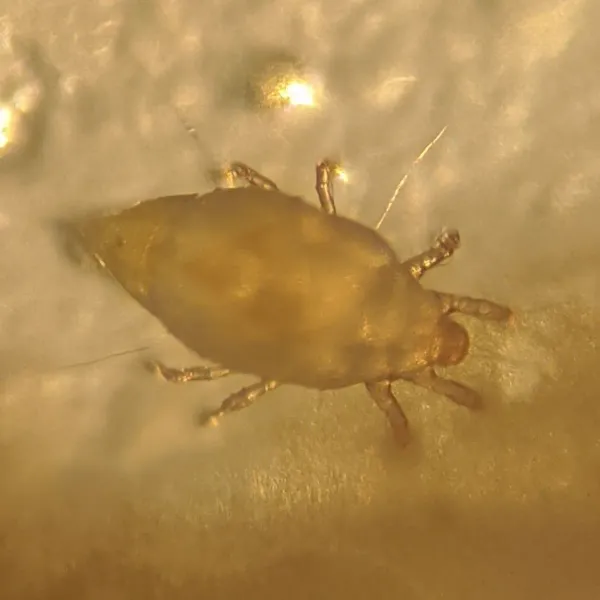
Cheese Mites Coloration
Common color patterns to help identify cheese mites
Cheese Mites
Seasonal Activity
When cheese mites are most active throughout the year

Where Cheese Mites Are Found
Hover over states to see their names. Green regions indicate where cheese mites have been reported.
Cheese Mite Identification Guide
Physical Characteristics
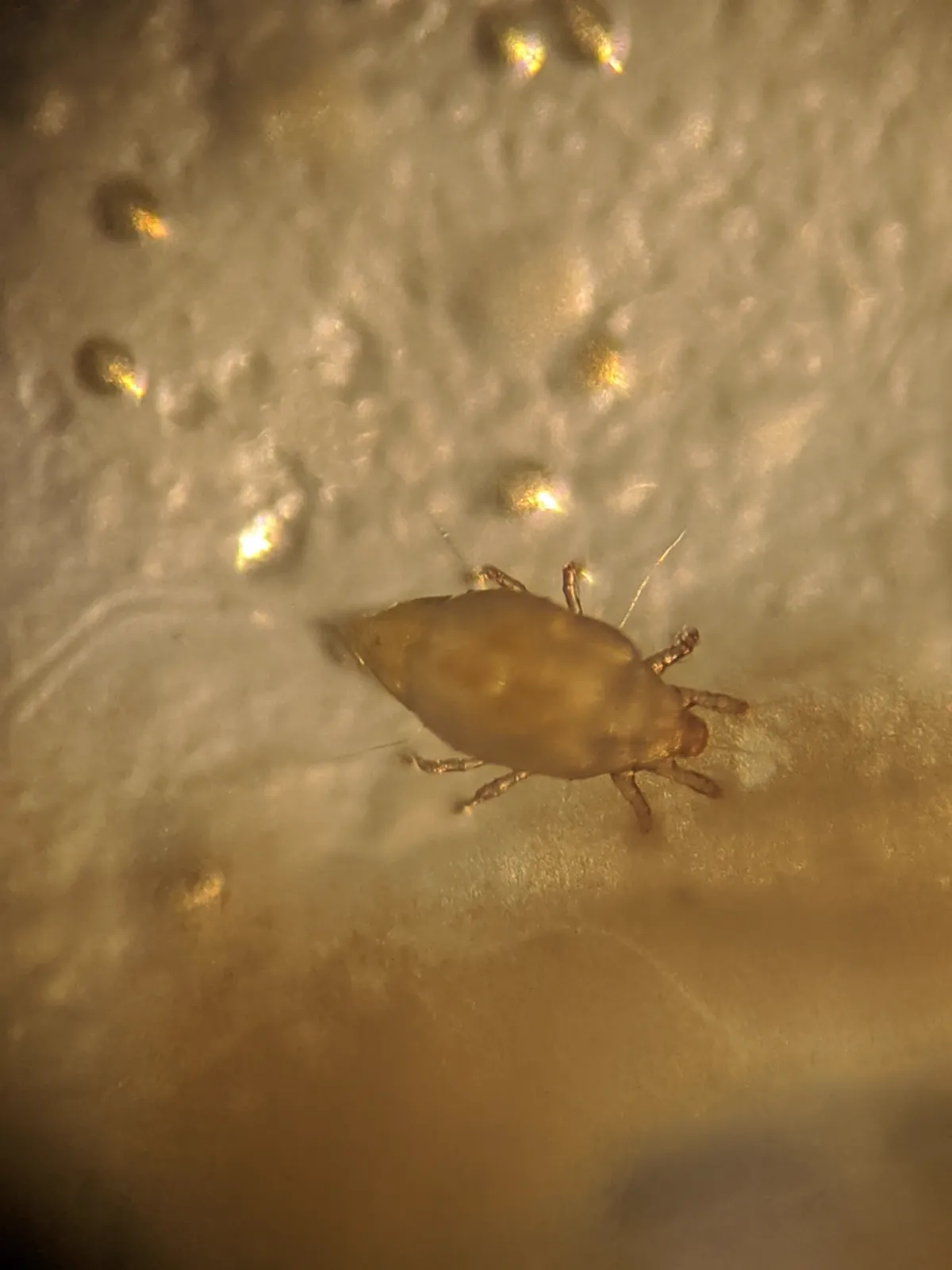
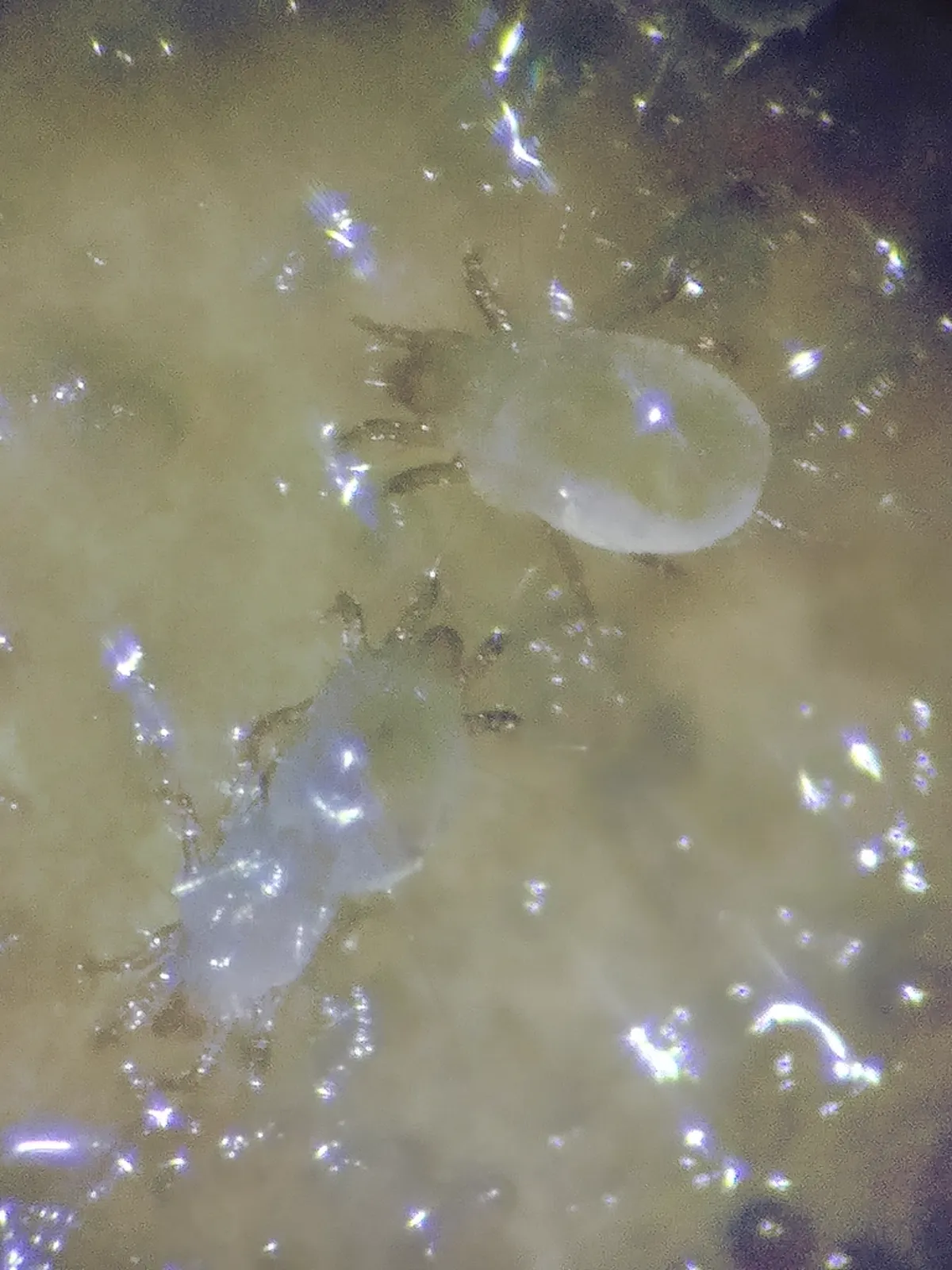
Cheese mites are tiny creatures that measure only 0.3 to 0.7 millimeters long. You cannot see them without a magnifying glass. Under a microscope, they look pale and oval shaped. Their bodies are soft and see-through. They have eight legs with brown or yellow joints. Fine hairs cover their bodies.
Cheese mites have no antennae and no clear head shape. They have mouth parts made for eating cheese surfaces, molds, and food bits. When many mites are present, they leave behind a dust. This dust is made of their bodies, shed skins, eggs, and waste.
Common Species
Several mite types are called cheese mites:
-
Tyrolichus casei: The true cheese mite. It is used to age some European cheeses like Milbenkaese. It has a short, round body.
-
Acarus siro: The grain mite or flour mite. It also lives on cheese and stored foods. It has a longer body and is the most common type in storage areas.
-
Tyrophagus putrescentiae: The mold mite, also known as a storage mite. It eats fungi that grow on cheese and damp foods. It does best in humid conditions.
Cheese Mite Behavior and Biology
Cheese mites mainly eat mold, not the cheese itself. They feed on mold that grows on cheese along with fats and proteins. As they move and eat, they dig tiny tunnels in cheese rinds. This changes the texture and lets air flow during aging.
Life Cycle
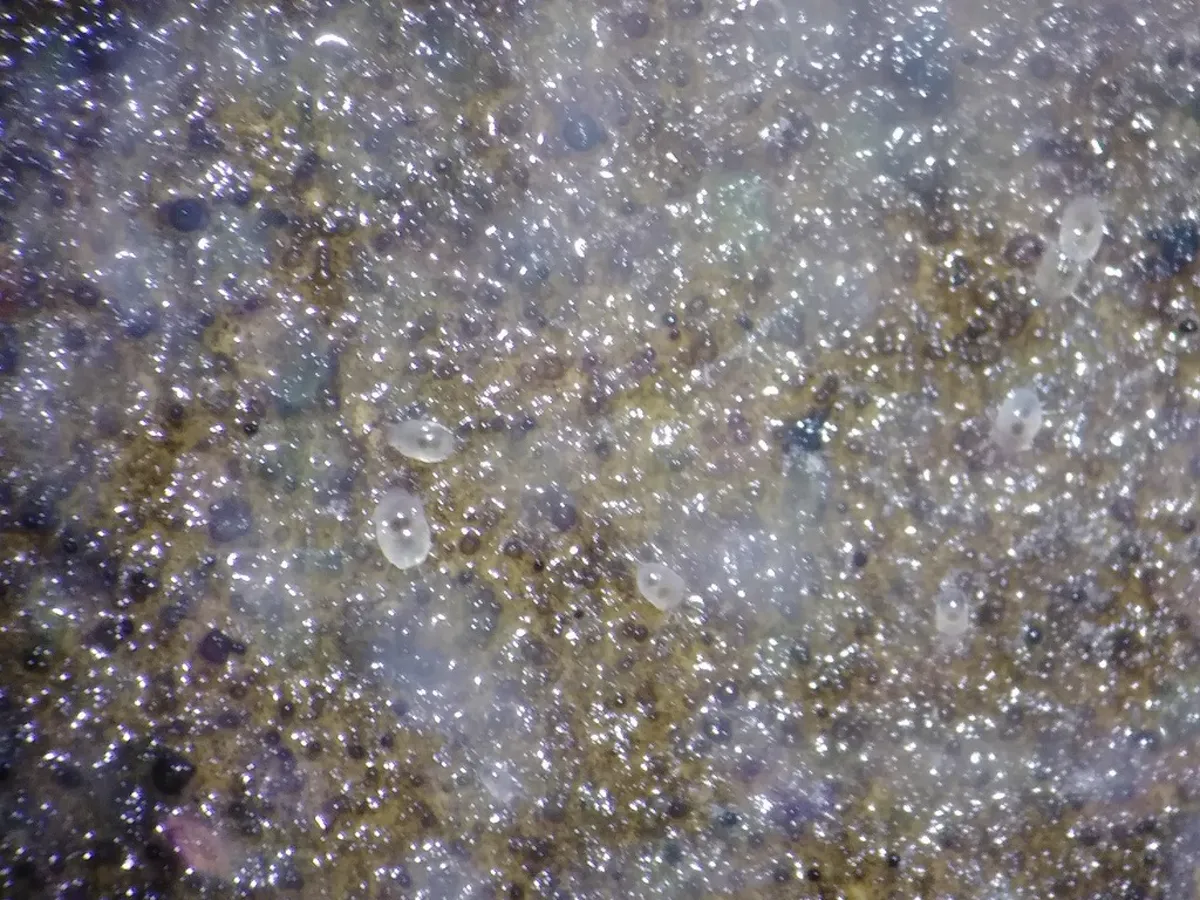
Cheese mites grow fast. They go from egg to adult in about 15 days. They pass through four stages: egg, larva, nymph, and adult. Eggs are tiny, white, and oval. Females can lay hundreds of eggs in their lifetime.
Young mites have only six legs when they hatch. They grow into eight-legged nymphs before becoming adults. In warm, humid places, mite numbers can grow fast. A small group can become thousands in just a few weeks.
Where They Live
Cheese mites do best in certain conditions:
- Temperature: 68 to 77 degrees Fahrenheit
- Humidity: Above 70 percent
- Food: Cheese, mold, dried meats, flour, grains, pet food A related species, Velvet Mites, shares similar characteristics.
They cannot live in dry or cold places. Cold slows them down. Humidity below 60 percent stops them from breeding. A related species, Notoedric Mange Mites, shares similar characteristics.
Signs of Infestation A related species, Chiggers, shares similar characteristics.
Look for these signs of cheese mites: A related species, Scabies Mites, shares similar characteristics.
- Fine brown or gray dust on cheese
- Small holes or tunnels in cheese rinds
- A musty or earthy smell
- What looks like moving dust under bright light
- Brown buildup that can get deep in bad cases
Treatment Methods for Cheese Mites
Cheese mite control needs cleaning, drying out the area, and better food storage. Do not use chemicals in food storage areas.
Cleaning and Removal
First, find and remove all foods that have mites:
- Check all cheese, dried meats, flour, and grain products
- Throw away infested items in sealed plastic bags
- Do not try to save cheese that has many mites
- Take the sealed bags out of your home right away
After you remove the food, clean the storage area well:
- Wipe all shelves with hot, soapy water
- Vacuum cracks and corners where mites hide
- Let surfaces dry fully before putting food back
- Throw out vacuum contents in a sealed bag
Controlling the Environment
Keeping humidity low is key to stopping cheese mites:
- Keep storage areas below 60 percent humidity
- Use a dehumidifier in damp basements or pantries
- Make sure air can flow in food storage spaces
- Store food away from walls where moisture can form
Keeping things cool also helps:
- Store cheese and other risky foods in the fridge
- Keep pantry temperatures cool
- Do not store food near heat sources
Storing Food Right
Stop future problems with these tips:
- Wrap cheese well and keep it in the fridge
- Put dry goods in airtight glass, metal, or plastic boxes
- Use older products before opening new ones
- Buy only what you need, mainly in humid months
- Check items before storing them
Health Considerations
Cheese mites do not bite or spread disease. But they can cause health problems for some people. Their shed skins, waste, and bodies have proteins that cause allergic reactions.
Contact with infested products may cause:
- Skin rashes called grocer’s itch
- Itchy rashes on hands and arms
- Breathing problems from inhaling mite dust
- Sneezing, runny nose, or watery eyes
People who are allergic to dust mites may also react to cheese mites. Cheese makers, food workers, and grocery workers face higher risk.
If you have health problems that may be from mite contact, see a doctor. This page is for general info only. It is not medical advice.
Cheese Mites in Artisan Cheese Making
Not all cheese mites are unwanted. Some cheese makers in Europe have used mites for hundreds of years to make special flavors:
- Milbenkaese (Germany): Aged with Tyrolichus casei to make an earthy, lemon-like taste
- Mimolette (France): Uses Acarus siro to give the cheese a bumpy rind and nutty flavor
The mites break down proteins and fats in the cheese. This makes flavors you cannot get any other way. Studies show the lemon taste in these cheeses comes from what the mites make.
But mites on cheese that was not meant to have them means bad storage and possible spoilage.
References
- Cheese mite - Wikipedia
- The Natural History of Cheese Mites - American Society for Microbiology
- Identification of cheese mite species through cryogenic scanning electron microscopy - Journal of Dairy Science
- Acarus siro - ScienceDirect
- Flour and Grain Mites - Penn State Extension
- Nuisance and Household Pests: Cheese Mite, Grain Mite, and Mold Mite - Pacific Northwest Pest Management Handbooks
Other Mites
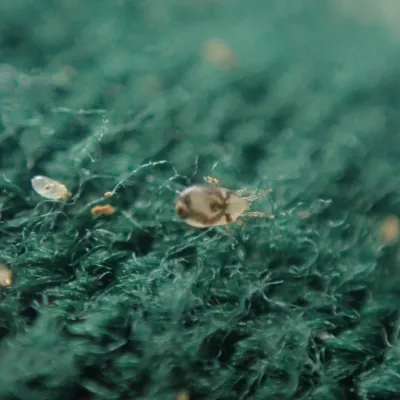
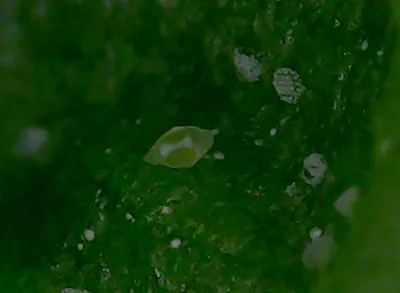
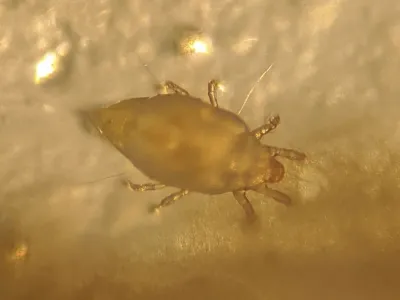
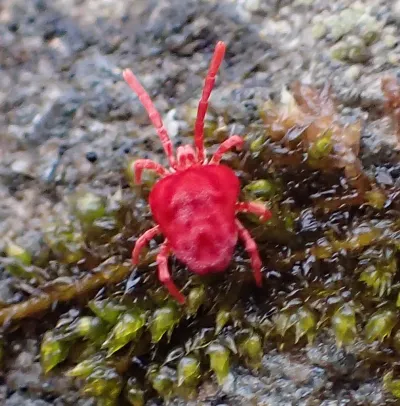
Explore other species in the mites family
Commonly Confused With
Cheese Mites are often mistaken for these similar pests
Where Cheese Mites Are Found
Hover over states to see their names. Green regions indicate where cheese mites have been reported.
Common Questions about Cheese Mites
How do I know if I have cheese mites?
+
Cheese mites are too small to see without help. Look for fine brown or gray dust on cheese. You may smell a musty odor. You might see what looks like moving dust on stored cheese. Bad cases show tiny holes in cheese rinds.
Are cheese mites harmful to humans?
+
Cheese mites do not bite. But they can cause allergic reactions in some people. Touching infested food may cause skin rashes called grocer's itch. Breathing in mite dust can cause breathing problems. See a doctor if you have these symptoms.
Can I eat cheese that has cheese mites?
+
Some cheeses like Milbenkaese and Mimolette are aged with mites on purpose. This gives them special flavors. But mites on regular cheese means bad storage. Throw away cheese with unwanted mites. It may have other problems too.
What attracts cheese mites to my home?
+
Cheese mites like warm and humid places. They do best at 68 to 77 degrees with humidity above 70 percent. They eat aged cheese, dried meats, flour, grains, and other stored foods high in protein.
How do I get rid of cheese mites?
+
Throw away all infested food in sealed bags. Clean storage areas with hot water. Store cheese and other foods in airtight containers. Keep them in the fridge. Lower humidity in storage areas. Check new items before storing them.
How can I prevent cheese mites?
+
Wrap cheese well and keep it in the fridge. Keep pantry areas clean and dry. Keep humidity below 60 percent. Check cheese and stored products often for signs of mites. Use older products first. Avoid buying in bulk during humid months.
How long do cheese mites live?
+
Cheese mites grow fast. They go from egg to adult in about 15 days. One female can lay hundreds of eggs. This lets their numbers grow very fast in good conditions.

With five years of hands-on experience in the pest control industry, George Schulz is a registered technician with the Virginia Pest Management Association and a proud third-generation professional in a family business that's been protecting homes for over 57 years. He manages and trains a team of service pros while also leading internal research efforts—recently spearheading a deep-dive review of thousands of documents on pest control materials to hand-pick the most kid and pet friendly, most effective solutions tailored specifically for homes in the DC metro area.