Bird Mites Identification Guide
Dermanyssus gallinae / Ornithonyssus spp.
Bird mites are tiny blood-feeding arachnids that primarily parasitize birds but can bite humans when their avian hosts leave the nest. These pests often invade homes near active bird nests and cause itchy, irritating bites.
Taxonomy
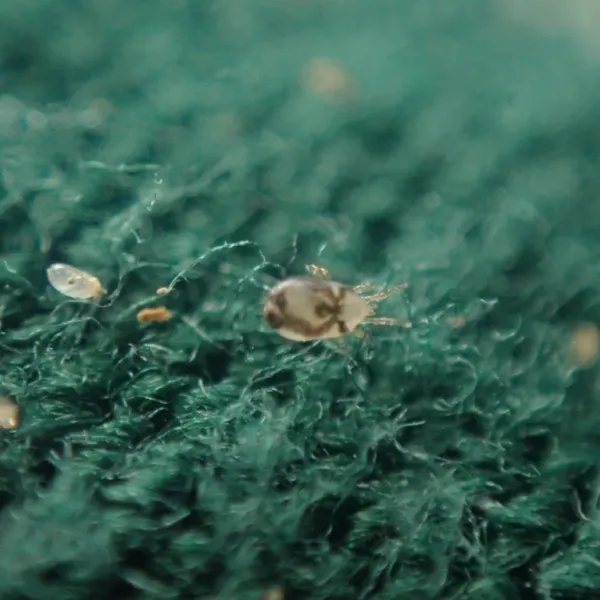
Bird Mites Coloration
Common color patterns to help identify bird mites
Bird Mites
Seasonal Activity
When bird mites are most active throughout the year

Where Bird Mites Are Found
Hover over states to see their names. Green regions indicate where bird mites have been reported.
Bird Mite Identification Guide
Physical Characteristics
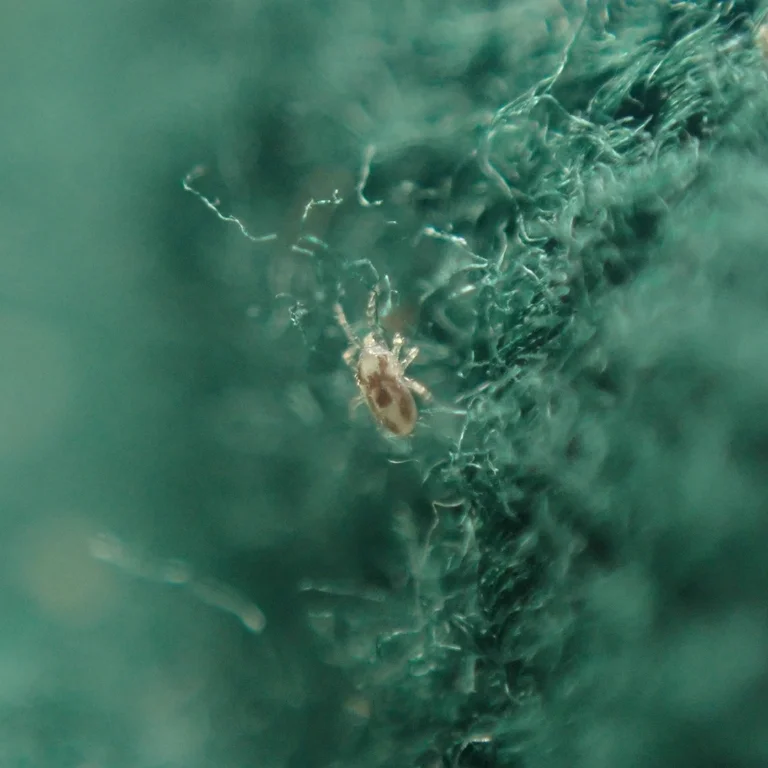
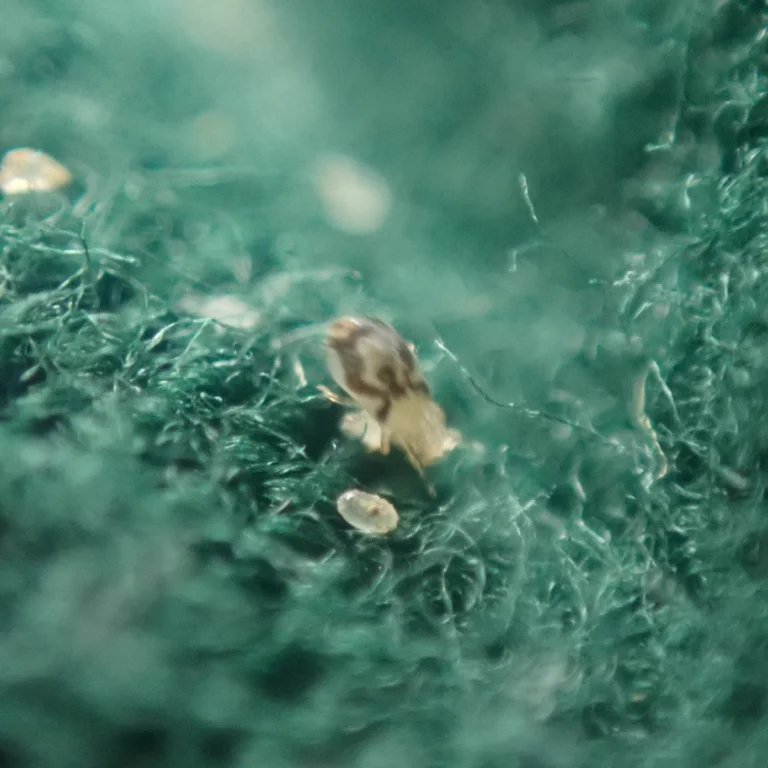
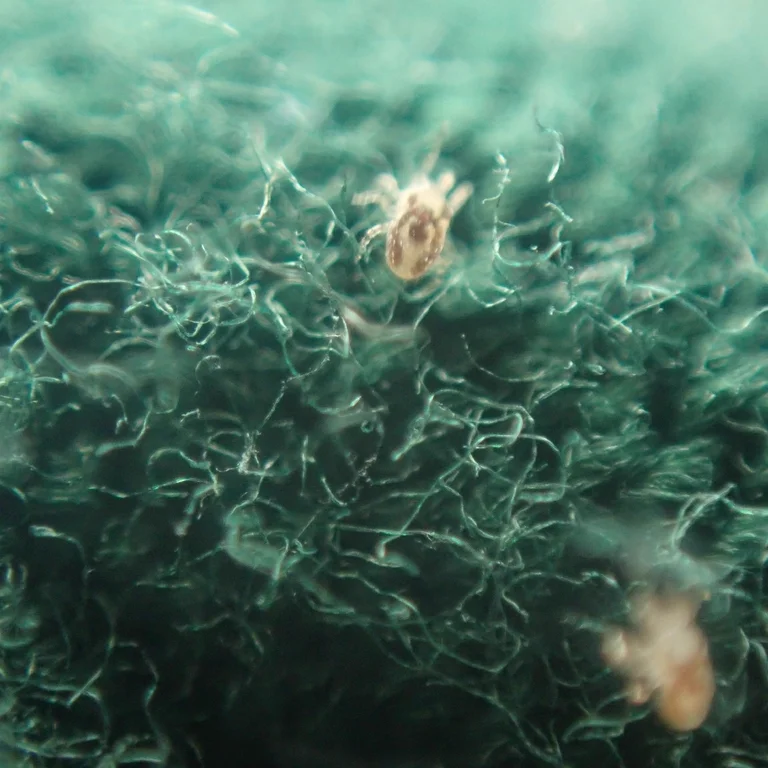
Bird mites are very small. They measure only 0.5 to 1.0 millimeters long. That is about the size of a period at the end of a sentence. They have oval bodies with eight legs and are hard to see without a magnifying glass.
Their color changes based on whether they have fed recently. Unfed mites look clear, gray, or cream-colored. After feeding on blood, they turn reddish-brown or dark brown.
These mites move fast when you disturb them. You might see them as tiny moving specks on light surfaces. Bird mites are much smaller than ticks and do not burrow into skin like ticks do.
Common Species
Several bird mite species cause problems in North American homes:
-
Dermanyssus gallinae (Red Poultry Mite or Chicken Mite): This is the most common species, also known as the poultry red mite. It lives near pigeon and chicken nests. These mites hide in cracks during the day and come out at night to feed.
-
Ornithonyssus sylviarum (Northern Fowl Mite): This species lives across temperate North America. It stays on birds more than other species do.
-
Ornithonyssus bursa (Tropical Fowl Mite): This species is more common in southern states. It can also bite humans when birds nest nearby.
Bird Mite Behavior and Biology
Lifecycle and Reproduction
Bird mites go through five life stages: egg, larva, protonymph, deutonymph, and adult. In warm and humid weather, they can complete this cycle in just 5 to 7 days. Females lay many eggs during their lives. This allows populations to grow fast in active bird nests.
The larval stage has only six legs and does not feed. Nymphs and adults have eight legs. They need blood meals to grow and reproduce. This is why infestations often stop after you remove the bird nest.
Feeding Habits A related species, Velvet Mites, shares similar characteristics.
Bird mites feed only on blood. They prefer birds as hosts. Common host birds include: A related species, Notoedric Mange Mites, shares similar characteristics.
- Pigeons and doves
- House sparrows
- European starlings
- Swallows and martins
- Chickens and poultry A related species, Chiggers, shares similar characteristics.
When birds leave their nests or die, mites spread out looking for new hosts. They can travel far through wall spaces, air ducts, and small gaps. They will bite humans if no birds are around. However, they cannot breed using human blood alone. This behavior is similar to rodent mites, which also bite humans when their animal hosts are removed. A related species, Scabies Mites, shares similar characteristics.
Habitat and Nesting Patterns A related species, Spider Mites, shares similar characteristics.
Bird mites live wherever their bird hosts nest. Common problem areas include:
- Window ledges and air conditioning units
- Roof eaves
- Bathroom and kitchen exhaust vents
- Abandoned nests in gutters
- Poultry houses and bird cages
The red poultry mite hides in cracks during the day and comes out at night to feed. This makes them harder to find and treat. These mites can survive several months without food when hidden in protected spots.
Treatment Methods for Bird Mites
Getting rid of bird mites requires a plan that targets the source. The following steps work well for removing bird mites:
Source Removal
The most important step is finding and removing the bird nest. Without removing the nest, mites will keep coming back. Before you remove any nest, check local and federal laws. The Migratory Bird Treaty Act protects many wild birds while they have eggs or babies in the nest.
Exclusion and Prevention
After removing the nest, seal all entry points so birds cannot come back:
- Put screens over vents and exhaust openings
- Seal gaps around windows, doors, and pipes
- Add bird spikes or netting on ledges where birds like to sit
- Fix any damaged soffits or openings
Environmental Treatment
Focused treatments can lower mite numbers:
-
Vacuuming: Vacuum carpets, furniture, baseboards, and cracks well. Empty the vacuum outside right away.
-
Washing: Wash bedding, curtains, and clothes in hot water (at least 140 degrees). Dry on high heat to kill mites and eggs.
-
Surface sprays: Mite control products can be applied near the nest area and entry points. Focus on the source rather than spraying the whole room.
Personal Protection
While you deal with the problem:
- Shower often to wash mites off your skin
- Use anti-itch creams or antihistamines for bite relief
- Keep bite areas clean to prevent infection from scratching
- See a doctor if bites get very irritated or infected
Note: This information is for general education only. Always talk to a healthcare provider for medical advice about bites or skin reactions.
Signs of Bird Mite Infestation
Catching a bird mite problem early helps stop it from spreading. Look for these warning signs:
- Tiny moving specks on windowsills, walls, or ceilings
- Itchy bites you cannot explain, especially at night
- Small red or brown dots on sheets or light surfaces
- Bird nests on or near your home
- Bites on skin that was exposed while sleeping
References
Other Mites
Explore other species in the mites family
Commonly Confused With
Bird Mites are often mistaken for these similar pests
Where Bird Mites Are Found
Hover over states to see their names. Green regions indicate where bird mites have been reported.
Common Questions about Bird Mites
What are bird mites and where do they come from?
+
Bird mites are tiny blood-feeding arachnids that live on birds like pigeons, sparrows, and starlings. When birds nest on or near buildings and then abandon their nests, these mites disperse in search of new hosts and may enter homes through vents, windows, or wall cavities.
Do bird mites bite humans?
+
Yes, bird mites will bite humans when their bird hosts are unavailable. The bites cause red, itchy welts similar to other insect bites. However, bird mites cannot complete their life cycle on human blood and will not establish permanent infestations on people.
How do I know if I have bird mites?
+
Look for tiny moving specks near windows, vents, or ceiling areas. Bird mites are barely visible to the naked eye and appear translucent or grayish when unfed, becoming reddish-brown after feeding. A nearby bird nest is often the source of an infestation.
Can bird mites live in my bed or furniture?
+
Bird mites can temporarily inhabit bedding, furniture, and carpets while searching for hosts. However, without access to bird blood, they typically die within a few weeks. Thorough cleaning and removing the nest source eliminates them.
How long do bird mite infestations last?
+
If the source nest is removed and entry points are sealed, bird mite infestations typically resolve within 2-3 weeks as the mites cannot survive long without their bird hosts. Persistent infestations usually indicate an ongoing bird nest problem.
Are bird mites dangerous to my health?
+
Bird mites are not known to transmit diseases to humans. Their bites cause temporary itching and irritation but are not medically serious. However, scratching bites can lead to secondary skin infections if not kept clean.
What should I do if I find a bird nest causing mite problems?
+
First, check local wildlife regulations as some bird nests are protected while eggs or young are present. Once the nest can legally be removed, do so while wearing gloves and a mask, then seal the entry point to prevent re-nesting.

With five years of hands-on experience in the pest control industry, George Schulz is a registered technician with the Virginia Pest Management Association and a proud third-generation professional in a family business that's been protecting homes for over 57 years. He manages and trains a team of service pros while also leading internal research efforts—recently spearheading a deep-dive review of thousands of documents on pest control materials to hand-pick the most kid and pet friendly, most effective solutions tailored specifically for homes in the DC metro area.