Bristly Millipedes Identification Guide
Polyxenus lagurus
Bristly millipedes are tiny bugs with soft bodies covered in tufts of bristles. They feed on algae and lichens and are often found on tree bark, walls, and stone surfaces.
Taxonomy
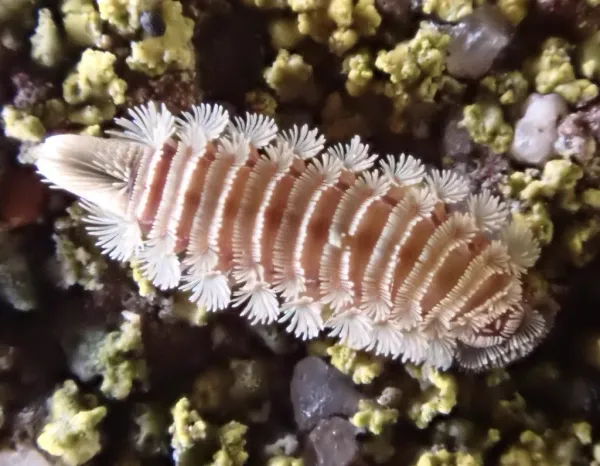
Bristly Millipedes Coloration
Common color patterns to help identify bristly millipedes
Bristly Millipedes
Seasonal Activity
When bristly millipedes are most active throughout the year

Where Bristly Millipedes Are Found
Hover over states to see their names. Green regions indicate where bristly millipedes have been reported.
Bristly Millipede Identification Guide
Physical Characteristics
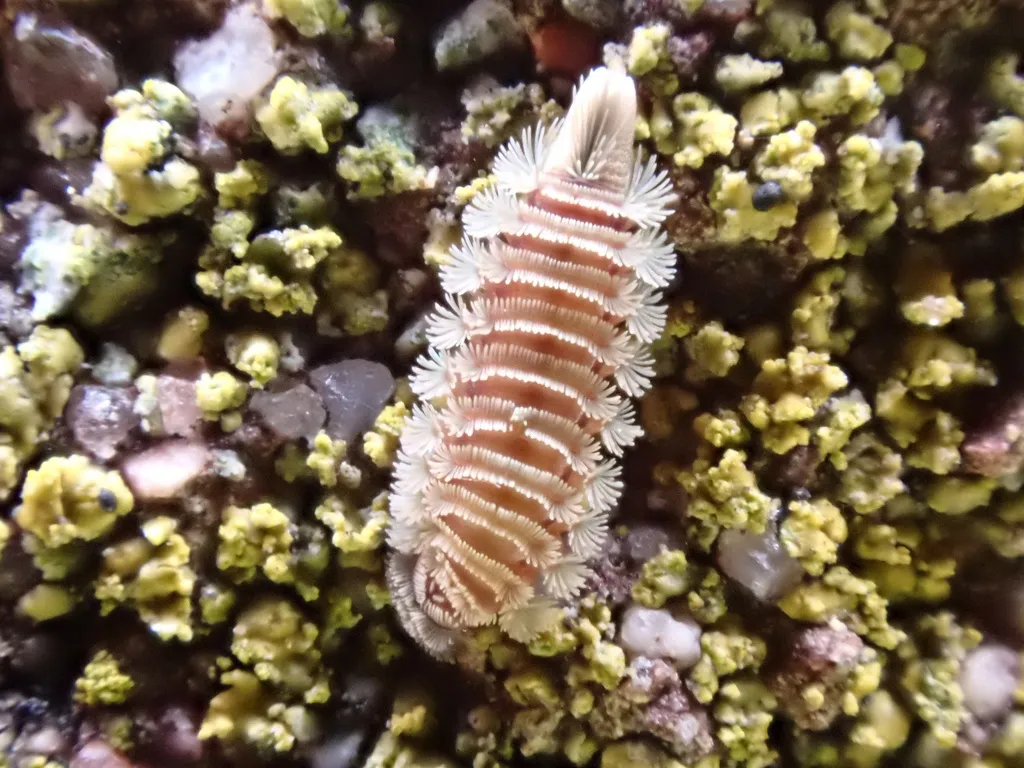
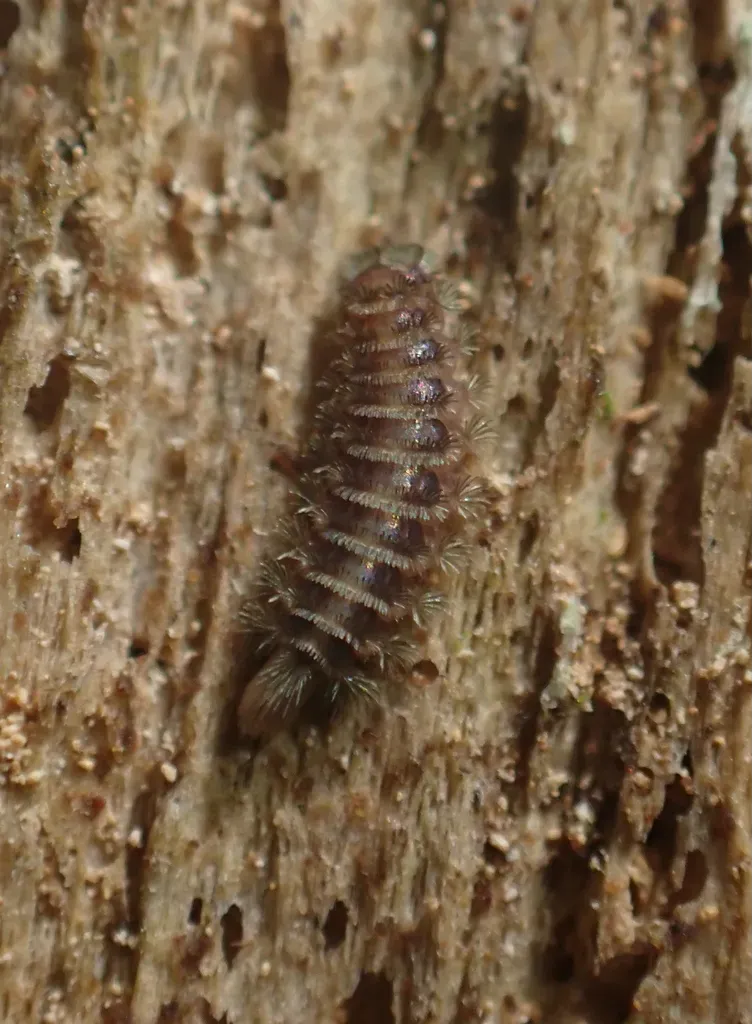
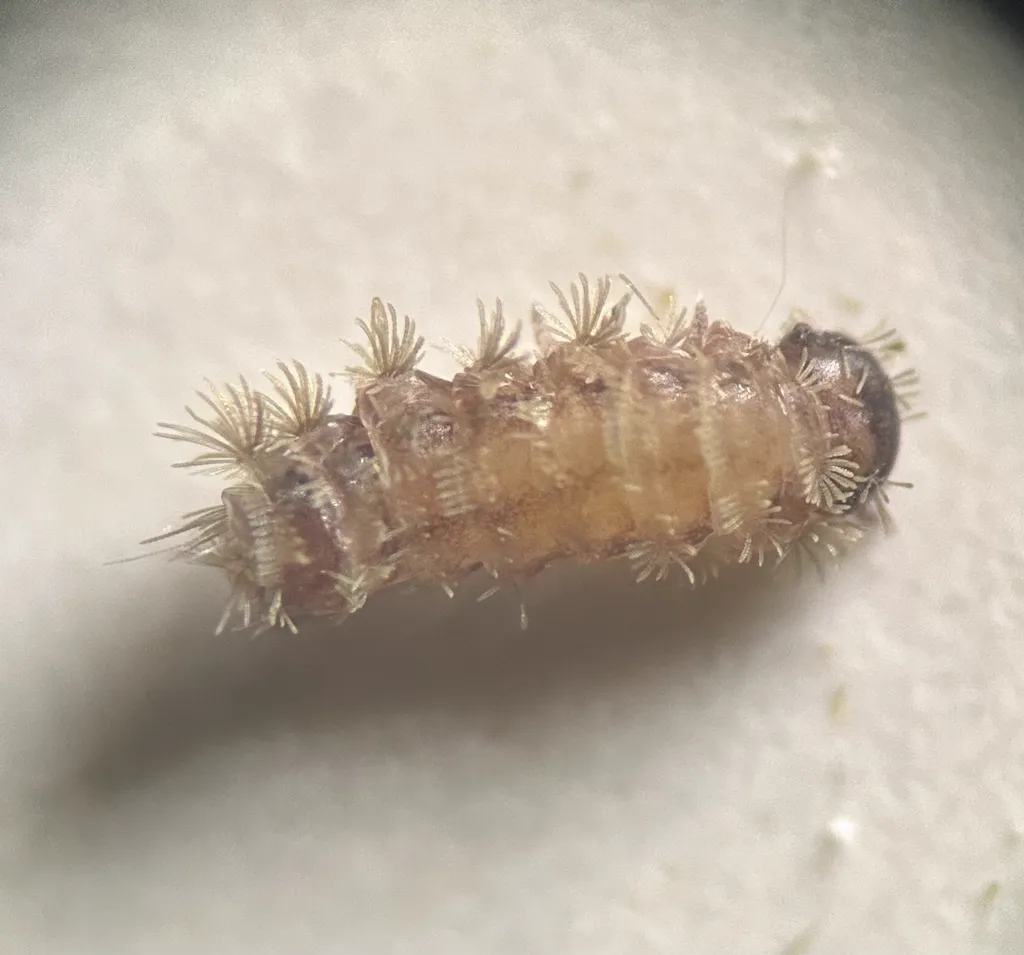
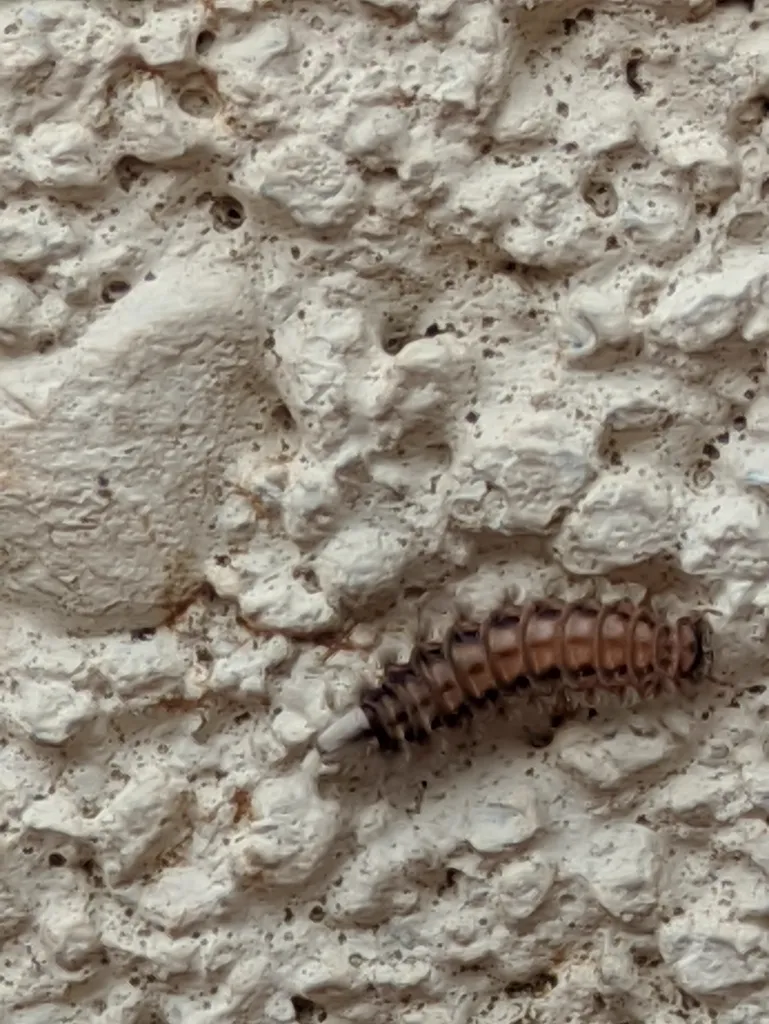
Bristly millipedes (Polyxenus lagurus) are very small. They measure only 2 to 4 millimeters long and about 0.5 to 1 millimeter wide. They have a flat body shape and pale brown to amber color. Their most notable feature is the covering of hollow bristles arranged in rows along their body. They also have brush-like tufts at their rear end.
Adult bristly millipedes have 10 body segments and 13 pairs of legs (26 total). They have soft bodies protected only by their bristles, unlike typical millipedes with hard shells. Their small size and nighttime habits mean they are often missed. They can also be active during the day in warm, humid weather.
Distinguishing Bristly Millipedes from Similar Pests
Because of their small size and odd look, bristly millipedes can be confused with other pests:
-
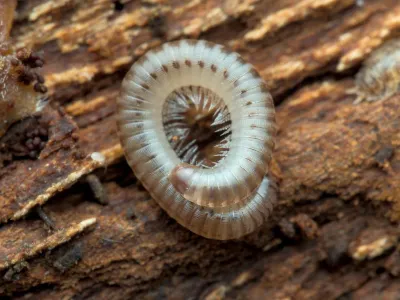
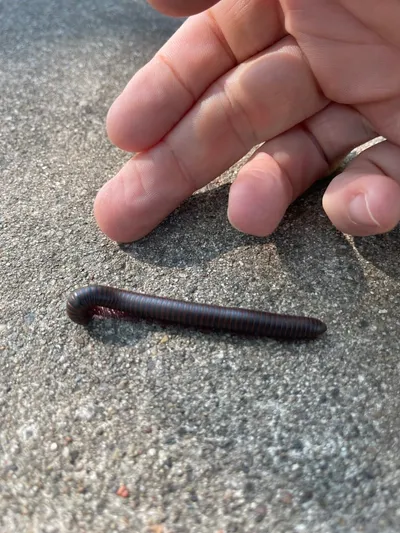
Common Millipedes: Standard millipedes are much larger (25-100mm). They have round bodies with hard shells and lack bristle tufts. They move slowly and curl into a ball when bothered.
-
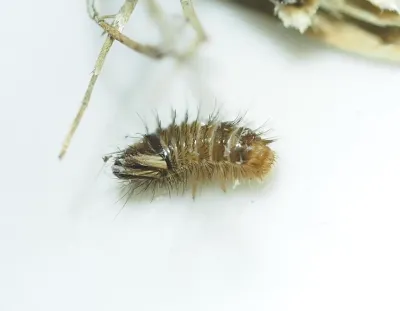
Carpet Beetle Larvae: These larvae have a similar fuzzy look due to their hair tufts. However, they are larger, have a carrot-shaped body, and live on fabrics and carpets rather than bark or stone.
-
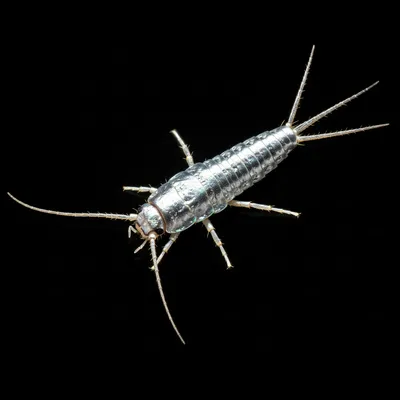
Silverfish: Silverfish have long bodies with silvery scales and three tail-like parts. They lack the bristle tufts that bristly millipedes have and look quite different.
Bristly Millipede Behavior and Biology
Natural History
Bristly millipedes came from Europe but now live across much of North America. They are one of the oldest millipede types still alive. Unlike other millipedes, they have soft bodies without hard shells. They use their bristles for protection instead. Millipedes in general do not bite and are harmless to people.
Habitat Preferences
Bristly millipedes live where their food sources grow:
- Under loose tree bark
- On old walls behind loose mortar or stones
- In cracks of stone or brick structures
- Among lichens on rocks and tree trunks
- Inside pine cones during fall and winter
- Sometimes in damp indoor areas near windows or bathrooms A related species, North American Millipedes, shares similar characteristics.
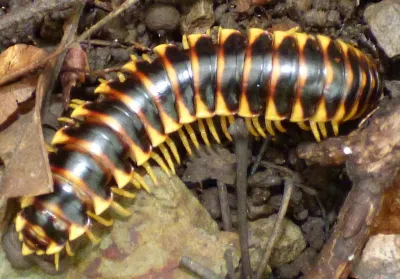
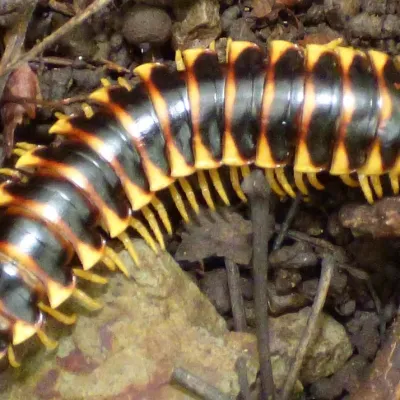
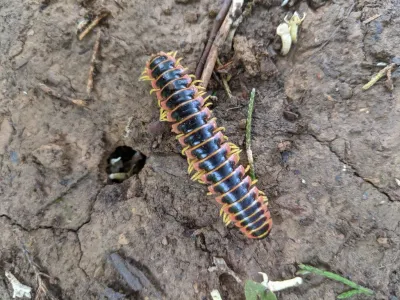
They like moist spots and are most often found where algae and lichens grow. A related species, Black and Gold Flat Millipede, shares similar characteristics.
Diet and Feeding
Bristly millipedes feed mainly on:
- Lichens growing on bark and stone
- Algae on damp surfaces
- Small fungi and fungal spores
- Decaying organic matter
They do not eat living plants, wood, or household items. They are not destructive pests.
Unique Defense
Bristly millipedes have a clever way to protect themselves. When ants or spiders attack, they push barbed bristles at the threat using their tail tufts. These hollow hairs pop off and wrap around the attacker’s legs and mouth. When the attacker tries to clean them off, it gets more stuck. This lets the millipede run away. This defense helps them live without hard armor like their bigger relatives have.
Reproduction and Life Cycle
Bristly millipedes breed in unusual ways:
-
Sperm webs: Males build silk webs where they leave sperm packets. They make signal threads to guide females to these packets.
-
No males needed: Some groups breed without males. Females produce young from eggs that were not fertilized.
-
Egg care: Females lay fewer than a dozen eggs at a time. They glue eggs in place and cover them with bristles from their own bodies.
-
Slow growth: Young hatch with only 3 pairs of legs and 4 body parts. They shed their skin seven times before reaching adult size with 13 leg pairs.
Treatment Methods for Bristly Millipedes
Bristly millipedes are harmless and usually found in small numbers. Treatment is rarely needed. When they become a nuisance in your home, these methods can help.
Moisture Reduction
Bristly millipedes need humid spaces and feed on algae and lichens. Reducing moisture is the best long-term control method:
- Fix plumbing leaks and improve drainage around foundations
- Use dehumidifiers in damp basements and crawl spaces
- Make sure bathrooms and kitchens have good airflow
- Point sprinklers away from the foundation
Habitat Modification
Removing their preferred habitats and food sources helps keep bristly millipedes away:
- Clear leaf litter and debris from around the foundation
- Remove or treat algae and lichen growth on outside walls
- Store firewood away from the house
- Keep a clear zone between mulch beds and foundation walls
Exclusion
Keeping them out works better than treating after they get in:
- Seal cracks and gaps in the foundation
- Install door sweeps on outside doors
- Fix damaged weatherstripping around windows
- Screen foundation vents
When Professional Help May Be Useful
Bristly millipedes rarely need professional treatment. However, finding them indoors may point to moisture problems. A pest control professional can:
- Find moisture issues that attract these and other pests
- Suggest repairs to prevent pest entry
- Apply perimeter treatments if millipede numbers get too high
- Address any other pest issues found during inspection
References
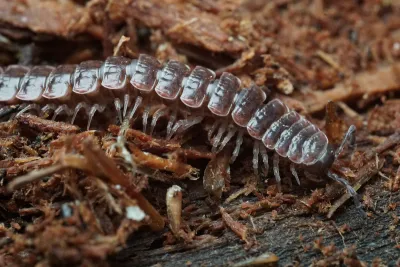
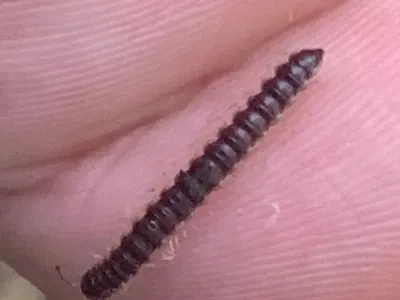
Other Millipedes
Explore other species in the millipedes family
Commonly Confused With
Bristly Millipedes are often mistaken for these similar pests
Where Bristly Millipedes Are Found
Hover over states to see their names. Green regions indicate where bristly millipedes have been reported.
Common Questions about Bristly Millipedes
Are bristly millipedes harmful?
+
No, bristly millipedes are harmless to people and pets. They do not bite, sting, or spread disease. Their bristles help them escape from predators like ants and spiders.
Why are bristly millipedes in my house?
+
Bristly millipedes enter homes by accident while looking for food or shelter. They like damp areas where algae or lichen grows, such as bathrooms, basements, or windows with moisture.
What do bristly millipedes eat?
+
Bristly millipedes eat algae, lichens, and small fungi that grow on bark, stone, and other surfaces. They do not eat wood, fabric, or food, so they pose no threat to your things.
How do bristly millipedes defend themselves?
+
When ants or other predators attack, bristly millipedes push barbed bristles at them. These hairs tangle around the attacker, letting the millipede escape while its enemy tries to get free.
How can I prevent bristly millipedes from entering my home?
+
Cut down moisture around your foundation and seal cracks around doors and windows. Clear leaf litter and debris near the house. Removing algae from outside walls also cuts off their food.
Do bristly millipedes cause damage to homes?
+
No, bristly millipedes do not cause damage. They cannot chew through wood or other materials. At most, they are a nuisance pest.
How long do bristly millipedes live?
+
Bristly millipedes can live for several years. They start with only 4 body segments and 3 pairs of legs. After molting seven times, they reach adult size with 13 pairs of legs.

With five years of hands-on experience in the pest control industry, George Schulz is a registered technician with the Virginia Pest Management Association and a proud third-generation professional in a family business that's been protecting homes for over 57 years. He manages and trains a team of service pros while also leading internal research efforts—recently spearheading a deep-dive review of thousands of documents on pest control materials to hand-pick the most kid and pet friendly, most effective solutions tailored specifically for homes in the DC metro area.