Eastern Lubber Grasshopper Identification Guide
Romalea microptera
The Eastern Lubber Grasshopper is one of North America's largest and most colorful grasshoppers. Known for their clumsy movement and toxic defense chemicals, these slow-moving insects are found throughout the southeastern United States.
Taxonomy
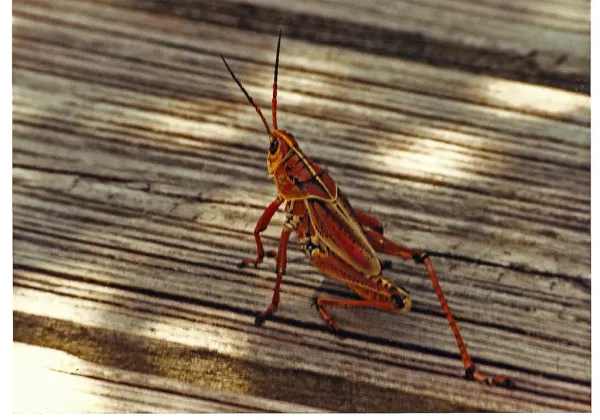
Eastern Lubber Grasshopper Coloration
Common color patterns to help identify eastern lubber grasshopper
Eastern Lubber Grasshopper
Seasonal Activity
When eastern lubber grasshopper are most active throughout the year

Where Eastern Lubber Grasshopper Are Found
Hover over states to see their names. Green regions indicate where eastern lubber grasshopper have been reported.
Eastern Lubber Grasshopper Identification Guide
Physical Characteristics
The Eastern Lubber Grasshopper is one of the largest grasshoppers in North America. Adults reach two to three inches long. Their heavy bodies make them easy to spot compared to other grasshoppers. Lubbers move slowly and clumsily. The name “lubber” comes from an old English word meaning clumsy or lazy.
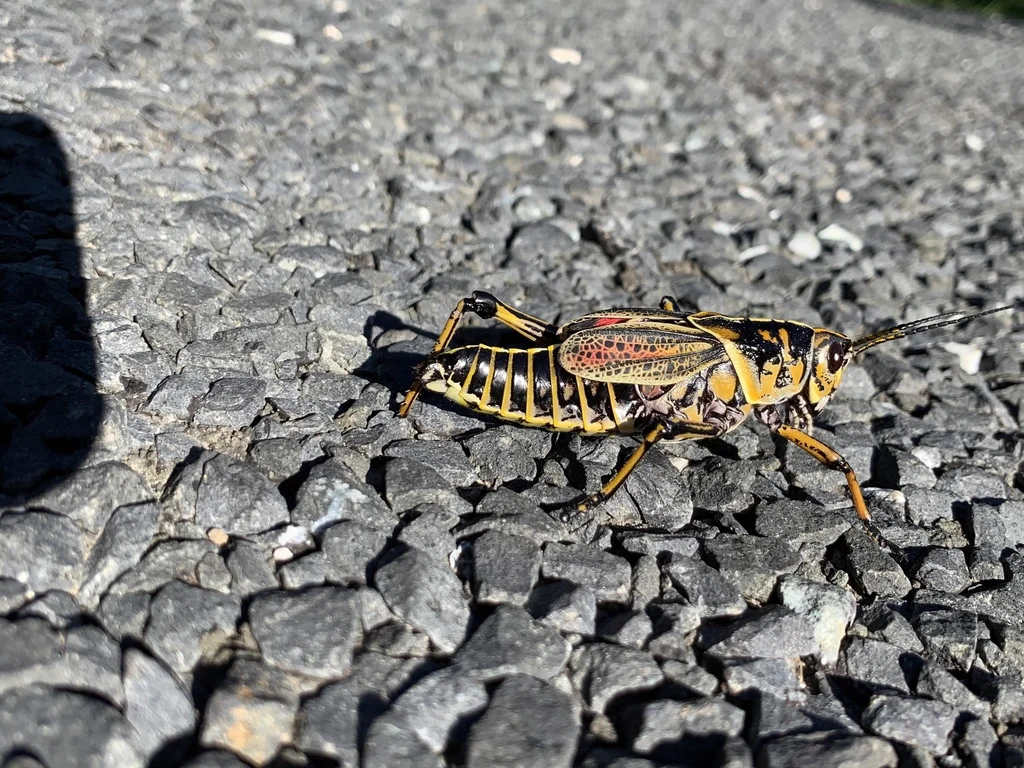
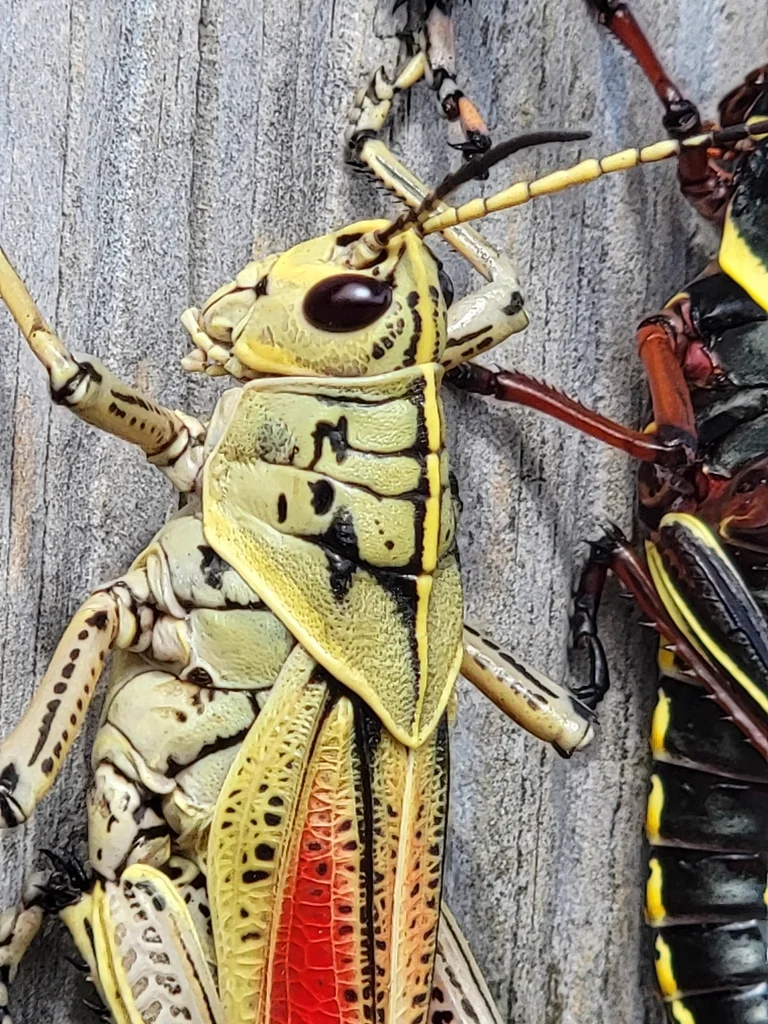
Adult colors vary but usually include bold patterns of yellow, orange, red, and black. The most common form has a black body with yellow or orange markings. Some populations have mostly yellow or orange bodies with black bands. The forewings are short and leathery. The hindwings are pink or rose-colored with black borders. Adults have wings but cannot fly. Their wings are too small to lift their heavy bodies.
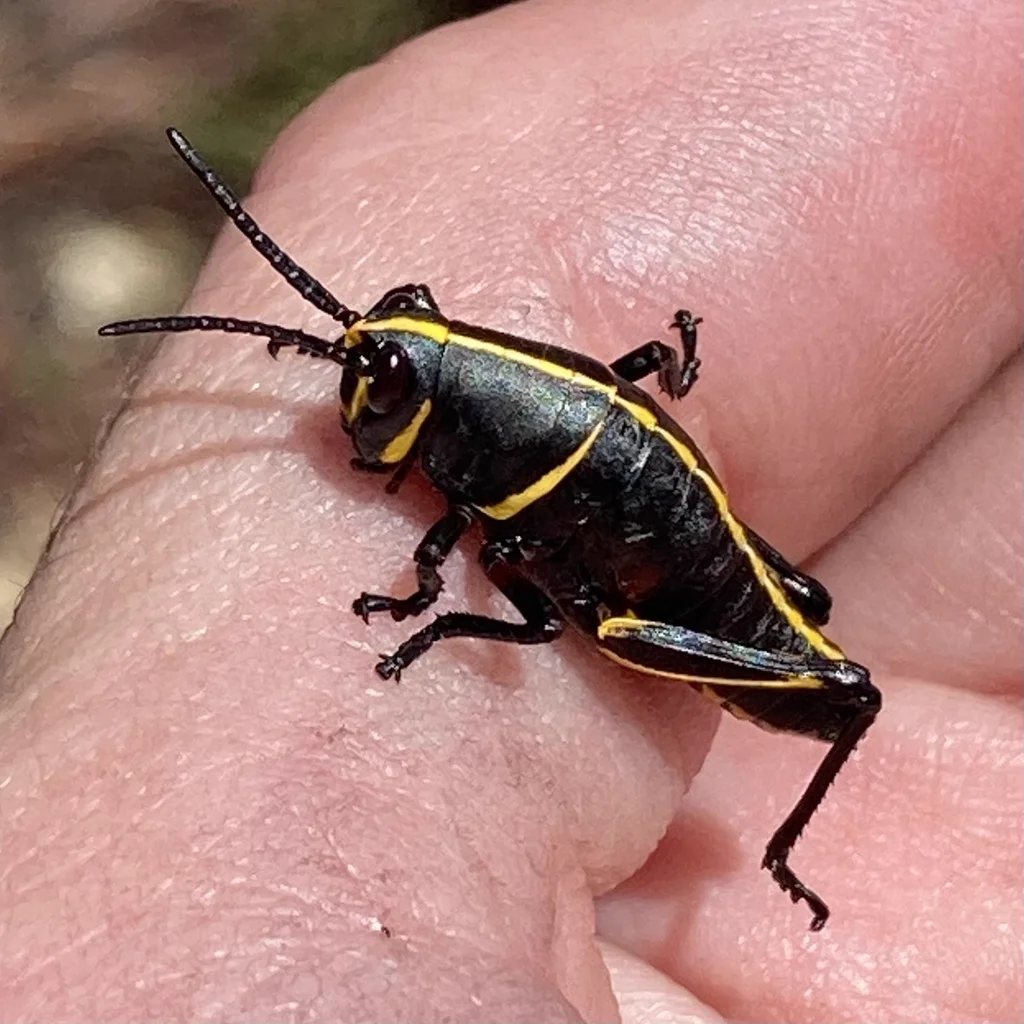
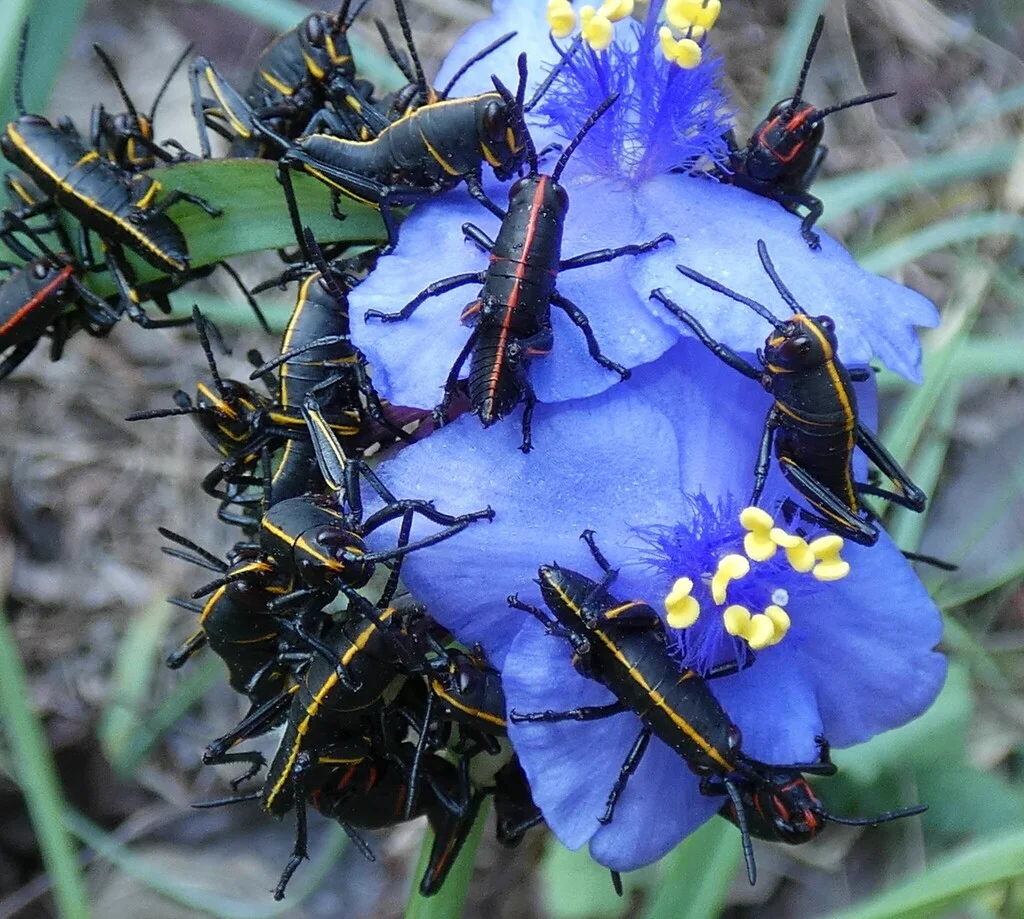
Nymphs look very different from adults. Young lubbers are mostly black with bright stripes down their backs. These stripes may be yellow, orange, or red. As nymphs grow and shed their skin through five stages, they slowly gain adult colors.
The head features large compound eyes and short antennae typical of grasshoppers. Their powerful hind legs can propel them in short hops, but they spend most of their time walking slowly through vegetation.
Regional Variations
Eastern Lubber Grasshoppers show notable color variation across their range. Florida populations often display the classic black body with yellow stripes, while populations in Georgia and other southeastern states may show more orange coloration. Some individuals appear almost entirely yellow-orange with minimal black markings. These color differences are partly genetic and partly influenced by local food plants.
Eastern Lubber Grasshopper Behavior and Biology
Life Cycle
Eastern Lubber Grasshoppers produce one generation per year. Females lay clusters of 30 to 80 eggs in the soil during late summer and fall. They dig underground chambers and deposit eggs in a frothy coating that hardens into a protective pod. Each female may lay several egg masses in her lifetime.
Eggs remain dormant through winter and hatch in late February through April, depending on location. Southern Florida populations hatch earliest, while populations further north emerge later. The tiny black and yellow or black and orange nymphs emerge from the soil and begin feeding on low-growing vegetation.
Nymphs pass through five growth stages over three to four months. They grow larger at each molt. Wing pads appear in later stages and reach full size when they become adults.
Adults are present from June through November in most areas. They mate throughout the summer and fall. The first hard frost kills remaining adults, but their eggs survive underground to continue the cycle the following spring.
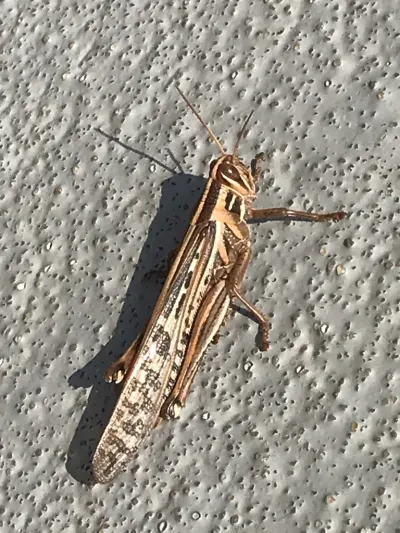
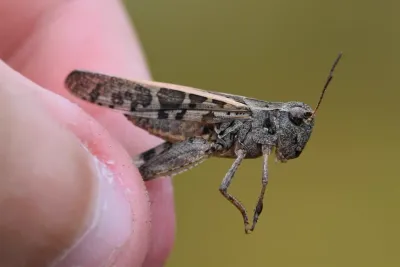
Feeding Habits A related species, High Plains Grasshopper, shares similar characteristics.
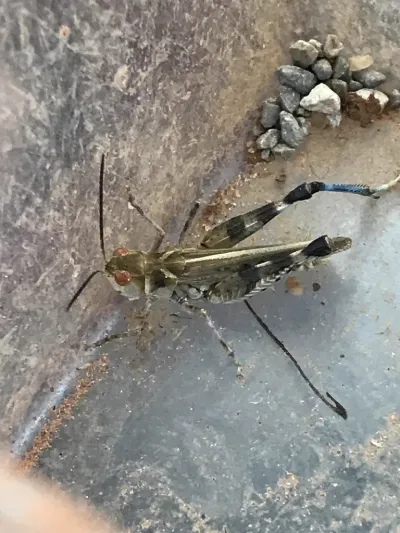
Eastern Lubbers are voracious herbivores with a broad diet. They feed on over 100 plant species including many ornamental and garden plants. Preferred food plants include amaryllis, Amazon lily, crinum, narcissus, and other members of the lily family. They also readily consume citrus leaves, vegetables, beans, and various landscape plants. A related species, Two-Striped Grasshopper, shares similar characteristics.
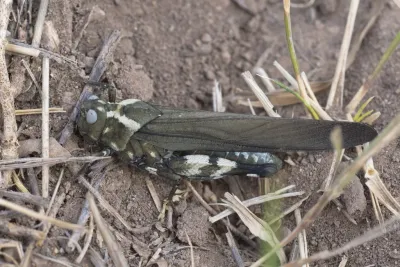
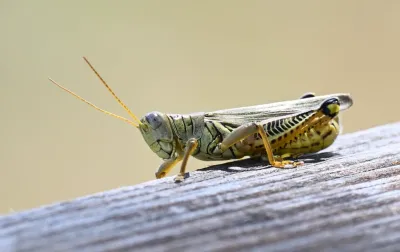
Lubbers can eat plants that are toxic to other animals without harm. They feed on oleander, which contains cardiac glycosides deadly to many species. These toxins build up in the grasshopper’s body and add to their chemical defenses. Other toxic plants in their diet include pokeweed, wild cherry, and various milkweeds. A related species, Differential Grasshopper, shares similar characteristics.
Feeding damage appears as large, irregular holes in leaves or complete defoliation of stems. A group of lubbers can strip a small plant overnight. They feed most actively during warm morning hours and again in late afternoon, resting during the heat of midday. A related species, Packard Grasshopper, shares similar characteristics.
Defense Mechanisms A related species, Bigheaded Grasshopper, shares similar characteristics.
The Eastern Lubber Grasshopper’s main defense is its toxicity. When threatened, it can hiss by pushing air through breathing holes. It may also spread its wings to show the bright pink hindwings. If bothered further, it releases a foul-smelling foam from openings in its body. This foam contains chemicals from the toxic plants it eats. The foam causes burning and irritation to skin and eyes. A related species, Pallid-Winged Grasshopper, shares similar characteristics.
The bright warning colors tell predators that this insect is toxic. Most birds and mammals quickly learn to avoid these grasshoppers after one bad encounter.
Gregarious Behavior
Unlike many grasshoppers, Eastern Lubbers often gather in groups, especially as nymphs. Young lubbers may form groups of dozens or even hundreds. This grouping may boost their warning signal to predators since a group of bright grasshoppers is easier to see than one alone.
Groups of nymphs often move together from plant to plant, which can result in severe localized damage to gardens and landscapes. As they mature into adults, lubbers become somewhat more solitary but may still gather on favored food plants.
Treatment Methods for Eastern Lubber Grasshoppers
Eastern Lubber Grasshoppers are hard to control due to their size and chemical defenses. They also resist many insecticides. Since they cannot fly, they spread slowly. However, this means populations can become very concentrated in one area.
Mechanical Control
Hand-picking is one of the best control methods for Eastern Lubber Grasshoppers in home gardens. Early morning is the best time to collect them, when cool temperatures slow their movement. Wear gloves to protect your hands from their defensive foam. Drop collected grasshoppers into a bucket of soapy water to kill them quickly.
For nymphs, this approach works especially well since young lubbers congregate in groups and cannot escape quickly. Removing nymphs before they mature and disperse prevents much of the season’s damage. Regular early-morning patrols during spring and early summer can keep populations manageable in small garden areas.
Cultural Practices
Eliminating weedy areas and tall grass near gardens removes habitat where lubbers shelter and breed. They often lay eggs in undisturbed areas with loose soil, so tilling potential egg-laying sites in fall can destroy overwintering eggs. However, avoid disturbing established ornamental beds.
Creating physical barriers around valuable plants can provide protection. Floating row covers or fine mesh netting exclude lubbers from vegetable gardens. Sticky barriers applied to plant stems may deter crawling nymphs from reaching foliage.
Chemical Control Options
Eastern Lubber Grasshoppers resist many common insecticides. This makes chemical control hard. Adults are tough to kill due to their size and waxy coating. For best results, target young nymphs with contact insecticides before they grow larger.
Carbaryl-based products provide some control when applied directly to nymphs and their feeding sites. Pyrethroid insecticides may knock down smaller individuals but often fail against large adults. Insecticidal soaps can affect nymphs but require direct contact and multiple applications.
Baits containing insecticides may attract and kill lubbers, though results are inconsistent. These grasshoppers are less attracted to baits than some other species, limiting effectiveness.
Why Control is Challenging
Eastern Lubber Grasshoppers resist many control methods due to their toxicity. Their chemical defenses make them unpalatable to most predators. This same chemistry also makes them more resistant to some insecticides than other grasshopper species.
The key to effective control is timing. Target nymphs before they reach adult size. Young lubbers are smaller, slower, and less resistant to treatments. Once they mature, control becomes much more difficult.
Prevention and Long-term Management
Preventing Eastern Lubber Grasshopper problems starts with watching for them. Look for groups of small black and yellow nymphs in late winter and early spring. Finding them early allows you to remove them before populations grow. Check under leaf litter and around plant bases where nymphs hide at night.
Keep your landscape tidy with mowed grass and cleared debris. This reduces places where lubbers can live. Avoid overwatering since lubbers prefer humid spots. Remove their favorite food plants from areas where damage matters, or use physical barriers to protect valuable plants during their active season.
Since adult lubbers cannot fly, they spread slowly. You can protect your garden without needing to coordinate with neighbors. This is different from flying grasshopper species like the migratory grasshopper that move freely between yards. The plains lubber grasshopper is a related flightless species found in the Great Plains.
References
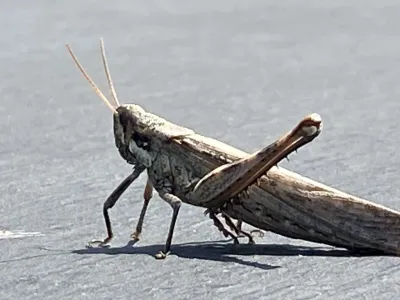
Other Grasshoppers
Explore other species in the grasshoppers family
Commonly Confused With
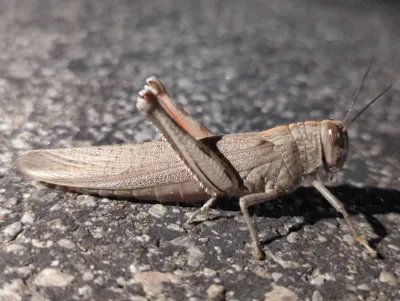
Eastern Lubber Grasshopper are often mistaken for these similar pests
Where Eastern Lubber Grasshopper Are Found
Hover over states to see their names. Green regions indicate where eastern lubber grasshopper have been reported.
Common Questions about Eastern Lubber Grasshopper
Are Eastern Lubber Grasshoppers dangerous to humans?
+
Eastern Lubber Grasshoppers are not dangerous to humans. They do not bite or sting. However, when threatened, they secrete a foul-smelling, toxic foam from their thorax that can irritate skin and eyes. Always wash your hands after handling these insects.
Why are Eastern Lubber Grasshoppers so brightly colored?
+
Their bright colors serve as warning signals to predators. This is called aposematic coloration. The bold yellow, orange, red, and black patterns advertise that the grasshopper is toxic and unpalatable. Birds and other predators learn to avoid them after one bad experience.
Can Eastern Lubber Grasshoppers fly?
+
Despite having wings, adult Eastern Lubber Grasshoppers cannot fly. Their wings are too small relative to their large body size. They can only flutter short distances when disturbed. Instead of flying, they rely on walking, hopping, and their chemical defenses for survival.
What do Eastern Lubber Grasshoppers eat?
+
Eastern Lubbers are generalist herbivores that feed on a wide variety of plants. They prefer broadleaf plants including amaryllis, Amazon lily, crinum, narcissus, and oleander. They also eat vegetables, citrus leaves, ornamental plants, and various weeds. Large populations can cause significant garden damage.
How do I get rid of Eastern Lubber Grasshoppers in my garden?
+
Hand-picking early in the morning when they are sluggish is the most effective method for small infestations. Dropping them into soapy water kills them quickly. For larger populations, targeted insecticide applications to nymphs before they mature provides better control than treating adults.
When do Eastern Lubber Grasshoppers appear?
+
Nymphs hatch from eggs in late February through April in Florida, with later emergence further north. They pass through five growth stages over three to four months before becoming adults. Adults are most visible from June through November. They die after the first hard frost.
Are Eastern Lubber Grasshoppers poisonous to pets?
+
Yes, Eastern Lubber Grasshoppers can be toxic to pets that eat them. Their bodies contain compounds from the plants they consume, including toxins from oleander and other poisonous plants. Dogs and cats that eat lubbers may experience drooling, vomiting, or lethargy. Contact your veterinarian if your pet consumes one.

With five years of hands-on experience in the pest control industry, George Schulz is a registered technician with the Virginia Pest Management Association and a proud third-generation professional in a family business that's been protecting homes for over 57 years. He manages and trains a team of service pros while also leading internal research efforts—recently spearheading a deep-dive review of thousands of documents on pest control materials to hand-pick the most kid and pet friendly, most effective solutions tailored specifically for homes in the DC metro area.