Rat Fleas Identification Guide
Xenopsylla cheopis
Rat fleas are parasitic insects that primarily infest rodents and are notorious for their role in transmitting plague and murine typhus. These small, wingless pests can bite humans when rodent hosts are unavailable.
Taxonomy
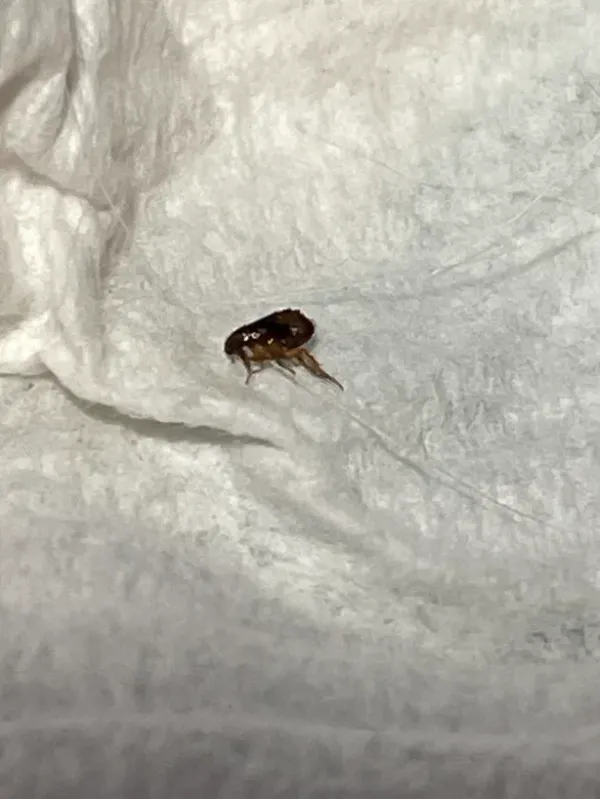
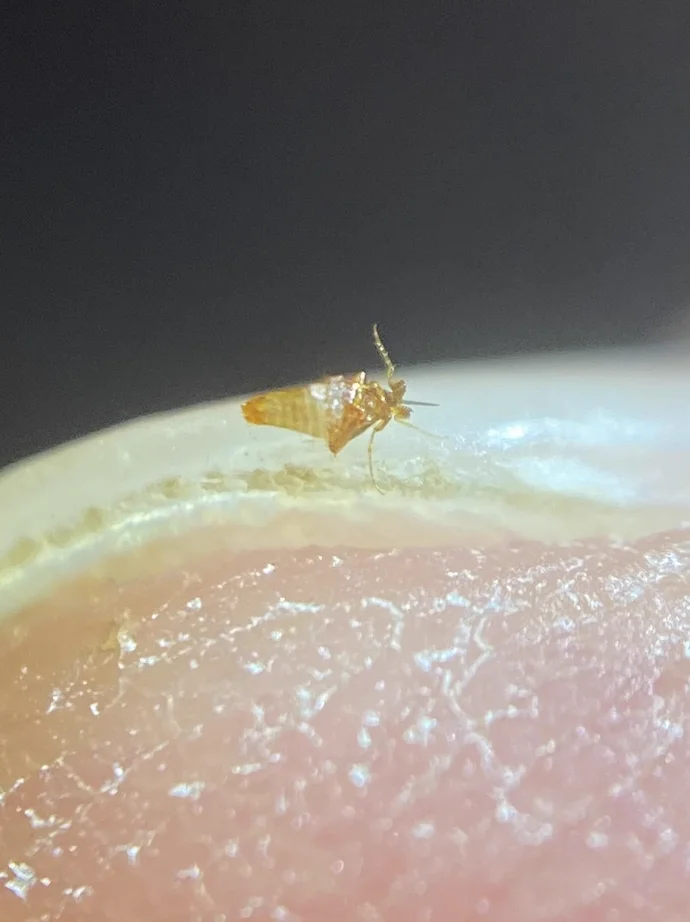
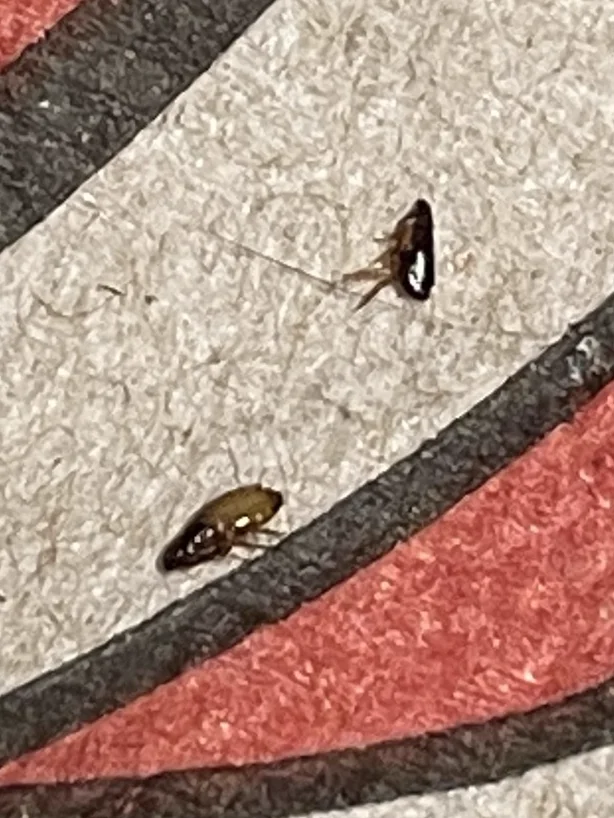
Rat Fleas Coloration
Common color patterns to help identify rat fleas
Rat Fleas
Seasonal Activity
When rat fleas are most active throughout the year

Where Rat Fleas Are Found
Hover over states to see their names. Green regions indicate where rat fleas have been reported.
Rat Flea Identification Guide
Physical Characteristics
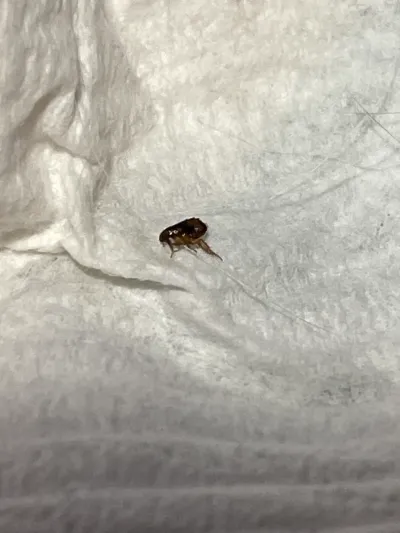
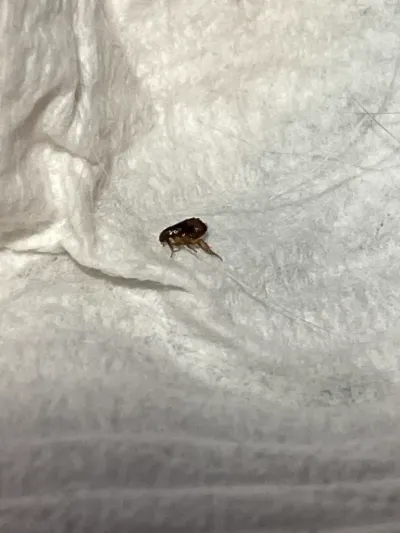
Rat fleas are small, wingless parasitic insects in the flea order Siphonaptera that measure 2 to 4 millimeters in length. Like all fleas, their bodies are compressed from side to side. This flattened shape helps them move through fur and hair on their rodent hosts.
Adult rat fleas are brown to reddish-brown in color. They darken after feeding on blood. Their bodies have a hard outer shell with backward-pointing bristles. These bristles help them grip onto hosts and resist being brushed off.
The key feature that sets rat fleas apart from cat fleas and dog fleas is the lack of combs. Rat fleas have no genal comb on the head or pronotal comb on the thorax. This smooth look is a defining trait. Rat fleas also have good eyes and strong hind legs for jumping.
Common Species
Two main rat flea species are found in North America:
Oriental Rat Flea (Xenopsylla cheopis): Also called the tropical rat flea, this species is the most important for public health. It is the main carrier of plague and murine typhus. The Oriental rat flea likes warm, humid places and is most common in tropical regions. It mainly infests Norway rats and roof rats.
Northern Rat Flea (Nosopsyllus fasciatus): This species is more common in cooler climates like North America and Europe. It mainly lives on Norway rats but can also be found on house mice. The Northern rat flea is a bit larger, measuring 3 to 4 millimeters. It has a pronotal comb with 18 to 20 spines but no genal comb.
Identifying Rat Flea Infestations
Signs that may indicate rat fleas in your home include:
- Rodent activity: Droppings, gnaw marks, or scratching sounds in walls suggest mice or rats that may carry fleas.
- Flea bites: Small red, itchy bumps appearing on lower legs and ankles, especially after rodent control.
- Flea sightings: Small jumping insects near areas where rodents travel or nest.
- Pet scratching: Increased scratching or restlessness in pets, particularly if they access areas with rodent activity.
Rat Flea Behavior and Biology
Life Cycle
Rat fleas have four life stages: egg, larva, pupa, and adult. Knowing this cycle helps with control.
Eggs: Female rat fleas begin laying eggs within days of their first blood meal. A single female can lay up to 50 eggs per day. Eggs are oval, white, and not sticky. They fall off the host into rodent nests, bedding, and surrounding areas. Eggs hatch in 2 to 12 days depending on temperature and humidity.
Larvae: The larvae are small, legless, worm-like creatures about 4.5 millimeters long. They are white, blind, and avoid light. Larvae do not feed on blood. Instead, they eat organic debris and adult flea waste, which contains dried blood. The larval stage involves three molts and lasts 9 to 15 days under good conditions but can extend to 200 days in poor conditions.
Pupae: After the final larval molt, the flea spins a silky cocoon covered with debris from its surroundings. The pupal stage typically lasts 1 to 2 weeks but can extend for months if no host is present. Pupae are protected from many treatments while in their cocoons. Heat, vibration, and carbon dioxide trigger adult emergence.
Adults: Newly emerged adults must feed within hours to survive. They live on their host, taking multiple blood meals per day. Adult rat fleas can live several weeks to months with regular access to blood. The complete life cycle takes 30 to 75 days under ideal conditions.
Feeding and Host Behavior
Rat fleas are blood-feeding parasites. Both males and females require blood to survive and reproduce. They have piercing-sucking mouthparts designed to penetrate skin and draw blood.
The primary hosts for rat fleas are rodents, particularly Norway rats, roof rats, and house mice. However, rat fleas will bite humans and other mammals when rodent hosts are unavailable. This host-switching behavior is especially common after rodent control removes the preferred hosts.
Adult rat fleas prefer to stay on their host continuously. They feed multiple times per day. When feeding, they inject saliva that contains compounds to prevent blood clotting. These compounds cause the itchy reaction associated with flea bites.
Environmental Preferences
The Oriental rat flea thrives in warm, humid environments. Ideal conditions include temperatures between 65 and 80 degrees Fahrenheit with about 70 percent humidity. Higher or lower temperatures can inhibit egg laying and development.
The Northern rat flea is better adapted to temperate climates. It can survive in cooler environments where the Oriental rat flea struggles.
Both species live in close association with rodent nests. Eggs, larvae, and pupae develop in nest materials, building insulation, and areas where rodents travel. This means flea populations concentrate where rodent activity is highest.
Health Risks from Rat Fleas
Rat fleas pose significant health risks due to the diseases they can transmit. These fleas have caused some of the worst epidemics in human history.
Plague
The Oriental rat flea is the primary vector for plague, caused by the bacterium Yersinia pestis. This flea species was responsible for transmitting the Black Death, which killed an estimated 25 million people in Europe during the 14th century.
Plague transmission occurs when an infected flea bites a human. The bacteria multiply in the flea’s gut and can block its digestive system. When a blocked flea attempts to feed, it regurgitates bacteria into the bite wound.
Bubonic plague causes painful, swollen lymph nodes called buboes, usually in the groin area. Without treatment, it can spread to the blood or lungs. Modern antibiotics work well if treatment starts quickly. Untreated plague can be fatal in 50 to 90 percent of cases.
Plague cases still occur in the United States, primarily in rural areas of the Southwest where wild rodents carry the disease.
Murine Typhus
Murine typhus, also called flea-borne typhus, is caused by the bacterium Rickettsia typhi. Both the Oriental rat flea and cat flea can transmit this disease.
Transmission works differently than plague. When infected fleas feed, they leave droppings. The bacteria in flea waste enter the body through bite wounds or scratches. Symptoms include fever, headache, body aches, and rash.
Murine typhus is rarely fatal with proper treatment, but untreated cases can require hospitalization. Cases occur throughout the southern United States, particularly in Texas, California, and Hawaii.
Tapeworms
Rat fleas can carry tapeworms, including the rat tapeworm and dwarf tapeworm. Humans get infected by swallowing infected fleas by accident. This can happen when flea parts enter the mouth.
Medical Disclaimer: This information is for educational purposes only and is not medical advice. If you experience symptoms of flea-borne illness or unusual reactions to flea bites, consult a healthcare provider promptly.
How We Treat for Rat Fleas
Effective rat flea control requires addressing both the fleas and their rodent hosts. Treating only one part of the problem allows the infestation to continue. Our approach combines rodent control with comprehensive flea treatment.
-
Inspection and assessment: Our technicians identify signs of rodent activity and locate flea concentrations. We determine entry points, nesting sites, and travel routes that rodents use. This information guides both rodent exclusion and flea treatment.
-
Rodent control: Eliminating the rodent population removes the primary hosts for rat fleas. We use a combination of exclusion, trapping, and baiting based on the situation. Sealing entry points prevents new rodents from entering.
-
Flea treatment: We apply products to areas where fleas develop, including rodent nesting sites, wall voids, and areas where rodents travel. Insect growth regulators stop flea eggs and larvae from maturing. This breaks the breeding cycle.
-
Timing coordination: Flea treatment should happen alongside or shortly after rodent control begins. This prevents hungry fleas from seeking human hosts after losing their rodents. Delayed treatment often results in increased flea bites.
-
Follow-up visits: Flea pupae in cocoons resist treatment and can remain dormant for weeks. Follow-up visits are scheduled to eliminate newly emerged adults before they reproduce. Multiple treatments may be needed for heavy infestations.
-
Customer guidance: We provide instructions for vacuuming, cleaning, and preparing areas for treatment. Removing rodent nesting materials and debris helps reduce flea populations. If you have pets, coordinate with your veterinarian on flea prevention products.
References and Further Reading
Other Fleas
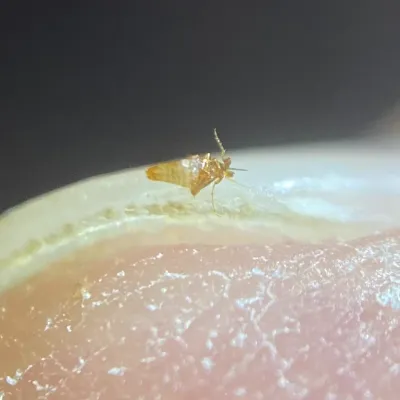
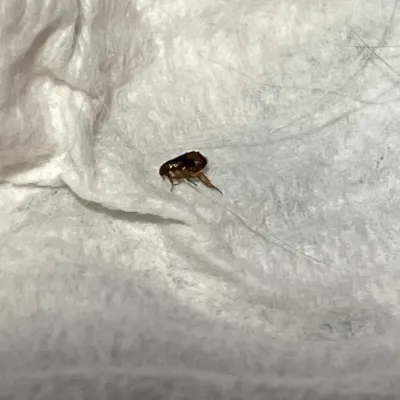
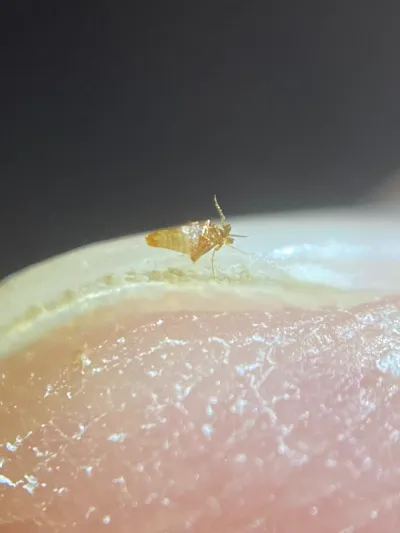
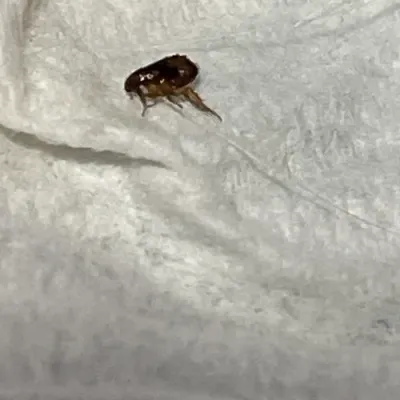
Explore other species in the fleas family
Commonly Confused With
Rat Fleas are often mistaken for these similar pests
Where Rat Fleas Are Found
Hover over states to see their names. Green regions indicate where rat fleas have been reported.
Common Questions about Rat Fleas
What is the difference between rat fleas and cat fleas?
+
Rat fleas lack the genal and pronotal combs that cat fleas have. These are rows of spines on the head and thorax. Rat fleas are also more closely associated with rodents, while cat fleas infest a wider range of hosts including cats, dogs, and other mammals.
Can rat fleas transmit diseases to humans?
+
Yes, rat fleas can transmit serious diseases including plague (caused by Yersinia pestis), murine typhus (caused by Rickettsia typhi), and tapeworms. These fleas have caused major epidemics throughout history, including the Black Death in medieval Europe.
How do I know if I have rat fleas in my home?
+
Rat fleas are usually found where rodents live. Signs include rodent droppings, gnaw marks, or scratching sounds in walls. If you notice flea bites on your lower legs and have evidence of mice or rats, rat fleas may be present. A pest inspection can confirm the source.
Do rat fleas bite humans?
+
Yes, rat fleas will bite humans when their preferred rodent hosts are unavailable. This often happens after rodent control when fleas lose their hosts. Bites appear as small red, itchy bumps, usually on the lower legs and ankles.
How long can rat fleas survive without a host?
+
Adult rat fleas can survive only a few days without blood. However, flea pupae in cocoons can remain dormant for weeks to months. The Oriental rat flea can survive 6 weeks to 100 days without feeding under certain conditions.
Why do rat flea problems get worse after rodent control?
+
When rodents are eliminated, the fleas they carried lose their hosts. Hungry fleas then seek alternative blood sources, including humans and pets. This is why flea treatment should happen alongside or shortly after rodent control.
Are rat fleas common in modern homes?
+
Rat fleas are less common than cat fleas in most homes. They typically appear only where rodent infestations exist. Homes with mice or rats in walls, attics, or basements may have rat flea problems that require addressing both the rodents and the fleas.
Can my pets get rat fleas?
+
Yes, pets can become infested with rat fleas, especially if they have contact with areas where rodents live. However, cat fleas are far more common on pets. If your pet has fleas and you also have a rodent problem, a pest professional can identify which flea species is present.

With five years of hands-on experience in the pest control industry, George Schulz is a registered technician with the Virginia Pest Management Association and a proud third-generation professional in a family business that's been protecting homes for over 57 years. He manages and trains a team of service pros while also leading internal research efforts—recently spearheading a deep-dive review of thousands of documents on pest control materials to hand-pick the most kid and pet friendly, most effective solutions tailored specifically for homes in the DC metro area.