Rabbit Fleas Identification Guide
Spilopsyllus cuniculi
Rabbit fleas are small parasitic insects that primarily infest wild and domestic rabbits. While less common in homes than cat fleas, they can bite humans and pets when rabbit hosts are nearby or when wild rabbits live close to residential areas.
Taxonomy
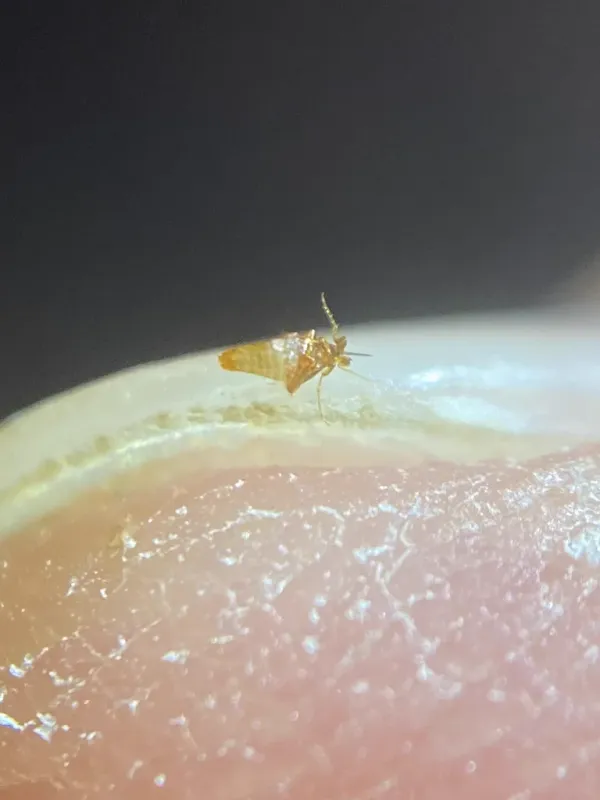
Rabbit Fleas Coloration
Common color patterns to help identify rabbit fleas
Rabbit Fleas
Seasonal Activity
When rabbit fleas are most active throughout the year
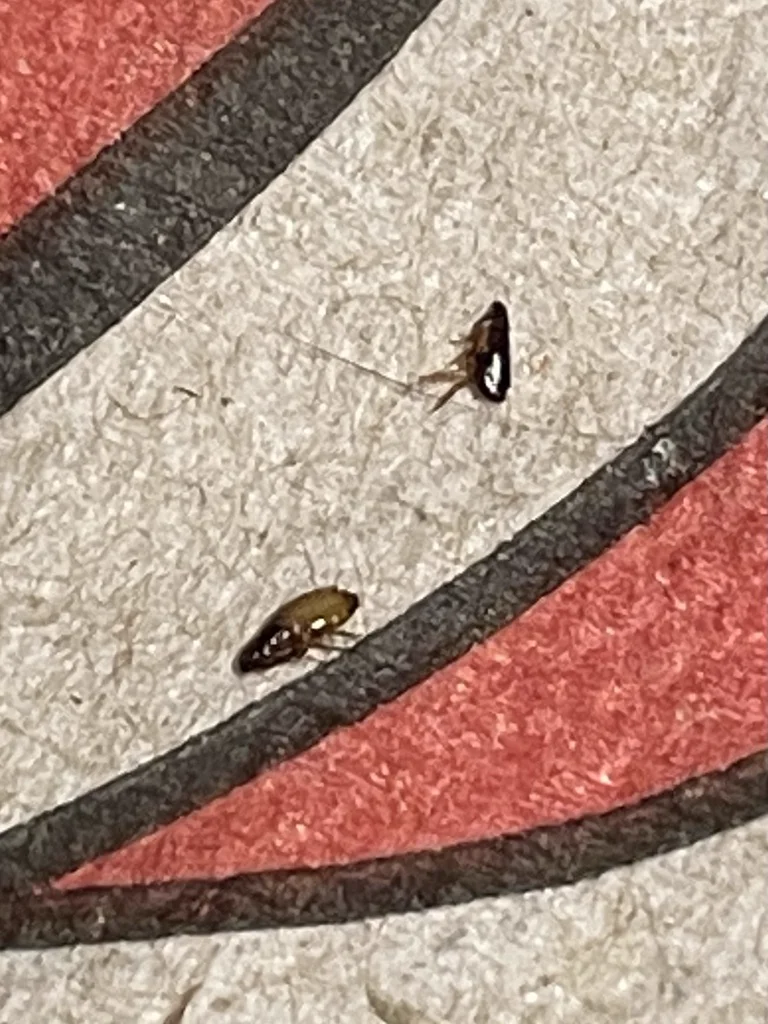
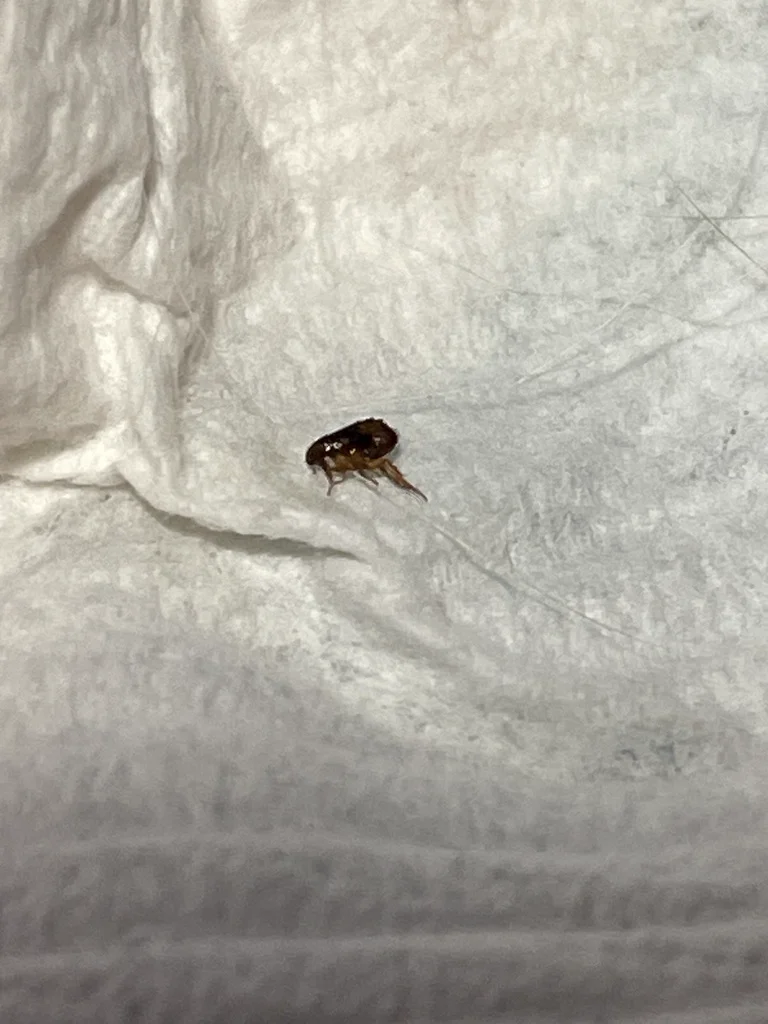

Where Rabbit Fleas Are Found
Hover over states to see their names. Green regions indicate where rabbit fleas have been reported.
Rabbit Flea Identification Guide
Physical Characteristics
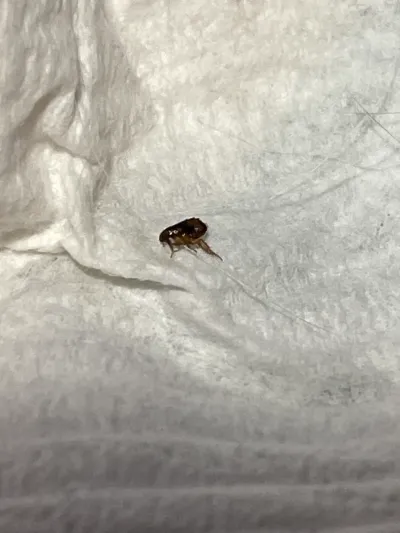
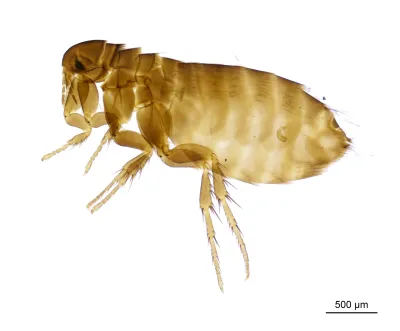
Rabbit fleas are small, wingless insects in the flea order Siphonaptera that measure 1 to 3 millimeters in length. Like all fleas, their bodies are compressed from side to side. This flattened shape helps them move through the dense fur of their rabbit hosts.
Adult rabbit fleas are brown to reddish-brown in color. They darken after feeding on blood. Their bodies have a hard outer shell with backward-pointing bristles and spines. These structures help them grip onto hosts and resist grooming.
Rabbit fleas have strong hind legs built for jumping. They jump less than some other flea species. They have simple eyes and short antennae that fit into grooves on their head. Like cat fleas, rabbit fleas have genal and pronotal combs. These are rows of spines on the head and thorax.
Common Species
Two main rabbit flea species affect rabbits in North America:
European Rabbit Flea (Spilopsyllus cuniculi): This species came from Europe. It was brought to some regions to control wild rabbit numbers. It has a unique link to rabbit hormones. The flea only breeds when it detects hormonal changes in pregnant rabbits. This species is most common on domestic rabbits and where wild rabbit populations live.
Eastern Rabbit Flea (Cediopsylla simplex): This species is native to North America. It mainly infests cottontail rabbits and snowshoe hares. It is the most common rabbit flea found on wild rabbits in the eastern and central United States.
Signs of Rabbit Flea Activity
Signs that rabbit fleas may be near your home include:
- Wild rabbit presence: Rabbits nesting under decks, sheds, or in garden areas bring fleas to your property.
- Flea bites: Small red, itchy bumps on lower legs after spending time in areas where rabbits live.
- Pet rabbit scratching: Too much scratching, biting at fur, or restless behavior in pet rabbits.
- Flea dirt: Small dark specks in pet rabbit fur or bedding. These specks turn reddish-brown when wet.
Rabbit Flea Behavior and Biology
Unique Reproductive Cycle
Rabbit fleas have one of the most unusual life cycles among fleas. Their breeding is controlled by the hormones of their rabbit hosts. This link to host biology sets them apart from cat fleas and other common species.
Adult rabbit fleas live on rabbits but stay immature until they detect certain hormones. When a female rabbit becomes pregnant, changes in her blood trigger the fleas to mature, mate, and get ready to lay eggs.
Flea eggs are laid just before or during the birth of baby rabbits. This timing is not random. The fleas have evolved to place their eggs where newborn rabbits will become hosts. The eggs fall into the nest where larvae will grow.
Life Cycle
Rabbit fleas follow the standard four-stage flea life cycle: egg, larva, pupa, and adult. However, the timing is closely tied to rabbit breeding. A related species, Oriental Rat Flea, shares similar characteristics.
Eggs: Female rabbit fleas lay eggs in the nest around the time of rabbit birth. Eggs are small, white, and oval. They hatch within 2 to 12 days depending on temperature and humidity. A single female can lay several hundred eggs during her lifetime. A related species, Dog Fleas, shares similar characteristics.
Larvae: The larvae are tiny, legless, worm-like creatures that avoid light. They burrow into nest material and feed on debris and adult flea waste. Flea dirt is dried blood passed by adult fleas. It gives larvae the food they need. The larval stage lasts 5 to 20 days under good conditions. A related species, Northern Rat Flea, shares similar characteristics.
Pupae: After feeding, larvae spin silky cocoons that become covered with debris. Inside, they change into adults over 1 to 2 weeks. Pupae can stay dormant for a long time if conditions are not right. Heat, vibration, and carbon dioxide from breathing animals trigger them to emerge. A related species, European Chicken Fleas, shares similar characteristics.
Adults: Newly emerged adults seek a rabbit host immediately. They must feed within hours to survive. Once on a host, they stay permanently unless dislodged. Adults can live several weeks to months with regular access to blood.
Host Preferences
Rabbit fleas strongly prefer rabbits over other hosts. This preference is much stricter than with cat fleas, which infest many species. Wild cottontail rabbits, jackrabbits, snowshoe hares, and pet rabbits all serve as hosts.
When rabbit hosts are scarce, rabbit fleas may bite other animals like dogs, cats, and humans. But they cannot breed on these other hosts. The hormonal signals needed for flea breeding only come from rabbits.
This explains why rabbit flea problems in homes are usually linked to nearby wild rabbit activity or pet rabbit ownership.
Seasonal Activity
Rabbit flea populations follow rabbit breeding patterns. In most of North America, wild rabbit breeding peaks in spring and early summer. This means rabbit flea activity also peaks during these months.
Pet rabbits kept indoors can breed year-round if not spayed or neutered. Indoor environments may support rabbit flea populations outside the normal seasonal pattern.
Health Risks from Rabbit Fleas
Bites and Allergic Reactions
Rabbit flea bites cause small red, itchy bumps like other flea bites. Some people develop allergic reactions to flea saliva. This leads to more severe itching, swelling, and skin irritation.
Pets and humans with flea allergy dermatitis can have intense reactions from just a few bites. Signs include ongoing itching, hives, and skin infections from scratching.
Disease Transmission
Rabbit fleas can transmit several diseases, though they pose less risk to humans than rat fleas.
Myxomatosis: Rabbit fleas are major carriers of myxoma virus. This virus causes myxomatosis in rabbits. The disease is nearly always fatal to European domestic rabbits. Pet rabbit owners should prevent contact between their rabbits and wild rabbits or their fleas.
Tularemia: Also called rabbit fever, tularemia can spread through flea bites. This bacterial disease causes fever, skin ulcers, and swollen lymph nodes in humans. Cases are not common but occur throughout North America.
Tapeworms: Rabbit fleas can carry tapeworm larvae. Rabbits get infected when they swallow fleas while grooming. This is mainly a concern for rabbits. But children can sometimes become infected by swallowing a flea by accident.
Medical Disclaimer: This information is for educational purposes only and is not medical advice. If you experience symptoms of flea-borne illness or unusual reactions to flea bites, consult a healthcare provider.
Treatment Methods for Rabbit Fleas
Rabbit flea control focuses on treating the environment and managing rabbit populations near the home. Since rabbit fleas depend on rabbit hosts to breed, removing access to rabbits is a key part of long-term control.
Environmental Control
Treating areas where rabbit fleas develop helps reduce populations:
-
Nest removal: Find and remove wild rabbit nests from under decks, sheds, and other structures. This gets rid of flea breeding sites. Wear gloves when doing this.
-
Habitat changes: Reduce cover and food sources for wild rabbits to make your property less inviting. Fence gardens and remove brush piles.
-
Indoor treatment: If fleas have entered the home, treat carpets, pet bedding, and areas where pet rabbits live. This helps kill fleas in early life stages.
-
Outdoor treatment: Treat areas where rabbits rest. This includes spots under structures and along fence lines. These treatments can reduce flea numbers.
Pet Rabbit Protection
For homes with pet rabbits:
- Keep pet rabbits separate from wild rabbits and outdoor areas where wild rabbits live.
- Clean and inspect rabbit housing regularly.
- Ask your veterinarian about flea prevention products approved for use on rabbits. Many dog and cat flea treatments are toxic to rabbits.
- Wash rabbit bedding frequently in hot water.
When Professional Help Is Needed
Professional pest control may be needed when:
- Wild rabbits have nested under or very close to the home.
- Flea bites persist despite home treatment efforts.
- Pet rabbits have recurring flea problems.
- Flea activity is severe or widespread.
Our technicians can identify the flea species present and find the source of the problem. We apply targeted treatments to get rid of fleas and give you tips on how to prevent future issues.
References and Further Reading
Other Fleas
Explore other species in the fleas family
Commonly Confused With
Rabbit Fleas are often mistaken for these similar pests
Where Rabbit Fleas Are Found
Hover over states to see their names. Green regions indicate where rabbit fleas have been reported.
Common Questions about Rabbit Fleas
Can rabbit fleas infest my pet dog or cat?
+
Rabbit fleas can temporarily bite dogs and cats, but they strongly prefer rabbits as hosts. If your pets have contact with wild rabbits or rabbit habitats, they may pick up rabbit fleas. However, cat fleas are far more common on household pets and are usually the source of flea problems in homes.
Do rabbit fleas bite humans?
+
Yes, rabbit fleas can bite humans when their preferred rabbit hosts are unavailable. Bites appear as small red, itchy bumps, typically on the lower legs and ankles. While uncomfortable, rabbit flea bites are usually not as common as cat or dog flea bites in residential settings.
How do rabbit fleas get into homes?
+
Rabbit fleas enter homes when wild rabbits nest near or under structures. They can also come in on pet rabbits, on clothing after contact with rabbit areas, or on dogs and cats that encounter wild rabbits. Homes with gardens that attract wild rabbits may be at higher risk.
What diseases can rabbit fleas transmit?
+
Rabbit fleas can transmit myxomatosis virus between rabbits, which is a serious concern for domestic rabbit owners. They may also carry tularemia bacteria and tapeworms. While disease transmission to humans is less common, flea bites can cause allergic reactions and skin irritation.
How can I tell if I have rabbit fleas versus cat fleas?
+
Rabbit fleas are difficult to distinguish from other flea species without magnification. The presence of wild rabbits on your property, a pet rabbit, or flea activity concentrated in areas where rabbits frequent can suggest rabbit fleas. A pest professional can identify the specific flea species if needed.
Are rabbit fleas common in homes?
+
Rabbit fleas are much less common in homes than cat fleas. They typically only become a problem when wild rabbits nest close to or under a home, or when pet rabbits bring them inside. Most household flea infestations involve cat fleas, even on dogs.
How do I protect my pet rabbit from fleas?
+
Keep your pet rabbit's living area clean and check them regularly for signs of fleas. Avoid letting pet rabbits contact wild rabbits or their habitats. Ask your veterinarian about flea prevention products approved for use on rabbits, since many dog and cat flea treatments are toxic to rabbits.
Why are rabbit fleas more active in spring?
+
Rabbit flea reproduction is closely tied to rabbit breeding cycles. When female rabbits become pregnant, hormonal changes in their blood stimulate adult fleas to mate and lay eggs. Since rabbits breed most actively in spring, rabbit flea populations peak during this season.

With five years of hands-on experience in the pest control industry, George Schulz is a registered technician with the Virginia Pest Management Association and a proud third-generation professional in a family business that's been protecting homes for over 57 years. He manages and trains a team of service pros while also leading internal research efforts—recently spearheading a deep-dive review of thousands of documents on pest control materials to hand-pick the most kid and pet friendly, most effective solutions tailored specifically for homes in the DC metro area.