Prairie Dog Fleas Identification Guide
Oropsylla hirsuta
Prairie dog fleas are specialized parasitic insects that primarily infest black-tailed prairie dogs throughout the western Great Plains. They are significant vectors of sylvatic plague, the wildlife form of bubonic plague caused by Yersinia pestis bacteria.
Taxonomy
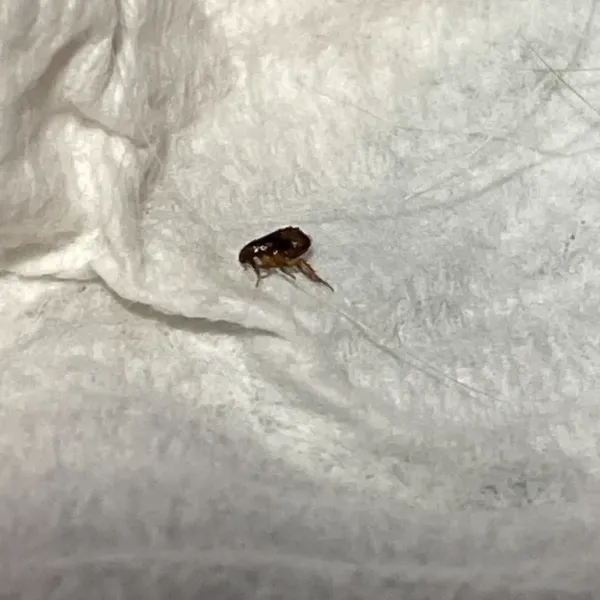
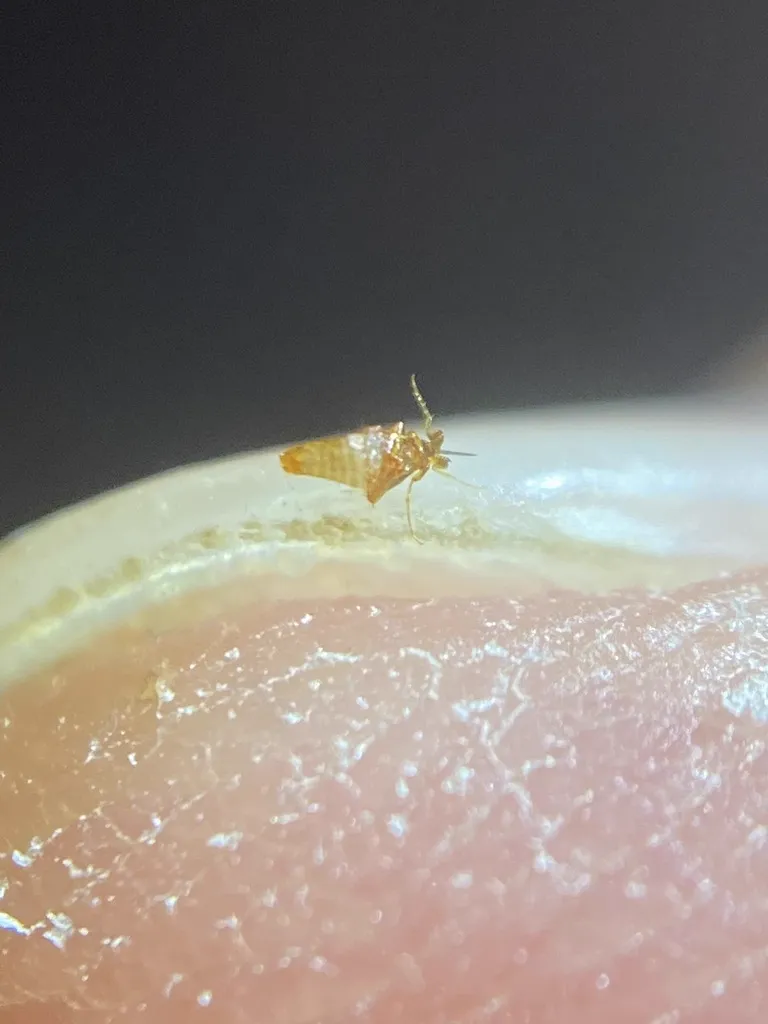
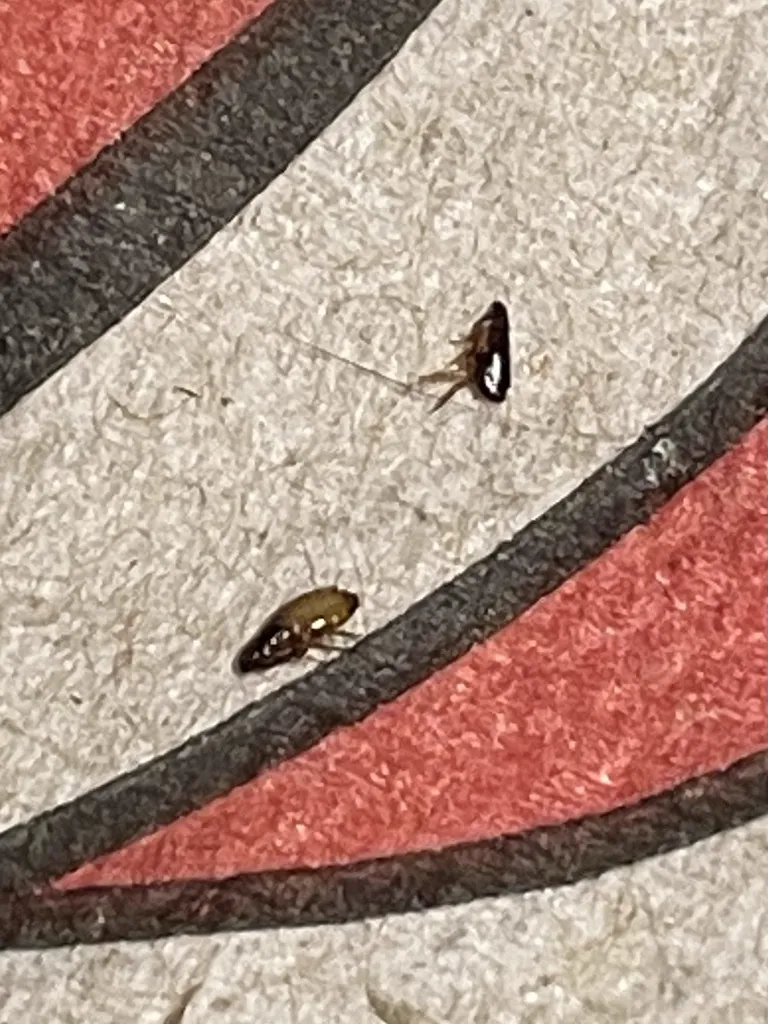
Prairie Dog Fleas Coloration
Common color patterns to help identify prairie dog fleas
Prairie Dog Fleas
Seasonal Activity
When prairie dog fleas are most active throughout the year

Where Prairie Dog Fleas Are Found
Hover over states to see their names. Green regions indicate where prairie dog fleas have been reported.
Prairie Dog Flea Identification Guide
Physical Characteristics
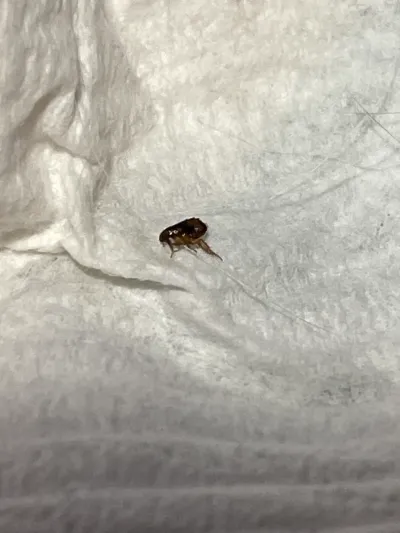
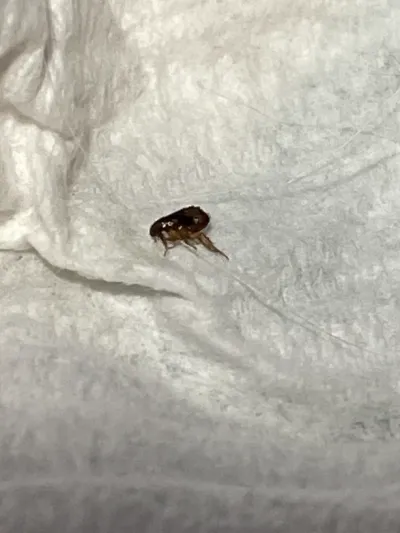
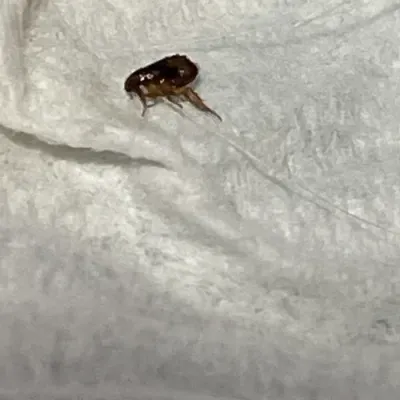
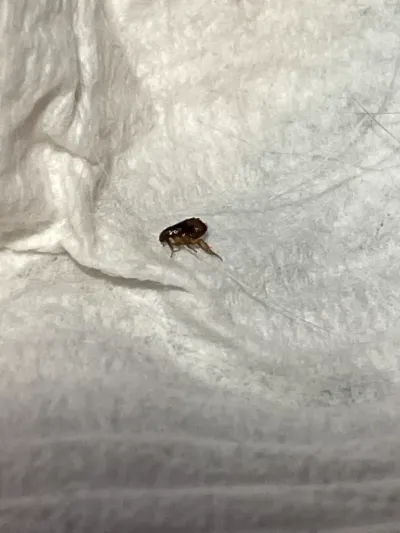
Prairie dog fleas are small, wingless bugs in the flea order Siphonaptera that measure 2 to 4 millimeters long. Their bodies are flat from side to side. This shape helps them move through fur and avoid being groomed off.
Adult fleas are dark brown to reddish-brown. Their bodies have bristles and spines that point backward. These help them hold onto their hosts. They have strong back legs built for jumping. Most adult fleas stay on one host for their whole lives.
Prairie dog fleas belong to the family Ceratophyllidae. This family includes many fleas that live on rodents. They have mouths made for piercing skin and drinking blood. Their eyes are simple and can only sense light and shadow.
How to Tell Them Apart
You need a microscope to tell prairie dog fleas from other flea types. Experts look at the combs on the head and body. These combs have specific spine counts that differ from pet fleas.
For most people, location is the best clue. Fleas found on prairie dogs in the western Great Plains are most likely Oropsylla hirsuta in summer months.
Related Species
Oropsylla tuberculata cynomuris is another flea that lives on prairie dogs. This species is more common in winter months. Both types can spread plague. O. hirsuta spreads disease more often during warm weather outbreaks.
Prairie Dog Flea Behavior and Biology
Life Cycle
Prairie dog fleas have four life stages: egg, larva, pupa, and adult. Female fleas start laying eggs after feeding on blood.
Eggs fall off the host into prairie dog burrows. The underground tunnels stay humid and warm. These conditions help flea larvae survive. Larvae hatch and eat debris and adult flea waste, which contains dried blood.
After growing through several stages, larvae spin cocoons. The pupa stage protects them from harsh conditions and some pesticides. When a host comes near, adult fleas break out of their cocoons ready to feed.
The full life cycle takes several weeks in good conditions. Prairie dog burrows support flea growth year-round, but numbers change with the seasons.
Seasonal Patterns A related species, Cat Fleas, shares similar characteristics.
Prairie dog flea numbers follow clear patterns through the year. Oropsylla hirsuta counts peak from May through September. During summer, they are the main flea type on black-tailed prairie dogs. A related species, Oriental Rat Flea, shares similar characteristics.
When fall and winter arrive, O. hirsuta numbers drop. A related species, O. tuberculata cynomuris, becomes more common in cold months. This change affects how plague spreads during different seasons. A related species, Rabbit Fleas, shares similar characteristics.
Host Relationships A related species, Northern Rat Flea, shares similar characteristics.
Prairie dog fleas mainly live on black-tailed prairie dogs (Cynomys ludovicianus) across the Great Plains. They also infest other prairie dog types, ground squirrels, and other rodents when their main hosts are not around. A related species, European Chicken Fleas, shares similar characteristics.
These fleas have adapted to life in prairie dog burrows over long periods. They will feed on other hosts, including humans, when prairie dog numbers crash. The closely related ground squirrel flea fills a similar ecological role on ground squirrels in the western United States.
Health Concerns and Plague Transmission
Sylvatic Plague
Prairie dog fleas spread sylvatic plague. This is the wildlife form of plague caused by Yersinia pestis bacteria. This is the same germ that caused the Black Death in medieval Europe. Plague came to California around 1900. It spread across the western states by the 1930s and 1940s.
When plague bacteria grow in a flea’s gut, they can block its stomach. Blocked fleas get very hungry and bite more often. They spit up bacteria into each bite wound. Both blocked fleas and newly infected fleas can spread plague well.
Impact on Prairie Dog Colonies
Plague can wipe out prairie dog colonies. Death rates often reach 90% or higher. These die-offs hurt many other species that need prairie dogs, like the endangered black-footed ferret.
When plague kills most prairie dogs in a colony, their fleas start to starve. Hungry fleas spread out looking for new hosts. This raises the risk for humans and pets nearby. Flea numbers often rise during plague outbreaks because sick prairie dogs groom less.
Human Risk
Human plague cases in the United States are rare. The CDC reports about 7 cases per year. Most happen in the rural Southwest and involve contact with wild rodents or their fleas.
People can pick up prairie dog fleas while hiking, camping, or living near prairie dog colonies. Touching dead rodents or their nests is very risky. Pets that roam in prairie dog areas can bring infected fleas into homes.
Medical Disclaimer: This content is for learning only and is not medical advice. If you get sudden fever, chills, weakness, or swollen lymph nodes after a flea bite, see a doctor right away. Early treatment with antibiotics works very well against plague.
Treatment and Prevention Methods
Prairie dog fleas are hard to control because they live on wild animals in natural areas. Control work focuses on wildlife management and public health rather than home pest control.
Wildlife Management Approaches
Wildlife agencies use several methods to fight plague in prairie dog groups:
-
Pesticide dusting: Putting pesticide dust in prairie dog burrows kills fleas. This is the main way to protect prairie dog colonies right now.
-
Oral vaccines: The U.S. Geological Survey made an oral plague vaccine for prairie dogs. It comes in flavored bait. About 70% of prairie dogs eat the bait, and vaccinated groups survive better.
-
Watching for outbreaks: Regular checks help find plague outbreaks early. This lets crews take action before the disease spreads too far.
Protecting Yourself and Pets
If you live near prairie dog areas or spend time outside in the western United States, follow these steps:
-
Stay away from rodents: Never touch dead or sick rodents. Tell local wildlife officials about unusual animal deaths.
-
Use bug spray: Products with DEET help stop flea bites when hiking or camping near rodent areas.
-
Guard your pets: Keep dogs and cats away from prairie dog colonies. Use flea prevention products that your vet recommends.
-
Control rodents near your home: Clear brush piles, seal gaps, and remove food that might draw rodents to your yard.
-
Watch for plague news: Check with local health offices about plague cases in your area, mainly in summer months.
When to Call a Professional
If you find signs of rodent activity in or near your home where plague occurs, call a pest control company. Rodent work in plague areas needs careful handling to avoid flea contact.
References and Further Reading
Other Fleas
Explore other species in the fleas family
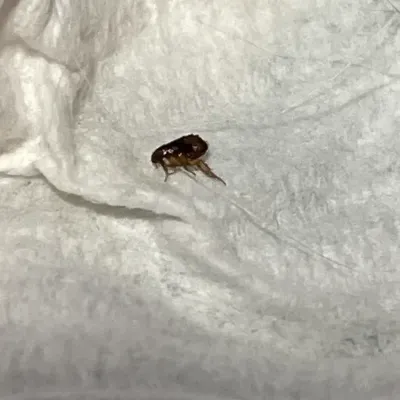
Commonly Confused With
Prairie Dog Fleas are often mistaken for these similar pests
Where Prairie Dog Fleas Are Found
Hover over states to see their names. Green regions indicate where prairie dog fleas have been reported.
Common Questions about Prairie Dog Fleas
Where are prairie dog fleas found?
+
Prairie dog fleas are found throughout the western Great Plains of North America, following the range of their primary hosts. They occur in states like Colorado, Wyoming, Montana, Kansas, Nebraska, South Dakota, North Dakota, Texas, Oklahoma, New Mexico, Arizona, and Utah. Their distribution extends into southern Canada and northern Mexico.
Can prairie dog fleas bite humans?
+
Yes, prairie dog fleas can bite humans when their normal hosts are unavailable. This typically happens when prairie dog colonies experience die-offs from plague. Hungry fleas then seek alternative blood sources, including humans who enter or live near affected areas.
Do prairie dog fleas carry disease?
+
Prairie dog fleas are significant vectors of sylvatic plague, caused by the bacterium Yersinia pestis. This is the same pathogen that causes bubonic plague in humans. When infected prairie dog colonies die off, their fleas can transmit the disease to other animals and occasionally to humans.
How do I know if prairie dogs in my area have plague?
+
Signs of plague in prairie dog colonies include sudden die-offs with many dead animals visible near burrow entrances, unusually quiet colonies with little activity, and increased sightings of predators feeding on carcasses. Local health departments often monitor prairie dog populations and can provide information about plague activity.
Can my pets get fleas from prairie dogs?
+
Yes, dogs and cats that explore prairie dog towns can pick up prairie dog fleas. This is especially dangerous because these fleas may carry plague bacteria. Keep pets away from prairie dog colonies and use veterinarian-recommended flea prevention products if you live near prairie dog habitat.
What time of year are prairie dog fleas most active?
+
Prairie dog fleas are most abundant during summer months from May through September. Population levels drop significantly during winter when a related species, Oropsylla tuberculata cynomuris, becomes more common on prairie dogs.
How can I protect myself from prairie dog fleas?
+
Avoid handling dead rodents and stay away from prairie dog burrows, especially during known plague outbreaks. Use insect repellent containing DEET when hiking in prairie dog habitat. Keep pets on leashes and treat them with flea prevention products. If you find a dead prairie dog, report it to local wildlife officials.

With five years of hands-on experience in the pest control industry, George Schulz is a registered technician with the Virginia Pest Management Association and a proud third-generation professional in a family business that's been protecting homes for over 57 years. He manages and trains a team of service pros while also leading internal research efforts—recently spearheading a deep-dive review of thousands of documents on pest control materials to hand-pick the most kid and pet friendly, most effective solutions tailored specifically for homes in the DC metro area.