Oriental Rat Flea Identification Guide
Xenopsylla cheopis
The Oriental Rat Flea is one of the most medically significant fleas in history, serving as the primary vector for bubonic plague. This small parasitic insect primarily infests rats but will readily bite humans when rodent hosts are unavailable.
Taxonomy
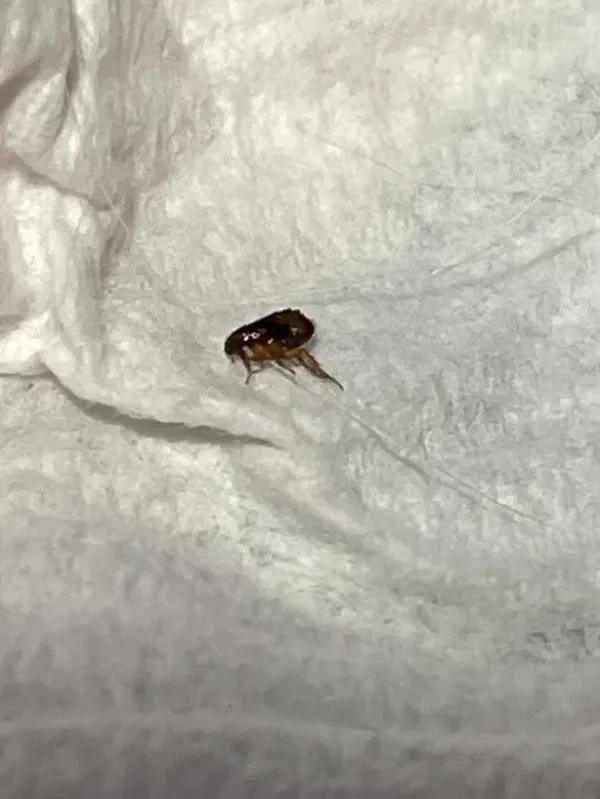
Oriental Rat Flea Coloration
Common color patterns to help identify oriental rat flea
Oriental Rat Flea
Seasonal Activity
When oriental rat flea are most active throughout the year
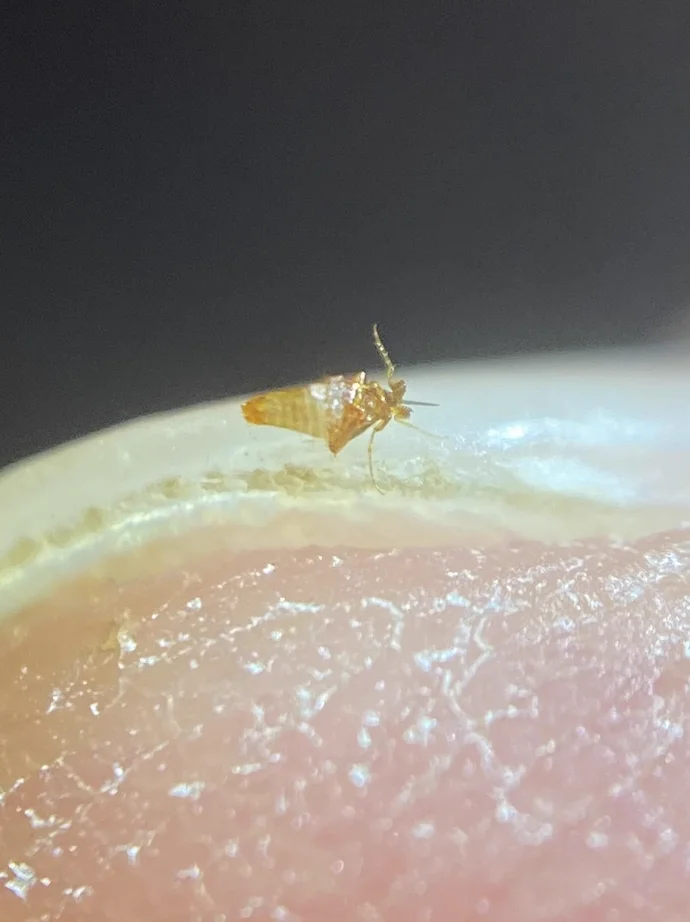
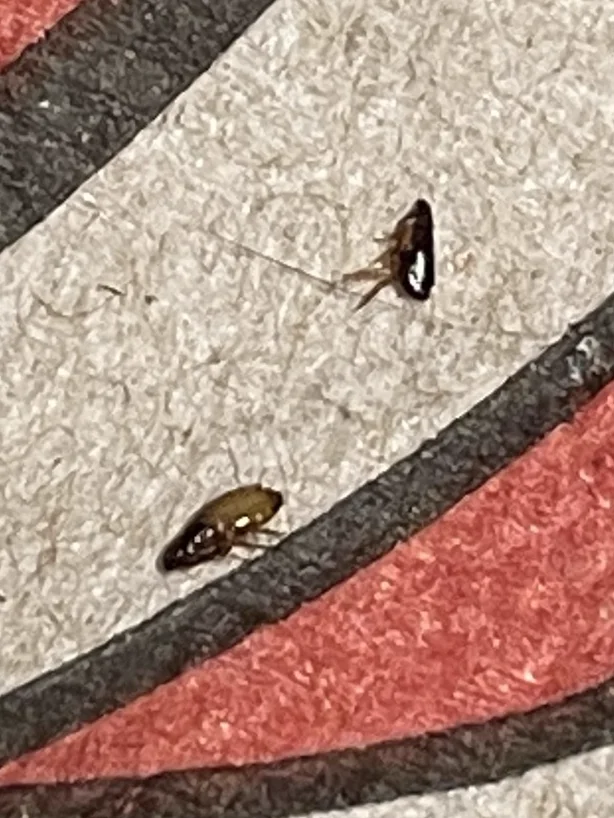

Where Oriental Rat Flea Are Found
Hover over states to see their names. Green regions indicate where oriental rat flea have been reported.
Oriental Rat Flea Identification Guide
Physical Characteristics
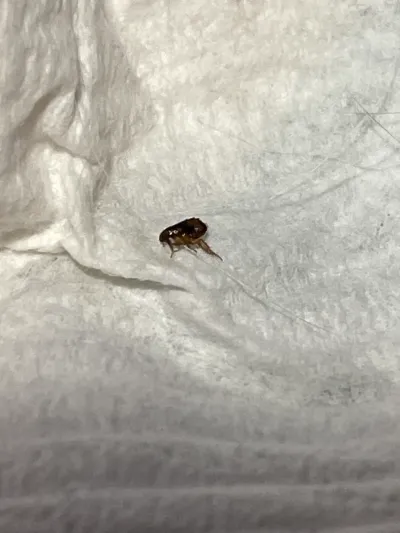
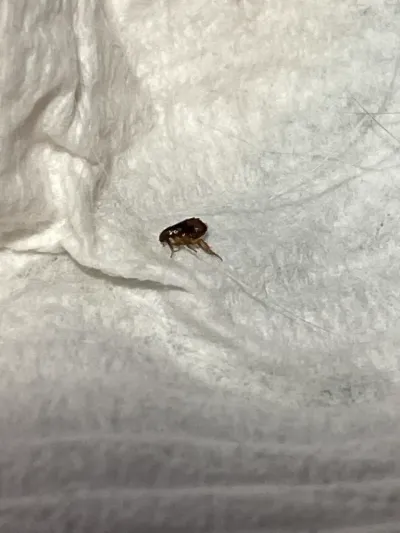
The Oriental Rat Flea (Xenopsylla cheopis) is a small, wingless insect in the flea order Siphonaptera that feeds on blood. It measures 2 to 4 millimeters long. Like all fleas, its body is flat from side to side. This shape helps it move through fur without getting stuck.
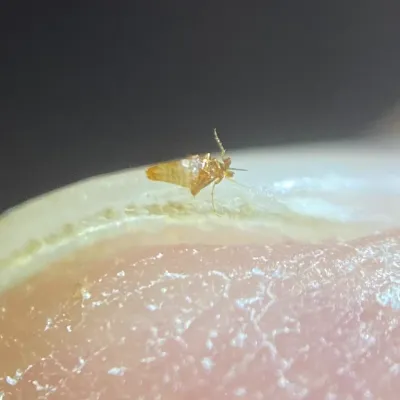
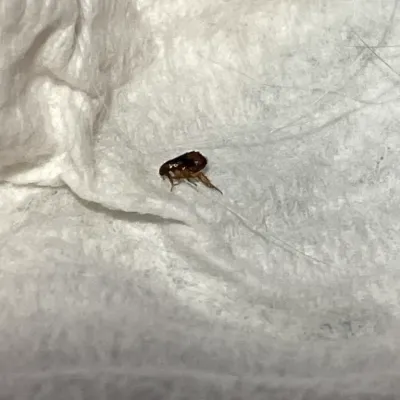
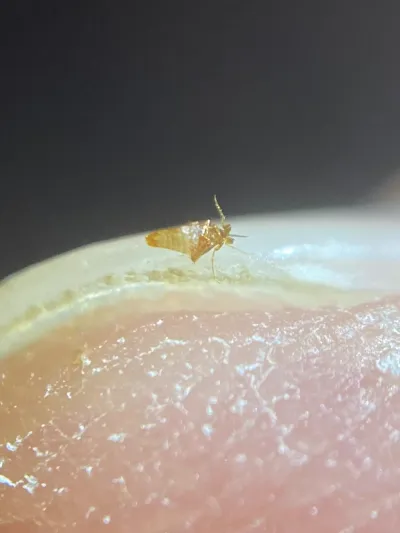
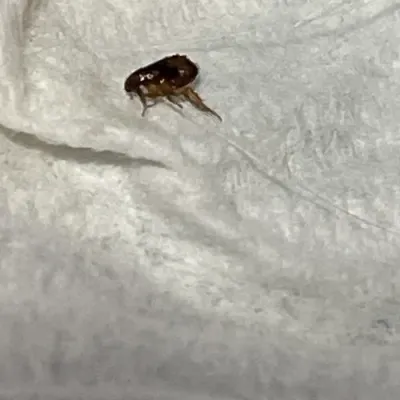
Adult Oriental Rat Fleas are brown to reddish-brown. They look darker after feeding on blood. Their bodies have a hard shell with bristles that point backward. These bristles help the flea hold onto its host.
The key feature of this species is the lack of combs. Oriental Rat Fleas have no comb on the head or thorax. This smooth look sets them apart from cat fleas and dog fleas, which have both combs. The Northern Rat Flea has a comb on its thorax but none on its head.
Female fleas have a visible dark structure for storing sperm. Males have different body parts that are easy to tell apart from females. Both sexes have strong back legs for jumping and mouthparts made for piercing skin and drinking blood.
Historical Significance
The Oriental Rat Flea has a unique place in human history. This species spread bubonic plague during the Black Death. Between 1347 and 1351, plague killed about 25 million people in Europe alone. The total global death toll may have topped 75 million.
The flea spreads plague through a process where bacteria block its gut. When an infected flea feeds, Yersinia pestis bacteria grow in its gut and form a mass. This mass blocks the flea from eating normally. The starving flea bites more often and spits infected blood into each new wound. This made the Oriental Rat Flea one of the deadliest disease carriers in history.
Signs of Infestation
Signs that Oriental Rat Fleas may be in your home:
- Rodent activity: Droppings, gnaw marks, greasy marks, or scratching sounds in walls point to mice or rats that may carry fleas.
- Flea bites: Small red, itchy bumps on lower legs and ankles. These often appear after rodent control removes hosts.
- Live fleas: Small, dark, jumping bugs near areas where rodents travel or nest.
- Pet scratching: Pets scratch more, especially those that go near areas with rodent activity.
- Flea dirt: Tiny dark specks in rodent nesting materials or areas where rodents rest.
Oriental Rat Flea Behavior and Biology
Life Cycle
Oriental Rat Fleas go through four life stages: egg, larva, pupa, and adult. Knowing this cycle helps with control.
Eggs: Female fleas start laying eggs within days of their first blood meal. A single female can make up to 50 eggs per day. She lays 300 to 400 eggs over her lifetime. The tiny white oval eggs are not sticky. They fall from the host into rodent nests and bedding. At about 80 degrees and 70 percent humidity, eggs hatch in roughly two weeks.
Larvae: Flea larvae are small, legless, worm-like creatures about 4.5 millimeters long. They are white with no eyes and avoid light. Larvae have 14 bristled body segments. Unlike adults, larvae do not feed on blood. They eat debris and food scraps from rodent nests. This stage lasts about two weeks under good conditions. Poor conditions can stretch this to over 200 days.
Pupae: After the larval stage, the flea spins a silk cocoon covered with debris. This hides the growing flea. The pupal stage lasts 2 to 9 weeks based on temperature. Pupae can stay dormant for up to a year if no host is near. Heat, vibrations, and carbon dioxide from nearby hosts cause them to emerge.
Adults: New adults must find blood quickly to survive. Both males and females feed on blood. Adult Oriental Rat Fleas can live 6 weeks to over a year based on conditions and blood access. They usually stay on their host and feed several times per day.
Feeding Behavior
Oriental Rat Fleas bite and feed on blood that pools on the skin. They do not draw blood straight from blood vessels. Their mouthparts pierce the skin while saliva keeps the blood from clotting.
Adult fleas take several blood meals per day. Females need blood to make eggs. The feeding process allows disease spread. When feeding, fleas can push bacteria and other germs into the bite wound.
Host Preferences
The main hosts for Oriental Rat Fleas are rats. Norway rats and roof rats are the most common hosts. These rodents live in sewers, port areas, and buildings where they come into close contact with people.
While rats are preferred, Oriental Rat Fleas will feed on other hosts when needed. They infest gerbils, wild rodents, cats, dogs, and other mammals. Other rodent-associated flea species include mouse fleas and ground squirrel fleas. Humans serve as accidental hosts. The fleas cannot reproduce on human blood alone, but they will bite people when rodent hosts are gone.
This host-switching behavior matters for health. When rodent numbers drop through pest control or other causes, the fleas seek new blood sources. This leads to more human bites and higher disease risk.
Environmental Requirements
Oriental Rat Fleas thrive in tropical and subtropical climates. They need warm temps and high humidity to breed. The best conditions are around 80 degrees Fahrenheit and 70 percent humidity or higher.
Lower temps and humidity slow breeding and growth. Oriental Rat Fleas rarely survive in cold climates. This is why the Northern Rat Flea is more common in cooler regions. In the United States, Oriental Rat Fleas are most common in southern coastal areas, port cities, and places with mild winters.
Young fleas are very sensitive to their environment. Larvae grow in rodent nests and need the right temp and humidity. This is why flea numbers build up in and around rodent nesting sites.
Health Risks from Oriental Rat Fleas
The Oriental Rat Flea poses major health risks because it spreads disease. This species has caused more human deaths through disease than perhaps any other insect.
Plague
Plague is caused by the bacterium Yersinia pestis. The Oriental Rat Flea is the best carrier of this deadly disease. The flea spreads plague through a process where bacteria block its gut.
When an infected flea feeds on a host with plague bacteria, the germs multiply fast in the flea’s gut. The bacteria form a clump that blocks a valve in the flea’s digestive system. This stops the flea from eating normally.
A blocked flea gets very hungry and bites more often. When it tries to feed, blood cannot pass the blockage. The flea spits bacteria-filled blood back into the bite wound. This spreads plague between hosts.
Plague takes several forms in humans:
- Bubonic plague: The most common form. It causes painful swollen lymph nodes called buboes, usually in the groin. Without treatment, 50 to 90 percent of cases are fatal.
- Pneumonic plague: Infection spreads to the lungs and can pass from person to person through the air. It is nearly always fatal without quick treatment.
- Septicemic plague: Bacteria enter the blood and cause infection throughout the body. This can develop from untreated bubonic or pneumonic plague.
Modern antibiotics work very well when treatment starts early. Plague cases still happen in the United States, mainly in rural Southwest areas where wild rodents carry the disease.
Murine Typhus
Murine typhus, also called flea-borne typhus, comes from Rickettsia typhi bacteria. The Oriental Rat Flea is the main carrier for this disease. It spreads differently than plague. Infected fleas leave bacteria in their waste while feeding. The bacteria enter through bite wounds, scratches, or eyes and mouth.
Symptoms include fever, headache, body aches, and a spotted rash. Most cases are not fatal with antibiotic treatment. Untreated cases can need hospital care. Treatment costs average nearly $17,000 per patient.
Cases occur across the southern United States, mainly in Texas, California, and Hawaii. Urban areas with rodents and flea activity have higher risk.
Tapeworms
Oriental Rat Fleas can spread two tapeworm species to humans:
- Dwarf tapeworm (Hymenolepis nana): The most common human tapeworm worldwide
- Rat tapeworm (Hymenolepis diminuta): Less common in humans but can cause infection
Spread happens when people swallow infected fleas by accident. This can occur when flea parts enter the mouth while handling infested materials or through hand-to-mouth contact.
Medical Disclaimer: This content is for learning purposes only and is not medical advice. If you have symptoms of flea-borne illness or unusual reactions to flea bites, see a doctor promptly.
Treatment Methods for Oriental Rat Fleas
Good control of Oriental Rat Fleas means treating both the fleas and their rodent hosts. Treating only one part lets the problem continue.
-
Integrated approach: Treatment that works combines rodent exclusion, rodent removal, and targeted flea control. Getting rid of rodent hosts removes the main blood source.
-
Rodent control timing: Flea treatment timing matters a lot. When rodents are removed, their fleas look for other hosts. Flea treatment should happen at the same time or right after rodent control to prevent more human bites.
-
Targeting flea habitats: Treatment focuses on areas where fleas grow. This includes rodent nesting sites, burrows, wall voids, and travel paths. These spots hold eggs, larvae, and pupae that make up most of the flea population.
-
Insect growth regulators: Products that stop young fleas from becoming adults help break the life cycle. This gives longer-lasting control than products that only kill adult fleas.
-
Multiple treatments: Flea pupae in cocoons resist most treatments and can stay dormant for long periods. Follow-up treatments catch new adults before they can breed. Bad problems may need several treatment rounds.
-
Customer preparation: Good cleaning helps lower flea numbers before treatment. Vacuuming removes eggs, larvae, and pupae from carpets and floors. Throwing out rodent nesting materials gets rid of major breeding sites. Work with your vet on pet flea prevention if you have pets.
Preventing Oriental Rat Flea Infestations
Prevention means keeping rodents out of buildings. Without rodent hosts, Oriental Rat Flea populations cannot survive.
- Seal entry points: Mice can fit through gaps as small as a dime. Check foundations, utility holes, door sweeps, and window frames. Seal openings with the right materials.
- Remove food sources: Store food in sealed containers. Clean up spills quickly. Secure pet food. Get rid of outdoor attractants like open garbage and fallen fruit.
- Clear hiding spots: Remove debris, woodpiles, and thick plants from around foundations. These give rodents shelter.
- Watch for rodent signs: Look for droppings, gnaw marks, or sounds in walls. Deal with rodent problems quickly before flea numbers build up.
- Keep things clean: Regular vacuuming removes flea eggs and larvae from indoor areas. Wash pet bedding in hot water weekly.
References and Further Reading
Other Fleas
Explore other species in the fleas family
Commonly Confused With
Oriental Rat Flea are often mistaken for these similar pests
Where Oriental Rat Flea Are Found
Hover over states to see their names. Green regions indicate where oriental rat flea have been reported.
Common Questions about Oriental Rat Flea
Why is the Oriental Rat Flea called the plague flea?
+
The Oriental Rat Flea earned this name because it was the primary vector responsible for spreading bubonic plague throughout history. This flea carried Yersinia pestis bacteria between rats and humans, causing devastating epidemics including the Black Death that killed an estimated 25 million people in medieval Europe.
How do I identify an Oriental Rat Flea?
+
Oriental Rat Fleas measure 2 to 4 millimeters long with brown to reddish-brown bodies. Their key identifying feature is the absence of combs (rows of spines) on both the head and thorax. Cat fleas and dog fleas have both combs, while Northern Rat Fleas have a pronotal comb but no genal comb.
Where are Oriental Rat Fleas found in the United States?
+
Oriental Rat Fleas prefer warm, humid climates and are most common in tropical and subtropical regions. In the US, they occur mainly in southern coastal states, port cities, and areas with mild winters. They require temperatures around 70 to 85 degrees Fahrenheit and high humidity to reproduce.
Can Oriental Rat Fleas live on cats and dogs?
+
Yes, Oriental Rat Fleas can infest cats and dogs, though they prefer rats as their primary host. Pets that have contact with areas where rodents live may pick up these fleas. However, cat fleas are far more common on household pets throughout North America.
How long can Oriental Rat Fleas survive without feeding?
+
Adult Oriental Rat Fleas can survive 6 weeks to over 100 days without a blood meal under certain conditions. However, they feed better and reproduce only when they have regular access to blood. Flea pupae in cocoons can remain dormant for up to a year waiting for a suitable host.
What diseases do Oriental Rat Fleas transmit?
+
Oriental Rat Fleas transmit plague (Yersinia pestis), murine typhus (Rickettsia typhi), and tapeworms (Hymenolepis species). They are the most efficient vector for bubonic plague due to the way bacteria block their digestive system, causing them to regurgitate infected blood into bite wounds.
Why do Oriental Rat Flea problems occur after rodent control?
+
When rodents are eliminated, the fleas they carried lose their preferred hosts. These hungry fleas then actively seek alternative blood sources, including humans and pets. This is why flea treatment should occur at the same time as or shortly after rodent control.
How is the Oriental Rat Flea different from the Northern Rat Flea?
+
Oriental Rat Fleas belong to the family Pulicidae and lack combs entirely. Northern Rat Fleas belong to the family Ceratophyllidae and have a pronotal comb with 18 to 20 spines. Oriental Rat Fleas prefer warm tropical climates while Northern Rat Fleas thrive in cooler temperate regions.

With five years of hands-on experience in the pest control industry, George Schulz is a registered technician with the Virginia Pest Management Association and a proud third-generation professional in a family business that's been protecting homes for over 57 years. He manages and trains a team of service pros while also leading internal research efforts—recently spearheading a deep-dive review of thousands of documents on pest control materials to hand-pick the most kid and pet friendly, most effective solutions tailored specifically for homes in the DC metro area.