Human Fleas Identification Guide
Pulex irritans
The human flea is a species that once commonly infested human dwellings but is now rare in North America due to improved sanitation. It can still be found in areas with livestock, particularly pigs, and in regions with poor living conditions.
Taxonomy
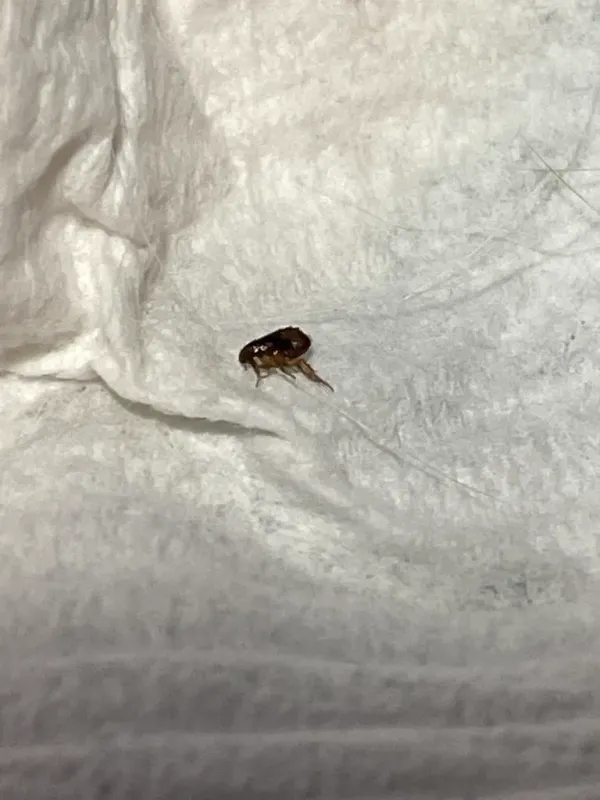
Human Fleas Coloration
Common color patterns to help identify human fleas
Human Fleas
Seasonal Activity
When human fleas are most active throughout the year
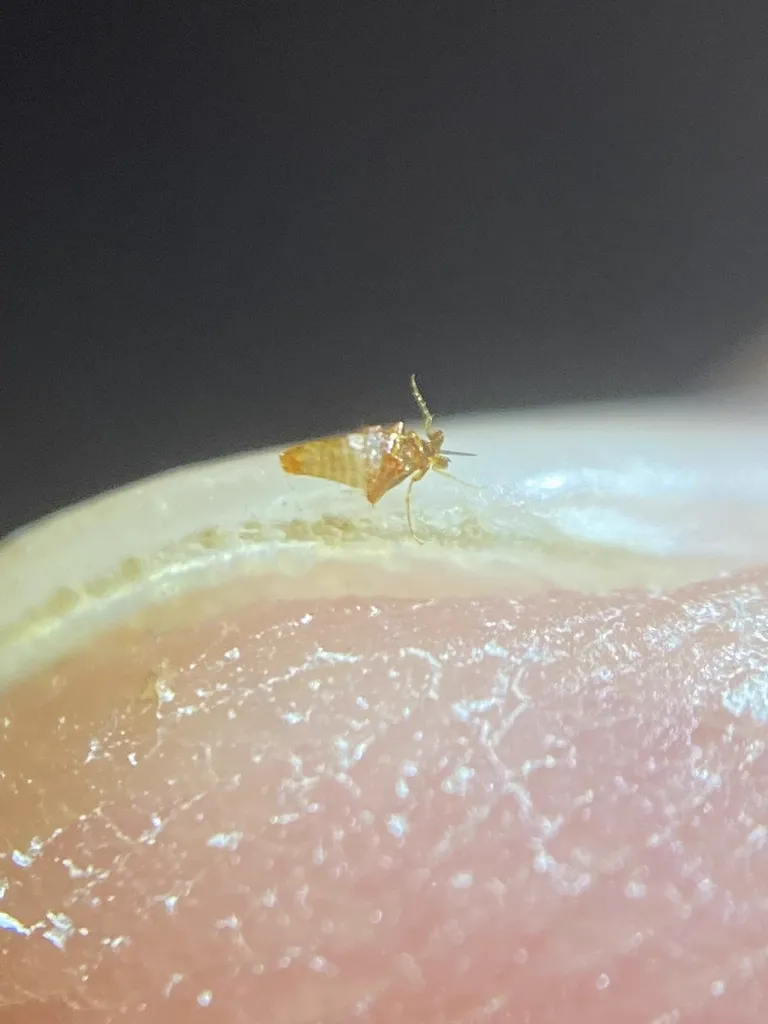
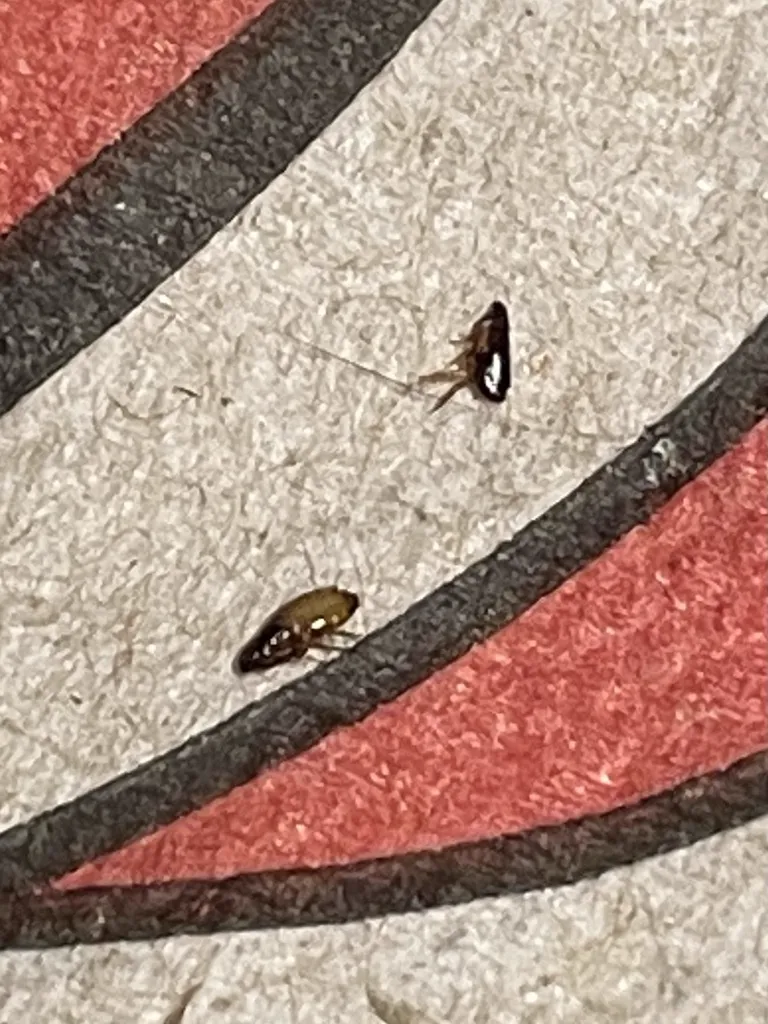
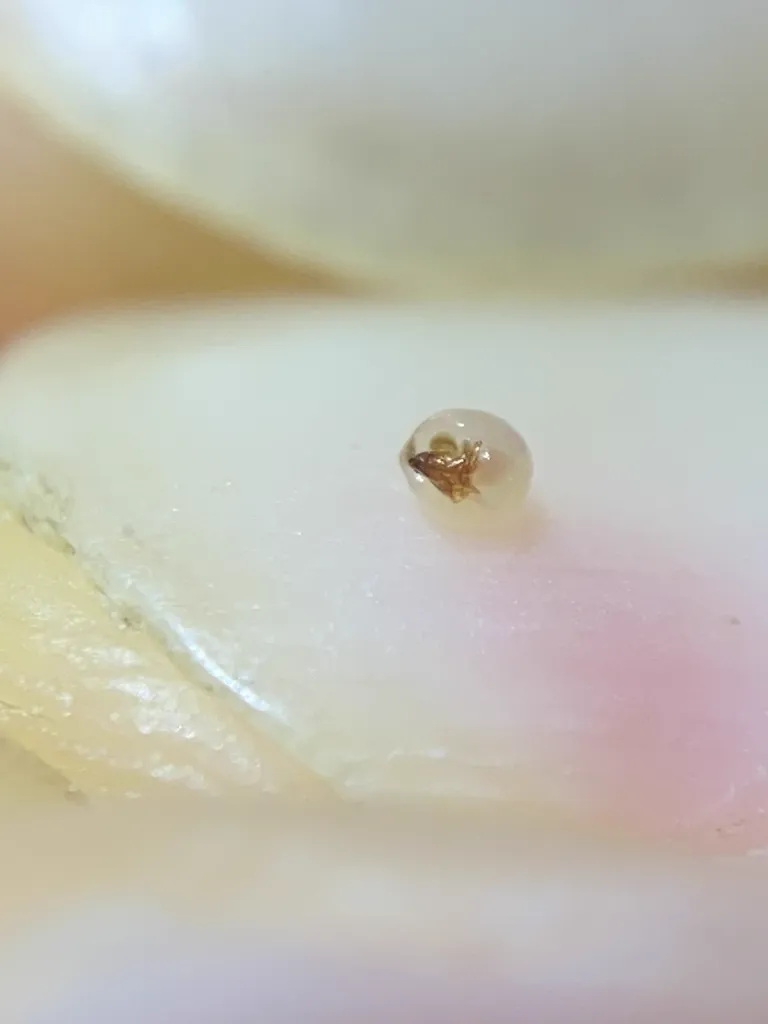

Where Human Fleas Are Found
Hover over states to see their names. Green regions indicate where human fleas have been reported.
Human Flea Identification Guide
Physical Characteristics
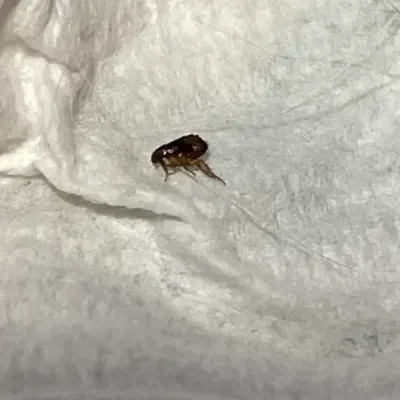
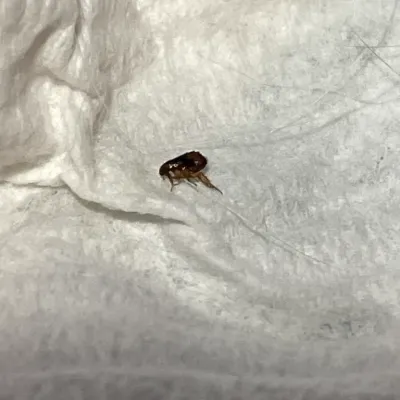
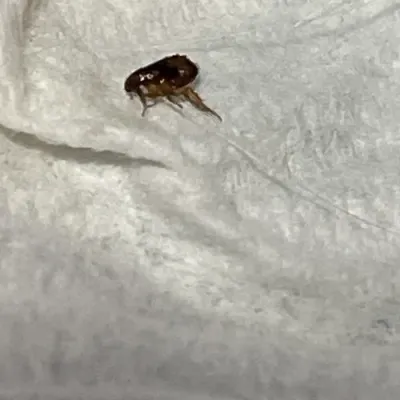
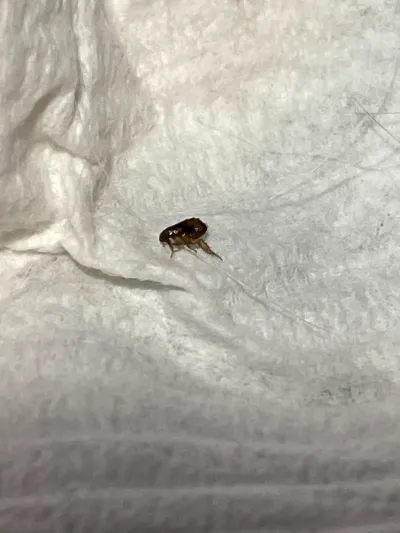
The human flea (Pulex irritans) is a member of the flea order Siphonaptera and a small, wingless insect that measures 2 to 4 millimeters long. Like all fleas, its body is flat from side to side. This shape lets fleas move easily through hair and fur. Adult human fleas are reddish-brown to dark brown. They turn darker after feeding on blood.
The most distinctive feature of the human flea is what it lacks. Unlike cat fleas and dog fleas, human fleas do not have genal or pronotal combs. These combs are rows of spines on the head and body that help other flea species grip their hosts. Without these combs, the human flea looks smoother under a microscope.
Human fleas have a more rounded head than other flea species. Their eyes are simple, not compound, and they have short antennae that rest in grooves on their head. Like all fleas, they have powerful hind legs built for jumping. A human flea can jump up to 30 centimeters in about 0.02 seconds. This creates force up to 200 times gravity.
Distinguishing Human Fleas from Other Species
Telling flea species apart usually requires a microscope. Still, knowing the differences helps explain why control methods may vary.
Cat flea (Ctenocephalides felis): This is the most common flea found in North American homes today, infesting both cats and dogs. Cat fleas have both genal and pronotal combs and a more elongated head shape than human fleas.
Dog flea (Ctenocephalides canis): Similar to cat fleas but less common in the United States. Dog fleas also possess combs that human fleas lack.
Oriental rat flea (Xenopsylla cheopis): Found on rodents and historically important as a plague vector. Like human fleas, rat fleas lack combs, but they have a different head shape and are more commonly associated with rodent burrows.
Human Flea Behavior and Biology
Life Cycle
Human fleas go through four life stages: egg, larva, pupa, and adult. Knowing this life cycle helps with control because each stage needs a different treatment approach.
Eggs: Female human fleas lay about 4 to 8 oval, white eggs after each blood meal. One female can make more than 400 eggs in her lifetime. The eggs are not sticky and fall off the host into carpets, bedding, and floor cracks. They hatch in 4 to 6 days in good conditions.
Larvae: New larvae are small, pale, legless, and worm-like. They start at about 0.6 millimeters and grow to several millimeters before the next stage. Larvae have 13 body segments covered with bristles. They feed on debris and flea dirt, which is dried blood from adult fleas. This stage usually lasts 3 to 4 weeks but can stretch to months in poor conditions.
Pupae: Mature larvae spin sticky silk cocoons that collect debris to blend in. Inside the cocoon, the larva changes into an adult. In good conditions, this takes about a week. But if conditions are poor or no host is nearby, cocooned fleas can stay dormant for up to a year. This makes pupae very hard to treat.
Adults: Adult fleas come out when they sense a host through movement, warmth, or breath. They must feed on blood within hours to survive. Adult human fleas can live from a few weeks to over 18 months. This depends on temperature, humidity, and access to hosts. A related species, Rabbit Fleas, shares similar characteristics.
Host Range and Feeding A related species, Northern Rat Flea, shares similar characteristics.
Despite their name, human fleas feed on many mammals besides humans. They are common on pigs and are often found on dogs and cats. Wild hosts include badgers, foxes, coyotes, skunks, and other meat-eaters. Human fleas spend most of their time in their host’s home, not on the host. They return mainly to feed. A related species, European Chicken Fleas, shares similar characteristics.
Adult fleas feed only on blood. Their mouthparts are built for piercing skin and drinking blood. Both males and females feed on blood. Females need blood meals to make eggs. Males need blood to survive and reproduce.
Habitat and Distribution
Human fleas are found all over the world. However, their numbers have dropped sharply in developed countries over the past century. Better sanitation, less crowded living, and pest control have reduced human flea populations.
In North America, human fleas are now most common in rural areas with livestock, especially pig farms. They also live in some wildlife populations and may appear in homes near these areas. Most flea problems in cities and suburbs today involve cat fleas, not human fleas.
Health Risks from Human Fleas
Disease Transmission
Human fleas can spread several diseases, though this is rare in developed countries today.
Plague: Human fleas can carry Yersinia pestis, the germ that causes plague. Human fleas spread plague less well than rat fleas. Still, they may have helped spread plague outbreaks in Northern Europe where rat fleas could not survive the cold.
Murine typhus: Caused by Rickettsia typhi, this disease produces fever, headache, and rash. You can get it when flea waste gets into bite wounds or eyes, nose, or mouth.
Flea-borne spotted fever: Caused by Rickettsia felis, this disease has symptoms like murine typhus. Human fleas carry this germ.
Tapeworms: Human fleas carry Dipylidium caninum and Hymenolepis nana tapeworms. You can get infected if you swallow an infected flea by accident. This happens most often to children or pets.
Bite Reactions
Human flea bites cause reactions in most people. Bites look like small, red, itchy bumps, often with a tiny hole in the center. They usually show up in clusters or lines on the lower legs, ankles, and feet. Any exposed skin can be bitten.
Some people get flea allergy dermatitis. This is an allergic reaction to proteins in flea spit. It causes intense itching, swelling, and sometimes skin infections from scratching. People bitten many times may react worse over time.
Medical Disclaimer: This information is for educational purposes only and is not medical advice. If you experience severe reactions to flea bites or suspect a flea-borne illness, consult a healthcare provider.
How We Treat for Fleas
Flea control requires a full approach that targets all life stages. We treat the home and work with you to address pets. Human fleas and cat fleas act the same way and often occur together, so treatment methods work for both species.
-
Thorough inspection: We find where pets rest and where flea activity is highest. This lets us focus treatment on the worst areas where eggs and larvae build up.
-
Indoor treatment: We apply products to carpets, furniture, pet areas, and floor cracks where young fleas develop. We also use growth regulators that stop eggs and larvae from becoming biting adults.
-
Outdoor treatment: If pets spend time outside, we treat shaded spots, under decks, and other places where fleas hide. This stops fleas from coming back inside.
-
Follow-up visits: Flea pupae in cocoons resist most treatments. We schedule follow-up visits 2 to 3 weeks after the first treatment. This kills new adults before they can breed.
-
Customer guidance: Good flea control needs your help. We give you steps for thorough vacuuming and washing pet bedding in hot water. We also suggest working with your vet on pet flea treatments. Treating pets at the same time as the home gives lasting results.
Prevention Strategies
Stopping flea problems before they start is easier than getting rid of them. Here are key ways to keep human fleas and other fleas out of your home:
Treat pets year-round: Using vet flea products all year stops fleas before they can settle in your home. Even indoor pets can get fleas from visitors or wildlife near your home.
Vacuum regularly: Weekly vacuuming removes flea eggs, larvae, and the debris they eat. Focus on spots where pets rest, along baseboards, and under furniture.
Wash bedding often: Washing pet beds, blankets, and your own bedding in hot water kills all flea life stages. During active problems, wash affected items weekly.
Control wildlife: Wild animals can bring fleas to your yard. Lock up garbage, remove food sources, and seal entry points to reduce wildlife near your home.
Address livestock areas: If you live near or keep pigs or other livestock, know that human fleas may be present. Keeping animal housing clean and treating animals as needed cuts flea numbers.
References and Further Reading
Other Fleas
Explore other species in the fleas family
Commonly Confused With
Human Fleas are often mistaken for these similar pests
Where Human Fleas Are Found
Hover over states to see their names. Green regions indicate where human fleas have been reported.
Common Questions about Human Fleas
What is the difference between human fleas and cat fleas?
+
Human fleas lack the genal and pronotal combs (ctenidia) found on cat fleas. These comb-like structures are visible under magnification and help distinguish species. Cat fleas are now the most common flea found on pets and in homes, while human fleas have become rare in developed countries.
Are human fleas still found in the United States?
+
Human fleas are uncommon in the United States today but still exist. They are most often found in areas with pig farming, in wildlife habitats, and in locations with poor sanitation. Most flea infestations in modern homes involve cat fleas rather than human fleas.
Can human fleas transmit diseases?
+
Yes, human fleas can transmit plague (Yersinia pestis), murine typhus (Rickettsia typhi), and flea-borne spotted fever (Rickettsia felis). They can also serve as intermediate hosts for tapeworms including Dipylidium caninum and Hymenolepis nana. However, disease transmission from human fleas is rare today.
Why are human fleas called human fleas if they bite other animals?
+
Human fleas were named because they historically preferred humans as hosts before improved sanitation reduced their numbers. They actually feed on many mammals including pigs, dogs, cats, and wild animals. Today they are more commonly found on pigs than on humans.
How long can human fleas live without a host?
+
Adult human fleas can survive for weeks to over 18 months depending on temperature and humidity. Cooler temperatures and higher humidity favor longer survival. Flea pupae can remain dormant for up to a year waiting for a host to emerge from their protective cocoons.
What do human flea bites look like?
+
Human flea bites appear as small, red, itchy bumps often arranged in clusters or lines. They commonly appear on the lower legs, ankles, and feet. The bites may have a red halo around them and can cause intense itching that lasts several days.
How do I get rid of human fleas in my home?
+
Eliminating human fleas requires treating both the environment and any animal hosts. Thorough vacuuming, hot water laundering of bedding, and professional insecticide treatments are effective. Insect growth regulators help break the breeding cycle by preventing eggs and larvae from developing.
Where did human fleas originally come from?
+
Human fleas are thought to have originated in South America, where they may have first parasitized guinea pigs or peccaries. They spread globally alongside human populations and were once extremely common in human dwellings before modern sanitation practices reduced their numbers.

With five years of hands-on experience in the pest control industry, George Schulz is a registered technician with the Virginia Pest Management Association and a proud third-generation professional in a family business that's been protecting homes for over 57 years. He manages and trains a team of service pros while also leading internal research efforts—recently spearheading a deep-dive review of thousands of documents on pest control materials to hand-pick the most kid and pet friendly, most effective solutions tailored specifically for homes in the DC metro area.