Cellophane Bees Identification Guide
Colletes spp.
Solitary ground-nesting bees named for the cellophane-like material they secrete to line their underground burrows.
Taxonomy
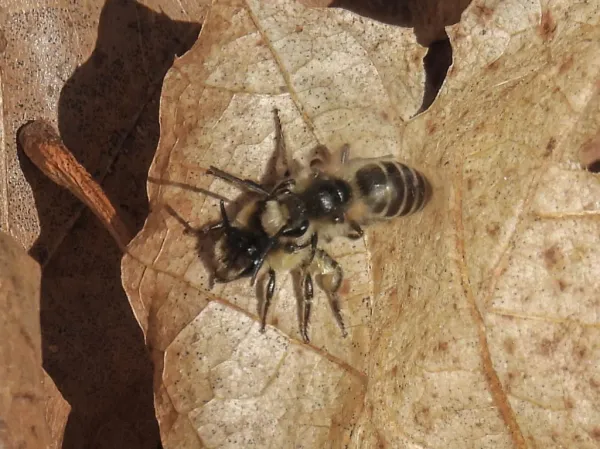
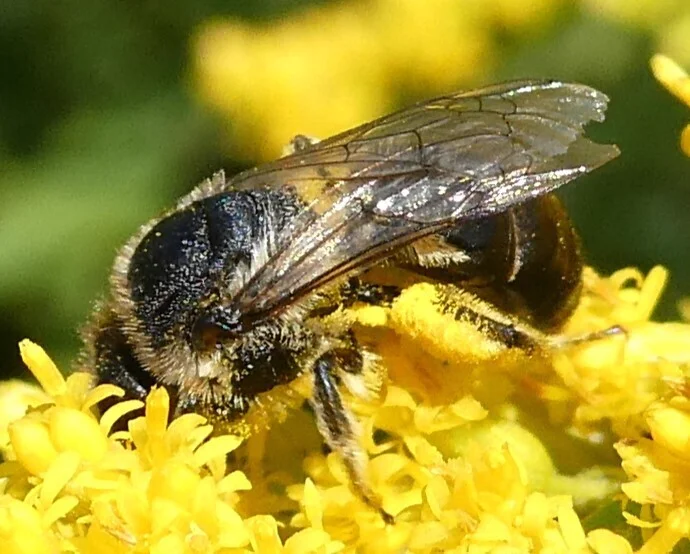
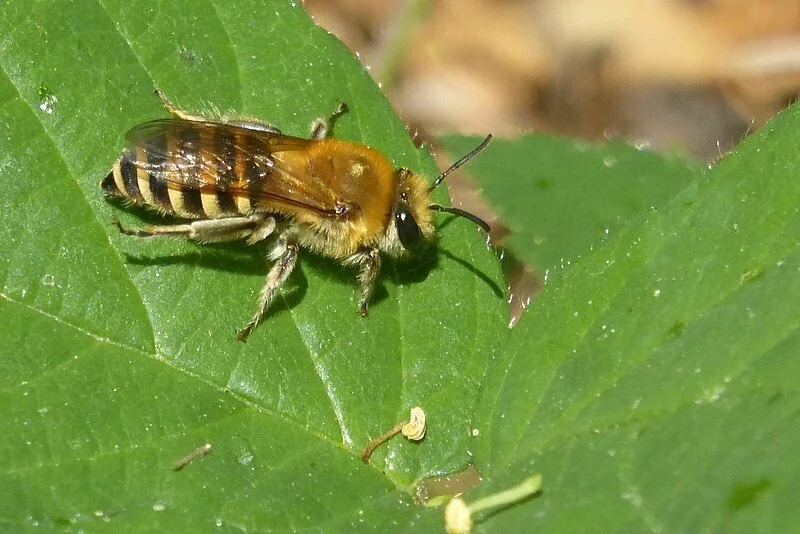
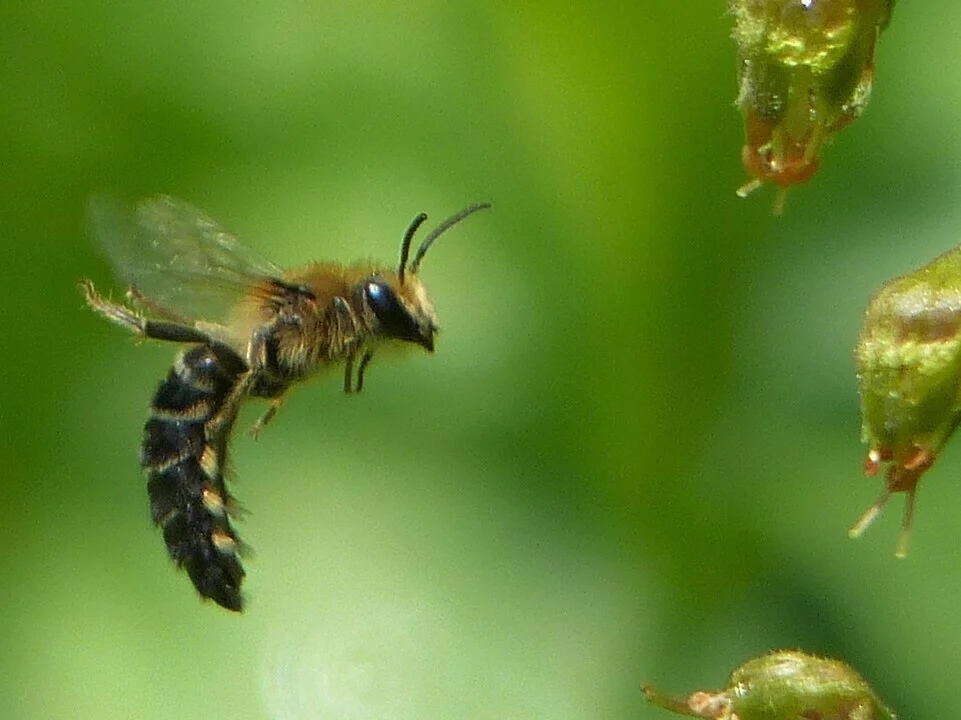
Cellophane Bees Coloration
Common color patterns to help identify cellophane bees
Cellophane Bees
Seasonal Activity
When cellophane bees are most active throughout the year

Where Cellophane Bees Are Found
Hover over states to see their names. Green regions indicate where cellophane bees have been reported.
Cellophane Bees Identification Guide
Physical Characteristics
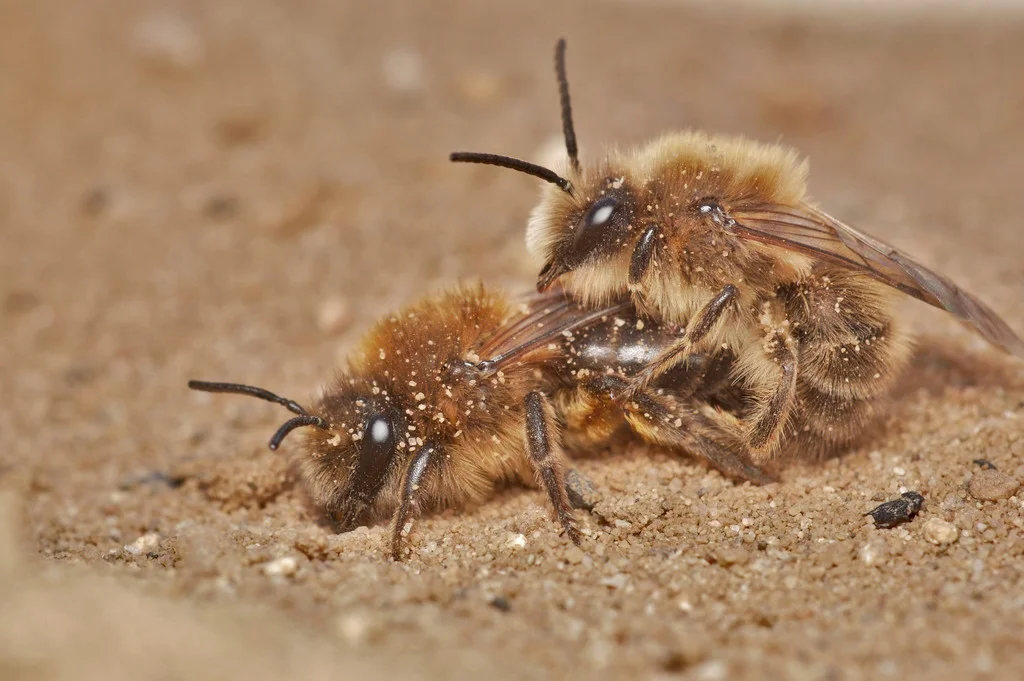
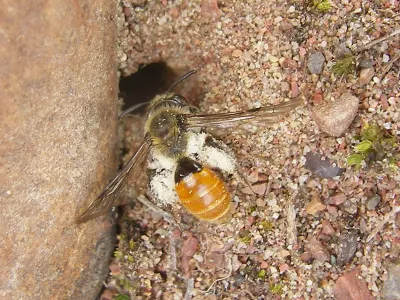
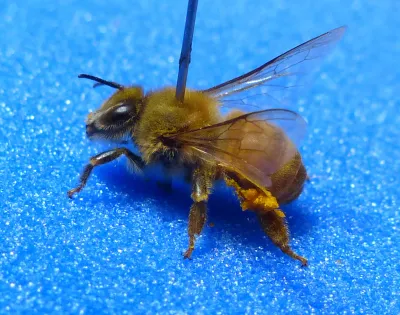
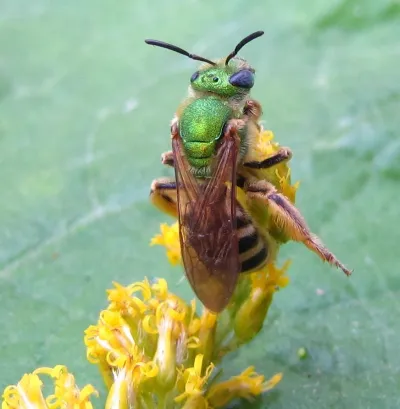
Cellophane bees look like small honey bees. Adults are 8 to 15 millimeters long. Males are smaller than females. Their bodies have dense hair that is whitish, light gray, or yellowish-brown on the thorax and head.
The face shape is the most helpful feature for telling them apart. Cellophane bees have heart-shaped faces. Their eyes slant toward each other, and the head narrows toward the jaw.
The abdomen shows pale hair bands at the end of each segment. This creates a striped look. The overall color is brownish-black with lighter hairs. They also have a two-lobed tongue, unlike many other bees.
Common Species in North America
There are about 100 species of cellophane bees in North America. Some of the most common include:
-
Unequal Cellophane Bee (Colletes inaequalis): The most common species. Active in early spring and often one of the first bees seen each year. Females are brownish with pale bands on the abdomen.
-
Polyester Bee (Colletes validus): A larger species at 13-14 mm. Found in the eastern United States and into Canada.
-
Late Cellophane Bee (Colletes compactus): Active in late summer and fall. Often visits goldenrod and aster flowers.
Cellophane Bees Behavior and Biology A related species, Masked Bees, shares similar characteristics.
Cellophane bees are solitary insects, similar to other ground bees. Each female builds her own nest without help from other bees. However, they tend to nest near each other. You may see a few to dozens of small holes in one area of your yard. A related species, Cuckoo Bees, shares similar characteristics.
Nesting Habits A related species, Long-Horned Bees, shares similar characteristics.
Female cellophane bees pick nesting sites in sandy soil that drains well and gets morning sun. Each female digs her own burrow that can go several inches deep. The soil she digs out forms a small mound around the entrance.
What makes these bees unique is the lining they make for their nest cells. The female puts out a material that dries into a waterproof coating. It looks like cellophane or plastic wrap. This coating protects the nest from moisture and mold.
Life Cycle
After preparing her nest cells, the female gathers pollen and nectar. She packs this food into each cell and lays one egg on top. Then she seals the cell with more of the waterproof lining. The larva hatches and eats the stored food through the summer.
The larvae spend the winter underground. Adult bees come out the following year when the weather is right. The adult stage lasts only 4-6 weeks. During this time, the bees mate and the females build new nests.
Foraging Behavior
Cellophane bees visit many types of flowers to gather pollen and nectar. Some species prefer certain plant families. Asters, goldenrods, and willows are common food sources.
Treatment Options for Cellophane Bees
Cellophane bees are solitary and rarely cause problems for homeowners. They do not guard their nests like wasps or yellowjackets. Most of the time, these bees can be left alone since they are active for only a few weeks.
When Treatment May Be Needed:
Treatment may be needed if the bees are nesting in a high-traffic area where someone could step on them. It may also be needed if someone in your home has a bee sting allergy. Even then, changing the habitat is often a good first step.
Habitat Changes:
Cellophane bees prefer bare, dry, sandy soil. Making the area less appealing can stop future nesting:
- Regular watering: Wet soil is less appealing to nesting females
- Thicken lawn cover: Seeding bare patches covers the soil they need
- Add mulch: Mulch over bare garden soil makes it less suitable for nests
Direct Treatment:
If direct treatment is necessary, residual insecticide can be applied to the soil around nest entrances. Treatment works best in the early evening when bees have returned to their burrows. Since cellophane bees are solitary, each nest must be treated one at a time.
What to Expect:
Cellophane bee activity is short-term. Most species are only active for 4-6 weeks. After the females finish nesting, the adult bees die off. The new bees will not come out until next year. This gives you time to change the habitat if you want to stop future nesting.
References
Other Bees
Explore other species in the bees family
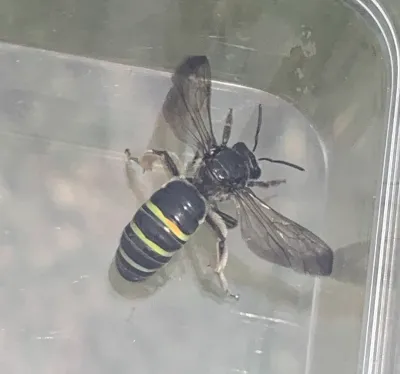
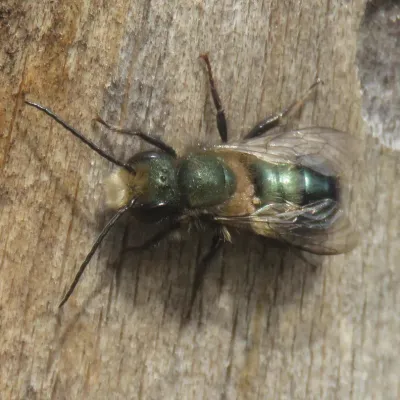
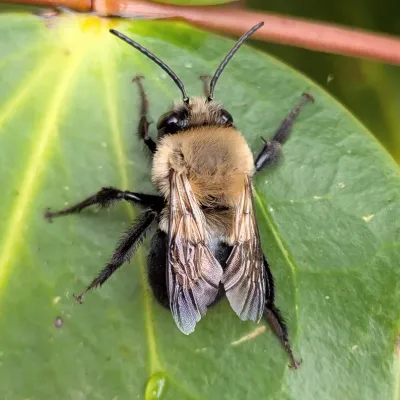
Commonly Confused With
Cellophane Bees are often mistaken for these similar pests
Where Cellophane Bees Are Found
Hover over states to see their names. Green regions indicate where cellophane bees have been reported.
Common Questions about Cellophane Bees
What are cellophane bees?
+
Cellophane bees are solitary ground-nesting bees in the genus Colletes. They get their name from the cellophane-like material they secrete to waterproof and protect their underground nest cells. This material is actually a type of natural polyester.
Are cellophane bees dangerous?
+
No, cellophane bees are not aggressive and rarely sting. Female cellophane bees can sting if directly handled, but they have no nest-guarding instinct and will not attack people walking near their burrows. Male cellophane bees cannot sting at all.
Do cellophane bees damage my lawn?
+
No, cellophane bees do not damage lawns. Their small burrows can actually help aerate the soil. The bees are only active for a short period each year, and the small mounds of soil around their nest entrances will naturally settle over time.
How can I tell cellophane bees apart from other bees?
+
Cellophane bees have heart-shaped faces with eyes that slant toward each other. They are similar in size to honeybees but have distinctive pale hair bands on their abdomen. Their bodies are covered in fine, light-colored hair on the thorax and head.
When are cellophane bees most active?
+
Different cellophane bee species are active at different times. Some emerge very early in spring, while others are active in late summer or fall. The unequal cellophane bee (Colletes inaequalis) is one of the earliest, appearing around early April.
Why do cellophane bees nest in groups?
+
While each female digs her own individual nest, cellophane bees tend to nest gregariously. This means many females choose nearby spots to nest, creating aggregations that can include dozens of nest holes in a small area. This is normal behavior and not a sign of a colony or infestation.
Should I remove cellophane bees from my yard?
+
It depends on the situation. Cellophane bees pose little risk to people and are only active for a few weeks each year. If they are nesting in a high-traffic area or someone in your home has a bee sting allergy, treatment options are available.
What do cellophane bees eat?
+
Adult cellophane bees feed on nectar, while their larvae feed on a mixture of pollen and nectar that the female provisions in each nest cell. Many species are somewhat specialized, preferring flowers from certain plant families like asters.

With five years of hands-on experience in the pest control industry, George Schulz is a registered technician with the Virginia Pest Management Association and a proud third-generation professional in a family business that's been protecting homes for over 57 years. He manages and trains a team of service pros while also leading internal research efforts—recently spearheading a deep-dive review of thousands of documents on pest control materials to hand-pick the most kid and pet friendly, most effective solutions tailored specifically for homes in the DC metro area.