Chimney Swift Bugs Identification Guide
Cimexopsis nyctalis
Chimney swift bugs are blood-feeding parasites in the bed bug family that primarily live in chimney swift nests. When their bird hosts migrate or are excluded, these pests may enter homes seeking alternate blood meals.
Taxonomy
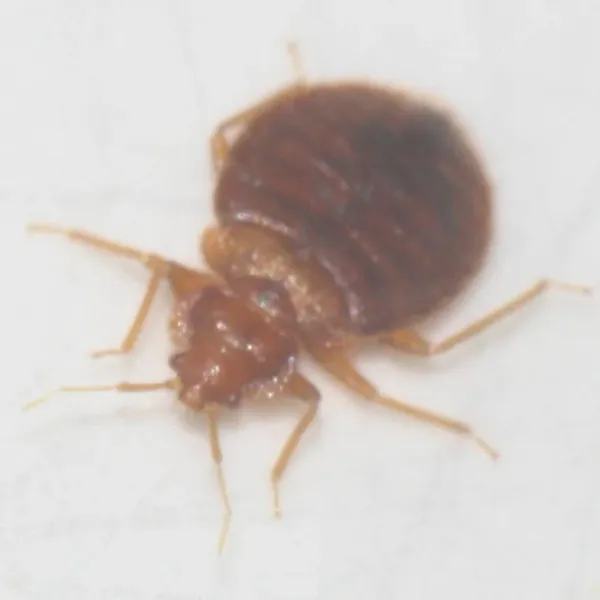
Chimney Swift Bugs Coloration
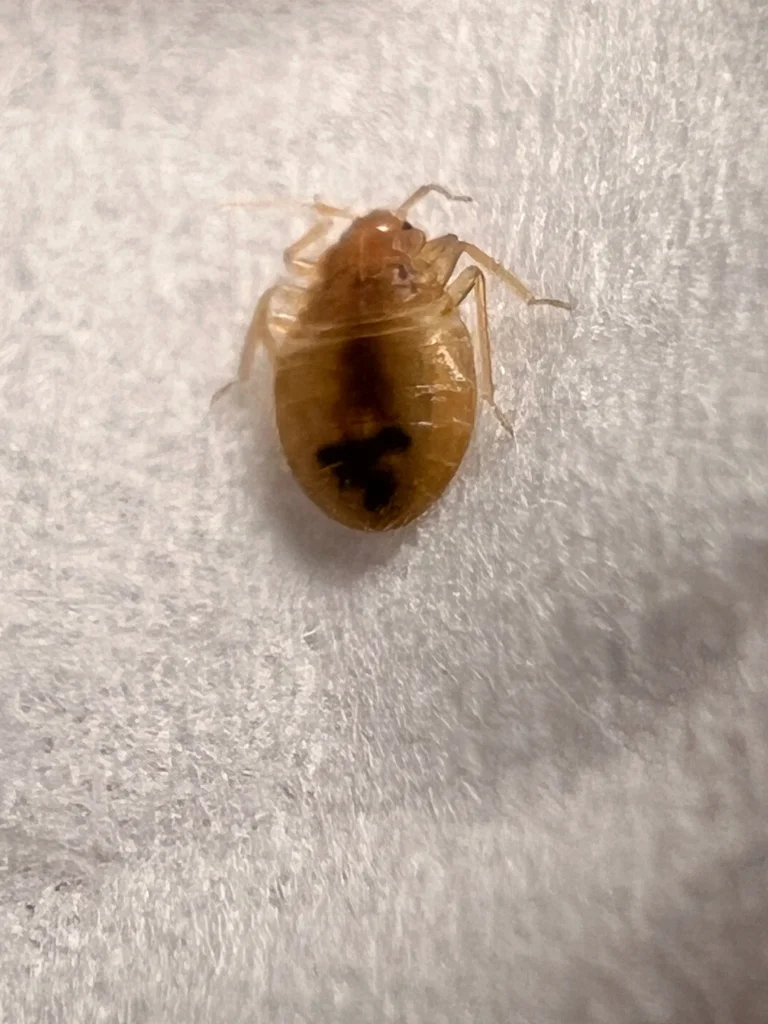
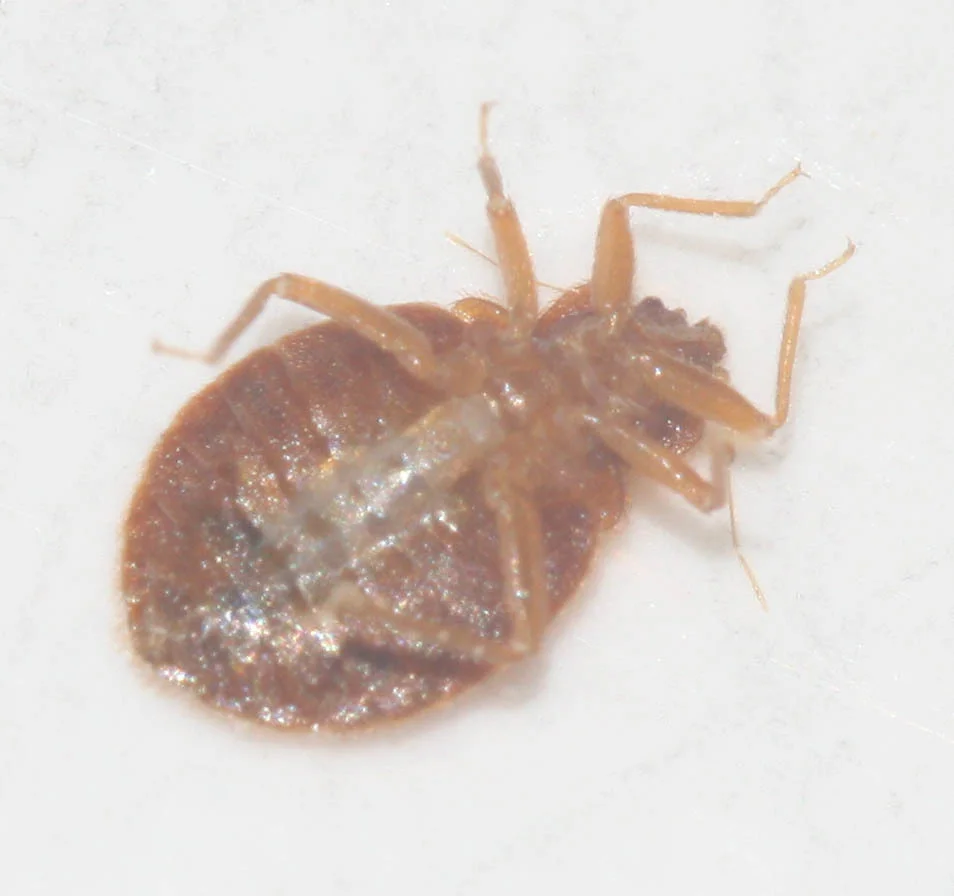
Common color patterns to help identify chimney swift bugs
Chimney Swift Bugs
Seasonal Activity
When chimney swift bugs are most active throughout the year

Where Chimney Swift Bugs Are Found
Hover over states to see their names. Green regions indicate where chimney swift bugs have been reported.
Chimney Swift Bug Identification Guide
Physical Characteristics
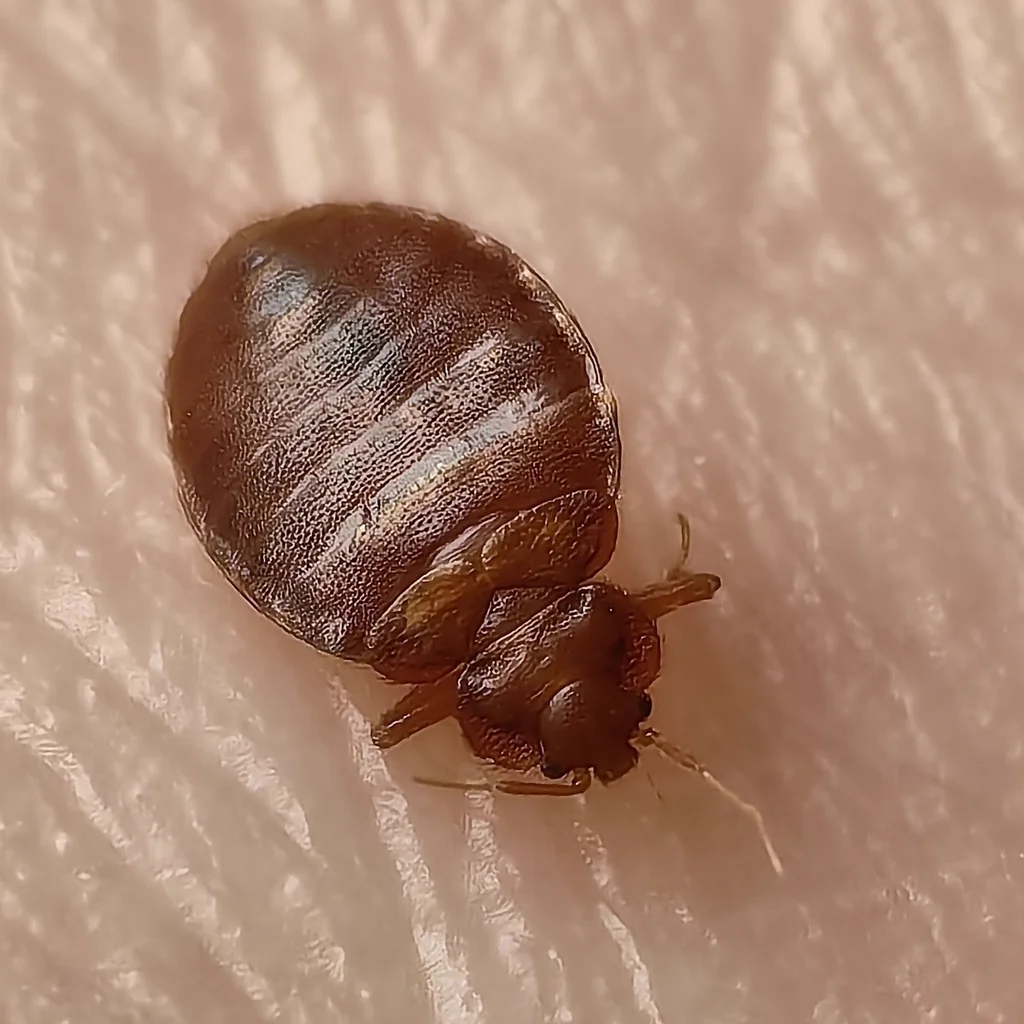
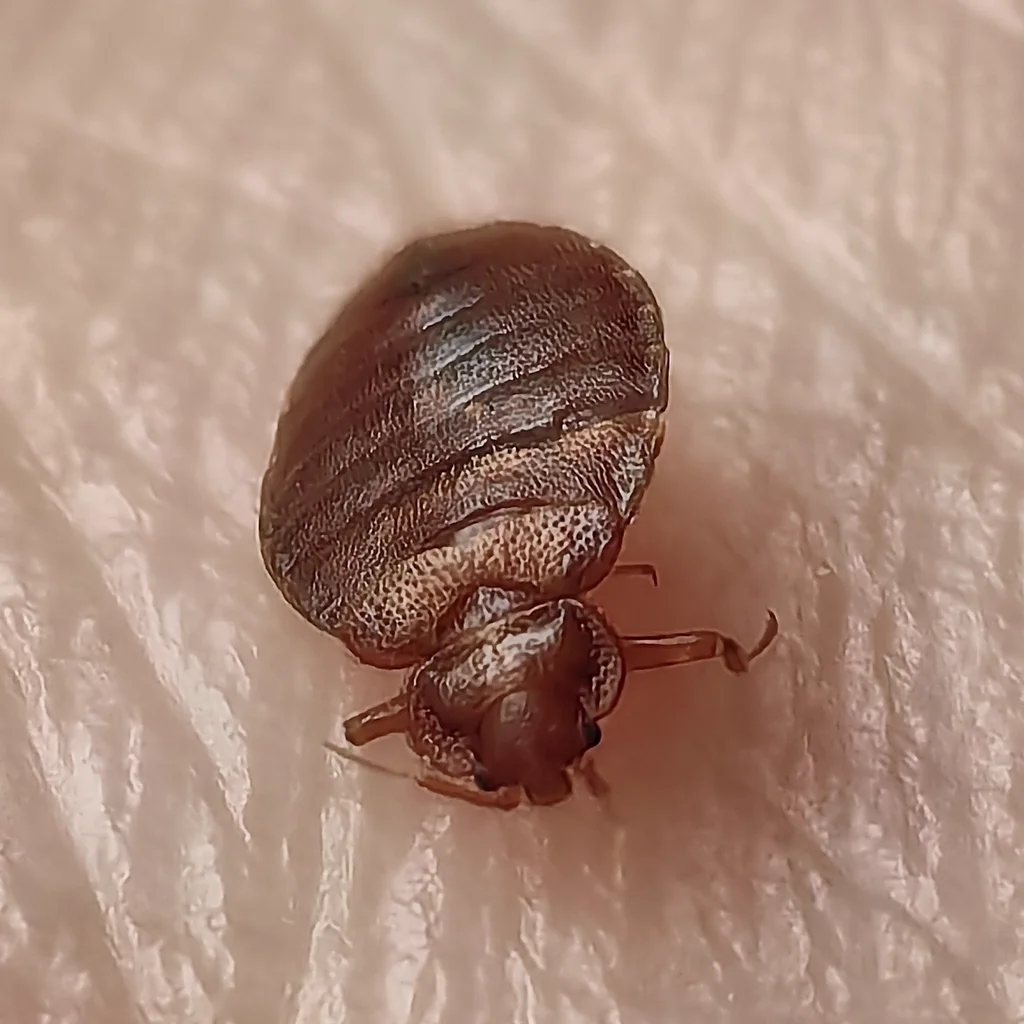
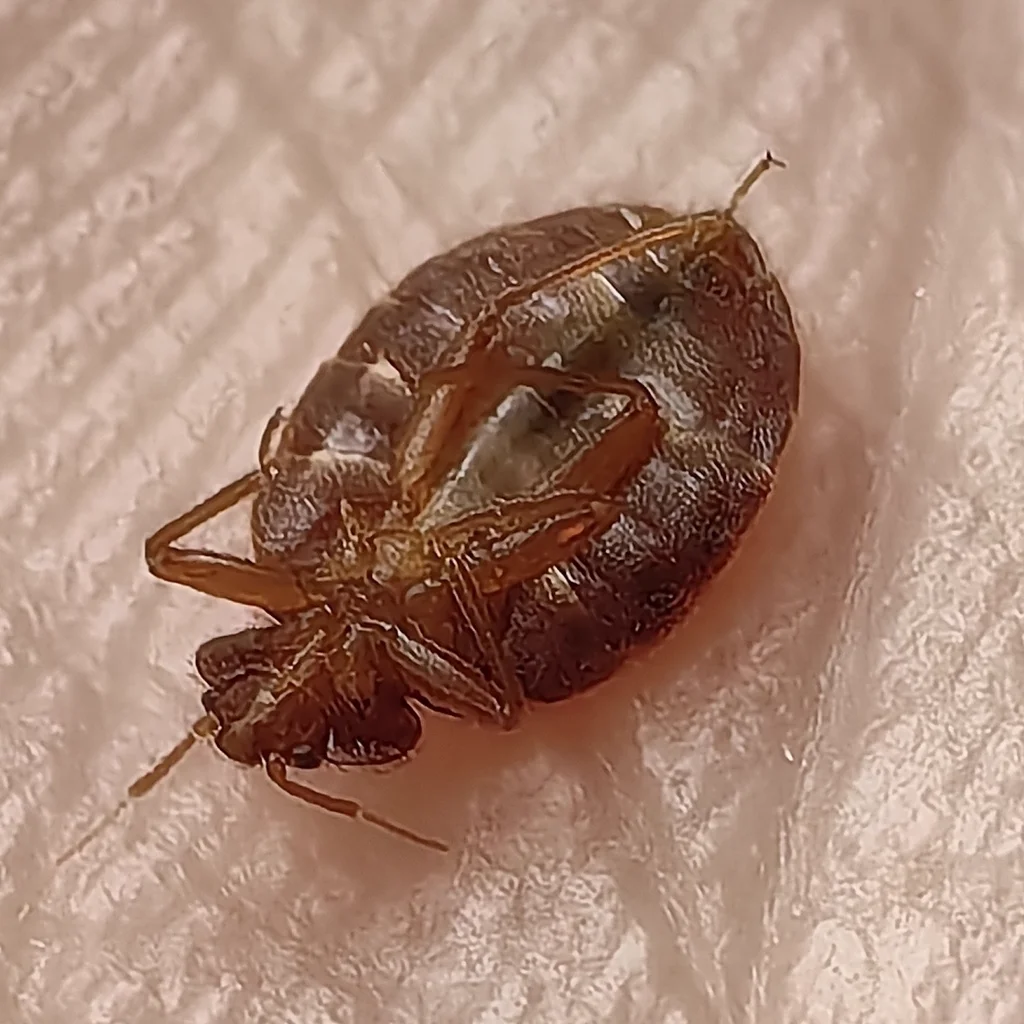
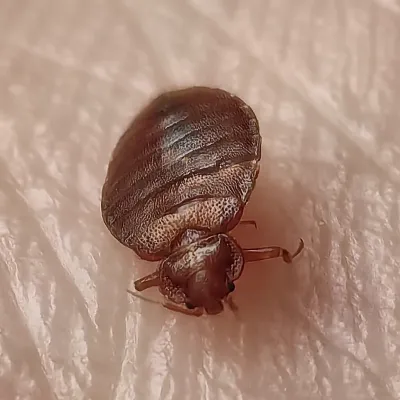
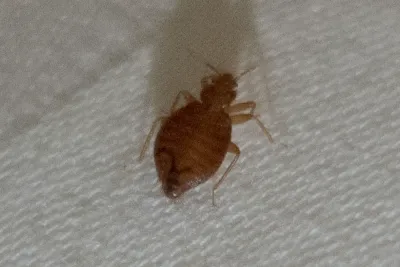
Chimney swift bugs (Cimexopsis nyctalis) are small insects about the size of an apple seed. They measure 3 to 5 millimeters long. These bugs have flat, oval bodies that help them hide in tight spaces in bird nests. Their color ranges from tan to reddish-brown. After feeding on blood, they turn darker. Like bed bugs, they have six legs and two antennae.
You can tell chimney swift bugs apart from bed bugs by looking at their antennae. Our pictures of bed bugs guide can help with visual comparison. The last two segments are equal in length. In bed bugs, these segments are different sizes. You may also notice chimney swift bugs are slightly smaller. However, the differences are hard to see without a microscope.
How to Tell Chimney Swift Bugs from Similar Pests
Chimney swift bugs are in the same family as bed bugs, bat bugs, and swallow bugs. All of these bugs look alike and feed on blood. The easiest way to tell them apart is by where you find them and how they act:
- Location: Chimney swift bugs are found near chimneys, on upper floors, or in areas where birds have nested. Bed bugs stay near beds and couches.
- Activity: Chimney swift bugs are often active during the day. You may see them crawling on walls in daylight. Bed bugs come out mostly at night.
- Season: Chimney swift bugs show up in spring and fall when birds migrate.
The main difference from bat bugs and swallow bugs is the host. Chimney swift bugs feed on chimney swifts. Bat bugs feed on bats. Swallow bugs feed on swallows.
Species Information
Cimexopsis nyctalis is found across eastern and central North America. It lives wherever chimney swifts (Chaetura pelagica) are present. The range spans from southern Canada through the eastern United States and into parts of Mexico. This bug feeds only on chimney swifts and is rarely found with other bird species.
Chimney Swift Bug Behavior and Biology
The Chimney Swift Connection
To understand these bugs, you need to know about their hosts. Chimney swifts are small birds that spend summers in eastern North America. They fly to South America for winter. Long ago, these birds nested in hollow trees. Today, they nest in chimneys. A single chimney may hold dozens of swifts. This creates a perfect home for their parasites. A related species, Eastern Bat Bug, shares similar characteristics.
Chimney swift bugs live in the bird nests. They hide in cracks during the day. At night, they come out to feed on the roosting birds. Their flat bodies help them squeeze into tiny spaces in the nest. A related species, Tropical Bed Bugs, shares similar characteristics.
Lifecycle and Reproduction Learn more about this pest family in our Bed Bug guide.
Chimney swift bugs have three life stages: egg, nymph, and adult. Females lay eggs in hidden spots within the nest. The eggs hatch into nymphs that look like small adults. Nymphs must feed on blood at least once before each of five molts. After the fifth molt, they become adults. For more information, read our guide on How To Kill Boxelder Bugs: Get Rid Of Them For Good.
The bug lifecycle follows the birds. Bug numbers grow in summer when birds nest. They drop in winter when birds are gone. Unlike bed bugs, chimney swift bugs need bird blood to breed. They cannot reproduce on human blood.
Survival Without Hosts
When chimney swifts migrate south for winter, the bugs face months without food. They can survive long periods without eating by going dormant. This lets them wait in empty nests until the birds come back in spring. But some bugs will leave the nest to look for other hosts. This is when they become a problem in homes.
Why They Enter Homes
Chimney swift bugs enter homes when they are hungry and their bird hosts are gone. This usually happens when:
- Chimney swifts have left for the season
- Birds are blocked from the chimney by a cap or other barrier
- The nest is disturbed or removed while bugs are still there
- Bad weather keeps swifts away from the nest
Once inside, the bugs look for warmth and hosts. You may find them on walls, ceilings, and near windows.
Treatment Methods for Chimney Swift Bugs
Solving a chimney swift bug problem takes two steps. First, treat the bugs already inside. Second, keep birds from nesting in the chimney again.
Addressing the Source
The most important step is to stop chimney swifts from nesting in your chimney. But you must do this carefully and legally. Chimney swifts are protected by the federal Migratory Bird Treaty Act. It is illegal to harm the birds, their nests, or their eggs during nesting season. Timing matters:
- Best timing: Work after birds migrate in September or October. Finish before they return in March or April.
- Chimney caps: Install a cap after the birds leave to prevent future nesting
- Professional help: Hire a wildlife control expert who knows protected bird rules
Interior Treatment Options
When chimney swift bugs have entered your home, several treatment options can help:
- Residual treatments: Applying insecticides around entry points and places where bugs are found
- Dust products: Work well for treating wall voids and hard-to-reach areas near the chimney
- Vacuuming: Removes visible bugs, especially when many are present
- Heat treatment: May work in severe cases
Chimney swift bugs respond well to standard insecticides. Unlike bed bugs, they have not built up resistance to these products. This makes them easier to treat.
Prevention Tips
To keep chimney swift bugs out long-term:
- Chimney cap: Install and maintain a properly fitted cap
- Seal gaps: Caulk any openings around the chimney where it meets walls and ceilings
- Check seasonally: Look for bug activity in spring and fall when birds migrate
- Close dampers: Keep fireplace dampers shut when not in use to block bugs
What to Expect
Chimney swift bug problems usually fix themselves over time. These bugs cannot breed on human blood. Once you remove the bird nest and seal entry points, bug numbers will drop. But these bugs can live for months without food. Complete removal may take time. Stick with prevention measures for the best results.
References
Other Bed Bugs
Explore other species in the bed bugs family
Commonly Confused With
Chimney Swift Bugs are often mistaken for these similar pests
Where Chimney Swift Bugs Are Found
Hover over states to see their names. Green regions indicate where chimney swift bugs have been reported.
Common Questions about Chimney Swift Bugs
What is a chimney swift bug?
+
A chimney swift bug (Cimexopsis nyctalis) is a blood-feeding parasite closely related to bed bugs. It primarily feeds on chimney swifts, small migratory birds that commonly nest in chimneys. When the birds are absent, these bugs may enter homes searching for an alternate blood meal.
Can chimney swift bugs bite humans?
+
Yes, chimney swift bugs can and will bite humans when their preferred bird hosts are unavailable. The bites cause red, itchy welts similar to bed bug bites. However, these bugs cannot reproduce without feeding on bird blood, so infestations typically resolve once the bird source is addressed.
How do chimney swift bugs get into homes?
+
Chimney swift bugs live in the nests of chimney swifts, which often build in residential chimneys. When the birds migrate south in fall or are excluded from the chimney, the bugs lose their food source and travel down through the chimney or through cracks in walls to find new hosts.
What is the difference between chimney swift bugs and bed bugs?
+
Chimney swift bugs and bed bugs look nearly identical to the naked eye and are in the same family. Key differences include size (chimney swift bugs are slightly smaller), their last two antennal segments being equal in length, and their location. Chimney swift bugs are found near chimneys or bird nesting sites, while bed bugs live near human sleeping areas.
Are chimney swift bugs active during the day?
+
Unlike bed bugs which are primarily nocturnal, chimney swift bugs are often seen crawling on walls during daytime hours. This is one behavioral difference that can help distinguish them from bed bugs if you notice small bugs in your home.
When are chimney swift bugs most likely to enter my home?
+
Chimney swift bugs are most likely to invade homes in late spring before swifts return and in fall after the birds have migrated south. The peak activity occurs when the bugs are searching for food because their bird hosts are absent.
How do I prevent chimney swift bugs?
+
The best prevention is installing a chimney cap after chimney swifts have migrated for the season. This prevents the birds from nesting in your chimney the following year. Note that chimney swifts are protected under the Migratory Bird Treaty Act, so you cannot disturb active nests.
Do chimney swift bugs spread diseases?
+
Chimney swift bugs are not known to transmit diseases to humans. While their bites can cause discomfort and skin irritation, they do not pose a disease transmission risk. The main concern is the nuisance of finding them in your home.

With five years of hands-on experience in the pest control industry, George Schulz is a registered technician with the Virginia Pest Management Association and a proud third-generation professional in a family business that's been protecting homes for over 57 years. He manages and trains a team of service pros while also leading internal research efforts—recently spearheading a deep-dive review of thousands of documents on pest control materials to hand-pick the most kid and pet friendly, most effective solutions tailored specifically for homes in the DC metro area.