Bat Bugs Identification Guide
Cimex adjunctus / Cimex pilosellus
Bat bugs are blood-feeding parasites closely related to bed bugs that primarily feed on bats but can bite humans when their preferred hosts are absent.
Taxonomy
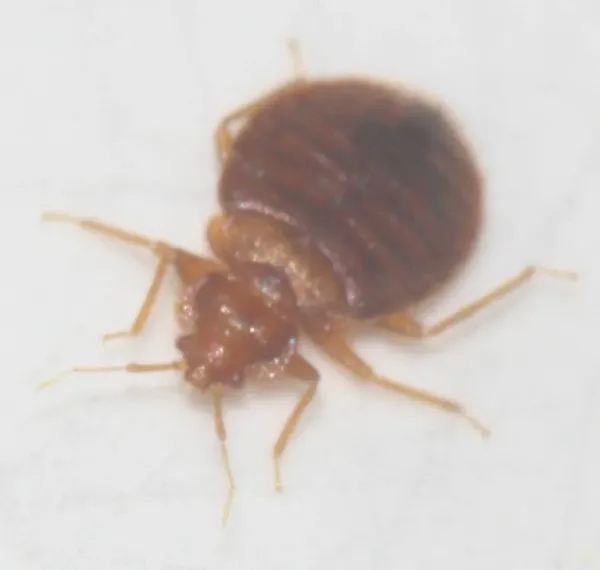
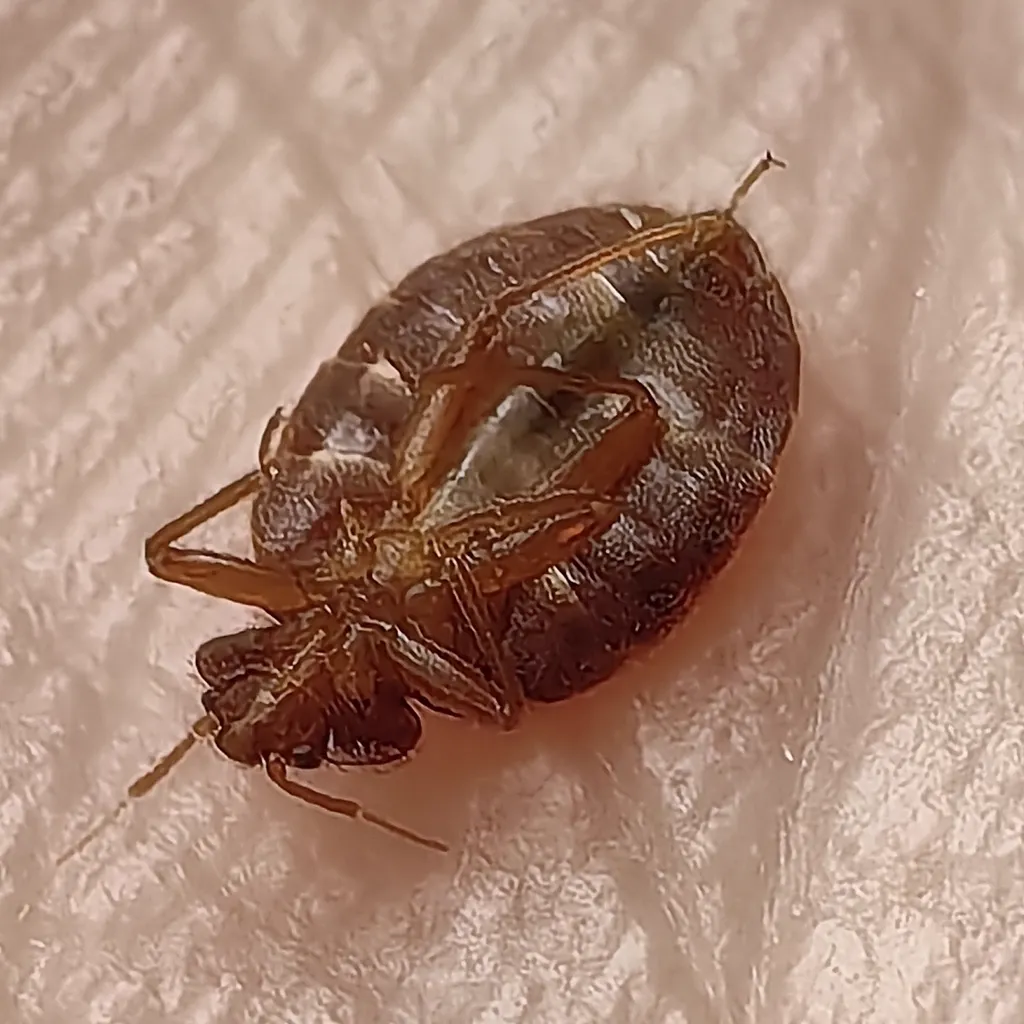
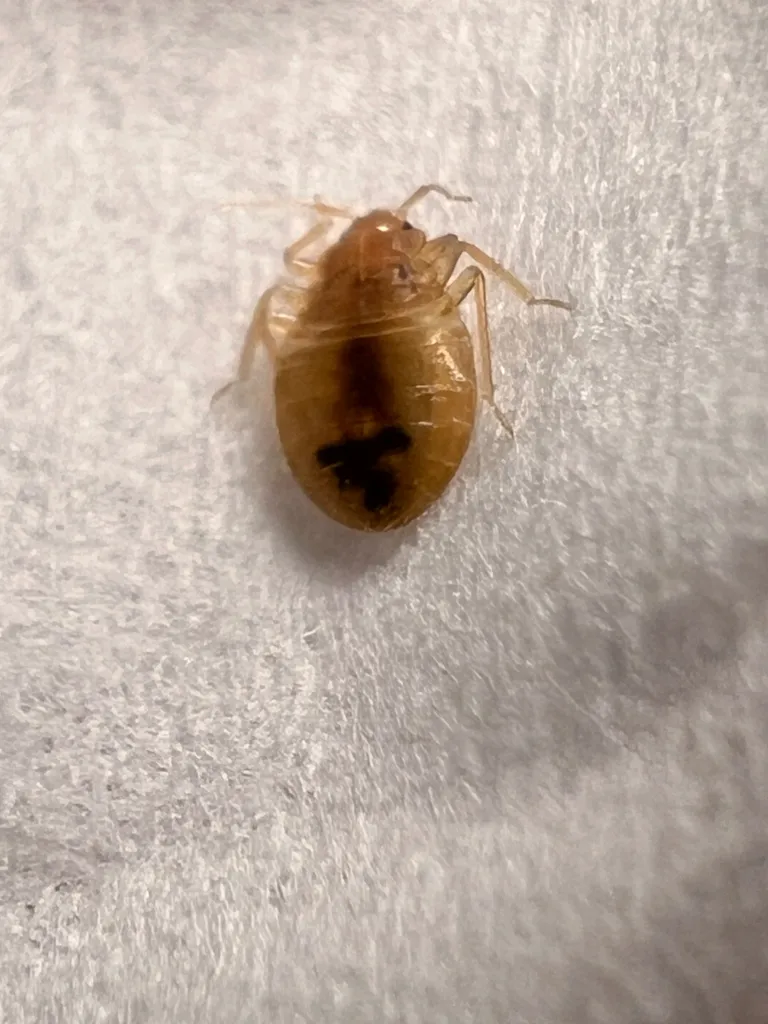
Bat Bugs Coloration
Common color patterns to help identify bat bugs
Bat Bugs
Seasonal Activity
When bat bugs are most active throughout the year

Where Bat Bugs Are Found
Hover over states to see their names. Green regions indicate where bat bugs have been reported.
Bat Bug Identification Guide
Physical Characteristics
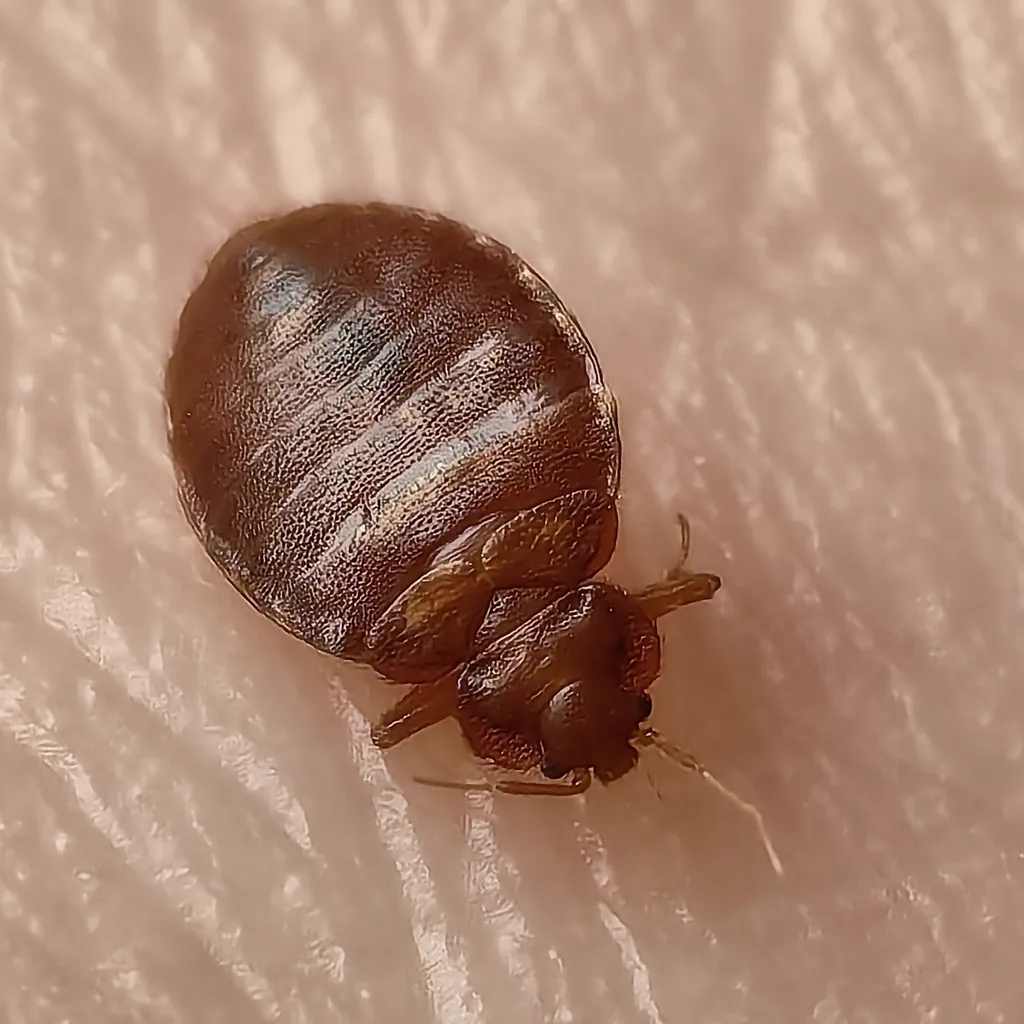
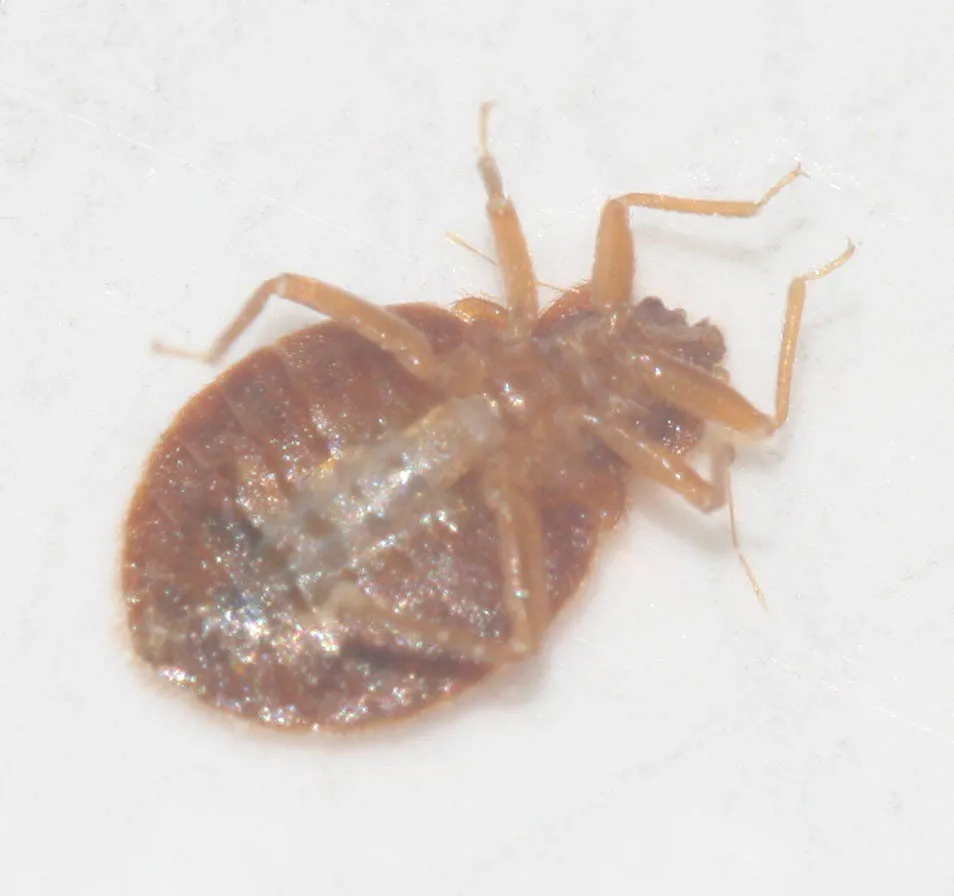
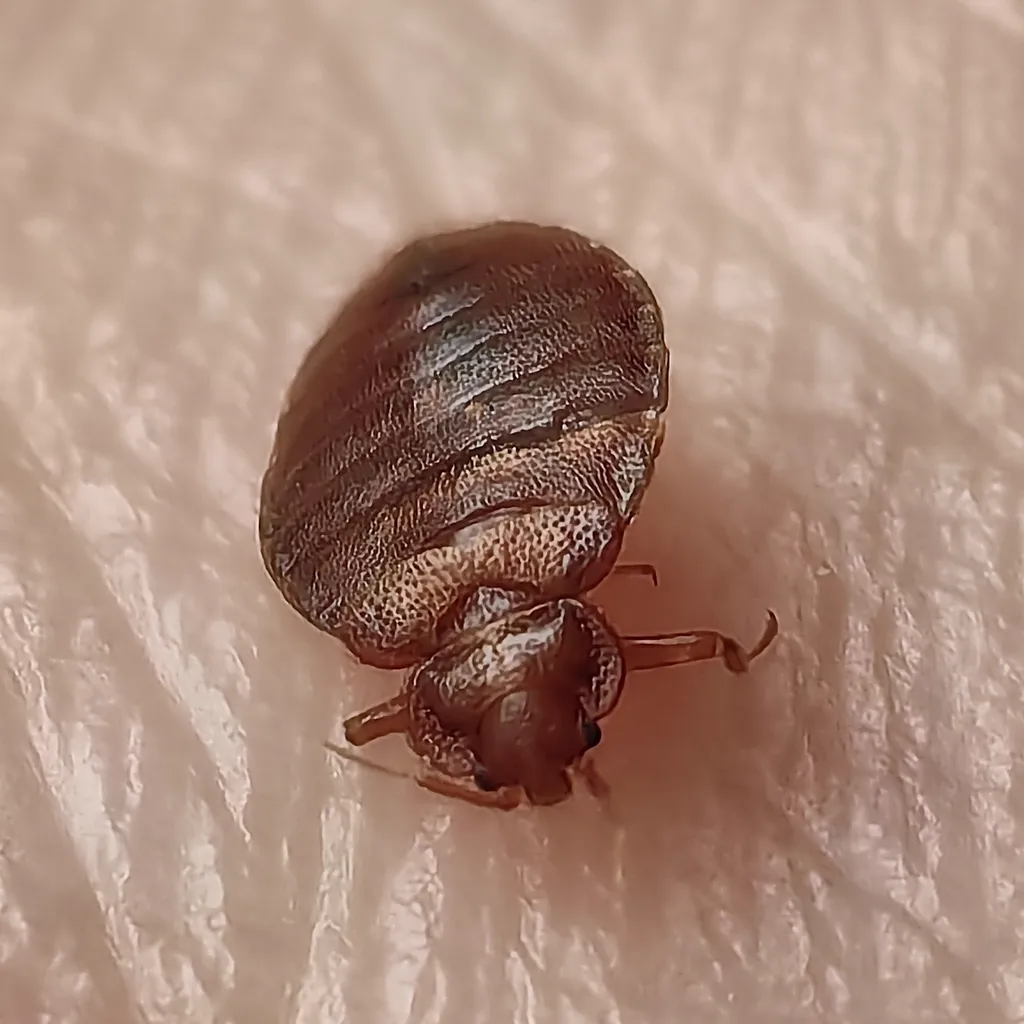
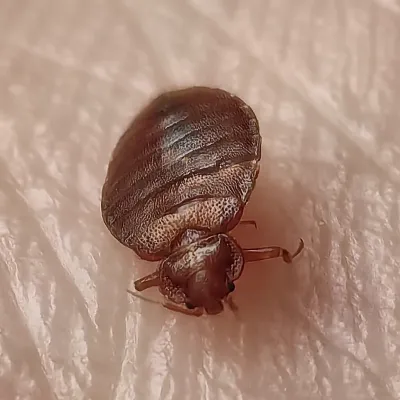
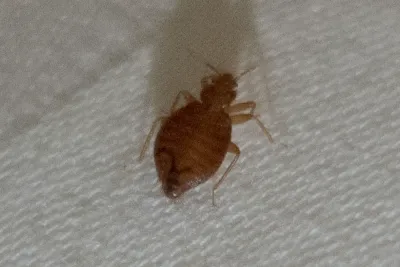
Bat bugs are small, flat insects shaped like an oval. They measure 4 to 6 millimeters long, about the size of an apple seed. Their color ranges from light brown to reddish-brown and gets darker after they feed. Fine hairs cover their bodies. They have six legs and two short antennae.
The main way to tell bat bugs apart from bed bugs is by looking at the hairs on their upper body. Bat bugs have longer hairs on their pronotum (the plate behind their head). These hairs are longer than the width of their eyes. Bed bugs have much shorter hairs in this area. You need a microscope to see this difference clearly.
To the naked eye, bat bugs and bed bugs look almost the same. Other pests in the same family include chimney swift bugs and swallow bugs. All of these have flat bodies without wings. This flat shape lets them squeeze into tiny cracks. After feeding on blood, both bugs swell up and turn a darker red color.
Common Species
Two species of bat bugs live in North America:
-
Eastern Bat Bug (Cimex adjunctus): This species is found mainly in the eastern United States and Canada. It is the most common bat bug in homes east of the Rocky Mountains.
-
Western Bat Bug (Cimex pilosellus): This species lives in western and central North America. It acts much like its eastern cousin but lives in a different area.
Both species feed only on bats in the wild. They act the same way when they come into contact with people.
Bat Bug Behavior and Biology
Bat bugs live with bat colonies and feed on their blood. They hide in cracks and gaps near where bats roost during the day. At night, they come out to feed on sleeping bats. A single feeding takes about 3 to 15 minutes. After eating, the bat bug goes back into hiding to digest its meal. A related species, Tropical Bed Bugs, shares similar characteristics.
Lifecycle and Reproduction Learn more about this pest family in our Bed Bug guide.
Bat bugs go through five growth stages before becoming adults. At each stage, they must feed on blood at least once to grow to the next size. Young bat bugs (called nymphs) look like small adults. They are lighter in color and almost see-through until they feed. For more information, read our guide on How To Kill Boxelder Bugs: Get Rid Of Them For Good.
Female bat bugs can lay up to 5 eggs per day. They place their eggs in hidden spots near the bat roost. Eggs hatch in 5 to 7 days when conditions are right. The full life cycle from egg to adult takes 30 to 200 days. This depends on temperature and how often they can feed. With steady access to bats, bat bugs can breed all year long.
When Bat Bugs Become a Problem
Bat bugs start to bother people when their bat hosts go away. This can happen when:
- Bats fly south for the season
- Pest control or wildlife experts remove bats from a building
- The bat group moves to a new location on its own
- Hot weather makes bats leave their roost more often
When bat bugs cannot find bats, they get hungry and start looking for other hosts. They may crawl through walls, along pipes, or through cracks to reach rooms where people live. Bat bugs can and will bite people. But they cannot have babies without bat blood. This means the problem will go away on its own once the bats are gone.
Treatment Methods for Bat Bugs
Getting rid of bat bugs requires two things: treating the bugs and solving the bat problem. This two-step approach is what makes bat bug treatment different from bed bug treatment.
Step 1: Bat Removal and Exclusion
The first and most important step is getting the bats out of the building in a humane way. All bat species in North America are protected by law. You cannot kill them. Wildlife control experts use special one-way doors. These let bats fly out but stop them from coming back in. The best time to do this is late summer or early fall. Young bats need to be old enough to fly, but you want to act before bats start their winter sleep.
After the bats leave, all entry points must be sealed for good. Common ways bats get in include gaps in rooflines, broken soffit vents, open chimneys, and holes around pipes and wires.
Step 2: Treating the Roost Area
After the bats are gone, the area where they lived needs to be treated. This usually includes:
- Spray treatments on cracks, gaps, and surfaces where bat bugs hide
- Dust products in wall spaces and hard-to-reach areas
- Cleaning up bat droppings and debris that may hold bat bugs and their eggs
One bit of good news: bat bugs have not built up resistance to pesticides like bed bugs have. They have not been exposed to these products over and over. This means treatments work better on bat bugs than on bed bugs.
Step 3: Keeping Bat Bugs Out of Living Spaces
While treatment is working, you want to keep bat bugs from reaching bedrooms and other rooms:
- Seal gaps around baseboards, outlets, and light fixtures
- Treat pathways between upper areas and living spaces
- Watch for bat bug activity with sticky traps or by checking areas by eye
Why Professional Help Matters
Correct identification is key before you start any treatment. Our guide with pictures of bed bugs can help you compare. If you treat for bed bugs when you really have bat bugs, you waste time and money. The bat problem will still be there. Also, trying to remove bats without training can break wildlife laws or trap bats inside your home.
A pest control expert can figure out which bug you have. They can work with wildlife specialists to remove bats the right way. Then they can set up a treatment plan that works.
References
Other Bed Bugs
Explore other species in the bed bugs family
Where Bat Bugs Are Found
Hover over states to see their names. Green regions indicate where bat bugs have been reported.
Common Questions about Bat Bugs
What is the difference between bat bugs and bed bugs?
+
Bat bugs and bed bugs look nearly identical to the naked eye. The key difference is the length of hairs on the pronotum (upper thorax). Bat bugs have longer hairs that extend beyond the width of their eyes, while bed bugs have shorter hairs. A microscope is typically required to tell them apart. Behaviorally, bat bugs prefer to feed on bats, while bed bugs prefer humans.
Can bat bugs bite humans?
+
Yes, bat bugs can and will bite humans when their preferred bat hosts are not available. This commonly happens when bats leave a roost or are removed from a building. However, bat bugs cannot reproduce without feeding on bat blood, so infestations die out once the bat source is eliminated.
How do bat bugs get into homes?
+
Bat bugs enter homes by living in bat roosts located in attics, wall voids, chimneys, or other protected areas. When bats migrate, hibernate, or are excluded from the building, hungry bat bugs may travel into living spaces searching for an alternative blood meal.
Do bat bugs spread diseases?
+
Bat bugs are not known to transmit diseases to humans. While their bites can cause redness, itching, and swelling similar to bed bug bites, they do not spread pathogens. Some people may have allergic reactions to the bites.
How do I get rid of bat bugs?
+
Eliminating bat bugs requires a two-step approach. First, bats must be humanely excluded from the building since they are the primary food source. Second, the areas where bats roosted must be treated and cleaned. Without addressing the bat problem, bat bug issues will continue to recur.
Why is proper identification important for bat bugs?
+
Proper identification is crucial because bat bugs and bed bugs require different treatment approaches. Treating for bed bugs when you actually have bat bugs wastes time and money since the bat source remains unaddressed. A pest control professional can help identify which pest you are dealing with.

With five years of hands-on experience in the pest control industry, George Schulz is a registered technician with the Virginia Pest Management Association and a proud third-generation professional in a family business that's been protecting homes for over 57 years. He manages and trains a team of service pros while also leading internal research efforts—recently spearheading a deep-dive review of thousands of documents on pest control materials to hand-pick the most kid and pet friendly, most effective solutions tailored specifically for homes in the DC metro area.