Masked Hunter Identification Guide
Reduvius personatus
The masked hunter is an assassin bug known for its painful bite and its nymphs' unique habit of covering themselves with dust and debris for camouflage.
Taxonomy
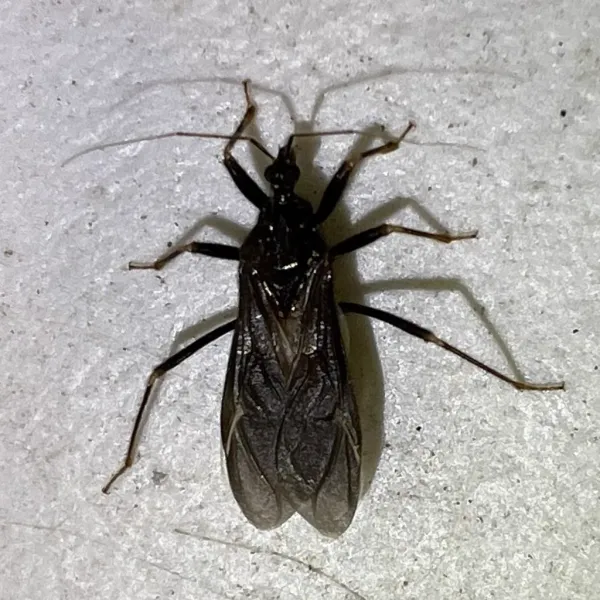
Masked Hunter Coloration
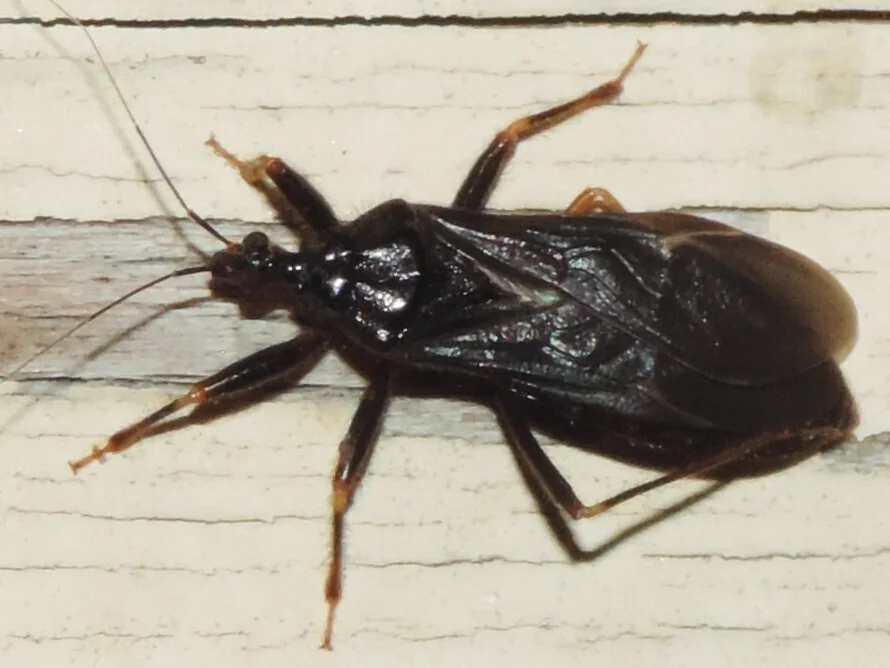
Common color patterns to help identify masked hunter
Masked Hunter
Seasonal Activity
When masked hunter are most active throughout the year


Where Masked Hunter Are Found
Hover over states to see their names. Green regions indicate where masked hunter have been reported.
Masked Hunter Identification Guide
Physical Characteristics
The masked hunter is a medium to large assassin bug measuring 17 to 22 millimeters in length. Adults have uniformly dark brown to black coloring with an elongated, oval-shaped body. Their most recognizable features include a relatively small head with wide-set eyes, a distinct neck region, and a short three-segmented beak used for feeding. The thorax is darker and shinier than the rest of the body, with two noticeable protuberances on the upper surface. Their abdomen is wide and extends beyond the wings along the sides, revealing the lateral margins of the abdominal segments.
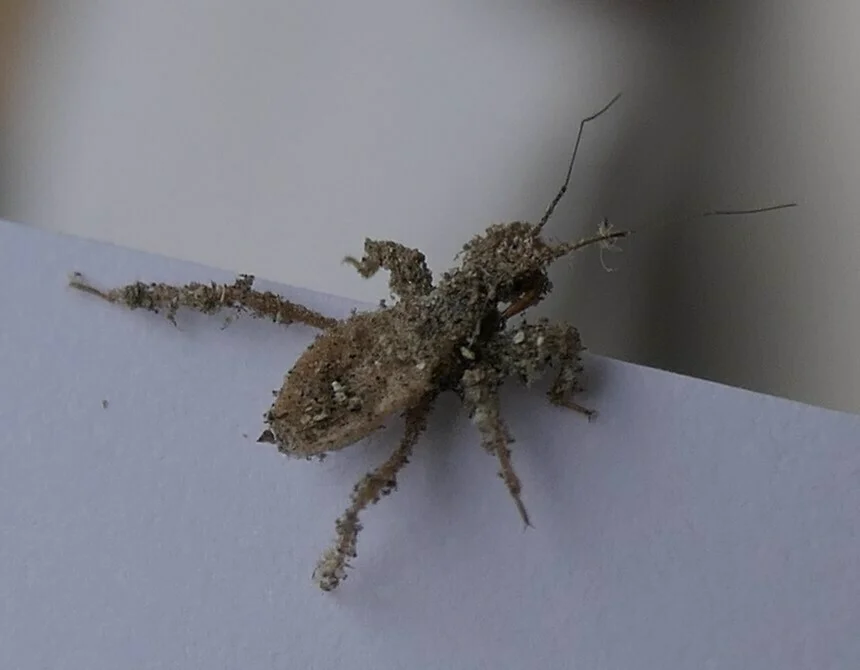
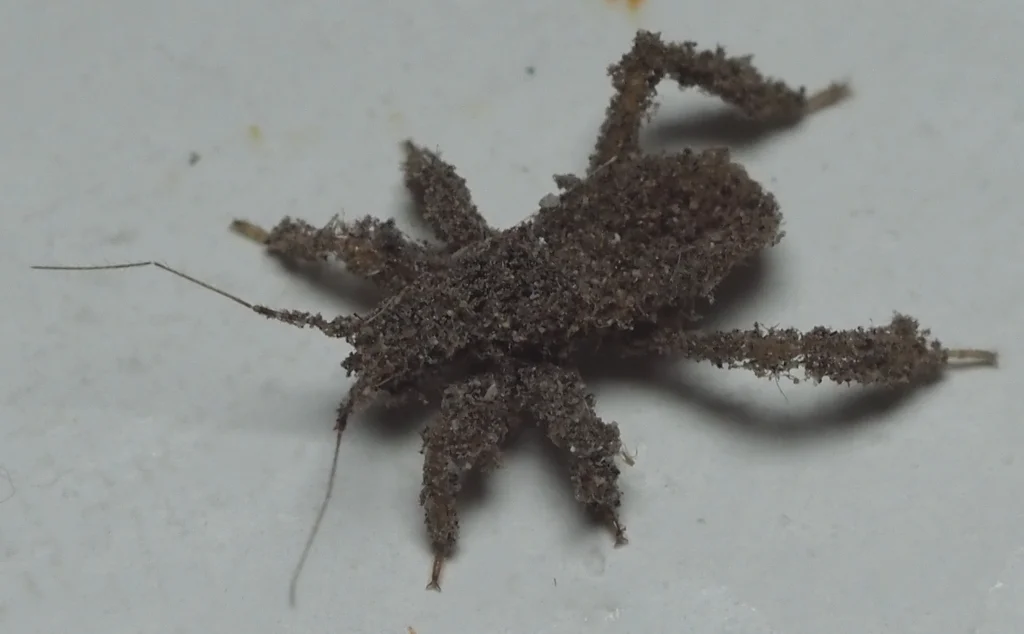
The nymphs look similar to adults but lack fully developed wings. What makes them distinctive is their camouflage behavior. Young masked hunters cover their bodies with dust, lint, bits of insect exoskeletons, and various debris. This covering creates a grayish, dusty appearance that helps them blend into their surroundings. The camouflage consists of two layers: an inner layer of fine particles and an outer layer of coarser material applied using specialized hind legs and a tarsal fan structure.
Similar Species
Masked hunters are sometimes confused with kissing bugs (genus Triatoma), which are also assassin bugs. The key difference is that kissing bugs typically have orange or red markings along the edges of their abdomen, while masked hunters are uniformly dark. Kissing bugs also have a more cone-shaped head. This distinction matters because kissing bugs can transmit Chagas disease, while masked hunters cannot. They may also be confused with stink bugs due to their similar dark coloring and size.
Masked Hunter Behavior and Biology
Masked hunters undergo incomplete metamorphosis, meaning their young (nymphs) resemble smaller versions of the adults. One generation typically develops per year, though two generations have been reported in some Canadian populations. Adults are most commonly seen during midsummer but can occasionally be found during winter months in heated buildings.
These bugs are nocturnal predators that spend daylight hours hiding in dark, protected locations. Inside homes, they favor spots under heat registers, behind cabinets, inside wall voids, and in attics. At night, they emerge to hunt for prey using an ambush strategy. When they locate a suitable target, they use their piercing mouthparts to inject saliva containing digestive enzymes. This liquefies the prey’s internal tissues, which the masked hunter then consumes.
Their diet consists of various small arthropods including silverfish, carpet beetles, earwigs, house centipedes, bed bugs, and overwintering insects like stink bugs and lady beetles. This predatory behavior makes them potentially beneficial, though their painful defensive bite makes most homeowners prefer to eliminate them.
The camouflage behavior of nymphs serves multiple purposes. The debris covering helps them avoid detection by both predators and their prey. It may also provide some protection from desiccation and temperature extremes. Nymphs actively maintain their camouflage, adding new material as they grow and molt.
Treatment Methods for Masked Hunters
Managing masked hunter populations requires addressing the root cause of their presence. Because these bugs are predators that feed on other insects, finding them indoors strongly suggests an underlying pest problem. The most effective long-term approach involves identifying and eliminating their food source. Once prey insects are controlled, masked hunter populations typically decline on their own due to lack of food.
Addressing Underlying Pest Issues: A thorough inspection can reveal what pests the masked hunters are feeding on. Common prey includes bed bugs, carpet beetles, silverfish, and various overwintering insects. Treating these primary infestations removes the food source that attracted masked hunters in the first place.
Exclusion and Habitat Modification: Sealing cracks around windows, doors, and the foundation prevents both masked hunters and their prey from entering. Reducing clutter eliminates hiding spots. Addressing moisture issues that attract prey insects also helps discourage masked hunter activity.
Direct Control: For immediate removal, vacuuming is effective and avoids the risk of being bitten. Broad-spectrum insecticides applied during treatment of underlying pest issues may reduce masked hunter numbers. However, direct treatment of masked hunters alone typically provides only temporary relief without addressing why they appeared.
Prevention: Regular pest control treatments that maintain low populations of prey insects indirectly prevent masked hunter infestations. Keeping homes clean and reducing factors that attract other pests creates an environment where masked hunters are unlikely to establish themselves. Unlike their relative the wheel bug, which stays outdoors in gardens, masked hunters have adapted well to indoor environments.
References
Other Assassin Bugs
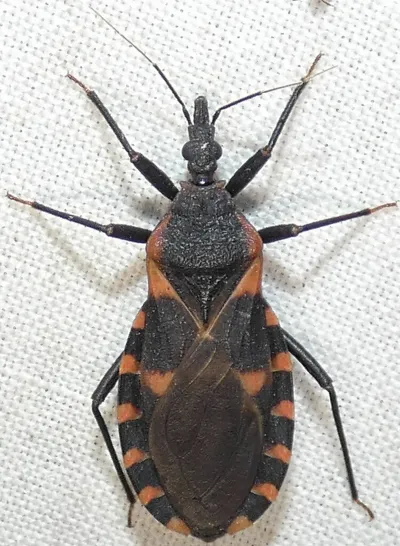
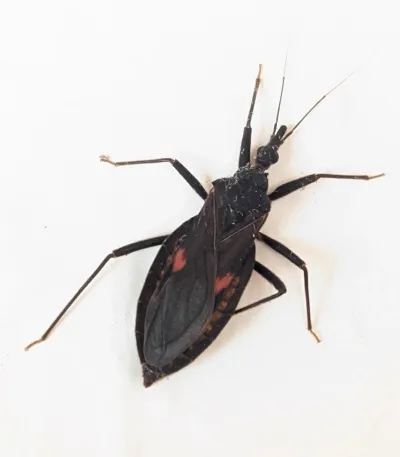
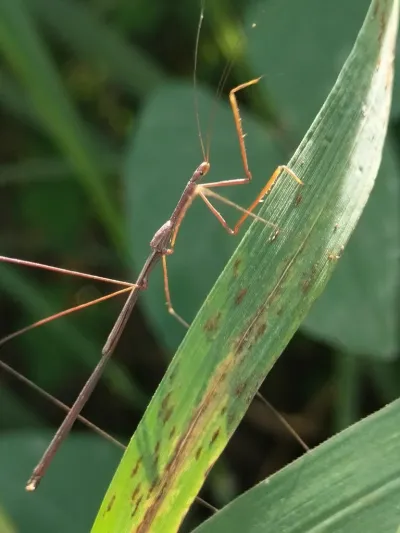
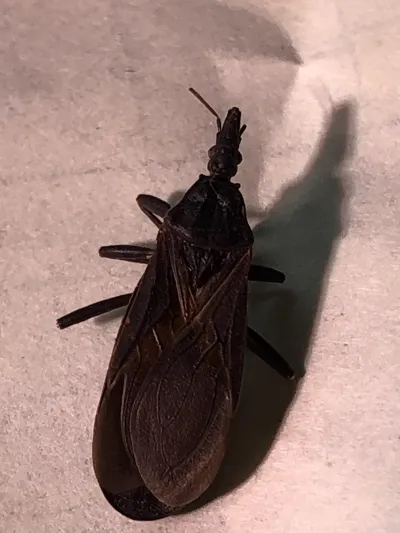
Explore other species in the assassin bugs family
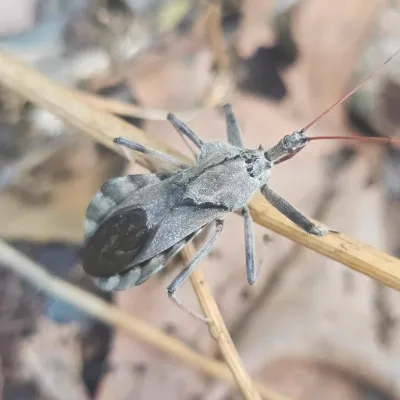
Commonly Confused With
Masked Hunter are often mistaken for these similar pests
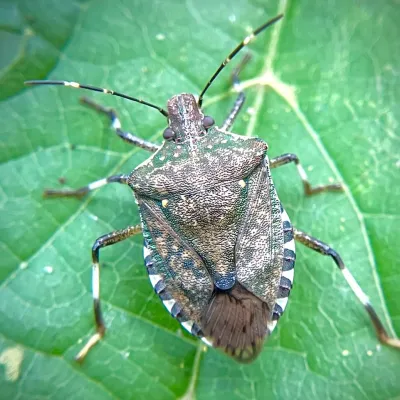
Where Masked Hunter Are Found
Hover over states to see their names. Green regions indicate where masked hunter have been reported.
Common Questions about Masked Hunter
Are masked hunters dangerous to humans?
+
Masked hunters do not feed on human blood and are not aggressive toward people. However, they can deliver a painful bite if handled or accidentally pressed against skin. The bite causes swelling and irritation that may last up to a week, but they do not transmit diseases.
Why are they called masked hunters?
+
The name comes from the unique behavior of their nymphs, which cover themselves with dust, lint, and debris to create a camouflage 'mask.' This covering helps them avoid detection by both predators and their insect prey.
What do masked hunters eat?
+
Masked hunters are predators that feed on other insects and small arthropods. Their diet includes bed bugs, silverfish, carpet beetles, earwigs, house centipedes, and various overwintering pests. They use their piercing mouthparts to inject digestive enzymes into prey.
Are masked hunters related to kissing bugs?
+
Yes, masked hunters belong to the same family (Reduviidae) as kissing bugs. However, unlike kissing bugs, masked hunters do not feed on blood and do not carry Chagas disease. They are sometimes mistaken for kissing bugs due to their similar appearance.
Should I be concerned if I find masked hunters in my home?
+
Finding masked hunters indoors often indicates the presence of other pests they are feeding on. While they can help control pest populations naturally, their painful bite makes them unwelcome. Addressing the underlying pest issue typically causes masked hunter populations to decline.
Where do masked hunters hide during the day?
+
Masked hunters are nocturnal and spend daylight hours in dark, protected areas. Common hiding spots include under furniture, inside wall voids, beneath heat registers, in attics, and within cabinets. They emerge at night to hunt for prey.
How did masked hunters get into North America?
+
Masked hunters are native to Europe and were accidentally introduced to North America by human activity. Since their introduction, they have spread across most of the United States and into southern Canada, adapting well to indoor environments.

With five years of hands-on experience in the pest control industry, George Schulz is a registered technician with the Virginia Pest Management Association and a proud third-generation professional in a family business that's been protecting homes for over 57 years. He manages and trains a team of service pros while also leading internal research efforts—recently spearheading a deep-dive review of thousands of documents on pest control materials to hand-pick the most kid and pet friendly, most effective solutions tailored specifically for homes in the DC metro area.