Eastern Bloodsucking Conenose Bugs Identification Guide
Triatoma sanguisuga
Eastern bloodsucking conenose bugs, also known as kissing bugs, are blood-feeding insects found across the eastern and central United States. These nocturnal pests bite sleeping humans and animals, and are potential vectors of Chagas disease.
Taxonomy
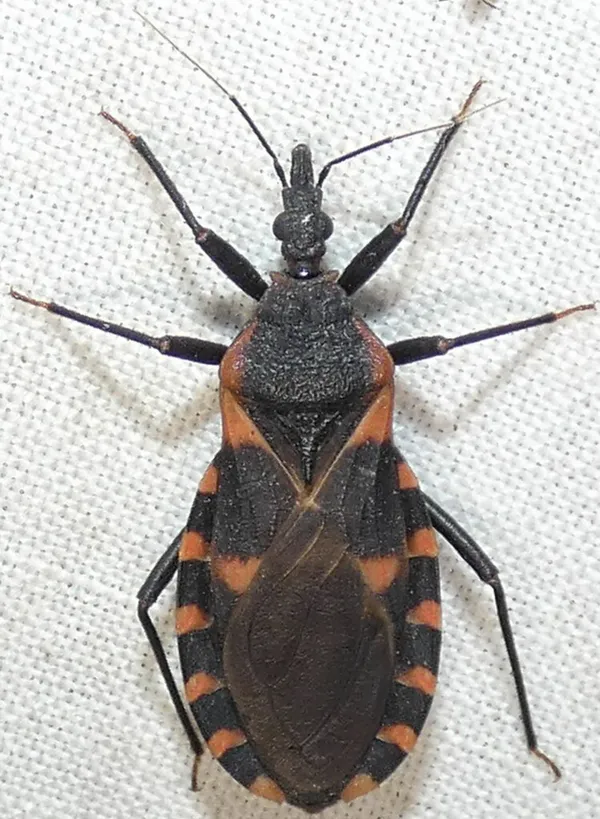
Eastern Bloodsucking Conenose Bugs Coloration
Common color patterns to help identify eastern bloodsucking conenose bugs
Eastern Bloodsucking Conenose Bugs
Seasonal Activity
When eastern bloodsucking conenose bugs are most active throughout the year

Where Eastern Bloodsucking Conenose Bugs Are Found
Hover over states to see their names. Green regions indicate where eastern bloodsucking conenose bugs have been reported.
Eastern Bloodsucking Conenose Bug Identification Guide
Physical Characteristics
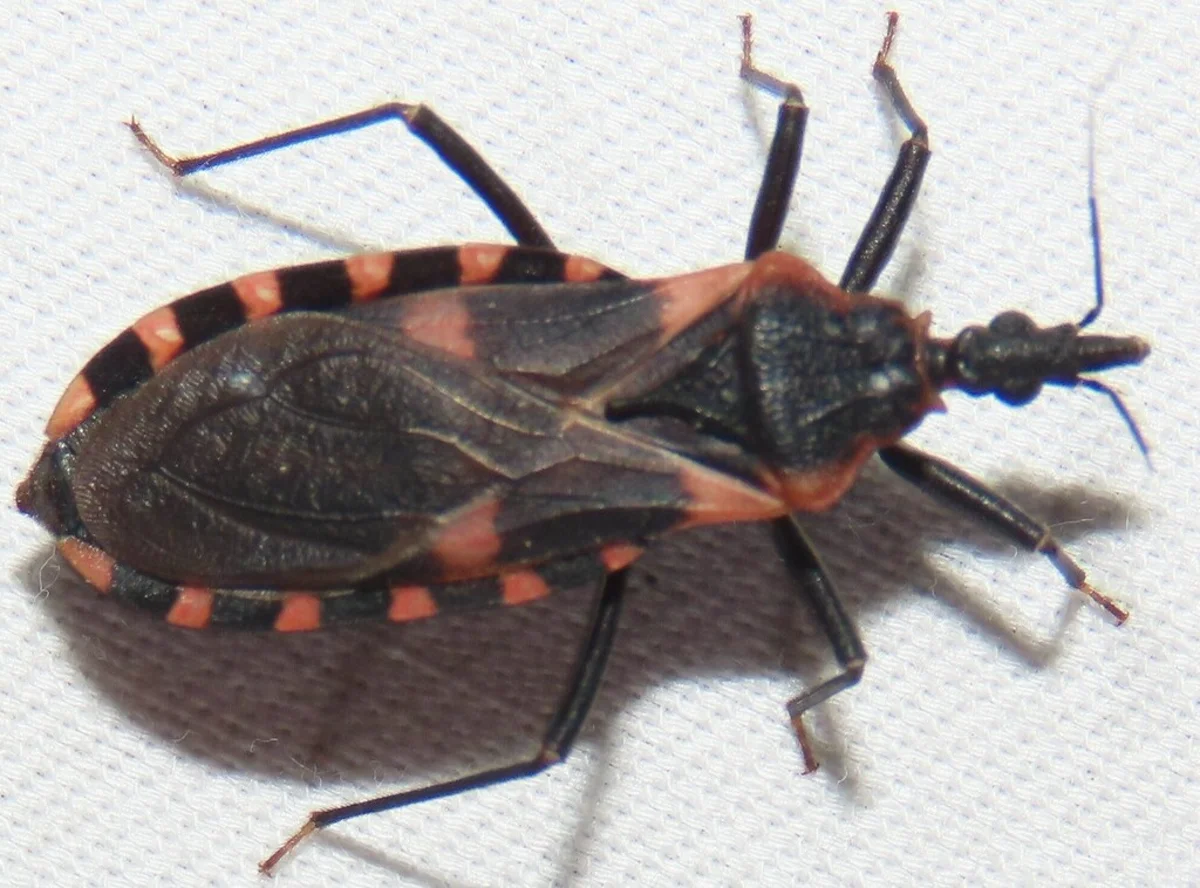
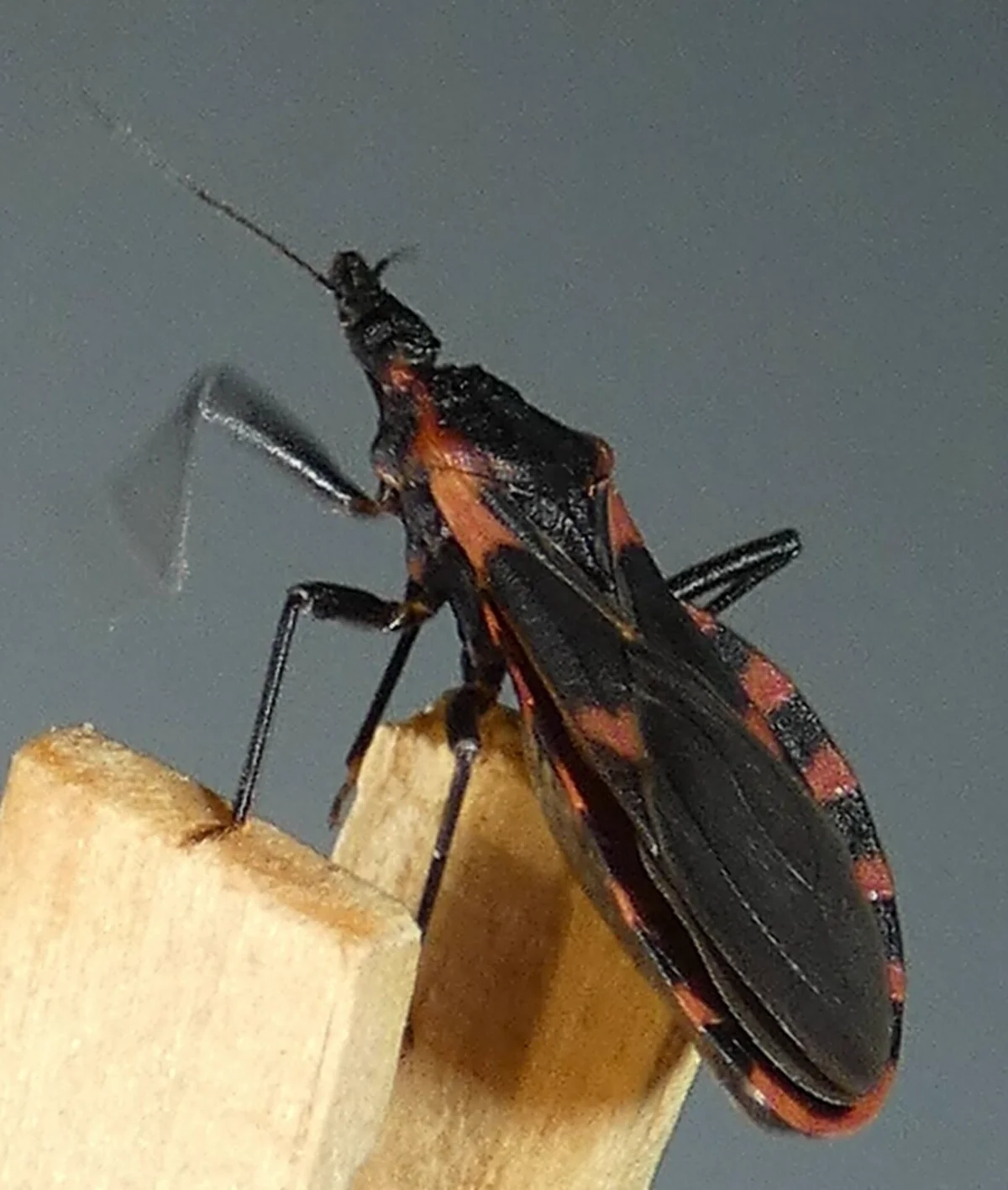
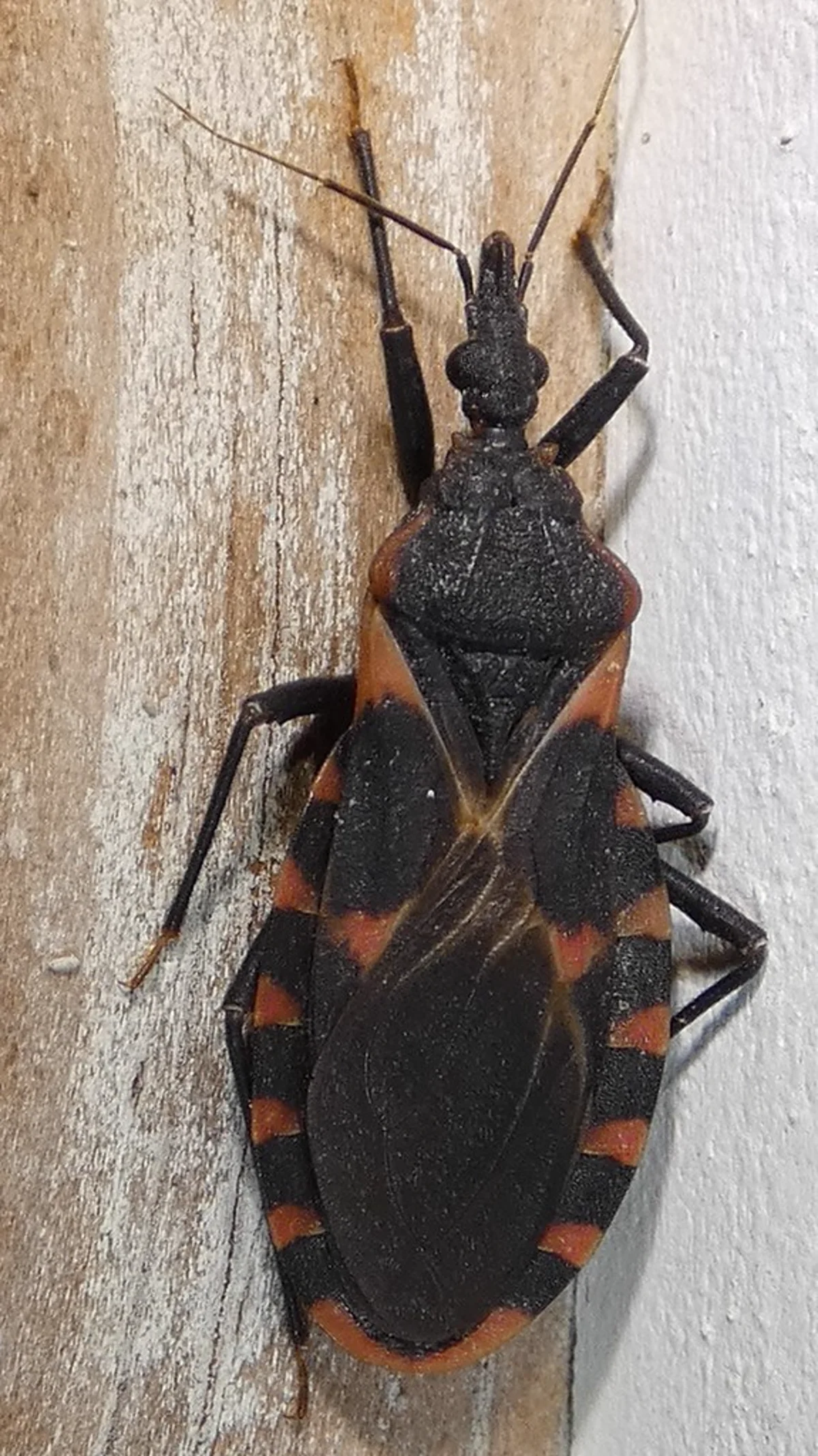
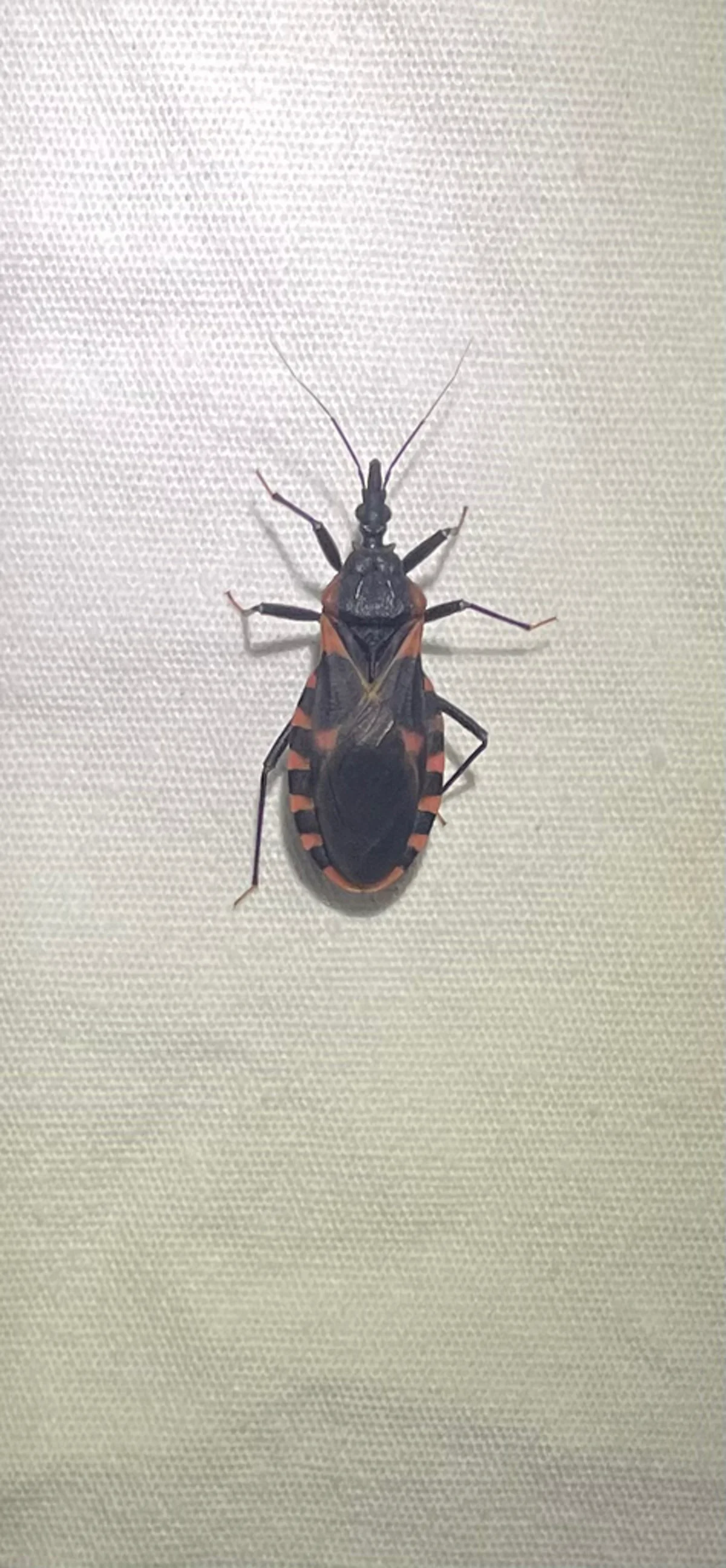
Eastern bloodsucking conenose bugs are a species of kissing bug in the assassin bug family. They measure 16 to 22 millimeters long, or about 3/4 inch. Their most notable feature is a cone-shaped head that narrows toward the front. This head shape is how they got the name “conenose.”
The body is dark brown to black. Six orange or reddish-orange spots line each side of the wide abdomen. These spots sit along the edges where the wings overlap the body. The triangular area behind the head (the thorax) is black with a narrow orange border.
These bugs have slender antennae with six segments. Their mouthparts form a sharp beak that folds under the head when not feeding. This beak lets them pierce skin and draw blood. Their six legs are long and help them grip surfaces while they feed.
Common Species
The eastern bloodsucking conenose (Triatoma sanguisuga) is the most widespread kissing bug species in the eastern United States. It shares its range with several related species:
-
Triatoma lecticularia is found across the Southeast, including Florida, Georgia, and Tennessee. It is covered with dark hairs and has orange-yellow markings.
-
Triatoma gerstaeckeri lives mainly in Texas and has yellow bands on the abdomen. It measures 23 to 28 millimeters long.
-
Triatoma protracta (western conenose) is found from Texas westward to California. It is dark brown to black without the bright orange spots.
All conenose species share similar blood-feeding habits and potential health concerns.
Eastern Bloodsucking Conenose Bug Behavior and Biology
Habitat and Hosts
Eastern bloodsucking conenose bugs need animal hosts for blood meals. Their main hosts are woodrats, also called pack rats. These bugs often live inside or near the large stick nests that woodrats build. The nests give them shelter, food, and hidden spots to lay eggs.
Beyond woodrats, these bugs also feed on:
In nature, eastern bloodsucking conenose bugs hide under flat rocks, in leaf litter, and beneath loose tree bark during the day. They come out at night to search for sleeping hosts. When woodrat populations grow near homes or when their natural habitat is disturbed, these bugs may move into human dwellings.
Life Cycle and Reproduction
Eastern bloodsucking conenose bugs go through incomplete metamorphosis. This means young bugs look like small adults without full wings. The life cycle has eggs, five nymph stages, and adults. It takes one to two years to grow from egg to adult.
Females lay eggs four to six days after a blood meal. One female can lay hundreds of eggs in her lifetime. Eggs are small white ovals about 1 to 2 millimeters long. More eggs are laid when it is warmer. Egg laying happens between May and September.
After hatching, nymphs must feed on blood before they can molt to the next stage. Each of the five nymph stages needs at least one blood meal. In the wild, these bugs can live about three years.
Feeding Behavior
Eastern bloodsucking conenose bugs only feed at night. They find hosts by sensing carbon dioxide from breathing, body heat, and chemical signals. When they find a sleeping host, they use their beak to pierce the skin and draw blood.
Feeding takes 10 to 30 minutes. The bug can drink several times its body weight in blood. The bite is usually painless because the saliva has numbing compounds. Most people do not wake up while being bitten.
These bugs often bite the face, especially near the mouth and eyes. This is why they are called “kissing bugs.”
One key difference sets eastern bloodsucking conenose bugs apart from their South American relatives. Unlike tropical species, this bug usually defecates away from the bite site after feeding. This habit lowers the risk of spreading disease.
Health Concerns
Note: The health information below is for educational purposes only. It is not medical advice. Consult a healthcare provider if you have concerns after a bug bite.
Chagas Disease Risk
Eastern bloodsucking conenose bugs can carry a parasite called Trypanosoma cruzi. This parasite causes Chagas disease. Studies show that 30 to 50 percent of these bugs in the United States carry the parasite. Still, the risk of getting infected in the U.S. is very low.
The parasite does not spread through the bite itself. It spreads when infected bug feces get into the bite wound, eyes, mouth, or a cut. Since eastern bloodsucking conenose bugs defecate away from where they feed, they spread disease much less often than South American species.
The CDC says about 300,000 people in the United States have Chagas disease. Most got infected in Latin America where the disease is more common.
Allergic Reactions
Some people have allergic reactions to conenose bug bites. Mild reactions include redness, swelling, and itching where the bite occurred. These symptoms may not show up until hours after the bite.
Severe allergic reactions can happen in some people. Signs include trouble breathing, fast heartbeat, dizziness, and swelling of the face or throat. Anyone with these symptoms should get emergency medical care right away.
Treatment Methods for Eastern Bloodsucking Conenose Bugs
Control of eastern bloodsucking conenose bugs focuses on keeping them out and changing their habitat. Here are methods that work:
-
Seal entry points: Use caulk to fill cracks and gaps around windows, doors, and foundations. Add weather stripping and door sweeps. Seal gaps around pipes and wires.
-
Fix screens: Put tight-fitting screens on all windows and doors. Fix any holes or tears right away.
-
Control rodents: These bugs live in rodent nests, so controlling rodents near the home is key. Remove woodrat dens, brush piles, and debris where rodents nest.
-
Clear debris: Remove wood piles, rock piles, and leaf litter from around the foundation. Store firewood far from the house.
-
Change outdoor lighting: Conenose bugs fly toward lights at night. Use yellow or sodium vapor bulbs outside. Close curtains after dark.
-
Protect pets: Bring pets inside at night. Keep outdoor pet beds clean and check them often.
-
Professional help: Pest control experts can apply products around the home to reduce bug numbers. They treat cracks, gaps, and entry points.
Similar-Looking Insects
Eastern bloodsucking conenose bugs are sometimes confused with other true bugs:
-
Wheel bugs (Arilus cristatus) have a distinctive gear-shaped crest on the thorax. They are predatory and do not feed on blood.
-
Masked hunters (Reduvius personatus) are similar in size and shape but feed on other insects, not blood. Nymphs cover themselves with dust and debris.
-
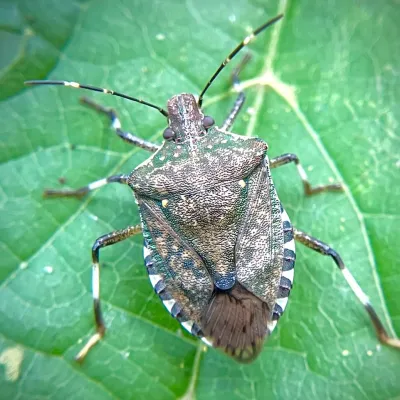
Stink bugs have a similar shield shape but lack the elongated cone-shaped head. They feed on plant sap.
-
Western conifer seed bugs have leaf-shaped hind legs and feed on pine seeds.
If you find a suspected conenose bug, capture it without direct contact and submit it to your local health department or cooperative extension office for professional identification.
References
- CDC - Information on Species of Triatomine Bugs in the United States
- University of Florida EDIS - Eastern Bloodsucking Conenose
- University of Florida Featured Creatures - Triatoma sanguisuga
- LSU AgCenter - Triatoma sanguisuga
- Animal Diversity Web - Triatoma sanguisuga
- University of Maryland Extension - Kissing Bugs
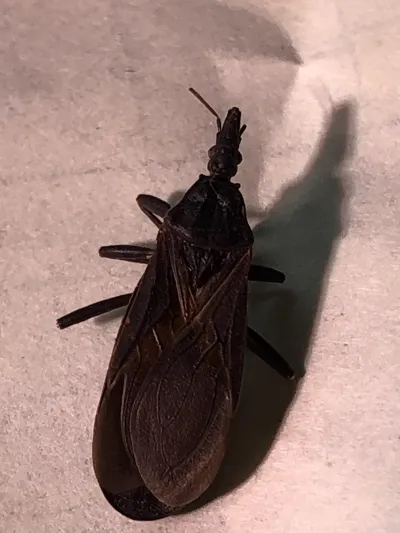
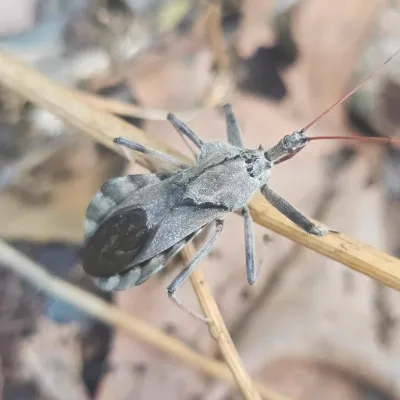
Other Assassin Bugs
Explore other species in the assassin bugs family
Commonly Confused With
Eastern Bloodsucking Conenose Bugs are often mistaken for these similar pests
Where Eastern Bloodsucking Conenose Bugs Are Found
Hover over states to see their names. Green regions indicate where eastern bloodsucking conenose bugs have been reported.
Common Questions about Eastern Bloodsucking Conenose Bugs
What is an eastern bloodsucking conenose bug?
+
The eastern bloodsucking conenose bug (Triatoma sanguisuga) is a blood-feeding insect in the assassin bug family. Also called a kissing bug, it feeds on sleeping mammals, including humans. It gets its name from its cone-shaped head and eastern U.S. range.
Where are eastern bloodsucking conenose bugs found?
+
Eastern bloodsucking conenose bugs are found throughout the southeastern and central United States. Their range extends from Florida north to Pennsylvania and Ohio, and west to Kansas, Oklahoma, and Texas. They prefer wooded areas where their animal hosts live.
Do eastern bloodsucking conenose bugs bite?
+
Yes, eastern bloodsucking conenose bugs feed exclusively on blood. They typically bite at night while their hosts are sleeping. Bites often occur on the face near the mouth and eyes, which is why they are also called kissing bugs.
Are eastern bloodsucking conenose bugs dangerous?
+
Eastern bloodsucking conenose bugs can carry Trypanosoma cruzi, the parasite that causes Chagas disease. However, this species is less likely to transmit the disease than South American species because it typically defecates away from the bite site rather than during feeding.
What do eastern bloodsucking conenose bugs look like?
+
Eastern bloodsucking conenose bugs are dark brown to black with six distinctive orange or reddish-orange spots along each side of the abdomen. Adults measure 16 to 22 mm long and have a narrow, cone-shaped head with a long beak used for feeding.
Where do eastern bloodsucking conenose bugs live?
+
These bugs primarily live in the nests of woodrats and other small mammals. They hide under rocks, in leaf litter, wood piles, and animal burrows during the day. They may enter homes near wooded areas, especially those with rodent activity nearby.
What should I do if I find an eastern bloodsucking conenose bug?
+
Never handle a conenose bug directly, even if it appears dead. Use gloves or a container to capture it. Contact your local health department for identification. If you experience symptoms beyond minor irritation after a bite, consult a healthcare provider.
How do I keep eastern bloodsucking conenose bugs out of my home?
+
Seal cracks around windows, doors, and foundations. Install tight-fitting screens on windows and doors. Remove woodpiles and debris near your home. Address any rodent problems, as these bugs live in rodent nests. Reduce outdoor lighting that attracts flying insects at night.

With five years of hands-on experience in the pest control industry, George Schulz is a registered technician with the Virginia Pest Management Association and a proud third-generation professional in a family business that's been protecting homes for over 57 years. He manages and trains a team of service pros while also leading internal research efforts—recently spearheading a deep-dive review of thousands of documents on pest control materials to hand-pick the most kid and pet friendly, most effective solutions tailored specifically for homes in the DC metro area.