Damselflies Identification Guide
Zygoptera
Damselflies are slender flying insects related to dragonflies. They prey on mosquitoes and other small insects near ponds and streams.
Taxonomy
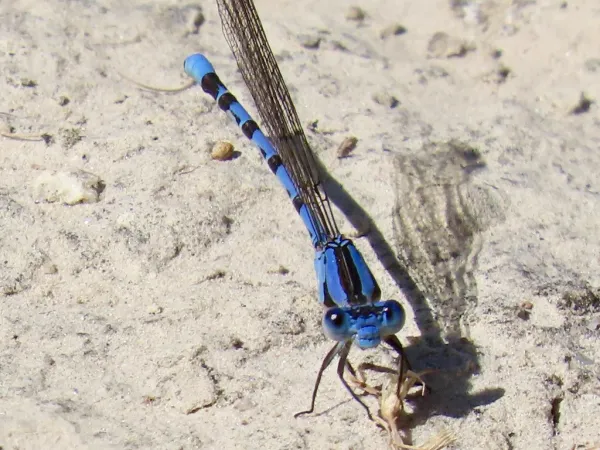
Damselflies Coloration
Common color patterns to help identify damselflies
Damselflies
Seasonal Activity
When damselflies are most active throughout the year

Where Damselflies Are Found
Hover over states to see their names. Green regions indicate where damselflies have been reported.
Damselfly Identification Guide
Physical Characteristics
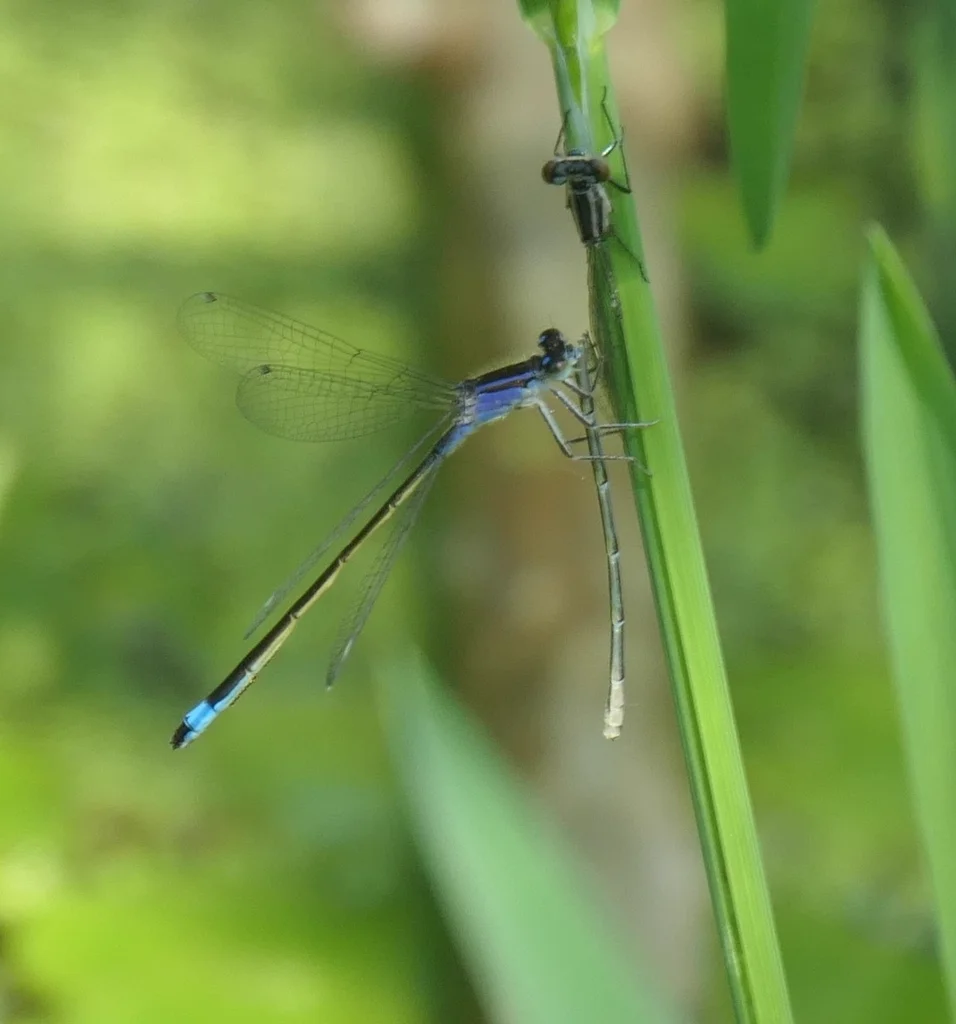
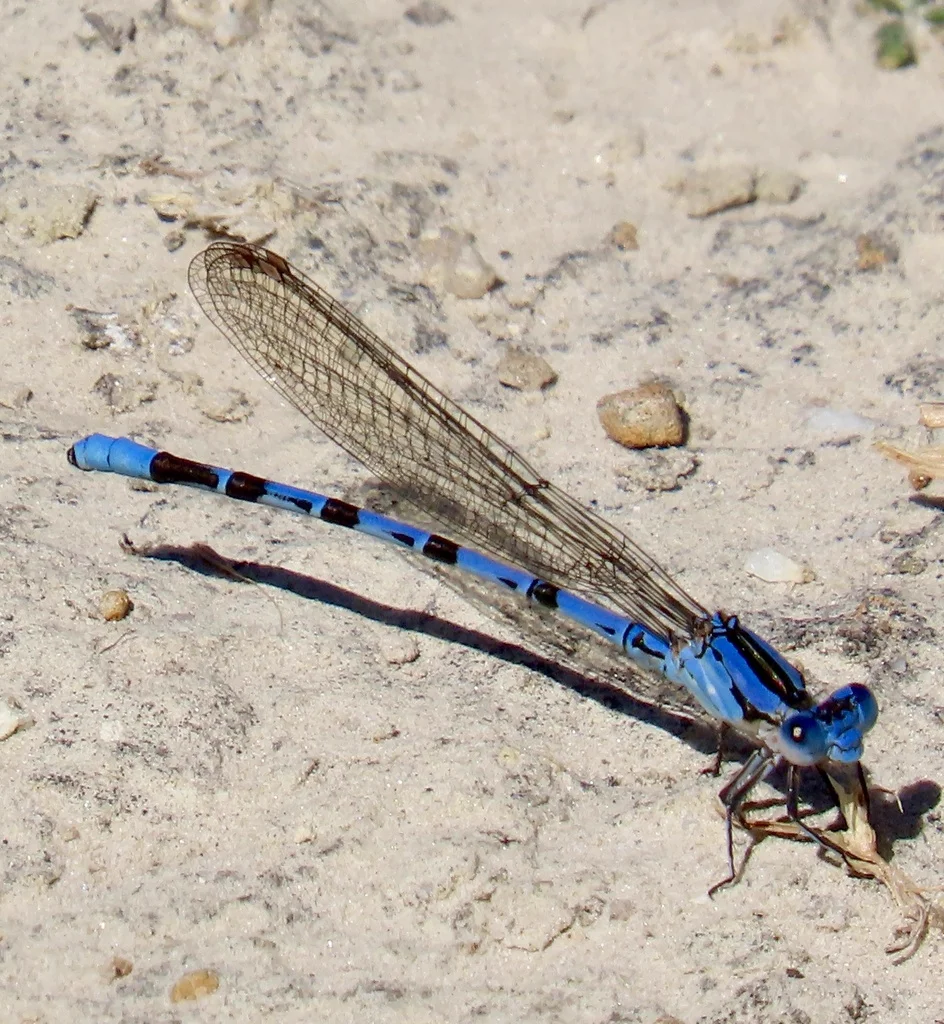
Damselflies are thin, delicate aquatic insects related to dragonflies. They belong to the order Odonata. Adults measure about 1 to 2 inches long. They have slim bodies with long abdomens that stretch past their wings. Their heads are large with big compound eyes that sit far apart. You can tell damselflies from dragonflies by looking at their eyes. Damselfly eyes have a wide gap between them. Dragonfly eyes touch or nearly touch.
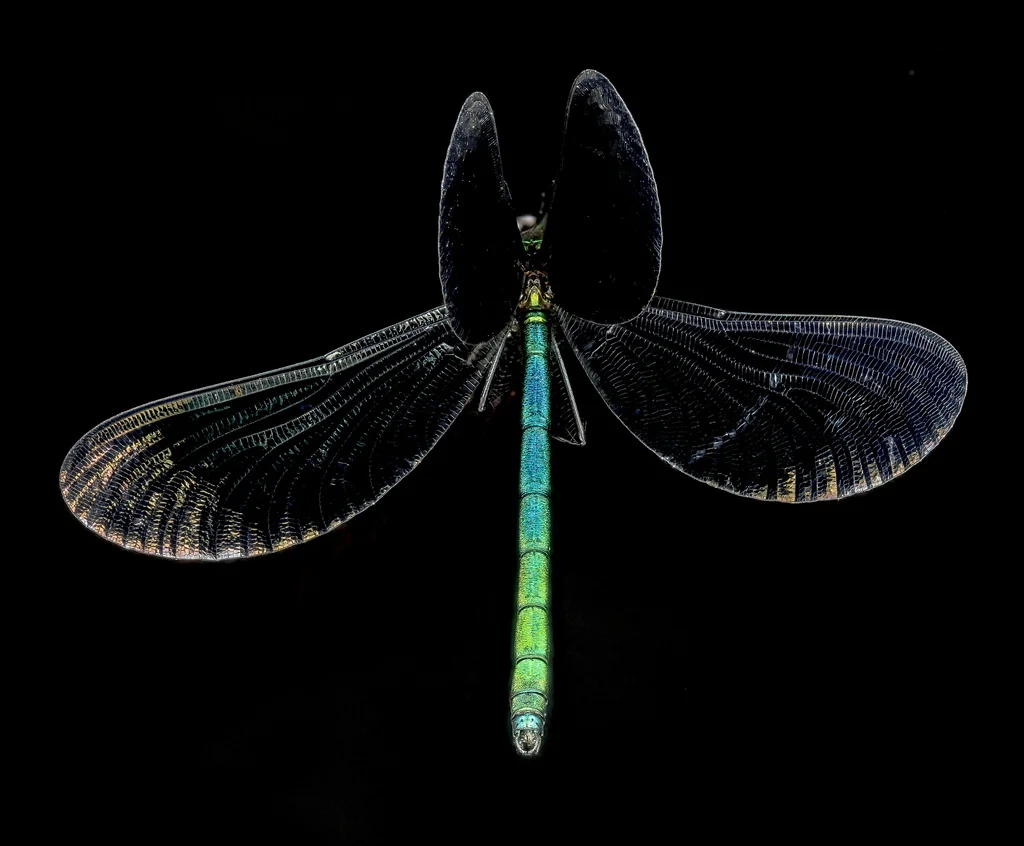
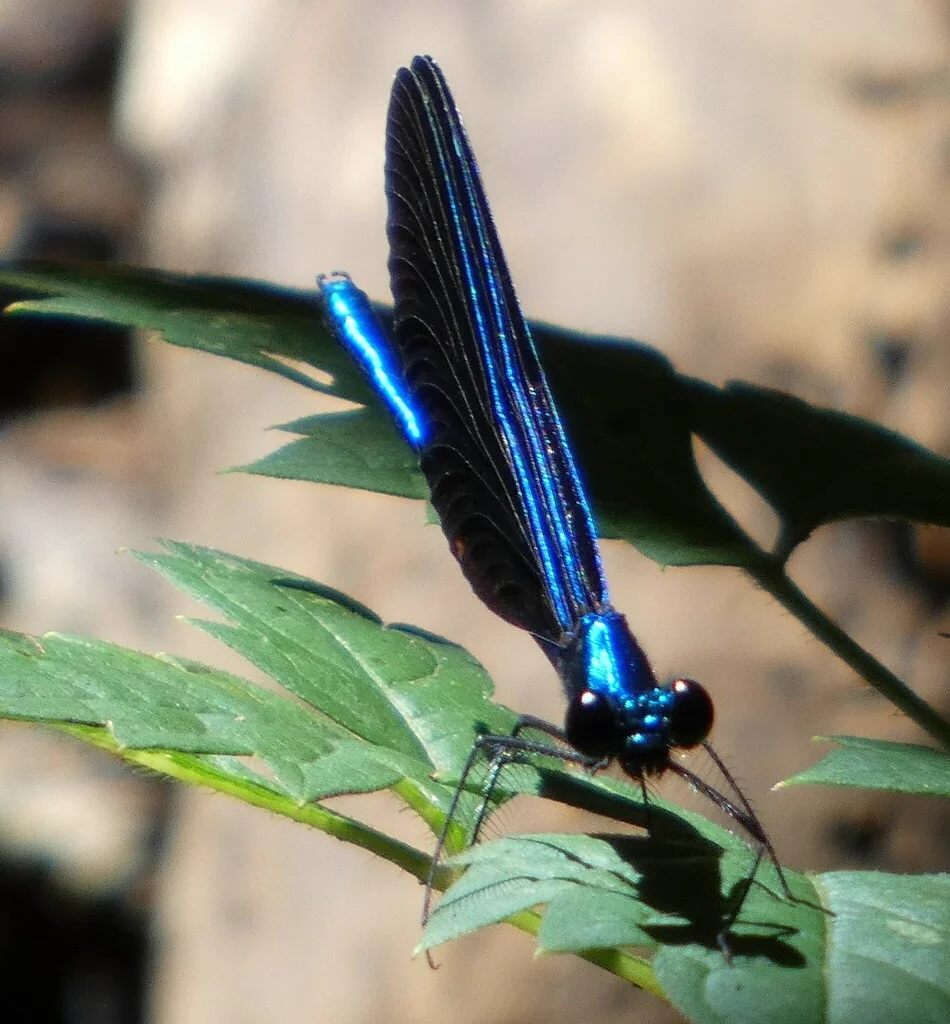
When resting, damselflies fold their wings along their body or hold them up above their back. Dragonflies spread their wings out flat to the sides. This wing position is the easiest way to tell the two apart. Damselflies come in many colors. You will see bright blues, greens, reds, and blacks. Males tend to have brighter colors than females.
Common Species in North America
North America has about 168 damselfly species. Here are some you might see:
-
Eastern Forktail (Ischnura verticalis): A small, colorful species common near ponds and slow streams in eastern North America
-
Ebony Jewelwing (Calopteryx maculata): Has a shiny green body and dark wings. Lives along shaded streams in wooded areas
-
Bluet Damselflies (Enallagma species): Bright blue damselflies often seen at pond edges and marshes
-
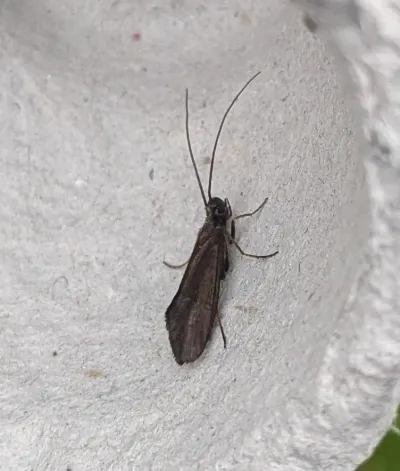
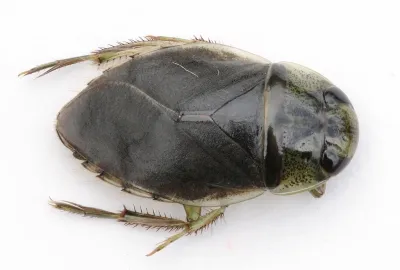
Spreadwing Damselflies (Lestes species): Unlike most damselflies, these rest with their wings held open to the sides A related species, Caddisflies, shares similar characteristics.
Damselfly Behavior and Biology A related species, Water Scorpions, shares similar characteristics.
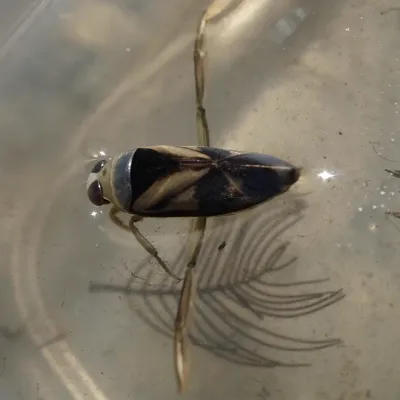
Habitat and Distribution A related species, Creeping Water Bugs, shares similar characteristics.
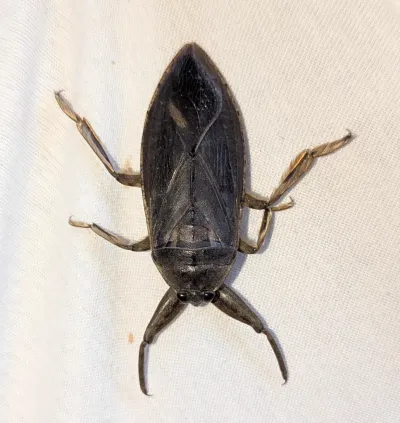
Damselflies live near freshwater throughout their lives. You will find adults near ponds, lakes, streams, marshes, and garden water features. They like areas with lots of water plants. These plants give them places to hunt and lay eggs. Damselflies love the sun and are most diverse in tropical areas. However, many species live across North America from spring through fall. A related species, Giant Water Bugs, shares similar characteristics.
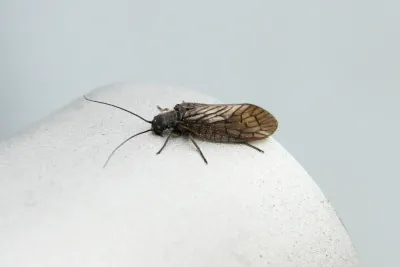
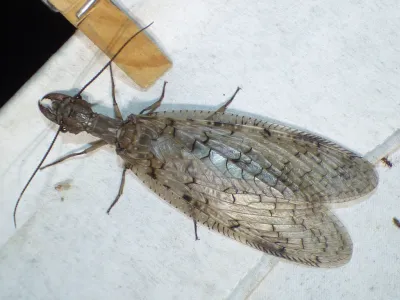
Diet and Feeding Habits A related species, Alderflies, shares similar characteristics.
Damselflies are hunters at every stage of life. Adults catch mosquitoes, gnats, midges, and other small flying insects in mid-air. Their large eyes help them spot and track fast-moving prey. Their strong legs grab and hold the insects they catch.
Young damselflies, called naiads, live underwater. They eat mosquito larvae, small water bugs, and even tiny fish or tadpoles. Both adults and naiads feed on mosquitoes. This helps keep mosquito numbers down around ponds and yards.
Lifecycle and Reproduction
Damselflies have two main life stages: an underwater naiad and a flying adult. After mating, females lay eggs in or near water. They often push eggs into plant stems or drop them in the water. The eggs hatch into naiads that breathe through gills at the tip of their abdomen.
Naiads molt 9 to 17 times as they grow. They slowly develop wing pads during this time. When ready, the naiad crawls out of the water onto a plant or rock. It splits its skin and comes out as a winged adult. New adults are soft and pale at first. They need several hours to harden and get their full color. The whole life cycle takes a few months to several years.
Damselflies Around Your Home
Why Damselflies Appear in Yards
Damselflies show up wherever there is water nearby. If you have a pond, stream, birdbath, or pool, you may see them hunting around your yard. They eat mosquitoes, gnats, and other small flying insects. A yard with many damselflies often has fewer mosquitoes as a result.
Attracting More Damselflies
Some homeowners want more damselflies around to help with mosquitoes. To attract them, add a pond or water feature with native water plants. Damselflies need still or slow water to lay eggs. They also like plants along the water edge where they can perch and hunt.
When You See Many Damselflies
You might worry when you see lots of damselflies around your home. This usually means your yard has good water sources and a healthy insect population. Damselflies do not go inside homes. They do not bite or sting people or pets. They cause no damage to plants or property. Large numbers of damselflies typically mean they are eating mosquitoes and gnats in your area.
References
Other Aquatic Insects
Explore other species in the aquatic insects family
Where Damselflies Are Found
Hover over states to see their names. Green regions indicate where damselflies have been reported.
Common Questions about Damselflies
Are damselflies harmful to humans?
+
No, damselflies are harmless to humans. They do not bite, sting, or spread diseases. Damselflies eat mosquitoes and their larvae, which helps reduce mosquito numbers naturally.
What is the difference between a damselfly and a dragonfly?
+
Damselflies are smaller and thinner than dragonflies. When resting, damselflies fold their wings along their body. Dragonflies hold their wings out flat to the sides. Damselfly eyes have a wide gap between them. Dragonfly eyes touch or nearly touch.
Why are there so many damselflies in my yard?
+
Damselflies like to be near water. Ponds, streams, birdbaths, and pools all attract them. If you have water nearby, damselflies will gather there to hunt insects and lay eggs.
Do damselflies eat mosquitoes?
+
Yes, both adult damselflies and their aquatic larvae eat mosquitoes. A single damselfly can eat dozens of mosquitoes per day. This makes them useful for natural mosquito control around your property.
Should I try to get rid of damselflies?
+
Damselflies cause no harm to humans, pets, or property. They do not enter homes and do not bite or sting. They eat mosquitoes and gnats, so many homeowners choose to leave them alone.
How long do damselflies live?
+
The full life cycle takes a few months to several years. Most of this time is spent as an underwater naiad. Adults live for a few weeks to a couple of months in warm weather.
Where do damselflies lay their eggs?
+
Females lay eggs in or near water. They often push eggs into plant stems or drop them right into the water. The eggs hatch into naiads that live underwater until they become adults.

With five years of hands-on experience in the pest control industry, George Schulz is a registered technician with the Virginia Pest Management Association and a proud third-generation professional in a family business that's been protecting homes for over 57 years. He manages and trains a team of service pros while also leading internal research efforts—recently spearheading a deep-dive review of thousands of documents on pest control materials to hand-pick the most kid and pet friendly, most effective solutions tailored specifically for homes in the DC metro area.