Velvety Tree Ants Identification Guide
Liometopum occidentale
Velvety tree ants are wood-destroying ants native to the western United States. Named for their velvety black abdomen and tree-dwelling habits, they excavate galleries in wood similar to carpenter ants. These aggressive ants form massive colonies and can cause significant structural damage to homes.
Taxonomy
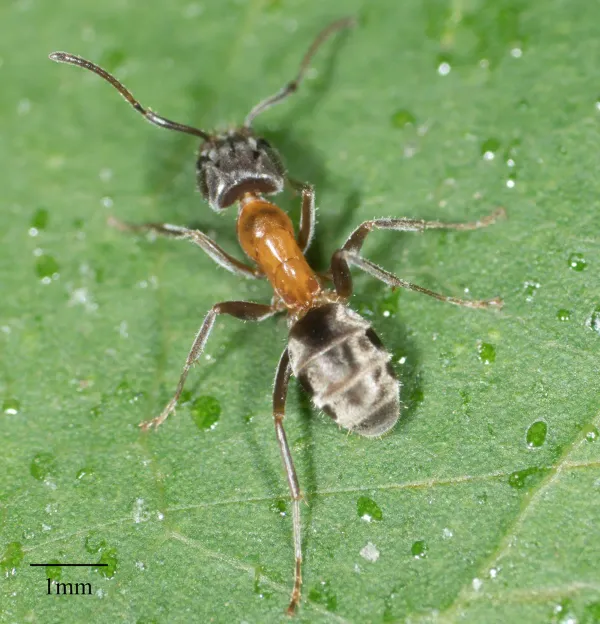
Velvety Tree Ants Coloration
Common color patterns to help identify velvety tree ants
Velvety Tree Ants
Seasonal Activity
When velvety tree ants are most active throughout the year

Where Velvety Tree Ants Are Found
Hover over states to see their names. Green regions indicate where velvety tree ants have been reported.
Velvety Tree Ant Identification Guide
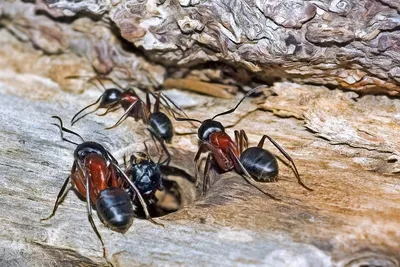
Velvety tree ants (Liometopum occidentale) are wood-destroying ants from the western United States. They get their name from the fine, velvety hair on their abdomen. They also prefer nesting in trees. Many people confuse them with carpenter ants because they have similar habits and cause similar damage.
These ants mostly nest outdoors in trees. But they will move into homes when they find the right conditions. They chew tunnels through wood and insulation to build their nests. Knowing how to spot these ants helps you act quickly when you see them.
Physical Characteristics
Velvety tree ants come in different sizes within the same colony. Workers are usually 3 to 6 mm long, or about 1/8 to 1/4 inch. This makes them smaller than carpenter ants.
Look for these features to identify them:
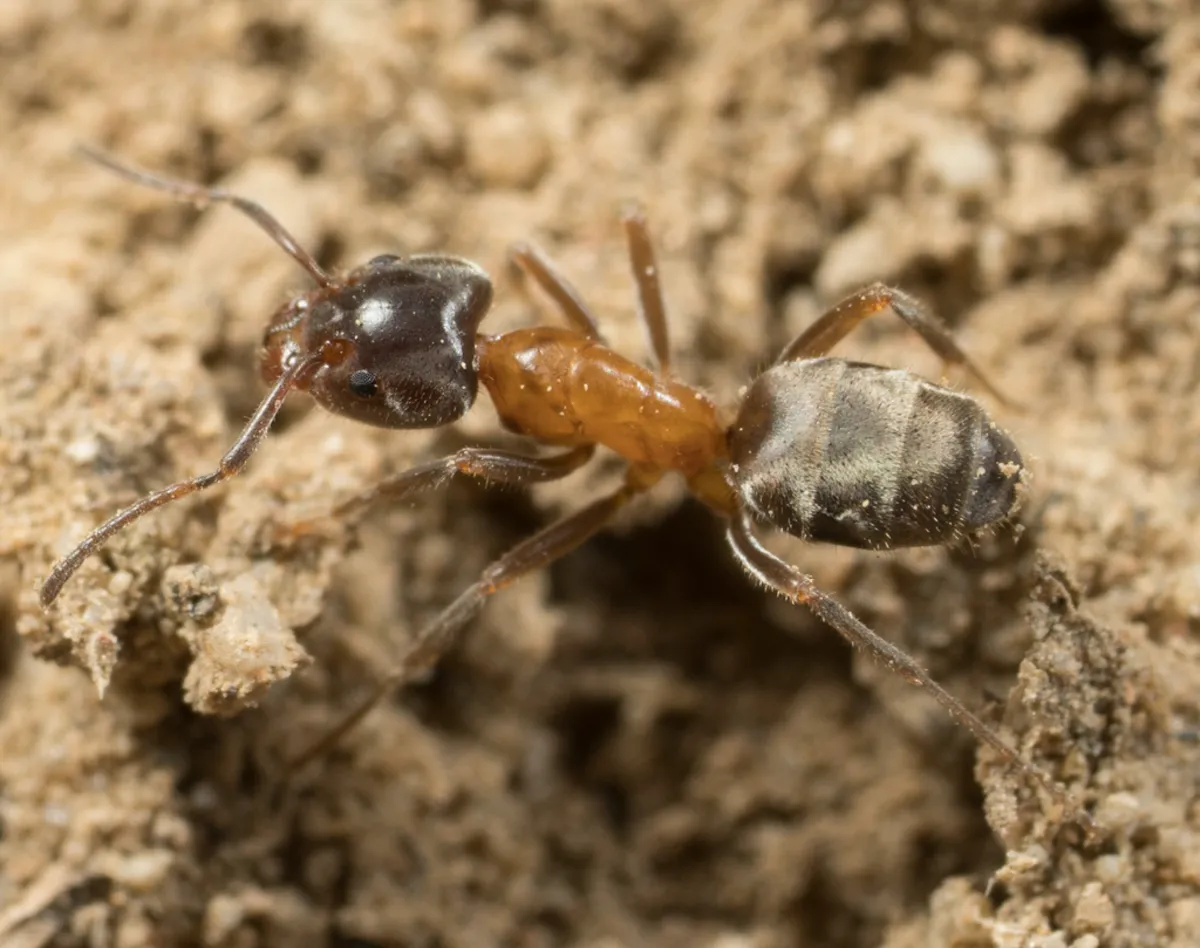
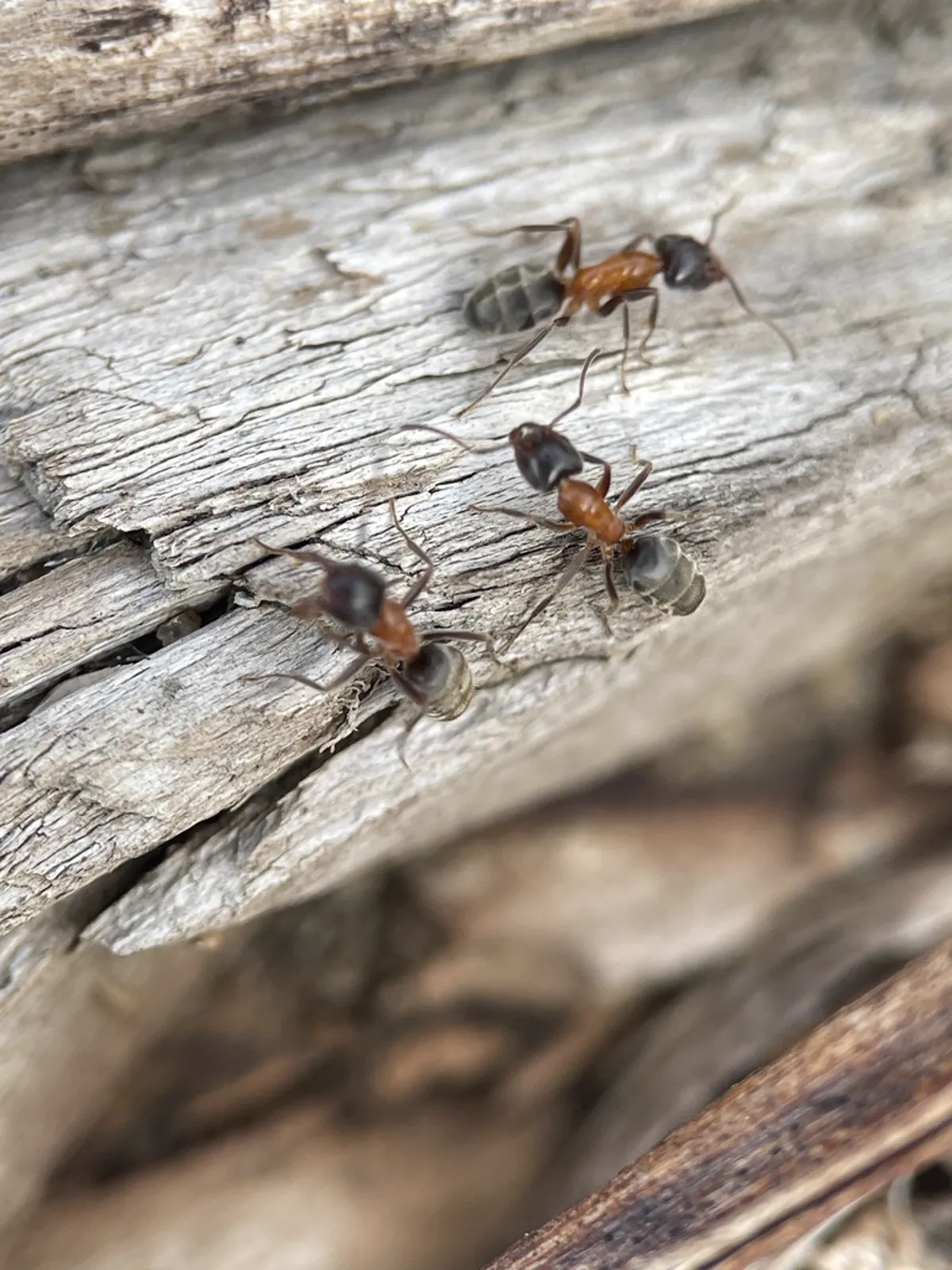
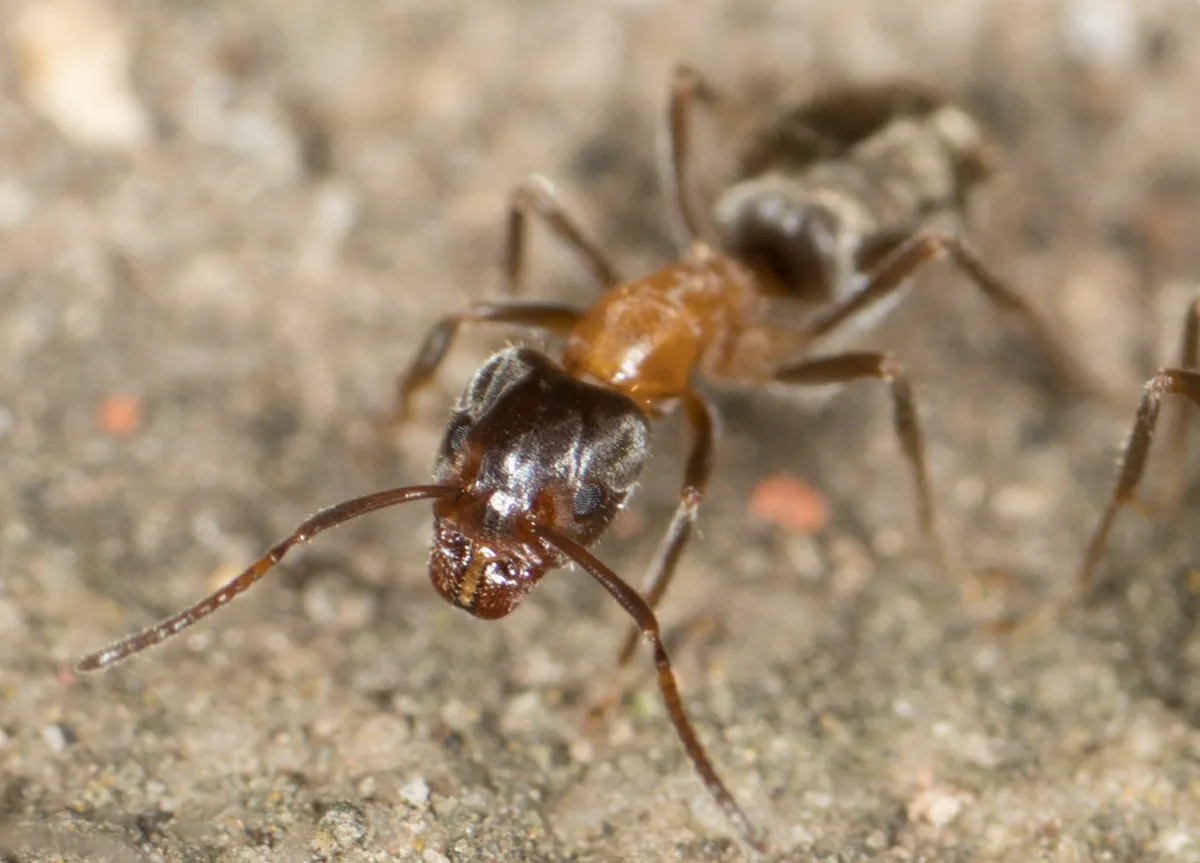
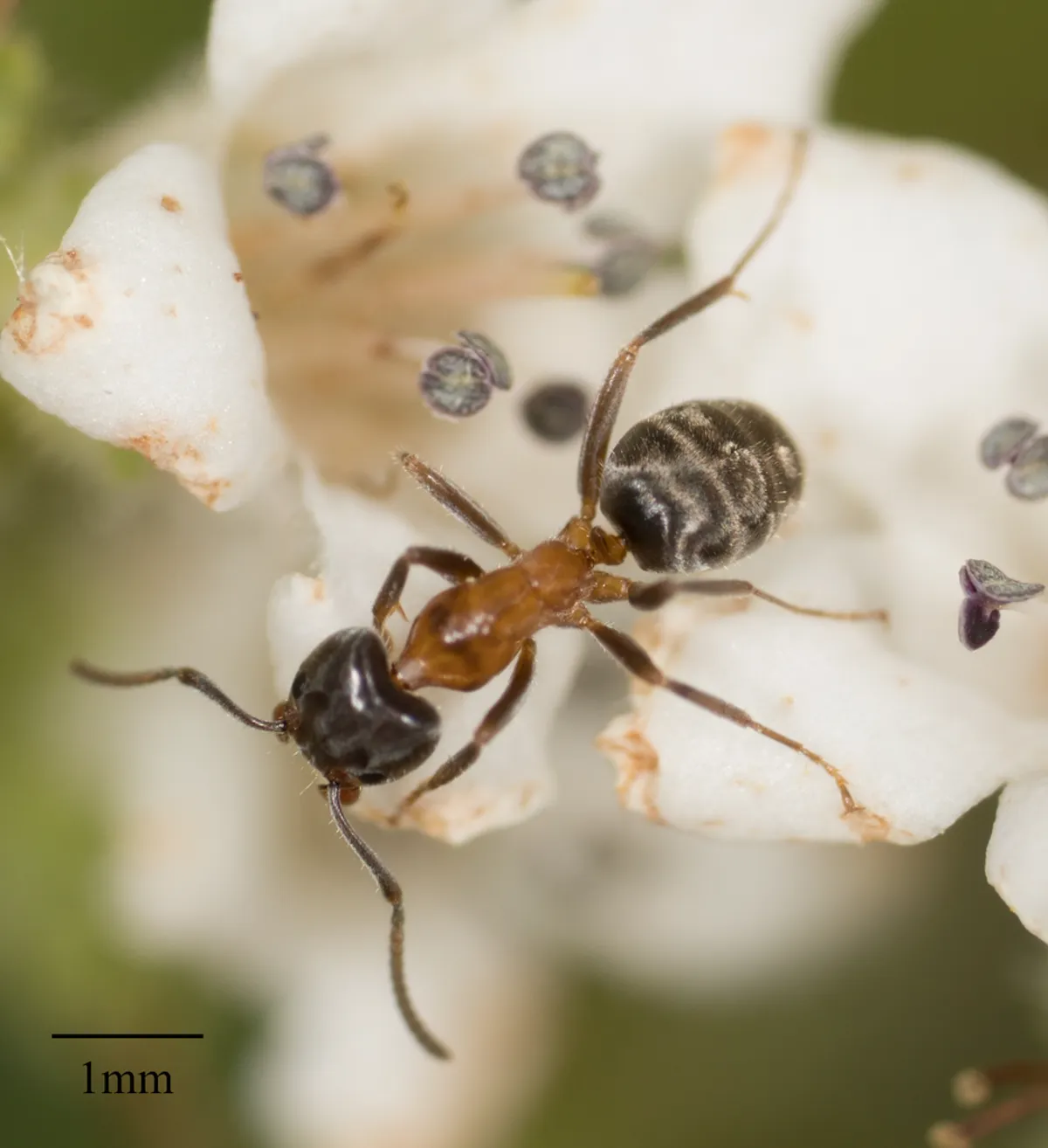
- Three colors. Dark brownish-black head, yellowish-red to orange middle section, and velvety black rear end.
- Velvety look. Fine, dense hairs cover the abdomen and give it a matte, soft appearance.
- Single waist segment. One small segment connects the middle body to the abdomen.
- Rounded back. The thorax forms a smooth curve when seen from the side.
- 12-part antennae. The antennae do not have a club at the end.
- Strong smell when crushed. They give off a bad odor like rotten coconut or blue cheese.
The three-color pattern makes these ants easy to spot once you know what to look for. A dark head, reddish middle, and black rear end tells you this is a velvety tree ant.
Velvety Tree Ants vs. Carpenter Ants
Many people confuse velvety tree ants with carpenter ants because both dig tunnels in wood. Here is how to tell them apart:
| Feature | Velvety Tree Ants | Carpenter Ants |
|---|---|---|
| Size | 3-6 mm (smaller) | 6-13 mm (larger) |
| Color | Dark head, orange thorax, black abdomen | Usually all black or bicolored |
| Abdomen | Velvety, matte appearance | Shiny, smooth appearance |
| Odor when crushed | Strong, rotten coconut smell | Mild formic acid smell |
| Frass texture | Very fine | Coarse, sawdust-like |
| Geographic range | Western US (WA to TX) | Throughout North America |
If you are not sure which ant you have, collect a sample and consult our ant identification guide. This helps you pick the right treatment.
Species and Distribution
The western velvety tree ant (Liometopum occidentale) is the main species in its range. A related species, Liometopum luctuosum, lives at higher elevations, usually above 6,500 feet.
Velvety tree ants live from southern Washington down through Oregon and California to northern Mexico. They also live in Nevada, Arizona, New Mexico, Colorado, Utah, Wyoming, and western Texas. They are very common in California’s oak and pine forests.
In Oregon, they can live as low as 20 feet above sea level. In California, they can be found up to 5,500 feet high. They are one of the most common ant species in oak woodlands of the Southwest.
Velvety Tree Ant Behavior and Biology
Learning about velvety tree ant behavior helps explain why they become pests. It also helps you understand how to control them.
Colony Structure and Size
Velvety tree ant colonies are very large. A mature colony has 40,000 to 60,000 workers. A colony this size can produce 4 to 6 pounds of young ants per year for 4 to 8 years.
These ants show unusual social behavior. Ants from nests over a kilometer apart will not fight each other. They form “supercolonies” that can take over entire areas. But ants from locations more than 150 km apart will attack each other.
Colony members include:
- Queens. Several queens may live in one large colony.
- Workers. Workers of different sizes.
- Males. Born only to mate.
- Swarmers. Winged ants that fly off to start new colonies. Learn about flying ants in house and what they mean.
Nesting Habits
Velvety tree ants prefer nesting in trees. This is why they are called “tree ants.” Their favorite nesting sites include:
Outdoor locations:
- Crevices and hollows in living oak trees
- Dead portions of alders, elms, and cottonwoods
- Under the bark of dead trees
- Inside tree stumps
- Beneath large rocks
- In soil near tree bases
Indoor locations:
- Structural wood, especially if water-damaged
- Foam insulation panels
- Wall voids
- Areas around plumbing leaks
- Near windows and doors with water damage
Colonies usually have one main nest but may set up extra nests nearby. Workers travel along clear trails between nests and food sources. These trails can reach 200 feet or more from the nest.
Foraging and Diet
Velvety tree ants eat many types of food. Their main food source is honeydew, a sweet liquid made by aphids and scale insects. These ants protect aphids from predators in exchange for honeydew.
They also eat:
- Live and dead insects. Carried back to feed the colony.
- Plant nectar and sap.
- Household foods. Sweets, meats, and grease when inside homes.
Velvety tree ants create large foraging trails. They stay active even in hot weather, foraging when temperatures reach 75 to 100 degrees. This lets them thrive in the warm, dry Southwest.
Defensive Behavior
Velvety tree ants are very aggressive. When their nest is disturbed, workers swarm out to defend it. They bite and spray bad-smelling chemicals from their abdomen. This spray smells like what odorous house ants produce when crushed.
Their bites are not dangerous, but they can be painful. The spray smells very bad. Large numbers of angry ants can make it hard to work near a nest.
Signs of Velvety Tree Ant Infestation
Finding an infestation early helps stop serious damage. Watch for these signs:
Frass Accumulation
Like carpenter ants, velvety tree ants push chewed-up wood out of their tunnels. This debris, called frass, looks like:
- Very fine wood shavings, finer than carpenter ant frass
- Mixed insect body parts
- Piles below wall openings, near windows, or along baseboards
Fresh frass means the ants are actively digging. The fine texture of this frass helps tell it apart from carpenter ant debris.
Visible Ant Trails
Velvety tree ants make clear foraging trails, especially outside. Look for:
- Lines of ants moving along tree trunks
- Trails running across the ground between trees and buildings
- Ants entering the home around windows, doors, or pipes
- Heavy ant activity on plants with aphids
Ant Activity Indoors
Seeing these three-colored ants inside your home means a nest may be nearby or inside the walls. Finding winged ants indoors shows the colony has been there for some time.
Wood Damage
Damage from velvety tree ants looks like carpenter ant damage:
- Smooth tunnels that follow the wood grain
- No mud or soil inside tunnels, unlike termite damage
- Wood that sounds hollow when tapped
- Weakened beams and studs
They usually attack wood that has been softened by water or rot.
Treatment Methods for Velvety Tree Ants
Good control of velvety tree ants means finding and killing nest sites. You also need to fix conditions that attract them. Treatments used for carpenter ants often work well.
Inspection and Nest Location
A full inspection is needed before treatment:
- Follow ant trails to find nest sites
- Check trees near the building for ant activity
- Inspect water-damaged wood inside the home
- Look for piles of frass
- Find where ants are getting in
Treatment Approaches
Several methods can work against velvety tree ant problems:
Non-repellent products: These let ants touch the treatment and carry it back to the nest. Workers spread the material by grooming each other and sharing food. This way it reaches the whole colony, including the queens.
Dust treatments: Dusts blown into wall voids and tunnels can reach ants inside wood.
Baits: Baits placed along ant trails let workers carry poison back to feed the colony. This works well because ants share food.
Direct nest treatment: When outdoor nests in trees or stumps are found, direct treatment can kill the source colony.
Perimeter barriers: Treatments around the foundation help stop ants from getting inside.
Addressing Conducive Conditions
Long-term control means removing what attracts velvety tree ants:
- Fix water problems: Repair leaks, improve drainage, and replace water-damaged wood
- Manage trees: Remove dead trees and stumps near buildings. Treat infested living trees.
- Control aphids: Get rid of aphid and scale insect problems on plants near your home
- Seal entry points: Caulk cracks and gaps around windows, doors, and pipes. For more prevention tips, see our guide on how to keep ants away
- Remove wood-to-soil contact: Make sure no wood touches the ground
- Store firewood right: Keep firewood away from the home and off the ground
Professional vs. DIY Treatment
Velvety tree ant colonies are large and often have several nests. This makes professional treatment better than DIY methods in most cases. Professionals can:
- Correctly identify the ant species using an ant identification chart
- Find hidden nest sites
- Apply pro-grade products the right way
- Treat satellite nests that homeowners might miss
- Come back for follow-up treatments if needed
References and Further Reading
For more information about velvety tree ants, consult these sources:
- eScholarship: Velvety Tree Ant Research: Scientific research on velvety tree ant behavior
- University of California Agriculture: Ants: Ant biology and control guidance
- NPMA Pest Guide: Ants: National Pest Management Association resource
Other Ants
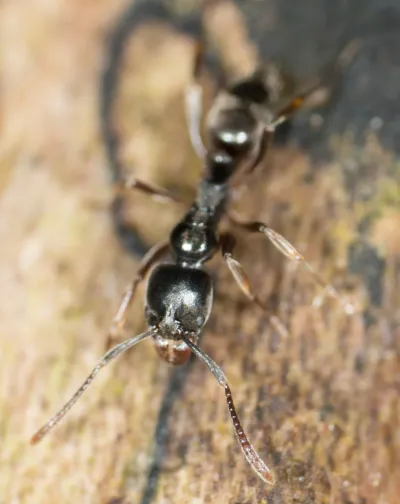
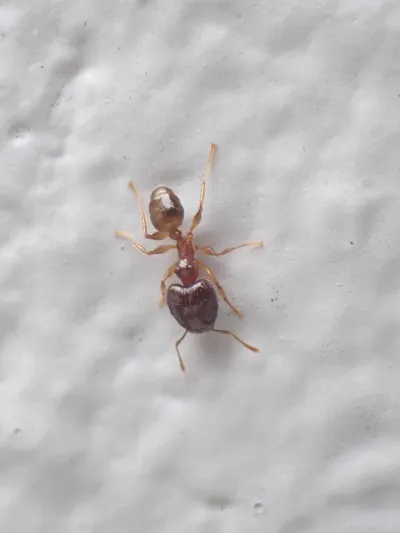
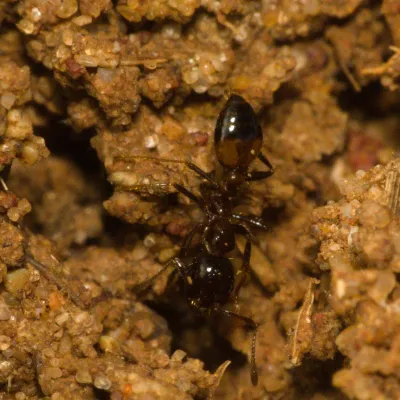
Explore other species in the ants family
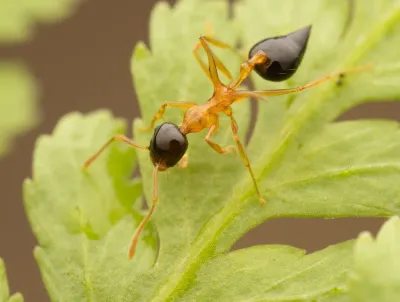
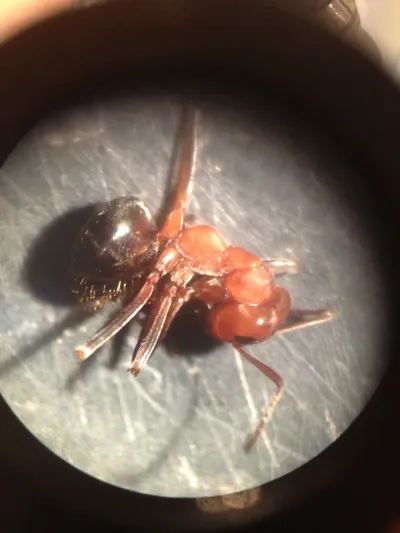
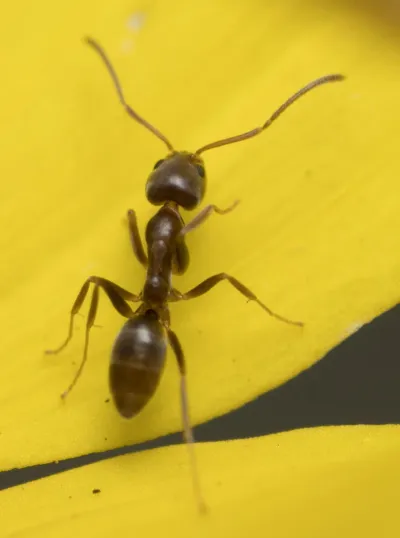
Commonly Confused With
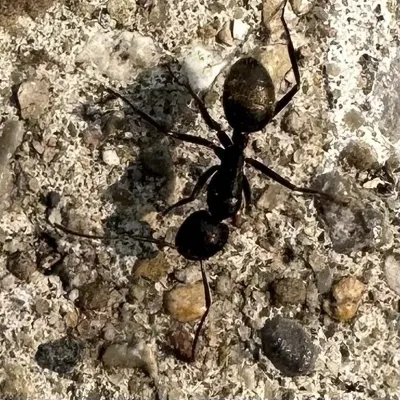
Velvety Tree Ants are often mistaken for these similar pests
Where Velvety Tree Ants Are Found
Hover over states to see their names. Green regions indicate where velvety tree ants have been reported.
Common Questions about Velvety Tree Ants
Do velvety tree ants eat wood?
+
No, velvety tree ants do not eat wood. Like carpenter ants, they excavate galleries inside wood to create nesting space. They push out the chewed material as fine sawdust-like frass. Their actual diet consists mainly of honeydew from aphids and scale insects, along with other insects and sweet substances.
How can I tell velvety tree ants apart from carpenter ants?
+
Velvety tree ants are smaller (3-6 mm) than carpenter ants (6-13 mm). They have a distinctive color pattern with a dark head, orange-red thorax, and velvety black abdomen. When crushed, they emit a strong, unpleasant odor similar to rotten coconut. Carpenter ants are typically all black or bicolored and lack this distinctive smell.
Where do velvety tree ants nest?
+
Velvety tree ants prefer to nest in the crevices of oaks, alders, elms, and cottonwoods. They also nest inside dead trees, stumps, and under rocks. When they invade homes, they target structural wood and insulation, particularly in areas with moisture damage.
Are velvety tree ants aggressive?
+
Yes, velvety tree ants are known for their aggressive behavior. They will bite intruders and spray defensive secretions from their abdomens. While their bites are not medically significant, they can be annoying. Large colonies will aggressively defend their territory.
How big can a velvety tree ant colony get?
+
A mature velvety tree ant colony can contain 40,000 to 60,000 workers. These ants often form supercolonies where multiple nests work together without aggression. Foraging trails can extend 60 meters or more from the nest, making it possible for ants to travel considerable distances to reach food sources or structures.
What damage can velvety tree ants cause to homes?
+
Velvety tree ants can excavate tunnels in structural wood and foam insulation, similar to carpenter ants. They prefer wood that is already moisture-damaged. Over time, their tunneling can weaken support beams, wall studs, and other structural elements. The frass they produce has a finer texture than carpenter ant frass.
Where are velvety tree ants found in North America?
+
Velvety tree ants are found along the Pacific coast from southern Washington to northern Mexico. They are particularly common in California oak and pine forests. Their range extends east to Colorado and western Texas. They can be found from sea level to elevations over 6,000 feet.
What time of year are velvety tree ants most active?
+
Velvety tree ants are most active during warm months from late spring through early fall, coinciding with peak [ant season](/ant-season/). They can tolerate hot temperatures and are often seen foraging even when ground temperatures reach 100 degrees Fahrenheit. Activity decreases significantly during winter months.

With five years of hands-on experience in the pest control industry, George Schulz is a registered technician with the Virginia Pest Management Association and a proud third-generation professional in a family business that's been protecting homes for over 57 years. He manages and trains a team of service pros while also leading internal research efforts—recently spearheading a deep-dive review of thousands of documents on pest control materials to hand-pick the most kid and pet friendly, most effective solutions tailored specifically for homes in the DC metro area.