Odorous House Ants Identification Guide
Tapinoma sessile
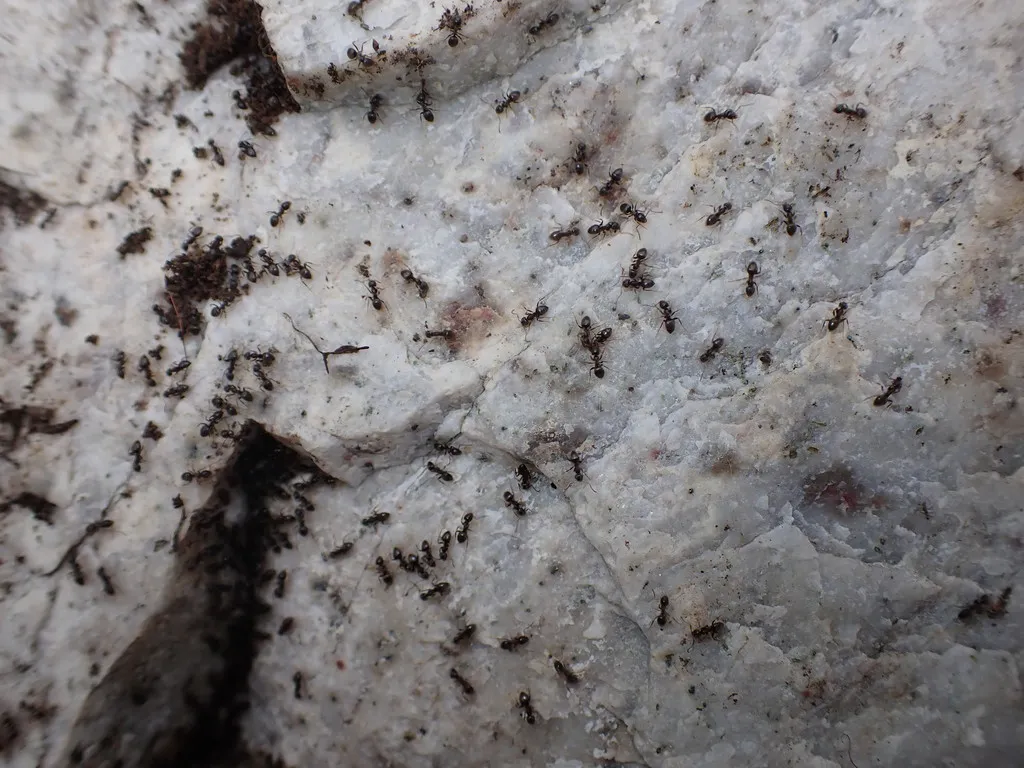
Odorous house ants are small brown to black ants named for the distinctive rotten coconut smell they produce when crushed. These common household invaders form large colonies with multiple queens and are among the most frequently encountered ant pests across North America.
Taxonomy
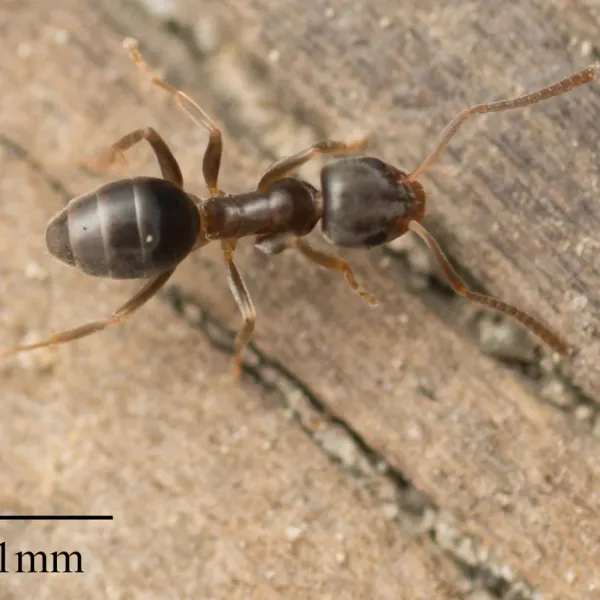
Odorous House Ants Coloration
Common color patterns to help identify odorous house ants
Odorous House Ants
Seasonal Activity
When odorous house ants are most active throughout the year

Where Odorous House Ants Are Found
Hover over states to see their names. Green regions indicate where odorous house ants have been reported.
Odorous House Ant Identification Guide
The odorous house ant (Tapinoma sessile) is one of the most common ant pests in North America. Native to the continent, these small brown to black ants have adapted remarkably well to living alongside humans. If you’ve seen tiny ants in your kitchen or ants in your bathroom, there’s a good chance you’re dealing with odorous house ants.
The name comes from the distinctive smell these ants produce when crushed. Most people describe it as rotten coconut, blue cheese, or rancid butter. This odor test is the quickest way to identify them in the field. Simply crush an ant and smell it. If you detect that unpleasant, almost petroleum-like scent, you’ve confirmed the species.
Physical Characteristics
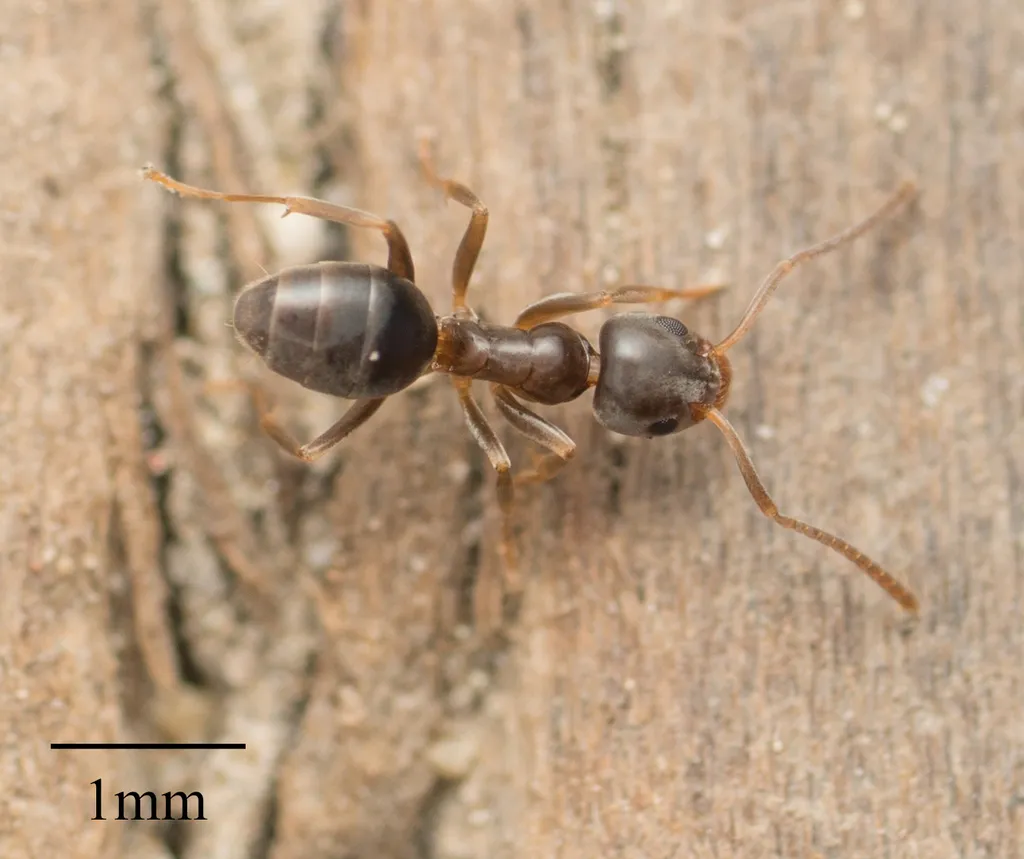
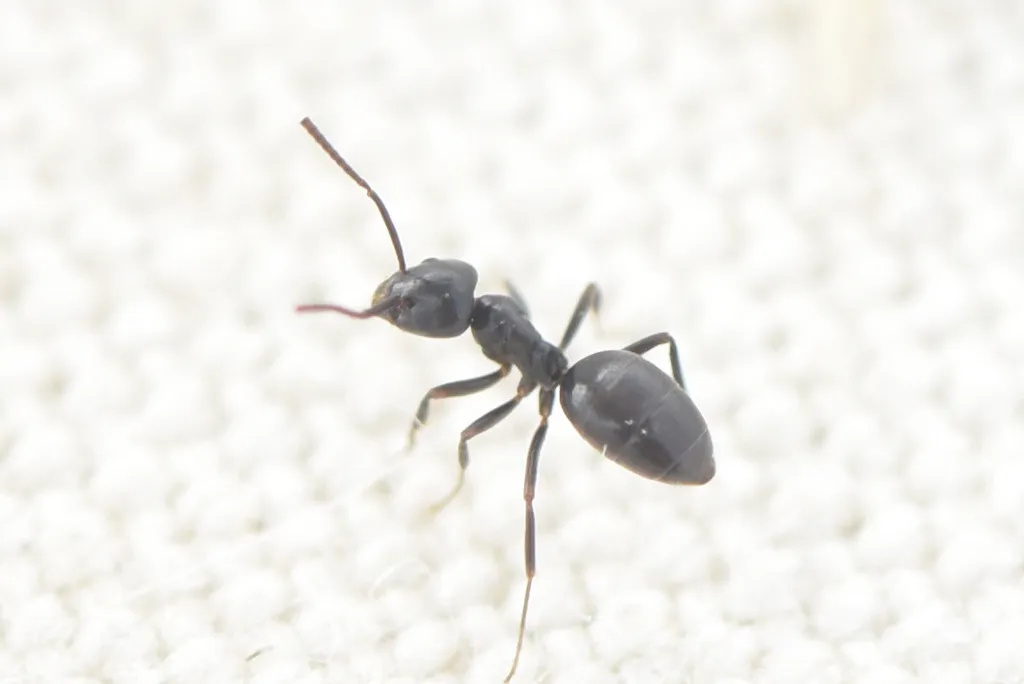
Odorous house ants are small, with workers measuring approximately 2.4 to 3.3 mm (about 1/16 to 1/8 inch) in length. All workers are the same size, which entomologists call “monomorphic.” Their bodies range from brown to dark brown or black, typically appearing uniform in color throughout.
Key identification features include:
- Single hidden petiole - The node between the thorax and abdomen is flattened and concealed beneath the gaster, making it difficult to see from above
- 12-segmented antennae without a distinct club at the tip
- No thoracic spines - The thorax is smooth without projections
- Characteristic odor when crushed (rotten coconut or blue cheese)
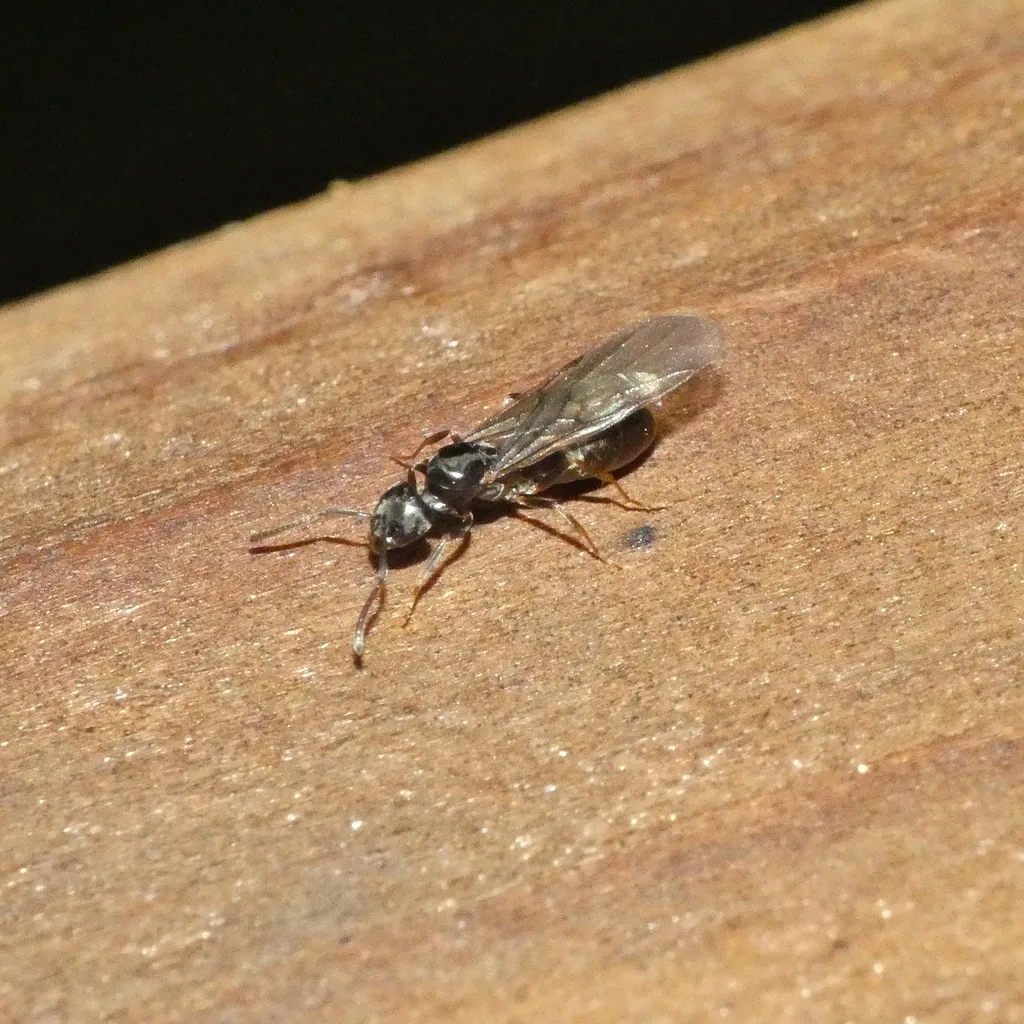
Reproductive ants, called alates, have wings and are larger than workers, typically 4 to 5 mm in length. These winged forms appear during mating season, usually from May through July in the Mid-Atlantic region.
Species Commonly Confused with Odorous House Ants
Several ant species look similar to odorous house ants and are frequently misidentified:
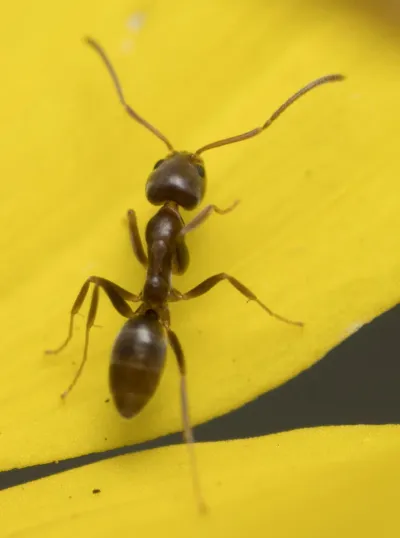
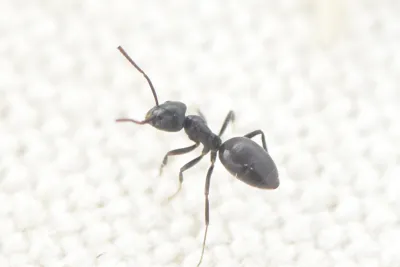
- Argentine Ants (Linepithema humile) - Similar size and trailing behavior but lighter brown in color with a visible petiole node. Do not produce the characteristic odor.
- Pavement Ants (Tetramorium species) - Have two visible petiole nodes, parallel lines on the head and thorax, and small spines on the thorax.
- Pharaoh Ants (Monomorium pharaonis) - Much smaller, pale yellow to reddish-brown with a distinctly darker abdomen. Have a 3-segmented antennal club.
- Little Black Ants (Monomorium minimum) - Smaller and jet black. Have a 3-segmented antennal club like pharaoh ants.
- Rover Ants (Brachymyrmex species) - Very small (about 1.5 mm), pale brown ants that are increasingly common indoor pests. They lack the rotten coconut odor when crushed and have 9-segmented antennae without a distinct club, compared to the 12-segmented antennae of odorous house ants.
The crush test remains the most reliable field identification method. If the ant smells like rotten coconut when crushed, it’s almost certainly an odorous house ant. For a visual comparison of common species, see our ant identification chart.
Odorous House Ant Behavior and Biology
Understanding how odorous house ants live and reproduce is essential for effective control. These ants have biological traits that make them particularly challenging to eliminate.
Colony Structure and Reproduction
Odorous house ant colonies can range from a few hundred individuals to tens of thousands. What makes them difficult to control is their colony structure: they’re frequently polygynous (multiple queens) and polydomous (multiple nests).
A single “supercolony” may consist of numerous satellite nests spread across a yard or throughout a building, all interconnected by foraging trails. Each satellite nest can contain reproductive queens, allowing the colony to recover quickly if one nest is destroyed.
Colonies reproduce in two ways:
- Mating flights - Winged reproductives swarm from May through July. After mating, queens shed their wings and establish new colonies.
- Budding - Groups of workers take one or more queens and relocate to establish satellite nests. This allows colonies to expand rapidly without mating flights.
Nesting Habits
Odorous house ants are opportunistic nesters that adapt to available shelter. Outdoors, they commonly nest:
- Under rocks, pavers, and landscape timbers
- In mulch beds and leaf litter
- Beneath logs and debris
- In soil, especially near foundations
Indoors, they seek warm, protected spaces near moisture:
- Wall voids, especially near pipes and water heaters
- Behind baseboards and under floors
- Inside insulation
- Around window frames and door frames
- In potted plants
Research published in the Journal of Insect Behavior shows that odorous house ant colonies actively relocate in response to environmental changes. Increased moisture, food availability, or temperature shifts can cause colonies to move, sometimes deeper into structures after rain events.
Diet and Foraging
Odorous house ants strongly prefer sugary foods. In nature, they feed primarily on honeydew, the sweet substance produced by aphids and scale insects. They actively tend and protect these honeydew-producing insects on plants around homes.
Inside structures, they forage for:
- Sugary foods (honey, syrup, sugar, fruit, juice)
- Honeydew from houseplant pests
- Proteins and fats when the colony needs them
- Pet food and crumbs
Foragers leave pheromone trails that recruit other workers to food sources. A single scout finding sugar on your counter can lead to hundreds of ants following the trail within hours. These invisible chemical trails can persist even after cleaning, which is why ants often return to the same locations.
Seasonal Activity in North America
Odorous house ant activity follows predictable seasonal patterns. For more details on when ants come out and peak activity periods, see our seasonal guide.
| Season | Activity Level | Notes |
|---|---|---|
| Spring (April-May) | High | Colonies become active; foraging increases dramatically |
| Summer (June-August) | High | Peak activity; mating flights occur May-July |
| Fall (September-October) | Moderate | Activity decreases; colonies may move indoors |
| Winter (November-March) | Low | Outdoor activity minimal; indoor colonies remain active |
In heated buildings, odorous house ants can remain active year-round. Indoor infestations don’t follow the same seasonal decline as outdoor populations.
How We Treat for Odorous House Ants
Our treatment approach targets the entire colony system, not just the visible foragers. Because odorous house ants have multiple queens and satellite nests, surface sprays that kill a few workers don’t solve the problem. We use an integrated approach that eliminates colonies at their source.
Initial Inspection and Treatment
A licensed technician begins with a thorough inspection of your home, inside and out. We identify:
- Active foraging trails and entry points
- Potential nesting sites (wall voids, moisture areas, mulch beds)
- Conducive conditions that attract ants
- The extent of the infestation
For interior treatment, we apply non-repellent insecticides to cracks, crevices, and voids where ants travel. Non-repellent products are essential because ants cannot detect them. Workers walk through treated areas, pick up the material, and carry it back to the colony. Through contact and grooming, it spreads to other workers, larvae, and queens.
Exterior treatment includes a perimeter application around the foundation to intercept foragers before they enter. We also identify and address conducive conditions: areas of excess moisture, mulch piled against foundations, or debris that provides harborage.
Why Non-Repellent Products Matter
Traditional contact sprays and repellents are counterproductive for odorous house ants. Here’s why:
- Repellents scatter colonies - Ants detect the treatment and avoid it, often moving nests deeper into structures
- Contact sprays kill only foragers - The queens continue producing new workers to replace losses
- Budding response - Stressed colonies split into multiple new nests, making infestations worse
Our non-repellent materials work with ant biology. Foragers unknowingly transfer the product throughout the colony. Because ants are social insects that groom each other and share food, the active ingredient reaches queens and brood that never leave the nest.
We’ve removed nine harsh chemicals common in the industry from our programs. Our products, including materials like Alpine and Essentria, are effective against odorous house ants while being formulations we’d use in our own homes.
Ongoing Protection
Most ant control products remain effective for several months before breaking down. That’s why our tri-annual service program (three visits per year) includes regular maintenance treatments. Each visit includes:
- Inspection for new activity
- Retreatment of the perimeter barrier
- Addressing any conducive conditions
- Checking interior hot spots
If you see odorous house ants between scheduled visits, call us. We provide free unlimited callbacks to retreat at no additional cost. That’s part of our Better Promise: we keep coming back until the problem is solved.
What You Can Do to Help
While we handle the treatment, these steps support long-term control:
For additional tips on how to keep ants away from your home, see our prevention guide.
- Reduce food sources - Store food in sealed containers; clean up crumbs and spills promptly
- Eliminate moisture - Fix leaky pipes and faucets; improve ventilation in damp areas
- Seal entry points - Caulk cracks around windows, doors, and utility penetrations
- Modify landscaping - Keep mulch away from foundations; trim vegetation touching the structure
- Remove harborage - Clear debris, leaf litter, and stacked materials near the foundation
Managing honeydew-producing insects on landscape plants can also reduce outdoor odorous house ant populations. When aphids and scale insects are controlled, you remove a major food source that supports ant colonies.
Understanding the Research
Odorous house ants have been extensively studied because of their pest status. Research from Penn State Extension and Texas A&M Urban Entomology confirms that these ants are native to North America and found coast-to-coast from southern Canada to northern Mexico.
A 2020 study published in the Journal of Insect Behavior demonstrated that odorous house ant colonies actively relocate nests in response to shade, moisture, and food proximity. This explains why infestations often worsen after heavy rain or when new food sources appear inside homes.
The Northeast IPM Center recommends baiting as the primary control method, emphasizing that repellent sprays scatter colonies rather than eliminating them. This aligns with our treatment approach: non-repellent products that target entire colony systems rather than individual foragers.
For detailed identification characteristics, AntWiki and BugGuide provide comprehensive morphological data and distribution records. These resources confirm the key identification features: single hidden petiole, 12-segmented antennae without a club, and the characteristic odor when crushed.
Other Ants
Explore other species in the ants family
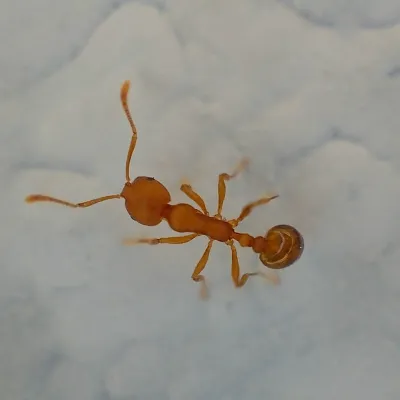
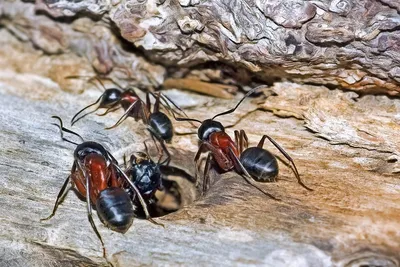
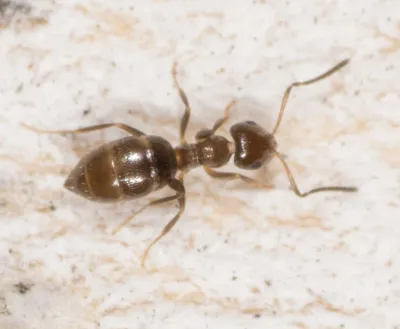
Commonly Confused With
Odorous House Ants are often mistaken for these similar pests
Where Odorous House Ants Are Found
Hover over states to see their names. Green regions indicate where odorous house ants have been reported.
Common Questions about Odorous House Ants
Why are they called odorous house ants?
+
Odorous house ants get their name from the distinctive smell they produce when crushed. Most people describe it as rotten coconut, blue cheese, or rancid butter. This odor comes from chemicals the ants use for communication. It's actually the easiest field test to identify them.
Are odorous house ants the same as sugar ants?
+
Yes. 'Sugar ant' is an informal name that homeowners use for any small ant attracted to sweets. In North America, when people say sugar ants, they're usually referring to odorous house ants (Tapinoma sessile). The scientific name is odorous house ant, but both terms describe the same species.
Do odorous house ants bite or sting?
+
Odorous house ants do not bite or sting humans. They're nuisance pests that contaminate food and create trails throughout your home, but they pose no direct physical threat. Their main impact is food contamination and the stress of dealing with persistent infestations.
Why do odorous house ants invade my home?
+
Odorous house ants enter homes seeking three things: food, water, and shelter. They're especially attracted to sweet foods, moisture around sinks and pipes, and protected nesting sites in wall voids. Heavy rain can also drive outdoor colonies to seek dry shelter inside structures.
How do I get rid of odorous house ants permanently?
+
Permanent control requires eliminating the entire colony, not just the ants you see. DIY sprays often cause colonies to bud and split into multiple nests. Professional treatment uses non-repellent products that ants carry back to the colony, eliminating queens and workers at the source.
Why do odorous house ants keep coming back after I spray?
+
Over-the-counter sprays only kill the foragers you see, which represent a small fraction of the colony. The queens continue producing new workers. Worse, repellent sprays can cause colonies to bud and spread throughout your home. Non-repellent professional treatments work differently by targeting the entire colony.
How long does it take to eliminate an odorous house ant infestation?
+
With professional baiting, you'll typically see significantly reduced activity within 2 weeks. Complete elimination may take 2-4 weeks depending on colony size. You might see increased activity in the first few days as ants find and share the bait, which is actually a good sign that treatment is working.
Can odorous house ants damage my home?
+
Unlike [carpenter ants](/pests/ants/carpenter-ants/), odorous house ants do not damage wood or structures. They nest in existing voids and cavities rather than excavating new ones. However, they contaminate food, leave pheromone trails throughout your home, and large infestations can be extremely persistent and stressful to deal with.

With five years of hands-on experience in the pest control industry, George Schulz is a registered technician with the Virginia Pest Management Association and a proud third-generation professional in a family business that's been protecting homes for over 57 years. He manages and trains a team of service pros while also leading internal research efforts—recently spearheading a deep-dive review of thousands of documents on pest control materials to hand-pick the most kid and pet friendly, most effective solutions tailored specifically for homes in the DC metro area.